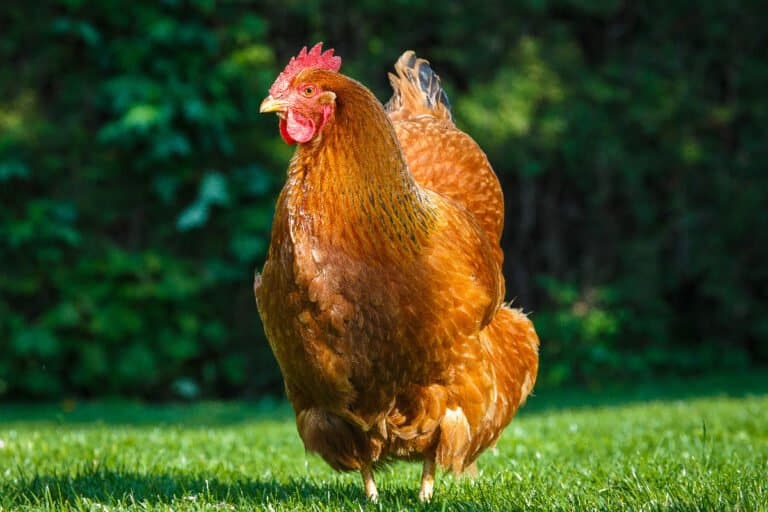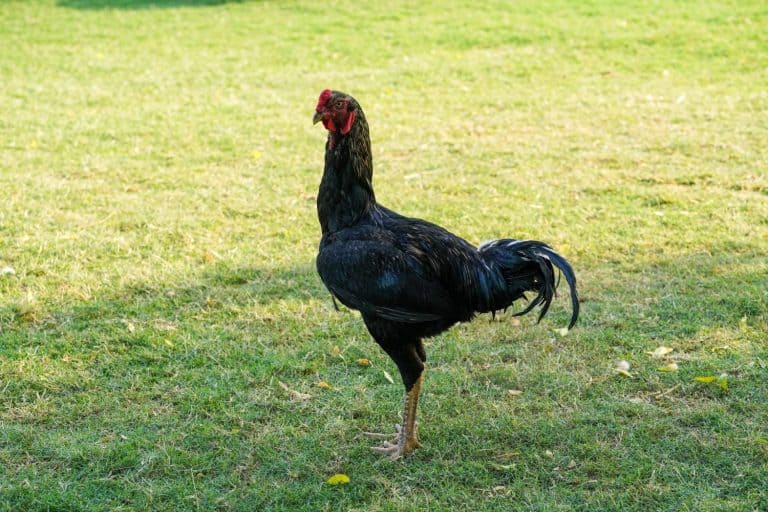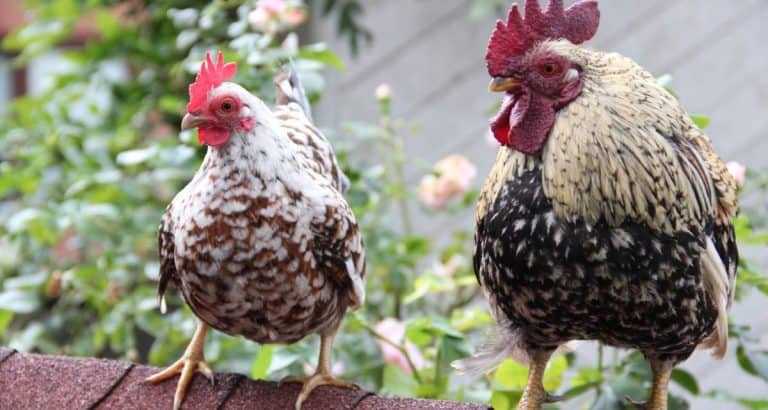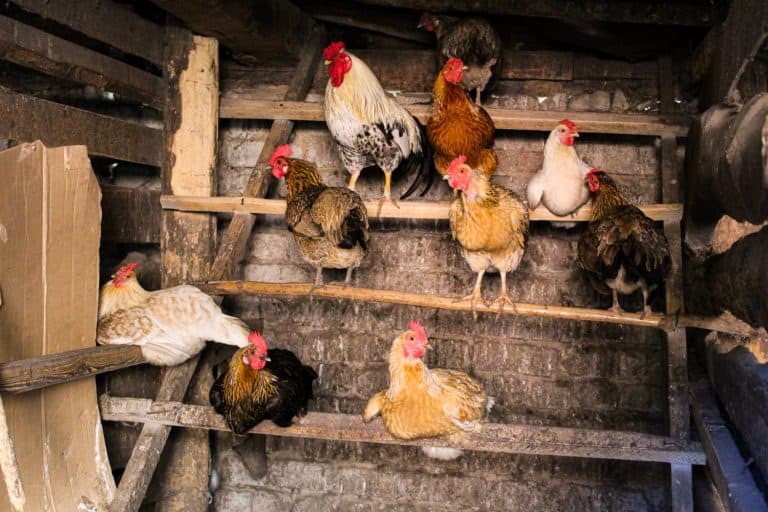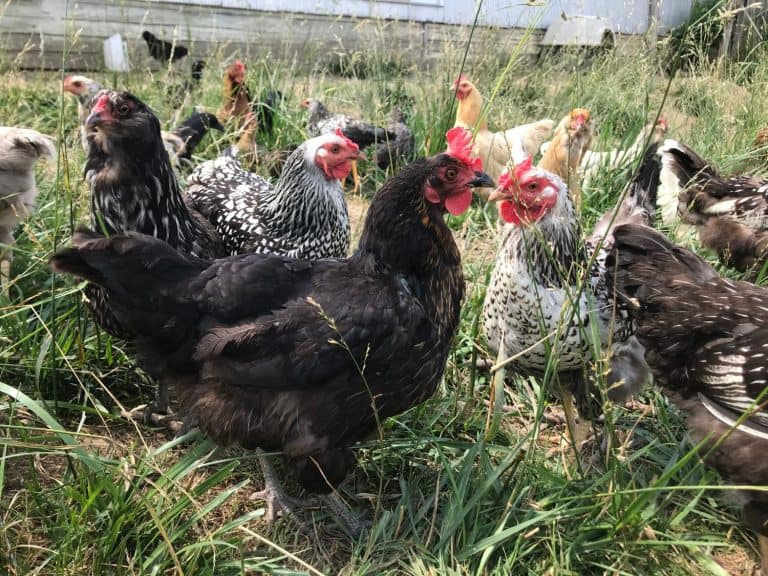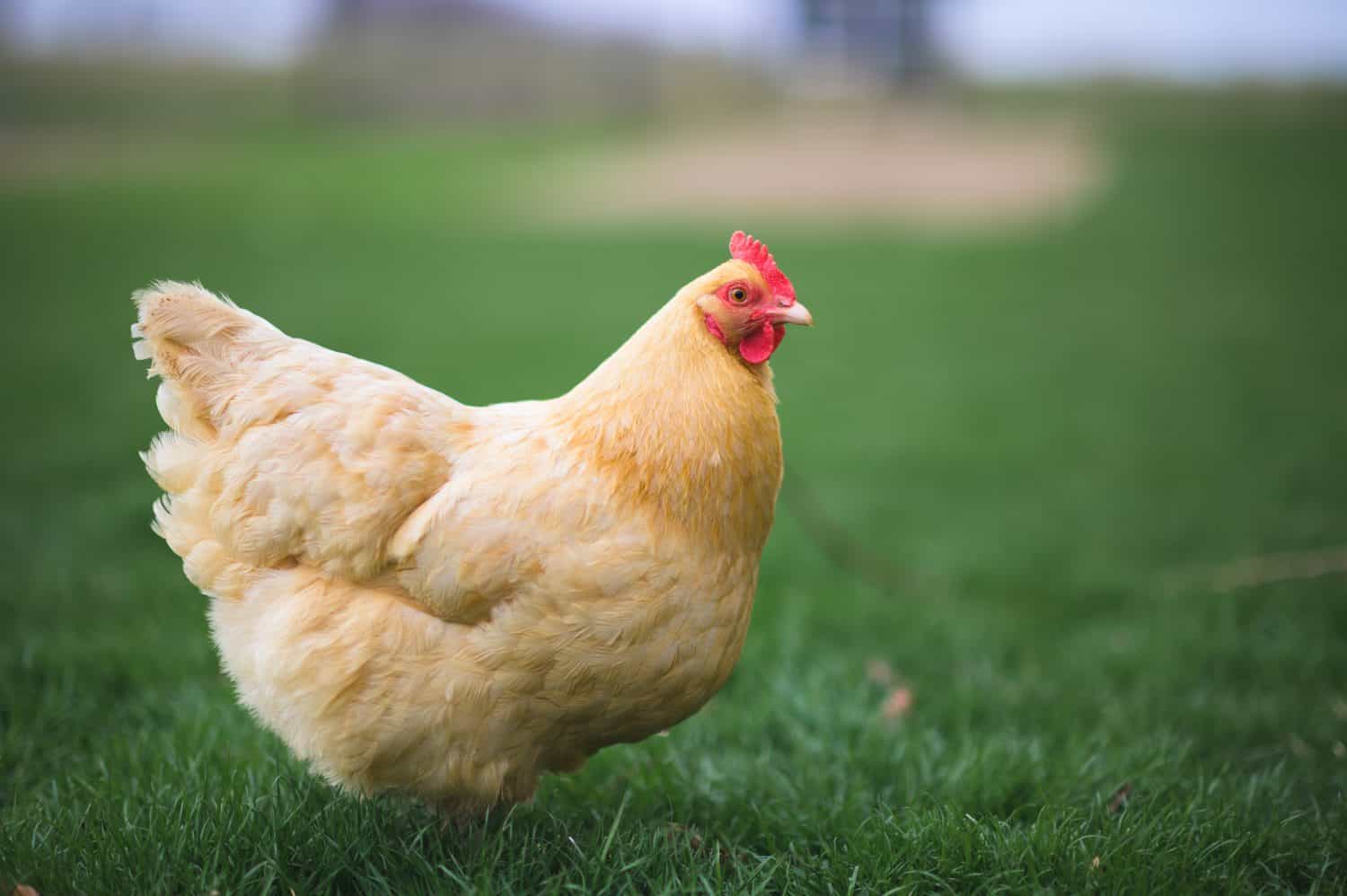

Chickens have been an essential part of human life for centuries, providing a steady supply of eggs and meat from a species gentle enough even for children to take care of. Over the centuries, a whole basket of myths has grown up around them—some harmless, others misleading for new keepers. Let’s break down the most common ones and see what’s fact and what’s just “feathered fiction.”
Why Are Chickens in Vogue?

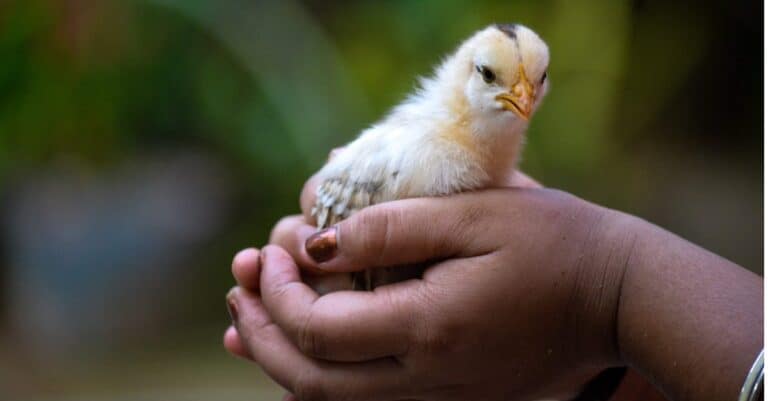
Laying hens are gentle enough to be handled by children… if they can catch them.
©PeopleImages.com – Yuri A/Shutterstock.com
Backyard chickens are part of a wider homesteading and gardening trend. As of 2021, the USDA estimated that about 13 million U.S. households keep hens, most of them in suburban or semi-rural areas. For many, it’s not just about saving money on groceries but about eating fresher food, teaching kids responsibility, and embracing simpler, more grounded lifestyles. Others see it as a form of self-reliance—protection against supply chain problems or price spikes. While not all suburban “chicken farmers” are full-on “doomsday preppers,” the movement does reflect a cautious streak: people want more control over their essential supplies in a way that feels sustainable and resilient.
How Easy Is It to Raise Chickens?

You don’t have to run a full-on factory farm to provide a steady supply of eggs for a typical family.
©Humane World for Animals
Raising chickens is often simpler than many expect. A small flock of three to six hens—typical for suburban backyards—can produce 10 to 20 eggs per week, more than enough for most households. They need a secure coop, fresh water, quality feed, and daily check-ins, but once a routine is established, care usually takes less time than walking a dog.
That said, chickens aren’t completely carefree. They can attract predators like hawks, raccoons, or foxes if their housing isn’t secure. Flocks are also vulnerable to diseases such as mites or respiratory infections, which require vigilance and sometimes veterinary care. Noise is another factor: while hens are quieter than roosters, they still cluck loudly after laying. If you’re raising them for meat as well as eggs, you’ll have to get over any squeamishness about butchering and dressing chickens. Finally, a flock ties you to home—someone has to feed, water, and lock them up at night, which can make traveling difficult without a reliable neighbor or pet-sitter. Backyard chickens are rewarding but come with real responsibilities.
Myth 1: Hens Need a Rooster to Lay Eggs
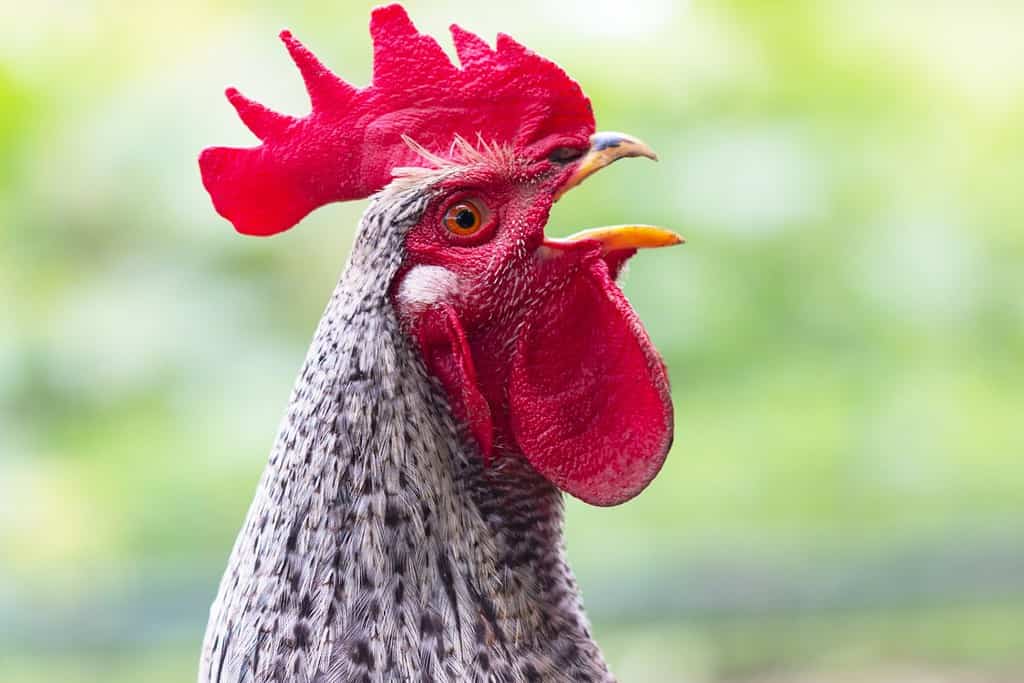
A rooster is really only necessary if you are going to breed your chickens.
©Wizard Goodvin/Shutterstock.com
Many assume hens can’t produce eggs without a rooster. In reality, egg laying is part of a hen’s natural cycle. She will lay eggs whether or not she has ever met a rooster. The only difference is that without fertilization, the eggs will never develop into chicks. Egg laying is triggered by factors like day/night cycles, nutrition, and overall health. A rooster has no influence on how often hens lay. If production drops, look at shorter daylight hours, poor feed, or stress, not rooster absence.
Roosters do have their uses—they fertilize eggs if you want chicks, sometimes protect hens from predators, and help keep order in the flock. But their crowing will make enemies of your neighbors—it can reach up to 100 decibels. They’re also territorial and grow sharp spurs on their legs for fighting that they don’t mind using against people or pets. In fact, roosters are banned in many towns, even when hens are permitted.
Myth 2: Brown Eggs Are Better
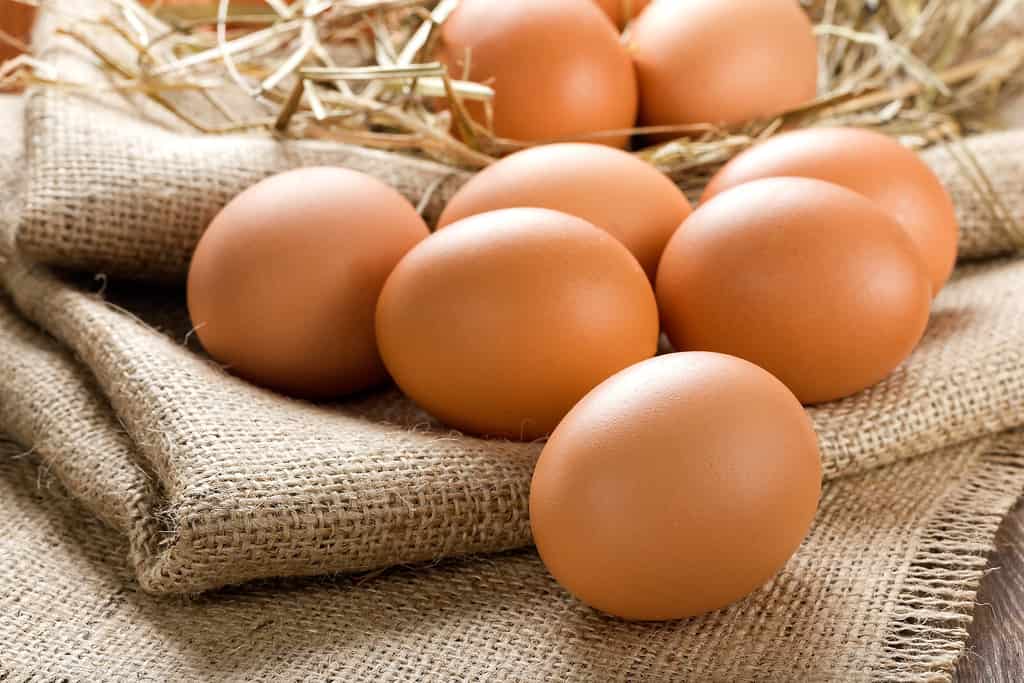
Many varieties of chickens lay beautiful brown eggs of different shades.
©Sea Wave/Shutterstock.com
Brown eggs often cost more, which might suggest they are more nutritious. In reality, shell color is genetic: Leghorns lay white eggs, Rhode Island Reds lay brown, and breeds like Easter Eggers can even lay blue, green, or pink. The color is fun, but it doesn’t affect nutrition.
Flavor has more to do with freshness and feed than shell color. What truly matters is how the hen is cared for. Diet, sunlight, and low stress create richer, healthier eggs—regardless of shell color. A white egg laid that morning by a free-ranging hen will taste better than a brown egg that sat in storage for weeks. So, if you love the “farm fresh” taste, thank the hen’s diet and lifestyle—not the shell.
Myth 3: Chickens Need a Dirt Floor to Scratch
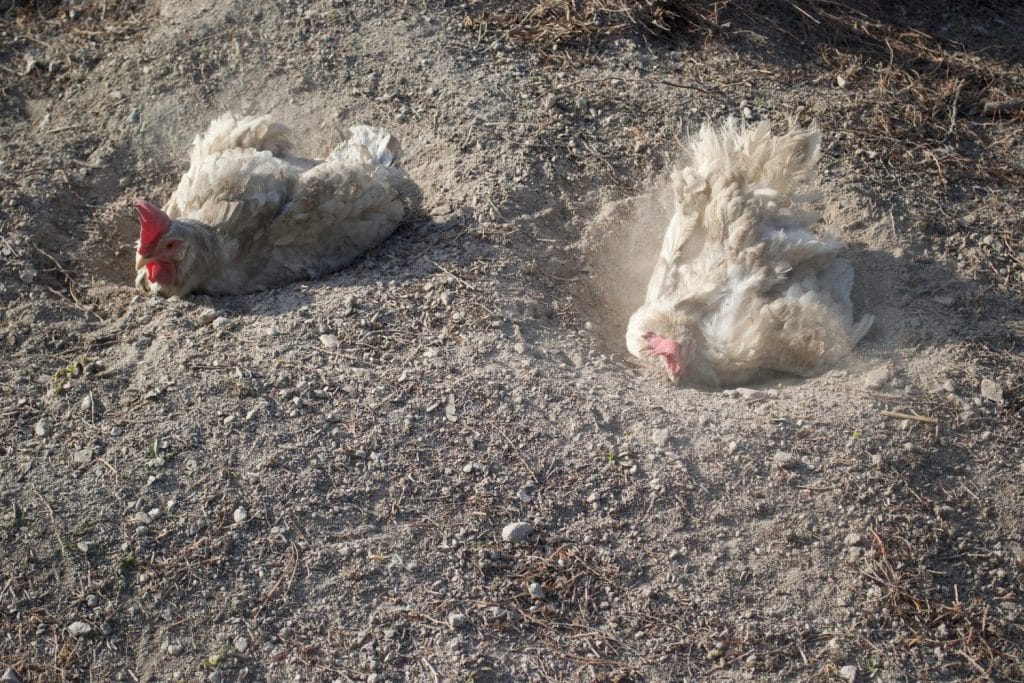
Chickens love to take dirt baths when they have access to soil.
©Szike/Shutterstock.com
Chickens are famous scratchers, digging around with their claws in search of bugs and seeds. That habit often makes people think they need bare dirt underfoot. But dirt floors aren’t necessary, and in many cases, they can actually cause problems. Damp dirt holds moisture, which allows bacteria and parasites to thrive. It also makes the coop smell unpleasant, especially in wet weather.
Bedding materials such as wood shavings, straw, or sand provide hens with the opportunity to scratch and dust bathe, while also keeping the coop drier and easier to clean. Many keepers prefer sand because it sifts like kitty litter, while wood shavings compost well into garden fertilizer. The point isn’t whether the floor is dirt or not—it’s whether it’s clean, absorbent, and healthy for the flock.
Myth 4: Chicken Runs Don’t Need Covers
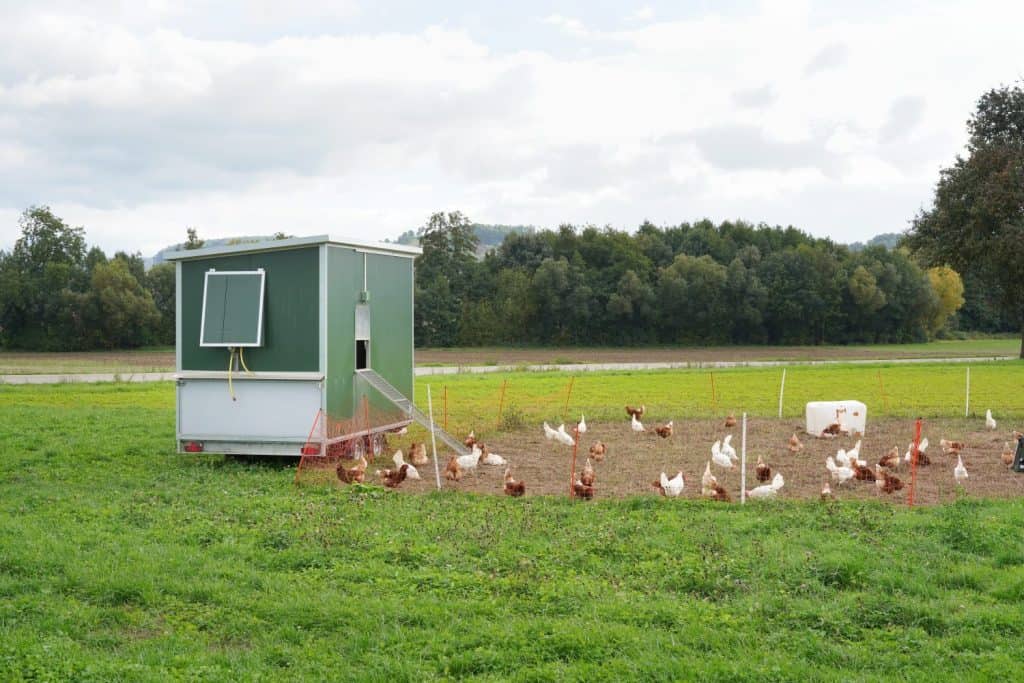
This enclosure is sufficient to keep hens in, but not to protect them from predators, particularly hawks.
©ThomBal/Shutterstock.com
It’s easy to assume your flock is safe in daylight, but that’s a dangerous mistake. Hawks can swoop down in seconds, foxes hunt in the morning and evening, and raccoons are clever enough to appear at any time. Leaving a run uncovered is essentially inviting predators to dinner. A strong wire roof, hardware cloth, or even heavy-duty netting creates a protective barrier. Some keepers also add motion lights or secure fencing skirts to stop digging animals. Covering a run is one of the simplest, most effective ways to prevent sudden losses.
Myth 5: Every Hen Needs Her Own Nest Box
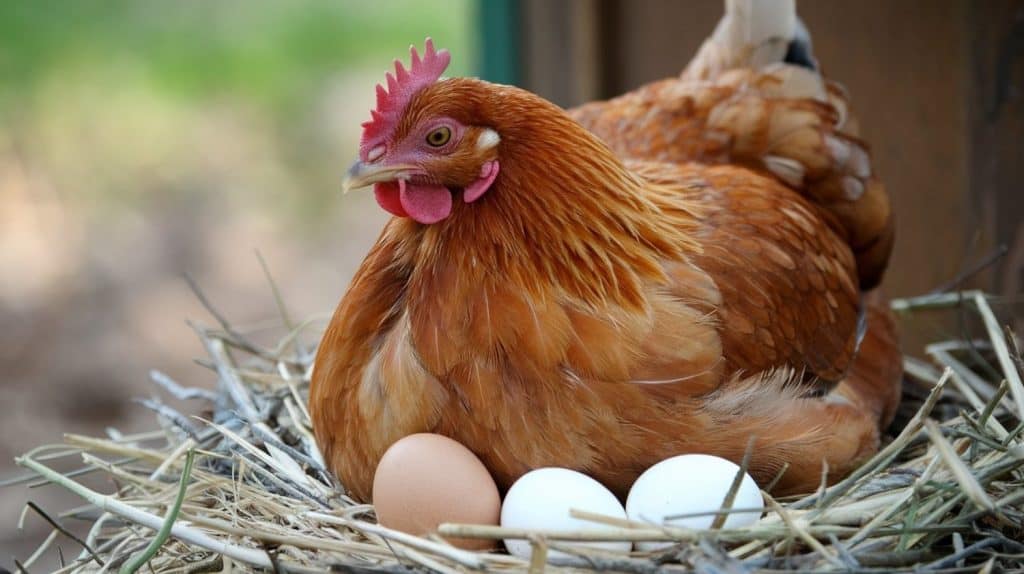
Hens are quite comfortable laying eggs in shared nests.
©First True Love/Shutterstock.com
Hens are flock animals, and their nesting habits reflect that. Rather than spreading out evenly, they tend to favor the same few boxes. It’s common to see two hens squeezed into one nest, or a line forming outside the “most popular” box while others sit empty. Providing more boxes than needed only wastes space and bedding. A practical guideline is one nest box for every four to six hens. What matters more than the number is comfort: boxes should be cozy, dark, and filled with soft bedding to encourage laying eggs.
Myth 6: Chicken Coops Smell Terrible
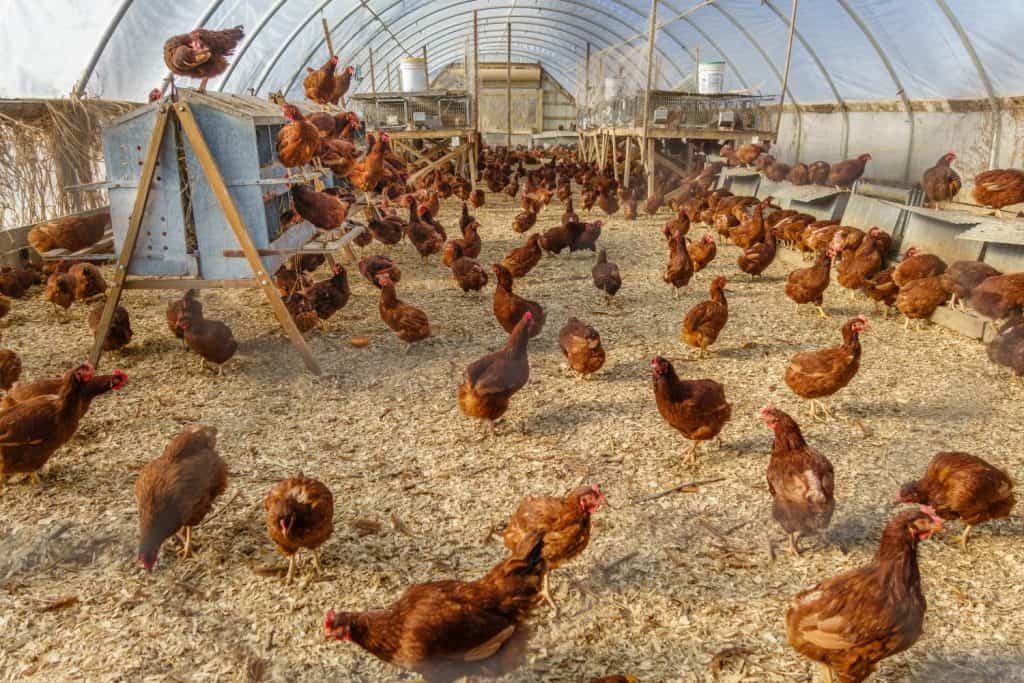
A well-kept coop doesn’t have to smell bad.
©Heidi Besen/Shutterstock.com
The fear of a foul-smelling coop in the backyard deters many suburbanites from keeping chickens. Bad smells usually come from wet manure, poor ventilation, or neglect. With simple maintenance, a coop can smell no worse than a hay barn or garden soil.
There are two main approaches. Some owners clean droppings daily, removing waste before it builds up. Others use the “deep litter” method, layering fresh bedding on top of old. Over time, the materials break down like compost, creating warmth in winter and a rich fertilizer when cleaned out. Good airflow is equally important: vents at the top of the coop let moisture escape and prevent ammonia buildup. When managed well, a coop can be comfortable for hens and tolerable for humans.
Myth 7: Tree Branches Make the Best Roosts
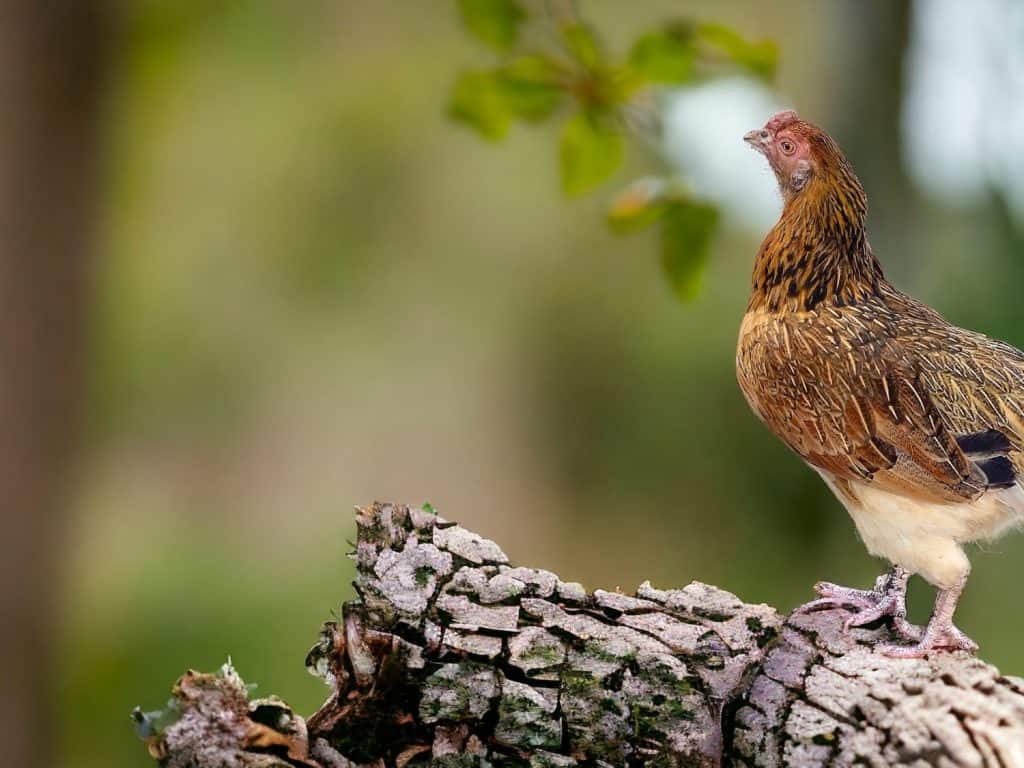
©Wanamard Balachandra/Shutterstock.com
It seems natural to give chickens tree branches to perch on; that’s what they would have in the wild, after all. But branches are often uneven, splintery, and difficult to sanitize. Worse, they can harbor mites that crawl onto roosting hens at night, spreading quickly through the flock.
Chickens sleep best on smooth, rounded perches that fit their feet. Wooden beams or even sanded dowels work well, and metal pipes can be used if wrapped for grip. The key is a surface wide enough that hens can cover their toes with feathers in cold weather, protecting them from frostbite. A well-designed roost keeps chickens healthier, reduces injury, and is easier for keepers to clean.
Myth 8: Strange Superstitions About Eggs
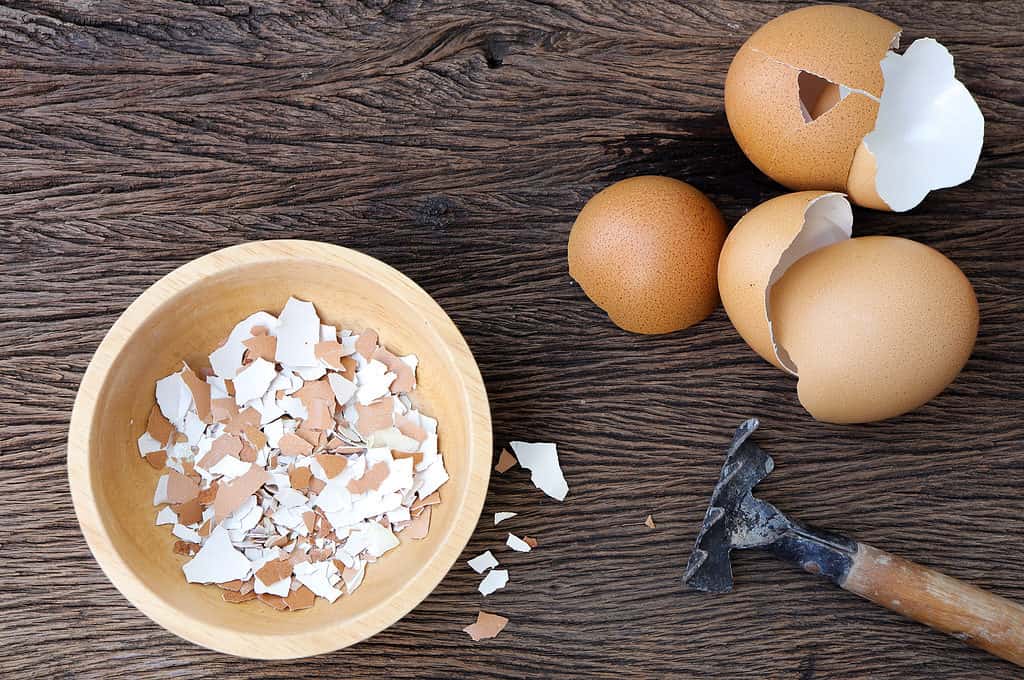
Crushed eggshells can be an effective deterrent for snails and slugs—but snakes, not so much.
©iStock.com/yuphayao phankhamkerd
There are lots of other superstitions about chickens. For example, some warn that collecting eggs after dark will bring bad luck, while others claim that scattering shells in the garden will ward off snakes. These superstitions may have simply been a way to encourage children to do their chores before dark and dispose of kitchen scraps. But some old practices had practical roots—feeding ground shells back to hens, for example, actually returns calcium to their diet and helps strengthen future eggs.
Separating Fact from Fiction

It’s fun to share the old legends with kids, but let’s try to help them separate fact from fiction.
©r.classen/Shutterstock.com
Chicken myths persist because they’re often more entertaining than the truth. Knowing the real science—how hens actually lay, what really affects egg quality, and which coop practices matter most—helps owners make decisions that benefit both birds and people.
At the same time, not all sources of chicken wisdom are created equal. Reliable guidance comes from agricultural extension services, university poultry programs, the American Poultry Association, or your local cooperative extension office. Trusted books, veterinarians, and experienced breeders provide grounded, practical advice. Online groups and forums can be useful for support, but they should never replace proven sources of knowledge. By leaning on dependable sources and putting aside tall tales, you’ll keep your flock healthier, your eggs fresher, and your chicken-keeping journey more rewarding. In the end, truth—not folklore—should rule the roost.