
Myths and misconceptions about animals no doubt go back as far as language itself, but they’re as recent as today’s news feed. Some of these tales charm us, while others terrify us. But whether they come from tradition, superstition, or simple misunderstanding, myths can shape how we treat animals, sometimes unfairly. Let’s set the record straight with a look at some of the most common animal legends and what science actually says about them.
“Elephants Are Gentle Giants”
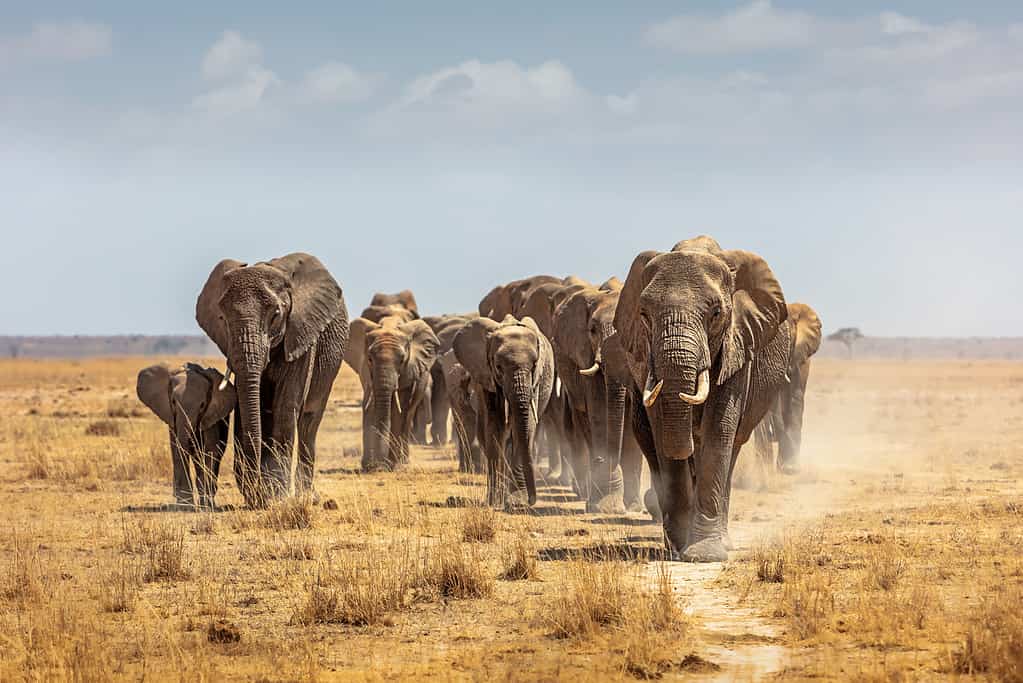
Elephants (Elephantidae)
©adogslifephoto/iStock / Getty Images Plus via Getty Images
We often think elephants are gentle because, when raised by people, they can be tamed, trained, and put to work, even giving rides to children. Truly, they can be deeply affectionate, empathetic, and playful. However, they’re more complex than that. When stressed, provoked, or defending their young, they can turn deadly in an instant. A full-grown elephant can crush a natural predator or a person with a single charge, using its tusks, trunk, or sheer weight to kill. Up to 500 people are killed by elephants each year, making them one of the deadliest animals for people in the world.
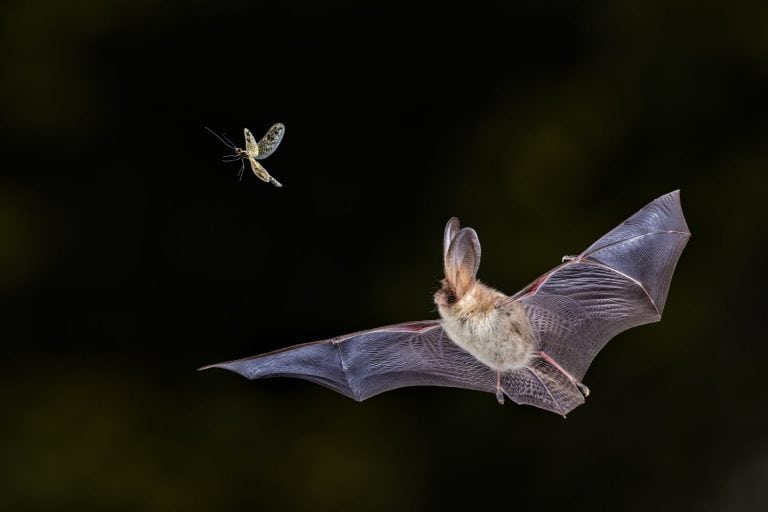
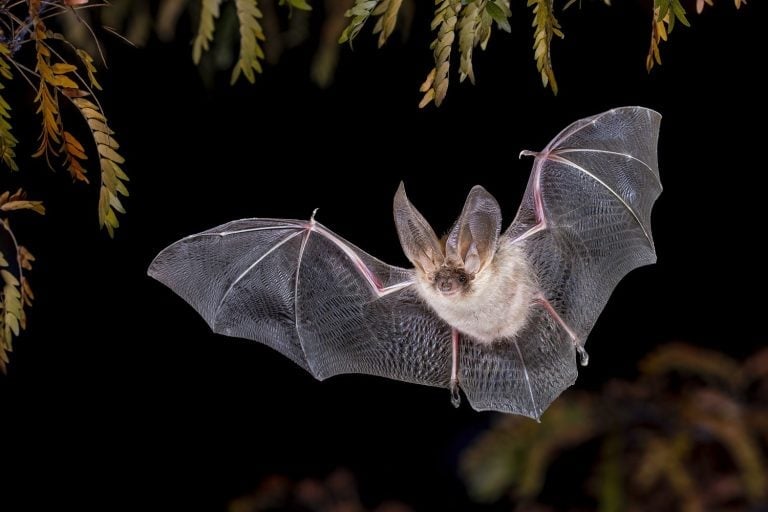
“Bats Are Blind”
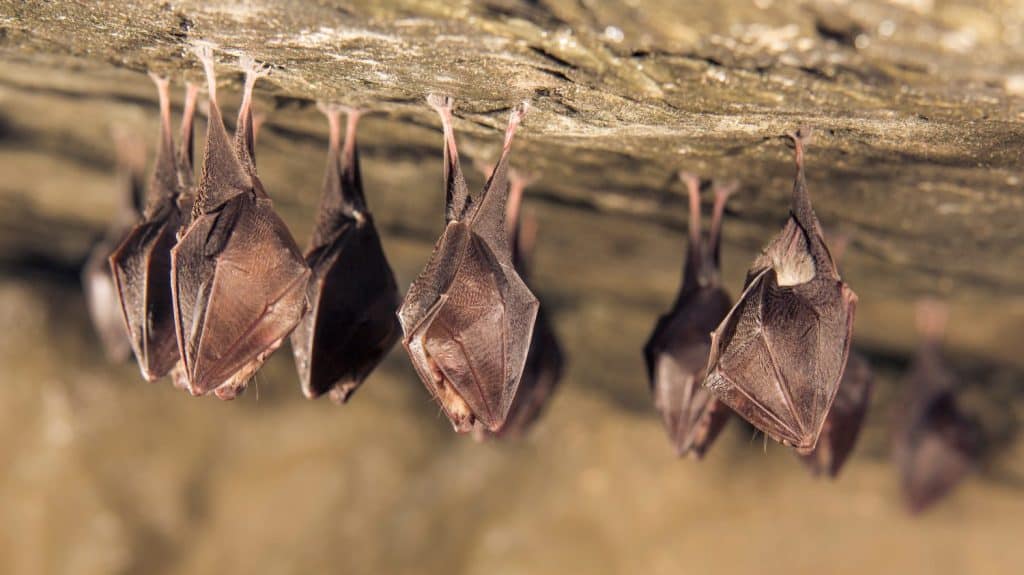
Bats (Chiroptera)
©Martin Janca/Shutterstock.com
The saying “blind as a bat” couldn’t be more wrong. Bats can see perfectly well but also use echolocation, bouncing sound waves off objects to “see” in total darkness. Most are harmless insect-eaters that help farmers by devouring mosquitoes and crop pests. Fruit bats pollinate tropical plants, and nectar-feeding bats spread seeds that regrow forests. They rarely bite unless handled. Despite myths that cast them as villains, bats are essential to healthy ecosystems and deserve protection, not panic.
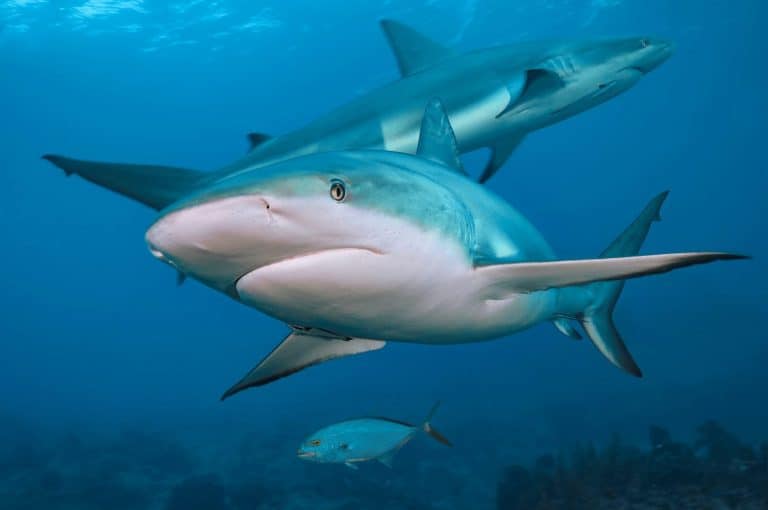
“Sharks Are ‘Man-Eaters’”
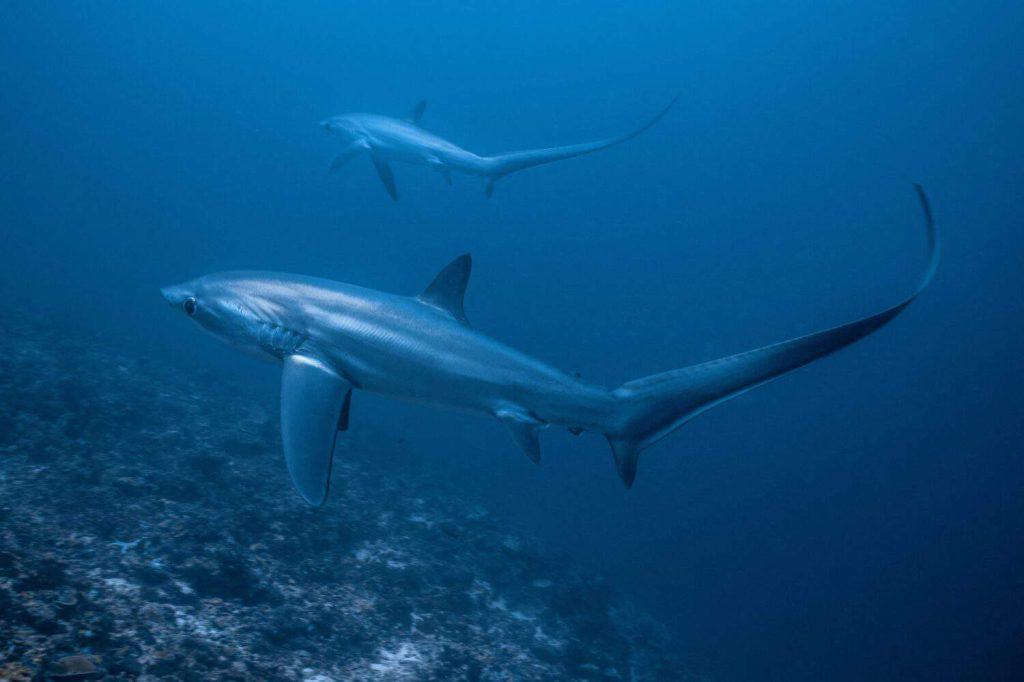
Sharks (Selachimorpha)
©Damir Zurub / Shutterstock.com
The phrase “man-eating shark” has been used so much that it’s become a cliche. But in fact, sharks don’t hunt people as a food source. Out of hundreds of shark species, only a few have ever attacked humans. Most of these incidents are cases of mistaken identity, as surfers look a lot like seals from below. Sharks sometimes take a ‘test bite’ but usually release people immediately after. It’s horrifying, but rarely fatal. Meanwhile, humans kill an estimated 100 million sharks each year for fins and sport. Without sharks, ocean ecosystems can collapse. It’s not humans who are on the menu; it’s sharks who are at risk.
“Cockroaches Can Survive a Nuclear Explosion”
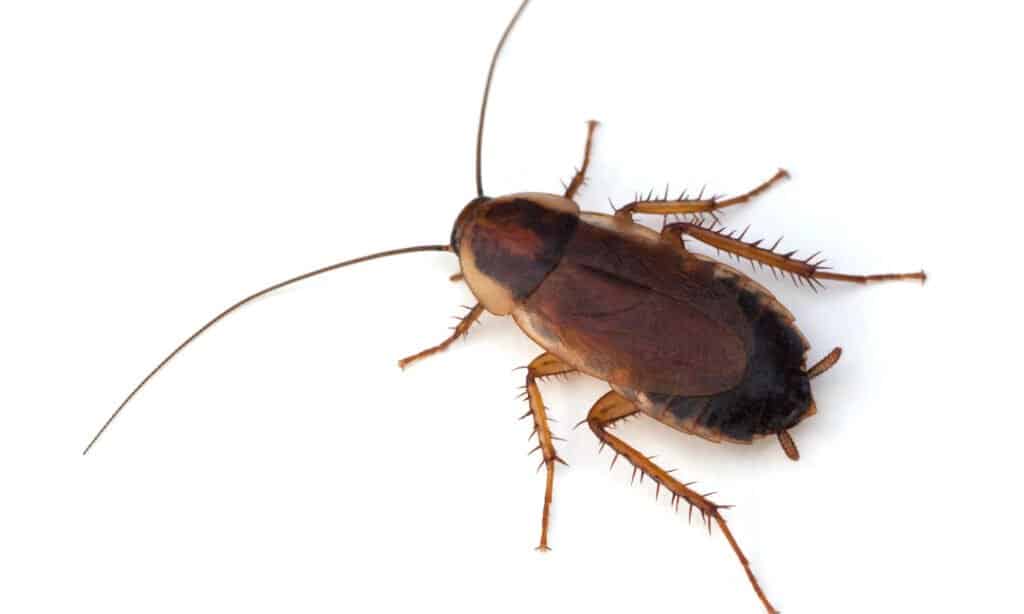
Pennsylvania wood cockroach (Parcoblatta pennsylvanica)
©Melinda Fawver/Shutterstock.com
The belief that cockroaches could survive a nuclear explosion is more fiction than fact. Cockroaches are resilient, and studies have shown they can handle mild radiation at doses several times higher than humans. But the levels released during an actual nuclear blast are far beyond what any insect could endure. The heat and shockwave alone would incinerate or crush them instantly. So in truth, if a nuclear bomb goes off, cockroaches would perish along with humans.
“Crows Are Harbingers of Death”
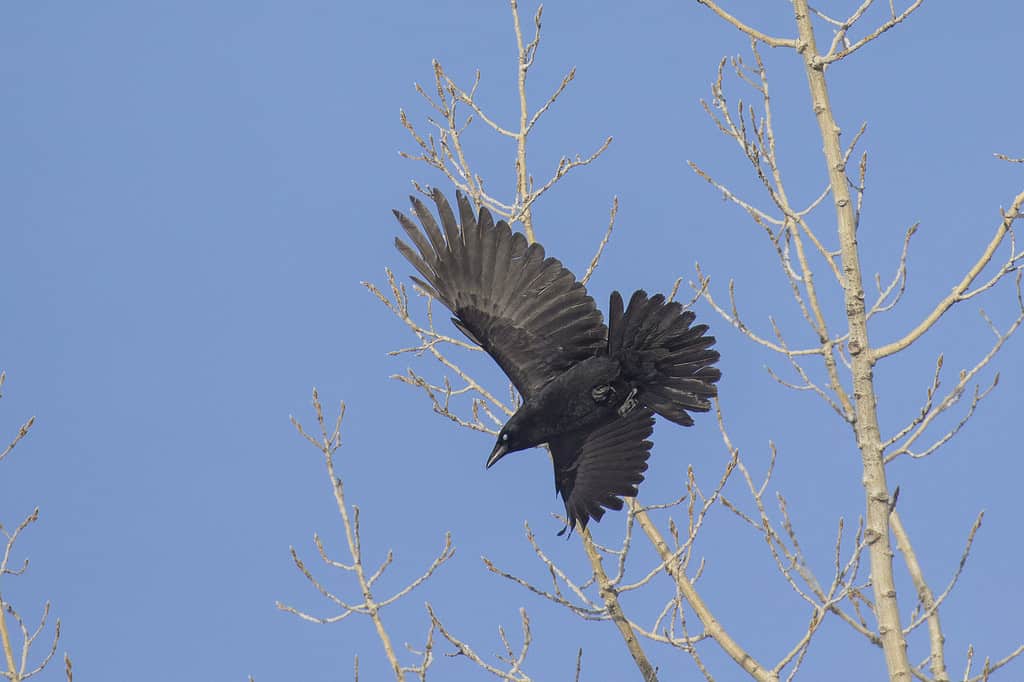
American crow (Corvus brachyrhynchos).
©iStock.com/1381721614
Across cultures, crows and ravens have been branded as omens of death or bad luck. In reality, these birds are among the smartest animals on Earth. They recognize human faces, use tools, plan for the future, and even play tricks. Their dark feathers and raspy calls might seem spooky, but their intelligence rivals that of primates. What looks like a “funeral” when crows gather around a dead companion is actually a learning session; they’re studying danger. Instead of messengers of doom, crows are nature’s professors.
“Alligators Chase People on Land”
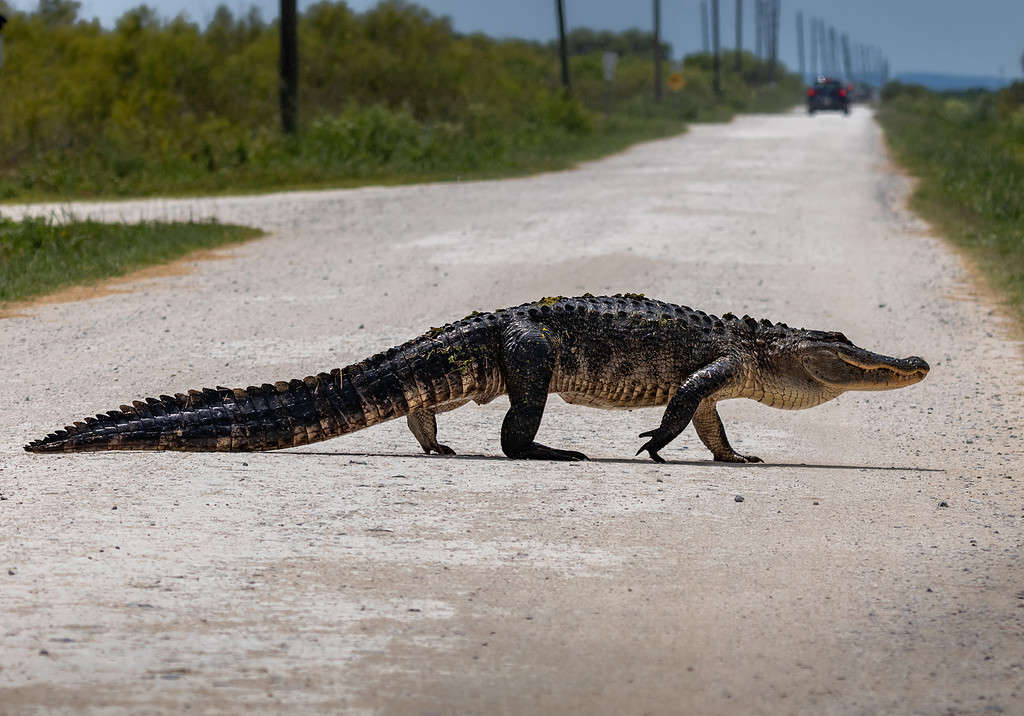
Alligators (Alligator mississippiensis)
©Benjamin Klinger/iStock via Getty Images
Hollywood loves showing alligators sprinting after people, but that’s not how it works. Alligators can move fast in short bursts, up to 10 miles per hour, but they tire almost instantly. They aren’t built for long chases and prefer to ambush prey at the water’s edge. In truth, most gators flee from humans. They spend their time basking, floating, or hunting fish and turtles. They’re not lurking for joggers; they just want to reclaim their swamp.
“Black Cats Bring Bad Luck”
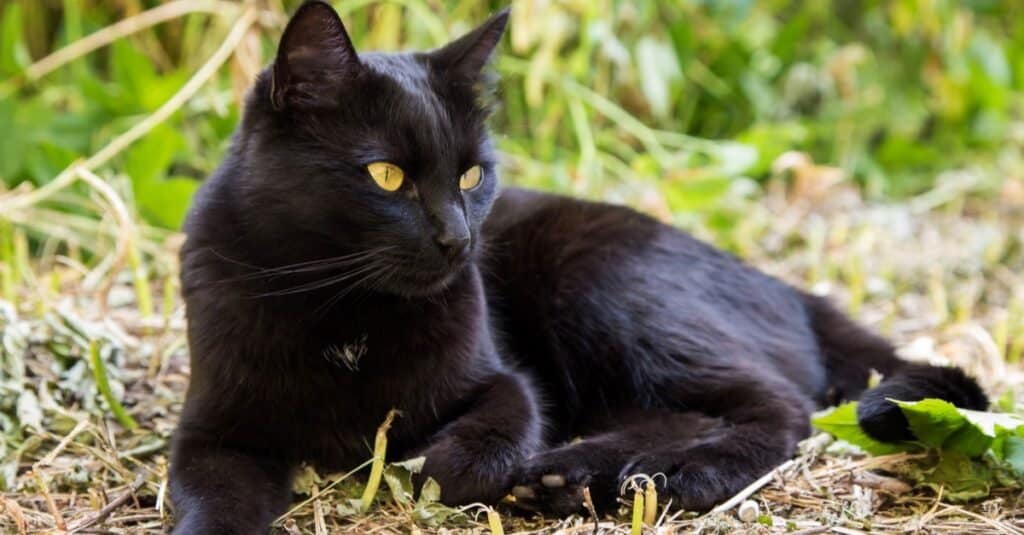
Black Cats (Felis catus)
©Viktor Sergeevich/Shutterstock.com
Black cats have been feared for centuries. In the Middle Ages, they were linked with sorcery, leading to mass killings that ironically worsened plagues by allowing rat populations to explode. Today, shelters still report lower adoption rates for black cats because of lingering superstition. In truth, black cats are just cats, loving, curious, and lucky to anyone who gives them a chance. Some cultures, like in Japan and Scotland, even see them as symbols of good fortune.
“Toads Give You Warts”

Toads (Anura order)
©Viktor Loki/Shutterstock.com
That bumpy skin might look suspicious, but toads don’t cause warts. Human warts come from viruses, not amphibians. The bumps on a toad’s back are glands that secrete mild toxins to ward off predators. These secretions can irritate skin, but they don’t spread infection. Toads are actually good for your garden, feasting on slugs, beetles, and mosquitoes. And touching one won’t hurt you.
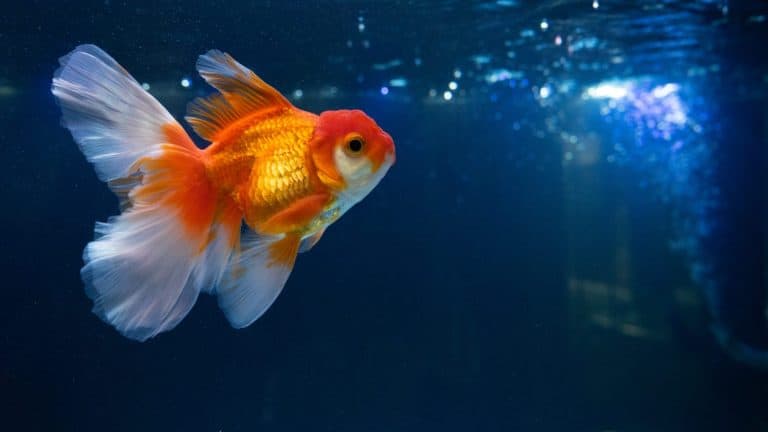
“Goldfish Have a Three-Second Memory”
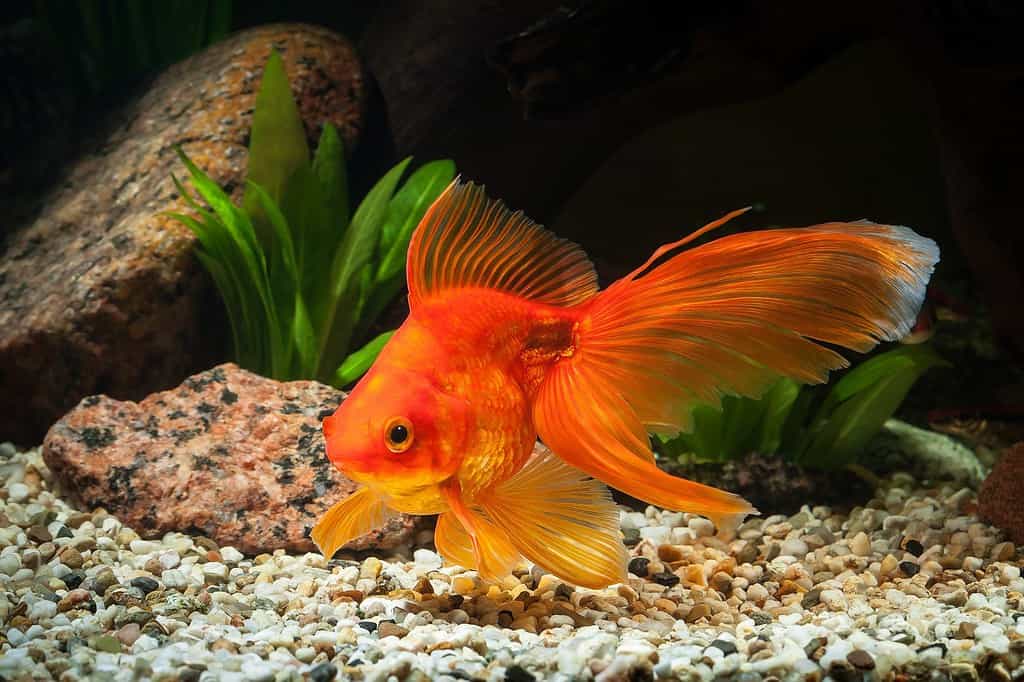
Goldfish (Carassius auratus)
©dien/Shutterstock.com
Despite the myth, goldfish can remember things for months. They can recognize their owners, learn simple tricks, and even tell colors apart. In labs, goldfish have been trained to navigate mazes and push levers for food. The short-memory myth probably came from people observing bored fish in tiny bowls. When given enough space and stimulation, goldfish are surprisingly sharp and can live for over a decade.
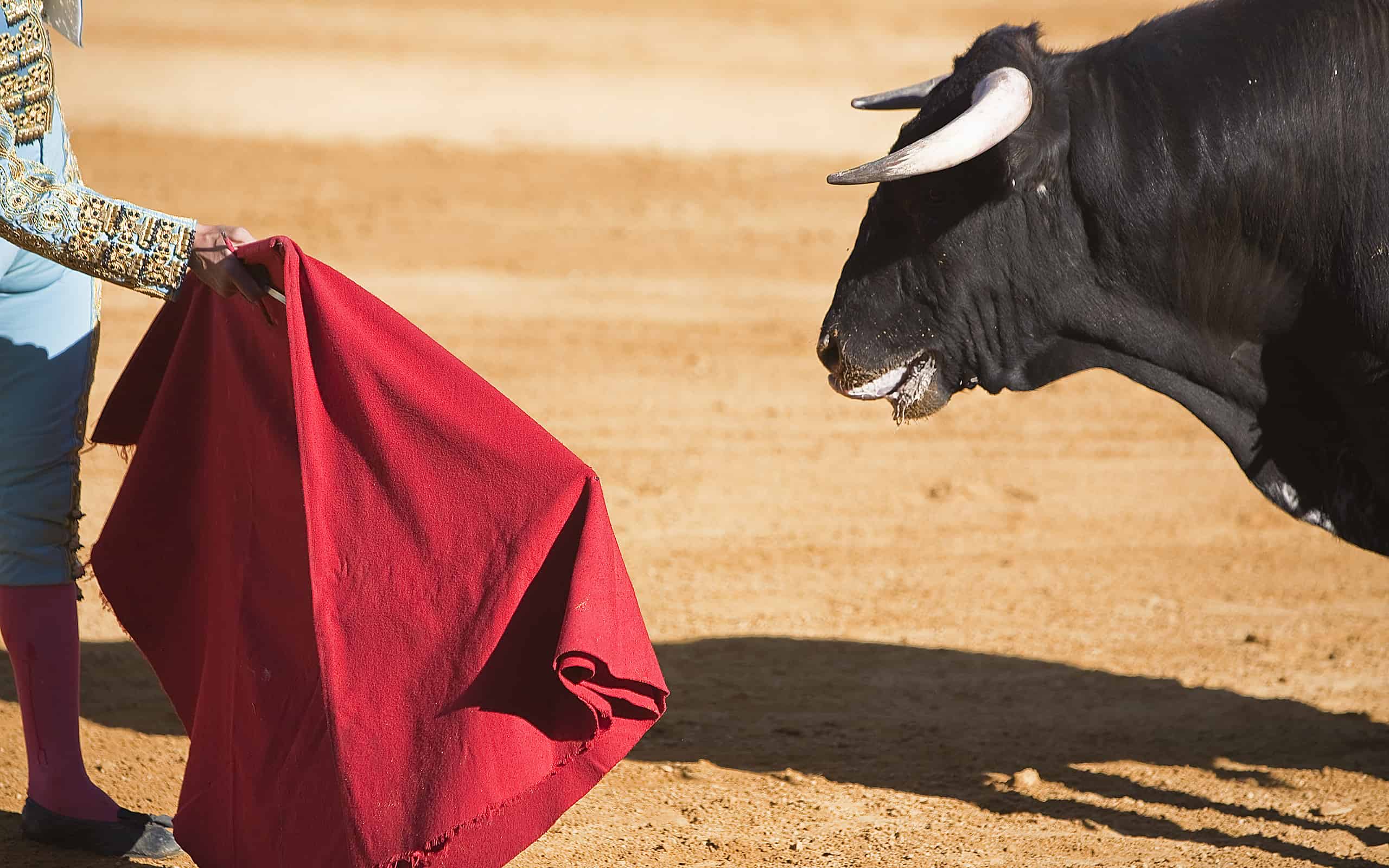
“Bulls Hate the Color Red”
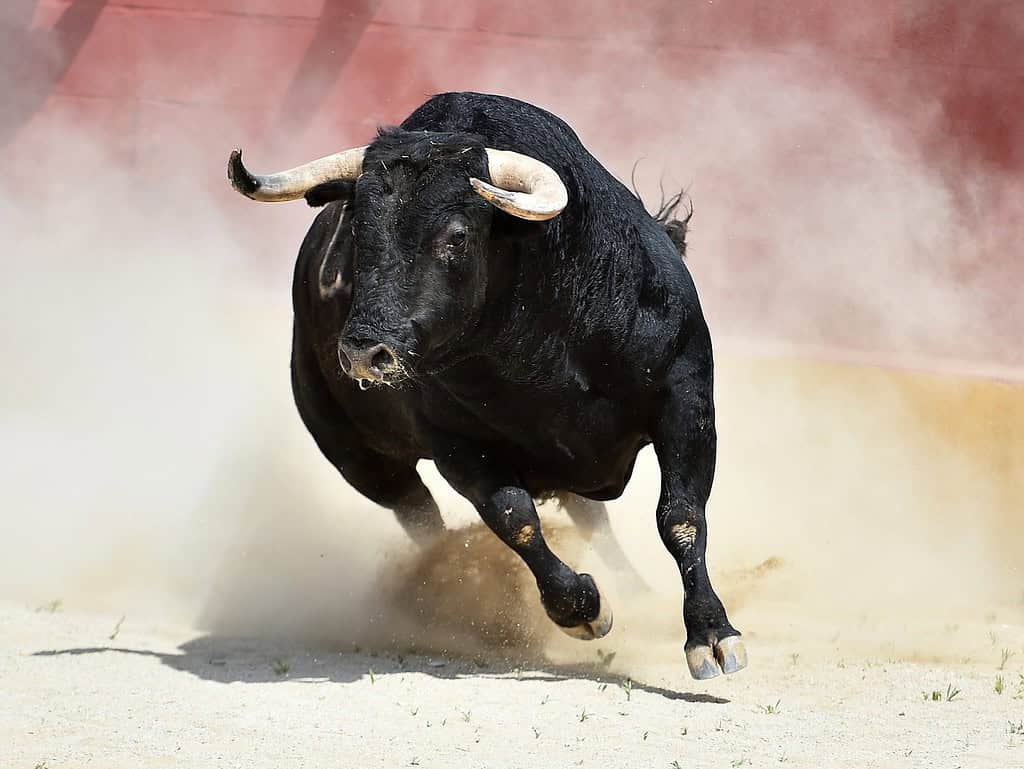
Bulls (Bos taurus)
©alberto clemares exposito/Shutterstock.com
It’s not the color of the red cape that enrages bulls, it’s the matador’s movement. Bulls, like most cattle, are colorblind to red. During bullfights, it’s the waving cloth and the matador’s taunts that set them off. The red color is just for spectacle and to hide blood. In everyday life, bulls are calm grazing animals unless provoked or protecting a herd. So the next time you find yourself in the middle of a pasture wearing, say, a Santa suit, don’t worry. But also… don’t move.
“Porcupines Can Shoot Their Quills”
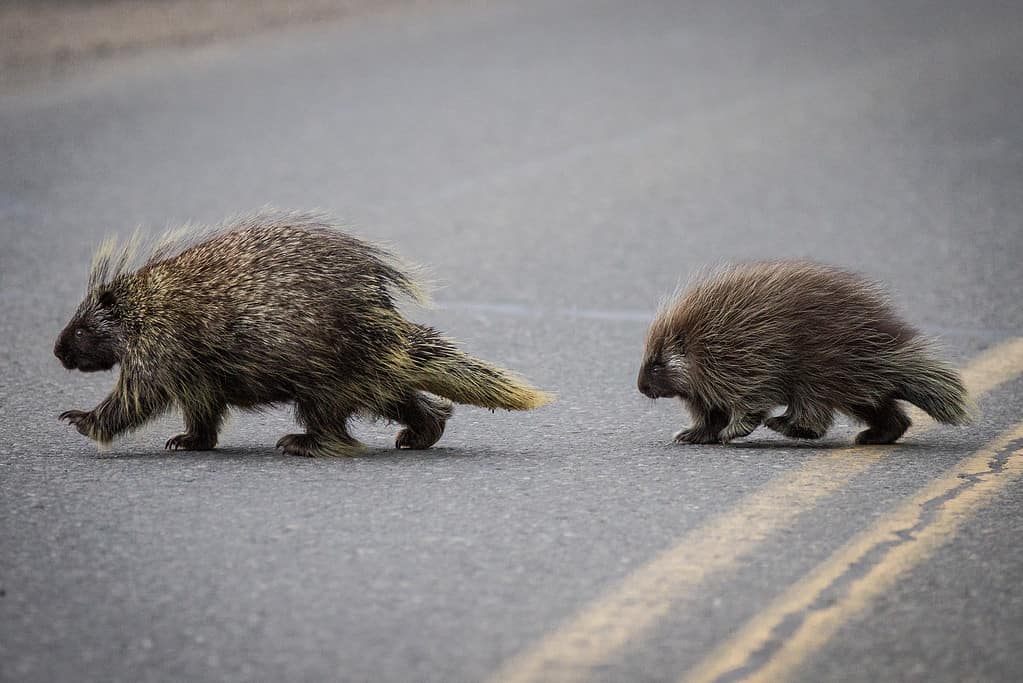
Porcupines (Erethizon dorsatum)
©Subhrajit123/Shutterstock.com
Porcupines can’t shoot quills like arrows. When threatened, they raise their quills and back up to predators. The quills detach easily because of microscopic barbs that make them hard to remove once stuck. That’s deterrent enough. Despite their reputation, porcupines are shy vegetarians who prefer snacking on bark and leaves rather than picking fights. Their quills aren’t weapons of aggression; they’re just really effective armor.
“Opossums Hang by Their Tails”
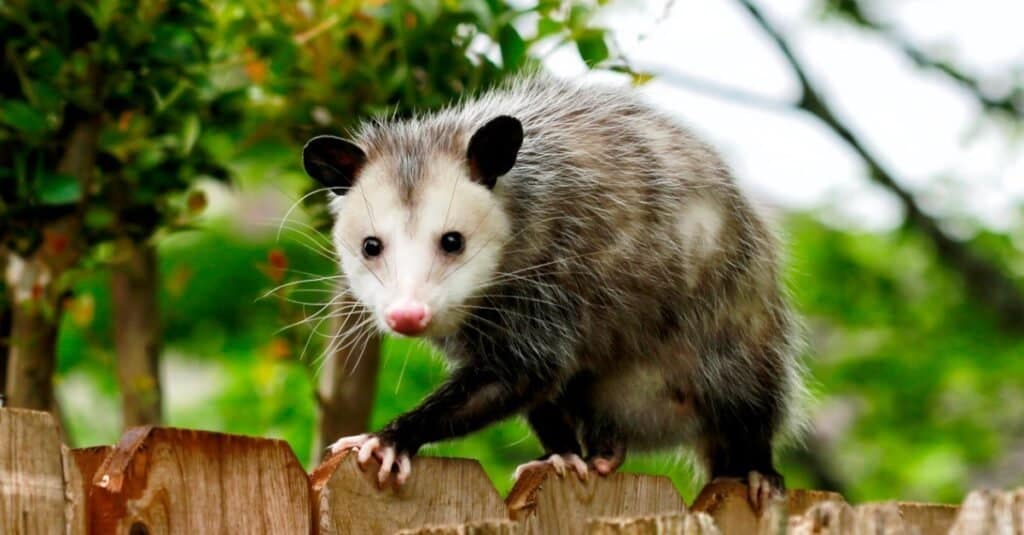
Opossums (Didelphis virginiana)
©iStock.com/galinast
Cartoons got this one wrong. While young opossums can grip with their tails for balance, adults are too heavy to hang that way. They’re North America’s only marsupials, famous for “playing dead” when frightened, a defense that actually works. Opossums eat ticks, pests, and carrion, making them some of nature’s best cleanup crews. Far from being dirty or scary, they’re gentle, helpful neighbors that deserve more respect than they get.
“Owls Can Turn Their Heads All the Way Around”
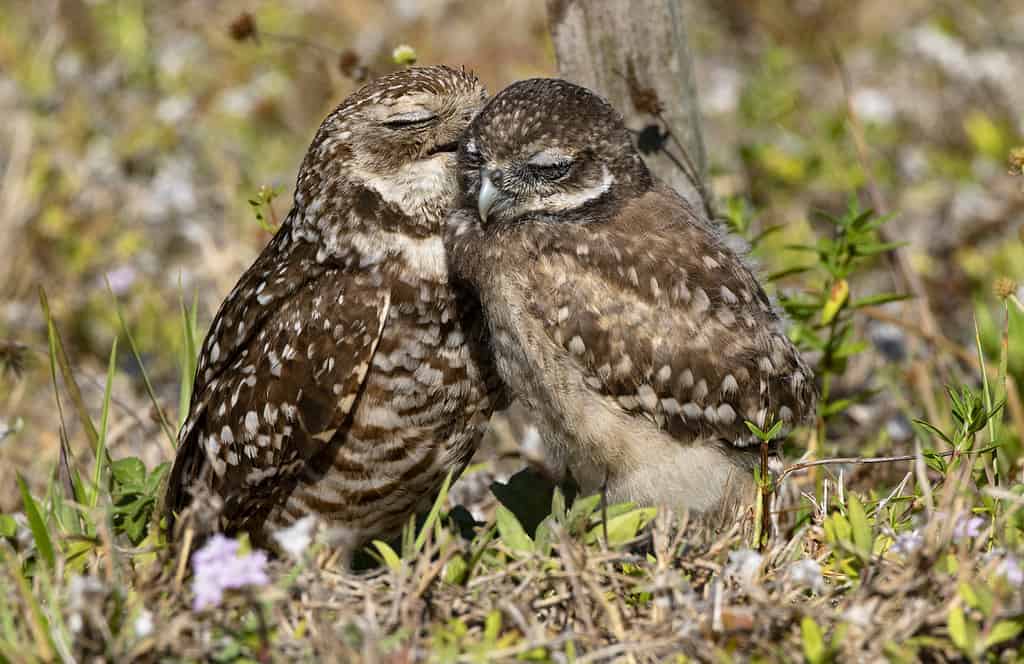
Owls (Strigiformes)
©Florence and Joseph McGinn/iStock via Getty Images
Owls can twist their heads impressively far, but not a full 360 degrees. They can rotate their necks about 270 degrees, allowing them to scan for prey while keeping their bodies motionless. They accomplish this with extra neck vertebrae, special arteries that prevent blood flow from cutting off, and a reservoir of blood in their heads that keeps their brains oxygenated. What about humans? With only 7 neck vertebrae, we can manage a 140-degree rotation. If your neck rotates more than that, you might want to see a chiropractor—or perhaps a priest.
Conclusion
Animal myths say more about human imagination than about the animals themselves. Many creatures we once feared are actually allies in keeping nature balanced. When we trade superstition for understanding, we start to see the world not as full of monsters, but full of miracles.