
Rainforests are home to millions of animal species, and some are yet to be discovered. Many mammals, fish, amphibians, reptiles, birds, and others call this tropical landscape home. While some, like the capybara and the macaw, are well-known, others are practically unheard of. Deep within its canopies, the rainforest is home to some bizarre species as well. These are the strangest to have ever been discovered.
Aye-Aye
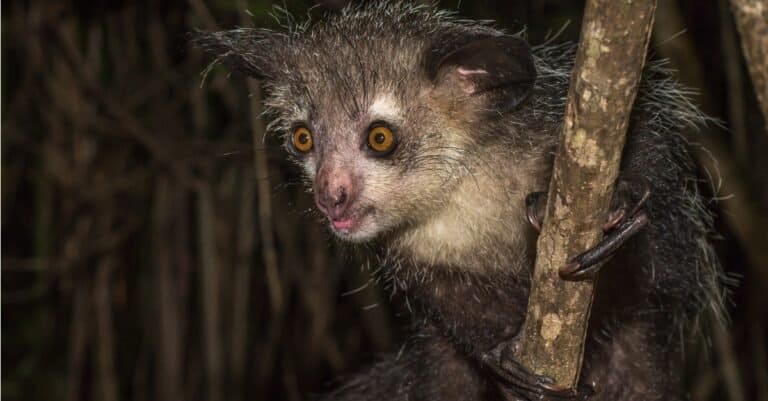
The aye-aye is a strange-looking primate that looks like a folklore-ish creature. It’s the largest nocturnal primate and can be found primarily in rainforest canopies. At night, it travels in search of grubs, small insects, fungi, fruit, and nuts. It only weighs about four pounds, and can grow between 14 and 17 inches long, with a 22 to 24-inch tail.
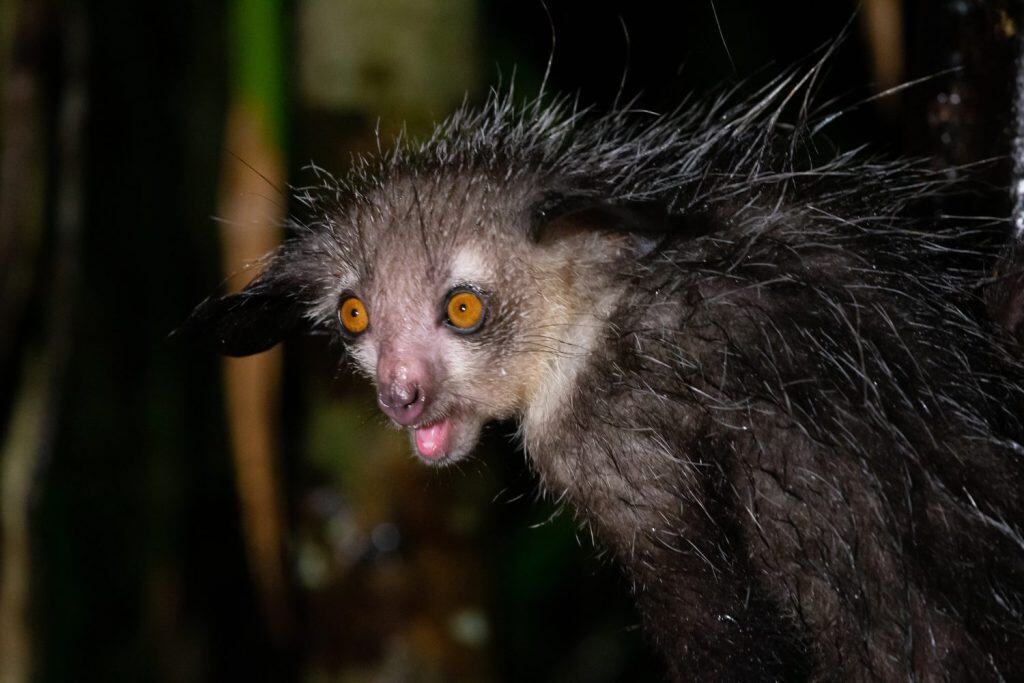
The elusive aye-aye has big yellow eyes and spiky hair covering its back.
©Eugen Haag/Shutterstock.com
Legend has it that the aye-aye is bad luck and an omen of death. In reality, this unusual-looking animal is sporting features intended for nocturnal living. Its bat-like ears, large yellow eyes, and long human-like fingers help it navigate treetops in the dark. When threatened, the aye-aye raises its coarse hairs, making it appear twice its standard size. Between this defense mechanism and its ability to hang from trees, it’s no wonder the locals sometimes fear it.
Thorny Devil Stick Insect
If there was ever a name to conjure up scary images, it’s the thorny devil. Despite its name, it’s utterly harmless to humans, although its appearance implies otherwise. This insect is part of the Phasmatidae family, and is a stick bug resembling rotten wood. Its body imitates something inanimate to throw off potential predators, an evolutionary tactic called mimicry.
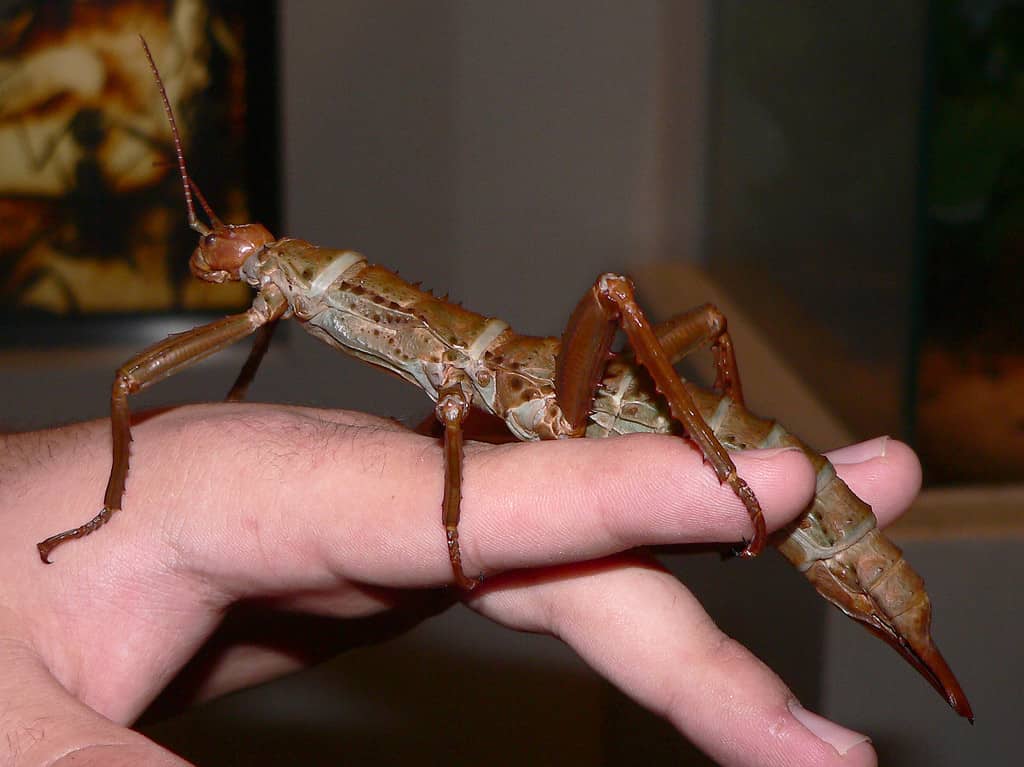
The thorny devil stick bug lives up to its name.
These insects are relatively small, with females measuring up to 15 centimeters and males 12 centimeters. They prefer to remain on the ground, which is why their faux armor of brambles and bark keeps them well-hidden. These stick bugs consume a steady vegetation diet, including native plants like raspberry and guava. If their mimicry fails them, they resort to releasing a foul-smelling odor as a defense mechanism. For the most part, being stinky is their biggest threat.
Glass Frog
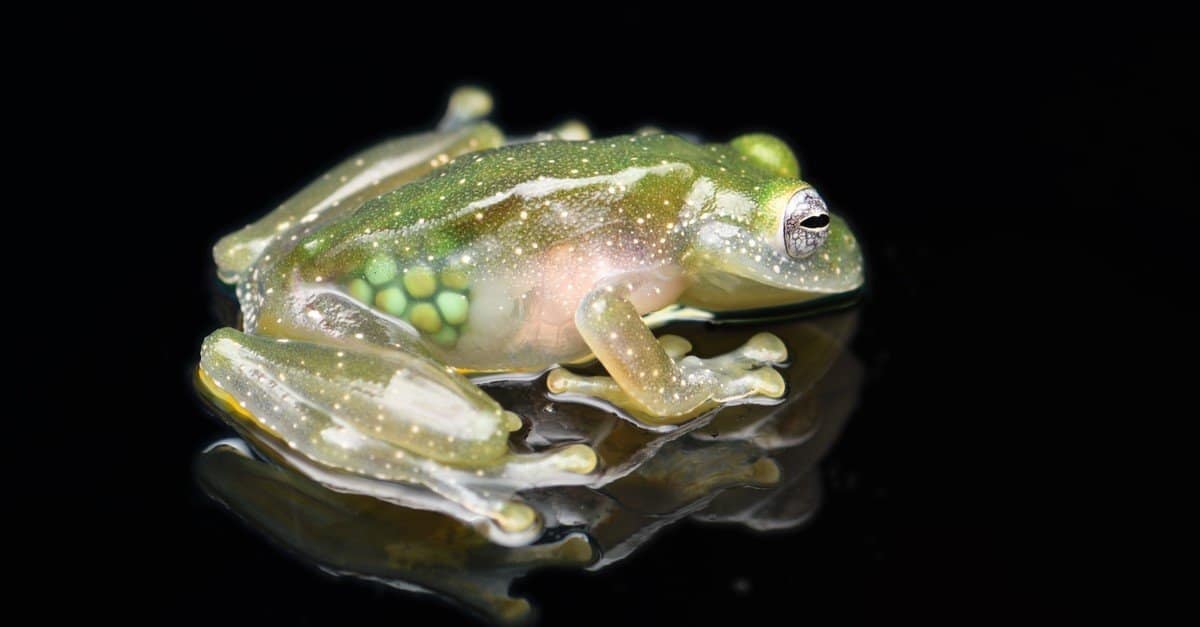
Several “glass” species exist around the world, and the glass frog is one of them. Found in the dense, lush vegetation of rainforests, this frog is easily camouflaged. They can be found in high canopies during the dry season and migrate to lower canopy branches during mating season. The lifespan of these tiny, transparent frogs is impressive, with some living as long as 14 years in the wild.
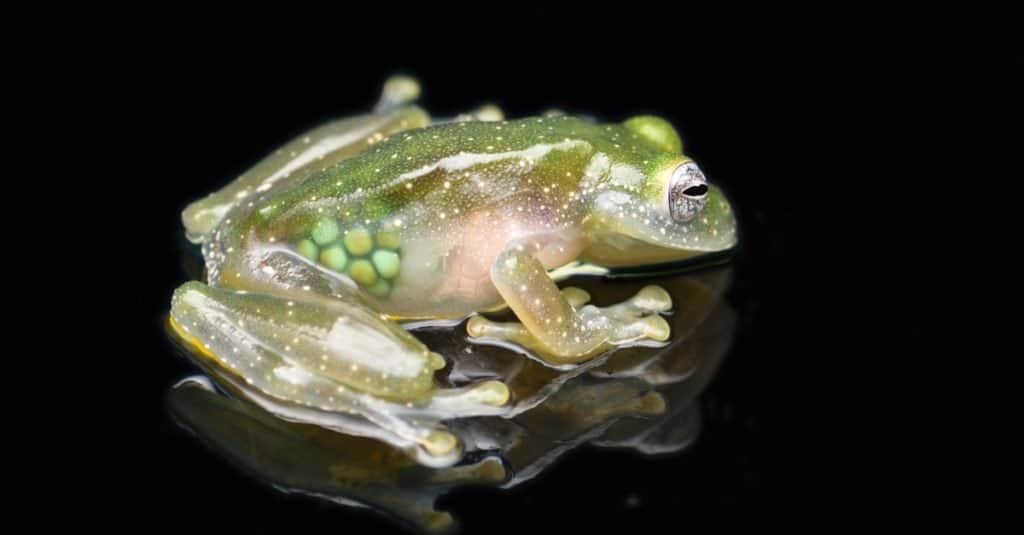
This dusty glass frog has eggs in its belly.
©petrdd/Shutterstock.com
Roughly 160 species of glass frog have been discovered. Their transparency works in the same way by diverting blood flow. When this happens, the underbelly of the frog appears invisible, except for its major organs. From the top, the frog looks light green, often helping it fade into the rainforest canopy. This brilliant evolutionary adaptation enables glass frogs to thrive in the rainforest.
Candiru Fish
Few fish have the reputation of the candiru. Also known as the “vampire fish,” the candiru feeds on the blood of other fish by attaching itself to its prey’s gills. This monster-like nature is likely what started the myth that it can feed on humans, as well. Legend says the candiru can mistake urine for the water expelled through a fish’s gills. If this happens, the candiru can unintentionally swim into a person’s urethra. Thankfully, this has never been proven!
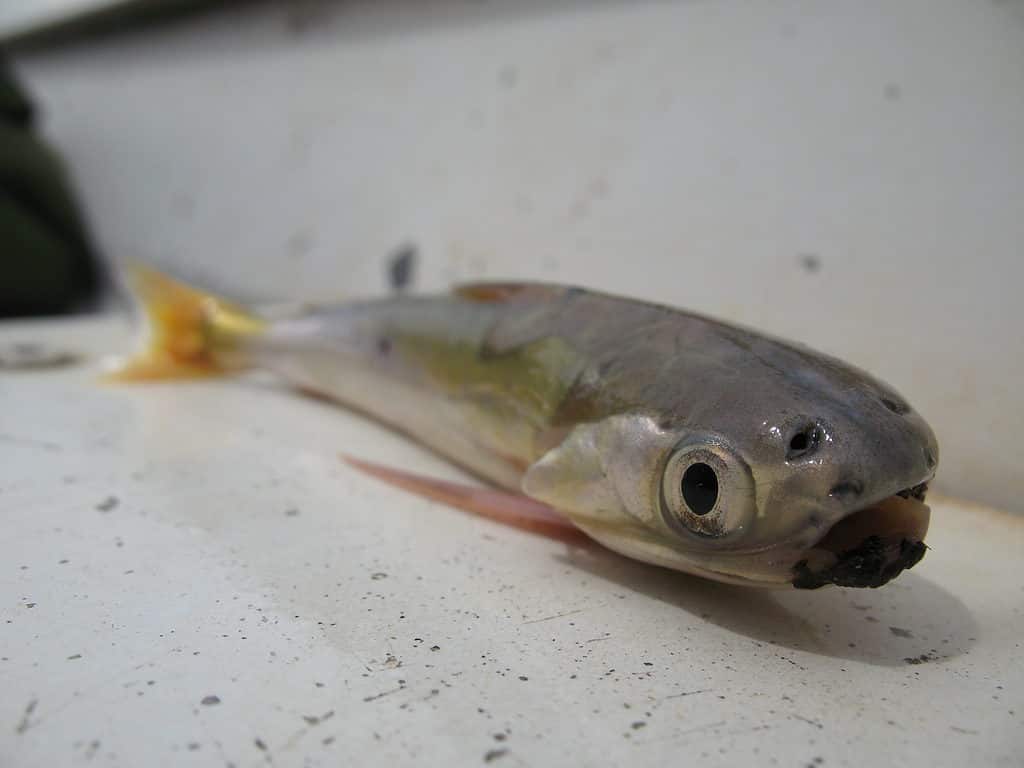
This candiru fish was caught.
©guentermanaus/Shutterstock.com
In reality, the candiru is a species of catfish that feeds on blood, mucus, or scales of other fish. Its small size makes it challenging to see in murky rainforest water, which fuels its mythical status. There’s little evidence that these cave-dwelling fish are harmful to humans.
Pink Dolphin
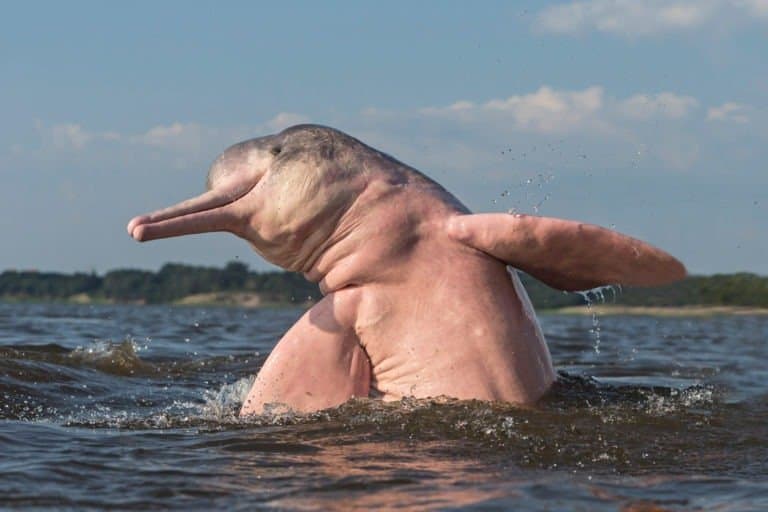
The pink dolphin is found primarily in the Amazon and Orinoco Rivers. It’s also known as the Amazon River dolphin and is a freshwater species. This unique species is easily recognizable due to its light pink color, which gets more vibrant as the dolphin ages. This pink coloring can be even more prominent in areas where pink dolphins are well-protected with plenty of deep water to avoid sun exposure.

This pink river dolphin lives in the Amazon.
©COULANGES/Shutterstock.com
Similar to saltwater dolphins, the pink dolphin exhibits playful and curious mannerisms. They can grow up to 8.2 feet in length and weigh just over 400 lbs. While they’re similar in appearance, pink dolphins have lumpier heads. This helps with ecolocation, especially in deep river waters. The locals know them as the “Guardians of the River,” and Amazon River folklore calls them “encantados.” At night, they’re rumored to leave the water to seduce villagers to the Underworld of Encante.
Bullet Ant
Few ants, or insects in general, are as feared as the bullet ant. Whereas many ants are entirely harmless, the bullet ant packs a punch. These ants can grow up to 1.2 inches and can cause plenty of pain during their short 90-day lifespan. Interestingly enough, this ant is not aggressive but will defend its territory and/or colony when it feels threatened.
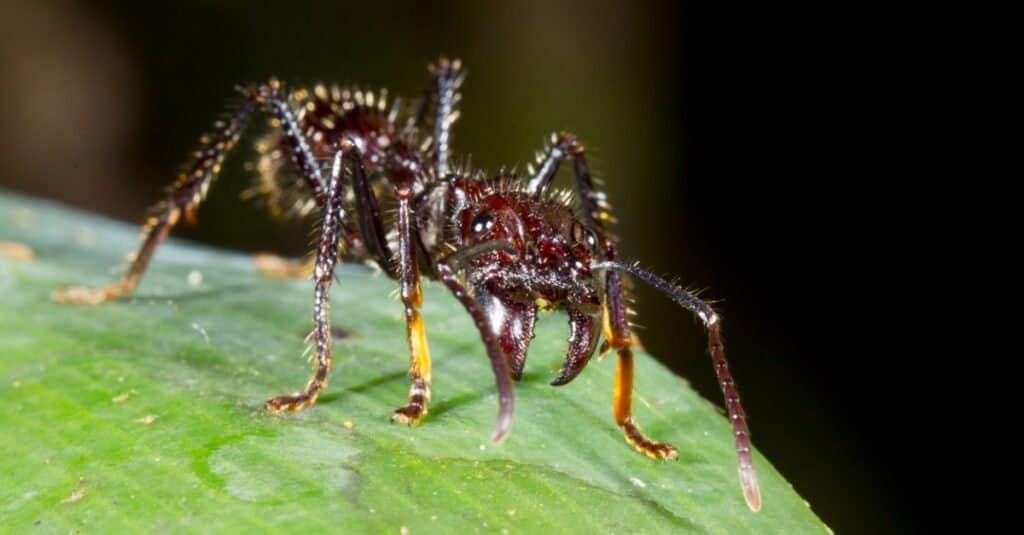
The bullet ant has a painful sting.
©iStock.com/Atelopus
While the bullet ant has two intimidating pincers at the front of its head, its visible stinger is responsible for its defense mechanism. The Schmidt Pain Index labels a bullet ant sting as the most painful of any insect, with significant pain lasting 12 to 24 hours. In Brazil, the Sateré-Mawé people use this sting during a traditional rite of passage. Boys in the tribe must wear a mitt full of sedated bullet ants a total of 20 times before being considered warriors.
Jesus Lizard
The Jesus lizard, also known as the common basilisk, is a reptile native to the rainforests of Central and South America. It got its nickname not for its appearance, but for its incredible ability to “walk on water.” They look like any other green lizard, but have painted plumes that run down the length of their bodies. Their bright green coloring helps them camouflage in dense canopies. Adult basilisk lizards can grow up to three feet in length, making their water-walking abilities more impressive.
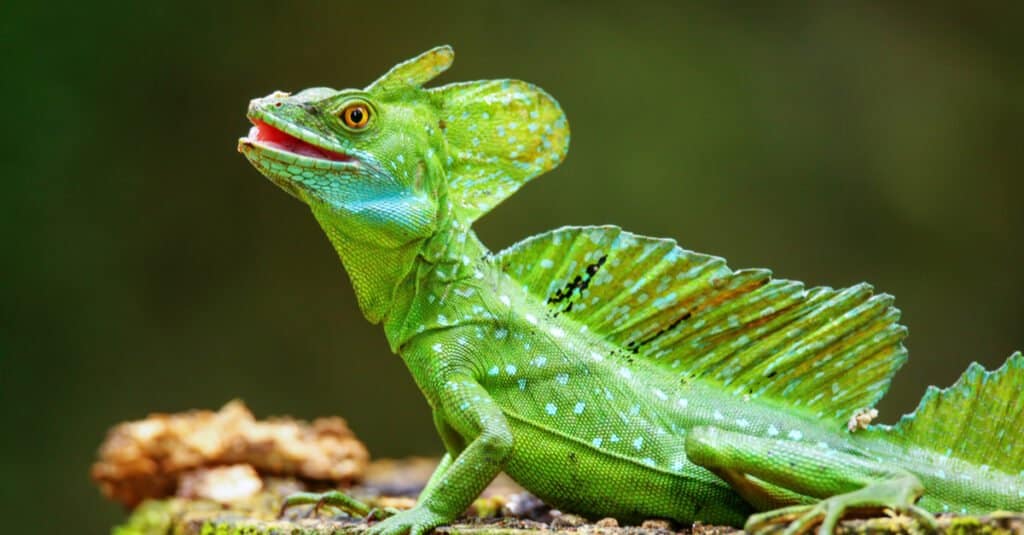
A male plumed basilisk (Basiliscus plumifrons) sits on a stump in Costa Rica.
©Don Mammoser/Shutterstock.com
While it’s not a miracle that these lizards can glide across bodies of water, it is a fascinating thing to watch. Their spiny feet move so quickly that they create air pockets under the water’s surface, which they step on in quick succession. Speed is on the side of this lizard, and it’s nearly impossible to keep up with once it hits the water.
Mandrill
The mandrill is a colorful primate that’s closely related to mangabey monkeys. Many people are familiar with them because of The Lion King, where Rafiki was depicted as one. Native to several rainforests throughout Africa, the mandrill is easily recognized by its blue, purple, white, and pink face. Males are more colorful than females due to increased testosterone levels. Surprisingly, it’s not the colors on a mandrill’s face that attract a mate. Instead, it’s the same vibrant colors that appear on its butt that females are attracted to!
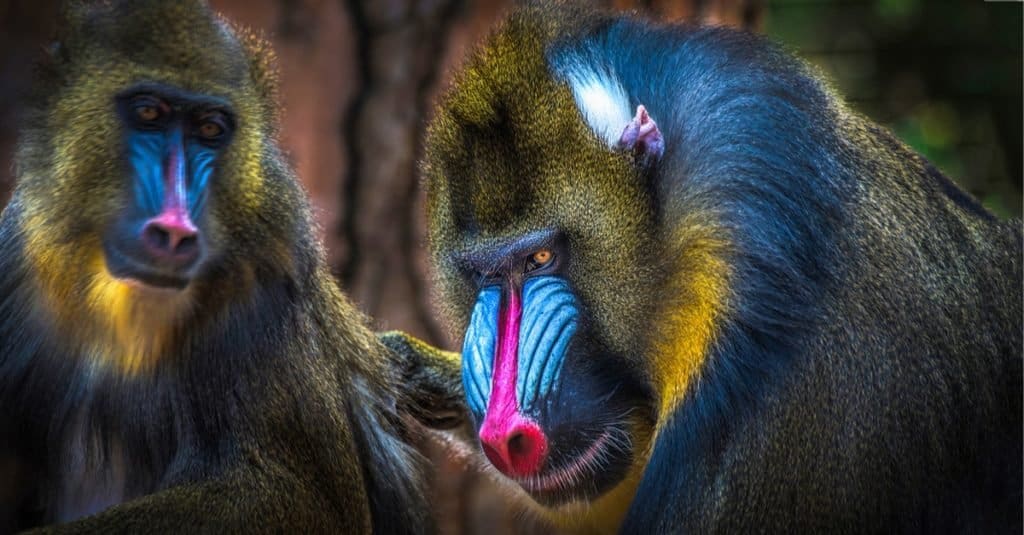
Mandrills keep to themselves.
©Nikolay 007/Shutterstock.com
Mandrills are not typically aggressive, but will defend their territory and fight for mates. They use their large canine teeth to intimidate, and will also slap the ground to show dominance. Outside of this, the species is typically shy and prefers to remain reclusive.
Satanic Leaf-Tailed Gecko
Despite its name, there is nothing inherently satanic about this lizard at all. Its name comes from its appearance, which is unsettling but harmless. The satanic leaf-tailed gecko has “horns” above its eyes mimicking thorns or brambles, while its body and tail mimic the appearance of a dead, crunchy leaf. Its camouflage is a powerful weapon when scouting the dense canopies of rainforests.
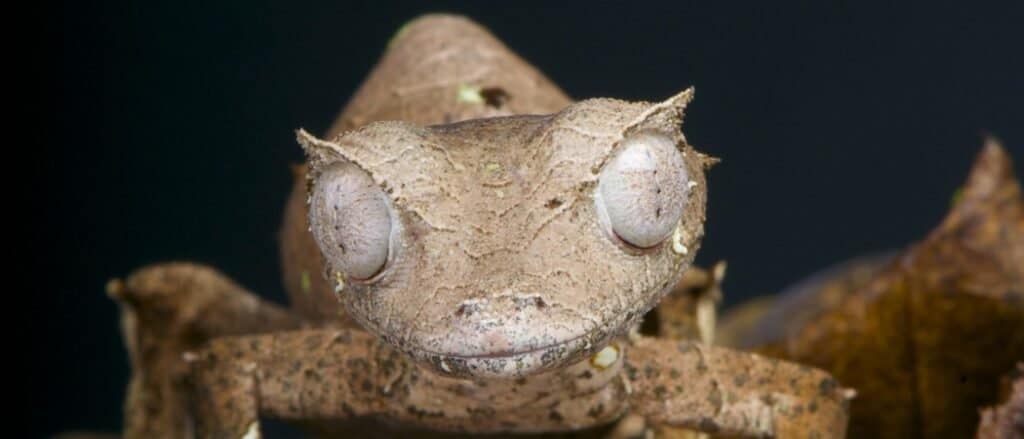
The satanic leaf-tailed gecko looks fearsome.
©iStock.com/reptiles4all
However, camouflage is not this gecko’s only method of defense. When threatened, the satanic leaf-tailed gecko lets out a horrific scream that spooks potential predators. This high-pitched screech is typically enough to deter any animal from pursuing it, let alone getting close enough to eat it.
Assassin Bug
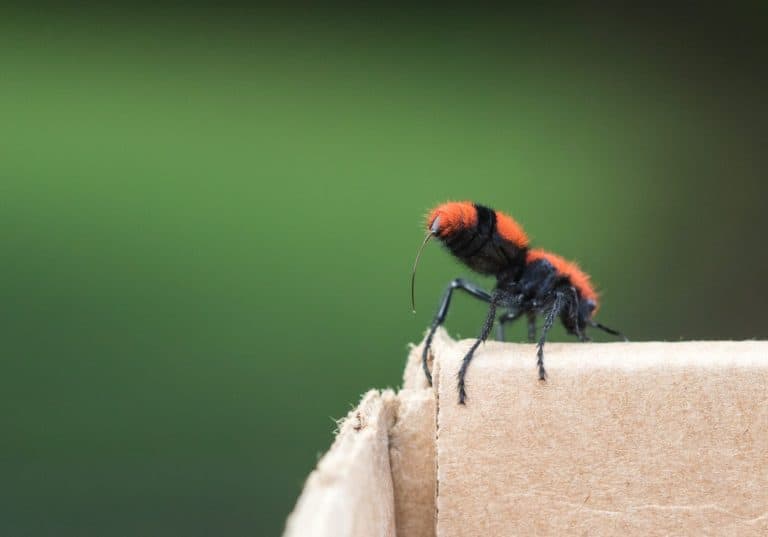
The rainforest is full of fascinating bugs, but none are as iconically strange as the assassin bug. This bizarre black and red (sometimes, orange) insect has a serious reputation that matches its name. Its coloring sends a warning to potential predators, known as aposematic coloration. Simply put, this is a visual way to tell other animals “don’t try to eat me.”
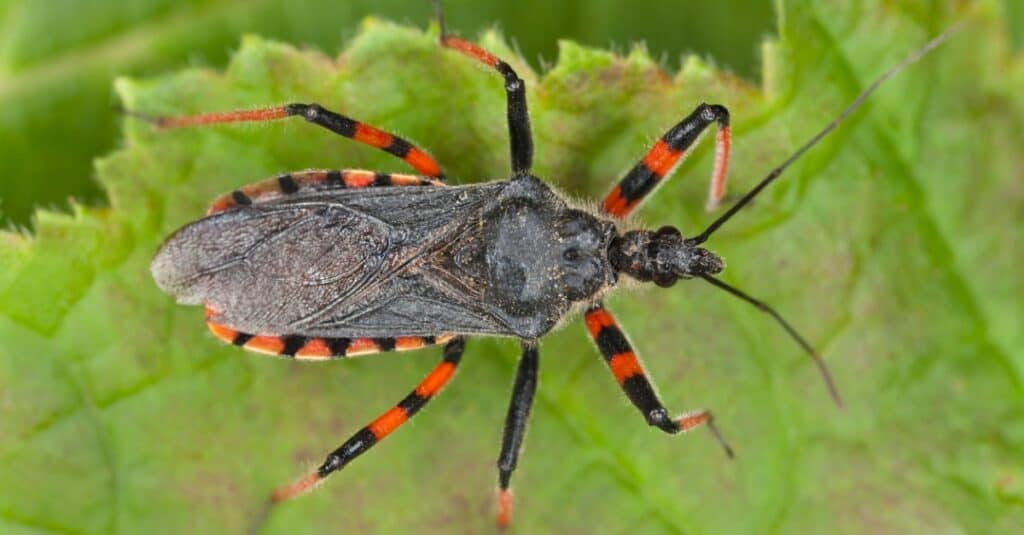
The kissing bug can be blamed for Chagas disease.
©Henrik Larsson/Shutterstock.com
When threatened, an assassin bug will bite using a sharp proboscis. This is what it uses to inject enzymes into its prey, which dissolve tissues in smaller insects. In humans, the bite can cause itching, tenderness, and irritation. Despite this, the assassin bug is typically slow-moving and not quick to attack anything other than its typical prey.
Potoo
These strange-looking birds are found primarily in Central and South American rainforests. The potoo bird is nocturnal, and is typically heard before it’s seen. It’s well-known for its nightly cry, which sounds like a guttural cry that’s slightly unnerving. This, combined with its large eyes and enormous mouth, has given it quite a reputation among the locals.
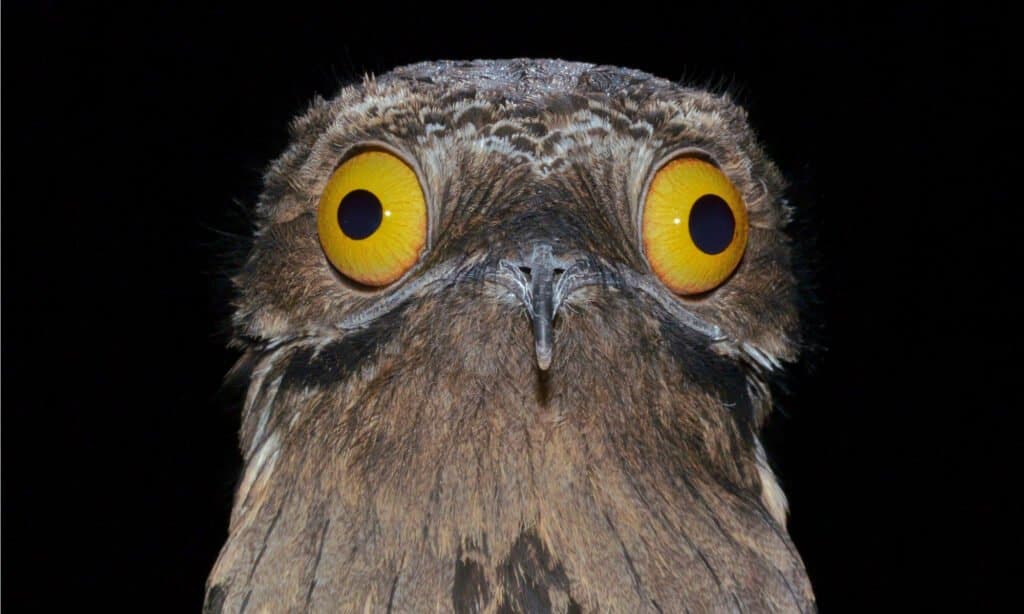
Many find the potoo’s eyes to be creepy and haunting.
©Fabio Maffei/Shutterstock.com
According to legend, the Great Potoo cries out at night for the moon above. Its sad nightly screech is said to be one spirit mourning its love for the moon spirit. In reality, the potoo’s calls are typically made when defending territory or trying to attract a mate. While not calling out for the moon, the Great Potoo might be calling out for a future spouse.
Blue Morpho
Blue morpho butterflies are a unique species found in the rainforests of South America. They’re often found throughout Ecuador’s tropical regions, specifically in the Mindo Cloud Forest. Its bold blue hue makes it so recognizable, but it’s not due to the butterfly’s natural pigment. Instead, it looks blue because of the reflective scales that cause a blue prism-like effect.
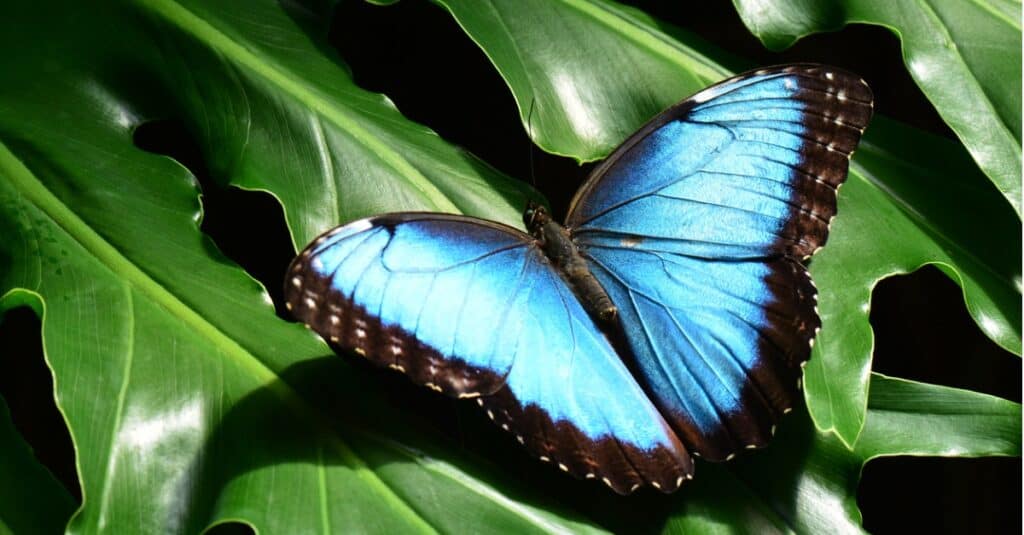
The blue morpho is a type of butterfly that is recognized for its vibrant color.
©iStock.com/SHAWSHANK61
These butterflies can grow up to eight inches long, making them one of the largest species in the world. The blue morpho’s wings can startle predators and are used for camouflaging and attracting mates. This coloring also signifies the butterflies’ gender, as males are typically blue while females are brown or yellow. According to legend, blue morphos mean several things, including spiritual transformation, bad omens, and wishes granted.