
Humans aren’t the only species to endure harsh traumas and develop post-traumatic stress disorder (PTSD). In fact, these symptoms can manifest similarly in certain animals. For example, if an animal was severely neglected or abused by its previous owner, it might struggle to trust people or might react quickly to certain triggers. In particular, horses rescued from abusive or war environments can show post-traumatic stress. A-Z Animals spoke with experts who work with traumatized animals that exhibit such symptoms. Here’s how PTSD presents in horses—and some helpful ways to treat it.
How Does PTSD Present in Horses?
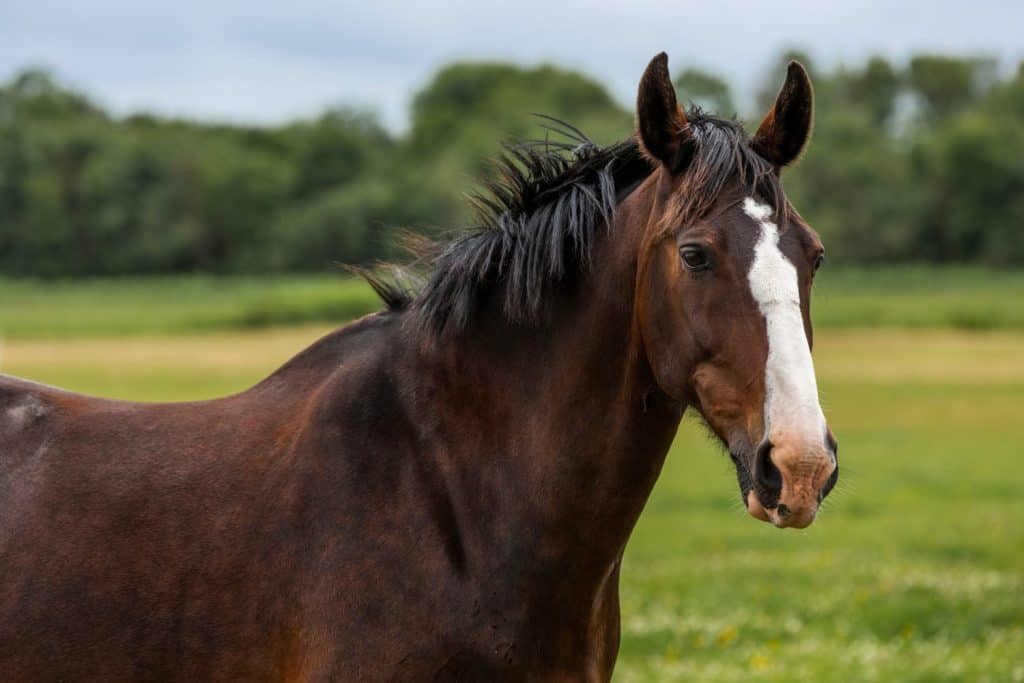
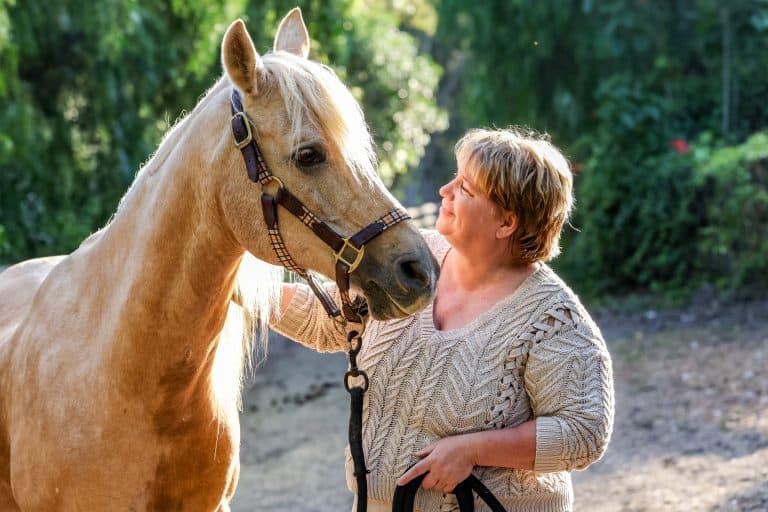
Although horses are often helpful to support humans’ mental health, they can experience their own mental health symptoms, too.
©Sokolean/Shutterstock.com
After enduring abuse or unsafe environments, horses—like humans—often show signs of post-traumatic stress. In fact, it often appears similarly to how it does in humans. They might become anxious, have heightened reactions, and struggle to adapt to new environments.
“Trauma shows in behavioral changes, just like it does in humans,” says Christina Marz, therapist, coach, and docent at Marz Method, as well as founder of Horse Guided Empowerment and Sin Miedo Non-profit. “Affected horses can display stereotypical behavior, or even become catatonic; they can become suicidal, fearful, aggressive, distracted, or withdrawn.”
Marz has a non-profit organization that runs therapy centers and works with rescued horses, many of which struggle with PTSD. She’s witnessed signs of trauma in horses firsthand. However, she notes, “It’s less the symptom and more the story that gives us a full diagnosis.”
For example, it helps to know what the horse endured beforehand. Was it with a neglectful owner? Was it raised in a dangerous environment? Did it experience physical abuse?
Additionally, Marz notes that sometimes, the trauma will even manifest via physical symptoms in the horse. Just as the body keeps the score in humans, it can do so in animals, too.
“I can also say that horses with a trauma history often fail to thrive, can have a bad coat, a weak digestive system, or allergic outbreaks,” Marz explains.
Another expert, Matthew Aversa, executive director at Winding Branch Ranch, has rescued over 270 animals, including horses, from neglect and abuse. He’s witnessed many animals suffering from PTSD symptoms as well.
“While it may not present exactly like it does in humans, trauma in equines is very real,” Aversa says. “We’ve seen horses flinch at quick hand movements, panic in confined spaces, buck wild when hearing certain noises, and shut down emotionally after enduring starvation or physical abuse.”
We believe trauma-informed care is essential in equine rehabilitation.
Matthew Aversa, executive director at Winding Branch Ranch
How to Treat PTSD in Horses

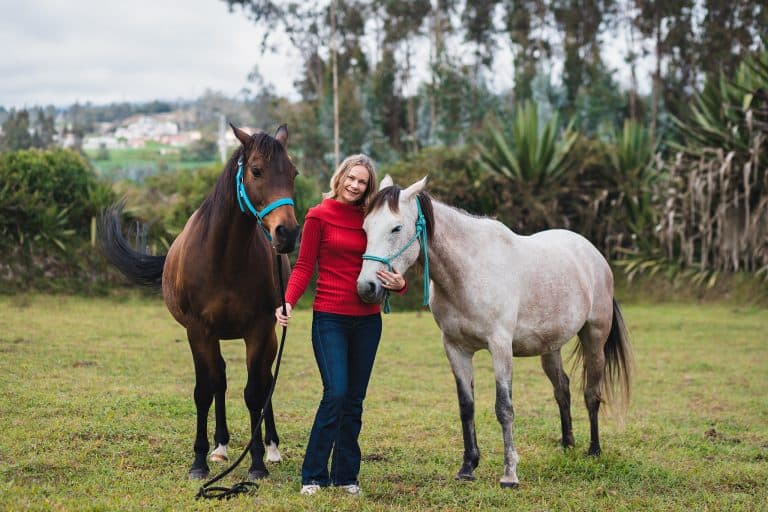
There are many ways you can support a horse who’s struggling from PTSD.
©wavebreakmedia/Shutterstock.com
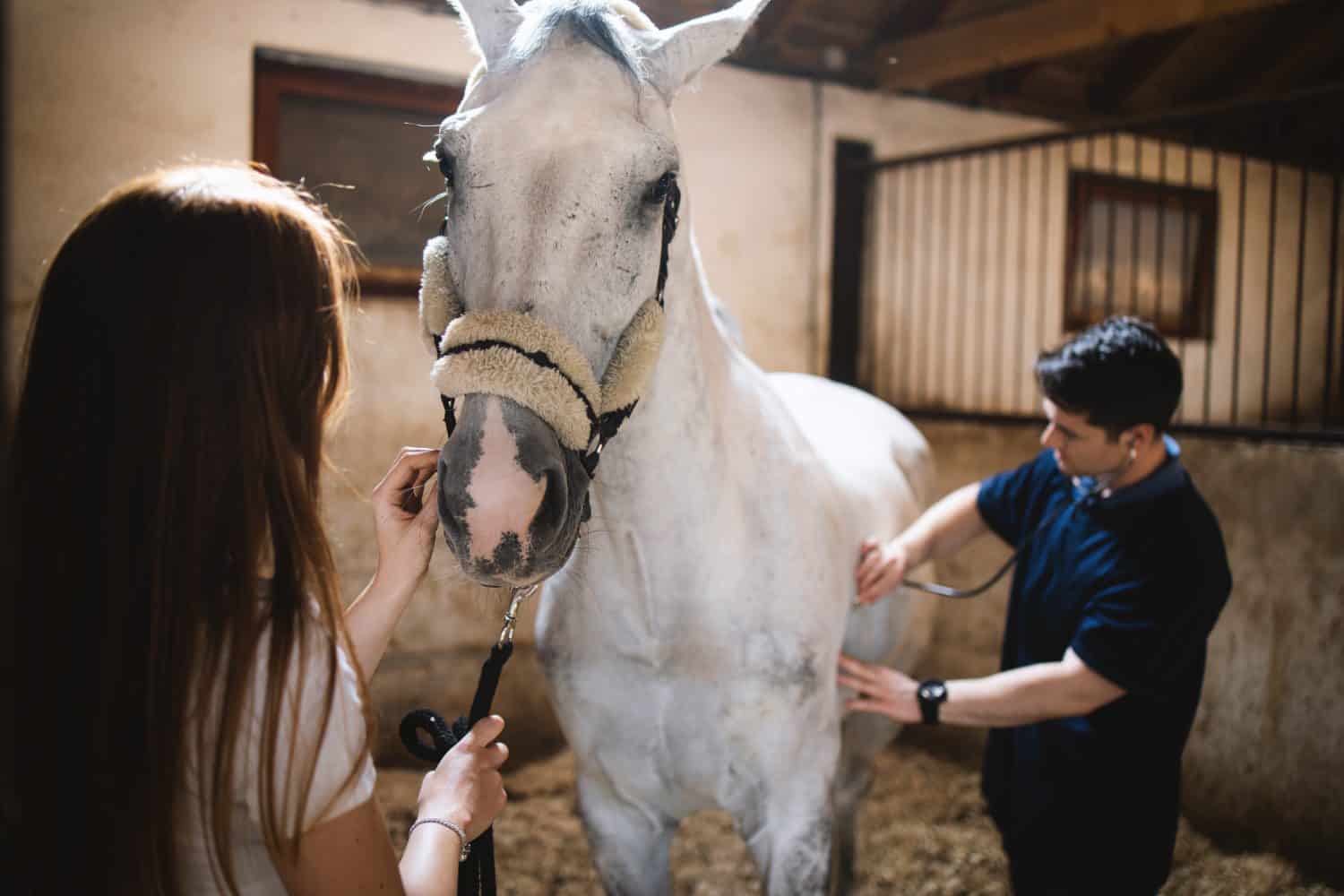
Addressing PTSD in horses requires gentle care and patience. Of course, the first step is identifying the trauma and associated symptoms in the first place. If you notice the above signals, you can then ensure you’re using a trauma-informed approach to support the horse. As you would with a human who’s endured brutal trauma, you want to understand their unique experiences, mental state, and triggers.
“We believe trauma-informed care is essential in equine rehabilitation,” Aversa says. “That includes understanding behavioral triggers, allowing time for decompression, and working with equine-savvy vets and trainers who prioritize emotional safety just as much as physical healing. I’ll also add that a treat goes a long way!”
He elaborates on a specific instance working with a malnourished rescued horse, explaining how he was able to support the horse back to a state of emotional safety and health.
“Gallant, one of our rescued horses, arrived over 200 pounds underweight and refused food unless approached gently, without direct eye contact or sudden movements,” Aversa tells us. “It took months of patient, consistent care—routine, gentle voice cues, and creating a low-stress environment—for him to begin trusting again.”
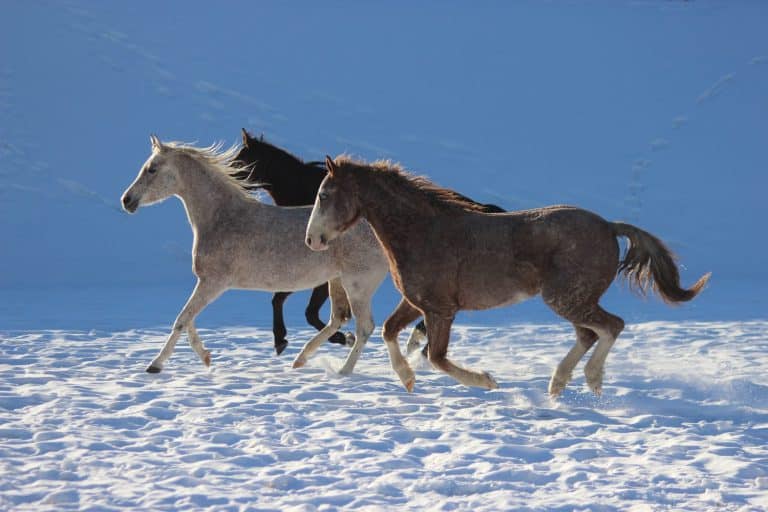
Additionally, according to Marz, it helps the horse to be part of a healthy herd.
“We address it first with a healthy herd as a container that will help the horse heal (often the horse has no social manners and has to learn how to behave in a herd), then we address trauma triggers very softly and just for safety reasons, and then the horses participate in healing sessions during which they learn to trust again and heal hand-in-hand with our clients,” Marz explains.
Just as with humans who’ve endured extreme trauma, having the right people (or other animals) in your corner can make all the difference. Horses deserve a safe and comforting environment in which to heal from these traumatic events. They might require ongoing support, but with the right care and environment, they can eventually recover and become more comfortable.