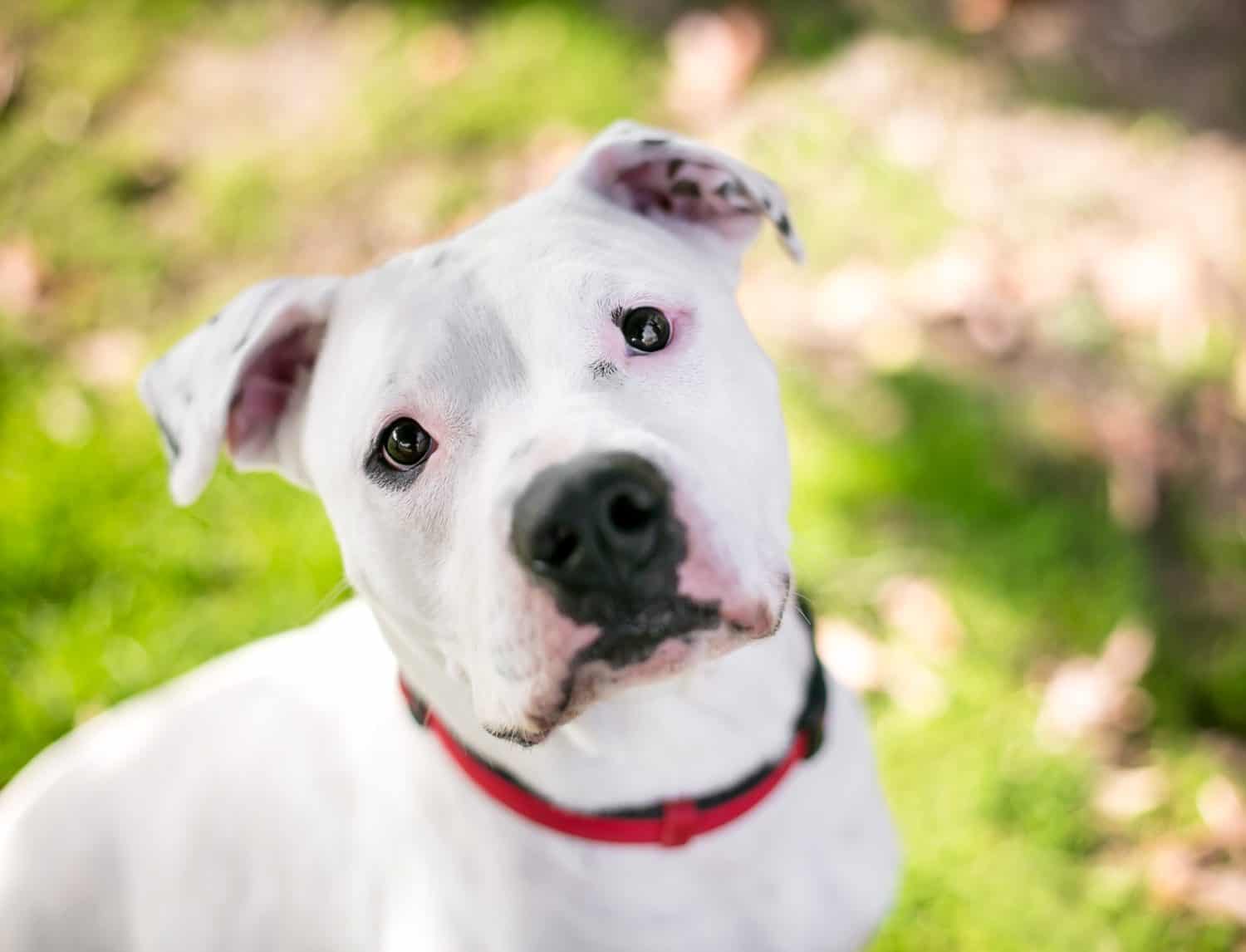

Quick Take
- A 14-year-old helped build one of America's most influential animal welfare organizations from a patch of bare desert, doing so with almost no money and no construction experience. What a teen built there →
- The founders' early strategy for survival was deliberately keeping their work a secret, a choice that nearly destroyed the organization. How secrecy backfired →
- Most people misunderstand what "no-kill" actually means, and that misunderstanding has real consequences for animal welfare. Clarifying no-kill →
- The Michael Vick case forced a reckoning with one of animal rescue's most stubborn assumptions, and the outcome surprised even seasoned advocates. The Vick dogs' outcome →
Nestled deep within the striking red-rock vistas of Kanab, Utah, Best Friends Animal Sanctuary is the nation’s largest no-kill companion animal sanctuary. It serves as the headquarters of Best Friends Animal Society, a leading national animal welfare organization dedicated to making America a no-kill country. On any given day, this expansive refuge in what is known as Angel Canyon serves as a “home-between-homes” for up to 1,600 animals. Here, dogs, cats, horses, pigs, parrots, rabbits, and more receive life-saving medical care, emotional healing, and a second chance.
Yet, according to co-founder and Chief Sanctuary Officer Judah Battista, the organization’s beginnings in 1984 were much more modest — and far more uncertain.
The now-famous “Save Them All” mission began with minimal funding and even fewer resources. A small, dedicated group of friends who had been doing rescue work in Arizona sought out a remote space in the high desert. They wanted to scale up their efforts away from the pressures of the outside world. In those early days, the work was purely about survival. The focus was entirely on day-to-day animal care in an environment that was still a far cry from the world-class sanctuary it is today.
Continue reading
Building a Sanctuary From Scratch
The modern, sprawling operations of Best Friends Animal Sanctuary stand in stark contrast to its incredibly humble, resource-scarce beginnings. “I wish we could say that it was quite as grandiose as that,” Battista says. “But it was more small-scale.”
When the founders acquired a barren piece of property from a local company in February 1984, they essentially bought a wide-open blank slate. “The property did not have anything,” Battista explains.
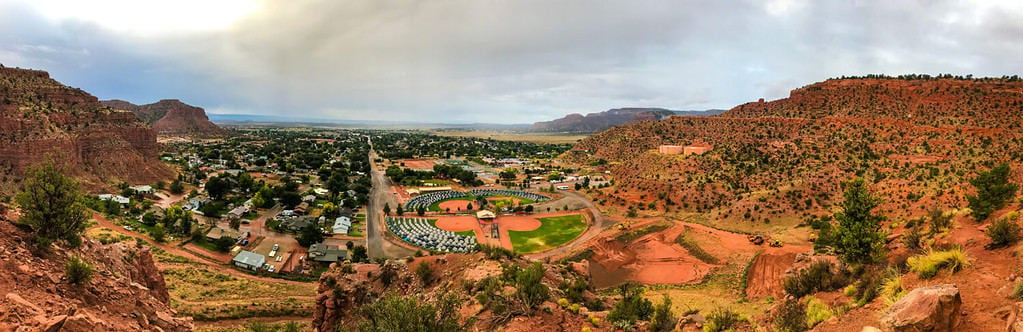
More than 30,000 people come to visit Best Friends Animal Sanctuary each year.
©Que Images/Shutterstock.com
So the work began from the ground up — literally. With no major financial backing and no formal construction experience, the group did everything themselves. As Battista says, “What you do not know, you can learn.” Relying on books, trial and error, and sheer determination, they learned as they went. They dug ditches, ran plumbing, set up water systems, and framed walls.
Battista was just 14 years old at the time, but he dove right in alongside the adults. “My first Spring Break was half a day of work and half a day exploring the canyon,” he recalls. One of his earliest tasks was helping install the sanctuary’s very first water-holding tank, designed to eventually supply buildings that hadn’t even been built yet.
As the first rescued animals began arriving, the team had to improvise, sometimes housing them right inside their own living quarters before dedicated facilities existed. “The first facilities were not ideal,” Battista says. “They were adequate for keeping animals alive, fed, watered, and out of the elements.”
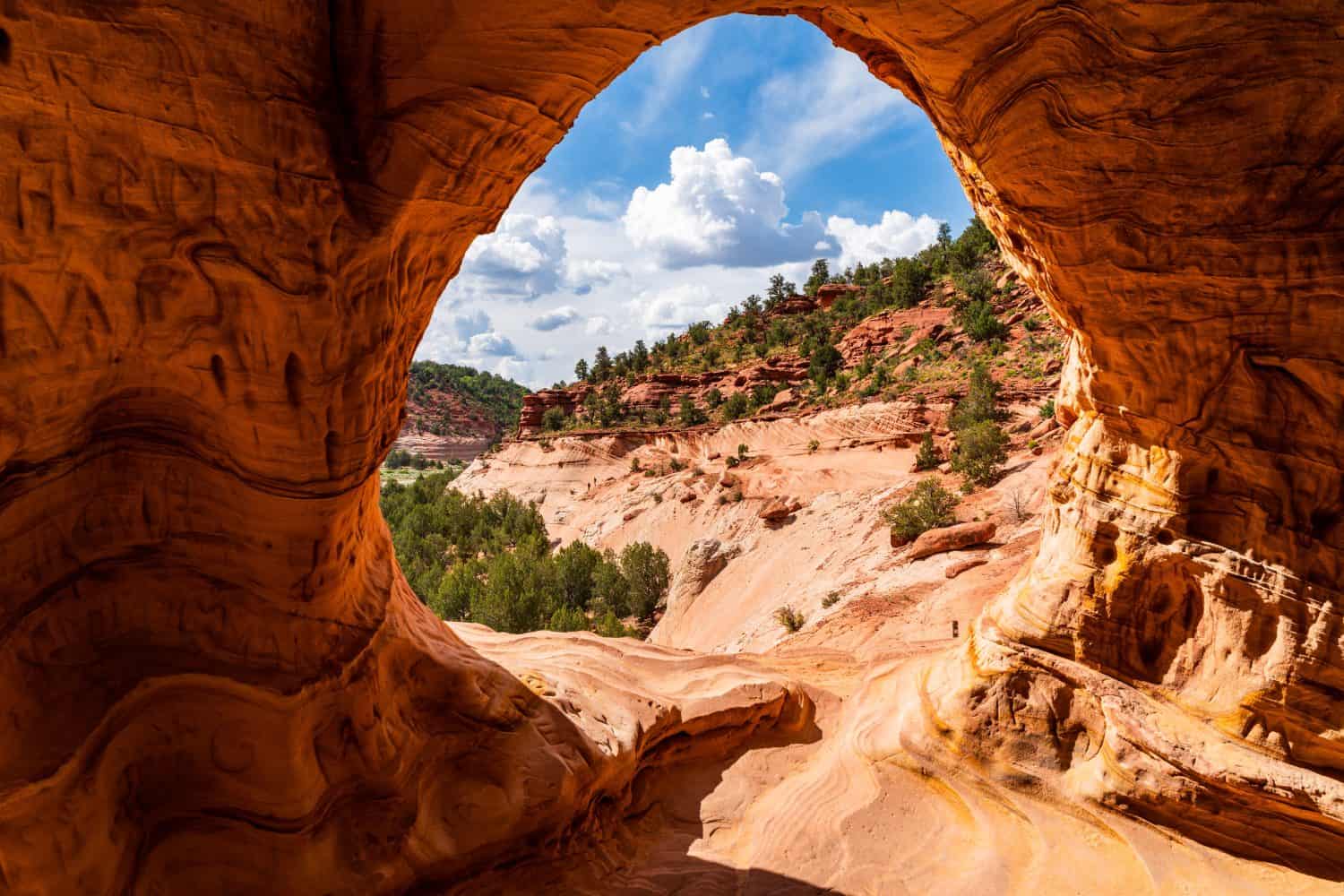
Best Friends Animal Sanctuary is just 5 miles north of Kanab on Highway 89.
©luckyluke007/Shutterstock.com
Despite the grueling daily routine of feeding, cleaning, and socializing hundreds of animals, the sanctuary continued to grow. Looking back, Battista credits their survival to their collective bond. “I think it was only possible because we had a group of people who were all committed to the same thing, rather than a single individual,” he says.
The Crisis Year That Nearly Ended Everything
As the sanctuary expanded through the late 1980s and early 1990s, its population grew far faster than its resources could support. By 1992, the refuge housed nearly 1,500 animals, stretching the organization to its absolute limit. “Everybody was using all the resources available,” Battista says. “We nearly went bankrupt.”
Initially, the founders kept a low profile. They worried that publicizing their work locally would overwhelm them with an influx of even more animals. However, the financial crisis forced a fundamental shift in their strategy.
“It took people going out and starting our first newsletters and the earliest version of the magazine,” Battista explains. “They were all about the positive things happening to animals. We doubled down on inviting and sharing what we were doing — taking the risk, telling everybody, and discovering who cared.”
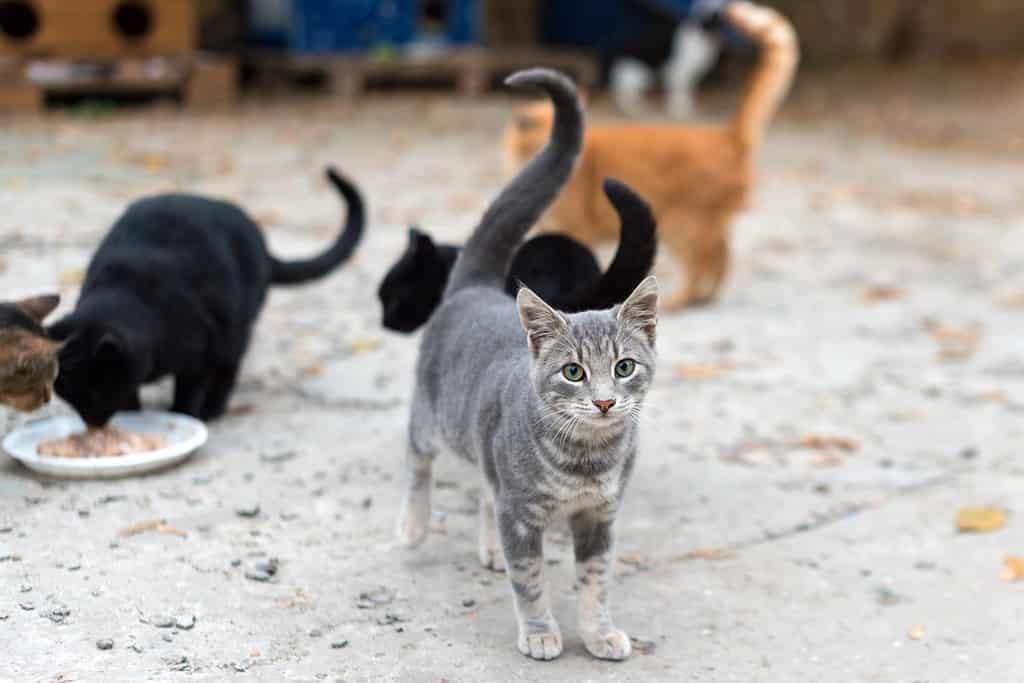
Best Friends Animal Sanctuary’s Cat World includes 11 buildings and over 600 rescued cats.
©IMG Stock Studio/Shutterstock.com
To their surprise, the founders discovered that far more people cared deeply about making the sanctuary work than they ever imagined.
Fundraising became an intensely personal grassroots effort. Volunteers gathered mailing list sign-ups outside grocery stores, and donors received direct, heartfelt follow-ups. “If you gave a donation, somebody back at the sanctuary that evening would call you to say thank you,” Battista says. “That kind of personal touch mattered.”
Over time, this deeply personal outreach stabilized the organization. It allowed Best Friends Animal Society to finally shift from daily crisis management and focus instead on structured, incremental growth through targeted fundraising and long-term construction projects.
If you gave a donation, somebody back at the sanctuary that evening would call you to say thank you. That kind of personal touch mattered.
Judah Battista, co-founder and chief sanctuary officer at Best Friends Animal Society
Expanding Beyond the Sanctuary
By the late 1990s, Best Friends Animal Society had survived its most fragile years and begun evolving into something larger than a single sanctuary. Leadership recognized that if they truly wanted to make a lasting impact, they needed to look beyond Angel Canyon. “We got large enough to try to help beyond the boundaries of the sanctuary in a substantive way,” Battista explains.
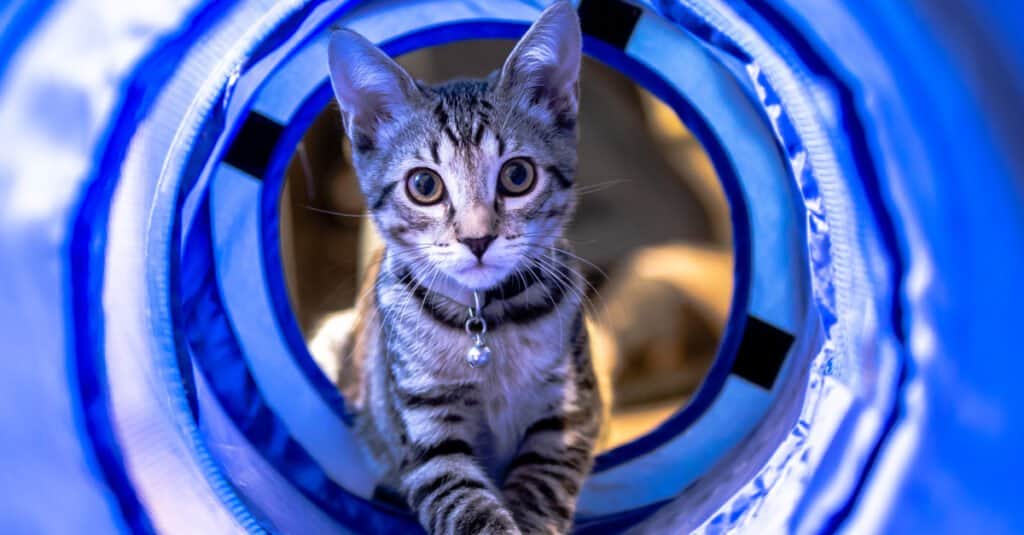
Cats at Best Friends Animal Sanctuary are provided with both indoor and outdoor space.
©Igor Risis/Shutterstock.com
This outward expansion began with local advocacy, including community cat initiatives and trap-neuter-return (TNR) programs. However, scaling these efforts nationally required a complete rethink of how the organization presented itself to the world.
“We went through a rebranding and a name change,” Battista says. “It was very challenging to be seen as a credible voice as a purely location-based entity. We needed something that carried more weight when communicating with government and officials in communities outside our home.” This crucial pivot allowed Best Friends Animal Society to step onto the national stage, transforming it from a remote Utah refuge into a credible authority capable of reshaping animal welfare across the country.
Pivotal Turning Points
Hurricane Katrina
Following this structural shift, a series of sudden, large-scale crises accelerated the organization’s growth and thrust it into the national spotlight. The first major test came when Hurricane Katrina devastated the Gulf Coast. Best Friends Animal Society rushed directly into the disaster zone, bringing their no-kill philosophy to a massive emergency response.
“We deployed to Hurricane Katrina,” Battista explains. “We were first ones in, last ones out, and rescued around 6,000 animals while employing a no-kill philosophy.”
![[Hurricane Katrina] New Orleans, LA, February 19, 2006 - Members of Best Friends Rescue join the parade down Bourbon Street during Mardis Gras with some of the animals abandoned and rescued from Hurricane Katrina. This organization rescued about 4,000 animals. Hundreds were reunited with their families and most of the rest placed in foster/adoption homes and in the care of humane groups around the country. Barbara Pritchard/FEMA](https://a-z-animals.com/media/2026/06/311-MAD-22834-791x1024.jpg)
Members of Best Friends Animal Society worked relentlessly to save and reunite pets with their owners in New Orleans following Hurricane Katrina.
©Barbara Pritchard / National Archives and Records Administration (NARA), FEMA Public Affairs Division / Public domain. – Original / License
The large-scale operation required creating entirely new systems to track displaced pets and reunite them with their owners. “We keep a box of mugshots of all the animals so that people who were displaced could find them,” he said. “Even if it was three months later, we knew where they were — where they had initially been found, and whether they were currently with us, in foster, or with a different organization.”
The sheer magnitude of the Katrina rescue captured the attention of national media. This newfound exposure paved the way for DogTown, a hit television series that introduced Best Friends Animal Society — and its mission — to a mainstream audience of other animal lovers.
The Michael Vick Rescue Case
Shortly after Hurricane Katrina, Best Friends Animal Society cemented its status as a national authority by stepping into the high-profile Michael Vick dogfighting case. The organization took in roughly half of the rescued dogs, intentionally choosing those with the most severe behavioral challenges.
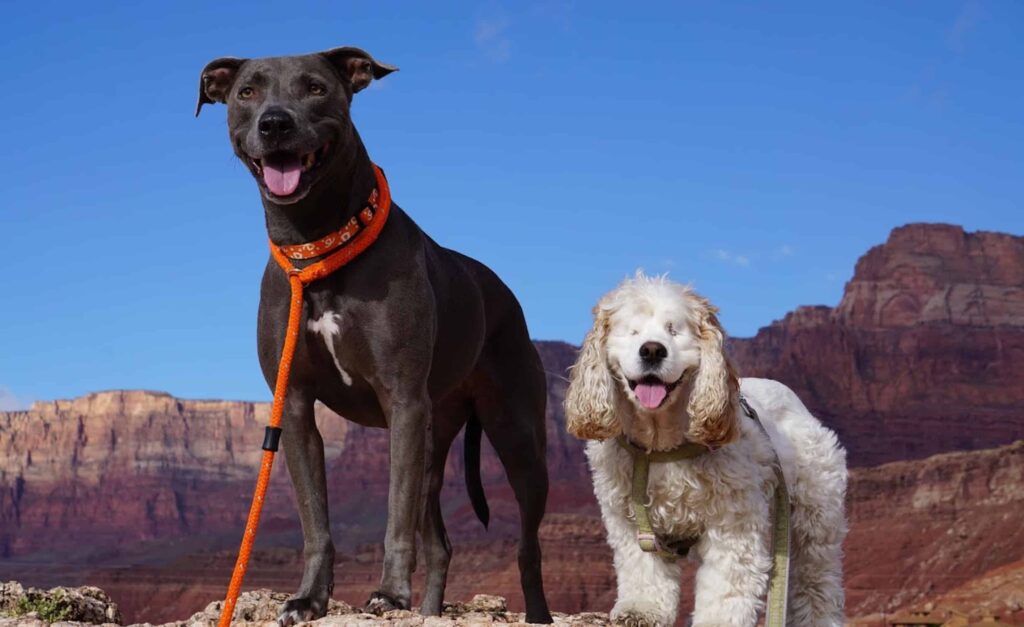
The incredible rehabilitation of Michael Vick’s traumatized dogs helped change the public’s understanding of rescue animals.
©iStock.com/Pawsitively D'Lish Pet Photography
The effort helped reshape public understanding of rehabilitation: even animals once labeled completely “unadoptable” by traditional standards could heal and find permanent homes.
Today, those dogs are often referred to as the “Vicktory Dogs,” and remain one of the most referenced rehabilitation cases in modern animal welfare history.
A National Network of Lifesaving Work
These milestone rescues transformed Best Friends Animal Society from a single destination refuge into a massive, collaborative national network. In 2011, Best Friends Animal Society launched its first direct municipal partnership with the City of Los Angeles, creating a brand-new blueprint for city-shelter collaboration. Today, that network includes more than 6,000 partner organizations nationwide.
To manage this massive national footprint, Best Friends Animal Society operates regional pet adoption centers in Los Angeles, New York City, Salt Lake City, Houston, and Northwest Arkansas. These centers extend the work of the Sanctuary into local communities, supporting shelter and rescue group partners through transport programs, foster networks, training, and direct intervention.
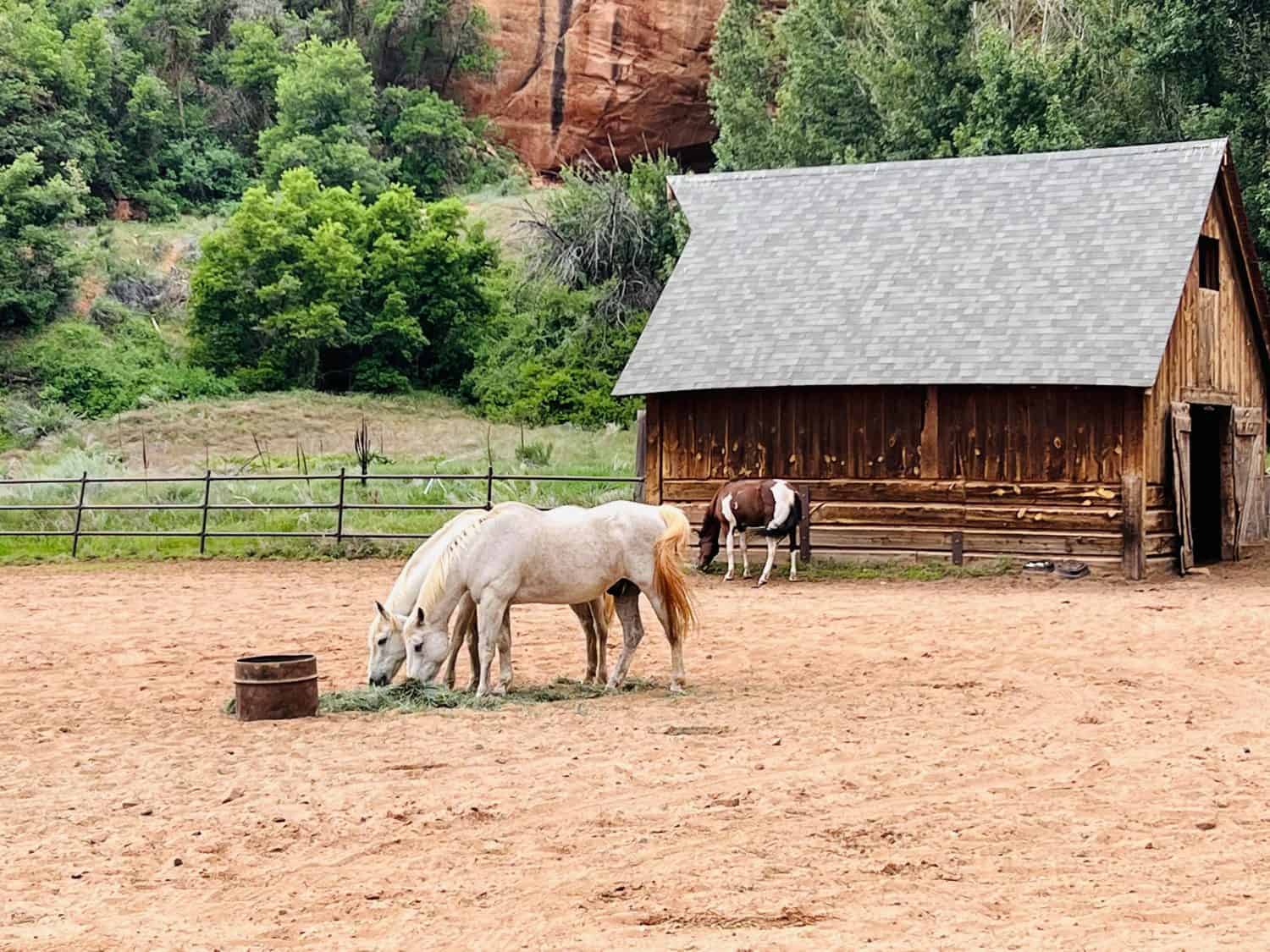
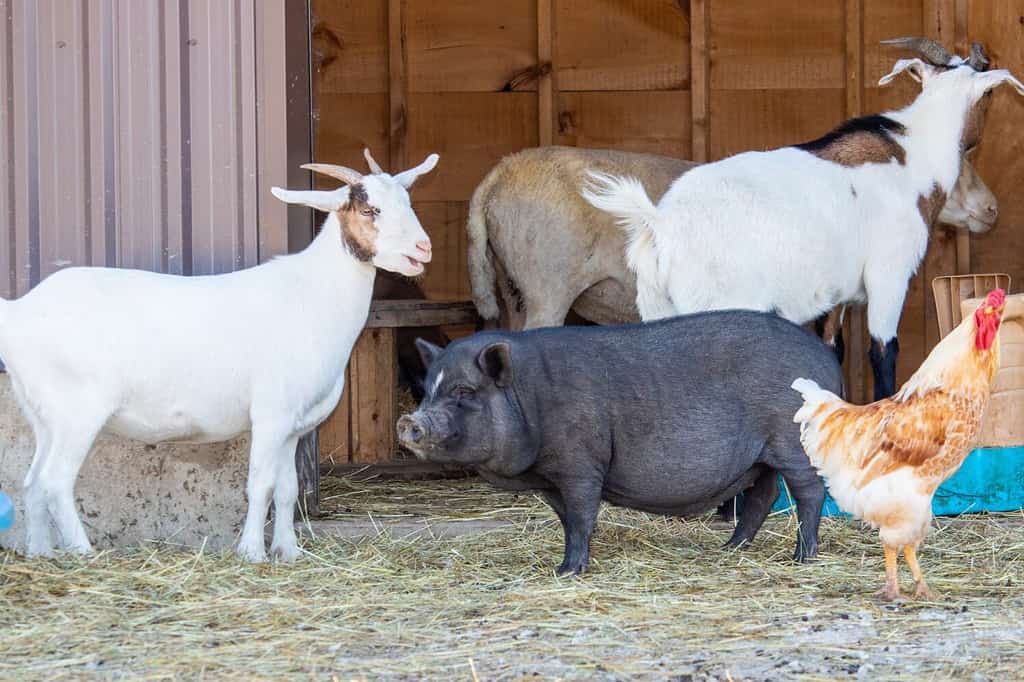
Horse Haven at Best Friends Animal Sanctuary ensures that abused, abandoned, and neglected horses, mules, donkeys, and goats are given everything they need to heal.
©RichAndLisa/Shutterstock.com
A Look Inside Angel Canyon
Today, the physical and emotional heart of Best Friends Animal Society remains in its sanctuary nestled within the red-rock vistas of Angel Canyon. This sprawling, highly organized care facility houses up to 1,600 animals at any given time. For Battista, the breathtaking canyon setting is a vital part of what makes the Sanctuary so inspiring.
“It is an amazing location,” he explains. “I think the scale of the operation and the canyon make an impression that we could not have built. The location, and then the work in the location, make an impact. Every experience is subjective, but I think seeing something at scale that is a committed work of compassion in an unexpectedly beautiful place makes the biggest impression.”
To manage a refuge of this magnitude, the Best Friends Animal Sanctuary is divided into dedicated, specialized zones such as Dogtown, Cat World, Horse Haven, Marshall’s Piggy Paradise, Bunny House, Parrot Garden, and Wild Friends.
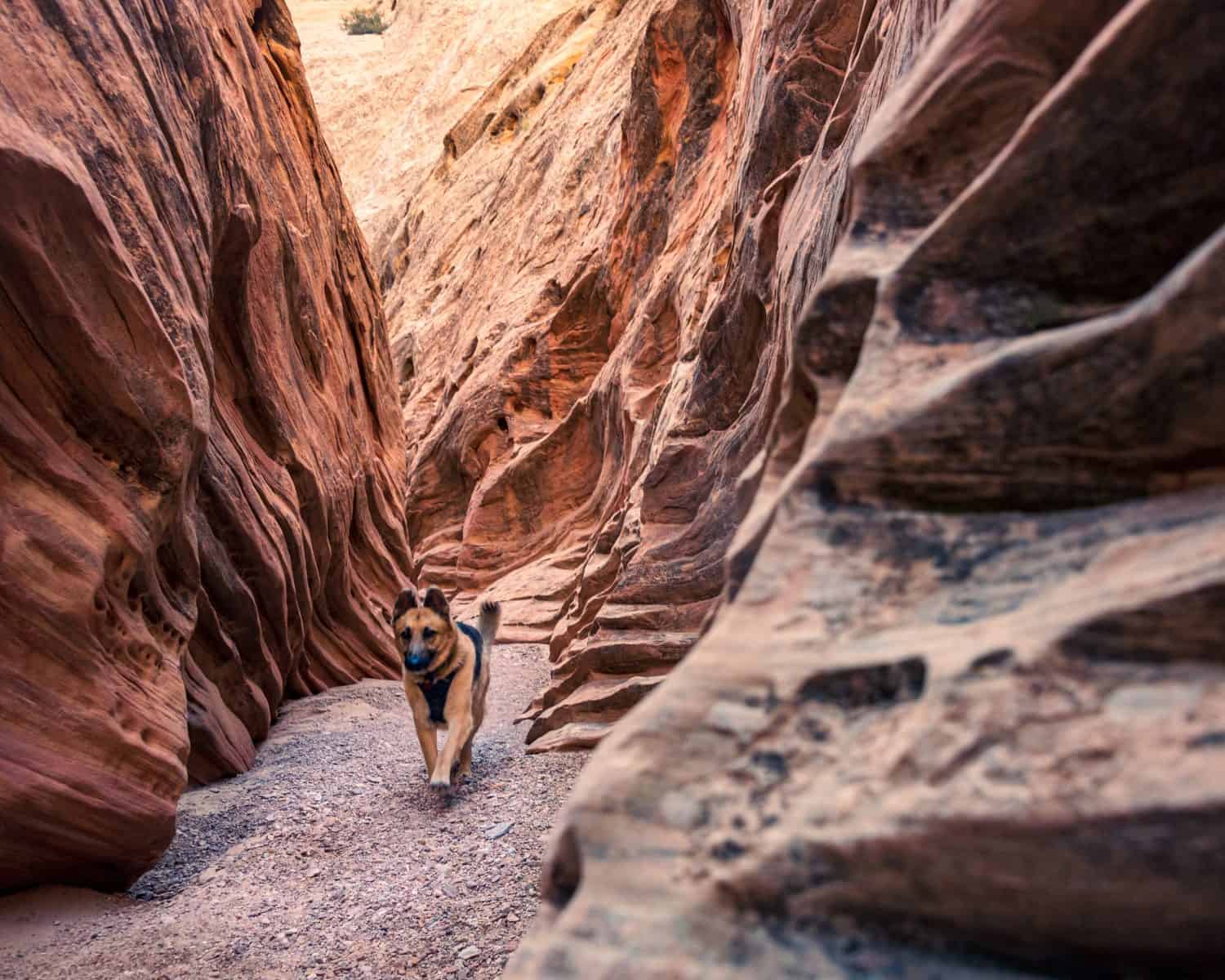
Best Friends Animal Sanctuary sprawls across thousands of acres in Southern Utah.
©Vincent Streech/Shutterstock.com
To protect the well-being of the animals, visitor access is carefully organized. The Sanctuary is open seven days a week, offering various guided tours throughout the day alongside hands-on volunteer shifts. Battista notes that visitors with a half-day to spare can sign up to volunteer—an opportunity that even includes taking eligible dogs out on scenic day trips.
Despite evolving into such a world-class operation, Best Friends Animal Sanctuary remains firmly grounded in the same core values that defined its humble beginnings: deep care, clear structure, and unconditional patience.
In 2025 alone, the Sanctuary:
- Welcomed 3,441 animals
- Adopted or transferred 3,450 animals
- Placed 867 animals in foster homes
- Performed 3,797 spay/neuter surgeries
- Directly impacted more than 600 community cats
In Utah specifically, Best Friends Animal Society programs have helped:
- 11,802 families adopt a homeless pet
- 3,631 people foster 7,942 animals
- 20,568 dogs and cats receive spay or neuter procedures
Compassion and Community Beyond the Canyon
Best Friends Animal Society is continually expanding its focus beyond Utah by creating community programs to help keep animals out of shelters entirely. “The shelter is a reflection of the community,” Battista explains. “It is not some offshoot you can isolate and condemn.”
A prime example of this community-focused, preventative work is the organization’s monthly spay, neuter, and vaccination clinics held on the Navajo Nation, where only four veterinarians and four shelters serve an area roughly the size of West Virginia. Powered by a dedicated team of veterinarians and volunteers, these mobile clinics treat between 40 and 50 animals every day.
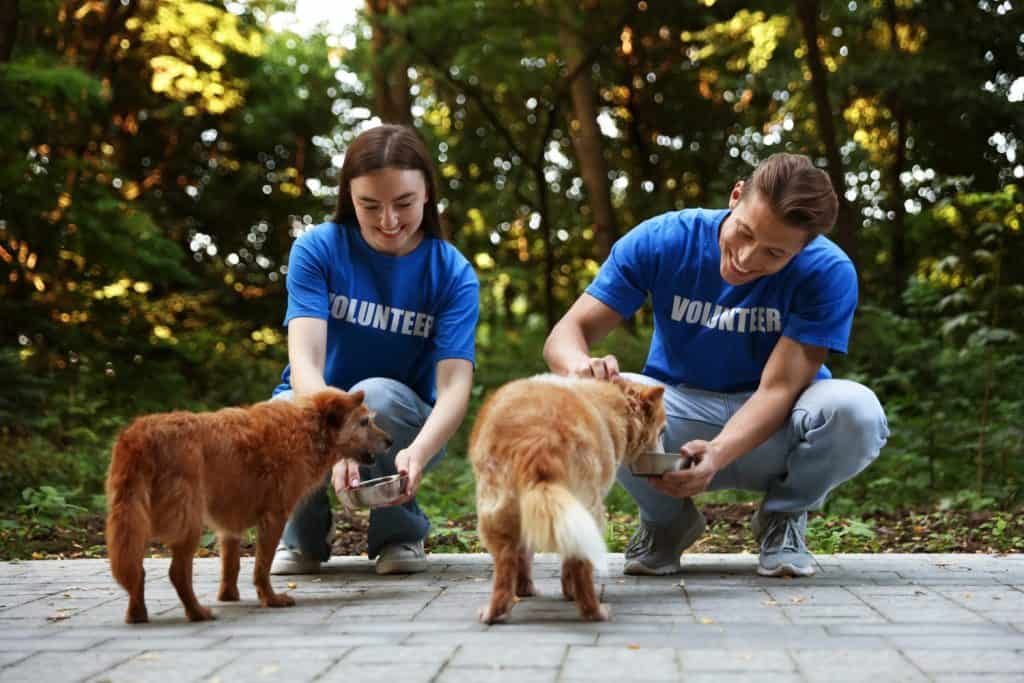
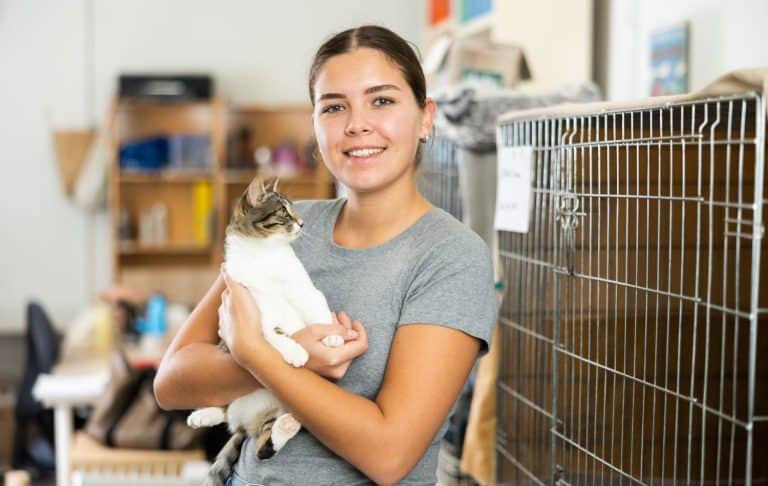
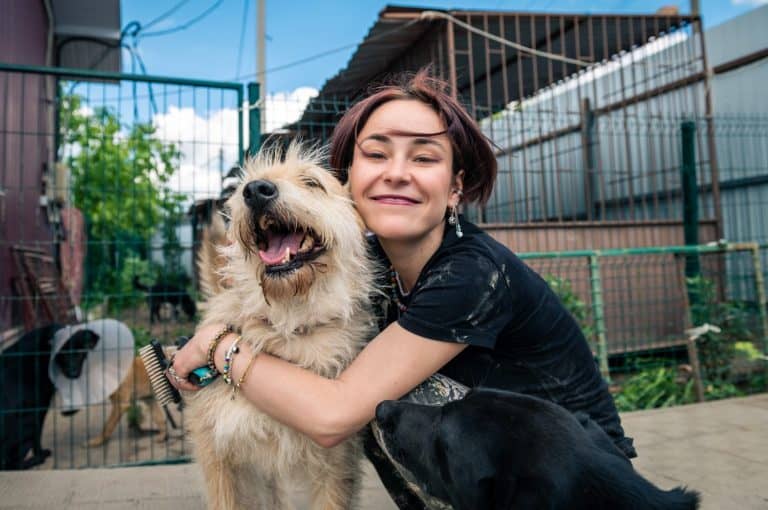
Volunteers across the nation fuel the organization’s many programs.
©New Africa/Shutterstock.com
For Battista, the impact of this grassroots effort is both immediate and clearly visible. “It is people coming together and doing a hard thing, and seeing that you are making a difference, and one that is so tangible,” he says.
Ultimately, the overarching goal relies on prevention, local ownership, and deep community involvement. By empowering residents to care for their pets, Best Friends aims to fix the root of the issue. As Battista notes, “Animals did not come from the shelter. They go into the shelter. They come from the community.”
The Push Toward a National No-Kill Goal
In 2016, Best Friends Animal Society formalized its most ambitious goal yet: making the United States a no-kill country. Achieving this required first building a nationwide data infrastructure from scratch. Staff and more than 400 volunteers mapped shelters across the country, identifying gaps in intake capacity, funding, and resources.
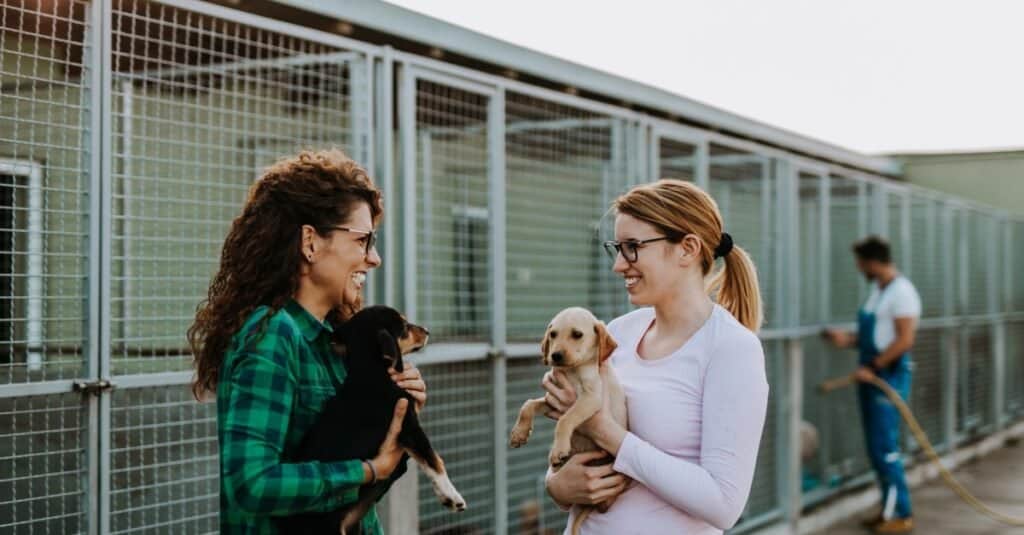
Best Friends Animal Society has Pet Adoption Centers in Salt Lake City, Los Angeles, Atlanta, New York City, and Northwest Arkansas.
©hedgehog94/Shutterstock.com
By identifying these gaps, Best Friends Animal Society shifted from reactive intervention to strategic partnership — focusing on collaboration rather than replacement. As Battista puts it: “It’s about finding opportunities to work together, not reasons not to. Ultimately, we are all trying to save animals.”
What “No-Kill” Actually Means
As the no-kill movement has grown, Best Friends Animal Society has worked continuously to clear up a persistent misunderstanding: that “no-kill” means never euthanizing an animal under any circumstance.
Instead, the organization distinguishes between humane euthanasia for incurable suffering and the killing of treatable animals. This distinction is not meant to assign blame, but rather to clarify outcomes and improve shelter systems.
Many celebrities help support Best Friends Animal Society, such as the late Dr. Jane Goodall, Justin Theroux, Ellen DeGeneres, Allison Janney, Amanda Seyfried, Danny Trejo, Willie Nelson, Jackson Galaxy, Rob McElhenney, Sabrina Carpenter, and Kumail Nanjiani.
©Kellie Sheridan/Shutterstock.com
For Battista, the focus remains on collaboration rather than judgment: finding ways for shelters, advocates, and communities to work together toward the shared goal of saving animals.
The Legacy and Future of Best Friends Animal Society
From its earliest days to its current national reach, Best Friends has remained rooted in collaboration. Battista emphasizes that even as philosophical debates continue, the mission remains unchanged: to find more ways to save animals, not fewer.
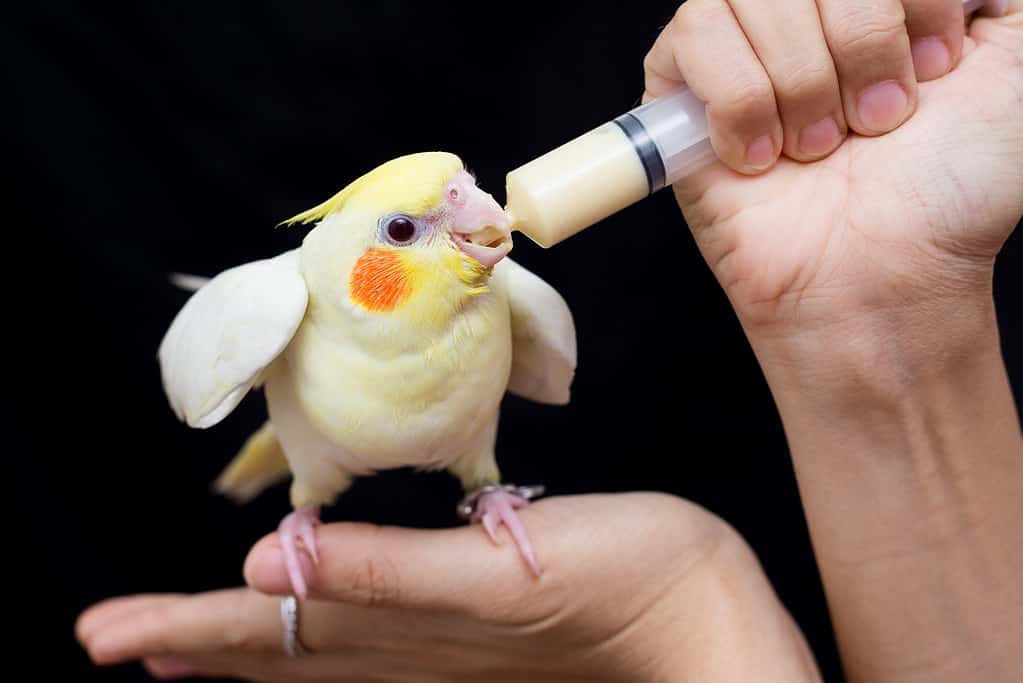
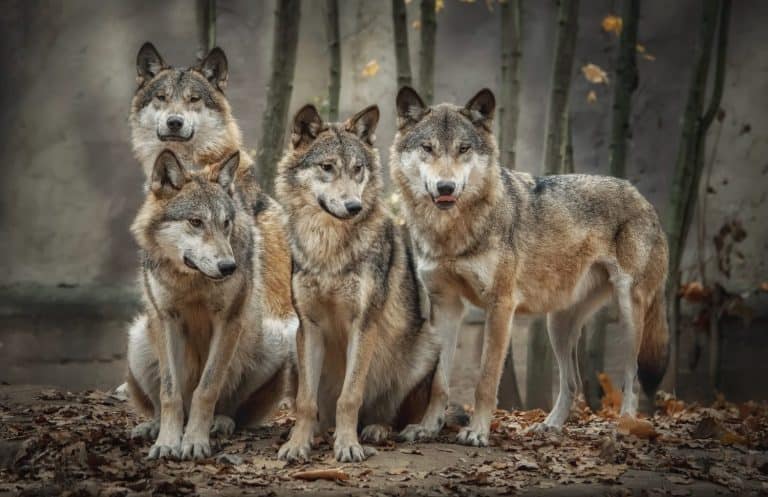
Best Friends Animal Sanctuary provides care to both domestic animals and wildlife.
©tatchai/iStock via Getty Images
Today, Best Friends Animal Sanctuary serves not only as a physical refuge in Southern Utah, but also as the headquarters of Best Friends Animal Society, anchoring a nationwide movement — one that now includes thousands of partners working toward a shared vision of a no-kill United States.
And while the canyon remains a powerful symbol of that work, its deeper meaning lies beyond its red rock borders: a reminder that lasting change is never the work of one organization alone, but of an entire community choosing to act together.