
Quick Take
- Indonesia successfully completed a nationwide ban on elephant riding for 100 captive animals.
- The elephants in captivity will now partake in ethical tourism.
- Elephants used for riding in Indonesia endured physical and psychological trauma.
- Elephant riding has been used in the agricultural, construction, and logging industries.
Ethical tourism has been gaining traction for years. One of the attractions that has consistently made headlines for all the wrong reasons is elephant rides. But now, elephants are getting a much-deserved reprieve with the banning of riding these massive mammals. It is a win for elephants and animal welfare alike.
Indonesia Has Banned Elephant Riding
For decades, travelers to Indonesia could ride elephants as part of their experience in the country. What seemed like a fun attraction was actually quite stressful and harmful to the elephants. But because of the tourism revenue it generated, a blind eye was often turned to the plight of the elephants, who were left to suffer.
This changed in 2025, when the Indonesian government, via the Ministry of Environment and Forestry, announced that the country would ban elephant rides. The ban took effect in January 2026, and conservation groups around the globe have applauded the government’s action.
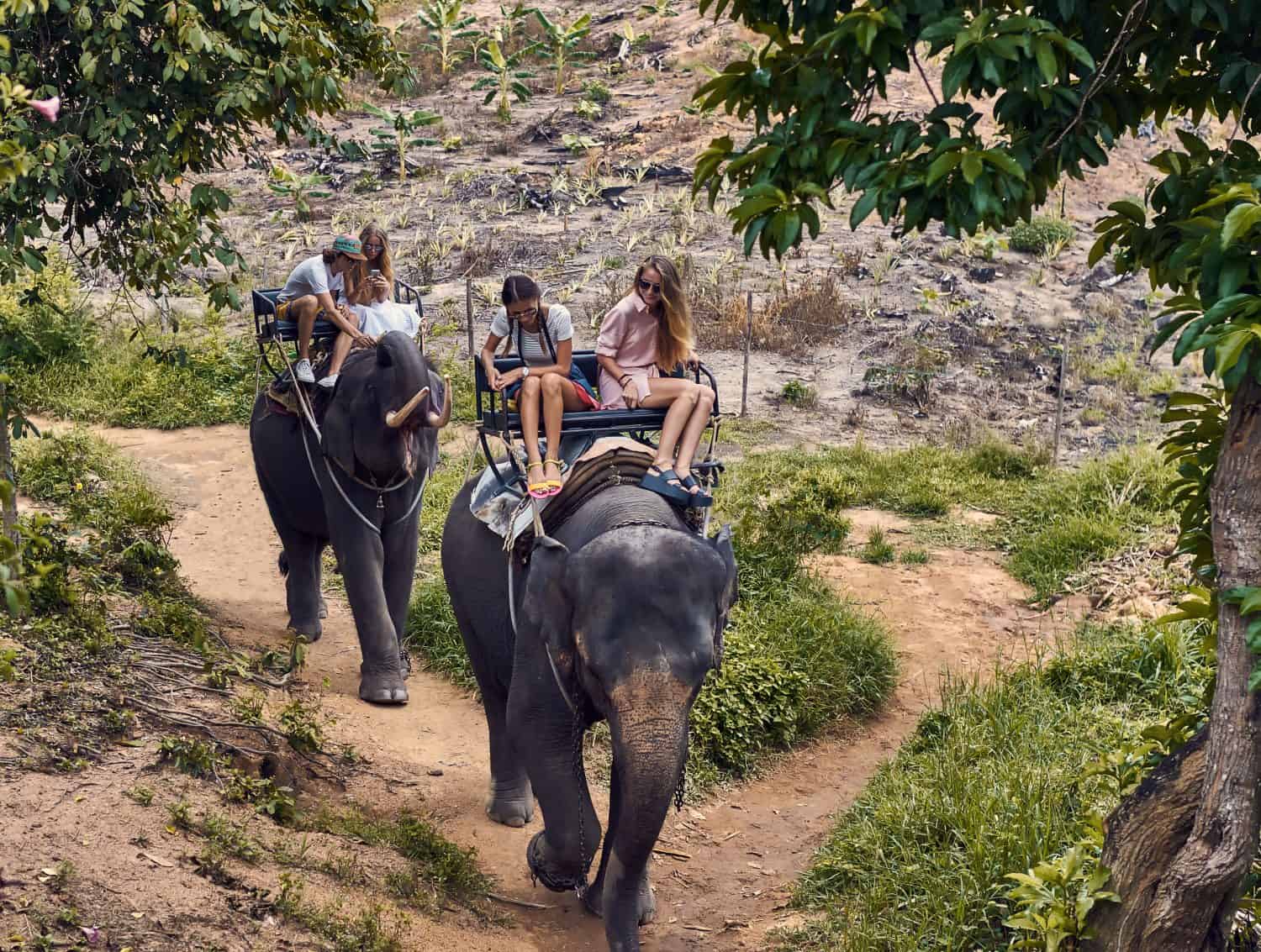
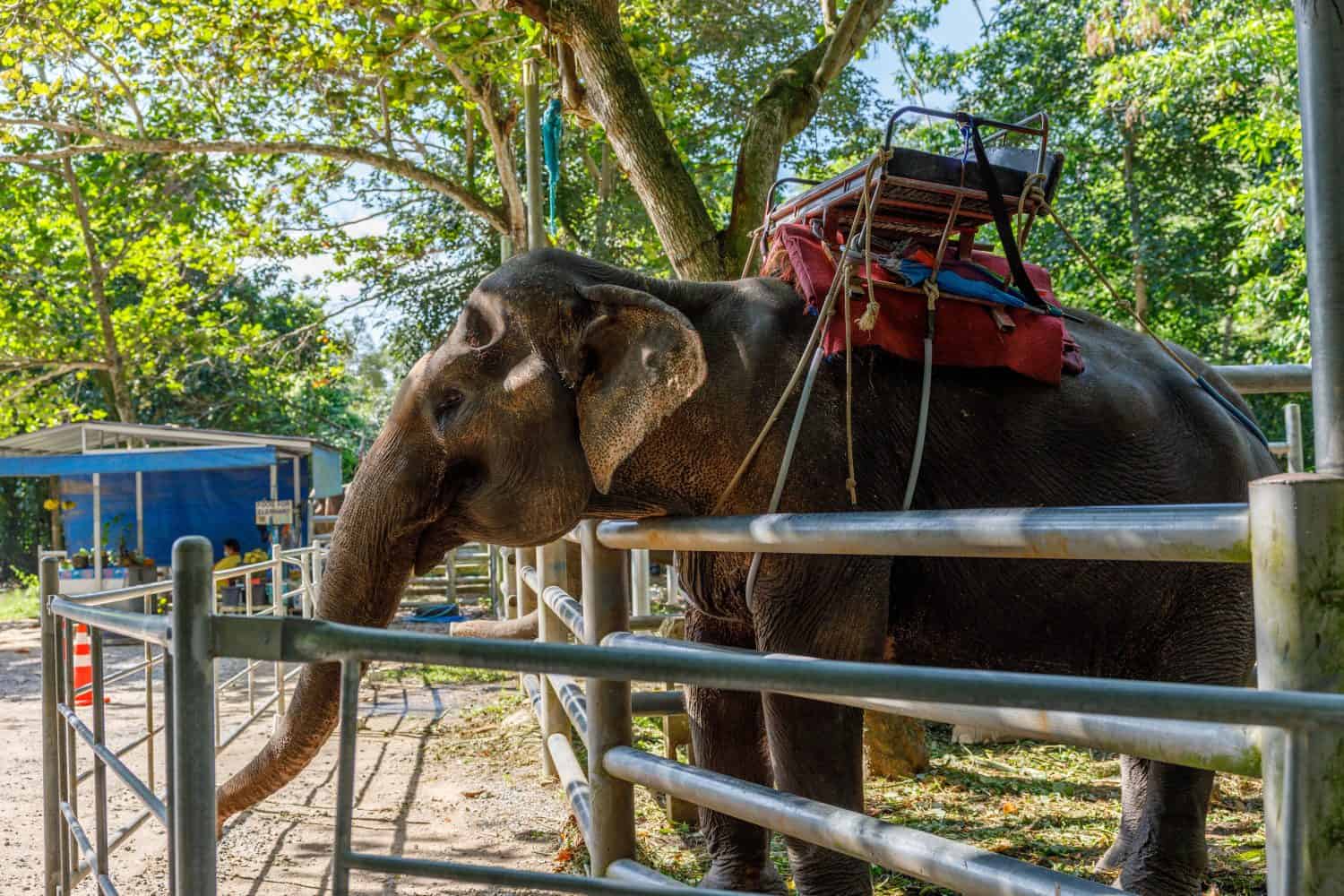
Elephant rides are now banned in Indonesia.
©Mizuno555/Shutterstock.com
According to PETA, which is still working to ban elephant rides in Thailand, this ban is a “step forward for compassionate tourism” that the organization hopes continues worldwide.
“Indonesia has officially ended cruel elephant rides nationwide, marking a major step forward for compassionate tourism and a huge blow to the elephant-exploiting industry,” PETA says in a statement after the elephant riding ban went into effect.
World Animal Protection also issued a statement, congratulating the Indonesian government on the ban.
“We advocate for wildlife experiences that prioritize respect for animals’ wellbeing and education, rather than exploitation for entertainment, such as those focusing on observation, education, and conservation rather than direct contact and rides,” World Animal Protection explains in a statement. “We congratulate the Indonesian government on taking this world-leading step to safeguarding the dignity of wild animals.”
The more than 100 elephants that were in captivity specifically to give tourists rides cannot be returned to the wild, having lived in captivity for so long. Therefore, the goal for these elephants is now conservation rather than exploitation.
What Will Happen to the Elephants Now?
Now that elephant riding has been banned in Indonesia, what is the fate of the elephants that have long been used as entertainment? While conservation of the elephants is the main goal, there may be ways to allow captive elephants to live a life more similar to that of their wild counterparts, while still allowing zoos that home them to make money.
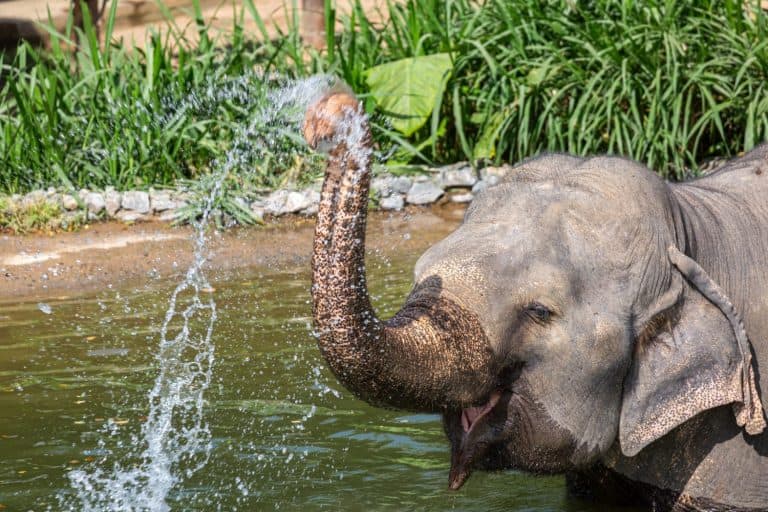
According to Mason Elephant Park in Bali, now that elephant rides are a thing of the past, those who want encounters with elephants will be treated to something very different. Visitors to the zoo will be allowed to hand-feed the elephants, take observational walks with them, and even help bathe them.
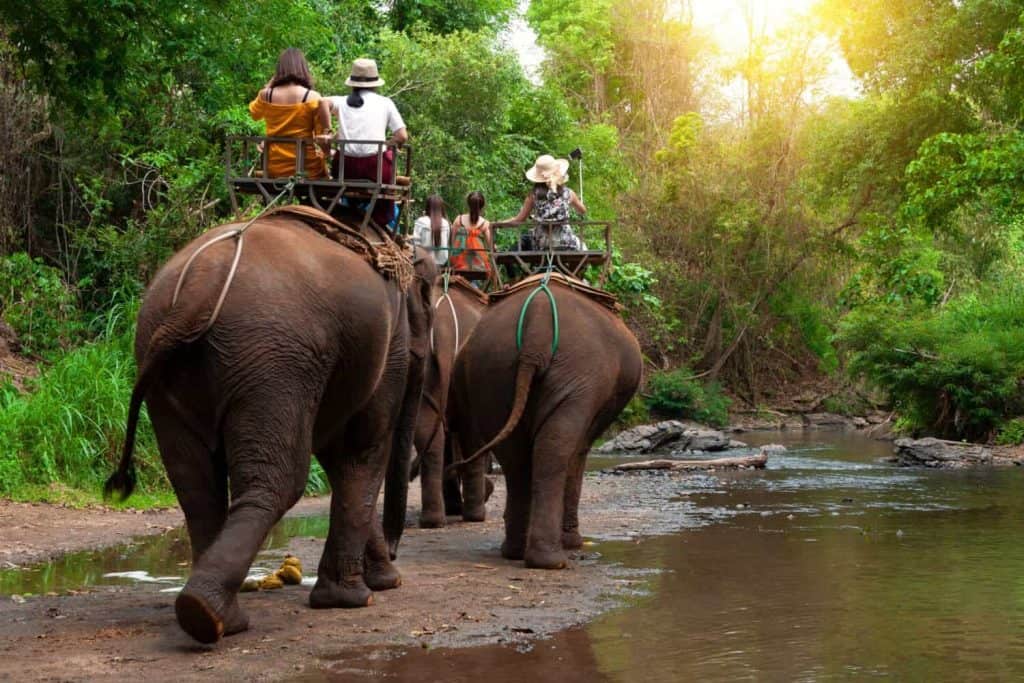
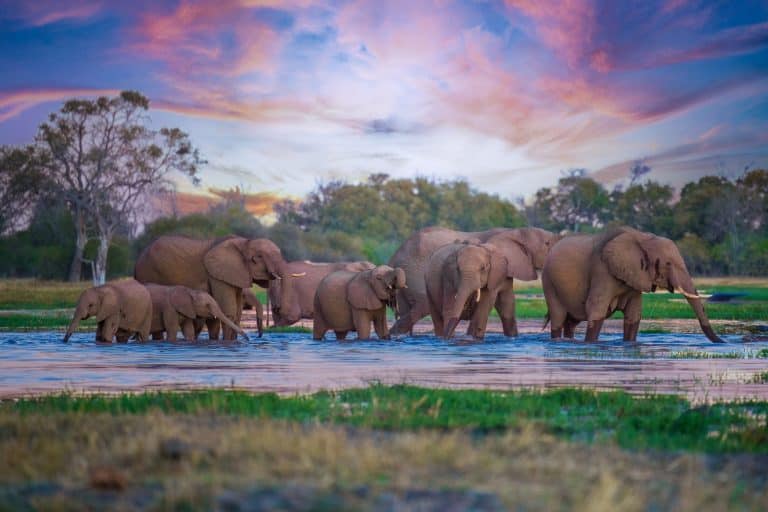
Elephants used for animal rides will now enjoy conservation and ethical tourism practices.
©MR.RAWIN TANPIN/Shutterstock.com
These encounters fall in line with what the Head of the Bali Natural Resources Conservation Agency, Ratna Hendratmoko, wants to see done with elephants in the future with elephant rides being banned.
“We reiterate that all conservation institutions are required to stop elephant riding,” Hendratmoko tells reporters during a media briefing on the situation, “and begin transforming themselves into more educational, innovative, and ethical wildlife tourism.
This announcement comes on the heels of reports coming out of Indonesia from conservation groups detailing the poor condition of elephants forced to provide rides for paying guests. The hope now is that attractions that have used and abused elephants for decades will truly change their practices and give elephants the most enriched life possible, despite living in captivity.
What Were the Conditions of Elephants in Indonesia?
When riding elephants became a popular tourist activity, there was no education for travelers about the physical and psychological torment the elephants endured for a short ride and a photo. But as reports from countries that provided elephant rides revealed the condition of the elephants, there was no hiding the truth. The elephants were being mistreated.
Elephants in Indonesia were found in poor condition and mistreated in nearly all the attractions that advertised elephant rides. Those who were not compliant with the trainers were subjected to painful training practices until they became compliant. This included being subjected to standing for long periods in a narrow room, chained up. Elephants eventually gave up and did what was asked of them.
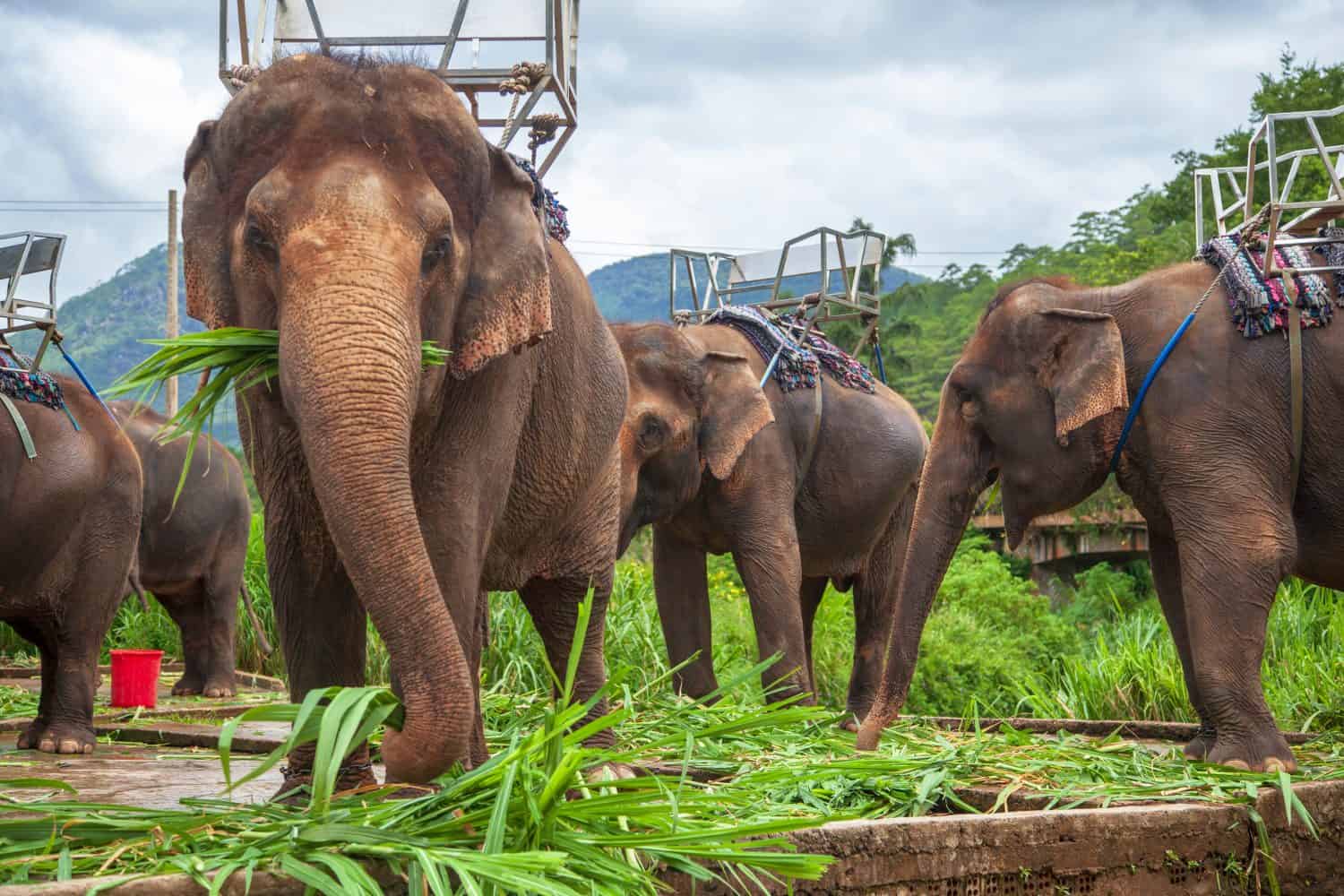
Elephants used for riding endured physical and psychological harm.
©evgenii mitroshin/Shutterstock.com
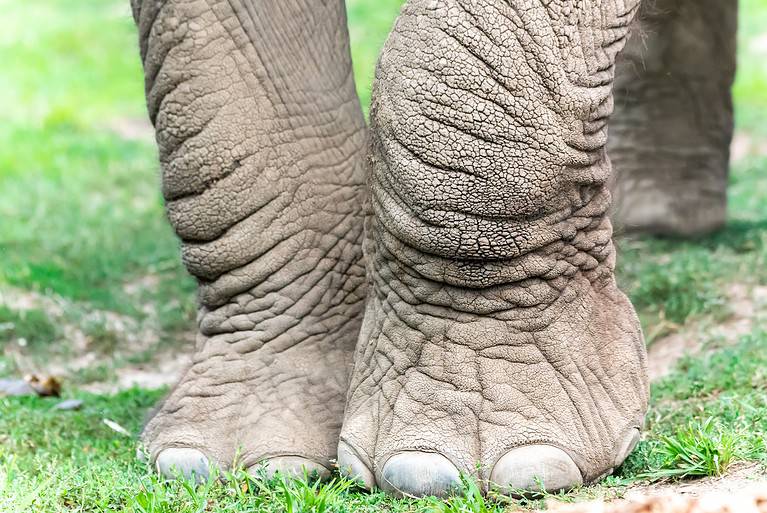
Additionally, elephants endured physical harm by taking tourists for rides. Aside from the injuries sustained from long hours of walking on surfaces that led to joint injuries, arthritis, and foot conditions, bullhooks were used to strike elephants on the head. This led to open wounds and scars on the elephants, all because they did not want to carry tourists on their backs.
Finally, psychological damage was done to the elephants. The stress of being forced to live in cramped quarters and to provide rides took an emotional toll. Decades of reports detailed how the psychological stress manifested itself physically. The signs of stress the elephants exhibited included:
- Head bobbing
- Aggression toward both other elephants and people
- Regression from being social with other elephants
- No interest in interacting with the natural environment
- Decrease in appetite
- Bouts of insomnia
These highly intelligent animals were subjected to a life of poor treatment and forced to give people rides all for money. Not only did they pay for it physically, but they also paid a hefty emotional toll that even after the rides have ended, may never heal.
Purposes of Elephant Riding That Were Not Tourism Related
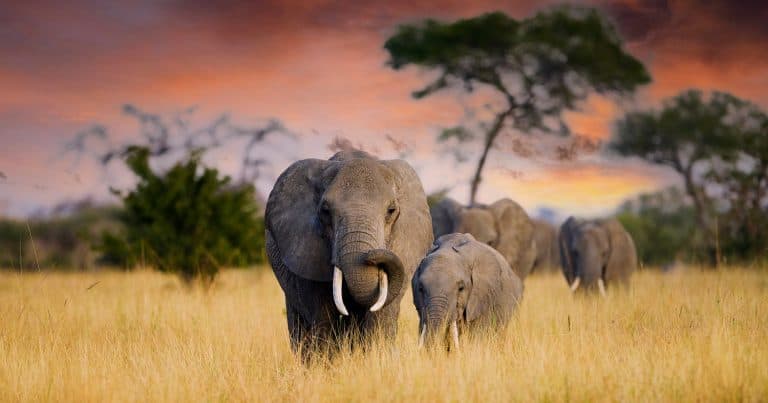
Elephants have been ridden for centuries to benefit mankind. It was not until the late 1980s to early 1990s that they were used for tourism purposes. Now that the shift has been made to conserve elephants rather than to use them for financial gain, the hope is that the mistakes of the past will not be made again in the future.
Elephants were first used in warfare. The goal was to intimidate the enemy by having soldiers ride into battle atop the towering elephant. While intimidation did work as a psychological war tactic for a time, this changed as more sophisticated weapons were invented. Elephants were large and easily outmaneuvered by large armies, making them more of a liability than a threat.
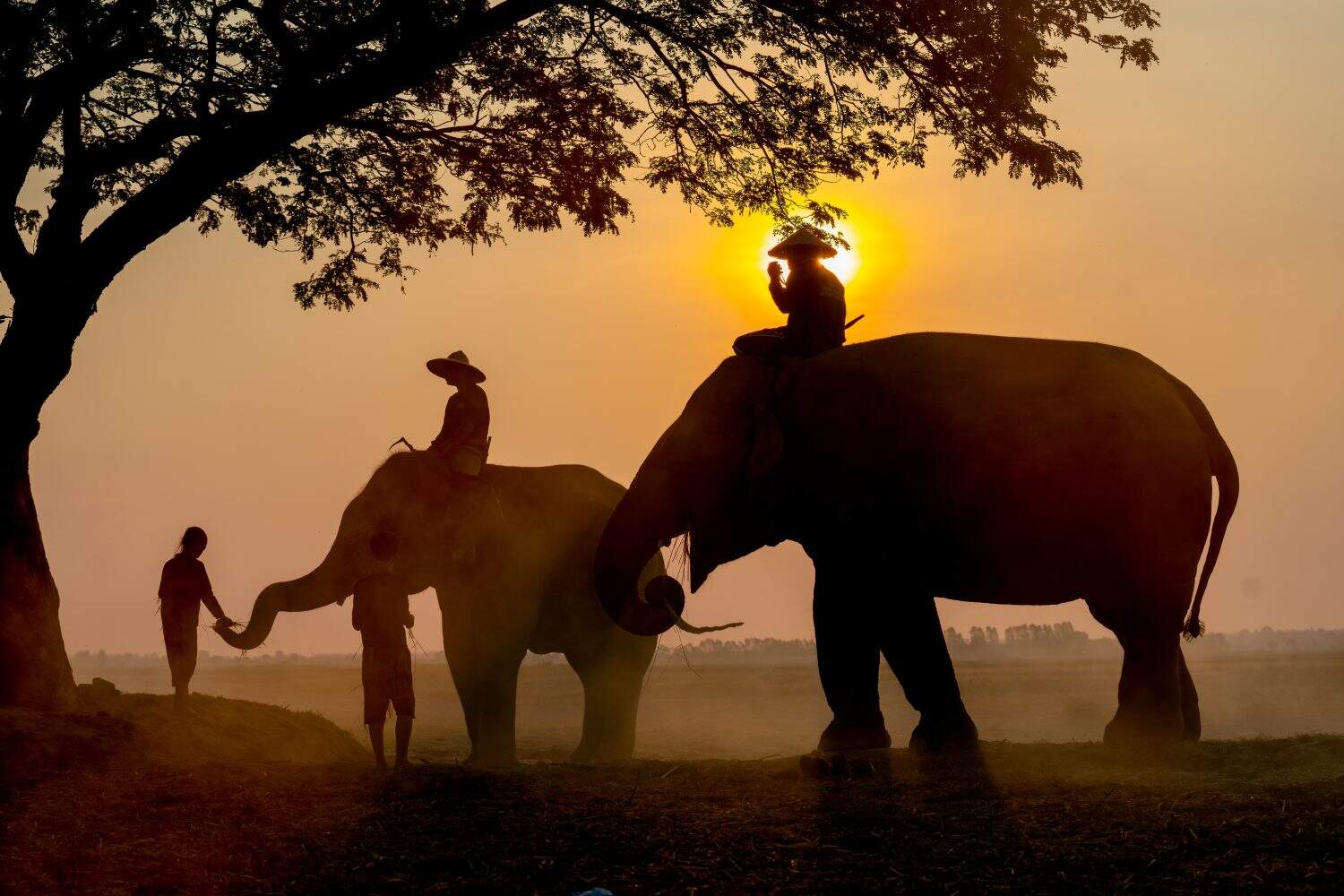
Elephants, like these, have been used for agricultural labor purposes.
©SritanaN/Shutterstock.com
As societies grew, elephants were used for manual labor. Three main industries benefited from the strength and size of the elephants. They were:
- Logging
- Agriculture
- Construction
To train elephants to do this, they had to be separated from their mothers at a young age. Given that in the wild, male elephants do not leave their mothers for at least 10 to 15 years, and females may never leave their mothers, this can be a traumatizing experience. This was never taken into account when separating elephants, however. They were seen as tools for hard work, and nothing more.
Animals Encounters Are Becoming a Thing of the Past
Elephants have made headlines for being mistreated when used as props for tourism. They are not the only animals that have received cruel treatment under the guise of animal encounters, however. Fortunately, the tide appears to be turning for some and select groups of animals are no longer being subjected to abuse simply for profit.
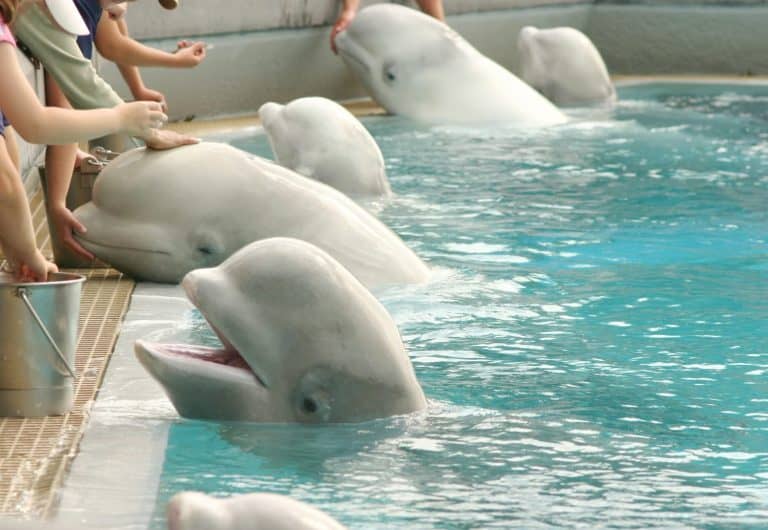
One of the most recognizable uses of animals for entertainment purposes is whales and dolphins being forced to perform while in captivity. For years, animal rights groups have been pushing to end the practice of keeping these massive animals in tanks and breeding them, specifically to ensure there is a crop of marine mammals to choose from for shows at aquatic parks.
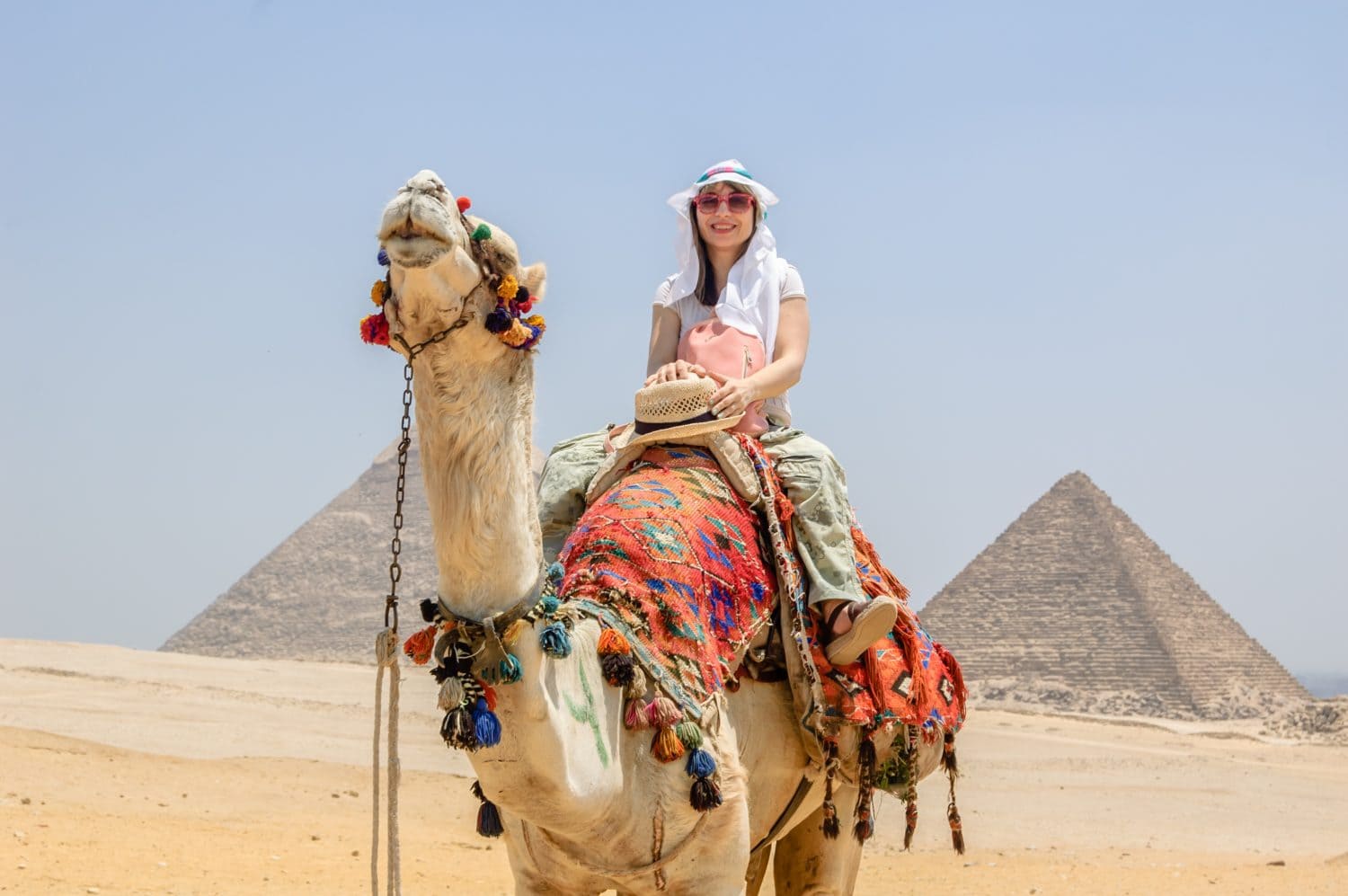
With elephant riding banned in Indonesia, the focus continues to be on stopping other animal rides, such as camel rides in Egypt.
©Vangelis T/Shutterstock.com
With these attractions receiving more negative than positive publicity, governments around the world have made it illegal to keep whales and dolphins in captivity. The most recent was Canada in 2019. While the United States has not imposed the same ban, public outcry led SeaWorld to end its breeding program. This means that eventually, the theme park will have no choice but to phase out its large marine mammal program.
Elephants are not the only animals used to give people rides, specifically for tourism purposes. Donkeys in Santorini, Greece, have traditionally been ridden by people to navigate steep trails. There are now strict regulations in place to help keep the donkeys safe and better protected from injury. One of the biggest is that riders must weigh under 220 pounds.
While not banned yet, camel and horse rides in Egypt may be on their way out. Dozens of travel companies have stopped offering camel and horse rides to the pyramids after PETA and The Independent released reports on the treatment of these animals by handlers. Both horses and camels were left to die by the pyramids after they were too weak to continue giving visitors rides. Reports even state that camels that were no longer capable of giving rides had their throats slit while still alive, and sometimes, in front of small children.
The ban on elephant rides in Indonesia is a wonderful step toward ensuring animals receive ethical treatment. However, many species are still being used for financial gain in the tourism industry. As more people choose not to participate in animal-related activities and spend money on them while vacationing, the use of animals for profit will eventually become a thing of the past. But until animals are not forced to perform or work when clearly exhausted, the fight to protect them will not end.