
Quick Take
- New Jersey chose the horse as its state animal to honor its unique historical, cultural, and economic role in the state.
- Horses shaped New Jersey’s development through colonial transportation, Revolutionary War efforts, and its national significance in Standardbred breeding and harness racing.
- The horse continues to symbolize the state’s heritage, open land preservation, and ongoing equine industry in racing, recreation, and breeding.
If you were to ask me to guess what New Jersey’s state animal is, there would be dozens of guesses before I finally arrived at the horse. Texas—that might make sense, what with cowboy culture and all. Or Kentucky with its famous derby. But New Jersey? Granted, I’m no authority. Other than having driven through it one time on my way to Florida, I’ve never even been there. When I think of New Jersey, the first things that come to mind are Bruce Springsteen, The Sopranos, and Atlantic City. But still, the horse? The only horse I imagine in New Jersey is a plastic one on a carousel at a boardwalk amusement park down by the shore. What do horses have to do with New Jersey?

Well, as it turns out, horses have a lot to do with New Jersey—especially historically. Long before highways, rail lines, or commuter trains, horses powered farms, carried people and goods across the colony, and played a decisive role in war and commerce. When lawmakers officially named the horse as the state animal in 1977, they were recognizing an animal that had shaped how New Jersey was built and how it functioned—one whose influence hasn’t disappeared, even in what is now a modern, densely populated state.
The Making of Early New Jersey
To understand why the horse became New Jersey’s state animal, you have to picture the state before the suburbs and shore traffic we associate with it today. For much of the colonial period and well into the 1800s, New Jersey was overwhelmingly agricultural. Farms spread across central and southern regions, and horses were essential to nearly every aspect of rural life. They plowed fields, hauled timber, and pulled wagons loaded with crops bound for market towns.
New Jersey’s geography made horses especially important. It sits between New York and Philadelphia, making it a heavily used corridor for travel and trade. Roads were rough, distances were long, and waterways didn’t reach every settlement. Horses connected farms to towns and towns to one another. They were more than just farm animals; they were the state’s primary transportation system.
At the Crossroads of the Revolution
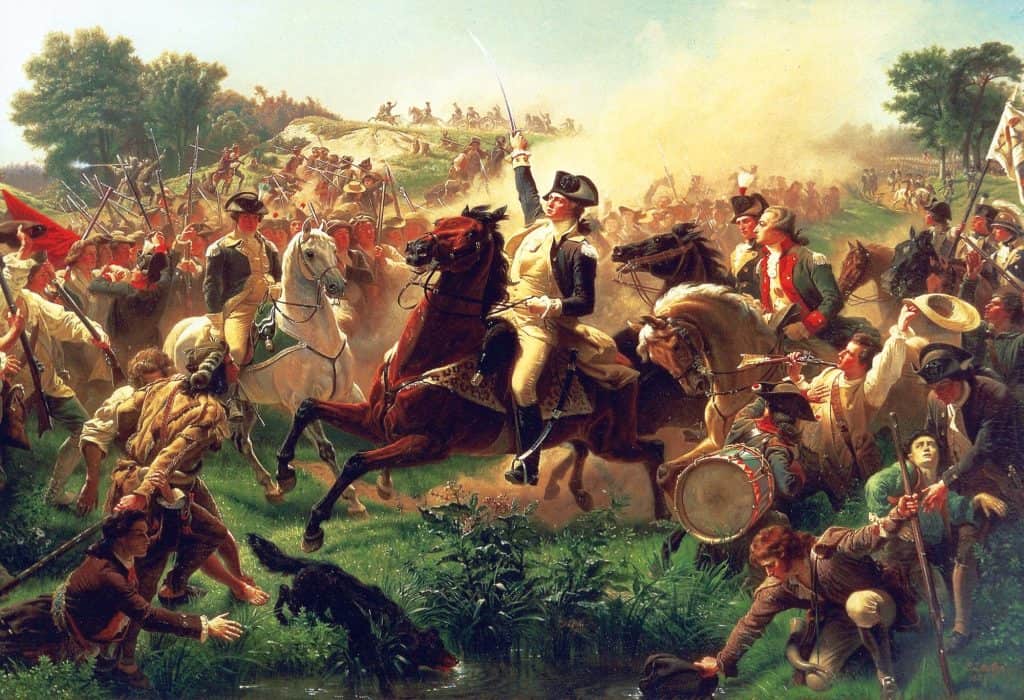
Horses carried troops, artillery, and supplies, proving essential to New Jersey’s Revolutionary War campaigns.
©Emanuel Leutze, Public domain, via Wikimedia Commons – Original / License
Horses took on an even larger role during the American Revolution. New Jersey saw frequent troop movements and major military campaigns, earning its reputation as the “Crossroads of the Revolution.” Armies on both sides depended heavily on horses for cavalry units, artillery transport, and supply wagons.
For civilians, the war often meant surrendering their own horses for military use, sometimes with little compensation. These animals carried soldiers, pulled cannons through snow and mud, and helped sustain long campaigns. The horse became associated with endurance, sacrifice, and the struggle for independence—qualities that would become foundational to the state’s identity.
Powering a Growing Economy
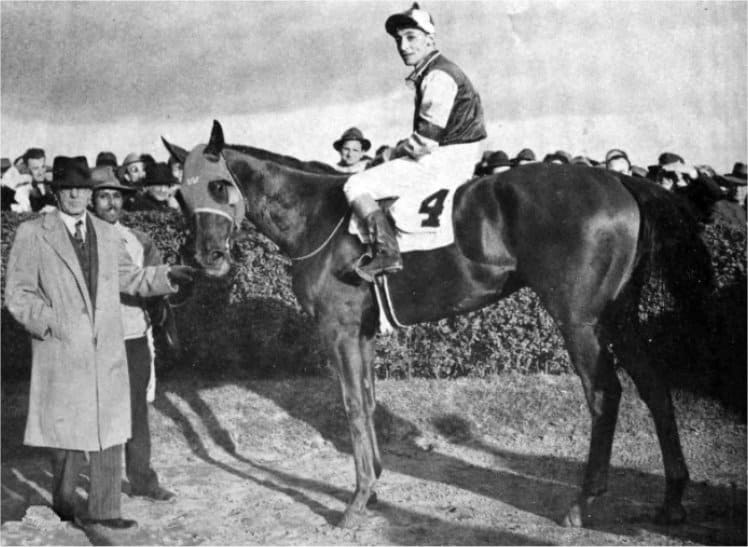
Standardbred breeding and horse racing made New Jersey a national center for equine sport and commerce.
©Eddie Arcaro, "I ride to win!", New York, Greenberg and Co. (1951)/ Public Domain via Wikimedia Commons – Original / License
New Jersey—along with much of the U.S.—began to industrialize in the 19th century, but horses continued to be indispensable. Factories depended on them to move raw materials and finished goods. Cities relied on horse-drawn carts to move people and supplies before electric-powered streetcars and trolleys became widespread.
At the same time, horse breeding and racing emerged as significant industries. New Jersey played a huge role in the development of the Standardbred, a breed central to harness racing. One of the most influential Standardbred stallions in history, Hambletonian, was foaled in New Jersey in the mid-1800s. His descendants shaped the sport nationwide, permanently linking the state to American horse racing.
This blend of practical labor and sport elevated the horse from a purely utilitarian animal to a source of pride and identity.
The Legislative Choice
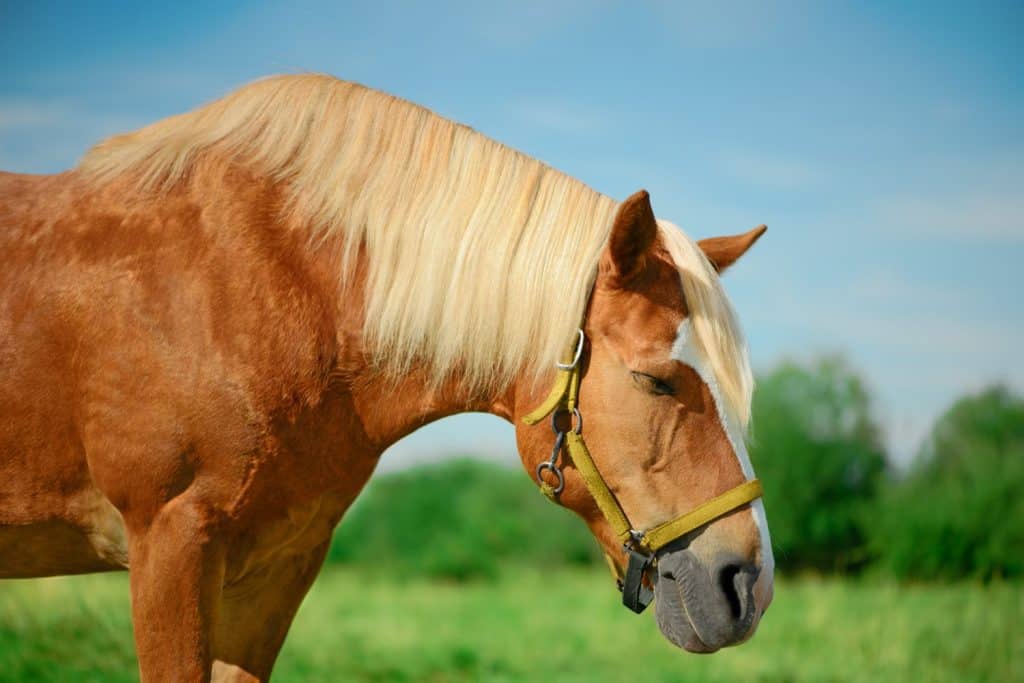
n 1977, New Jersey officially recognized the horse for its enduring historical, cultural, and economic importance.
©IRINA ORLOVA/Shutterstock.com
New Jersey officially designated the horse as its state animal in 1977. By that time, horses were obviously no longer central to daily transport, but their symbolic and economic significance remained strong. Legislators, farmers, and equine advocates highlighted the animal’s historical importance, as well as its ongoing presence in breeding, racing, recreation, and on farms and pastures. Choosing the horse recognized both the state’s rural heritage and the modern role of horses in New Jersey’s culture and economy.
Unlike symbols chosen for novelty, the horse represents continuity, partnership, and adaptation. The story of New Jersey can’t be told without the horse—from colonial farms and Revolutionary War routes to industrial cities and modern suburban landscapes. As New Jersey grew and changed, the horse was trotting alongside it every step of the way.
Does the Horse Still Represent New Jersey?
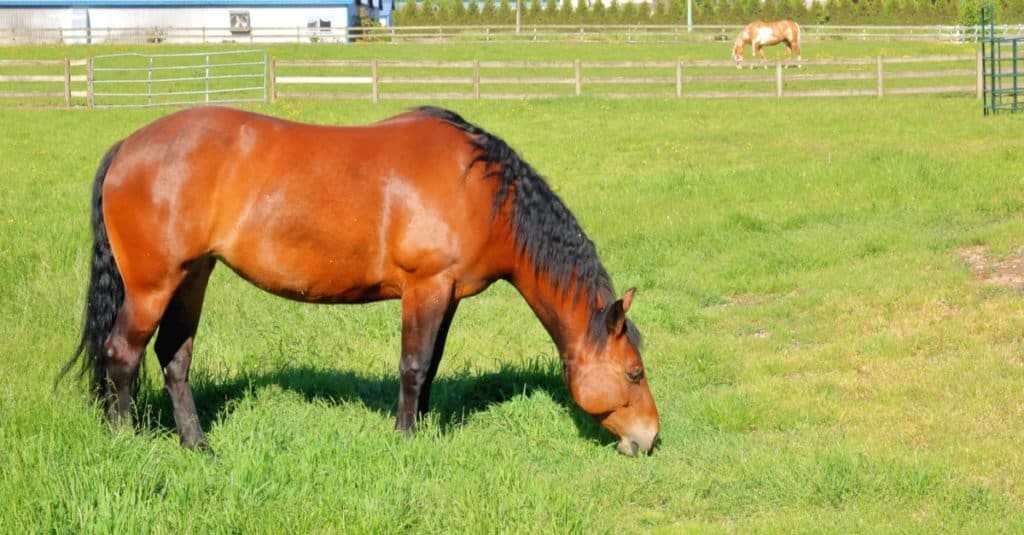
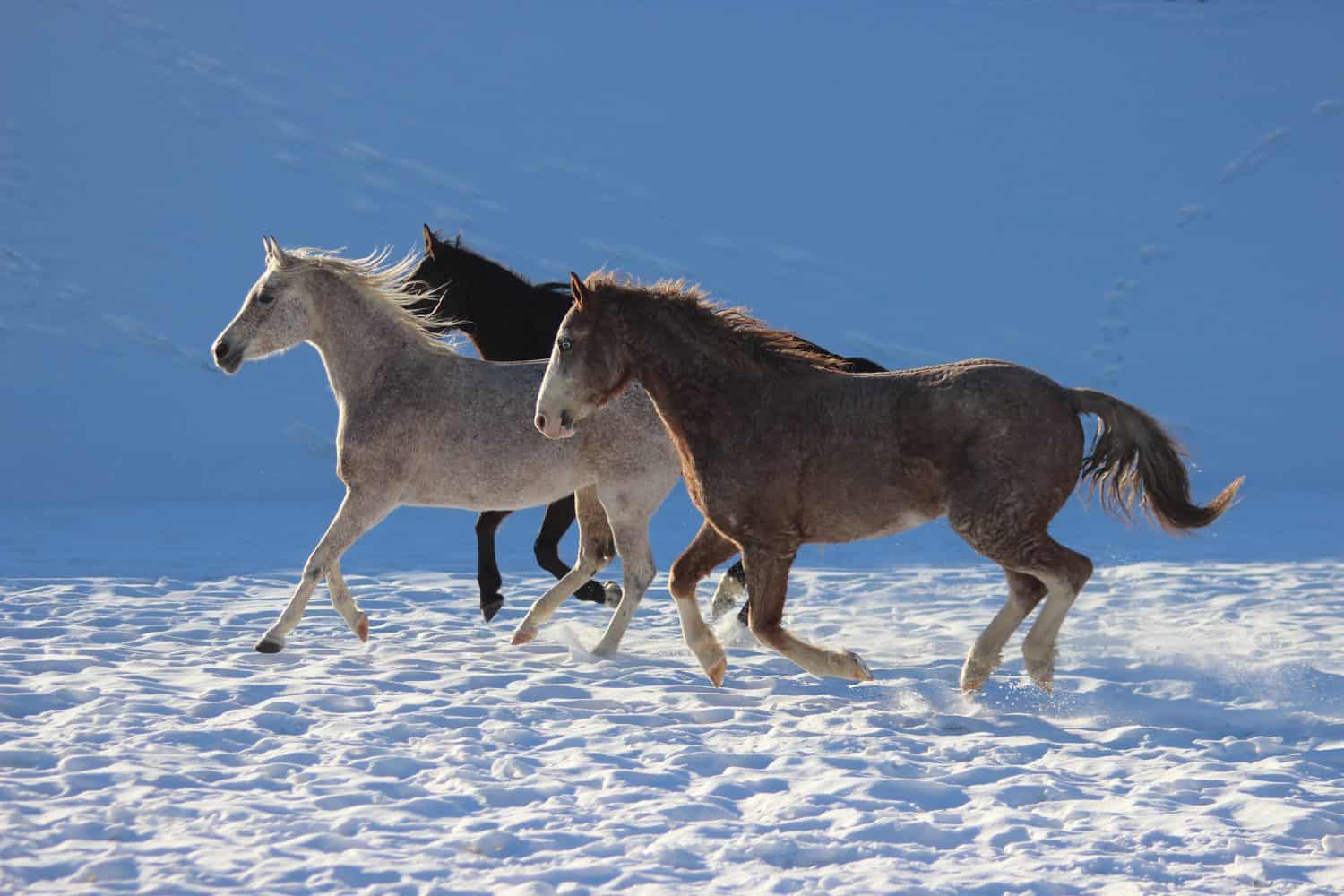
Racetracks, riding communities, and open pastures keep horses culturally and economically present in modern New Jersey.
©Eric Buermeyer/Shutterstock.com
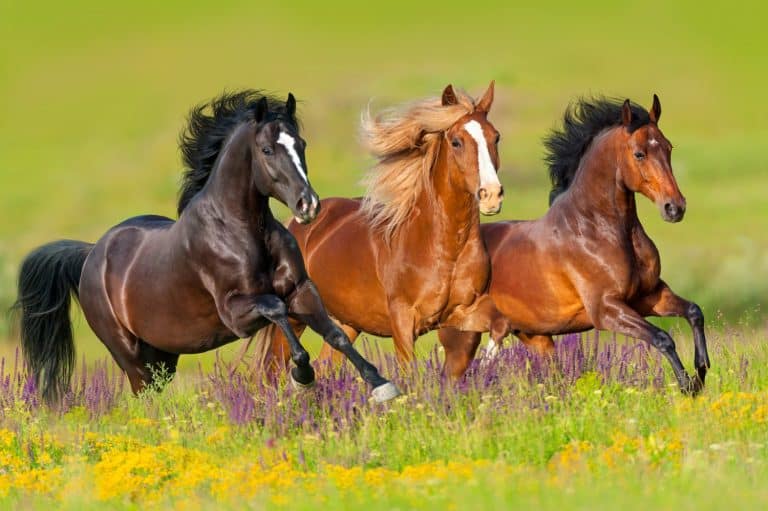
Nearly fifty years after becoming the state animal, the horse still fits New Jersey in ways that may not be immediately obvious. The state remains home to active racetracks, breeding farms, and recreational riding communities. The equine industry continues to generate jobs, tourism, and agricultural activity.
Just as importantly, the horse is a symbol of the state’s roots. In a place often defined by highways, density, and constant motion, the horse evokes a slower, more grounded past. It reminds residents that New Jersey was once shaped by fields, dirt roads, and muscle-powered labor—and that traces of that world still exist.
New Jersey’s choice of the horse wasn’t just about nostalgia. It was about recognizing an animal that’s adapted alongside the state itself, shifting roles as society changed. From farm laborer to warhorse to athlete and companion, the horse’s story mirrors New Jersey’s own evolution. It’s a reflection of New Jersey’s growth and values—and binding agent between its past, present, and future.