
Quick Take
- A French psychiatric hospital is getting remarkable results from a therapy animal most people would never take seriously. See the hospital program →
- Donkeys display one specific behavior toward humans that scientists say mirrors how bonded animals communicate, and it turns out to be deeply soothing. Explore donkey behavior research →
- Veterans with PTSD are drawn to donkeys for a reason that has nothing to do with cuteness. Read about veterans and donkeys →
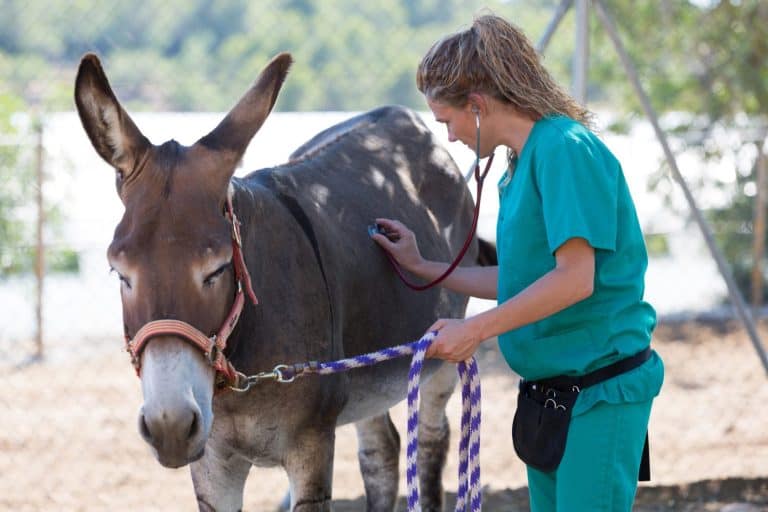
At the Ville-Evrard hospital complex in Neuilly-sur-Marne, France, patients find comfort in a surprising way. Animal-assisted therapy, known in the psychology world as AAT, has been shown to lessen anxiety and intense feelings associated with PTSD. Most people think of dogs, cats, and other common pets as certified emotional support animals for this duty. However, Ville-Evrard is proving that it can be done with an animal most people wouldn’t think twice about: The ever-loyal donkey.
How It Works
Ville-Evrard is home to more than just a psychiatric hospital. Its sprawling grounds also hold historic farm buildings, perfect for sheltering animals. In addition to housing 400 human patients, it is now also home to a group of donkeys and several other small animals, including guinea pigs, chickens, doves, goats, turtles, and rabbits. It is a recognized animal therapy unit, although not one that looks familiar to most.
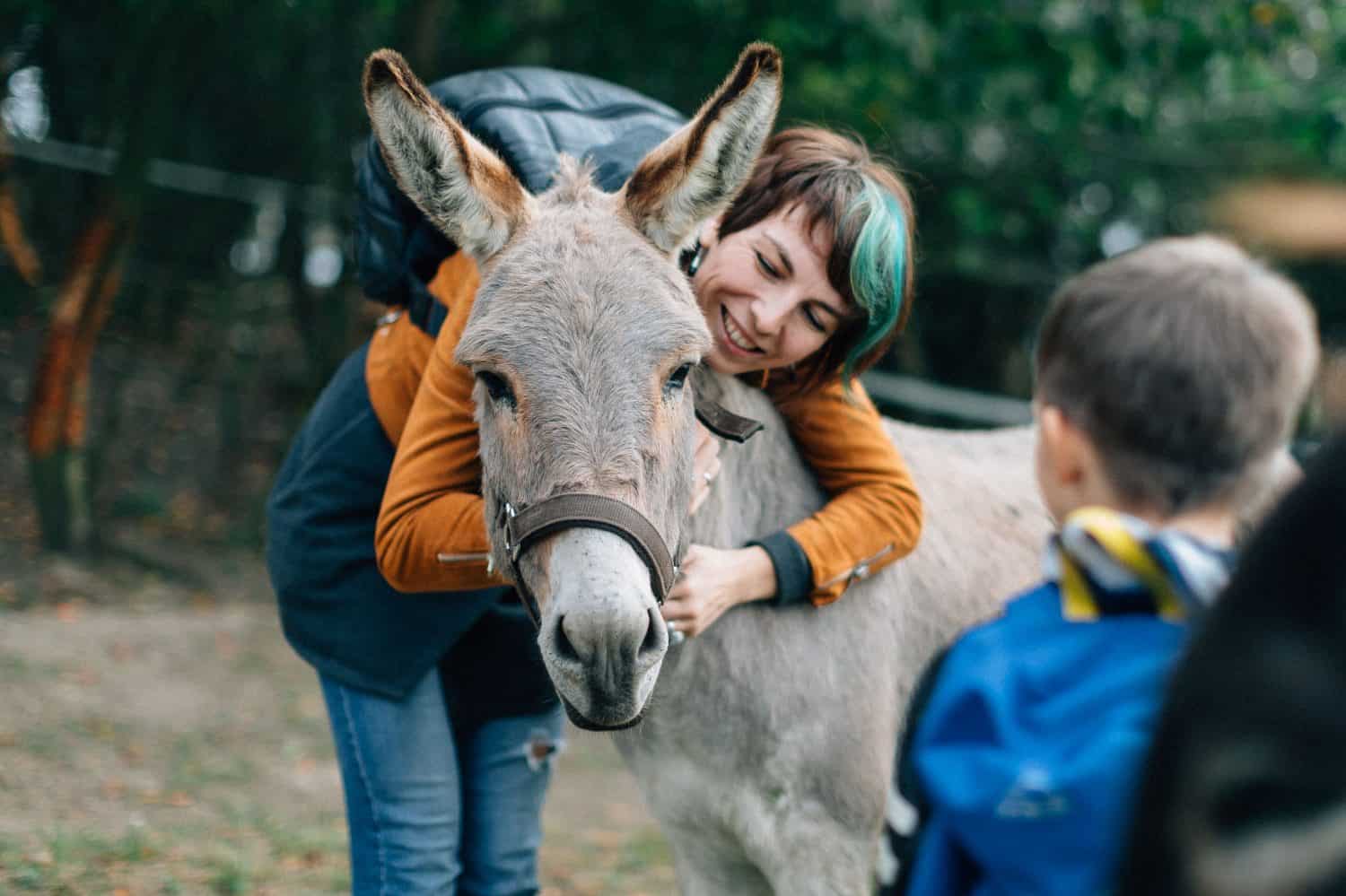
Donkeys are surprisingly empathetic and pick up on shifts in human emotions.
©Jovica Varga/Shutterstock.com
As you stroll through the old campus’s woodlands, the scenery alone is peaceful enough. But add to the mix some cuddle-worthy donkeys, and you’ve got a program that’s helping dozens of Ville-Evrard residents. In an interview with AP, one resident shared that it brought tremendous relief. The donkeys, as docile as they are, have a soothing presence for patients.
Another shared that the donkeys reduce loneliness. They encourage interaction between patients and fuel their motivation to get up and start their day. For some, it offers a much-needed break in their routine, along with welcome company. The program itself is run by volunteers from a nonprofit who help care for the animals. While the donkeys seem to have an overwhelmingly positive effect on patients, the staff at Ville-Evrard say more studies are needed to determine their long-term effects.
Donkeys Are Surprisingly Good Companions
In 2020, a review article discussed the potential benefits of donkey-assisted therapy, noting that while there is anecdotal evidence suggesting donkeys may improve mood, more scientific research is needed to confirm these effects. Because of their small stature, comparable to that of a large dog, they are more approachable than other animals. Their gentle nature and nurturing tendencies also make them excellent companions.
Donkeys also show a level of protectiveness towards humans. They’ve been known to share body warmth and nudge a human in need. These behaviors, such as ‘grooming,’ are typically seen between bonded animals. In that same study, experts revealed that grooming is a means of communication. Donkeys are quiet but show affection in ways that are soothing to humans, much like dogs do.
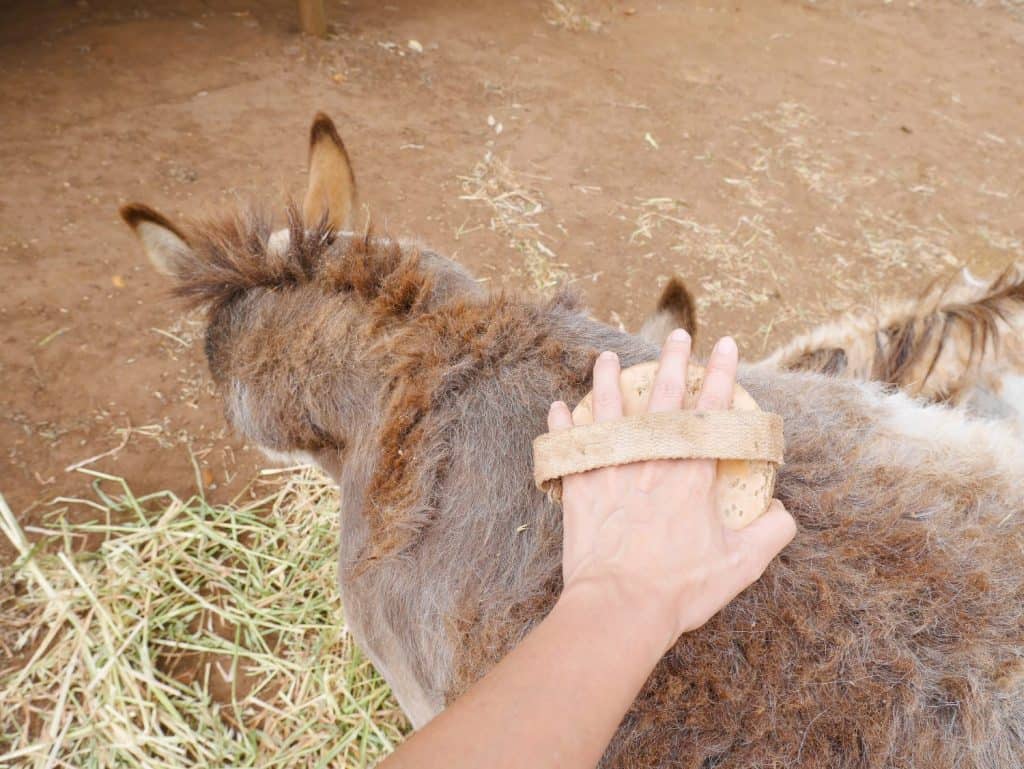
As one of the most loyal farm animals, donkeys form bonds with their caretakers.
©p_saranya/Shutterstock.com
There’s also a mounting case for donkeys as therapy animals for veterans. Those who suffer from PTSD have found tremendous comfort in being around them, even for short periods of time. The loyalty they show toward familiar humans is unparalleled, and many veterans appreciate the peaceful silence that comes from their interactions. Even though they’re four-legged animals, they’re relatable in many ways—from their need to protect to their hard-working nature.
Healed Donkeys Heal Humans
One of the most beautiful things about animals, specifically donkeys, is that they are overwhelmingly forgiving. Despite any trauma they may have endured, a warm bed, gentle hands, and a little TLC are enough to begin their healing journey. The Gentle Barn is one sanctuary that does precisely this. It’s home to five donkeys, Chance, Remington, Lulu, Hope, and Rosie, all of whom arrived in need of care. Now, their loyalty and affection are unmatched.
Even Hope, a donkey who was once terrified of humans, has slowly learned to trust again. This mirrors what happens when humans, as broken as they may feel, interact with an animal that has experienced similar trauma. The Gentle Barn offers cow hugs, equine therapy, and even turkey cuddle therapy, which includes up-close attention from the sanctuary’s pigs, goats, chickens, emus, llamas, and sheep. Honestly, not much sounds better than that on a bad day.
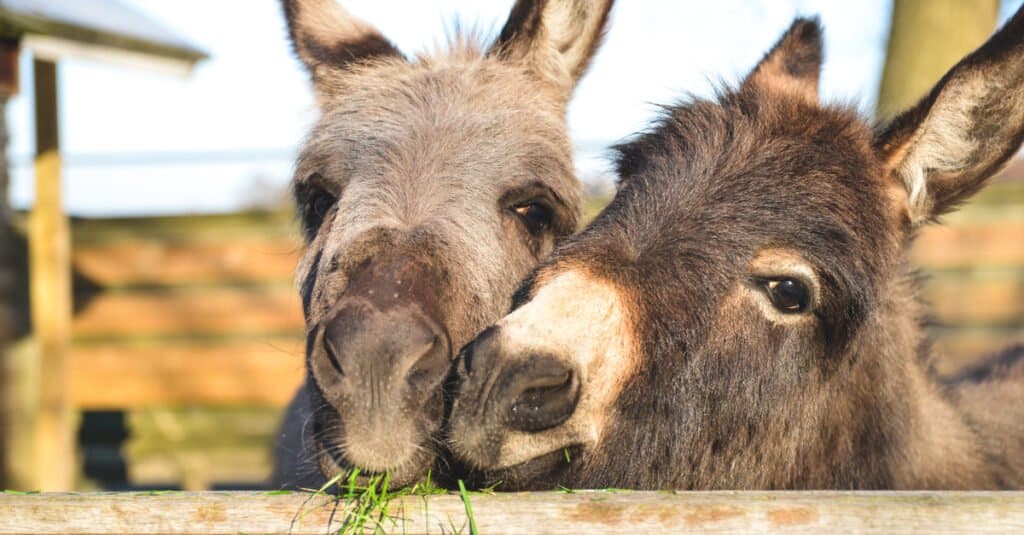
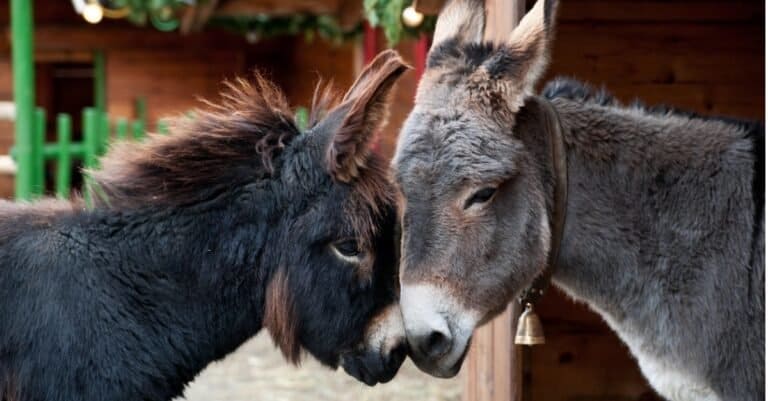
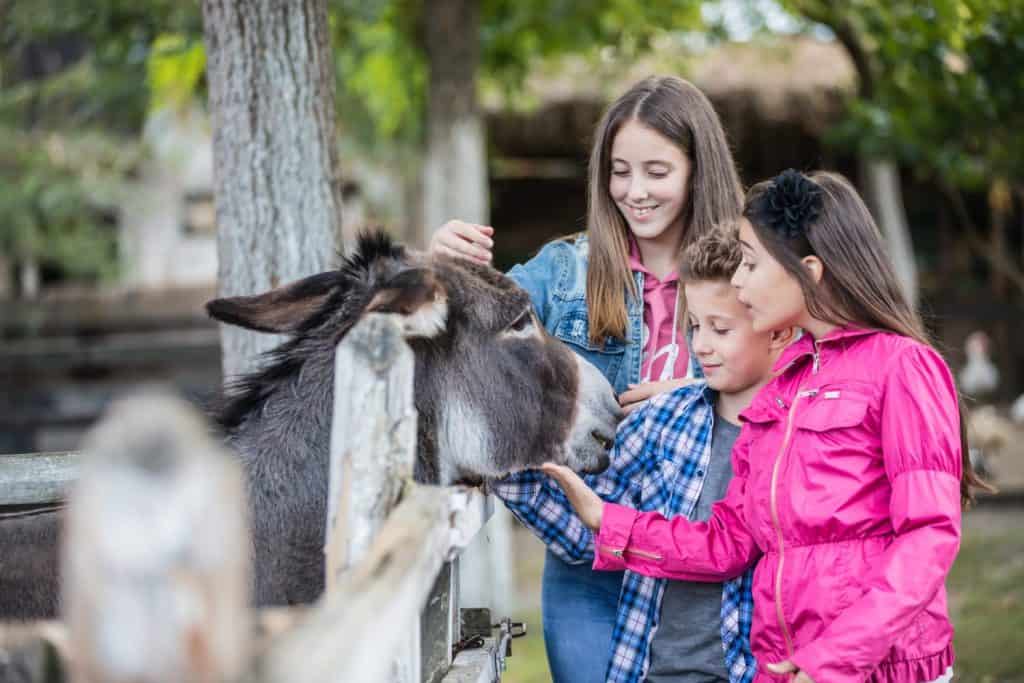
Donkeys are highly sociable animals and live in tight-knit communities within their packs.
©babeaudufraing/Shutterstock.com
Throughout New England, miniature donkeys are well-known and loved in the mental health community. Northern Forest Therapy uses equine therapy, which is believed to boost mood, confidence, and system regulation. According to Susannah Zeveloff, LICSW, these intelligent animals are “naturally curious and seek out connections with humans, and they are great at helping us notice if we are being present with them, or if we’re stuck in our minds, replaying the past or worrying about the future.”
Donkeys are even great company for the elderly, as demonstrated by Road to Independence, a nonprofit equine riding program. They started bringing their donkeys to the Bugbee Senior Center in White River Junction, Vermont, in 2024. Since then, they’ve brought happiness, laughs, and plenty of cuddles to anyone lucky enough to see them.