
Quick Take
- Releasing a spider outside can actually be crueler than leaving it alone, a fact that comes down to a distinction most people never think to make. See the species distinction →
- Some spiders found in your home literally cannot survive outdoors, yet most people have no idea which ones they're looking at. Meet indoor-adapted spiders →
- Evicting a house spider to the garden can quietly destabilize the ecosystem already living there. See the ecosystem risks →
- Doing nothing when you spot a spider may actually be the most responsible move you can make, and experts have a specific reason why. Explore the expert advice →
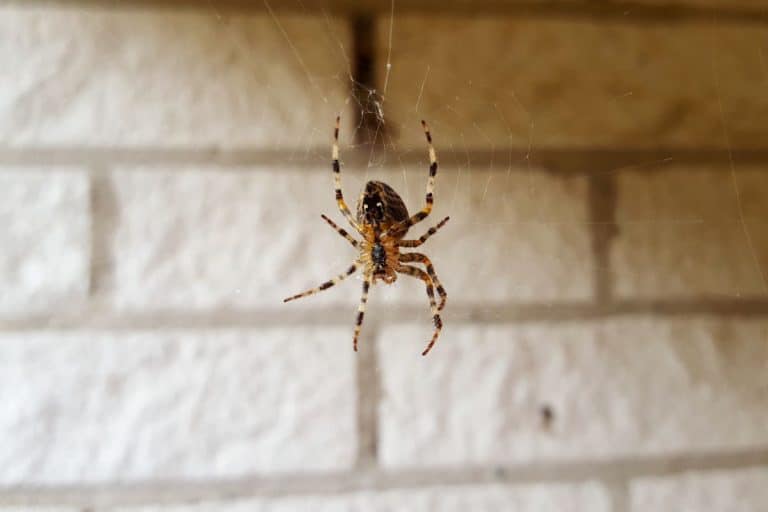
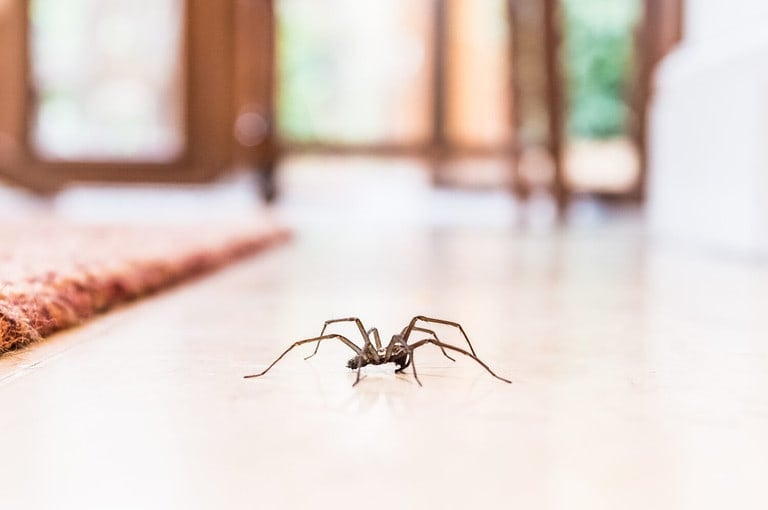
It’s a scene familiar to many: a spider appears in the living room, and instinct takes over. Cup in hand, someone traps it, and, in an act of goodwill, carries it outside to the garden. But according to arachnology experts, this well-meaning gesture may do more harm than good, as much to the spider as to the balance of your home.
Why Not All Spiders Should Go Outside
For decades, homeowners have responded to indoor spiders with the same strategy: catch and release. Yet, researchers point out a crucial distinction one that often goes overlooked. The fate of a spider removed from a house depends on its species.
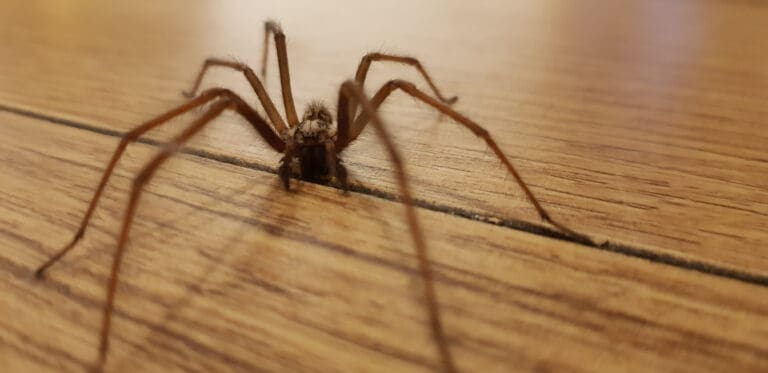
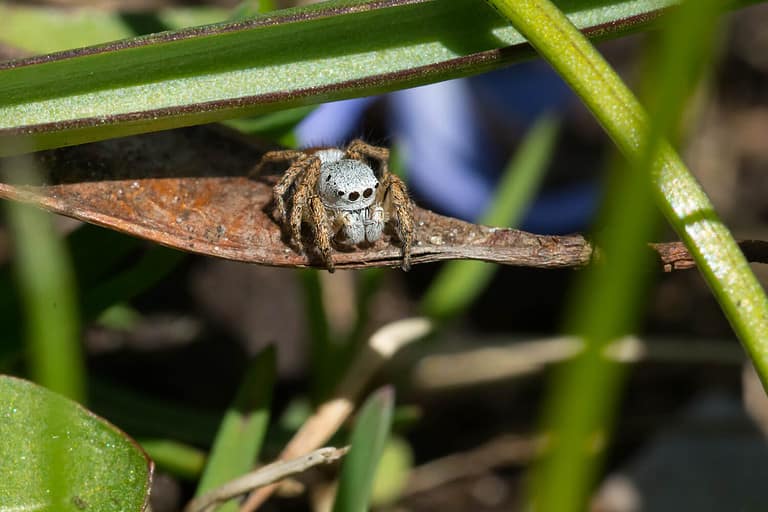
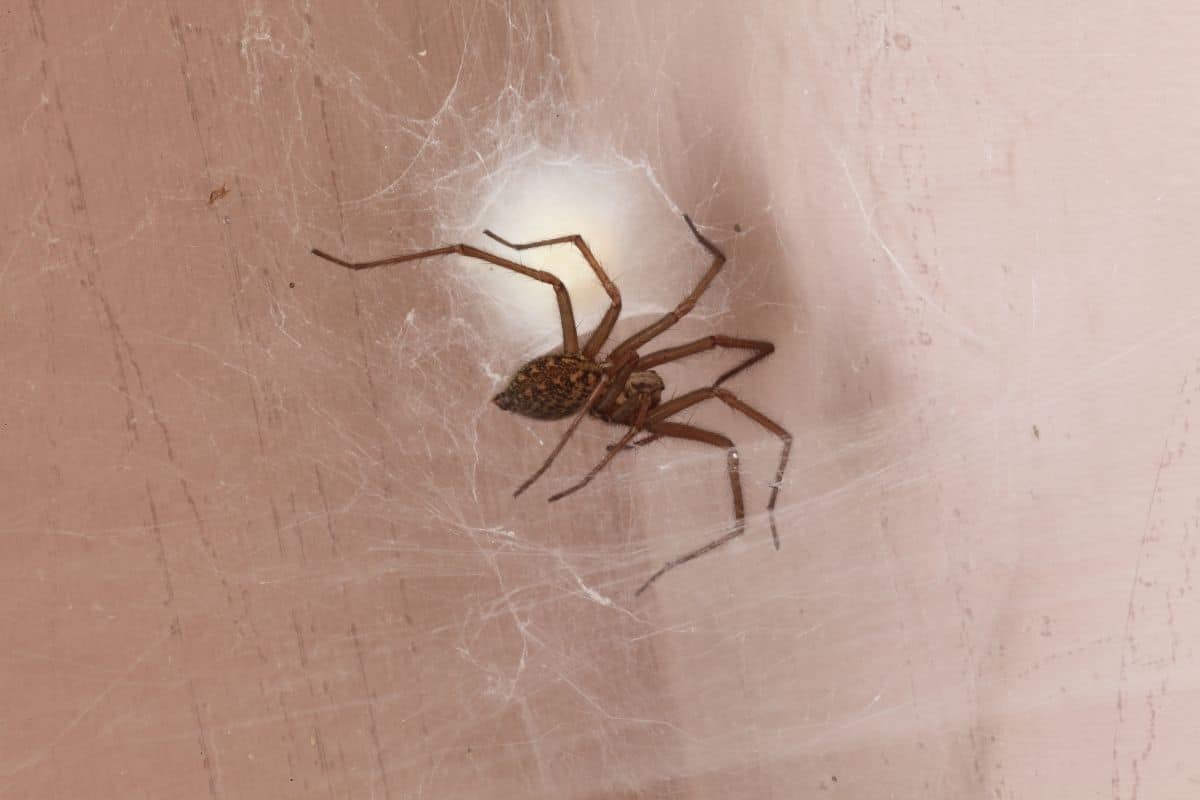
Some spiders are true homebodies, expertly adapted to the warmth and shelter inside human dwellings. Others are indigenous to outdoor habitats. Confusing the two risks making the wrong move, both for the spider and for local ecosystems.
Spiders: Friends, Not Foes
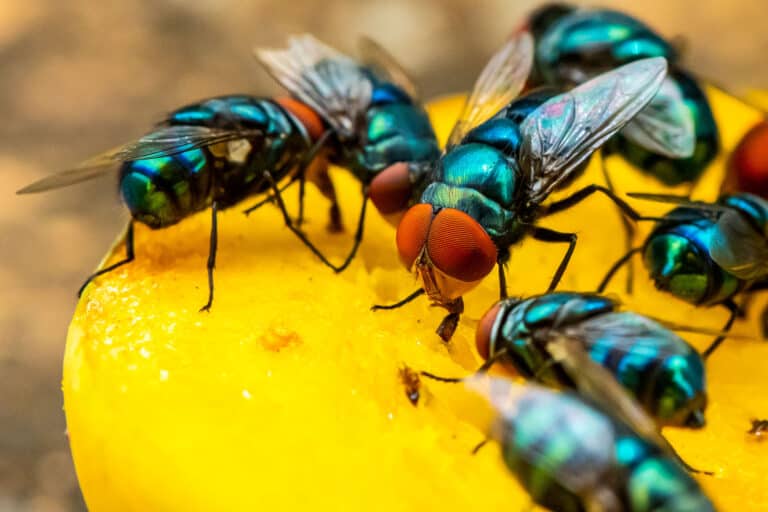
Despite their reputation as unwanted guests, spiders inside homes act as natural predators. They help control populations of mosquitoes, flies, moths, and other tiny intruders that slip into living spaces. Their presence reflects an often unseen benefit: pest control without chemicals.
Arachnologists emphasize that certain species have woven themselves into the fabric of indoor life. Inside, they find steady temperatures, abundant food, and safe shelter. Removing a well-adapted “house spider” is not simply evicting an intruder; it may actually be depriving it of the only environment where it can truly survive.
The Dangers Lurking Outside
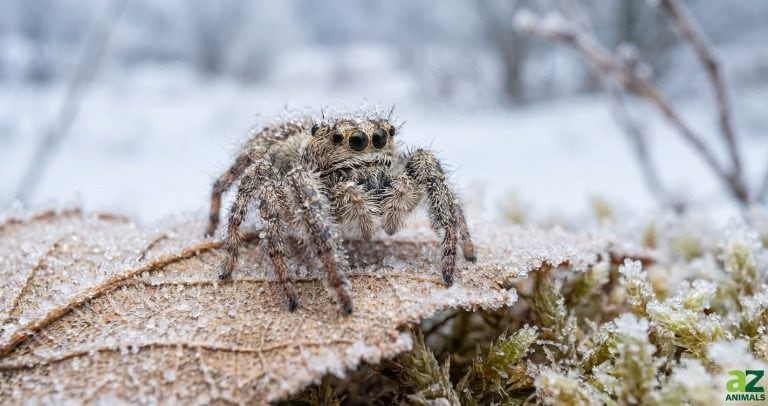
Setting a domestic spider free outdoors might look like a gentle solution, but the reality is harsher. Once outside, these spiders face predators, pesticide exposure, and the unpredictability of the weather all dangers they rarely face indoors.
There’s another risk: competition. An unintentionally relocated spider may collide with native spiders already established in the yard. This can lead to fights for territory, disruption of the local food web, or, in some cases, help invasive species take root.
Knowing What Lives With You
For those wanting to act responsibly, identification becomes key. Local field guides, online platforms like iNaturalist, or reaching out to entomology groups can help determine whether a spider is a temporary guest or a long-term resident. Seasonal behaviors, such as mass migrations from wolf spiders also provide clues for distinguishing between species.
When Spiders Cause Concern
For people who struggle to share their space with spiders due to intense anxiety, solutions exist beyond relocation. Behavioral therapies can help those with arachnophobia grow more comfortable coexisting with these animals. Simple fixes like sealing cracks in walls can also reduce spider encounters, keeping both the spiders and the household secure.
This often-overlooked interaction between humans and spiders reveals a larger story: what seems like a small gesture can reshape the fate of a creature and subtly tip the balance in an ecosystem. Sometimes, doing nothing at all is the kindest and wisest thing you can do.