
Quick Take
- Shorebirds rely on wetlands, mudflats and coastal habitats for feeding, breeding and resting during migration. Explore their adaptations →
- Habitat loss is reducing the feeding and nesting areas available to shorebirds across their global ranges. Meet the spoon-billed sandpiper →
- Climate change is altering coastal habitats, weather patterns and the seasonal availability of food.
- Protecting connected wetland networks across countries could help shorebirds survive their long-distance migrations.
September 6 is World Shorebirds Day, an annual awareness day that is dedicated to spreading the word about the threats that shorebirds face during their lives. Shorebirds undertake some of the longest migrations, with many species travelling thousands of miles each year between their breeding and wintering grounds. These birds depend on habitats such as wetlands, mudflats, and coastal areas to feed and rest along their route. However, many of these areas are disappearing or changing due to a combination of development and climate change. Unfortunately, these changes are a serious threat to the birds that rely on them, and several species are at real risk of extinction.
Continue reading
Why Shorebirds Depend on Healthy Wetlands
Shorebirds, also known as waders, are a diverse group of birds that can be found searching for food along shorelines and mudflats. They belong to the order Charadriiformes, and there are around 225 species. Species of shorebirds include birds such as plovers, sandpipers, curlews, and godwits.
Although they vary significantly in size and behavior, shorebirds are adapted to finding prey in shallow water. They often have long, slender legs to help them wade through the water. However, their bill shape is dependent on the prey that they catch. Species such as plovers have a relatively short, straight bill. This is suitable for picking small animals such as worms and insects from the surface of the water. In comparison, curlews have a long, downcurved bill, which is more suitable for probing in the mud for prey.
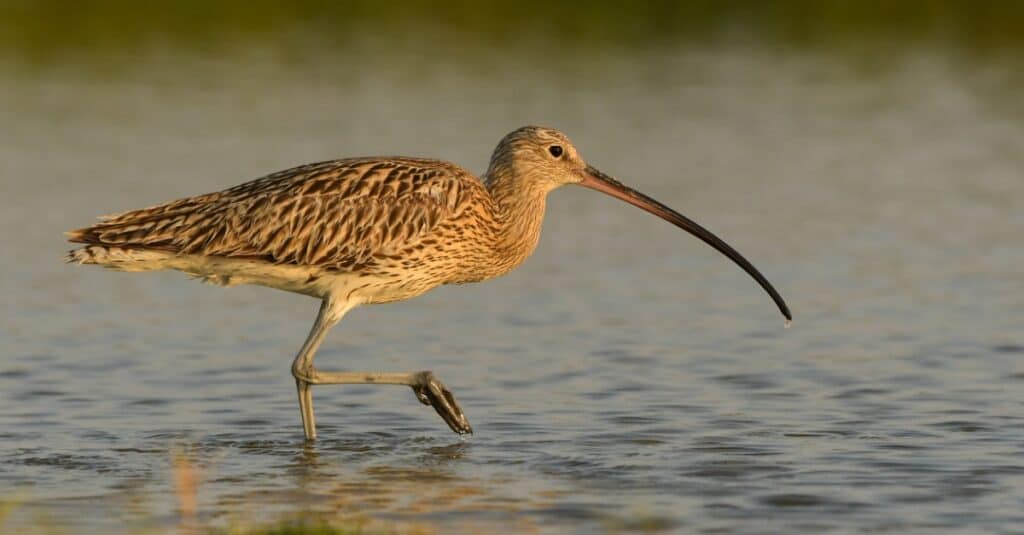
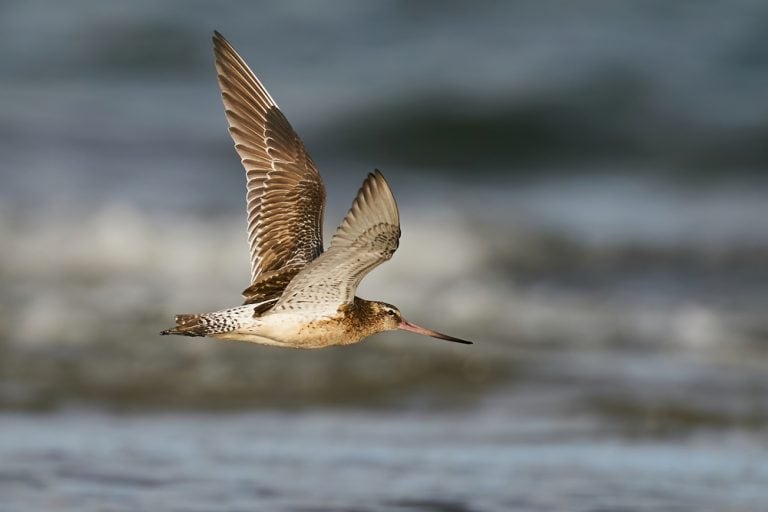
Shorebirds are adapted to their wetland environment, often having long bills for scooping up prey.
©iStock.com/SzymonBartosz
Because shorebirds are so uniquely adapted to wetland environments, they depend on these habitats not only for survival but also for breeding and nesting. Most species of shorebirds are ground nesters and scrape small depressions into the ground, often not even lined with vegetation. Many of these nests are built close to the water’s edge, such as on beaches, sand dunes, or nearby grassy areas.
As many shorebirds are migratory, they do not rely on just one wetland habitat. Some of their migrations span thousands of miles, requiring several stopover points for the birds to feed and rest. Therefore, shorebirds require suitable wetland habitats along their route to find enough food to sustain them for the rest of their journey.
Why Are Shorebirds Under Threat?
Unfortunately, shorebirds are facing several threats, which are causing the decline of many of their species. The spoon-billed sandpiper, in particular, is critically endangered and has an estimated population of between 240 and 620 mature individuals. Most of the threats that shorebirds face come from changes to their habitats and feeding locations, which they rely on for both their winter and migration ranges.
Habitat Loss
Although shorebirds face many different threats, one of the most significant ones is habitat loss. These birds depend on their natural habitats both for their main feeding and breeding grounds, and as vital stopover spots during their migration. Habitats such as wetlands, mudflats, grasslands, and coastal edges are all either disappearing due to development or are simply degrading. This means that the shorebirds have smaller viable habitats for breeding and nesting and less suitable feeding locations.
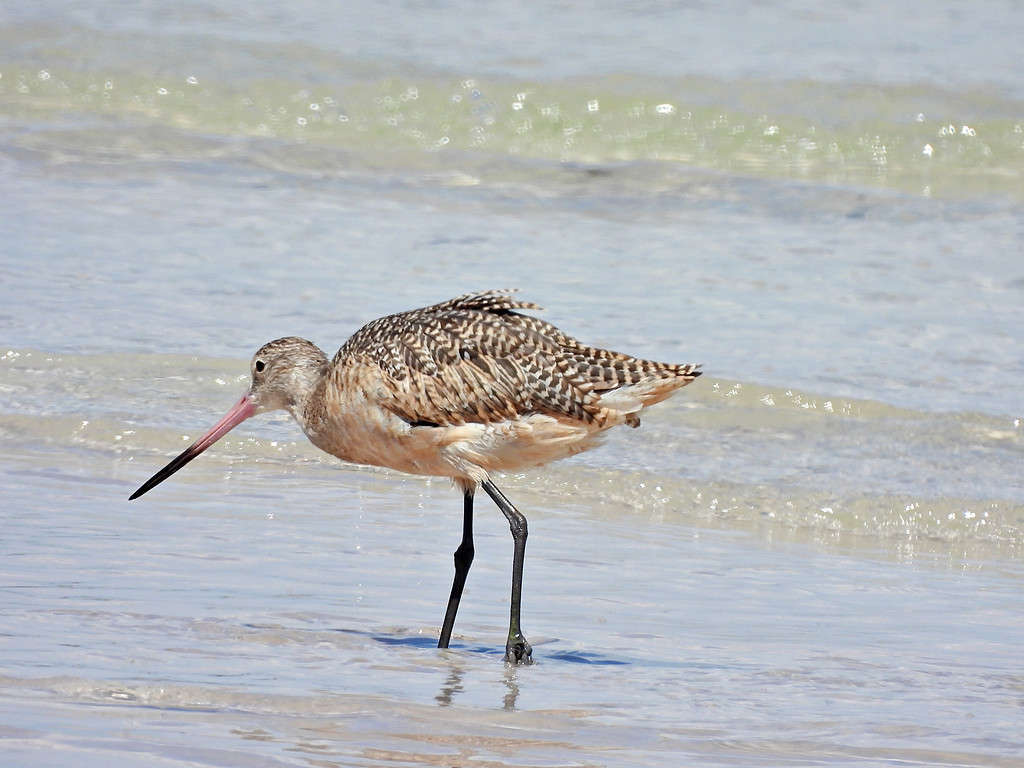
Deteriorating or shrinking wetlands are one of the greatest threats to shorebirds.
©passion4nature/iStock via Getty Images
Habitat loss is also a threat during their migrations. Shorebirds rely on various wetland habitats to find suitable prey during migration, so they must locate these stopover sites to feed along their journey. With these locations now getting smaller or disappearing entirely, the birds have to travel further on each leg of their journey to find a suitable stopover location. Unfortunately, this affects their health as they have to use more energy and fat reserves to cope with the longer distances between feeds.
Climate Change
One issue that’s becoming increasingly serious is climate change. Climate change is leading to rising sea levels, which is causing flooding in wetlands and coastal mudflats. This then destroys vital feeding and nesting grounds that the birds rely on. Some birds are able to move farther inland in response to this. However, roads and coastal developments prevent this in many cases. Also, climate change is affecting the seasonal weather patterns and temperatures. Increasing temperatures are intensifying drought and reducing water availability in wetlands.
Increasing temperatures are also causing earlier springs, which makes plants and insects emerge earlier. Birds that rely on their seasonal migration to feeding grounds are now starting to miss the prime period. As a result, they may struggle to adapt quickly enough to these changes.
Food Depletion
Shorebirds are also facing a lack of food, often as a result of habitat loss. Shorebirds often have specialized diets, which means they rely on the prey that they find in their wetland habitats. This is particularly evident with birds that have a specialized bill shape that is suitable for a certain type of prey.
As habitat loss concentrates more birds in smaller areas, this creates greater competition for food. Higher numbers of birds in one location puts greater pressure on the resources. This creates a shortage of the prey animals and has a knock-on effect on the birds who rely on them.
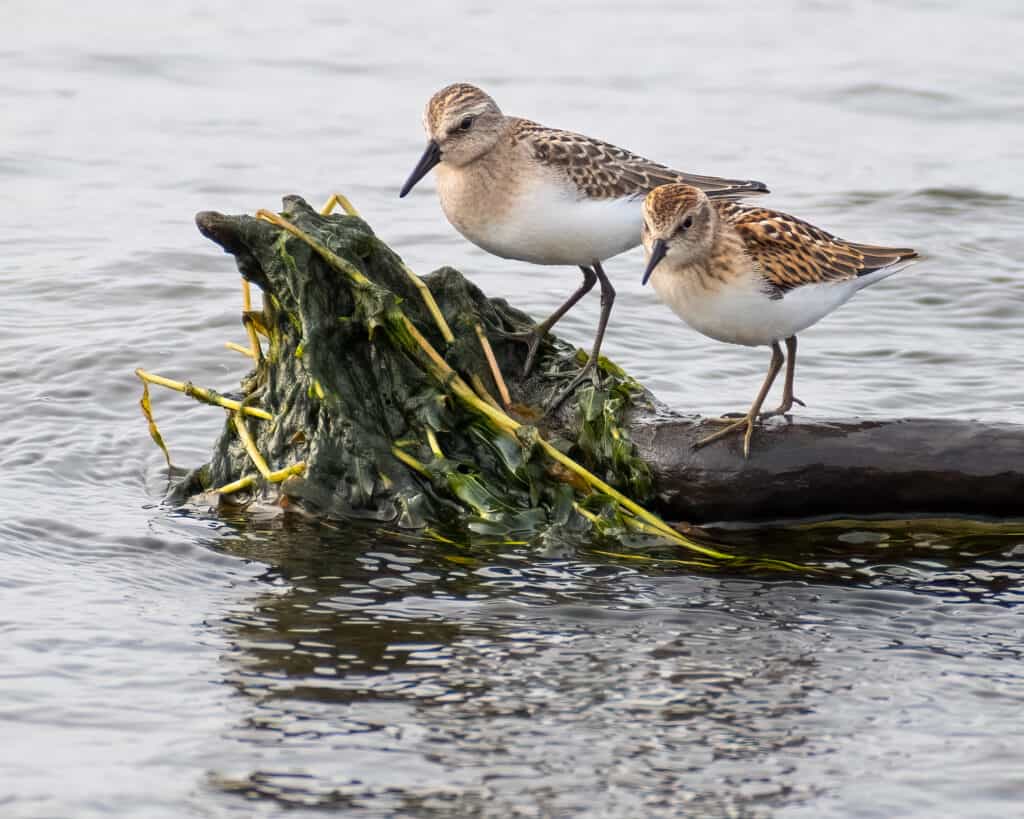
Habitat loss is leading to food shortages for shorebirds such as sandpipers.
©Darcy Jardine/Shutterstock.com
Protecting Shorebirds and Their Habitats
Shorebirds are incredibly important birds due to their role in shaping and maintaining healthy wetland and coastal ecosystems. Therefore, it’s important that we take steps to protect them. Although many species of shorebirds are already protected to some extent, it’s also important to preserve their habitats.
Conservationists are already protecting some areas, but protecting individual sites isn’t enough. Instead, entire networks of wetland areas need to be protected in order to protect both larger habitats for shorebirds and the stopovers that they rely on for their migration. This involves wetland restoration and protection of the coastal habitats. Tracking devices are also used to help scientists identify the most important feeding, breeding, and stopover sites that shorebirds use. This allows them to determine which locations require the most protection.
Birds can cross several countries during one migration. Therefore, it’s important that the entire route is protected, not just a few locations. As a result, a coordinated approach is also now being adopted by governments and conservationists across multiple regions in order to achieve this.