
Quick Take
- That spider in the corner hasn't moved in months, and there is a specific biological reason it doesn't need to. See how they survive →
- Male and female house spiders live dramatically different lives, a distinction that comes down to a single risky behavior. Discover the male difference →
- Most people's instinct when they spot a house spider is exactly what experts say you shouldn't do. Find out what to do instead →
- The spider species you're most likely to find at your baseboard belongs to a group with a lifespan that will genuinely surprise you. Check the lifespan numbers →
Unwelcome Guests With Remarkable Staying Power
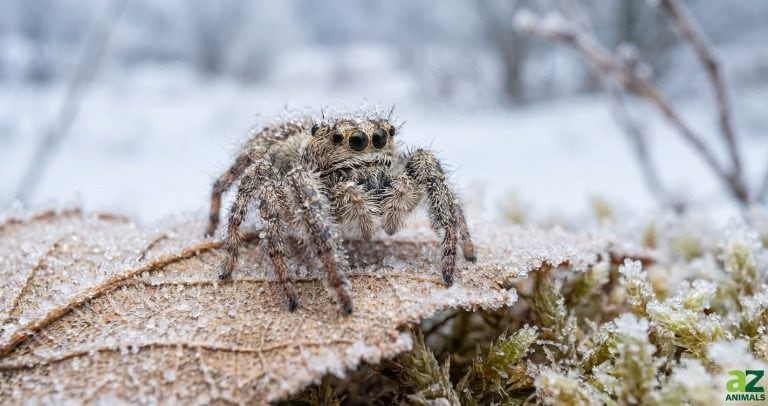
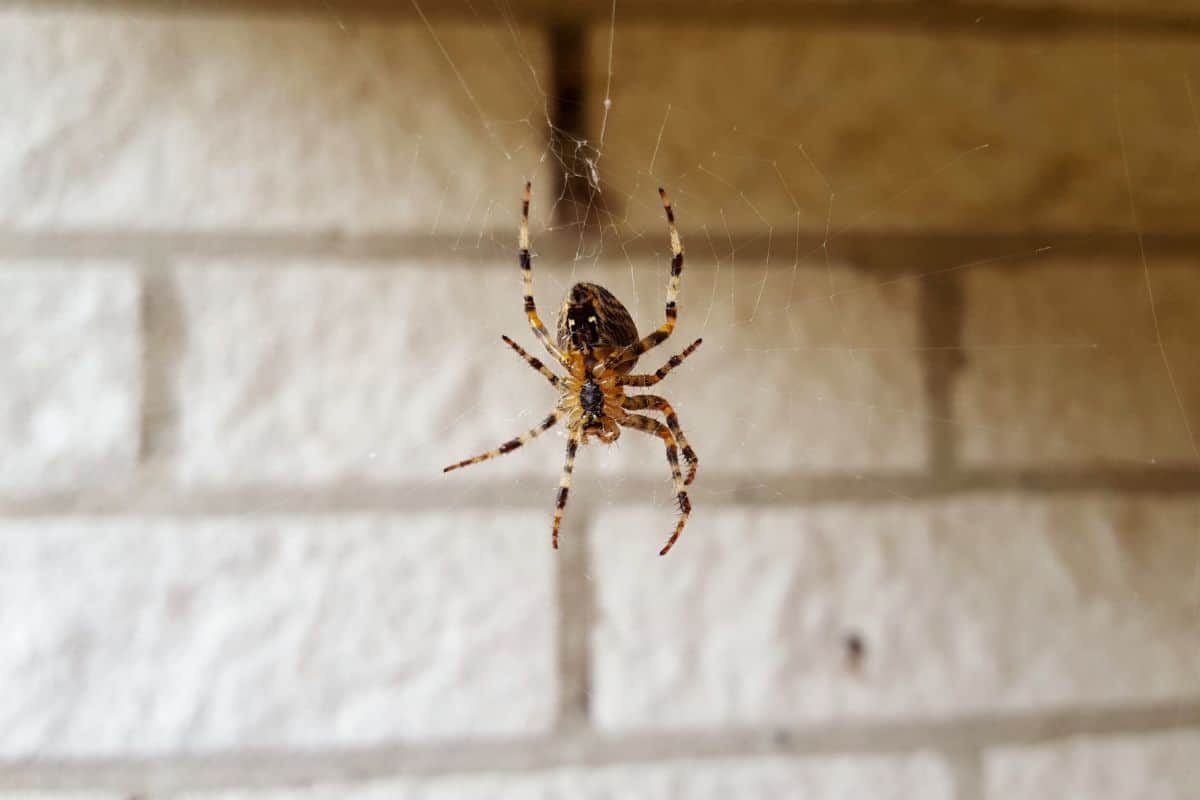
Few creatures spark such a mix of unease and fascination as the humble house spider. Hidden behind ceilings, tucked behind furniture, these steadfast inhabitants rarely draw attention, at least until someone notices they haven’t budged in weeks or months. Contrary to widespread belief, house spiders don’t just come and go within days or even weeks. Their presence often stretches out much longer than most people imagine, shaped by their species, their hidden habits, and the world we’ve built for them indoors.
Life Spans That Defy Expectations
Most common house spider species live between one and two years. Yet that’s not a strict ceiling. Some females, especially among the large spider families, last much longer, even up to three years or beyond if conditions are right. The males, meanwhile, don’t always get to enjoy such longevity. After reaching adulthood, they take bigger risks, roaming in search of a mate. Their journeys increase their chances of encountering danger, leading to shorter average lives.
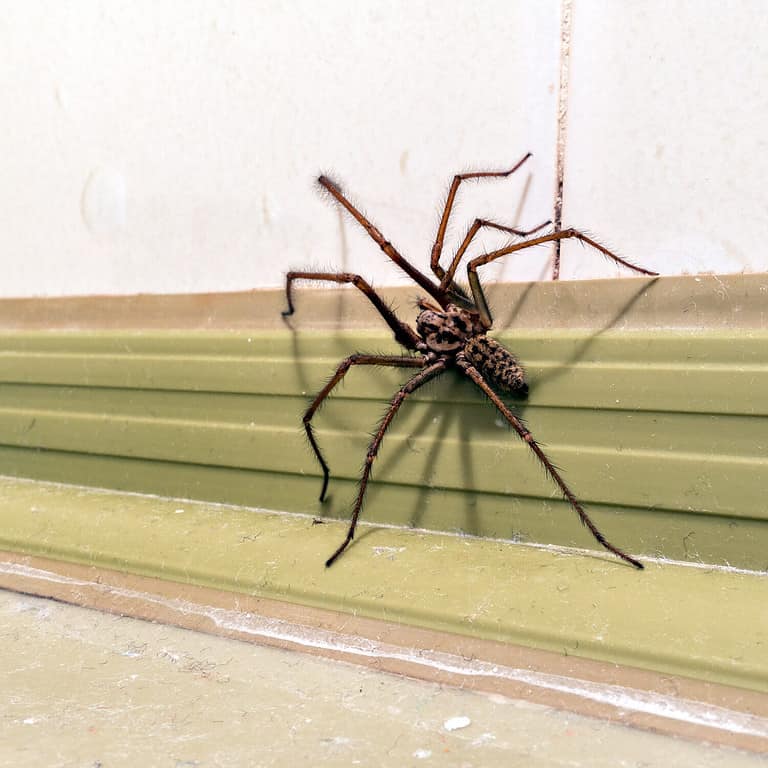
Certain species make this endurance especially clear. Large spiders of the genus Tegenaria, the ones many people spot skittering along their baseboards, are known for multi-year lifespans. Meanwhile, smaller or more delicate species might survive just a few months. In every case, the life expectancy hinges on the spider’s identity, its daily routine, and how exposed it is in the human home.
How House Spiders Navigate Life in the Shadows
After hatching from eggs, spiderlings linger in a juvenile stage, undergoing multiple molts before they ever reach adulthood. For some, this process itself can span over a year. Only when fully grown do they reproduce, continuing the slow rhythm that sets their existence apart from other household insects.
These arachnids also have impressive survival skills. House spiders can last for weeks without food, thanks to a notably slow metabolism. This resilience lets them outwait the lean times, settling into rarely disturbed corners for astonishing lengths of time, seemingly inactive, but perfectly prepared for a long game.
A Hidden Role in Our Homes
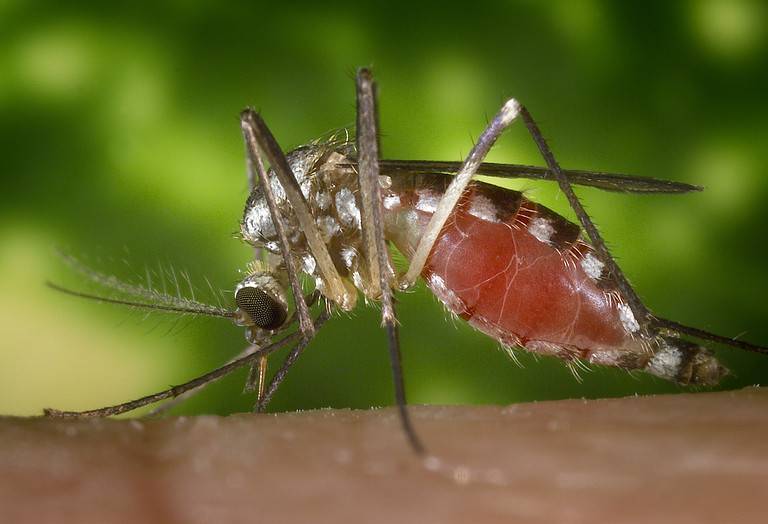
Despite the lingering fear they provoke, house spiders play a quiet but necessary role indoors. By preying on insects like mosquitoes and flies, they help keep pest populations in check. It’s a service often overlooked in the rush to sweep or squash.
Experts point out that, under most circumstances, there is no need to kill spiders that have settled in the home. Often, it’s possible, and preferable, to simply move them outside. Understanding how long these spiders actually live, and the part they play, can ease anxieties and encourage a more peaceful coexistence.
More Than Just a Harmless Intruder
House spiders’ ability to persist for years, adapting quietly to the rhythms of our homes, is a measure of their unheralded significance. Their lives slip by largely unnoticed, stretching far beyond the lifespan most people would expect. In their patience and persistence, these creatures remind us that seemingly trivial lives can help keep an ancient balance, one corner at a time..