
Quick Take
- Mexican authorities weren't hunting for animals at all. What they were actually after makes the discovery of 135 exotic creatures even stranger. See what triggered the raid →
- Despite seizing 135 animals and 18,000 gallons of stolen fuel, authorities left the scene with almost no one in custody. The reason reveals a bigger problem. Fuel theft and cartel power →
- Some of the world's most powerful criminal organizations covet tigers and jaguars for a specific reason that goes far beyond just showing off wealth. Why cartels covet rare animals →
As the world became more connected and globalization solidified, so did the ability of bad actors to traffic in wild animals. Despite decades of intricate and coordinated efforts to stop this illegal trade, the scale of the wildlife trade has only grown. According to the United Nations World Wildlife Crime Report, seizures of trafficked animals during 2015-2021 suggested the practice was alive and well in 162 countries, affecting approximately 4,000 plant and animal species.
The illegal wildlife trade made headlines recently after Mexican authorities seized 135 exotic and endangered animals during a raid on fuel smugglers near the United States border. Some of these animals included tigers, bison, and even jaguars. Typically, raids result in the seizure of only a handful of wild animals. This raid, which was part of an operation spanning five properties in the Mexican state of Tamaulipas — with the animals concentrated at a single ranch in Altamira — marks one of the largest exotic animal seizures in recent memory. Let’s explore how authorities discovered so many exotic and endangered animals, and what this incident reveals about the growing problem of animal trafficking worldwide.
Continue reading
The Link Between Fuel Theft and Organized Crime

In the past few decades, fuel theft has become the second most profitable revenue stream for Mexican criminal organizations and cartels.
©A_Lesik/Shutterstock.com
The drug trade in Mexico hardly needs an introduction. It is one of the most profitable trades of any region on Earth, one that has generated billions in cash and cost the lives of tens of thousands of people. Statistics from the Council on Foreign Relations paint a grim picture; Mexico has had over 463,000 homicides since 2006. Since that time, over 130,000 people have gone missing.
Seeking to expand their market share, powerful drug traffickers have turned to other forms of illegal commerce. Fuel theft, known as huachicol in Mexico, has steadily grown to become the second most profitable business for Mexican drug cartels. Criminals steal fuel from companies like Pemex, then sell it across North and Central America. The trade has grown to such an extent that U.S. authorities have accused criminal groups like the Jalisco New Generation cartel of running their own gas service stations.
Some criminal organizations have used extravagant purchases to display status and power. One common purchase is exotic animals, forced into cages and even into violent acts at the behest of powerful criminals. Recently, the U.S. Treasury imposed sanctions on several Mexican individuals and nine companies, accusing them of being tied to cartel fuel theft syndicates. These facts provide context for the chance discovery of over a hundred exotic and endangered animals on the Mexico-U.S. border.
Raid on the Border
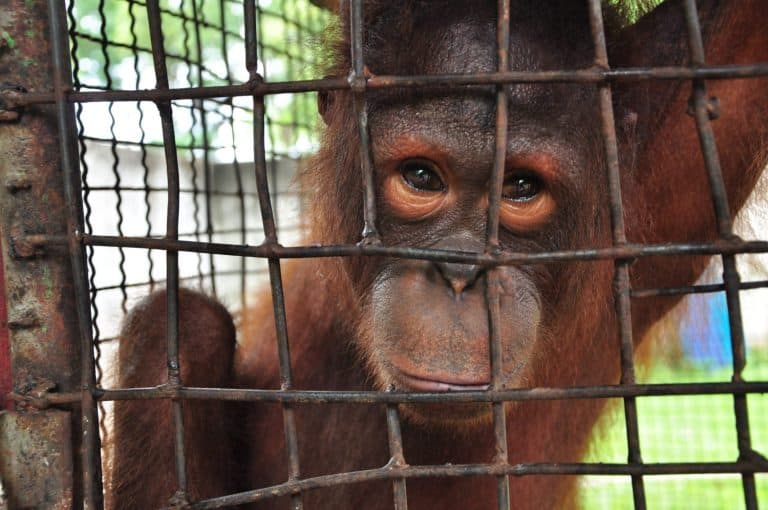
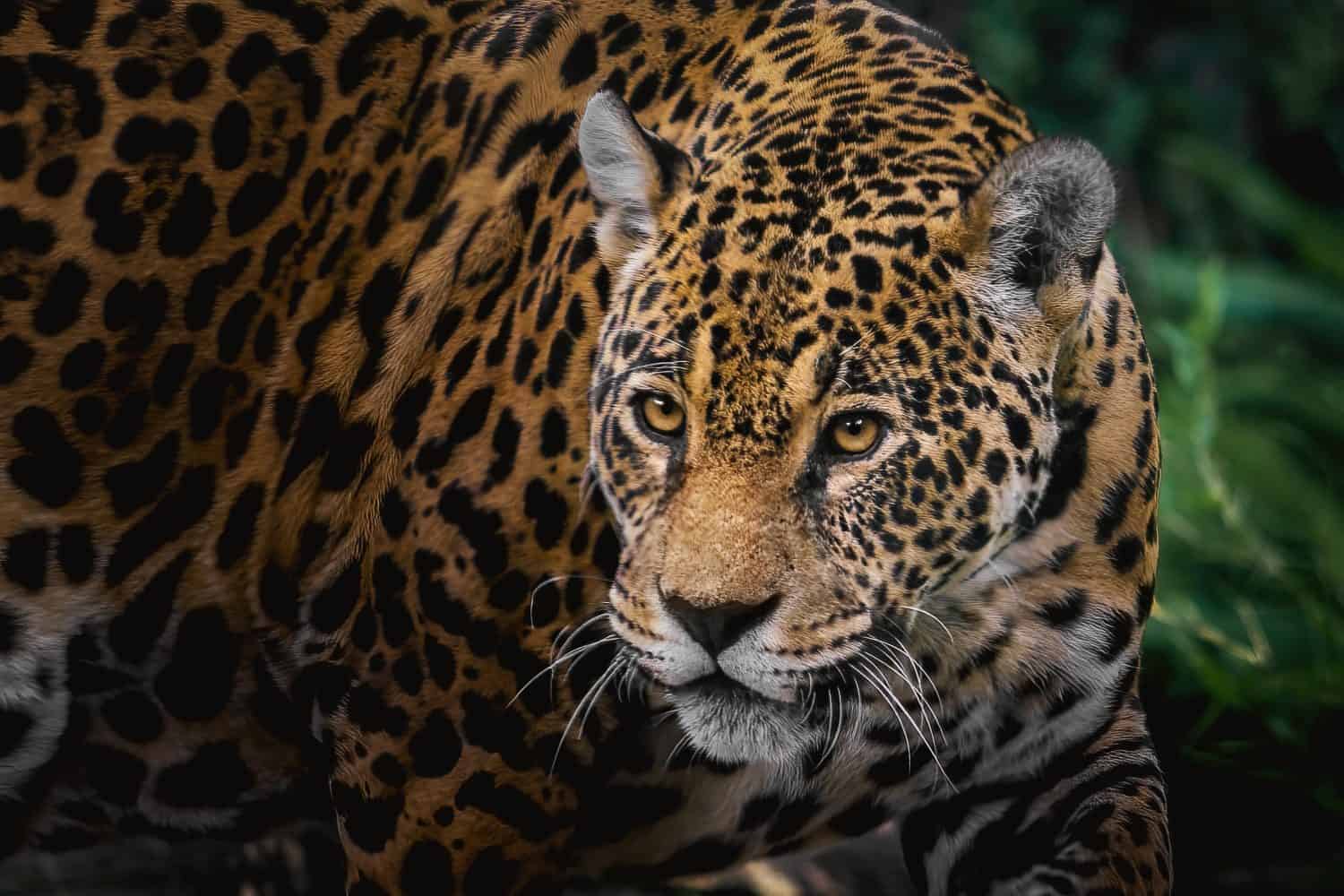
On Thursday, August 27th, Mexican authorities raided a location in Altamira looking for stolen gas, only to discover over 135 wild animals. The raids resulted in the seizure of 18,000 gallons of diesel, fuel tanks, pumps, firearms, and other tools. Authorities uncovered a makeshift zoo containing 21 Mexican spider monkeys, five Bengal tigers, three African lions, three jaguars, and even an American bison. In addition, they found a dedicated area for monkeys, where the primates, held behind bars, were photographed playing. The Federal Attorney General’s Office for Environmental Protection took the animals into custody. Despite the scale of the operation, only one person was arrested.
In a public statement regarding the Tamaulipas raids, the Secretariat of the Navy said, “Through these actions, the institutions of the Security Cabinet reaffirm their commitment to working in a coordinated manner to safeguard, protect, and preserve Mexico’s wildlife.”
Why Criminal Groups Keep Exotic Animals
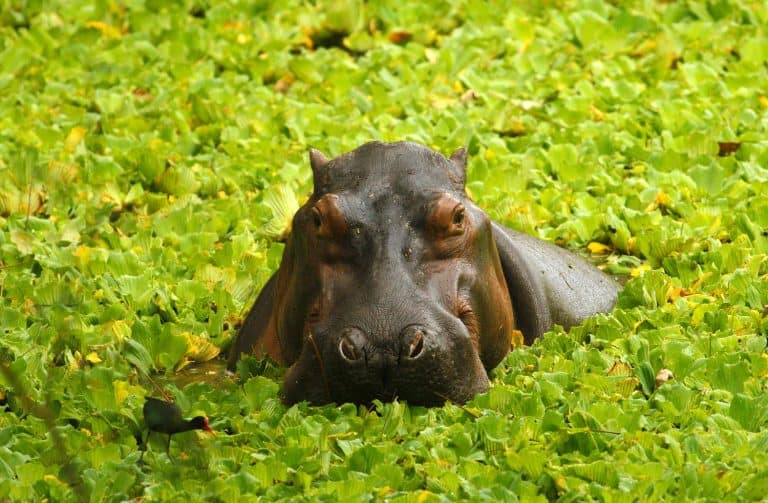
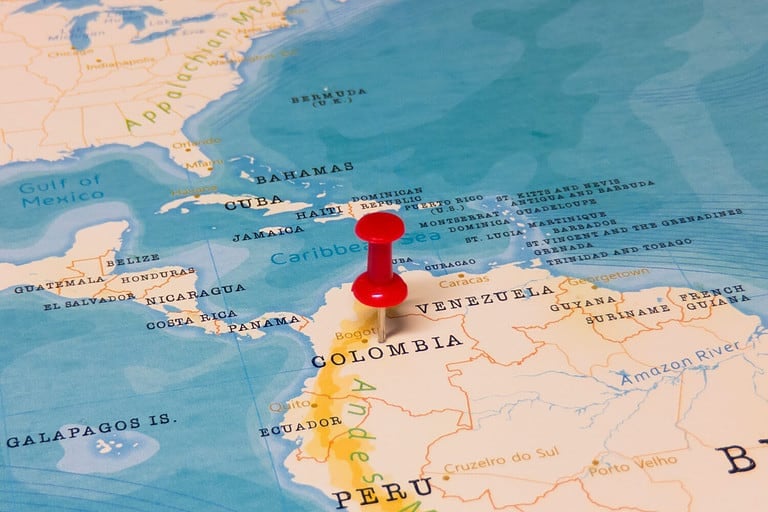
The practice of criminal organizations and drug traffickers imprisoning exotic and endangered animals is well-documented. Colombian drug lord Pablo Escobar famously had a full-fledged zoo on one of his properties. His hippos still roam the hills and ravines of Colombia. Owning large, wild animals serves as both a status symbol and a method of intimidation. Some investigations have also linked animal facilities to other criminal activity, including alleged concealment of human remains.
In April 2023, authorities raided a property allegedly controlled by the Jalisco New Generation Cartel. There, they found 21 big cats, antelopes, llamas, and deer. At the time, it was considered the largest single seizure of apex predators from an organized crime site. However, the recent raid in Tamaulipas is likely the largest such seizure in Mexican history.
According to several statements given to the New York Post, exotic animals are a common sight on drug trafficker properties. An official with the Tamaulipas State Attorney General’s Office, speaking on condition of anonymity, said, “You see, it’s characteristic of people in that line of work to acquire rare things that signal power – like tigers or lions. Owning them confers a certain status; it projects an image of such strength or invulnerability that they can keep those kinds of animals under their control.”
As long as powerful criminal organizations remain active, there is a good chance that more exotic animals will be rescued from deplorable conditions in future raids.