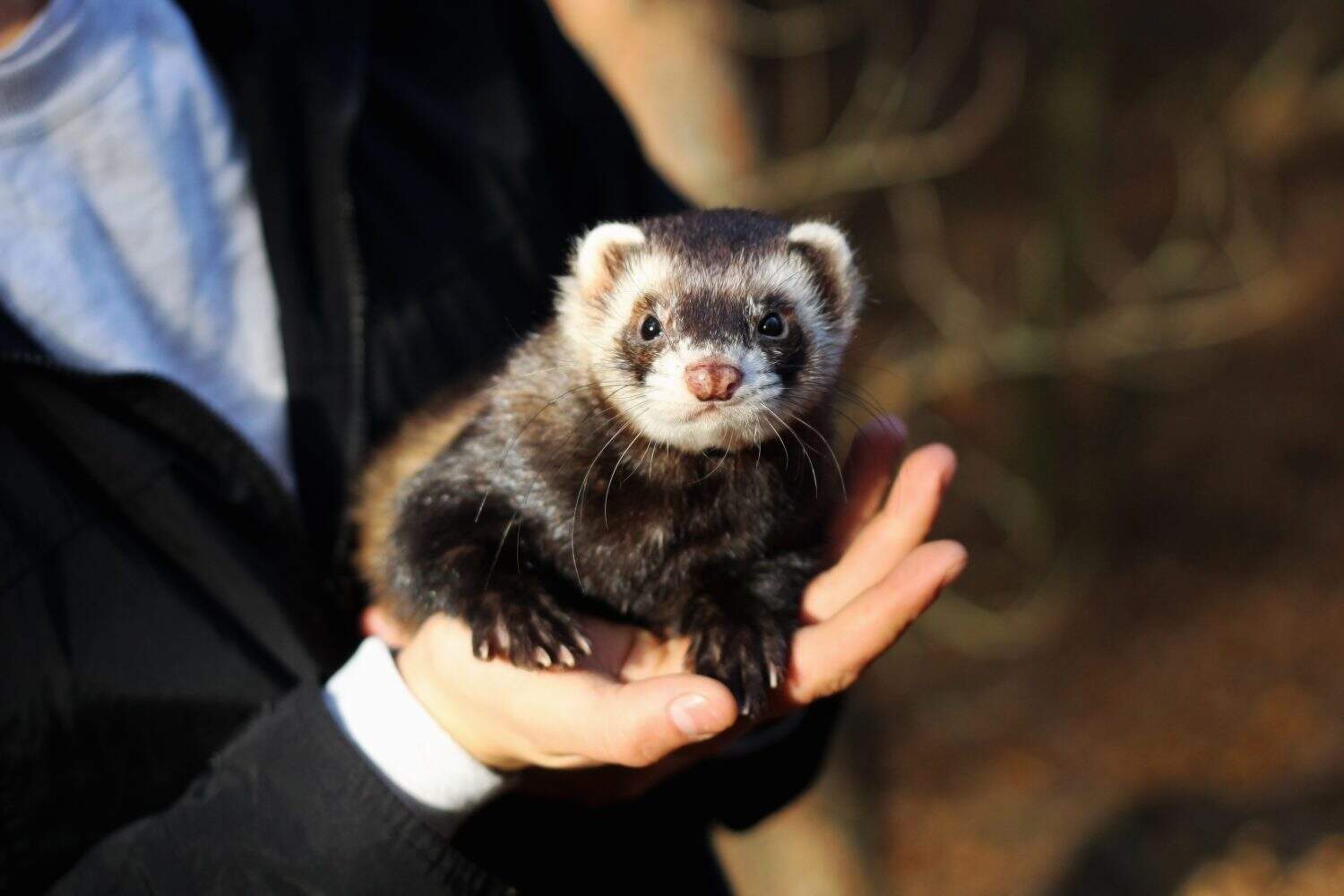

One of North America’s most endangered species is getting a new lease on life thanks to technological innovations. This past week, the Smithsonian’s National Zoo and Conservation Biology Institute announced the birth of several black-footed ferret kits—the offspring of a cloned animal. The arrival of these ferrets not only signals a growing trend in animal cloning but also gives a marginalized species a chance to recover, despite the conditions that nearly drove it to extinction.
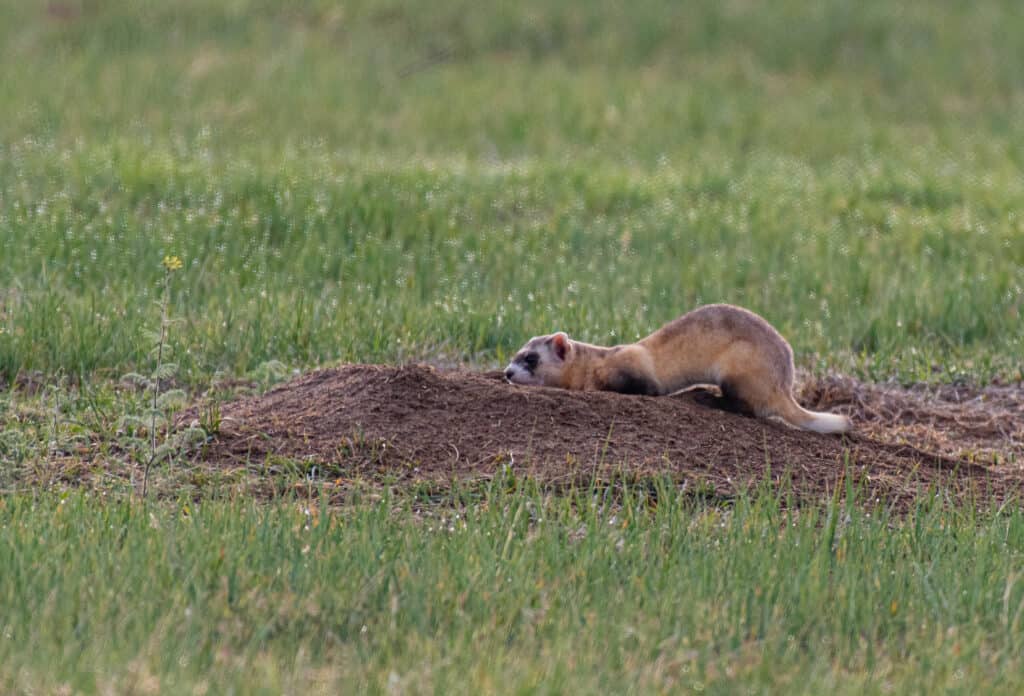
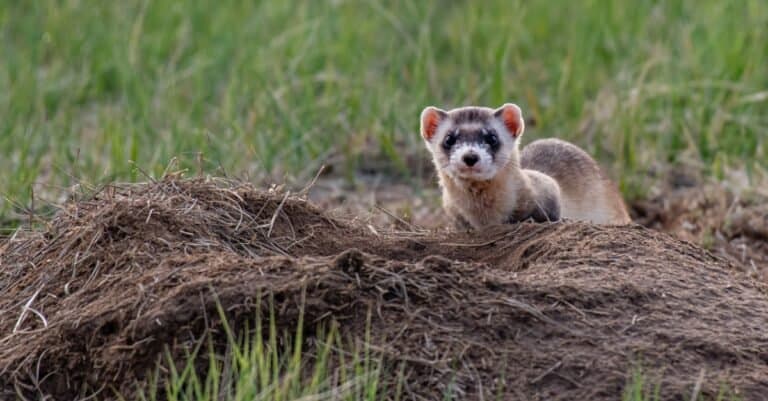
Once thought to be extinct, the endangered black-footed ferret is getting a second chance thanks to advances in cloning technology.
©iStock.com/Kerry Hargrove
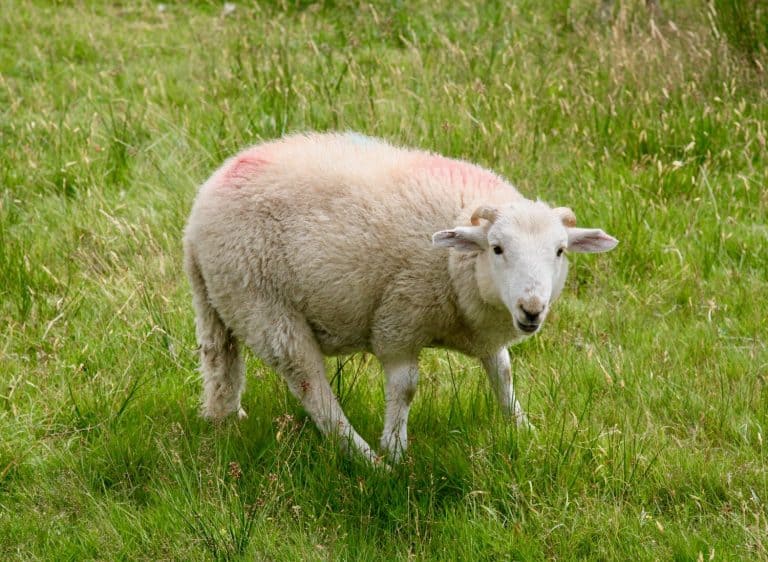
Back in 1996, the story of Dolly the Sheep‘s cloning dominated headlines for months. Contrary to popular belief, Dolly the sheep was not the first animal to be cloned. However, her cloning proved that an organism could be cloned from a mature cell from a specific body part. In the interim years, cloning stories became noticeably absent from the newspapers. Perhaps it took a while for technology to catch up to ambition, but nowadays, cloning has become all the rage.
A selection of headlines from the past few years illustrates this point. There are sleek, venture-capital-funded animal cloning companies, and celebrities endorse their services. Tom Brady found himself embroiled in controversy when he announced the cloning of his beloved family dog. Public opinion regarding animal cloning is divided between fascination and fear. Whatever the sentiment, animal cloning has become routine. Over 60 species of animals have been cloned since the first frogs were genetically duplicated back in the 1950s.
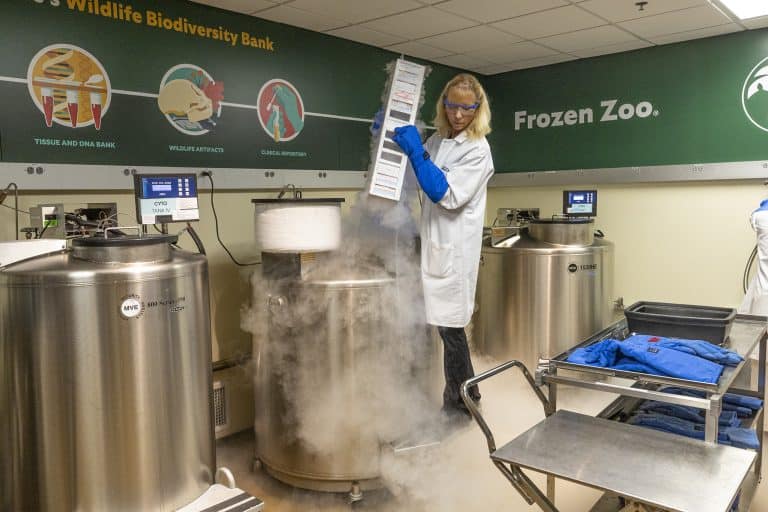
This lucrative business may primarily cater to the luxury market, but it also offers scientific benefits for animals with dwindling population numbers. Take the announcement of these new black-footed ferret kits, the offspring of a cloned mother.
A Welcome Announcement
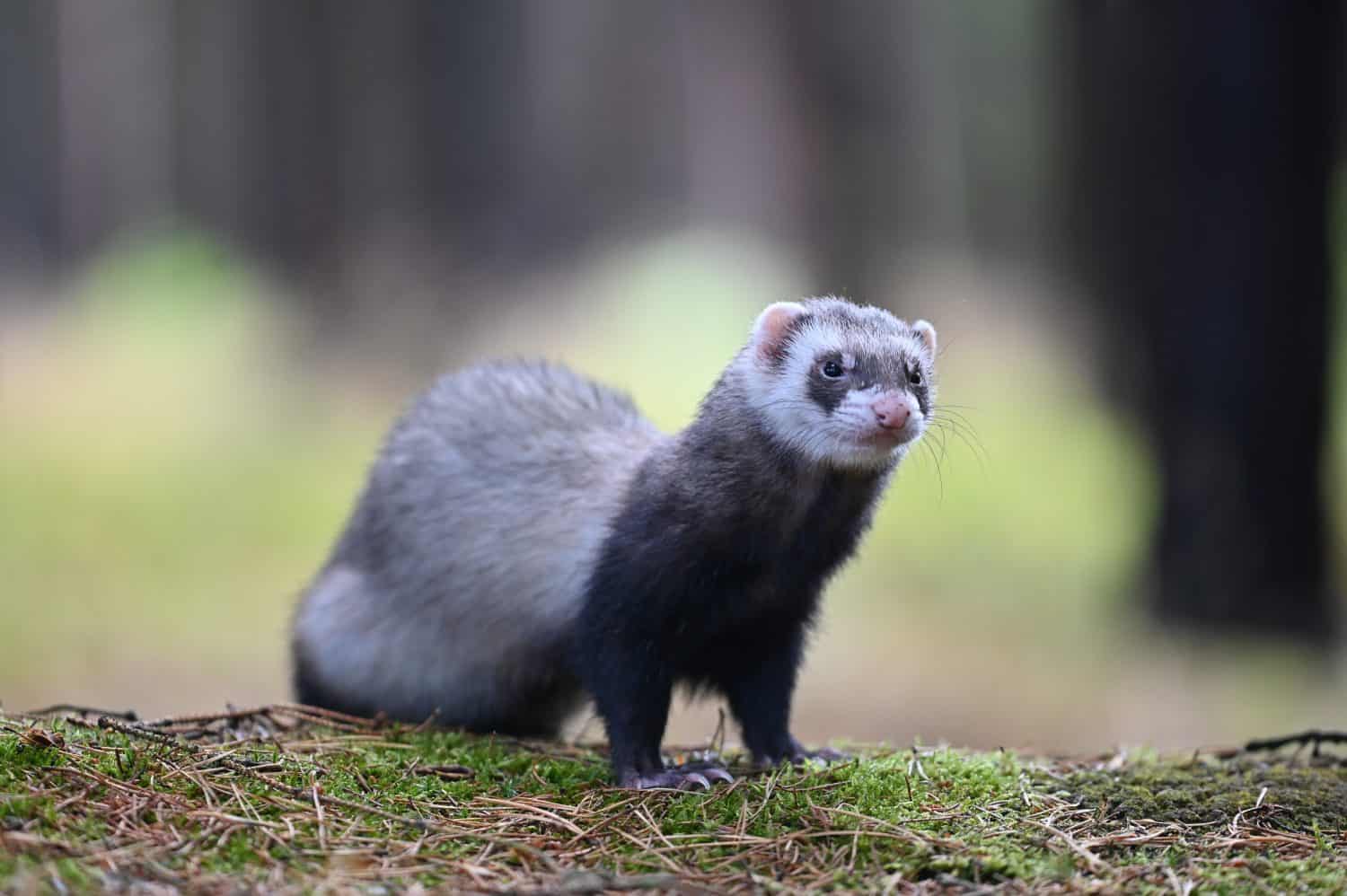
Three litters of black-footed ferret kits were born in 2025 at the Smithsonian’s National Zoo conservation campus in Virginia.
©Yasmins world/Shutterstock.com
As recently announced, several ferret kits were born this year to cloned individuals. This process was made possible by a collaboration between the Smithsonian’s National Zoo and Conservation Biology Institute (NZCBI) and the U.S. Fish and Wildlife Service. These new ferrets are the result of ongoing genetic research in terms of cloning. It also marks one of the more notable cloning-based efforts to help the recovery of endangered species.
In 2025, three litters of black-footed ferret kits were born at the National Zoo’s Front Royal, Virginia, conservation campus. All were the children of Antonia, a cloned ferret, as well as Antonia’s descendants Sibert and Red Cloud, who were born in 2024. The litters also include offspring from another cloned ferret, Noreen.
The lineage of these cloned ferrets is worth exploring in more detail. The mother, Antonia, was born in 2023 and came from stored tissue samples of a black-footed ferret named “Willa” that lived over 30 years ago. Antonia was born several years after Elizabeth Ann, who in December 2020 became the first clone of a U.S. endangered species. A third clone named Noreen was also born in 2023. Tragically, both Elizabeth Ann and Noreen passed away in 2025. These three litters represent a significant milestone in conservation, illustrating the efficacy of cloning for restoring genetically threatened organisms.
How Does Cloning Work?
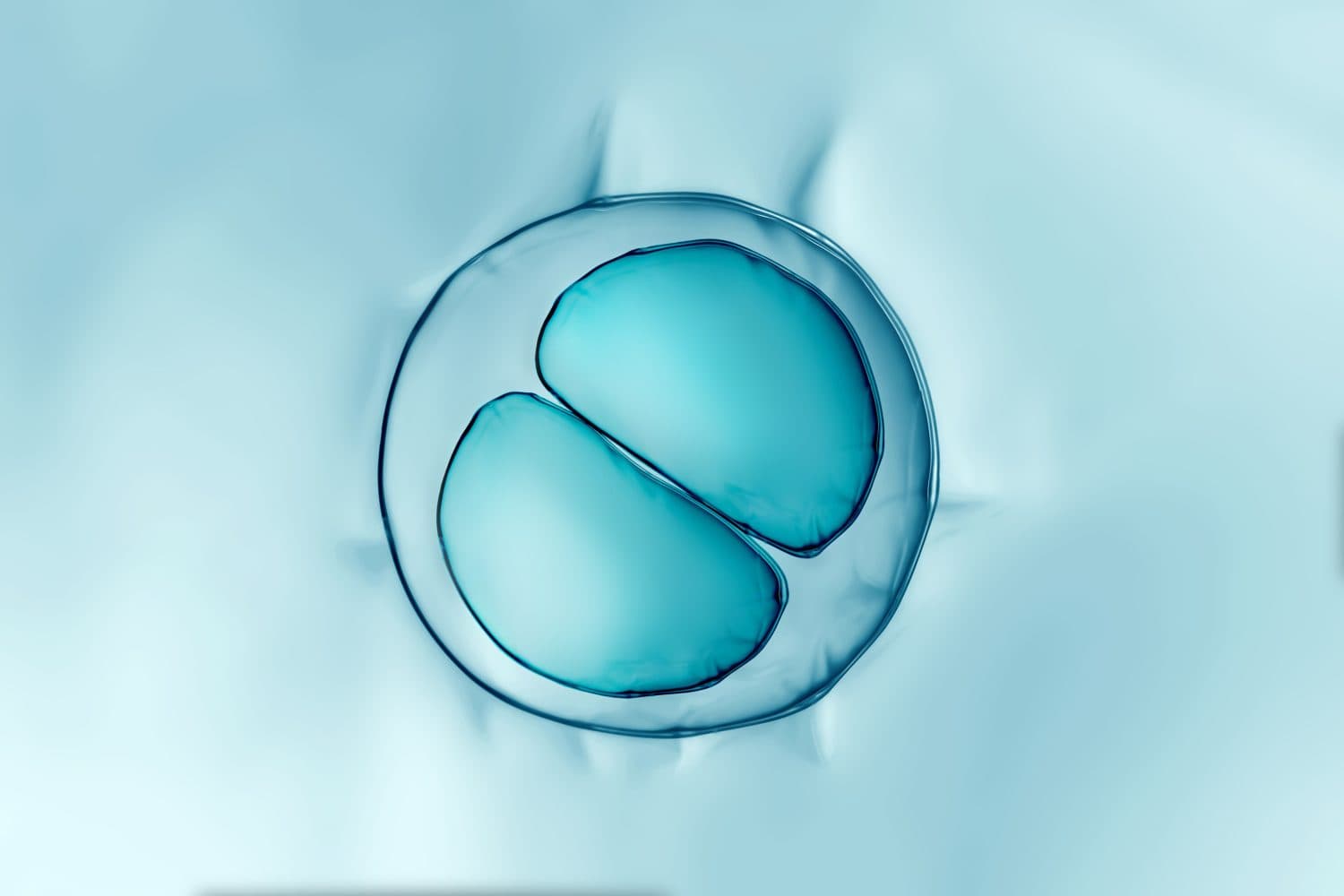
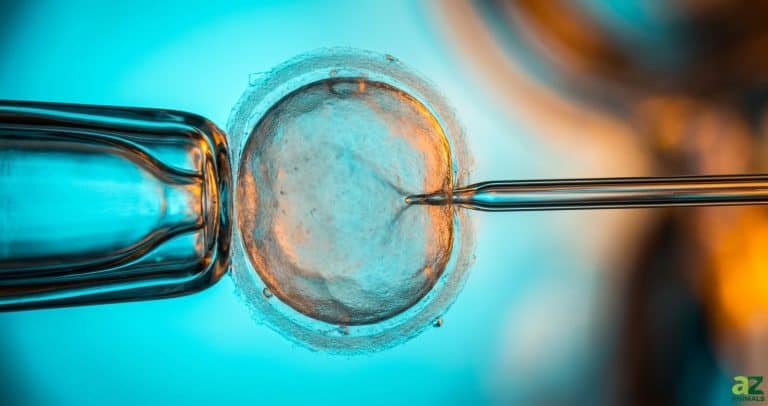
Animal cloning involves the nucleus of a somatic cell being placed in an egg cell of a related species.
©Nixx Photography/Shutterstock.com
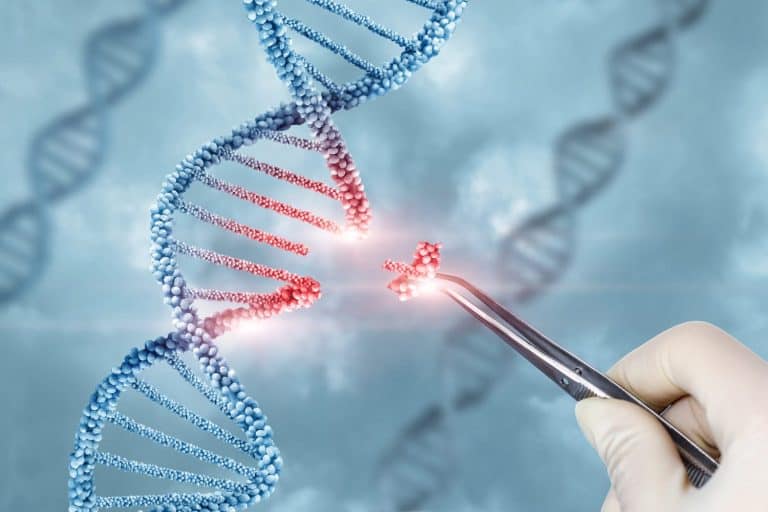
Cloning is a fascinating area of genetic science, made possible in recent decades by technological advances. The process begins when a somatic (non-reproductive) cell is taken from an animal. An egg cell from the same species or a related species has its nucleus removed. The nucleus of the somatic cell, containing the full genome, is inserted into the egg cell. Chemical or electrical stimulation causes the cell to divide as if it were fertilized. The resulting embryo is implanted into a surrogate mother.
If this process is successful, the resulting offspring is a near-perfect genetic copy of the donor animal. However, the resulting mitochondrial DNA comes from the egg donor. Additionally, the resetting of epigenetic marks is imperfect. This contributes to the low success rates of cloning. It can also lead to developmental abnormalities in the offspring.
Genetic Diversity and Survival
Cloning is exciting in its own right. However, the use of somatic cell nuclear transfer (SCNT) to clone black-footed ferrets is particularly remarkable. This means that cloned ferrets have now successfully reproduced. The Smithsonian’s announcement has several important implications. For one, it shows that cloned animals can reach sexual maturity. It also means they can naturally produce viable offspring. Furthermore, decades-old frozen cells can provide enough intact genetic material to be reintroduced into living populations.
For an endangered species like the black-footed ferret, cloning is truly a lifeline. It keeps breeding populations strong and can even restore lost genetic variation. Perhaps the most remarkable aspect of the black-footed ferret cloning process is its timeline: genetic material stored for decades was still viable for use today. The implications are twofold: endangered species have a chance to regain their former population numbers, and long-frozen genetic material can play a crucial role in future conservation efforts.