After Dolly the sheep became the first mammal cloned from an adult somatic cell, news of animal cloning seemed to practically fall off the front page and into the dustbin of history. Dolly was cloned in 1996. However, it took until well into the new millennium for cloning to make the headlines once again. Having a celebrity clone a beloved pet definitely helped push that headline to the top of the celebrity—and even national—news. Consider a developing story from People.com and several other top media outlets. Tom Brady recently revealed his current dog is a clone of his former dog, who died in 2023.
The shocking news comes shortly after another announcement from Colossal Biosciences, a biotechnology company founded in 2021 by Harvard University professor and renowned geneticist Dr. George Church, along with serial entrepreneur and billionaire Ben Lamm. The company recently announced the acquisition of ViaGen Pets and Equine. This biotech company most notably cloned both Barbra Streisand’s and Paris Hilton’s dogs. As for future football Hall of Fame quarterback Tom Brady, it seems he announced the cloning of his former pooch to coincide with the announcement from Colossal Biosciences, a company in which he is heavily invested. Let’s learn more about this remarkable story of pet cloning. Afterwards, we’ll explore the broader world of pet cloning, including its costs and how common it is among pet owners.
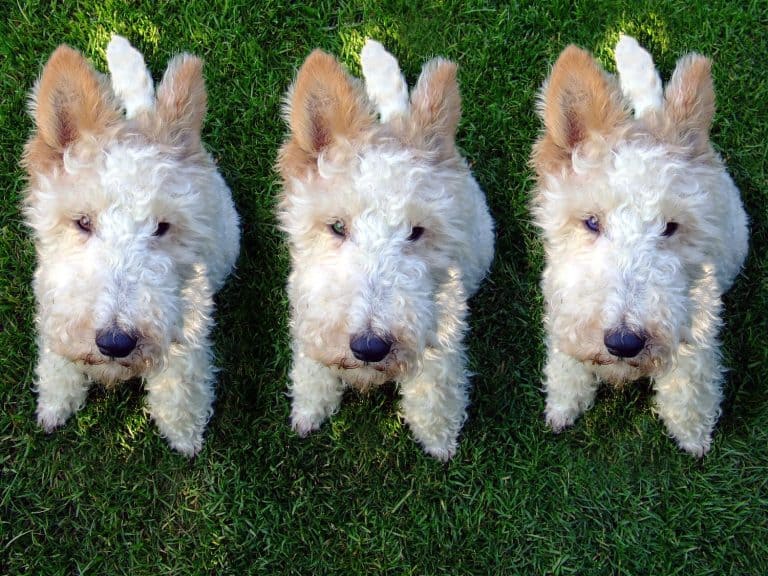
Dog One, Dog Two

Tom Brady recently announced that he had his former dog cloned.
©YouTube/enews – Original
This week, Tom Brady publicly shared the news that his current dog Junie is actually a clone of his former dog Lua. Even though Lua, whom he shared with ex-wife and supermodel Gisele Bündchen, died in December 2023, the pup lives on in a new body. As reported on People.com, Brady shared an explanation of the cloning process and the reasoning behind it. He said, “I love my animals. They mean the world to me and my family. A few years ago, I worked with Colossal and leveraged their non-invasive cloning technology through a simple blood draw of our family’s elderly dog before she passed.”
This simple blood draw allowed scientists at Colossal Biosciences to essentially bring Junie, a pit bull mix, back to life. Brady said that the company “gave my family a second chance with a clone of our beloved dog.” The former Patriots quarterback also shared how excited he is that “Colossal and Viagen’s tech together can help both families losing their beloved pets while helping to save endangered species.”
Lua made plenty of headlines before her death. Both Brady and his ex-wife Bündchen regularly shared pictures of their dog on social media when they were still together. Lua the dog even starred in a 2014 Ugg Australia commercial with Brady, less than a decade before her passing.
Colossal Biosciences

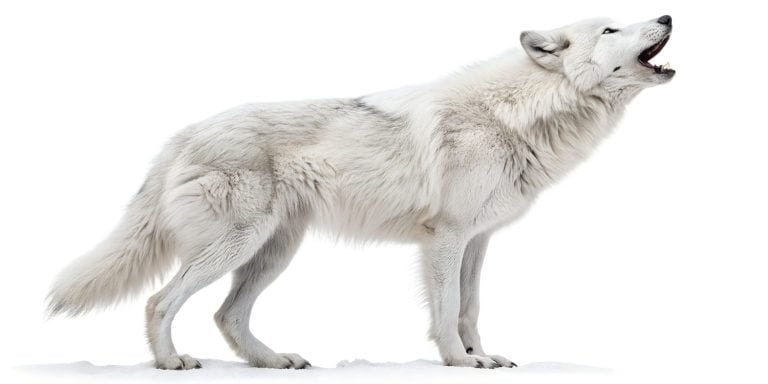
Colossal Bioscience made headlines earlier this year after cloning three hitherto extinct dire wolf puppies.
©YouTube/TIME – Original
Brady’s announcement coincided with an announcement from one of his investments, Colossal Bioscience. The firm, founded by a renowned Harvard scientist and billionaire entrepreneur Ben Lamm, has been in the news frequently. The firm, founded by a renowned Harvard scientist and billionaire entrepreneur Ben Lamm, has been in the news frequently. According to its CEO and founder, Ben Lamm, the company’s team claimed to have created dire wolf puppies using ancient DNA, but independent experts state these are genetically modified gray wolves, not true dire wolves.
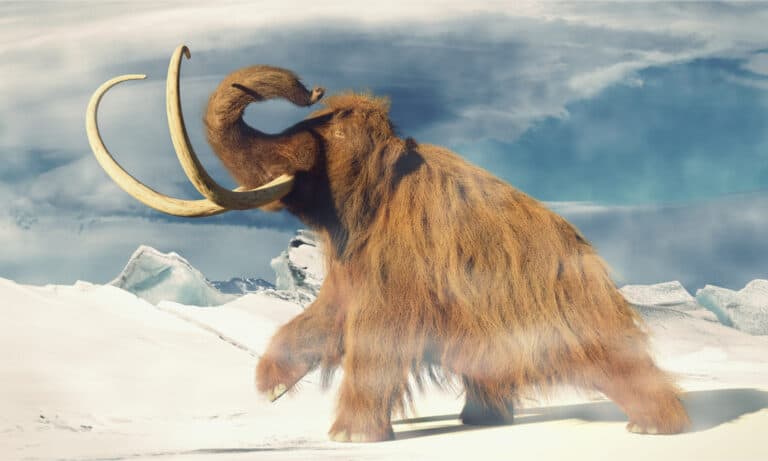
To presumably get more coverage, Colossal Biosciences heavily leaned into pop culture by naming the three dire wolf puppies after both historical figures and Game of Thrones characters: Romulus, Remus, and Khaleesi. This stunning and closely guarded project wasn’t the only foray into the ancient animal kingdom undertaken by the company. Previously, they created a “woolly mouse” as a first step in the ambitious goal of cloning and reviving a woolly mammoth.
Following this successful breeding of a previously extinct species, the biotech company made a new announcement this week. It acquired fellow biotech cloning ventures ViaGen Pets and Equine to further its cloning ambitions.
Other Cloning Ventures
Several celebrities, including Paris Hilton, have cloned their pets after they passed away or went missing.
©The Art of Pics/Shutterstock.com
ViaGen Pets and Equine is a notable biotechnology company in its own right. It cloned some other beloved celebrity pets in years past with remarkable success. First, the company cloned Barbra Streisand’s dog, Samantha, after she died in 2017. Before her beloved pooch passed away, Streisand had the company take cells from Samantha’s mouth and stomach. From these, ViaGen cloned two copies of the dog, which the bestselling singer and actress named Miss Scarlett and Miss Violet. They looked so similar that the singer had to dress them in different colored sweaters to tell them apart.
The company also made headlines for creating two more copies of Paris Hilton’s dog, Diamond Baby. After the socialite’s beloved dog went missing in 2022, ViaGen stepped in to help. The company was able to clone these celebrity pets because it has “exclusive licensing and access to the breakthrough technologies” developed and used by the Roslin Institute of Edinburgh to clone Dolly the sheep in the mid-1990s. It’s unsurprising, then, that Colossal Biosciences wanted to acquire the firm. Masters of the headline game, Colossal Biosciences also announced another significant development in its technological cloning ambitions.
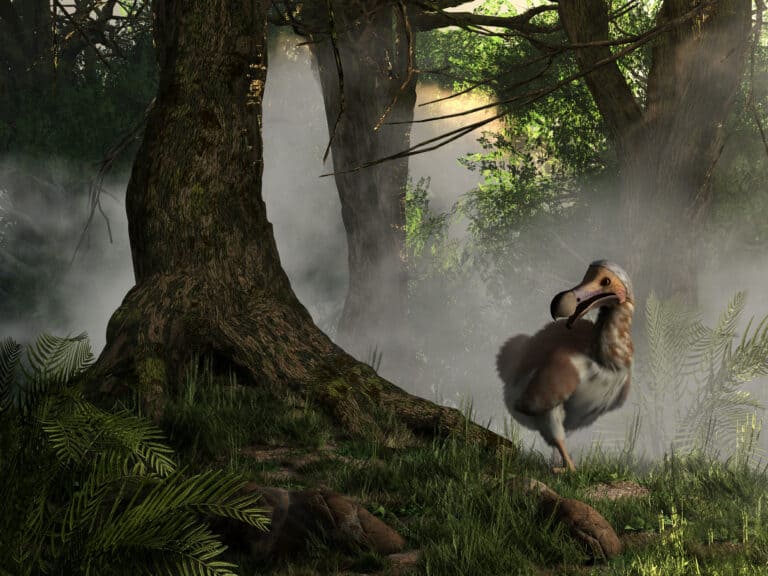
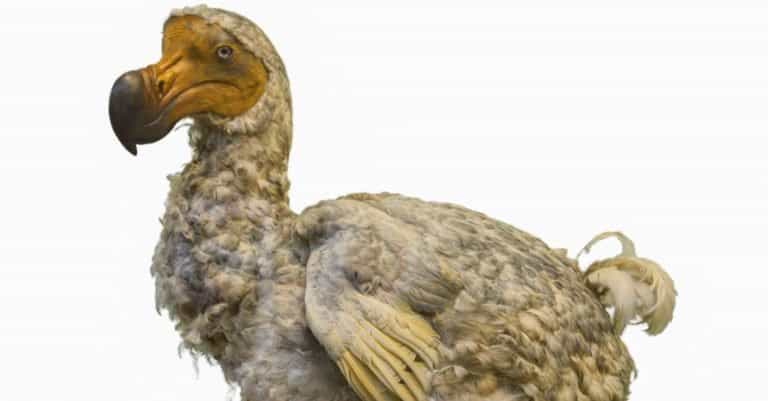
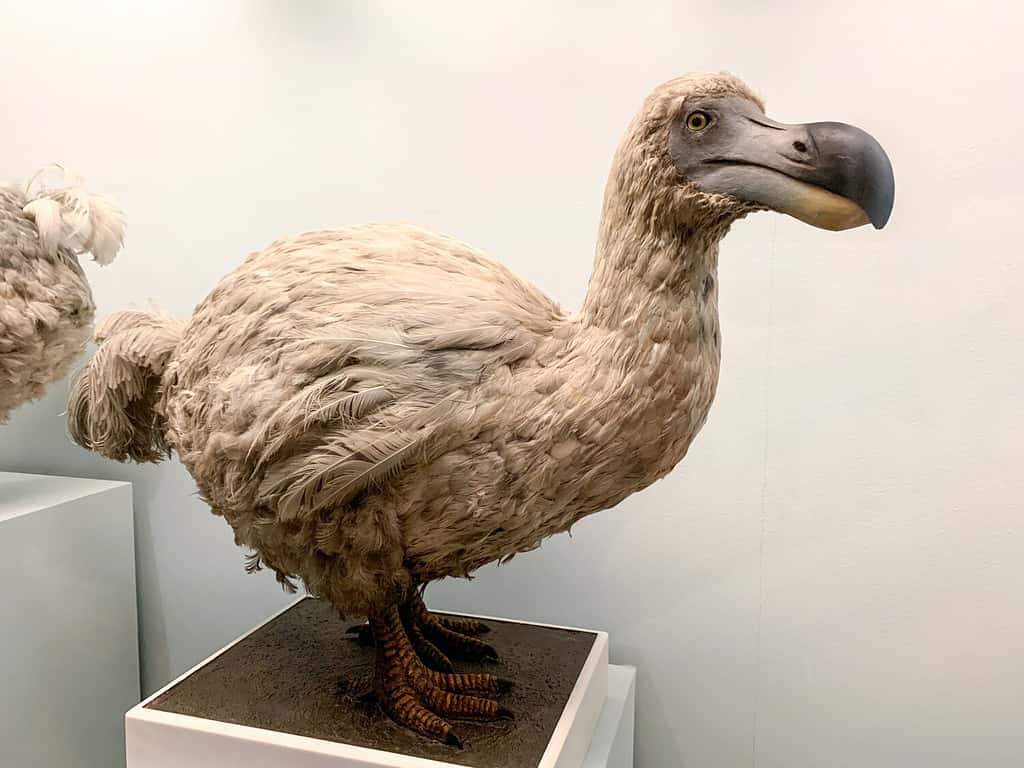
The Dallas-based firm announced a breakthrough in culturing pigeon primordial germ cells (PGC). These are the reproductive precursors required to revive extinct birds like the dodo. According to CEO and founder Ben Lamm, “Only three bird species have ever had [PGC culture conditions], and now pigeons. It’s very, very hard to do, and we did this in 18 months, so this was a very, very big step. This was a huge technology unlock for the dodo.”
The Radical World of Pet Cloning
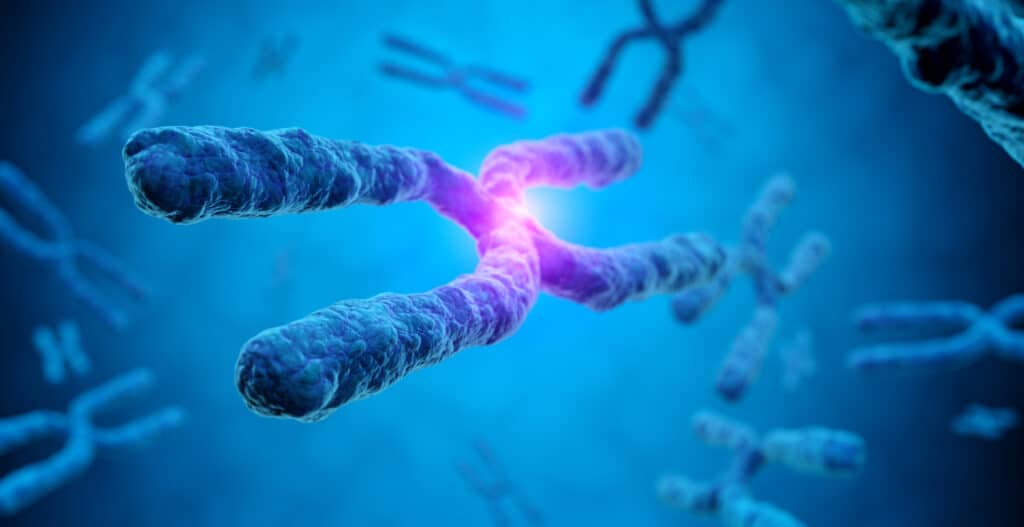
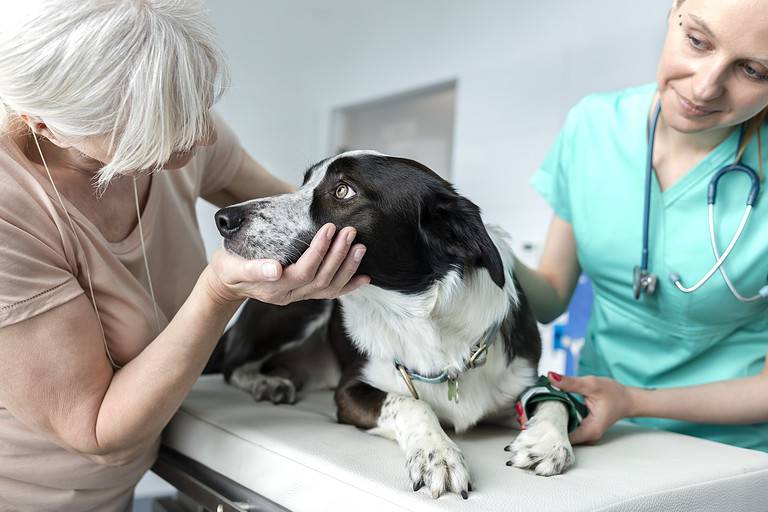
Pet cloning requires a process called somatic cell nuclear transfer or SCNT.
©iStock.com/ClaudioVentrella
Advancements in technology and scientific methods have transformed the one-time cloning of Dolly the Sheep in 1996 into a viable commercial product by 2025. Scientists accomplish these feats using a process called somatic cell nuclear transfer (SCNT). The same technique used to clone Dolly the sheep, but refined, SCNT allows the genetic lineage of even long-dead pets to continue on in the future.
First, veterinarians collect small tissue samples from the pet in question. These cells usually come from the skin. These samples can be collected from either living pets or those that have recently passed away. From there, scientists preserve the cells in a solution like liquid nitrogen. Then, scientists extract an egg cell from a donor animal of the same species. They remove the nucleus from the egg cell, which contains its DNA. Scientists then take DNA from the pet’s original cell and insert it into the nucleus-free egg. The egg then begins dividing and developing into an embryo. Once the embryo develops sufficiently, scientists implant it into a surrogate mother. The surrogate mother carries the baby to term, and a clone is born.
Duplication Details
Cloning costs a pretty penny and doesn’t provide a replica in terms of temperament or personality.
©Romans14/Shutterstock.com
Pet cloning has become a viable alternative to grieving a deceased pet, but it remains a pretty pricey option. Companies like ViaGen Pets and now Colossal Biosciences charge tens of thousands of dollars to bring a cloned pet into the world. As a general rule of thumb, cats cost around $35,000, and dogs between $50,000 and $100,000. Horses can cost up to $150,000.
It should be noted that while a cloned pet has the same DNA as the original, upbringing, environment, and random factors can result in a markedly different personality. Plus, cloning isn’t always a perfect science. Cloning not only reduces genetic diversity, but some clones also experience higher rates of immune system problems or premature death. For those who can afford it, however, pet cloning has become an increasingly attractive method for mitigating grief.