
Quick Take
- Preserving the northern white rhino now requires overcoming functional extinction, as there are only two females remaining.
- The extinction vortex creates a biological threshold where low numbers trigger irreversible inbreeding and survival collapse.
- The first successful rhino embryo transfer resulted in a confirmed pregnancy, but the surrogate mother died after about 70 days and the fetus did not survive, though the attempt proved the technique is biologically viable.
- Specialized biobanking is already in use to preserve genetic material from endangered species, and ongoing advancements aim to further improve its effectiveness for species with extremely limited genetic diversity.
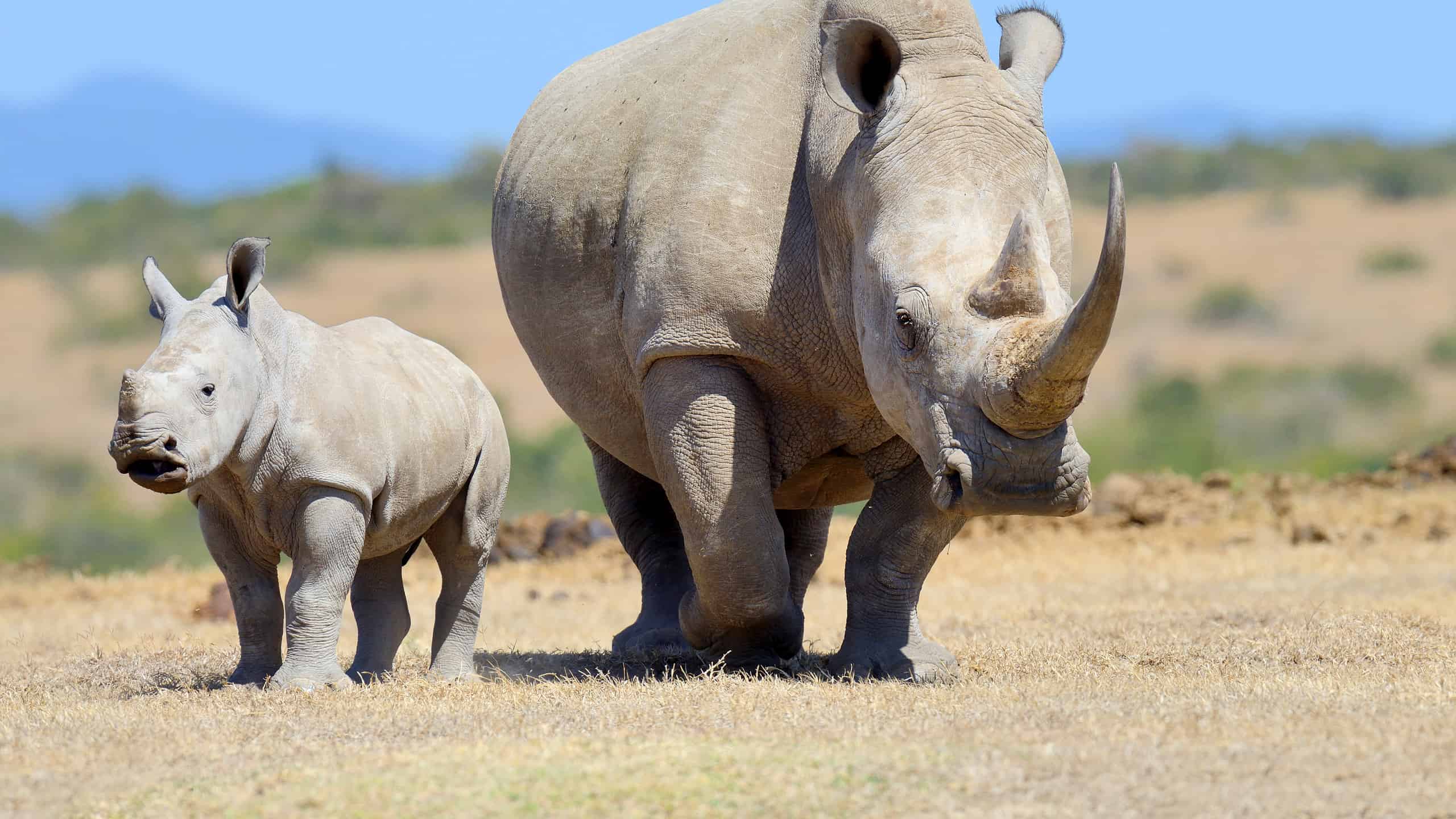
An Instagram post about the last two northern white rhinos references a scenario conservationists have warned us about for decades. Saving this species may now be an impossibility. The only living northern white rhinos left, named Najin and Fatu, are a mother and daughter, with no living males left to breed with them.
When any species reaches this point, scientists often describe it as functional extinction; while living individuals remain, there’s no realistic way for the species to reproduce naturally. Protecting these two and their habitat still matter, but the immediate focus conservationists have now is preserving genetic material and using advanced reproductive technologies in an attempt to rebuild this species.
How are scientists accomplishing this goal? Has it proved successful in any other species facing functional extinction, or will these female white rhinos potentially be the first to come back from this state? We take a closer look at what the future might hold for this mother and daughter pair as well as how scientists are tackling their situation now.
Why a Mother-and-Daughter Usually Ends Natural Reproduction in a Species
If the only two animals left in any given species are a mother and daughter, it tends to spell a pretty clear future:
- There’s no unrelated mate, so any attempt to breed (if breeding is biologically possible at all) forces severe inbreeding.
- Genetic diversity isn’t viable, meaning harmful mutations and reduced fertility can become unavoidable as generations progress.
Small populations, like the northern white rhino population currently, can spiral into what’s known as an extinction vortex, where low numbers lead to inbreeding and other biological problems, which then lower survival and reproduction even further. This is primarily why conservationists are worried about this species, besides their low numbers.
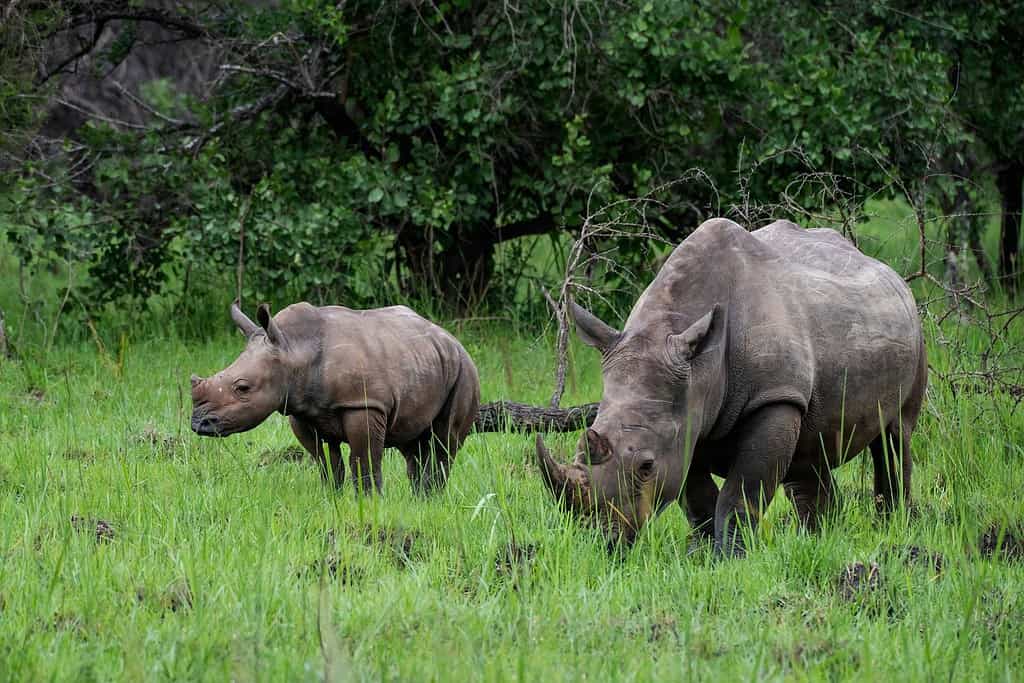
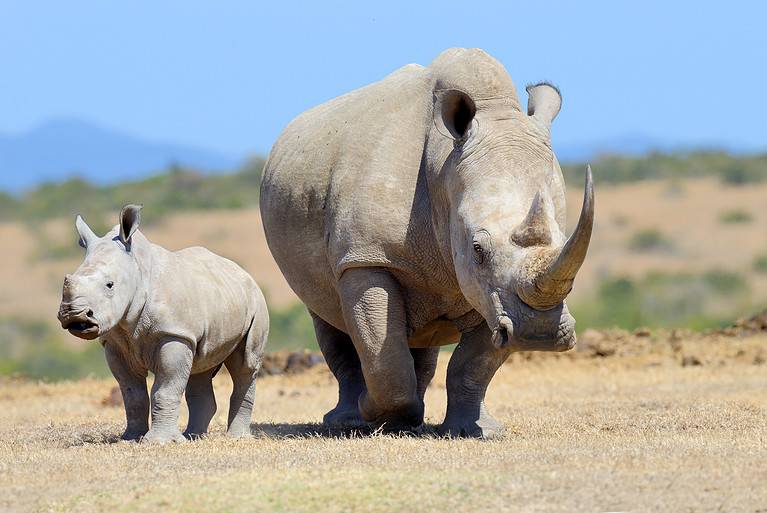
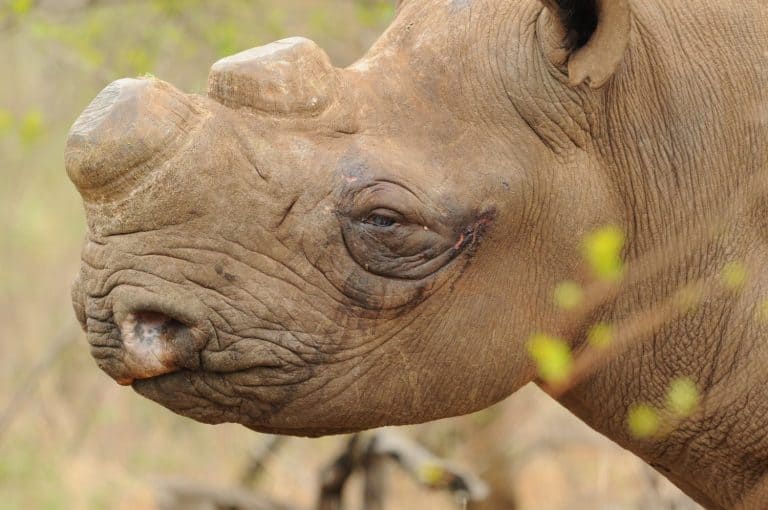
These are the only two northern white rhinos left in existence, and they are a mother and daughter.
©Tharuka Photographer/Shutterstock.com
Even if scientists manage to produce offspring from these two remaining northern white rhinos, a population founded from extremely few genetic lines starts with a built-in disadvantage. What solutions exist, and how can this species be saved?
What Scientists Can Do for Functionally Extinct Species
When reproduction can’t happen naturally, scientists have several approaches they can utilize. However, is it enough to save a species as limited as the northern white rhino? Conservationists and scientists may try the following methods to attempt to save them, including:
- IVF using stored sperm, if sperm from now-deceased males exists in a biobank.
- Embryo transfer into surrogates, usually from a closely related subspecies that can carry the pregnancy.
- Biobanking, a process involving cryopreserving cells, sperm, eggs, or tissue so genetic material isn’t lost as the last animals age.
- Creating eggs or sperm from preserved cells, though this process is still experimental in most wildlife species.
- Cloning, which has the potential to reintroduce lost genetic lines if viable preserved cells exist.
- Genetic rescue, a concept when there are compatible populations to mix. However, this isn’t an option for the northern white rhinos given that they are both female.

Biologists are developing many advanced programs that may help save species like the northern white rhino.
©Gorodenkoff/Shutterstock.com
Biobanking is an interesting prospect that can help keep options open. For example, the San Diego Zoo’s Wildlife Alliance describes its Frozen Zoo as a way to preserve living cell cultures and biomaterials for future genetic rescue work, maintaining the raw material needed for modern conservation tools in our changing world.
How IVF and Surrogacy May Work for the Northern White Rhino
Saving the northern white rhino involves the best-documented example of a mother and daughter being used for IVF. A company known as BioRescue has been developing rhino IVF methods step by step, as there weren’t standard veterinary procedures in rhinos until recently.
BioRescue announced the first successful rhino embryo transfer pregnancy, confirming that embryo transfer is biologically viable in rhinos. However, the surrogate died from a bacterial infection after about 70 days, and the fetus did not survive. Keep in mind: the work is just beginning. The pregnancy confirmed this approach is biologically viable.
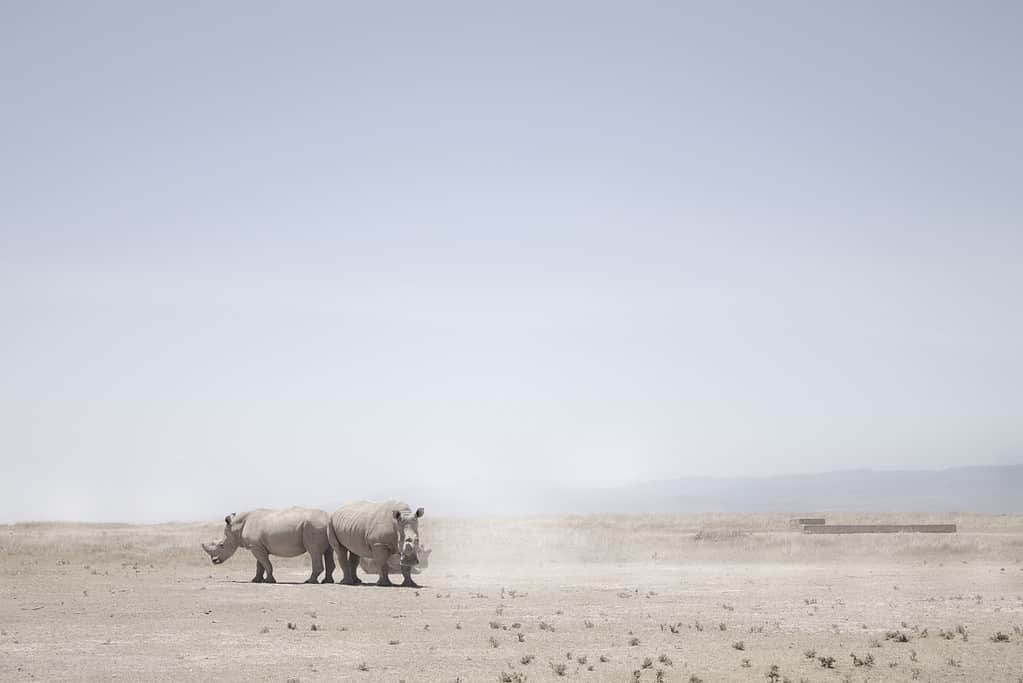
The process for saving the northern white rhino species is complicated, with many potential issues to come.
©KatWebb/iStock / Getty Images Plus via Getty Images
How exactly did BioRescue accomplish this? The process worked something like this:
- Egg retrieval from the remaining females, done under strict veterinary control.
- Fertilization in a lab, often using ICSI (meaning injecting a single sperm into an egg), as it improves odds when eggs and sperm are limited.
- Embryo development and freezing, creating a bank of viable embryos.
- Embryo transfer into surrogate southern white rhinos, timed precisely to the surrogate’s reproductive cycle.
BioRescue shared in an August 2025 update that it produced three new northern white rhino embryos and began using them in embryo transfers. While creating embryos is a huge step for the future of this species, the embryo transfer success and pregnancy maintenance are separate issues, especially in large mammals with complex reproductive systems.
How IVF Works For Rhinos: The Process
People often imagine IVF as a single procedure day; in reality, it’s a years-long protocol facing continuous refinement and adjustments.
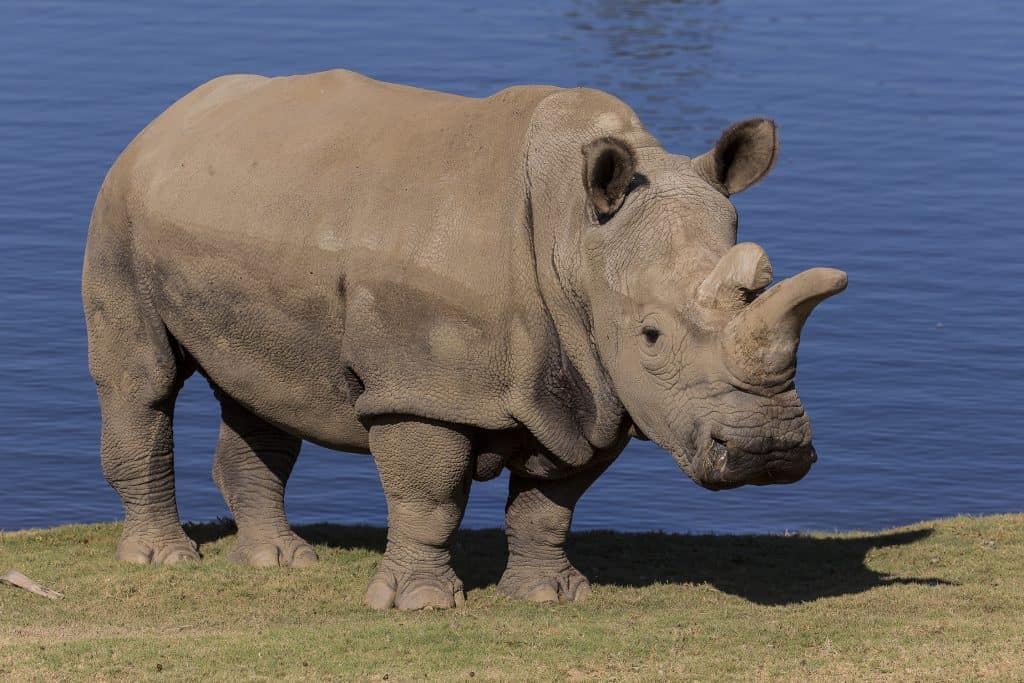
Rhinos aren’t the easiest to save using IVF, given their size and rarity.
©San Diego Zoo Wildlife Alliance
The northern white rhino IVF process requires biologists and scientific teams teams to:
- develop safe anesthesia and monitoring routines for a massive animal
- retrieve eggs without causing harm
- mature eggs and fertilize them reliably in vitro
- cryopreserve embryos successfully
- build and manage a surrogate population with appropriate health and reproductive timing
The scary part is that there’s almost no room for trial-and-error. With only two living northern white rhinos left in existence, every procedure has to be built around safety first. Progress is slow, but it must be in order to keep this species safe.
Northern White Rhino Genes: What Options Exist?
Even if a northern white rhino calf is born, the problem with their genes and diversity still exist. As previously mentioned, a population built from a tiny number of animals tends to be more fragile, with no real solutions in sight.
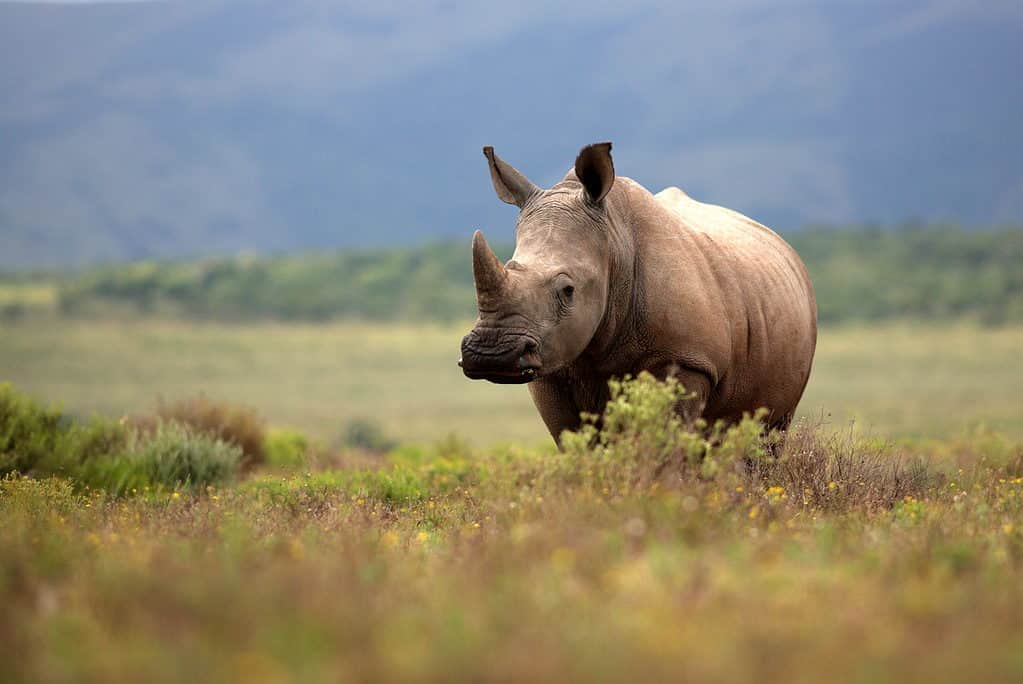
Other subspecies of rhinos may be critical to saving the northern white rhino population.
©JONATHAN PLEDGER/Shutterstock.com
One option that helps when there are other compatible populations is something known as genetic rescue. This involves introducing gene flow to reduce inbreeding depression, often producing substantial benefits in small, inbred populations.
For northern white rhinos, there isn’t another northern white rhino population to use in this genetic rescue option. That’s why the current strategy leans so heavily on biobanked options, such as sperm, embryos, preserved cells, and other genetic material; that’s the only path left to rebuilding diversity beyond what two related living animals can provide.
Has This Happened to Other Endangered Species?
A documented situation like the one facing the northern white rhino species is rare, primarily because many species vanish without the final individuals being tracked closely enough to confirm their relationships to one another.
However, there are several functionally similar crises that have happened or are currently happening, crises where reproduction becomes nearly impossible or genetic diversity is narrowed to a dangerous degree.
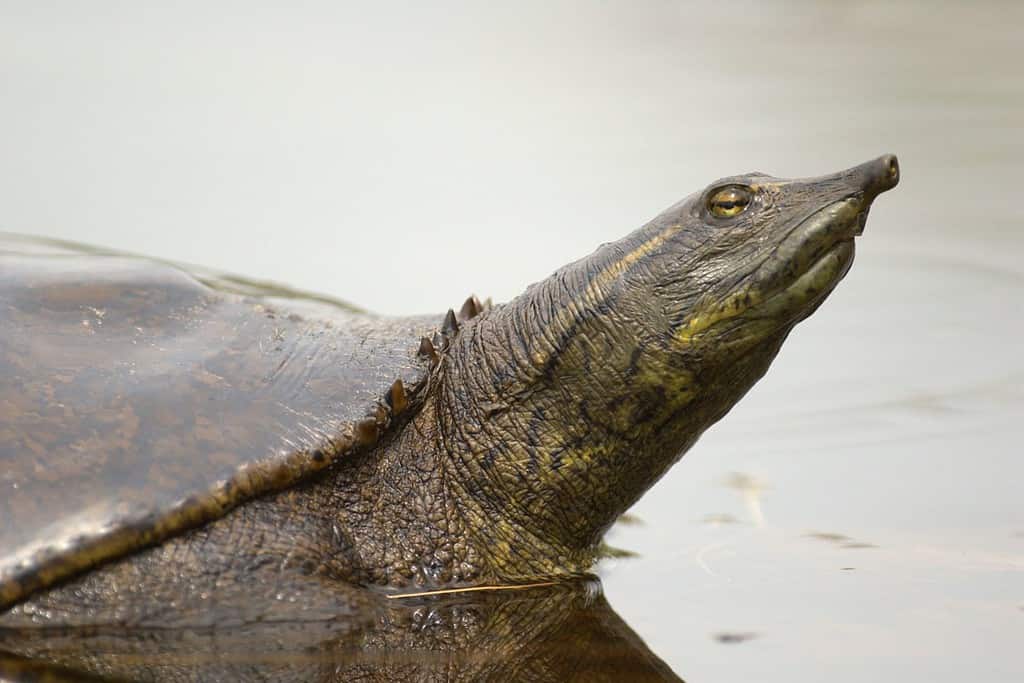
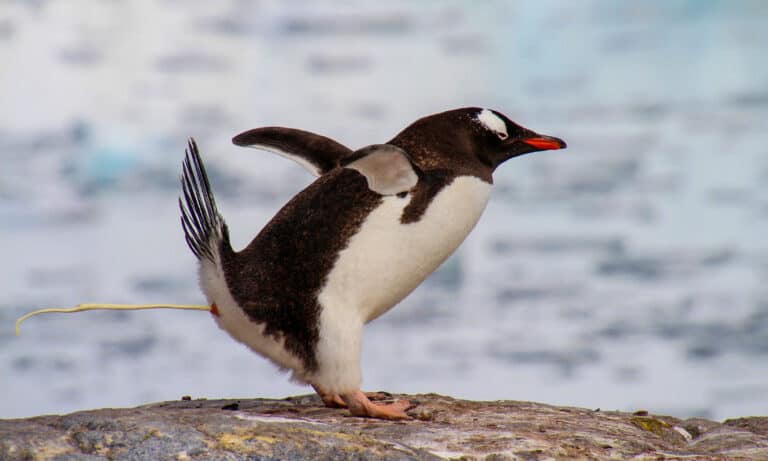
Facing a similar situation as the northern white rhino, this softshell turtle made a recovery.
©Tharuka Wanniarachchi/Shutterstock.com
The Yangtze Giant Softshell Turtle
One such example of reproductive failure within a species is the Yangtze giant softshell turtle. Mongabay reported in coverage of the last female’s death that she died in 2023, leaving only males among the final known individuals, which is just a different route to the same dead end facing the northern white rhino.
The Vaquita: Species with Single-Digit Populations
The vaquita may have more numbers compared to the northern white rhino, but not many more, proving how quickly recovery becomes uncertain at extremely low population numbers. An estimated 7-10 individuals remain in the wild; at that scale, even small losses can be catastrophic to this rare species.
Species Saved By Intensive Population Management
Some species have returned from absurdly low population numbers, but it required decades of intervention. Some of these success stories include:
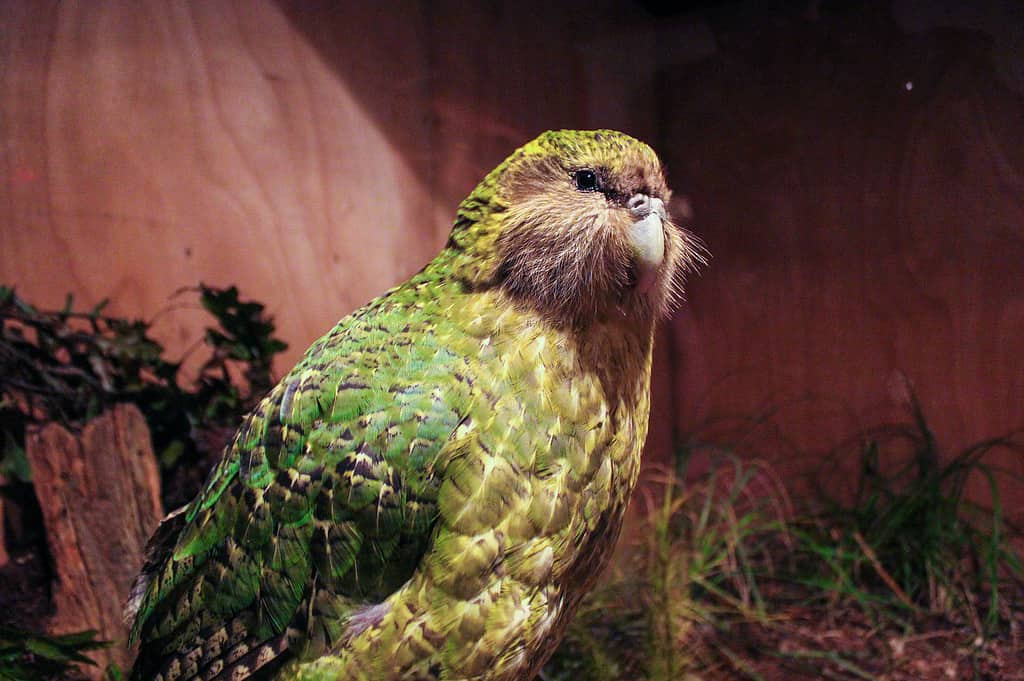
Endemic to New Zealand, the kākāpō has recovered to over 230 birds in its population.
©Imogen Warren/Shutterstock.com
- The kākāpō population fell to 51 birds by 1995, with a very small subset of founders to blame for part of their decline. They are now up to over 230 birds, with strong breeding seasons in 2019-2023.
- The Mauritius kestrel has its own comeback story after dropping to roughly four individuals in the wild in 1974. Management and captive breeding were central to its rebound.
Where Biotechnology is Being Used to Rebuild Genetic Diversity and Populations
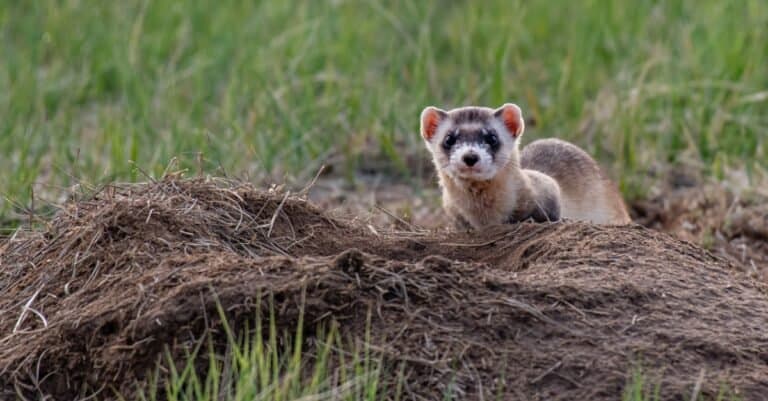
Using modern biotechnology, cloning and preserved cells are bringing back genetic lines that would otherwise be gone forever. There’s one recent example that stands out: the black-footed ferret.
This ferret recovery famously comes from just seven founders, and cloning has been pursued to add lost diversity to this subspecies. The U.S. Fish and Wildlife Service notes that preserved genetics can be more diverse than what remains in today’s population, which is why they turned to biotechnology for answers.
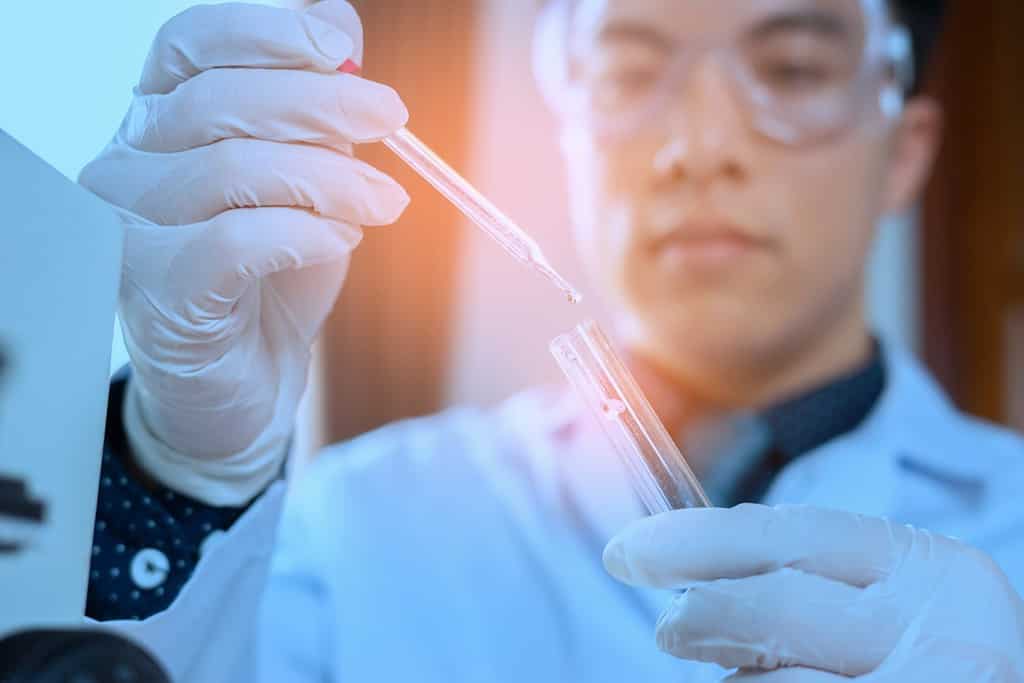
Cloning is just one aspect of biotechnology, as there are other methods to save species.
©Have a nice day Photo/Shutterstock.com
While biotech isn’t a replacement for healthy habitats and species protection, it can change how we save species that are facing more harm than we realize.
The Best-Case Scenarios for the Northern White Rhino
If scientists succeed in producing northern white rhino calves from IVF and surrogacy, the next steps still require a number of challenges, including:
- raising offspring safely
- expanding numbers while avoiding preventable inbreeding
- reintroducing as much genetic diversity as biobanked material allows
- maintaining long-term protection so the population isn’t wiped out again
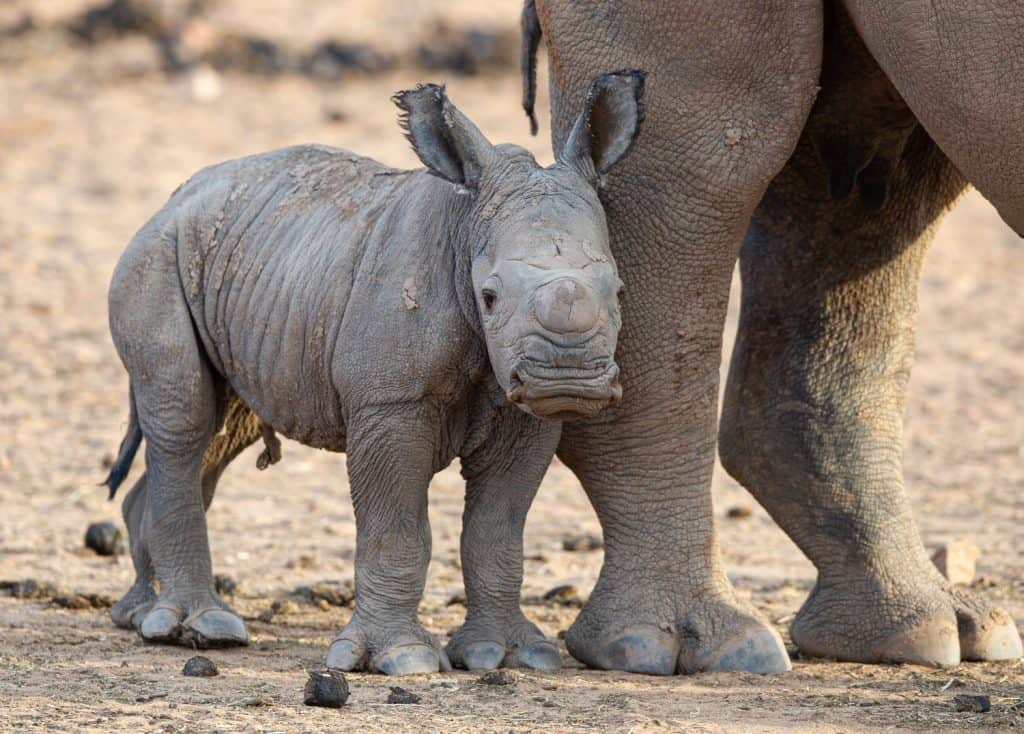
A successful IVF occurred in a southern white rhino, though the surrogate died from unrelated causes.
©PrimEye/Shutterstock.com
The northern white rhino story is also a reminder that the most advanced science in the world can’t fully compensate for common issues that certain species face. For example, if poaching and instability erase a population, reviving them without also addressing the broader issues will only land a species back in the same devastating situation as before.
What These Two Rhinos Teach Conservation Programs
If there’s a single lesson we can take from this mother and daughter duo, it’s that waiting until the end of a species’ population leaves only extreme options to save them. Because of these two rhinos, conservation programs now prioritize early biobanking and tissue preservation, genetic monitoring before numbers collapse, and many other factors.
Aggressive threat reduction, such as poaching and habitat loss, are musts for modern conservation programs. Additionally, maintaining enough of a population so that natural reproduction remains possible is vital, though the northern white rhino may not have this option ever again.
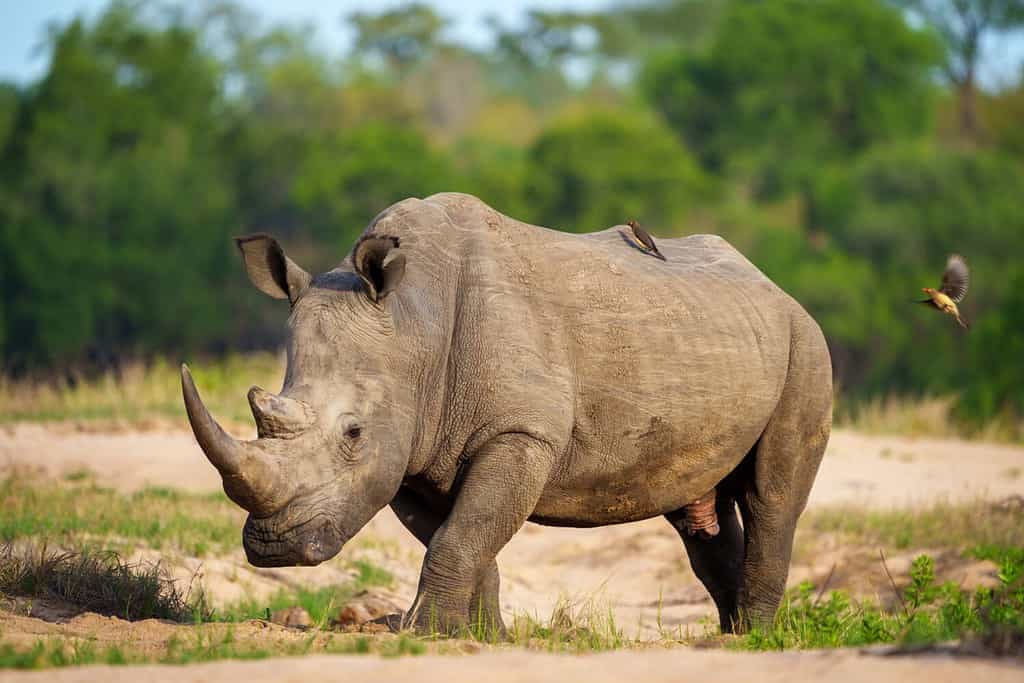
Only time will tell if biotechnology will help save the northern white rhino population.
©Roger de la Harpe/Shutterstock.com
The tragedy for these animals is that the science often works best when it’s used long before a species reaches this devastating stage. Hopefully, the northern white rhino population will recover with biotech, but only time and patience will tell.