
Conservation scientists are racing against time, as hundreds of animal and plant species edge closer to extinction each year due to habitat loss, pollution, and climate change. But a new set of high-tech tools is changing how we think about saving them. Using synthetic biology — a field that allows scientists to rewrite or even design DNA — researchers are exploring ways to help species adapt, recover, or even return from extinction.
While some experts believe these technologies could rescue species faster than traditional conservation methods — such as nature preserves or new laws — ever could, others warn that “engineering nature” might do more harm than good, especially when it comes to wildlife evolution. If new species are created using this field, what might this mean for the future of species experts are working to preserve?
In other words, could gene editing actually protect biodiversity, or might it disrupt wildlife evolution itself?
What is Synthetic Biology?
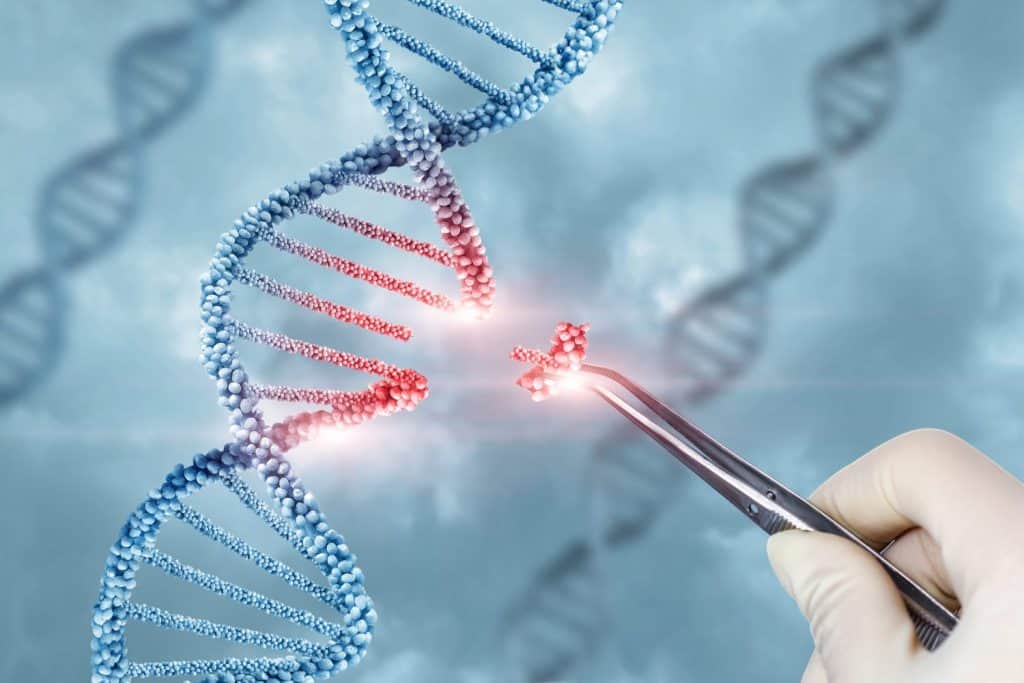
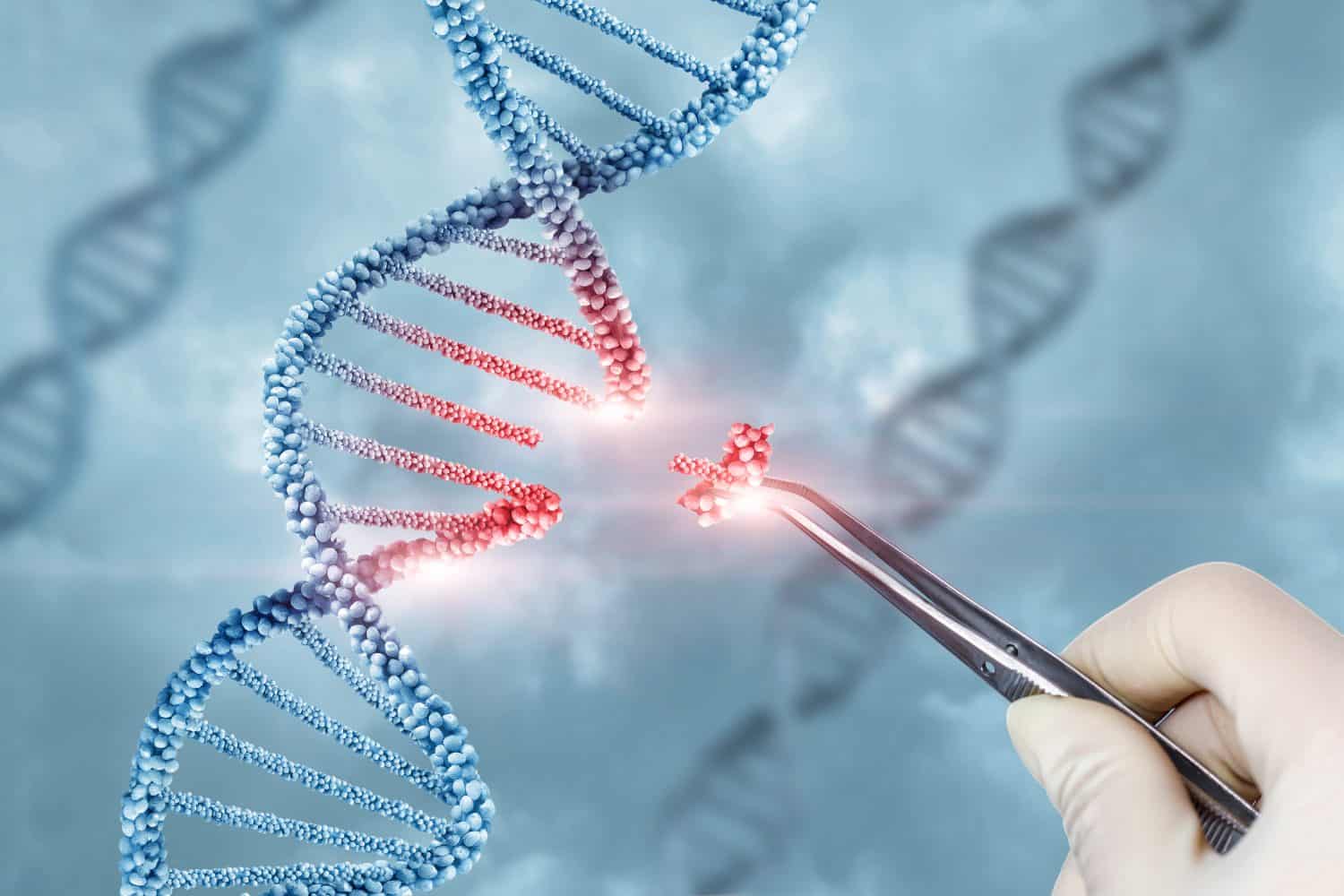
Synthetic biology enables scientists to edit, design, and even build DNA, with big implications for wildlife evolution.
©Natali _ Mis/Shutterstock.com
Thanks to advances in technology, synthetic biology combines genetics, computer science, and biotechnology to study and modify the genetic code. Using tools like CRISPR (clustered regularly interspaced short palindromic repeats), scientists can cut and replace segments of DNA, a process known as genetic engineering, altering how an organism grows, adapts, or even survives.
Advanced Technology is Already Being Used to Conserve Wildlife
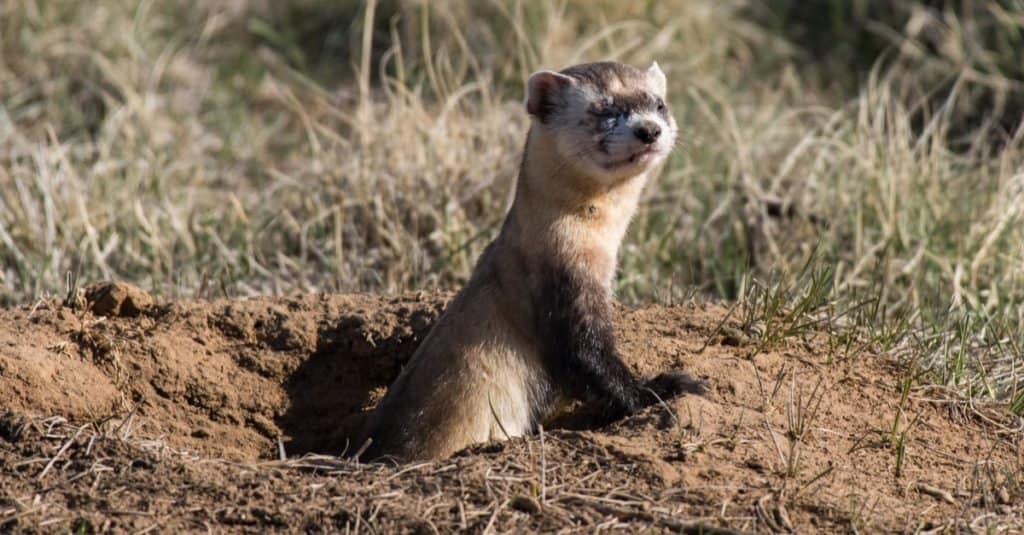
Endangered Black-footed ferrets are part of synthetic biology conservation efforts.
©Kerry Hargrove/Shutterstock.com
Across laboratories and institutes, researchers are experimenting with these tools to solve some of the most challenging problems in wildlife conservation. One area of focus is genetic rescue, which involves editing or restoring genes in endangered species to increase their resilience. For example, the black-footed ferret — one of North America’s rarest mammals — has suffered from dangerously low genetic diversity. Low genetic diversity can lead to genetic bottlenecks, in which the only individuals left in a population are related. This means that inbreeding is common and can lead to birth defects, among other issues. Scientists hope that by introducing healthy gene variants from preserved samples, they can give the species a genetic lifeline.
Another approach, known as gene drives, is far more controversial. Gene drives allow a chosen genetic trait to spread through a population at an accelerated rate. This could, in theory, be used to eliminate invasive pests such as rats or mosquitoes that devastate island ecosystems. The state of Hawaii is currently using gene drives to help save its native bird populations by introducing over 40 million genetically engineered sterile mosquitoes into its environment. The goal is to reduce the number of birds infected with avian malaria, which is carried by mosquitoes, so the islands’ native birds can return to healthy population levels.
However, the same power that makes gene drives effective also makes them risky; once released, these genetic changes may be impossible to contain.
Where Advanced Technology for Conversation Gets Debated

Should woolly mammoths be resurrected using advanced technology?
Some researchers are going even further, trying to bring back extinct species, a process known as de-extinction. To do this, researchers and companies use preserved DNA from museum specimens or ancient remains to “rebuild” species that have gone extinct, such as the passenger pigeon and the woolly mammoth. These efforts, though still experimental, raise a lot of ethical and philosophical questions about what conservation means in an era when extinction may no longer be permanent.
Synthetic biology isn’t limited to animals. Scientists are also working with engineered microbes to clean up polluted soils, capture carbon, or make coral reefs more tolerant of warmer oceans.
Because these experiments are expanding so rapidly, the International Union for Conservation of Nature (IUCN) adopted its first global policy on synthetic biology in 2025. The organization recognized the potential of these tools to aid conservation but warned that they must be used carefully, transparently, and with respect for ecological limits.
If a future of genetically engineered wildlife clones living in zoos is the objective, then perhaps these technologies can be of use.
Anne Petermann, Executive Director of the Global Justice Ecology Project
How Synthetic Biology Could Help Conservation

Gene banks and seed banks are places where genetic diversity can be preserved to help with future wildlife conservation efforts.
©NordGen/Dag Terje Filip Endresen / Public domain – Original / License
One of the most promising — and least controversial — uses of synthetic biology in conservation is gene banking, sometimes called biobanking or genetic rescue. The idea is simple but powerful: preserve the genetic material of today’s species so that, even if their populations collapse, their DNA can help bring them back.
Across the world, scientists are collecting and freezing tissue samples, embryos, eggs, and sperm from endangered animals, storing them in cryogenic “frozen zoos.” These gene banks act as time capsules of life, a safeguard against extinction, and a source of genetic diversity for future breeding or restoration efforts. The San Diego Frozen Zoo, for instance, holds cells from more than 10,000 animals, including species that are now extinct in the wild.
Synthetic biology amplifies the potential of these banks. Using tools like CRISPR and advanced cloning, scientists can take stored genetic material and reintroduce lost genes into living populations. This process, known as genetic rescue, can help restore diversity that has been lost through inbreeding or population decline. For example, the Przewalski’s horse—which is critically endangered—has already benefited from biobanked DNA that revived lineages thought to be gone forever.
Beyond restoring individual species, gene banks also offer a blueprint for future ecosystems. As climates shift and habitats change, preserved DNA could help researchers reintroduce traits that make species more resilient, such as disease resistance or tolerance to heat and drought.
Helping or Hindering Wildlife Evolution?
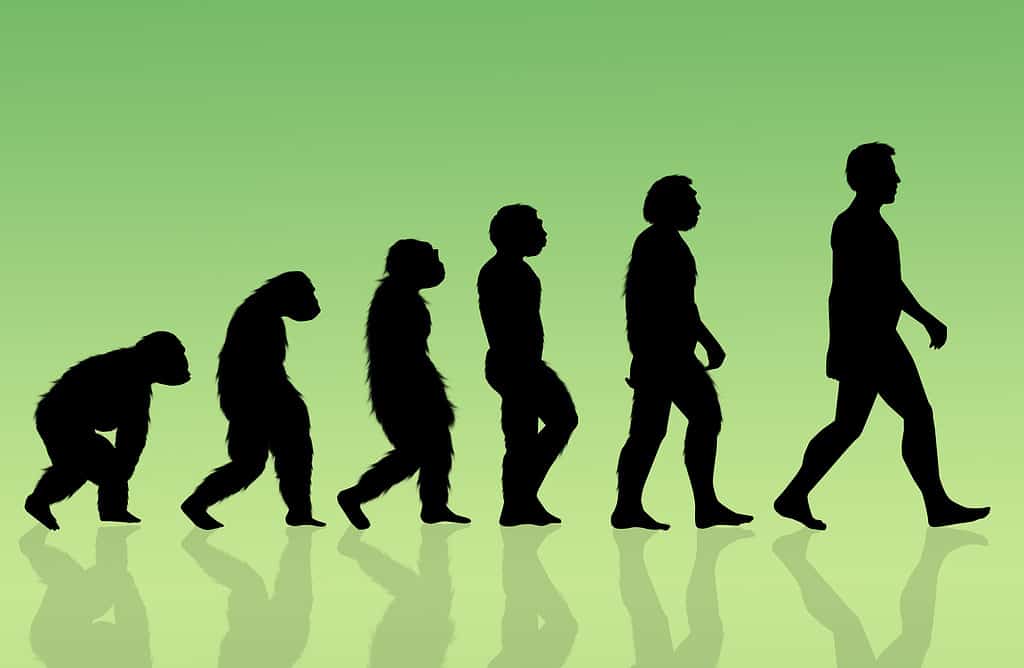
What happens to wildlife evolution when synthetic biology is introduced?
©RossellaApostoli/iStock via Getty Images
Supporters of synthetic biology believe that humans have already altered the planet so profoundly that helping nature adapt is a moral obligation. They argue that because natural evolution can’t keep up with rapid climate and environmental change, assisted evolution is simply the next step in conservation. Opponents see things differently. They argue that proper conservation means protecting natural processes, not replacing them.
“Synthetic Biology and other genetic engineering technologies are no solution to the problem of crashing wildlife populations,” says Anne Petermann, Executive Director of the Global Justice Ecology Project. “These technologies are highly unpredictable, and the release of them into the wild for purposes of ‘conservation’ is bound to fail. They threaten to add additional pressures to the wildlife already in crisis– cross-contamination of wild species with genetically engineered variants that are insufficiently tested with highly unpredictable outcomes could push wild species over the brink into extinction.”
Proceeding with Caution
One thing is certain: synthetic biology isn’t going away. The challenge now is how to use it wisely. Conservation organizations like the IUCN recommend strict safeguards — including small, contained experiments, public transparency, and community consent — before any large-scale releases into the wild.
Most experts agree that synthetic biology should complement—not replace—traditional conservation efforts such as habitat protection, wildlife corridors, and reforestation. These genetic tools may be powerful, but they work best alongside nature’s own processes, not instead of them.
“If a future of genetically engineered wildlife clones living in zoos is the objective, then perhaps these technologies can be of use,” Petermann added.
Used carefully, synthetic biology could help species on the edge of extinction adapt and survive. Used recklessly, it could deepen the very crisis it aims to solve. Ultimately, conservation’s goal isn’t just to save species; it’s to restore balance. Science may be able to edit DNA, but it cannot recreate the wild beauty of an intact, living world. Our responsibility is to use these extraordinary new tools not to control nature, but to help it heal.