
Pet cloning is always a hotly debated topic. From concerns about the surrogate animals, to the cost of the procedure, and even the quality of life for the cloned animals, never-ending discussions surrounding the ethics of pet cloning persist.
Until recently, the topic of cloning has revolved around bringing back extinct species. However, with news that Tom Brady cloned his family dog that passed away in 2023, the debate of cloning pets has been reignited. This leads to the question, is pet cloning fur-ever love or just a creation of a faux friend?
The Process of Cloning a Pet
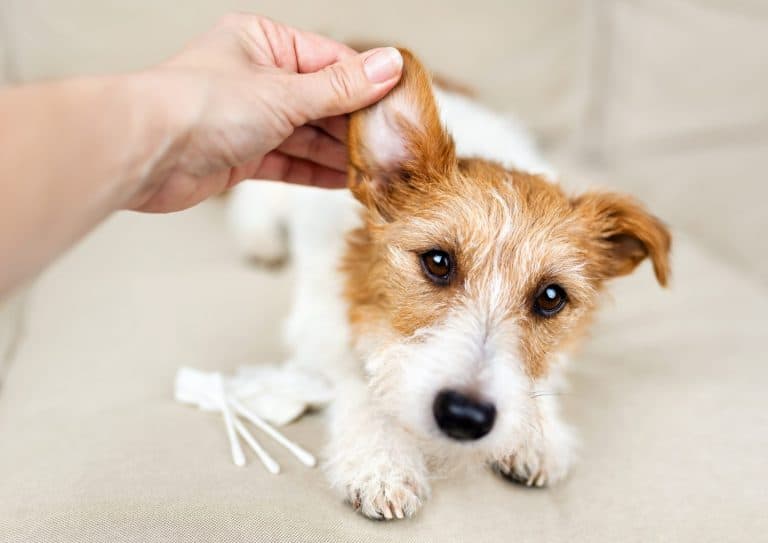
Cloning is an arduous process that is part science and part luck when successful.
©Romans14/Shutterstock.com
It probably goes out at least 60 to 80 years, to hundreds, where you could store cells that would be viable for doing cloning or other technologies.
Dr. P. Olof Olsson, the founder of Fujairah Research Centre
Since Dolly the sheep was first cloned in 1996, the field of animal cloning has advanced dramatically. From attempting to revive extinct animals to cloning a beloved pet, cloning currently appears to know no boundaries with the technology available today.
How exactly does cloning a pet happen, though? We talked to Dr. P. Olof Olsson, the founder of Fujairah Research Centre. Dr. Olsson, who has a master’s in biotechnology, explains the cloning process.
“The process involves collecting a biopsy or a form of growing cells and then once those cells can be cultured in a lab, they’re used as a donor cell or a donor nuclei for the somatic cell nuclear transfer process,” Dr. Olsson, whose doctoral work is on the preclinical side, focusing on cancer, tells A-Z Animals. “What that is, is a process in which an egg from the same species or a very similar one is enucleated (the DNA of the nucleus is removed) and the donor cell is put in.”
Dr. Olsson says that the egg has to be “activated.” Then, with some luck, the embryo will start to develop.
“That will basically develop the same way as any normal embryo, the difference being that the DNA from the pet donor cells has been reprogrammed. That would be the clone.”
“We need to do that a number of times,” Dr. Olsson continues. “Those are transferred into a surrogate or a recipient, and with a little bit of luck and care, we would get a clone from the pet after some time. So, whatever the gestation is. In the case of a dog, you’re looking at 60 days. Same for cats. If it would be a horse, you’re looking at almost a year.”
“That’s the basic method for creating a clone of a pet.”
In addition to the cloning process itself, biobanking is also part of the process. Thanks to biobanking, the cells collected from the donor animal can be frozen for years, or even decades, just waiting to be used to create a cloned animal.
“The other thing that’s important to mention is biobanking,” Dr. Olsson states. “If cells can be recovered either from a living animal or from a recently deceased one, then those cells can be grown and stored for quite some time in a biobank. It probably goes out at least 60 to 80 years, to hundreds, where you could store cells that would be viable for doing cloning or other technologies.”
Therefore, those who are even pondering cloning a pet may want to freeze the cells when a beloved pet dies. This allows pet owners to take their time deciding whether pet cloning is a good option for them and their family as a whole, once the grieving process is over.
What Makes a Pet a Good Match for Cloning?
Domestic and farm animals make good candidates for cloning.
©Jason Benz Bennee/Shutterstock.com
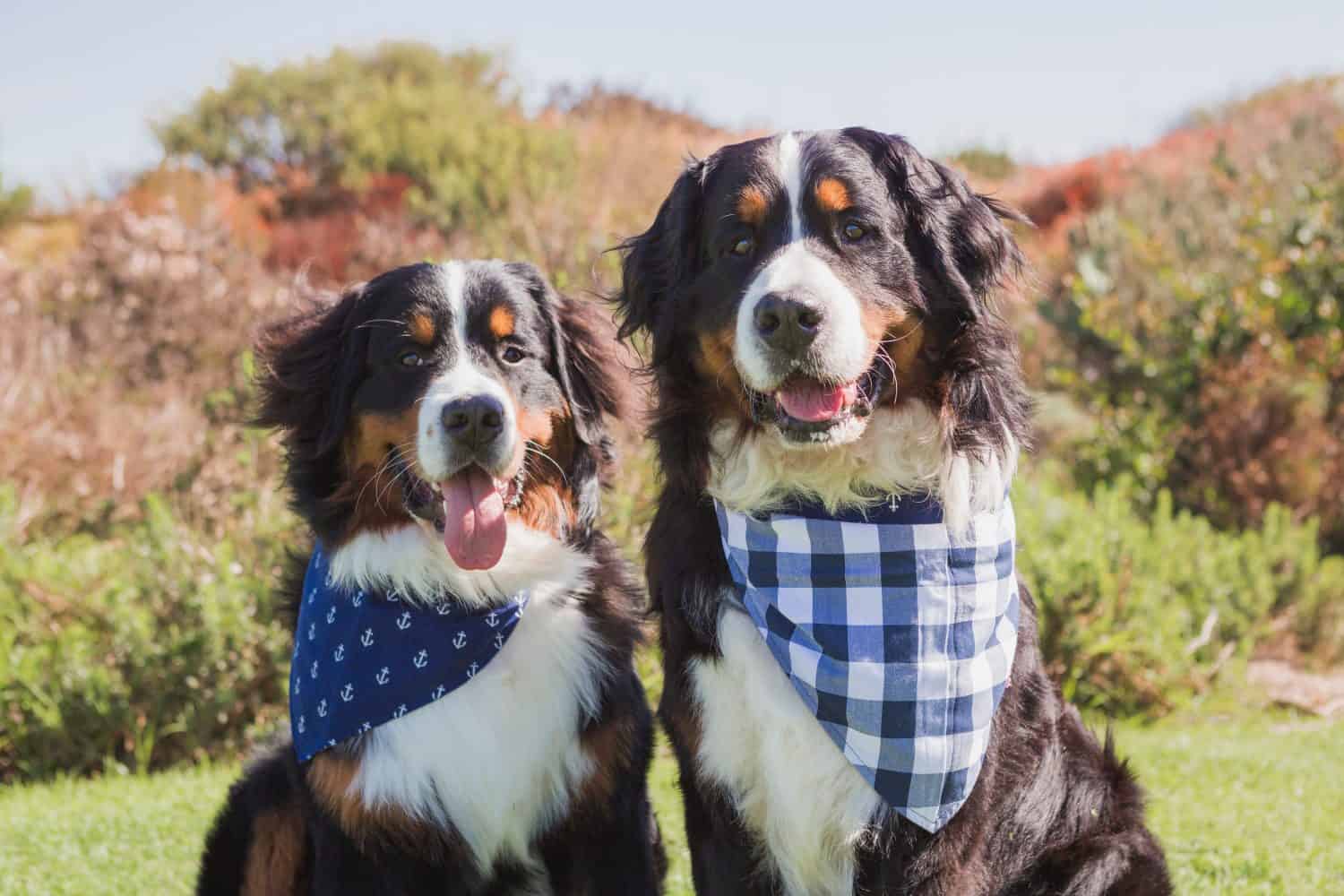
Most Americans have a pet they look back on fondly and wish were still with them. These pets likely had a gentle, fun disposition and were free of significant health issues. Tom Brady explained that his dog Lua was a member of the family, leading to his decision to clone her after she passed away in 2023. This cloning created new pup Junie. But not all pets are ideal for cloning; a few requirements, including the type of animal, must be met for a pet to be a good candidate for cloning.
“It would be any pet. The basic pets that are cloned right now are dogs, cats, horses, cattle, sheep, and goats,” Dr. Olsson explains to A-Z Animals. “Basically, domestic species. If it’s a bird or something different, it would be a little more challenging.”
Dr. Olsson says, “The first question would be, ‘Is it a species which is currently cloneable?’ The next question is, ‘Why would you like to do that?'”
It should be noted that animals with significant health issues are unlikely to be chosen as good candidates. However, this is a conversation that should be had with both veterinarians and cloning experts to determine whether a pet is a viable candidate for the cloning technology currently available.
What Is the Cost for Cloning a Beloved Pet?
Cloning a pet can cost between ,000 and 0,000, depending on where the procedure is done.
©Ludologist/Shutterstock.com
For those who believe their pet is a good match for cloning, be aware that the price tag is not small, according to Dr. Olsson. Additionally, it may take more than one attempt to create a clone when transferring the embryo to the recipient animal, which will drive prices higher.
“The cost is going to be dependent on where you get it done,” Dr. Olsson explains to A-Z Animals. “The general cost now is somewhere between $50,000 and $100,000.”
There are also storage fees to consider for those who have cells they would like to bank for the future. The cost varies by location and can run anywhere from hundreds to thousands per year.
Medical Issues in Cloned Pets Are Still Not Known
Cloned pets may be more susceptible to diseases than the original pet.
©Sari ONeal/Shutterstock.com
When debating whether to clone an animal, the original pet’s health history should be considered. According to Dr. Grant Little, a Nebraska-based veterinarian, if the original pet had genetic health issues, those same problems would present in the cloned pet. This raises an ethical issue of whether it is right to create a cloned animal that will knowingly suffer health issues. Most in the veterinary community, as well as the scientific community, advises against cloning animals in this case.
“When we look at how pets can be more susceptible to certain diseases, conditions, etc., we have to look at the population at large and know the data over time,” Dr. Little states. “We don’t have a lot of time down this road of cloning to know how much more prone they are to certain issues. Questions that need to be asked are: ‘Does this patient develop a normal immunity?’ ‘Are miscarriage rates higher?’ ‘How does nurture play into this?’ It’s one of those questions that opens the door for more questions because it’s all one big experiment at this time.”
“With that said,” Dr. Little, who has several years of experience as a veterinarian, tells A-Z Animals, “early data does indicate that it can be an issue. We have issues with fertility for them, developmental immunity, developmental defects, and other causes that can be present. It doesn’t appear to be as safe as the natural method. This makes sense as well because the body is such a complex system that needs all the right levels, the right hormones, the right environment, etc., to grow well.”
Dr. Little continues, “If we modify those things slightly, we can get drastically different outcomes. It is engineered to do a specific thing, and the more we dabble in that, the more problems could potentially arise.”
Personality Of Pet Boils Down to Nature Versus Nurture
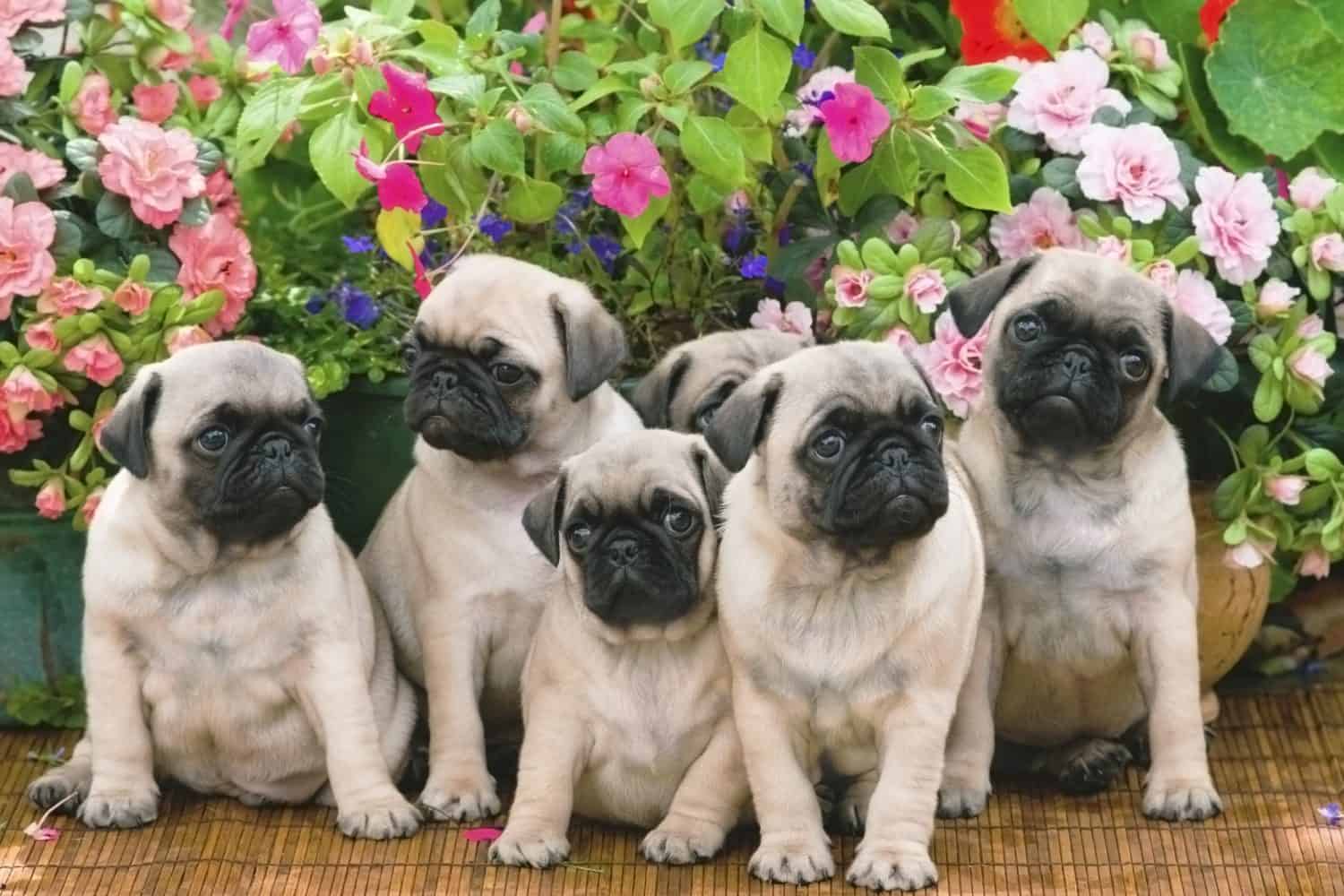
Whether the personality of a cloned pet will be similar to that of the donor is all based on nature versus nurture.
©Dancestrokes/Shutterstock.com
The process of cloning a pet is very clinical. It is relatively easy these days to replicate a pet’s DNA. What is not so easy is ensuring the personality of the cloned pet will be on par with the original. Both Dr. Little and Dr. Olsson agree that when it comes to the personality of a cloned animal and how close it will be to the original pet, it boils down to nature versus nurture.
“We know that a person’s and a pet’s personality is dependent on several factors: nurture vs. nature,” Dr. Little explains to A-Z Animals. “In this mindset, nurture is the environment you grew up in. It’s the smells present, the food you were given, the loving home you were in, or the terrible situation you were in. This alters people’s psychology and does the same for pets as well.”
Dr. Olsson likens the clone to that of an “identical twin.” The original and the clone may look alike, but if the conditions they grow up in are different, the personalities will be different as well.
“Whether or not that clone has the same personality and temperament is a question of nature versus nurture,” Dr. Olsson says. “You can think of a clone like an identical twin that is just born later. If the conditions are identical, then the likelihood is that you will have something very, very similar. If the conditions are not identical, then you might see some variation.”
Dr. Olsson continues with A-Z Animals, “We’ve seen this in dogs, for instance. One that I even had was very similar to the other clones that were there, and they had some strange affinities that were unique to them, which was quite fun to see.”
“Generally speaking, they are the same, both in temperament and physical appearance, but there will be some slight developmental differences, like when our fingerprints develop,” Dr. Olsson explains. “They wouldn’t be the same between twins.”
The Drawbacks That Exist When Cloning a Pet
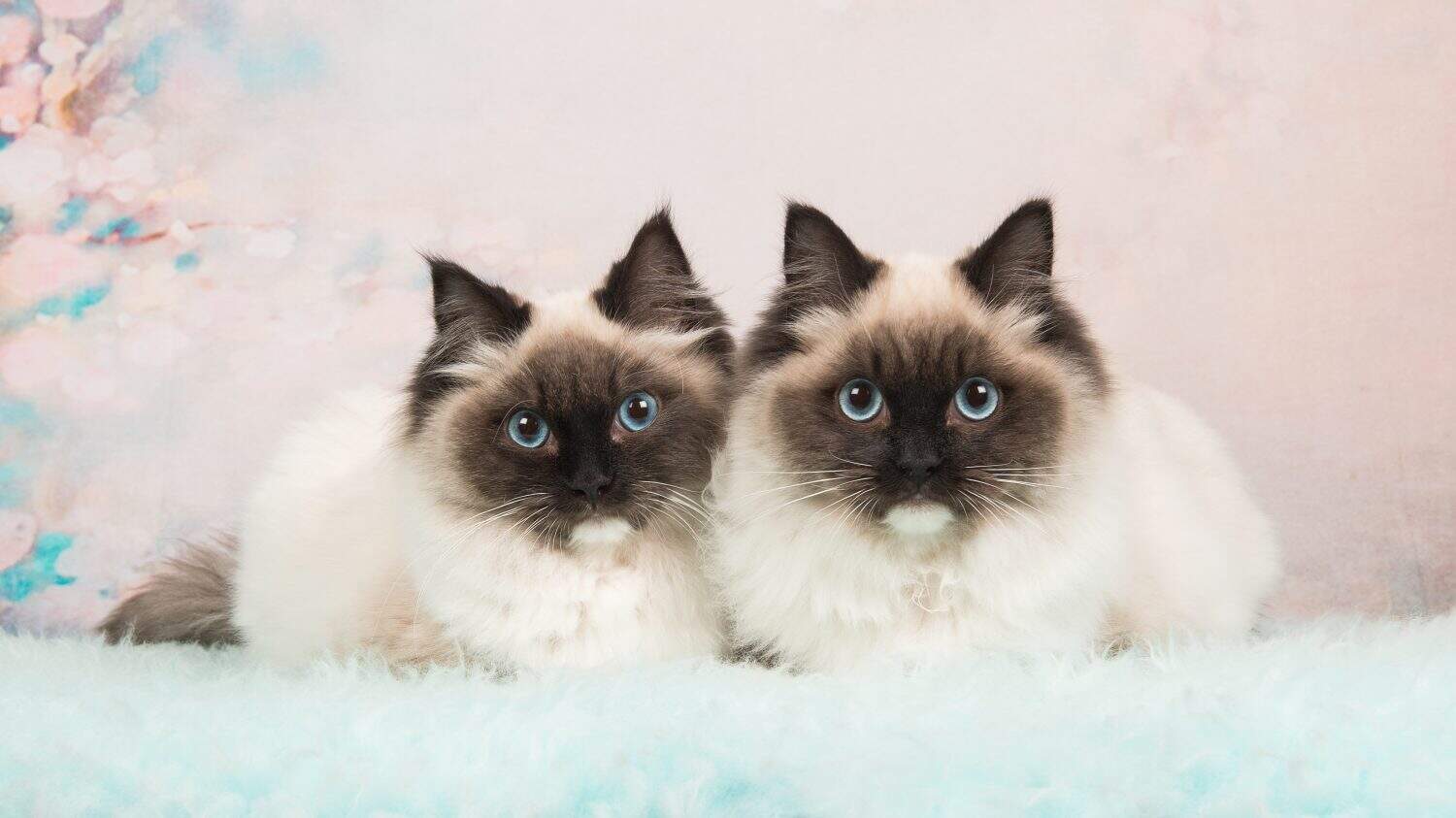
The cost is the biggest drawback when it comes to cloning pets.
©MirasWonderland/Shutterstock.com
While there are plenty of positives for pet owners when it comes to cloning their pets, there are always two sides to the coin. According to Dr. Olsson though, the drawbacks are few.
“The cost I think is the first [negative]. I don’t foresee any other real negatives other than that,” Dr. Olsson states. “It is like an identical twin and not an exact copy. So, it wouldn’t be the same animal, but it is the closest approximation that you can get.”
Dr. Olsson continues, “Sometimes you can get multiples, which you can see as a negative or a benefit because more than one embryo would be transferred because of the efficiency requirements for that to be done.”
Many of us struggle to say goodbye to our beloved pet when the time comes for them to cross the rainbow bridge. Cloning can be a way to avoid completely saying goodbye. However, owners should remember that the cloned pet is its own animal. It may or may not have similar personality traits to the original. As long as pet parents understand this, those who have the money to spend will likely not be disappointed by the process.