
Quick Take
- One ant queen produces workers without any male of her own species, and the biological trick she uses to make that possible rewrites what we thought reproduction could do. See how she breaks the rules →
- Hybrid workers have been found over 600 miles from the nearest male who could have fathered them, and the explanation isn't what you'd expect. Explore the sperm parasitism →
- Half the males collected from these colonies turned out to belong to a completely different species, and the way the queen pulls that off has never been recorded in any ant before. Discover the cloning mechanism →
- These cloned males are essentially captives living far outside their natural range, but they may not be the victims this arrangement makes them appear to be. Examine the cloned males' lives →
The whole point of reproduction is that you produce more of your own species, right? Well, not exactly, and not if you are an Iberian harvester ant (Messor ibericus). Amazingly, this ant can propagate individuals of two different species by itself. Let us introduce you to the ant that has rewritten the evolutionary rule book.
Meet the Iberian Harvester Ant
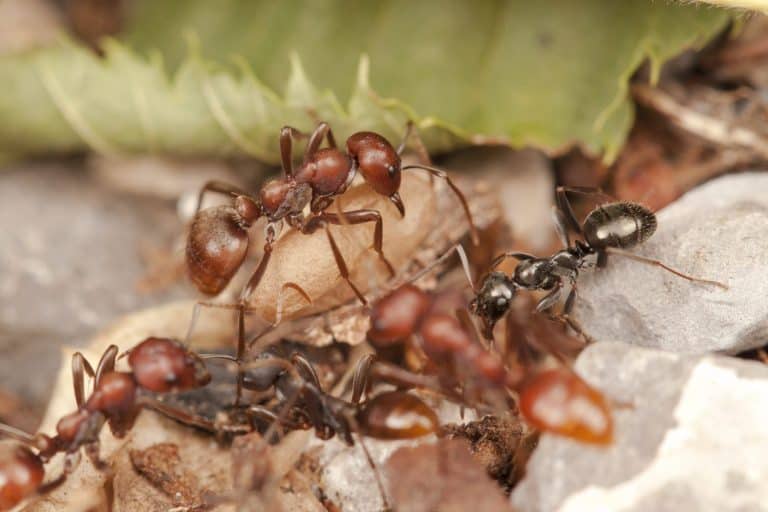
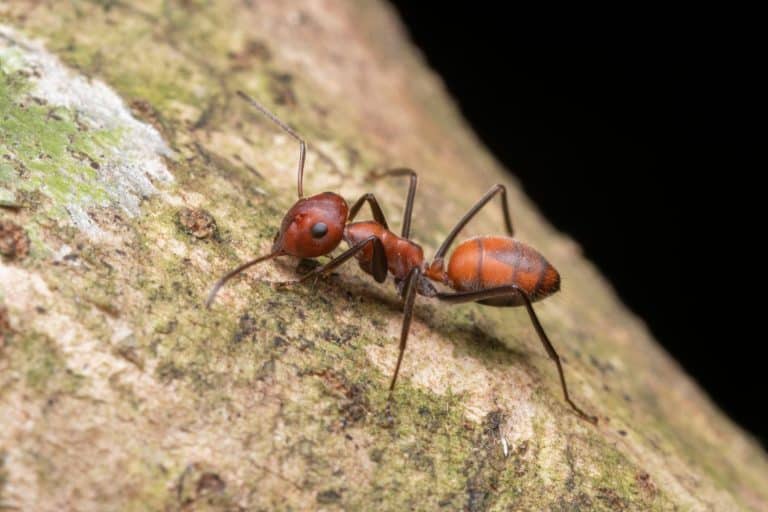
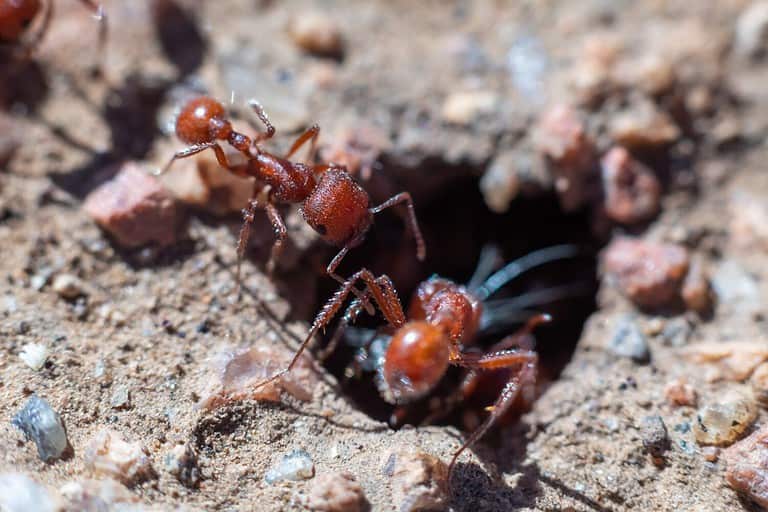
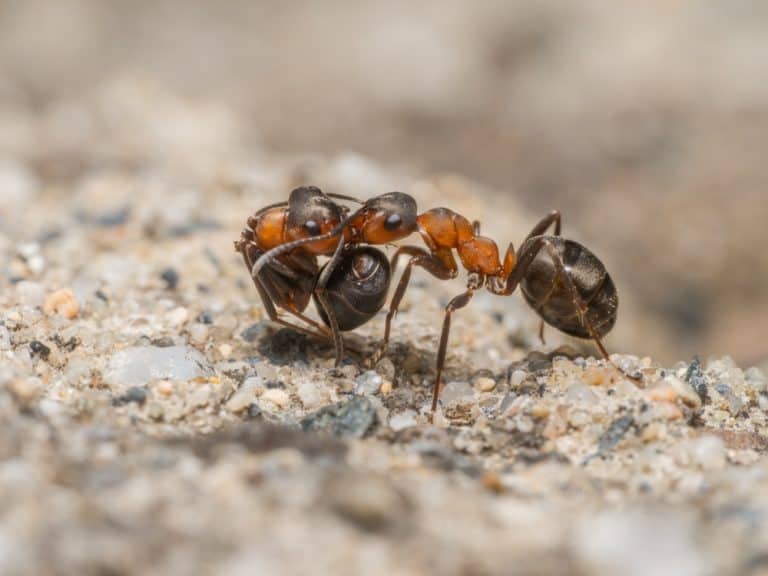
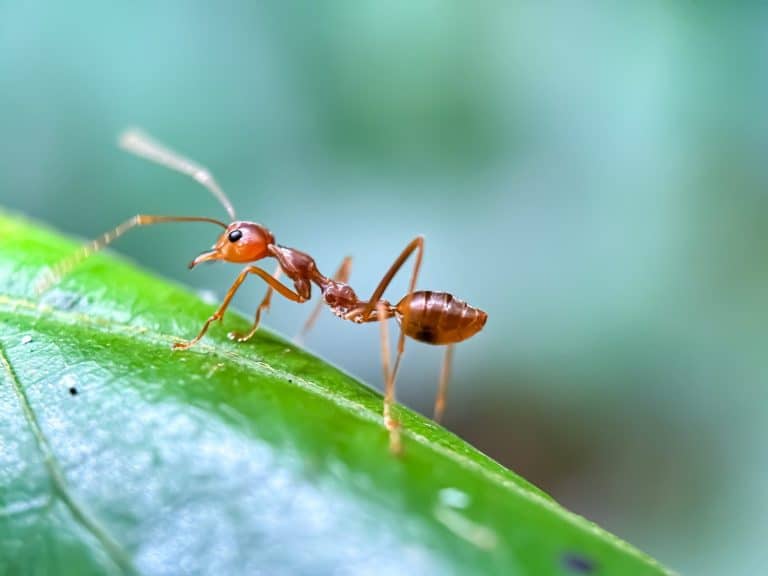
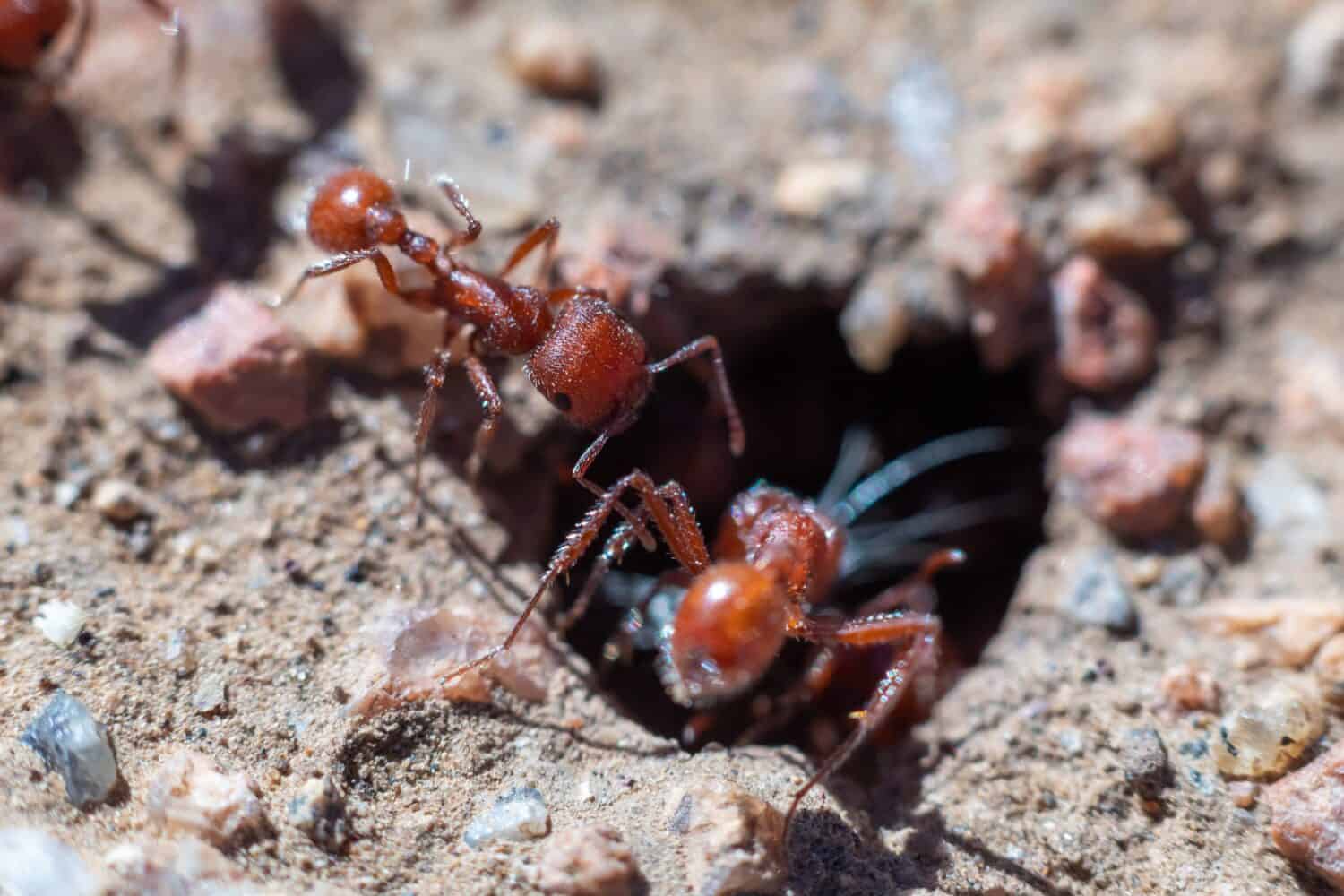
This harvester ant lives throughout Europe, but, as their name suggests, they are most commonly associated with the Iberian Peninsula. Here, they tend to live in open, dry areas and feed on seeds. They are a reddish-brown color, and the queens can reach around 0.4 inches, although the workers are smaller.
Their colonies live in nests of up to 10,000 ants, which are usually found in soil, rotting wood, or under stones. The queen is the only fertile female, and she is the one who lays eggs. The worker ants tend to her, look after the developing young, and forage for food.
Bending the Rules of Reproduction
In general, organisms either reproduce by cloning (producing an exact copy of themselves) or by sexual reproduction, where there is an interaction of males and females. Whatever the route, the offspring produced are the same morphs (versions) of that species. Social insects such as ants and honey bees can have a more complicated arrangement. The queen typically mates before establishing her colony and stores the sperm to use for the rest of her life.
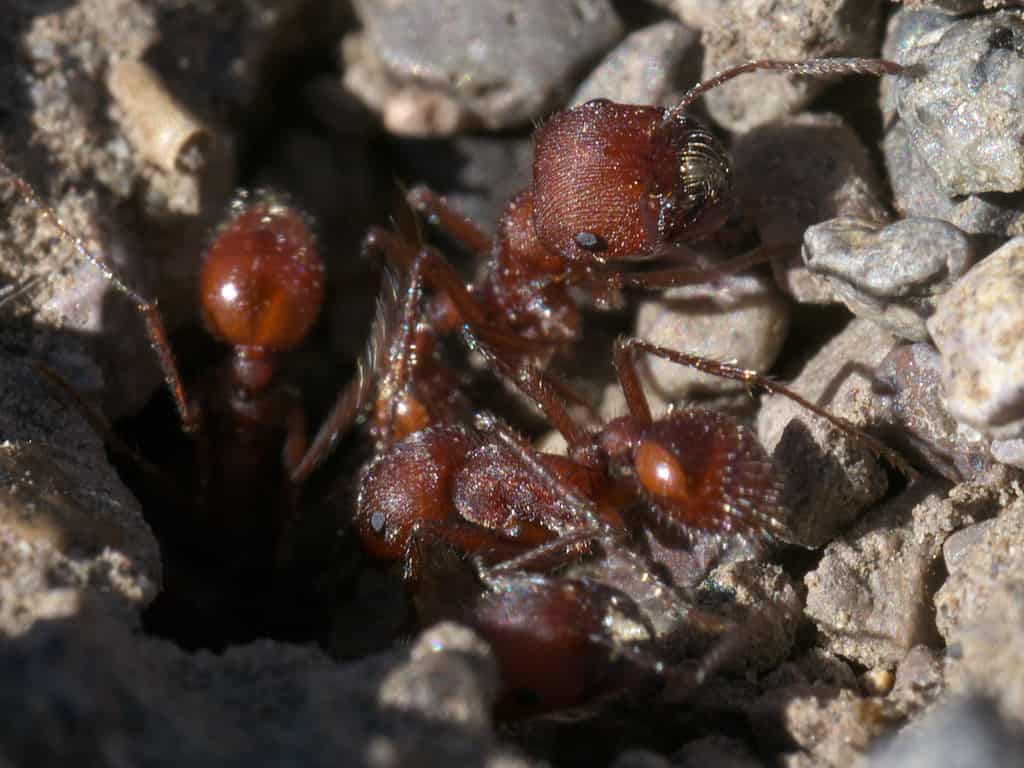
Queens are in charge of ant colonies.
She can produce different types of morphs (often called castes) depending on seasonal conditions and population density. Fertilized eggs can develop into either workers or future queens. However, all of these different morphs are still the same species as their parents. Meanwhile, the males grow from unfertilized eggs, grow wings, and leave the colony to mate with new queens. This is how new colonies are established.
The Iberian harvester ant can do something completely unheard of in any other species discovered so far: its queens can produce hybrid workers and also produce males that are genetic clones of another species. How is this biologically possible?
Using Sperm From Another Species
Iberian harvester ant queens cannot produce workers unless they mate with males of another species. Genetic studies of European ant species have shown that the workers of this species are hybrids. They all have the same mother—the queen of the colony. However, their dad was identified as an entirely different species, namely Messor structor. This is another species of harvester ant native to the Mediterranean region.
This is a type of sperm parasitism where the queen of one species exploits sperm from another species to produce workers. What is so remarkable about this is that the two species do not even share the same distribution area. These hybrid workers are found across Southern Europe, even though their dads are totally absent from some of these areas. A typical example is the Italian island of Sicily. First-generation hybrid workers are found here, but the closest Messor structor ants are over 600 miles away! How can this be possible?
Investigating the Bizarre Reproduction of Iberian Harvester Ants
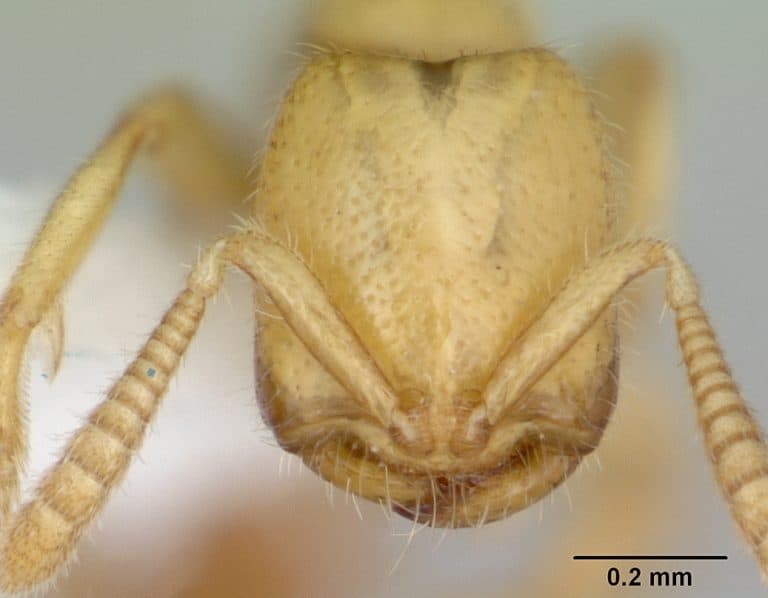
To solve this mystery, scientists collected 132 males from 26 colonies. They found that half of the males were hairless and resembled M. structor. These ants had the mitochondrial DNA of M. ibericus, which is inherited from the mother, indicating they were produced by an M. ibericus queen. However, their nuclear genes came from M. structor.
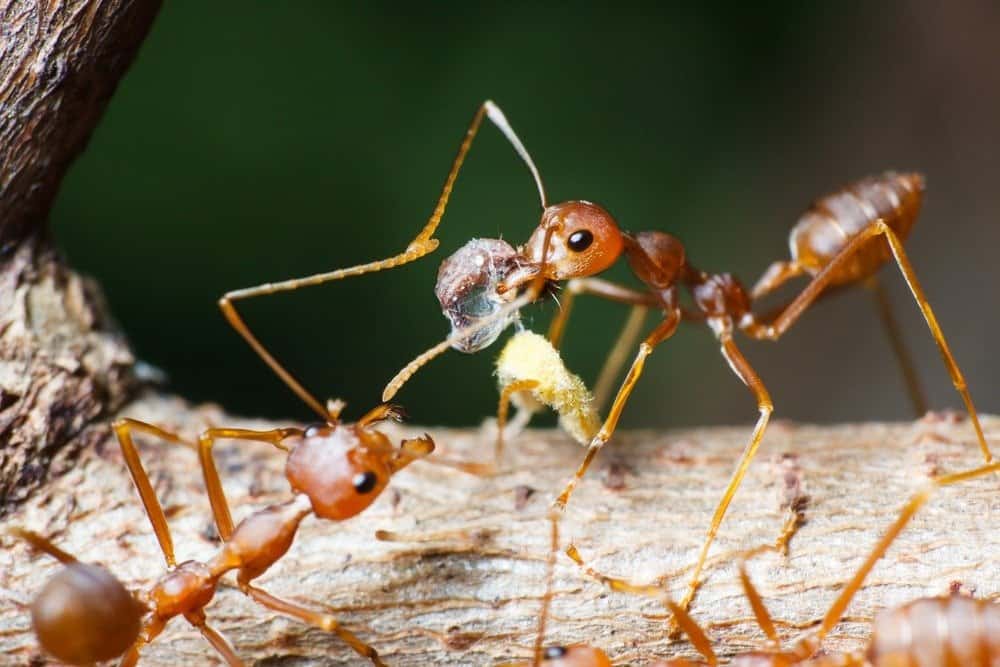
Harvester ants have a complicated reproduction method.
©Deer worawut/Shutterstock.com
Scientists suspect that the M. ibericus queen mates with an M. structor male, and his sperm fertilizes her eggs. She then flies to a different area to establish her nest. There, she removes her own genetic material from the egg’s nucleus, preventing normal fertilization. As a result, the egg develops into a male rather than a sterile female worker. These cloned males are kept in the nest and are used to create hybrid workers in areas where no M. structor are naturally found. This is the first recorded instance of any ant species cloning another species. These two species are not even very closely related! Genetic evidence shows that they shared a common ancestor 5 million years ago.
The Life of a Cloned M. structor Male
In many ways, the cloned males are captives. They are being forced to live outside of their natural range, and they have no chance of mating with a queen of their own species. Also, the queen seems to be in control of how many of them get to live.
Viewed another way, however, the two species are sexually interdependent. In areas without M. structor nests, the males at least have the opportunity to reproduce themselves as clones. These species are employing nearly every possible method of reproduction simultaneously.