
Quick Take
- The Eastern bluebird has been recognized as the Missouri state bird for almost 100 years.
- The Missouri fox-trotter horse is a unique breed developed in the state.
- American bullfrogs lay up to 20,000 eggs in one clutch.
Missouri is a diverse state, featuring beautiful natural scenery, such as the Lake of the Ozarks, and fascinating creatures, such as the hellbender salamander. Missouri has recognized 15 animals as state symbols. These creatures range from an insect to a dinosaur. Continue reading to discover Missouri’s 15 state animals and learn why they are significant.
Bird: Eastern Bluebird
The state bird of Missouri is the Eastern bluebird (Sialia sialis). It was introduced as the state bird on March 30, 1927. The species is native to the state and represents happiness.
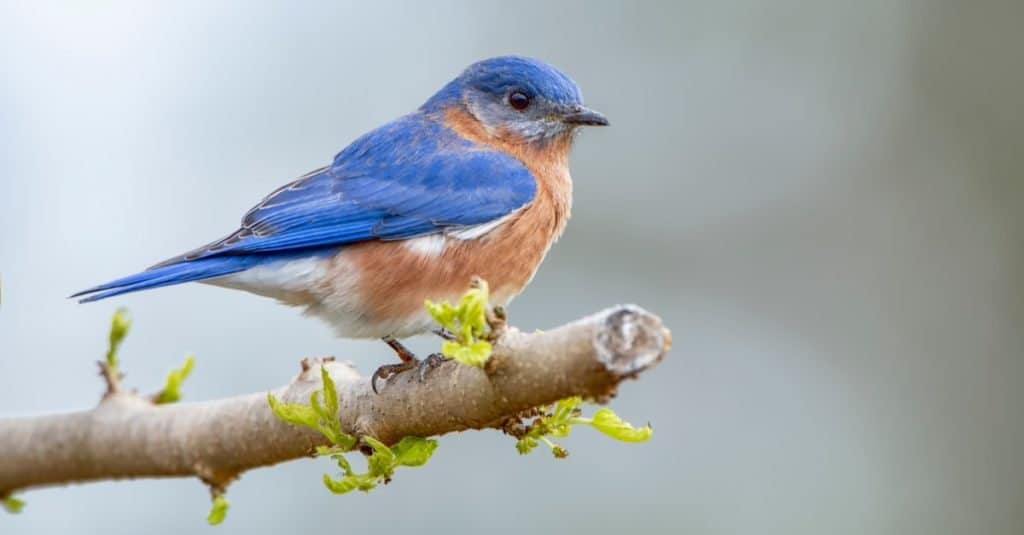
Blue plumage, a rust-colored belly, and patches of white on its undercarriage are trademarks of the Eastern Bluebird.
©Bonnie Taylor Barry/Shutterstock.com
The Eastern bluebird measures between 6.3 and 8.3 inches in length and has a wingspan stretching to over a foot long. Eastern bluebirds live in open spaces, such as meadows, which are typically surrounded by trees for nesting.
Insect: Honeybee
Missouri’s state insect, the honeybee (Apis mellifera), was officially recognized on July 3, 1985. Honeybees typically live in hives or nests and communicate with one another through dance-like movements.
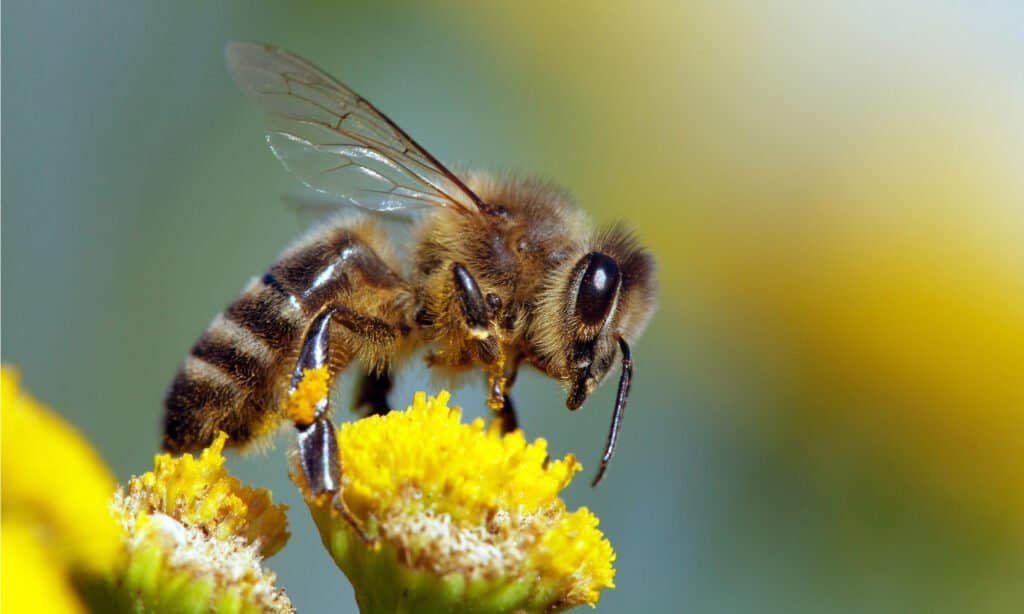
Primarily living in hives or nests, honeybees communicate with one another through dance-like movements.
©Daniel Prudek/Shutterstock.com
Honeybees are a cosmopolitan species found on every continent except Antarctica. While they are native to Africa, the Middle East, and Europe, human transportation for honey and pollination has introduced them worldwide.
Fossil: Crinoid
Missouri’s state fossil, the extinct crinoid species Eperisocrinus missouriensis (formerly Delocrinus missouriensis), was officially recognized in 1989. Crinoids (Crinoidea) are a class of marine invertebrates that permanently attach themselves to the sea floor as adults. Because of this, they are often called sea lilies. Today, there are approximately 700 known extant crinoid species. Fossil records from the mid-Paleozoic era to the Jurassic period show that crinoids were much more abundant and diverse in Earth’s past.
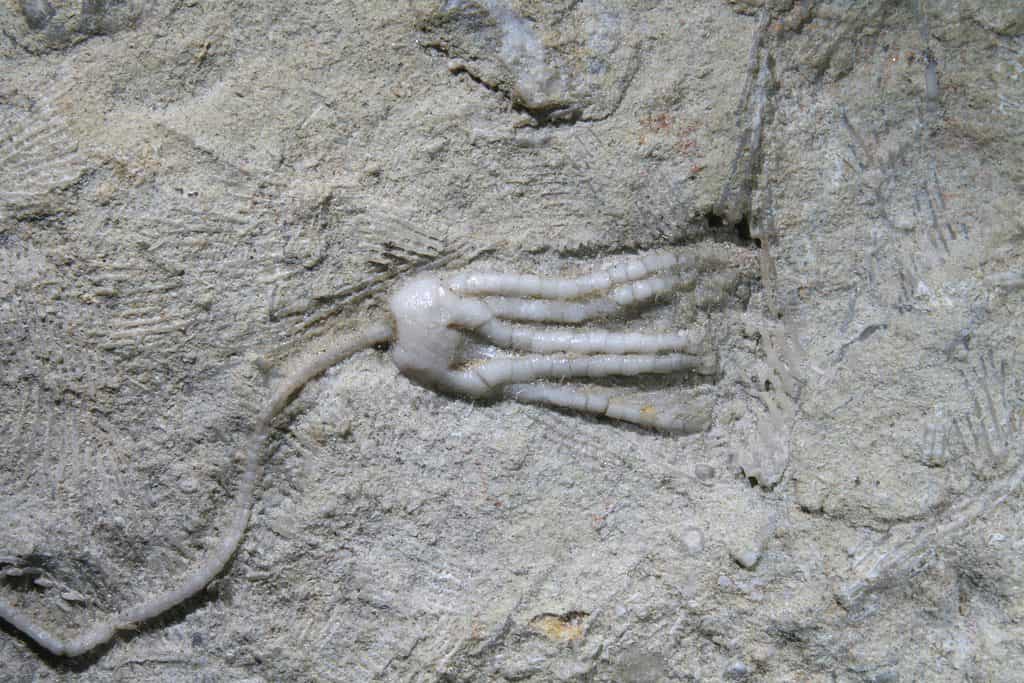
A complete crinoid fossil.
©Michael LaMonica/Shutterstock.com
Missouri’s state fossil specifically honors the vast, shallow, tropical seas that formerly covered the region, leaving behind a rich, crinoid-packed geological history. Crinoid fossils are often embedded in limestone and visible in buildings such as the Jasper County Courthouse in Carthage, Missouri, as well as other limestone structures.
Animal: Missouri Mule
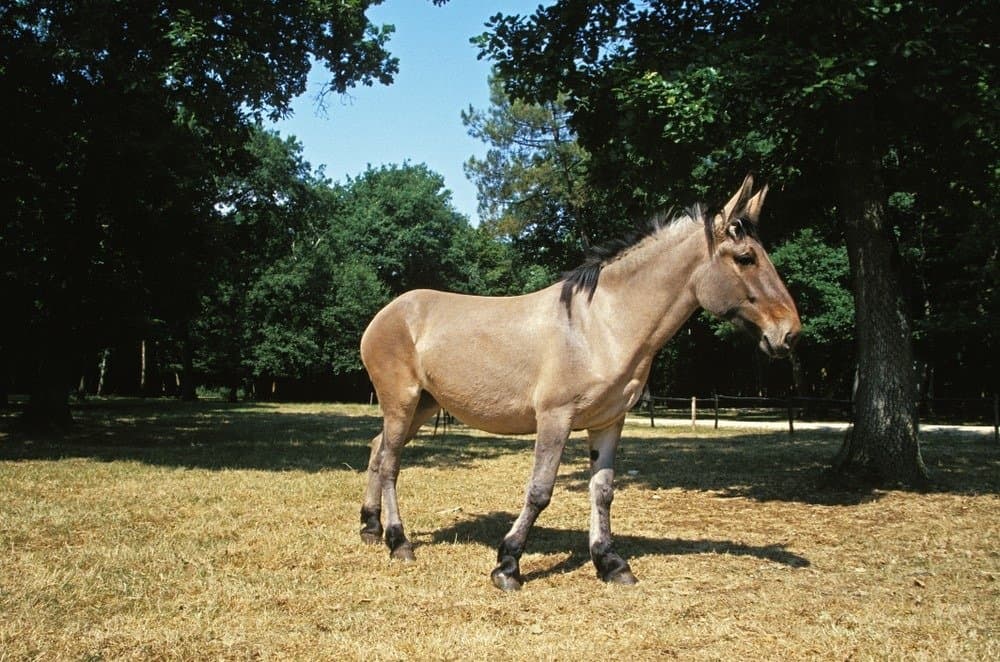
For many Missouri residents, the animal represents heritage and persistence.
©slowmotiongli/Shutterstock.com
The Missouri mule (Equus asinus x Equus caballus) has held the title of Missouri’s state animal since May 31, 1995. When the Missouri mule first came to the state in the early 1800s, mules were used for agricultural purposes. A mule is the hybrid offspring of a male donkey (jack) and a female horse (mare). This specific pairing creates an animal known for its intelligence, strength, and endurance. For many Missouri residents, the animal represents heritage and persistence.
Aquatic Animal: Paddlefish
Missouri’s state aquatic animal, the paddlefish (Polyodon spathula), was officially recognized on May 23, 1997. Paddlefish are found in the Mississippi, Missouri, and Osage rivers. They are freshwater fish with a long, paddle-shaped snout called a rostrum. They use their massive paddle-shaped snouts to detect prey using electroreceptors and swim with open, toothless mouths to filter-feed on microscopic zooplankton.
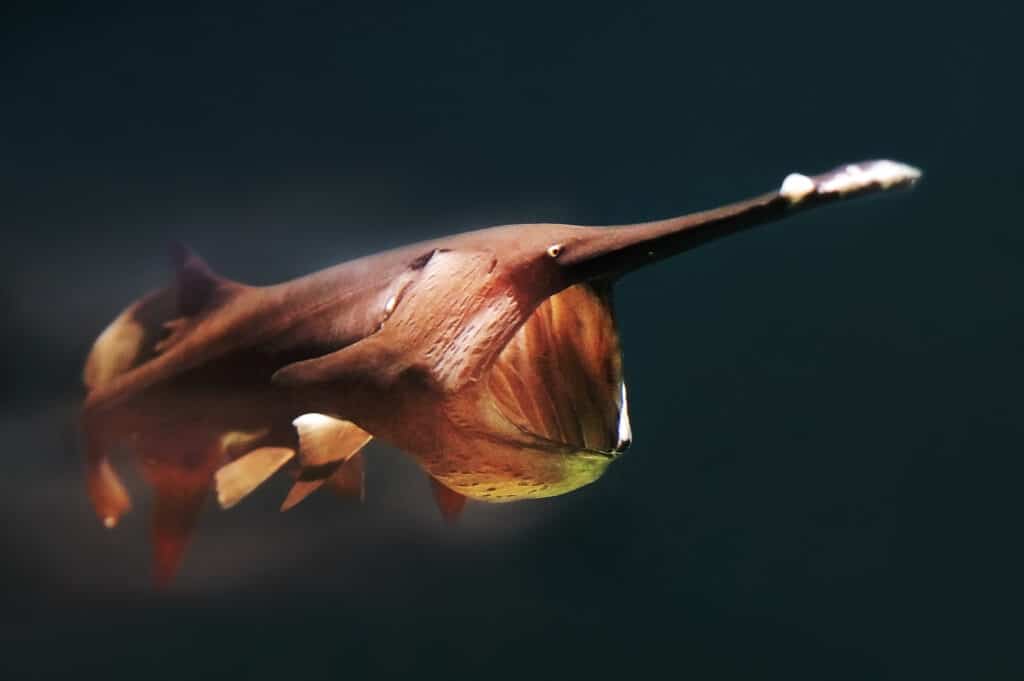
Paddlefish are typically drab green, gray, or brown. They weigh an average of 40 pounds and are approximately 5 feet long.
©Marina Veder/Shutterstock.com
Fish: Channel Catfish
On May 23, 1997, the channel catfish (Ictalurus punctatus) was declared the state fish of Missouri. Channel catfish native to Missouri range between 12 and 32 inches long and can weigh up to 15 pounds.
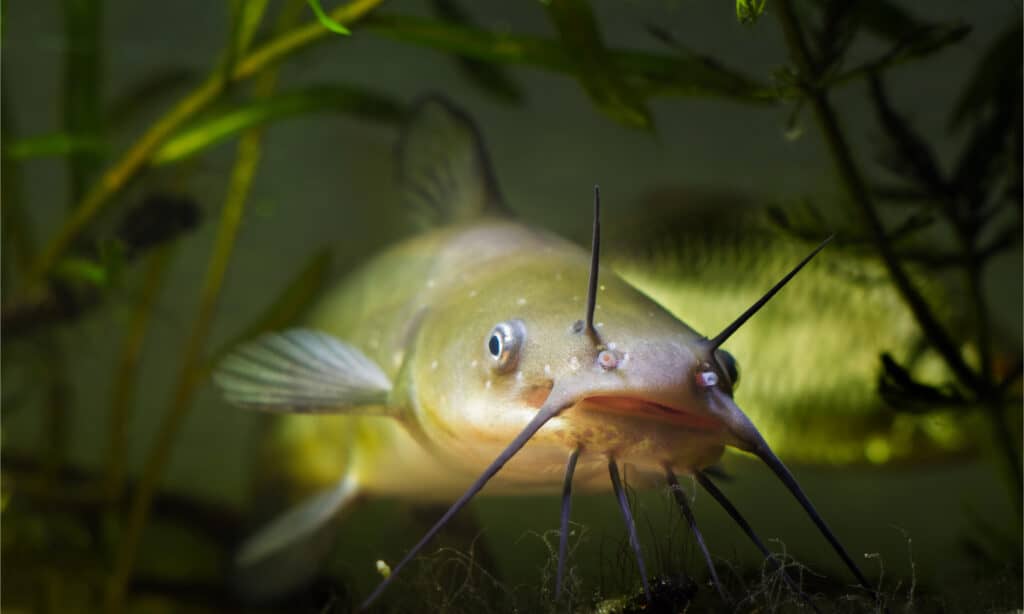
Channel catfish are often described as swimming tongues because they possess taste buds over their entire body, particularly on their barbels, allowing them to taste their environment and find food in murky water.
©Aleron Val/Shutterstock.com
Mating season for the channel catfish occurs during spring and summer, between the months of April and July. Channel catfish are primarily bottom feeders and opportunistic scavengers that use their sensitive barbels (whiskers) and taste buds to locate food along the bottom of rivers, lakes, and ponds.
Horse: Missouri Fox Trotter
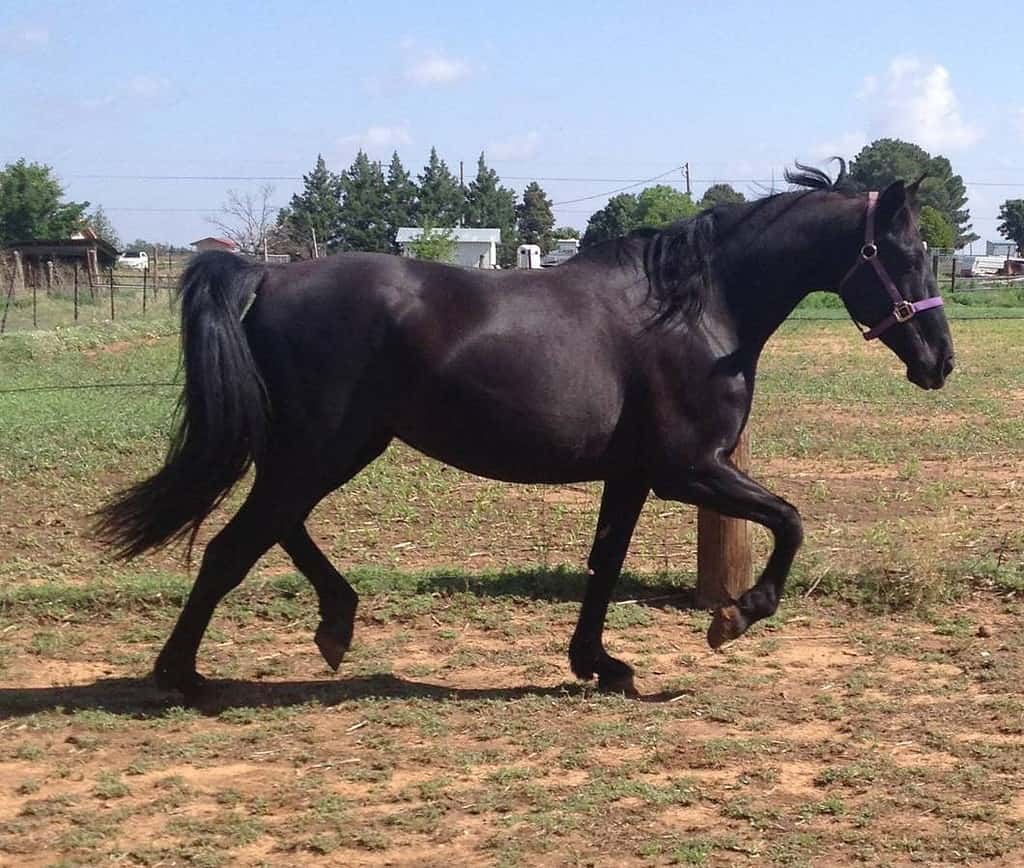
Fox trotters are gentle, willing, and easy to train.
Missouri recognized the Missouri Fox Trotter (Equus ferus caballus) as the state horse on June 4, 2002. Early settlers in Missouri developed this horse breed. Its signature fox trot is a unique gait in which the horse walks with its front feet and trots with its hind feet, creating a smooth ride because at least one foot always remains on the ground.
Missouri Fox Trotter horses come in a wide variety of colors, featuring both solid colors and pinto (spotted) patterns.
Dinosaur: Parrosaurus Missouriense
The Parrosaurus missouriense, formerly Hypsibema missouriense, was officially recognized as the Missouri state dinosaur on July 9, 2004. A type of Hadrosaur, Parrosaurus missouriense, had a duck-like bill. It likely resided in the state during the Late Cretaceous Period. Although it had over 1,000 individual teeth, Parrosaurus missouriense was an herbivore. The dinosaur likely weighed over three tons and stood an impressive 10 feet tall.
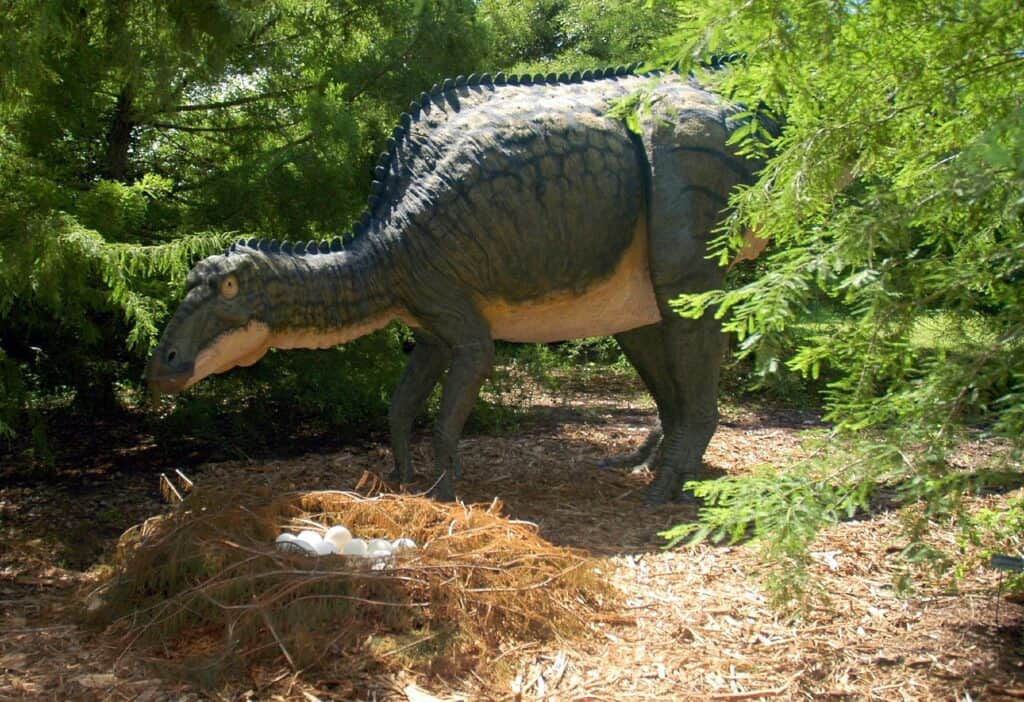
This image illustrates what a Parrosaurus Missouriense might have looked like.
Parrosaurus Missouriense is the only dinosaur species whose remains have been discovered in the state. Found in 1942 at the Chronister site, near Glen Allen, Missouri, this duck-billed dinosaur represents a unique, native, and historically significant prehistoric inhabitant.
Amphibian: American Bullfrog
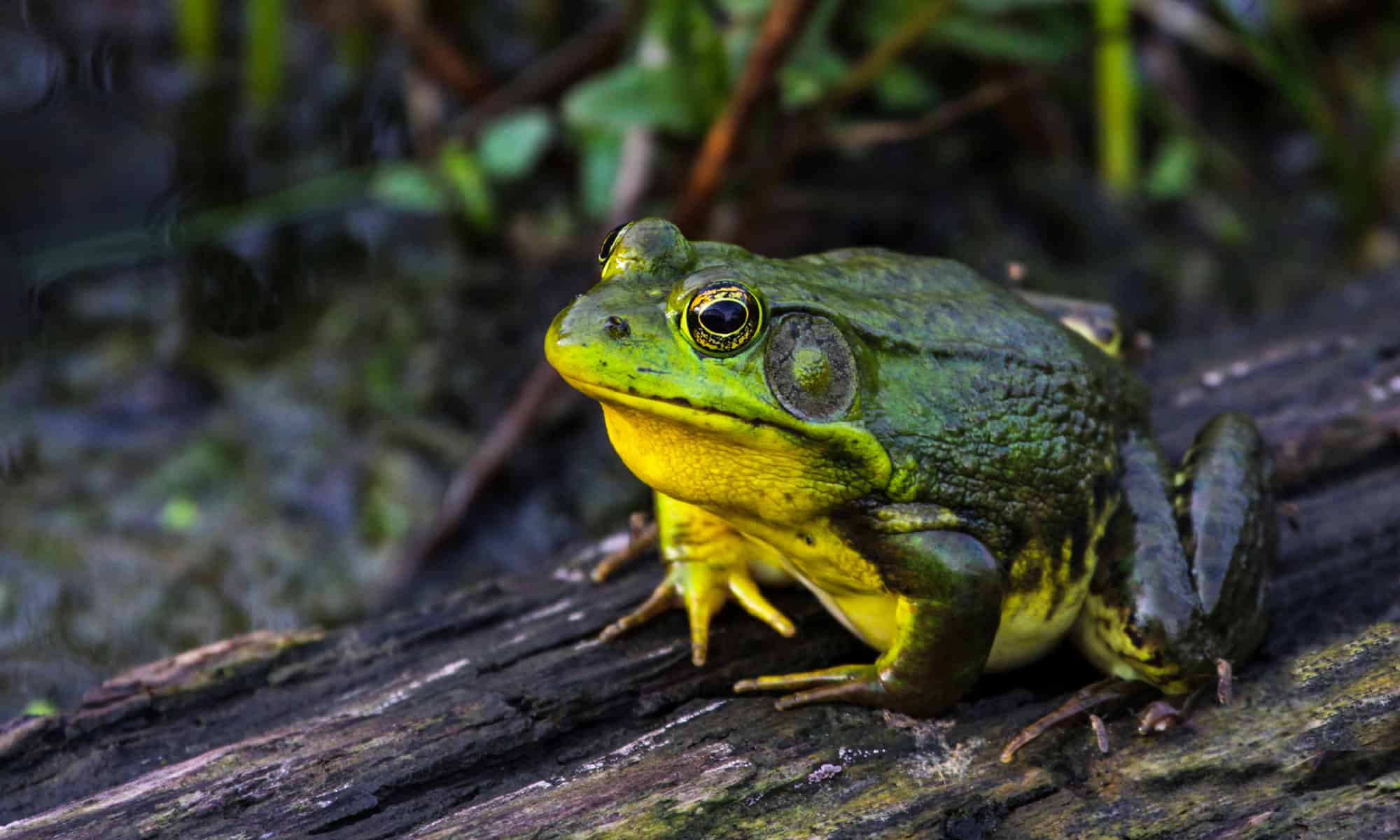
The American bullfrog (Lithobates catesbeianus) was introduced as Missouri’s state amphibian on June 5, 2005. The frog is found throughout the state and is the largest frog indigenous to Missouri.
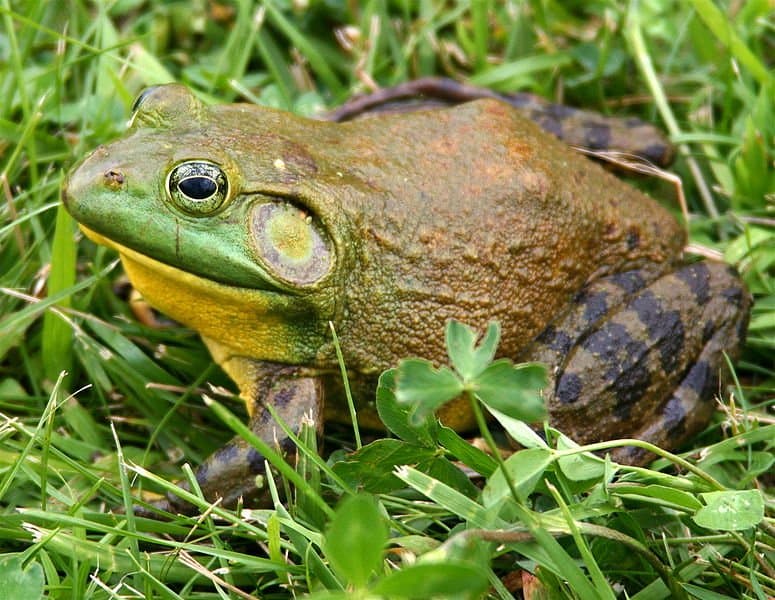
The American bullfrog ranges from green to brown, with dark brown speckles.
©Carl D. Howe / Creative Commons – Original
Female American bullfrogs can lay up to 20,000 eggs in one clutch. The habitat of the American bullfrog includes the shallow waters of ponds, lakes, streams, and rivers. These frogs are medium-sized, weighing up to one pound and reaching a maximum length of 8 inches.
Game Bird: Bobwhite Quail
The bobwhite quail has been Missouri’s state game bird since July 13, 2007. This game bird is found in forests, grasslands, and fields.
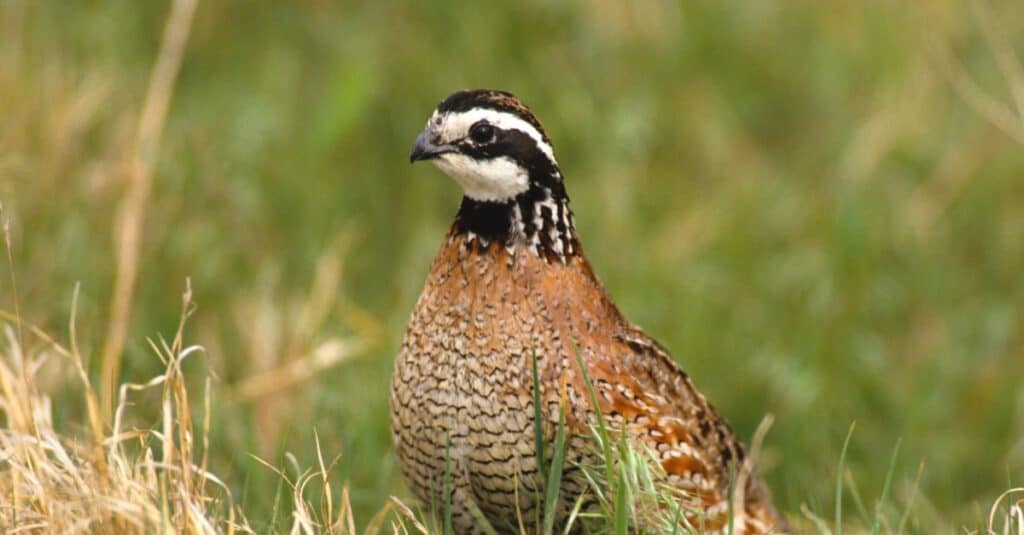
The bobwhite quail has an ornate arrangement of brown, white, black, and rust-colored feathers. Its head is striped black and white.
©iStock.com/twildlife
During the cold months, bobwhite quail, which are often solitary or in pairs during the summer, gather into social groups of roughly 8 to 20 birds called coveys to survive.
These groups forage together and huddle in tight, circular, outward-facing formations at night to conserve body heat and detect predators. The bobwhite is recognized by its characteristic two-note whistle, which famously sounds like its name.
Invertebrate: Crayfish
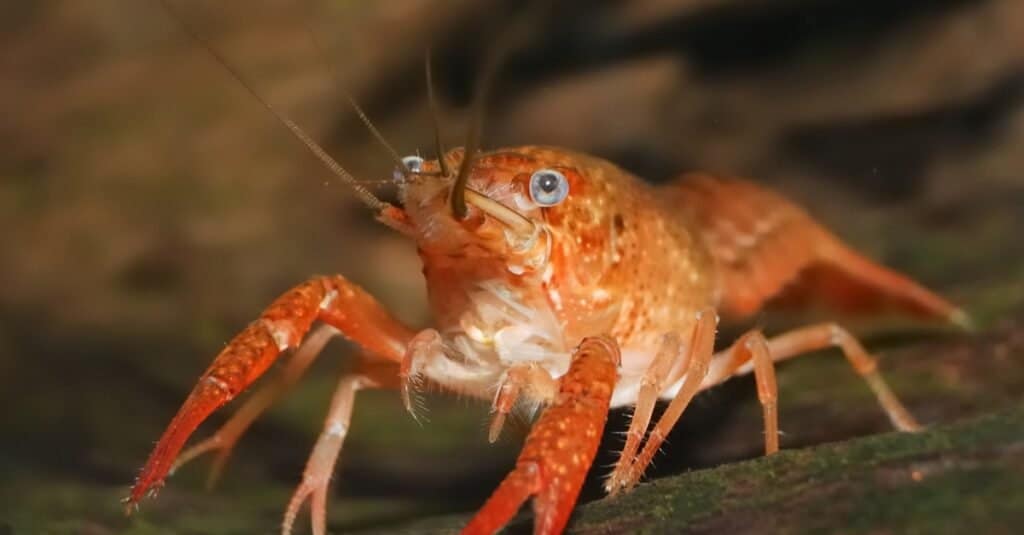
Crayfish come in a variety of sizes and can be green, red, brown, or a muted yellow.
©Alex Stemmers/Shutterstock.com
The Missouri state invertebrate is the crayfish, also called crawfish or crawdads. The crayfish was officially designated as the state invertebrate of Missouri on June 21, 2007. No single species is designated as the official state crayfish; instead, the proclamation includes all crayfish species found in Missouri. Crayfish come in a variety of sizes, from less than one inch to over 31 inches long.
Reptile: Three-Toed Box Turtle
On June 21, 2007, the state named the three-toed box turtle (Terrapene carolina triunguis) Missouri’s reptile. These turtles live on land, and their shells are typically olive green or brown. The three-toed box turtle is commonly found in Central and Southern Missouri, with smaller populations in the northern part of the state.
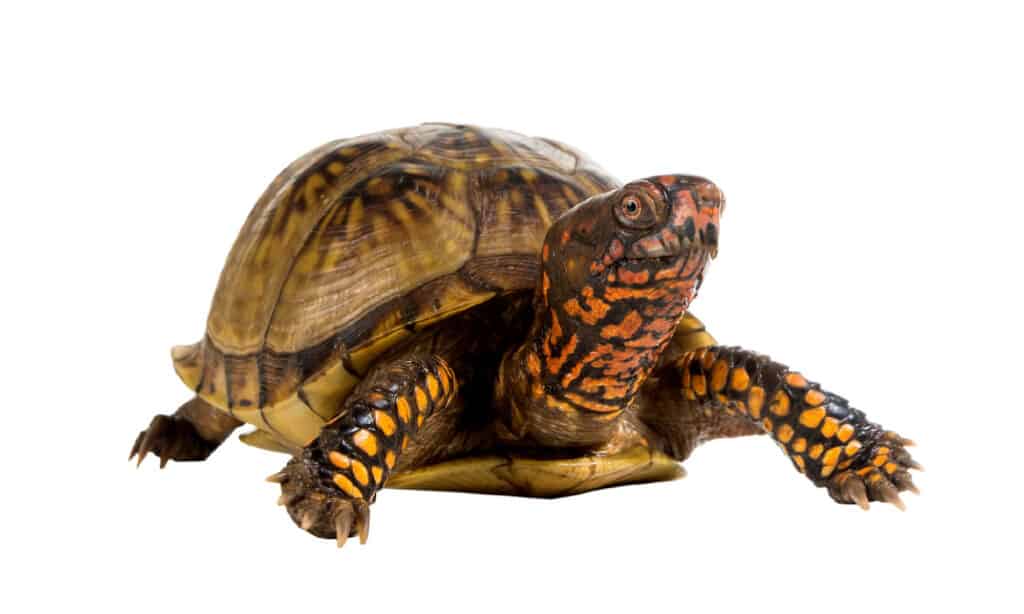
Their common name derives from their hind legs, which typically have three toes.
©iStock.com/irin717
Three-toed box turtles inhabit woodlands and grasslands. They are opportunistic omnivores that consume both plant and animal matter. Their diet includes fruits, berries, mushrooms, roots, insects, snails, worms, and small vertebrates like frogs or salamanders.
Historical Dog: Old Drum
Missouri officially initiated its historical dog on August 28, 2017. In 1869, a hunting dog named Old Drum grew to national prominence after he was killed. Old Drum’s owner, Charles Burden, sued his neighbor Leonidas Hornsby, the perpetrator, for $100. The case made its way to the Missouri Supreme Court.
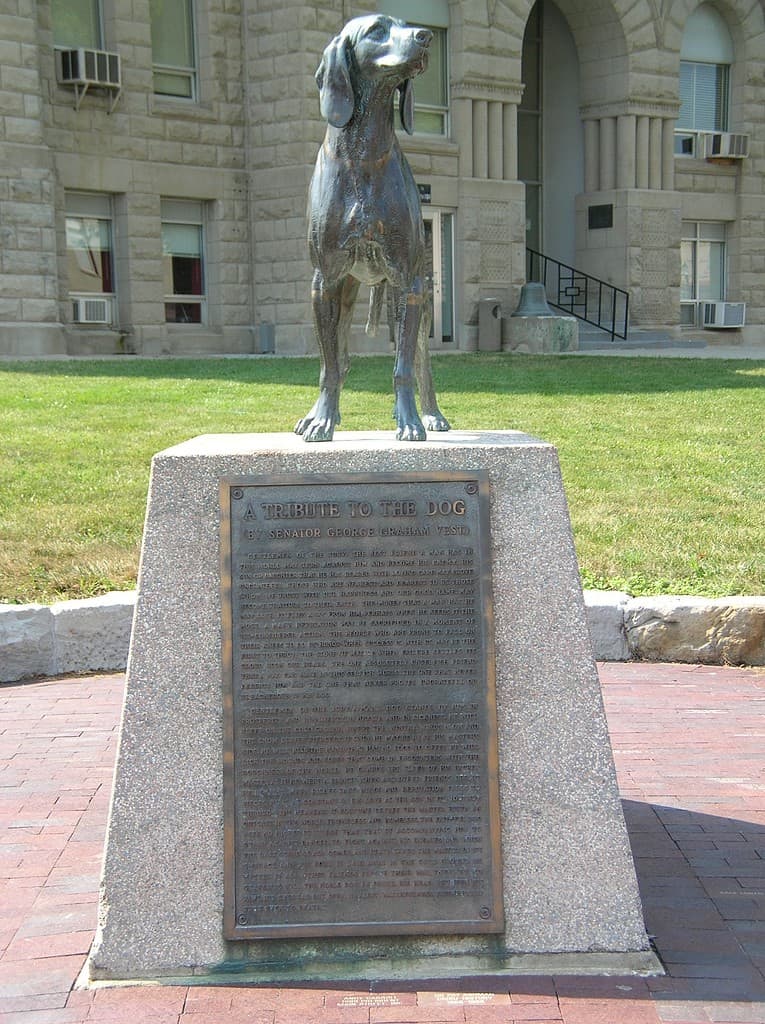
A statue dedicated to man’s best friend was erected outside the courthouse in Johnson City, Missouri.
During his closing argument, which has been dubbed Eulogy of the Dog, Senator George Graham Vest described a dog as the only unselfish and loyal friend in a selfish world, highlighting a dog’s unwavering fidelity.
The speech and Old Drum’s death were so touching that the state erected a statue of Old Drum outside the Johnson County courthouse, with the text of the eulogy engraved for eternity.
Wonder Dog: Jim

Jim the Wonder Dog Memorial Garden is located on the square in Marshall, Missouri.
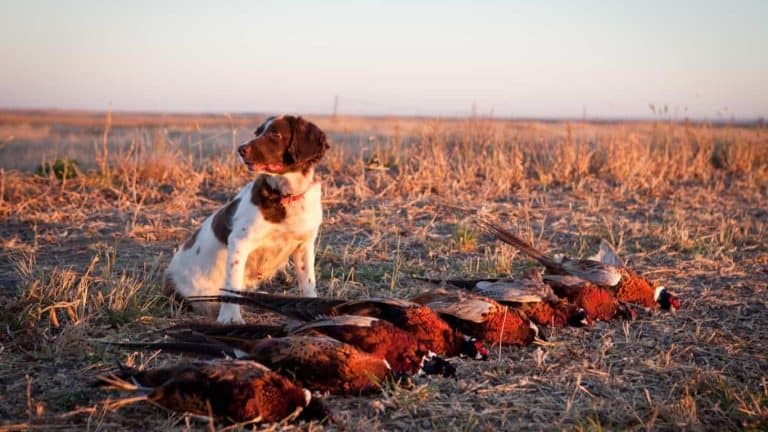
Missouri’s wonder dog was a Llewellin Setter known as Jim the Wonder Dog. He was inducted into the state’s animal club on August 28, 2017, the same day as Old Drum. Jim was born in 1925 and became famous for his exceptional hunting skills, tracking more than 5,000 birds, a talent that earned him a feature in Outdoor Life Magazine. This extremely intelligent dog could also recognize license plates, follow written instructions, and identify individual faces in a crowd.
Endangered Species: Hellbender Salamander
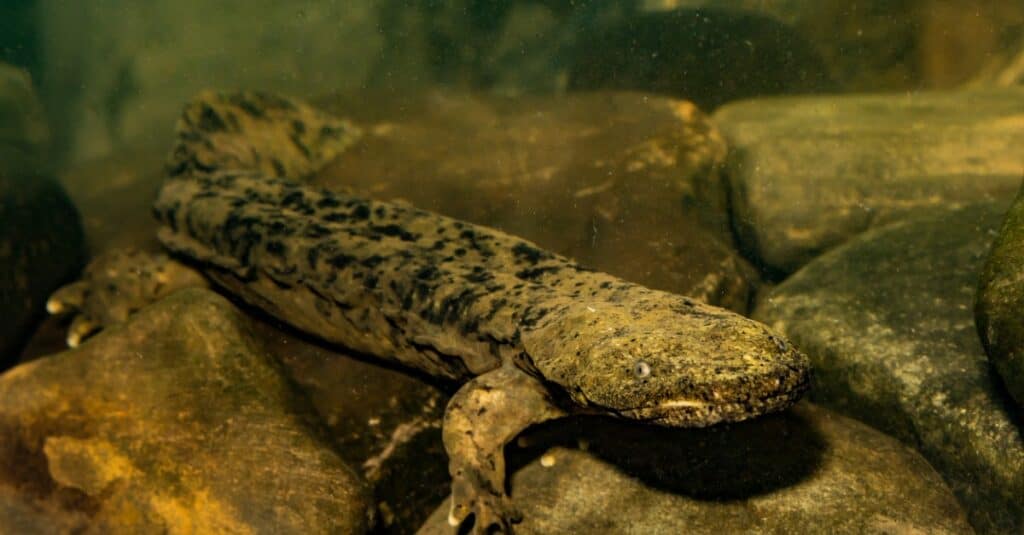
Other names for the hellbender salamander include the snot otter and the lasagna lizard.
©Jay Ondreicka/Shutterstock.com
Introduced on August 28, 2019, the hellbender salamander (Cryptobranchus alleganiensis) was named Missouri’s official endangered species. Subspecies of the animal include the Eastern hellbender and the Ozark hellbender (C. a. bishopi). They have a maximum length of 2 feet and a maximum lifespan of 30 years in the wild, and up to 50 years in captivity. Missouri is unique in that it is the only state where both the Eastern and Ozark hellbender subspecies are found. Conservation efforts have been made to protect the hellbender salamander, and many have proved successful. However, both subspecies remain endangered, and populations are still critically low.