
Quick Take
- To safeguard populations, bag limits cap how many and which wildlife you can harvest.
- They are state-by-state and season-specific, with examples including California bear and West Virginia muskellunge limits.
- Enforcement targets violators of hunting and fishing license and tag requirements, with penalties that vary by state.
As we head into the middle of hunting season in many parts of the U.S., it’s a good time to reflect on bag limits. Limits imposed through regulation serve as a conservation measure to maintain sustainable animal populations, and hunters play a crucial role in wildlife management. Indeed, hunters jump-started the conservation movement during the 19th century through their attention to the protection of habitats that support wildlife.
Historic Conservationists
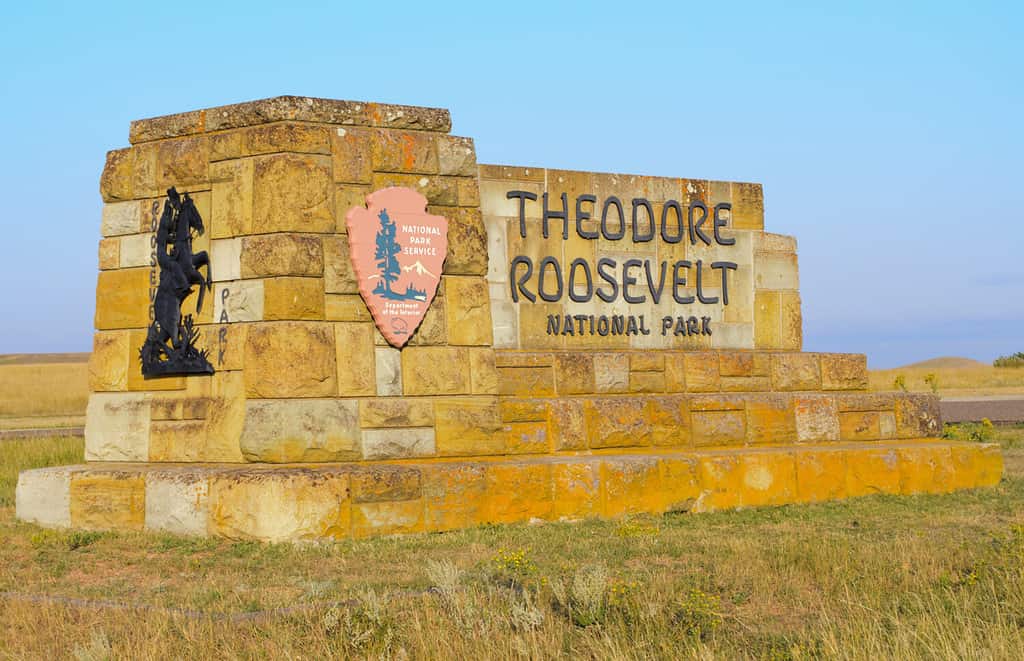
During his presidency, Roosevelt established five new national parks that safeguarded habitat for wildlife.
©Zack Frank/Shutterstock.com
Theodore Roosevelt, who is considered one of the founders of conservation, once said, “In a civilized and cultivated country, wild animals only continue to exist at all when preserved by sportsmen.” Roosevelt, himself an avid hunter and fisherman, argued that “the genuine sportsman is by all odds the most important factor in keeping the larger and more valuable wild creatures from total extermination.”
During Roosevelt’s time, a set of principles to manage wildlife emerged around the concept that everyone, not just the privileged class, should have access to wildlife. A formal set of principles known as the North American Model of Wildlife Conservation was formalized later, building on the foundation laid by Roosevelt and other early conservationists.
At a recent talk given at a Wild Sheep Foundation event, Simon Roosevelt (great-great-grandson of Teddy) pointed out, “By creating forest preserves and refuges, limiting harvest, stopping erosion and funding wildlife agencies, the founders demonstrated how a personal and often solitary pursuit advanced the conservation of wildlife and habitat, and so was good for the whole of society.”
What Is the North American Model of Wildlife Conservation?
In a nutshell, the model is a set of policies and laws aimed at sustaining fish and wildlife populations through scientifically sound management practices. Its seven principles include:
- Wildlife resources are conserved and held in trust for all citizens.
- Commerce in dead wildlife is eliminated.
- Wildlife is allocated according to the democratic rule of law.
- Wildlife may only be killed for a legitimate, non-frivolous purpose.
- Wildlife is an international resource.
- Every person has an equal opportunity under the law to participate in hunting and fishing.
- Scientific management is the proper means for wildlife conservation.
Principle No. 3 refers to fair allocation of wildlife, and that is what bag limits are about.
What Is a Wildlife Bag Limit?
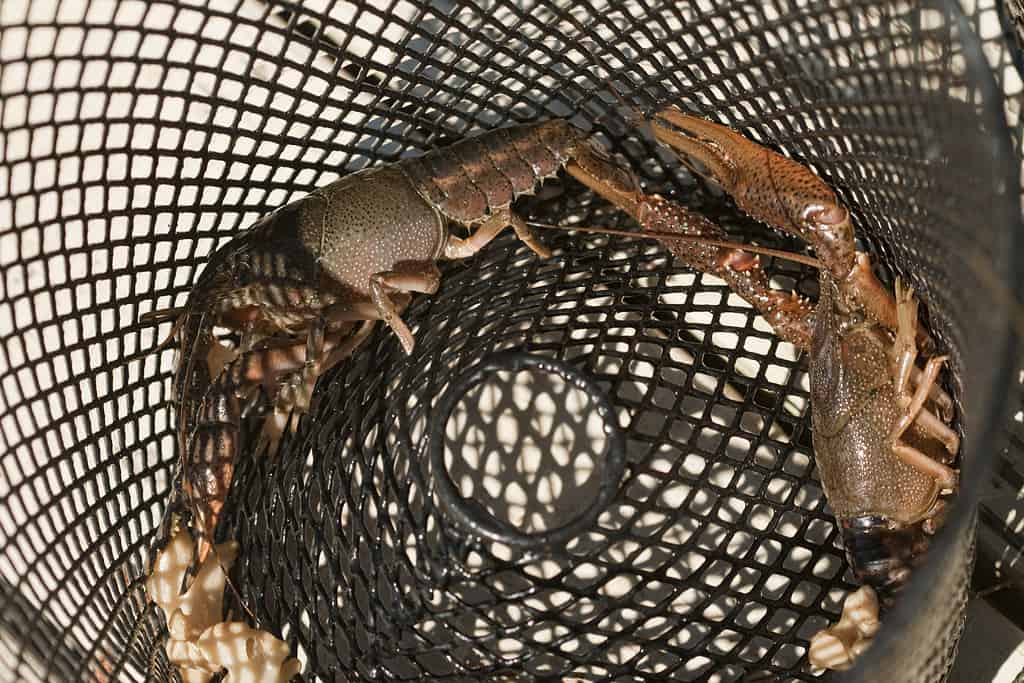
Bag limits for crayfish (aka crawdads, crawfish, crawdaddies) regulate their capture as fishing bait.
©kathyclark777/iStock via Getty Images
A bag limit is the maximum number and type of individuals of a species of wildlife you can legally harvest within a particular timeframe, for example, the number of striped bass under 20 inches you’re allowed to catch and keep in a day. Bag limits are set state-by-state based on wildlife population densities to ensure sustainable hunting and fishing. In California, for example, the bag limit is defined in a legal statute called the California Fish and Game Code § 18, while in Florida, it’s the Florida Fish and Wildlife Conservation Commission 68A code.
So, bag limits are species-specific as well as season-specific. For example, if you look at Maryland’s regulations on bag limits, you’ll find them divided into sections for Deer Seasons, Turkey Seasons, Migratory Game Bird Seasons, Small Game Seasons, and Furbearer Seasons. Each category comes with a map showing where hunting is permitted for those animal species. A table shows the bag limits by location and date, which will change year-to-year depending on evaluations of animal population densities.
Bag limits pertain not only to terrestrial animals, but also to fish, salamanders, turtles, and some invertebrate animals. The West Virginia Department of Natural Resources sets limits on the capture of animals used as fishing bait, such as crayfish. A licensed angler can catch crayfish year-round to use as fishing bait, but may never keep more than 50 at a time. So, if you catch 50, you must use or release some before you can collect more. The method of capture is also regulated; you cannot dig crayfish out of their burrows, and you cannot use a net or trap unless it is under certain size limits.
What Is a Wildlife Tag?
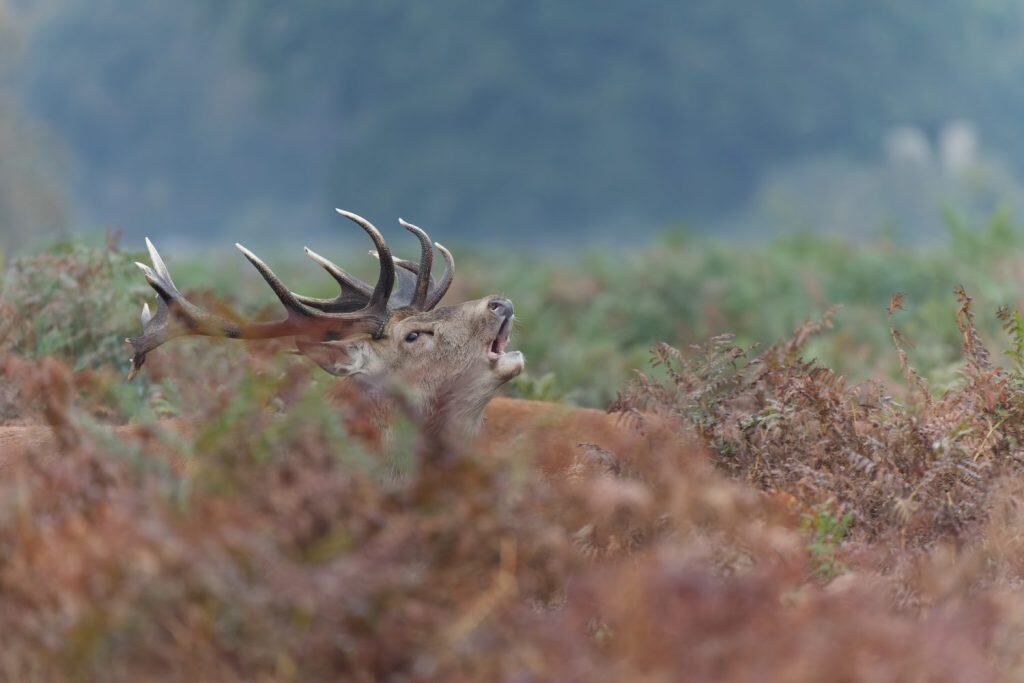
Wildlife tags for deer hunting help keep track of annual deer harvests by hunters.
©MARIUS FARCAS/Shutterstock.com
Wildlife tags are an additional safeguard to ensure that bag limits are honored. The state fish and game agency requires that hunters purchase field harvest tags before hunting certain, specified large animals. When you kill a deer or other animal, you affix the tag to the carcass, then take it to a registration station where they scan and enter the information. In Virginia and Pennsylvania, for example, you must have tags for all bears, deer, elk, and turkeys. In California, you must tag deer, bears, wild pigs, elk, pronghorn antelopes, and bighorn sheep.
Only a certain number of tags will be issued per season, so states run lottery-like drawings for tags. You enter your name in the drawing and hope you receive the desired big game tags. In many states, such as California, there are also tags to hunt on private land that are offered through partnerships between public wildlife management agencies and private landowners. The landowners keep some of the profits, while hunters gain increased access to hunting opportunities.
Limits Vary by Life Stage and Sex
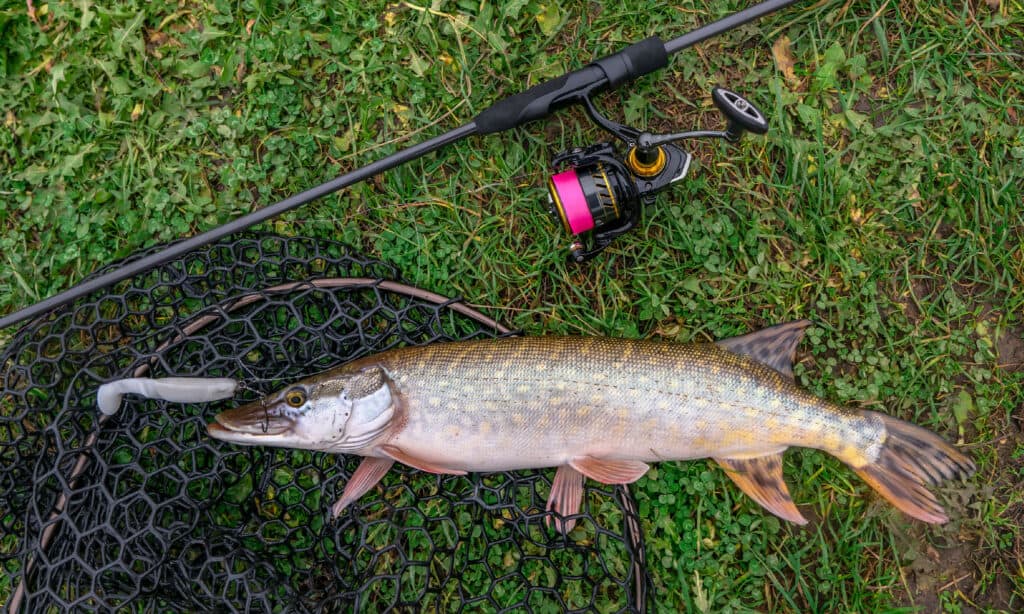
Keeping muskellage fish is regulated to make sure their populations are not overharvested.
©iStock.com/FedBul
For example, in California, a hunter can kill one adult black bear per hunting season in permitted areas (some areas are closed to bear hunting). Cubs and females accompanied by cubs are always off limits. If a certain quota of bears—currently set at 1,700 in California—is reached during the hunting season, the Department of Fish and Wildlife will close the season early. So, hunters must stay abreast of the specific time-sensitive regulations.
For fish, the limits often specify a particular minimum size class. While you may catch fish below the minimum size, you’re required to release them back into their habitat. The size-based regulations are designed to protect juvenile fish that are still growing and provide the foundation for future populations. In West Virginia, for example, the Department of Natural Resources specified for 2025 that all muskellunge (popular freshwater fish) under 40 inches long “must be returned to the water at once.”
In contrast, for some common or invasive animal species, there are no hunting limits. The California Department of Fish and Wildlife, for example, sets no daily bag limits or seasonal restrictions on hunting wild pigs. Still, a hunting license is required, and hunters must then report all their killings of wild pigs in a license data system before the end of the licensing year. The reporting helps the Department keep track of wild pig populations that have been introduced from farms and become feral, multiplying rapidly and negatively impacting native species.
How Have Bag Limits Made a Difference?
There are many success stories about how bag limits have saved populations of wildlife. Consider that in Illinois in the early 1900s, white-tailed deer were nearly extirpated from the state. Between intensive hunting for venison and the conversion of forests to farmland, deer were not faring well.
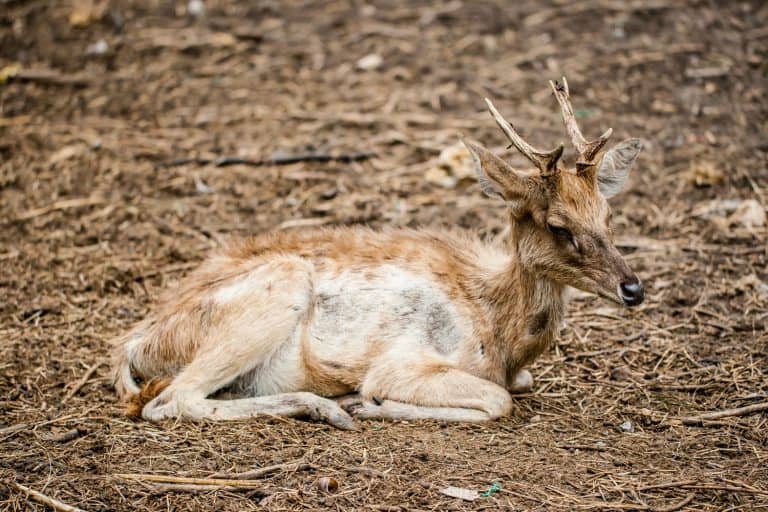
A ban on all deer hunting was enacted in Illinois in 1901 and remained in place for 56 years, until deer populations rebounded. The incident prompted the first hunting licenses in Illinois in 1903, as well as the 1925 creation of the Illinois Department of Conservation. Through the Department’s purchase of land for conservation and the reintroduction of white-tailed deer from adjacent states, deer once again became abundant. From 1940 to 1968, their population increased fiftyfold. The most recent deer hunting season in Illinois (2024-2025) yielded a harvest of 171,322 deer!
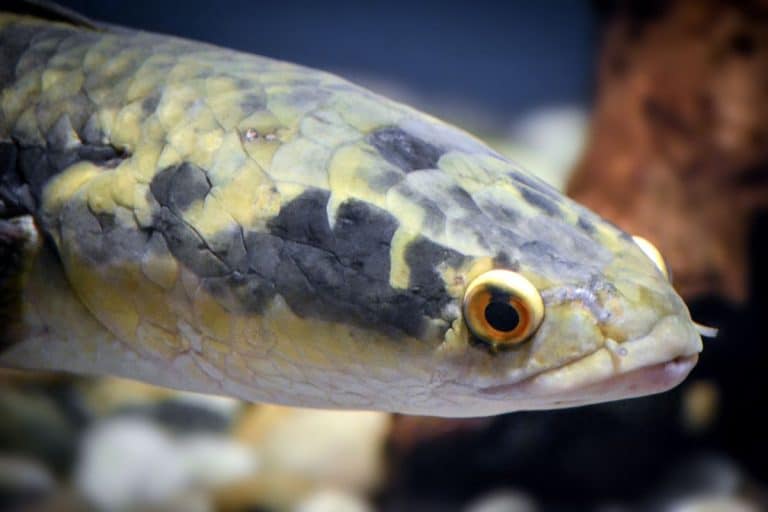
Conversely, removing bag limits for an invasive species that is overrunning ecosystems and reducing populations of other species can be a powerful conservation tool. When the invasive northern snakehead fish, originally introduced from Asia, entered Virginia waters in 2004, it didn’t take long for conservation officials to worry about the effects of this large, predatory fish on native species. In ongoing attempts to eradicate them, the Virginia Department of Wildlife Resources asks that “all snakeheads be killed if possible” when caught by anglers, providing instructions on how to do so, such as removing the head or the gill arches.
But Bag Limits May Not Be Enough
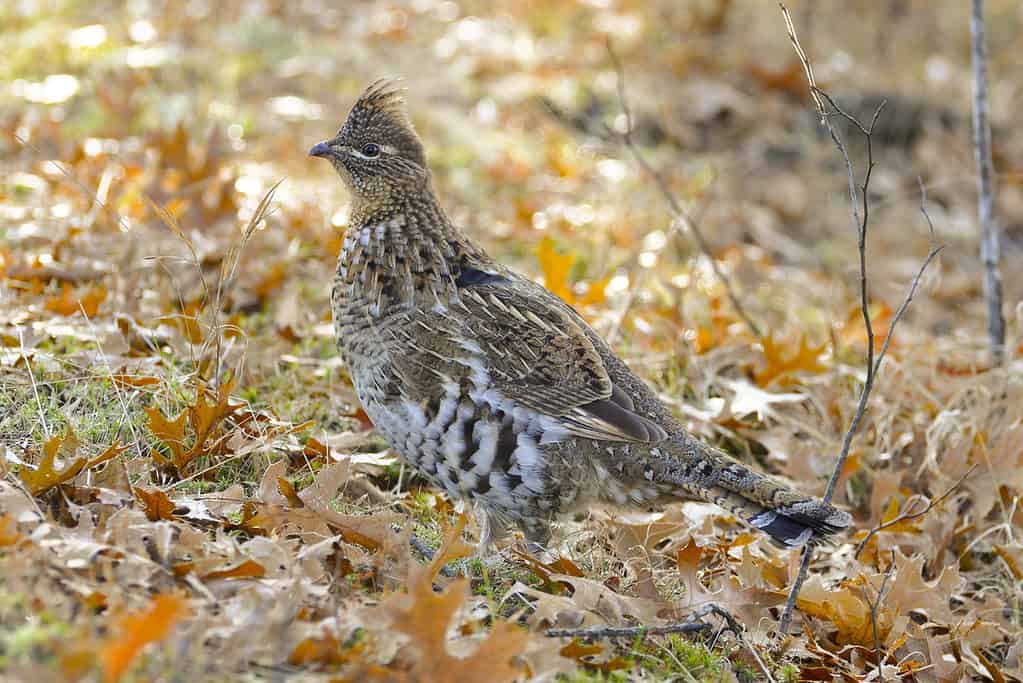
This female ruffed grouse (Bonasa umbellus) on a frosty fall morning will feed on tree buds during winter.
©iStock.com/SteveOehlenschlager
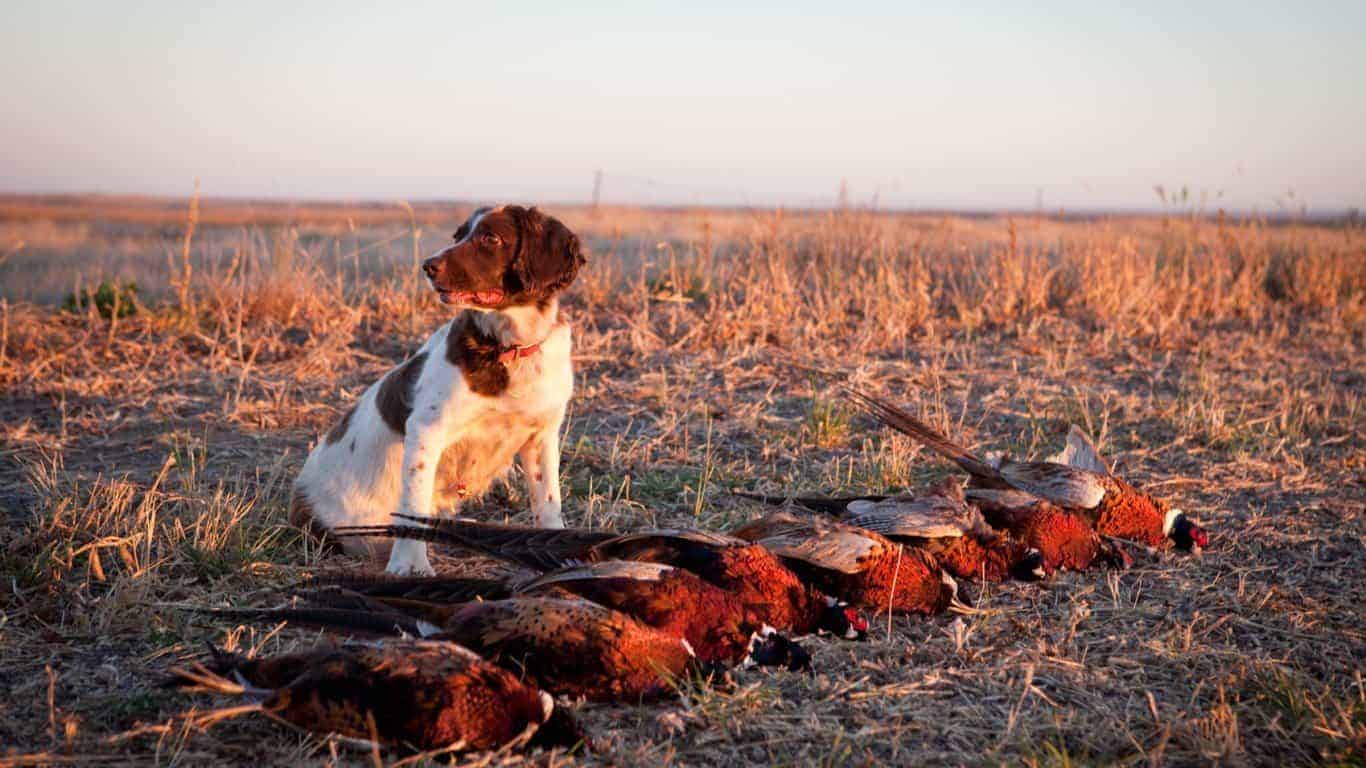
But some argue that bag limits are not finely tuned enough to prohibit negative impacts on wildlife populations from hunting. A recent article in Project Upland Magazine, for example, advocates for self-imposed limits that may be well below the legal limits. Hunter A.J. DeRosa explains that in many states, there is a broad license for hunting “gamebirds” that doesn’t specify species. Individual species populations may take a damaging hit that doesn’t register in terms of adjustments to license requirements, since the license is so broad.
He notes that change can be slow within state government agencies that regulate hunting and fishing, especially because there is often a delay between collecting data on wildlife populations and updating bag limits. There is also limited data on the impacts to wildlife of specific scenarios, such as the convergence of hunters on snowmobiles with winter concentrations of ruffed grouse feeding on tree buds. When the birds flock together, they can easily be hunted in large numbers.
DeRosa concludes, “I need to show self-restraint because seasons and bag limits have not evolved with the times.”
Are Bag Limits Enforceable?
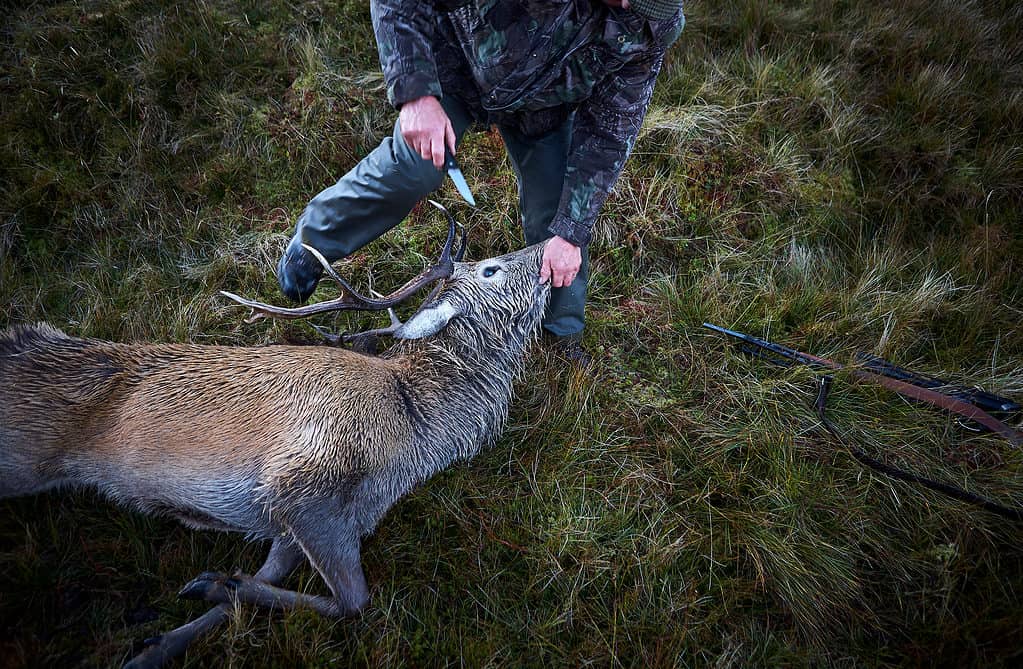
Bag limits are regularly enforced, as are other violations, such as killing deer without a hunting license.
©NordKraft/Shutterstock.com
By establishing bag limits as part of the legal code, these limits become enforceable. Penalties for violation of bag limits include fines, confiscation of equipment, and/or suspension of hunting or fishing licenses. These penalties are quite specific but also vary, since they are established state by state. According to the Virginia Code, for example, “Any person who kills a wild turkey during the closed season, or who kills a beardless turkey during an open hunting season prescribed by the Board for bearded turkeys only, shall be guilty of a Class 2 misdemeanor for each such turkey killed.”
Violations of wildlife codes can result in serious consequences. A September 2025 news release from the Missouri Department of Conservation, for example, described the penalty of 60 days in jail and a $10,000 fine imposed on someone who killed a white-tailed deer buck without a hunting license and out of season.
“Lawful hunters contribute to the conservation and management of our wildlife resources, while poachers do not,” says MDC Protection Branch Chief Travis McLain in the news release. “Poaching is not a victimless crime; it hurts all of us.”
Exceptions to Bag Limits
Some exceptions or adjustments are made to bag limits, for example, in the case of Native peoples.
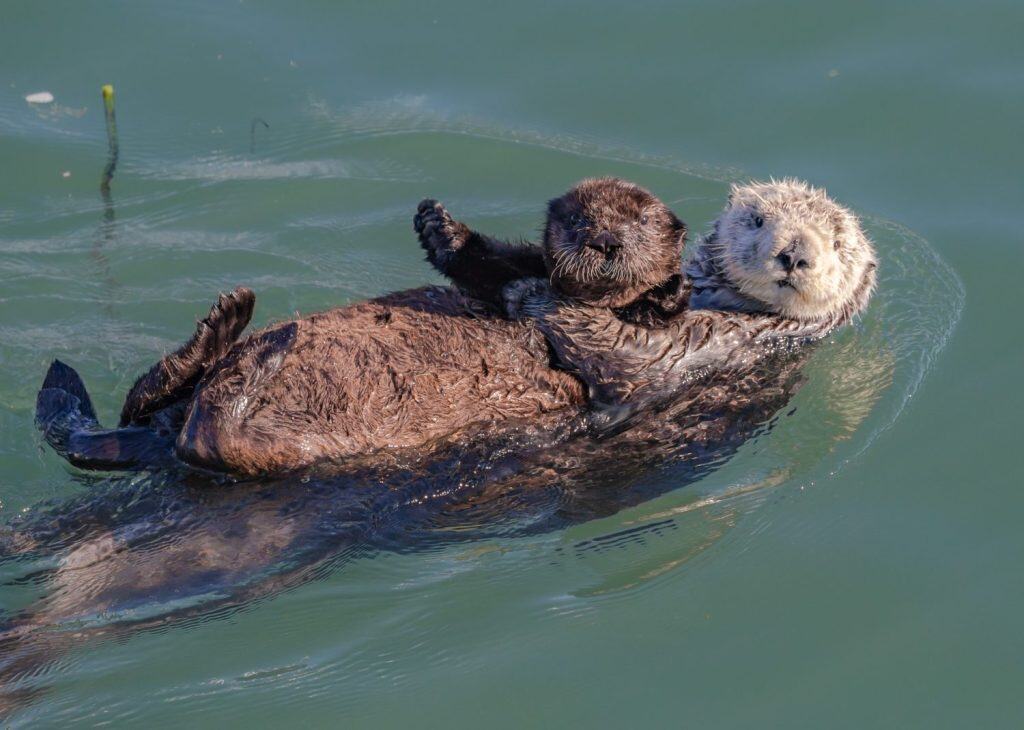
Sea otters (Enhydra lutris) are an endangered species that are only hunted in special circumstances.
©MODpix/Shutterstock.com
Sea otters used to be abundant all along the Pacific Ocean coasts, with estimates of 100,000 to 300,000 individuals in 1740. But intensive harvest for their pelts, which became objects of the lucrative fur trade, reduced otters to tiny remnant populations by the early 20th century. In 1911, commercial hunting of sea otters was banned under the International Fur Seal Treaty, which recognized their precarious status.
These days, sea otters are protected—along with other marine mammals—under the Marine Mammal Protection Act of 1972. But Alaska allows a legal harvest of sea otters if you are a member of a Native American group. The reasoning is that sea otters are an integral, historical part of the culture of Alaska’s Native Peoples. Also, since the reintroduction of sea otters from the Aleutian Islands during the 1960s, they have flourished in Southeast Alaska.
Says sea otter hunter Will Ware (Tlingit from the Taakdeintaan Clan) in an Alaska Public Media article, “Our people — our clan — were known for hundreds and hundreds of years as the harvesters of sea otter.” With no harvest limits for native Alaskans, Will bags 30 to 40 sea otters per year, then uses their pelts to make a variety of warm products for sale. You must be at least one-quarter Alaska Native to possess a sea otter skin (before it has been modified for sale).
What Else Can Hunters Do?
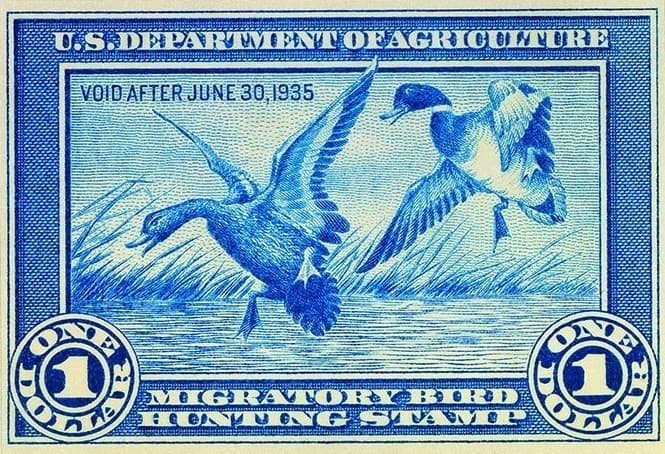
The first duck stamp ever issued featured mallards.
©Jay N. "Ding" Darling, U.S. Biological Survey, Department of Agriculture – Original / License
Without the habitats they depend on, wildlife populations falter regardless of hunting regulations. So, besides limits on how many animals can be killed, other conservation measures are designed to ensure the protection of their habitats.
To hunt waterfowl legally, every person 16 years of age or older must buy a Duck Stamp, for which the proceeds are dedicated to conservation. The U.S. Fish and Wildlife Service (USFWS) calculates that, since its inception in 1934, Duck Stamps have raised more than $1.2 billion for wetland conservation. In addition to supporting wild bird populations, wetlands provide services such as water purification, flood control, erosion prevention, and natural beauty.
A single Duck Stamp, which serves as a valid waterfowl hunting permit for all U.S. states, currently costs $25. Or, if you’re under 16, you can buy a Junior Duck Stamp, which does not serve as a hunting permit but promotes wetland conservation.
Other ways that hunters contribute to conservation include the Pittman-Robertson Act, officially called the Federal Aid in Wildlife Restoration Act, which taxes the purchase of firearms and ammunition. The excise tax funds wildlife conservation and hunter education through state wildlife agencies. The USFWS estimates that more than $14 billion for conservation has been raised since the 1937 enactment of Pittman-Robertson.
Other Conservation Measures
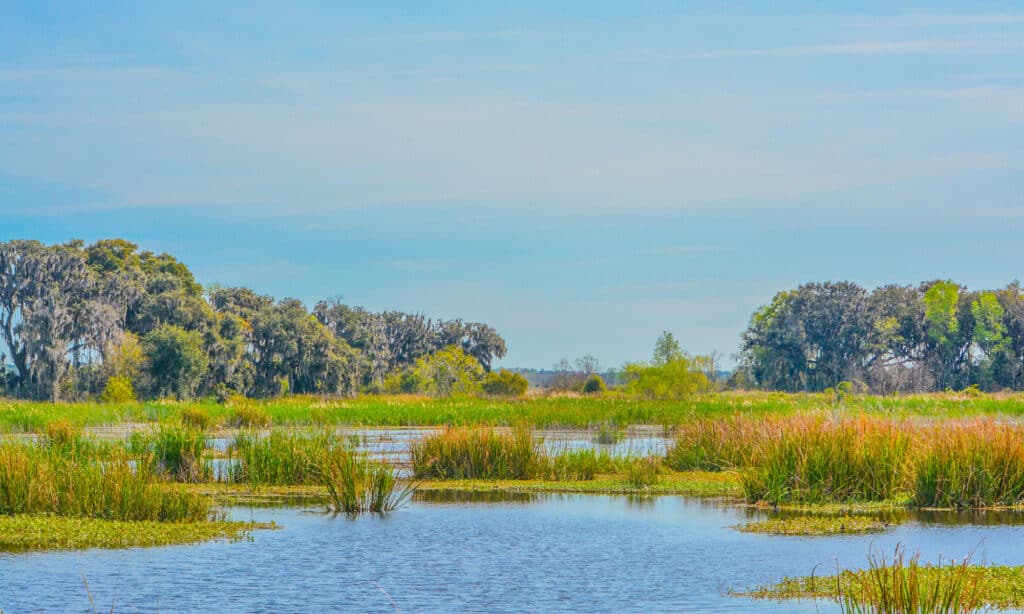
Savannah National Wildlife Refuge is one of 570 national wildlife refuges in the United States.
©iStock.com/Norm Lane
Many U.S. states now offer wildlife conservation license plates. The upcharge paid to the relevant motor vehicles department goes toward conservation of species. The species targeted for protection depend on the state. In Georgia, for example, you can choose from five wildlife license plates: Bald Eagle; Trout Unlimited; Bobwhite Quail and other game birds; Butterfly, and Marine Habitat. You pay an extra $25 beyond what a standard plate costs, of which 80 percent gets channeled into wildlife programs.
Finally, the National Wildlife Refuge System, founded by Roosevelt in 1903 and now managed by the USFWS, conserves about 96 million land and 760 million marine acres in the United States with a focus on sustaining native species and their ecosystems.