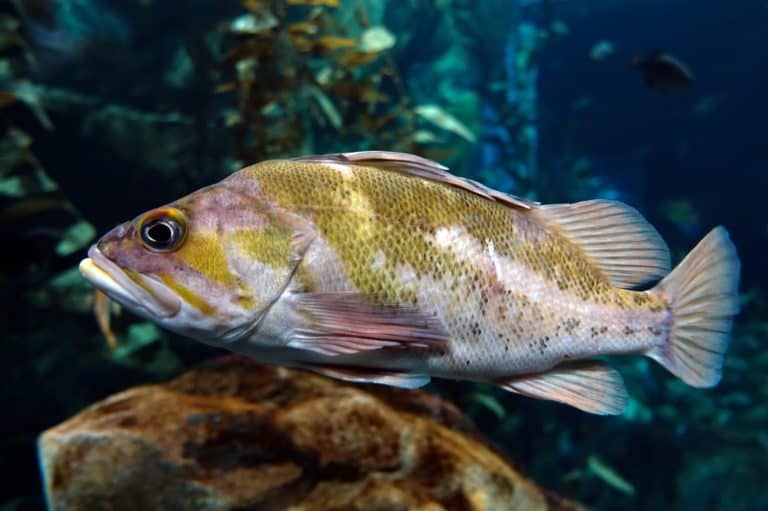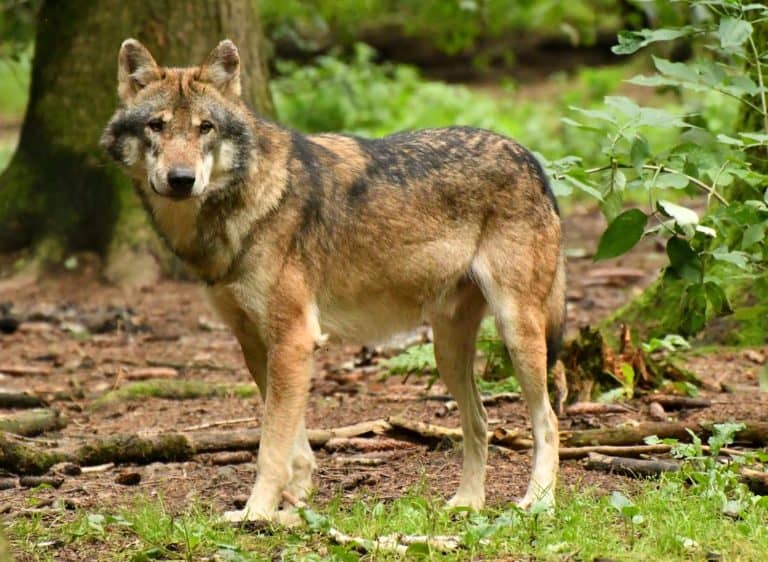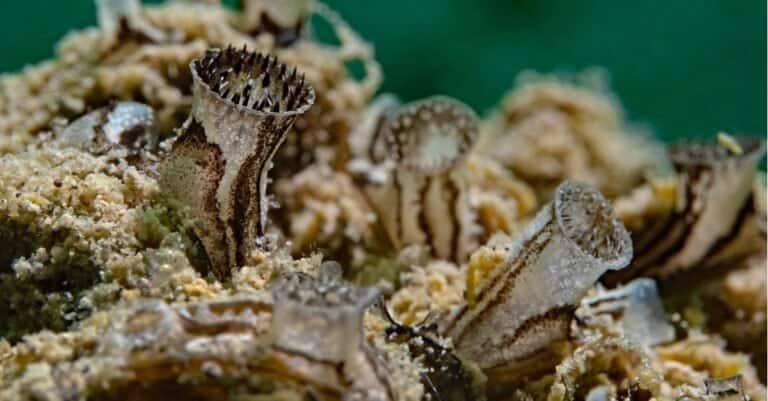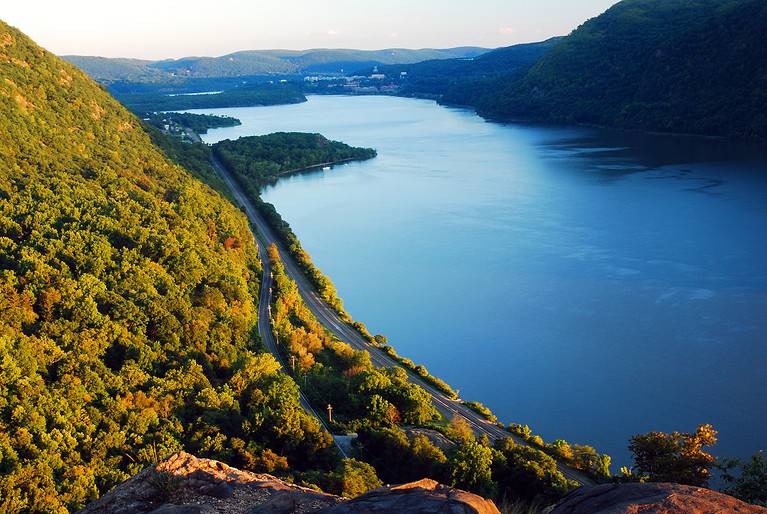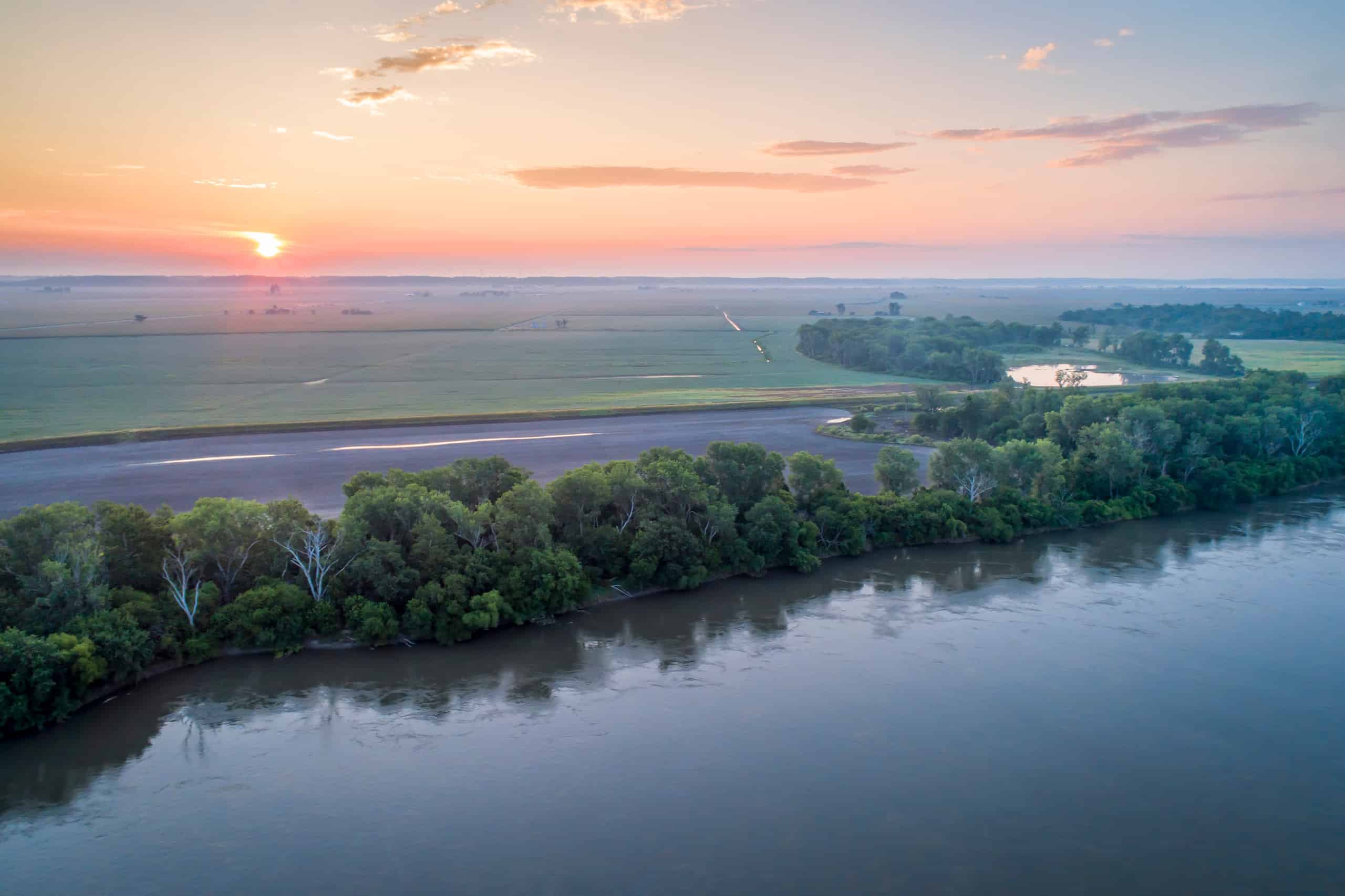

From its origins in the Rocky Mountains of western Montana, the Missouri River travels more than 2,300 miles before joining the Mississippi—making it the longest river in North America. It winds through open plains, cottonwood bottoms, and broad floodplains, sustaining a wide array of wildlife. Though levees and dams have altered much of its course, the Missouri still breathes with the energy of a wild river, carrying silt, life, and history through the heart of the continent.
Paddlefish (Polyodon spathula)
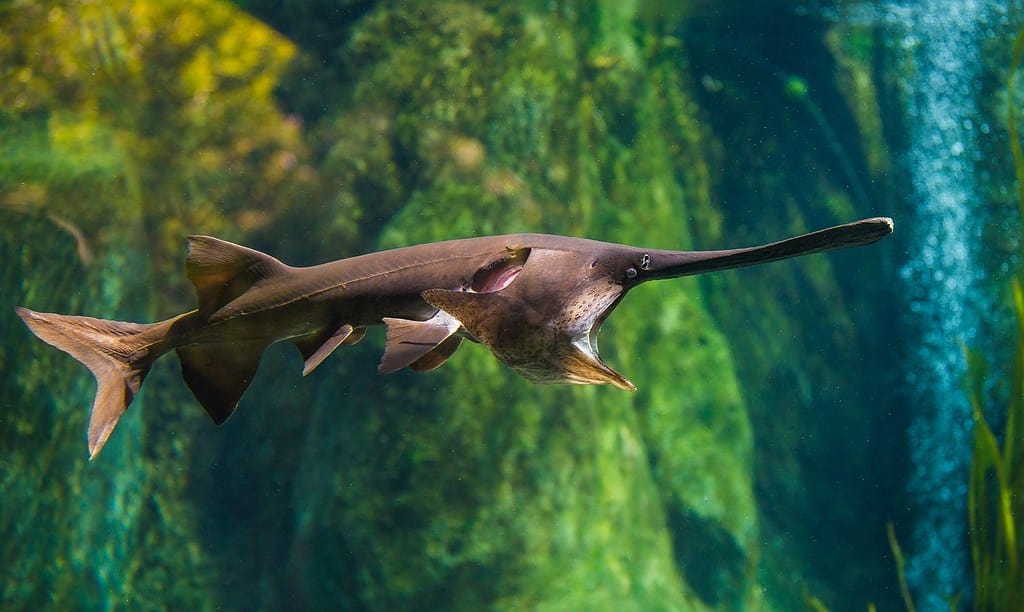
Paddlefish (Polyodon spathula)
©Saran Jantraurai/Shutterstock.com
Among the most distinctive fish in the Missouri River, the paddlefish looks almost prehistoric. It can reach over 7 feet long and weigh more than 150 pounds, with a long, flat snout used to detect plankton in the water. Paddlefish feed by swimming with their mouths open, filtering microscopic organisms. Once their populations dropped to critically low levels due to damming, but paddlefish are now protected and managed through careful stocking and harvest regulations.
American White Pelican (Pelecanus erythrorhynchos)
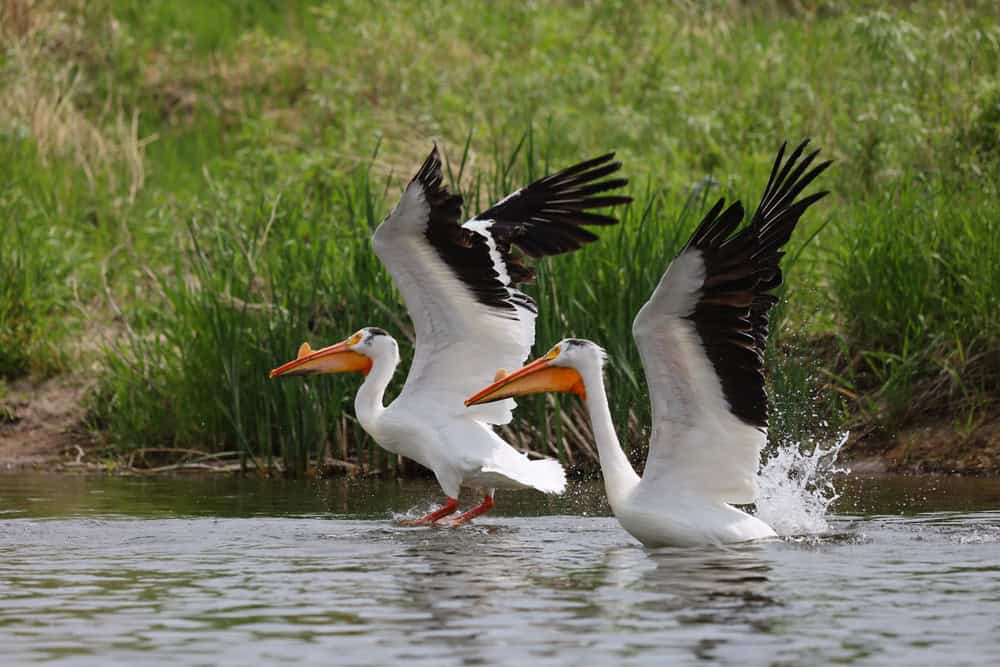
American White Pelican (Pelecanus erythrorhynchos)
©Darren Berendt/Shutterstock.com
These huge white birds with 9-foot wingspans are regular sights on the Missouri River’s sandbars and banks. They feed working together, herding schools of fish into shallow water before scooping them up in their massive pouches. Pelicans nest in colonies on remote islands and migrate south for the winter, returning each spring to the Great Plains’ waterways.
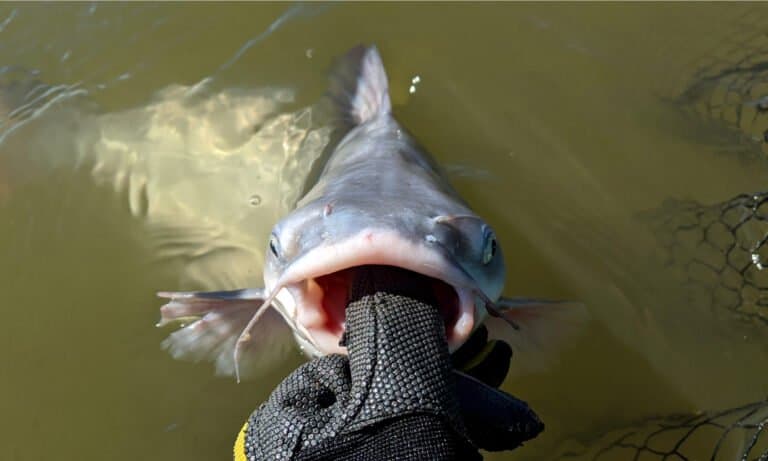
Channel Catfish (Ictalurus punctatus)
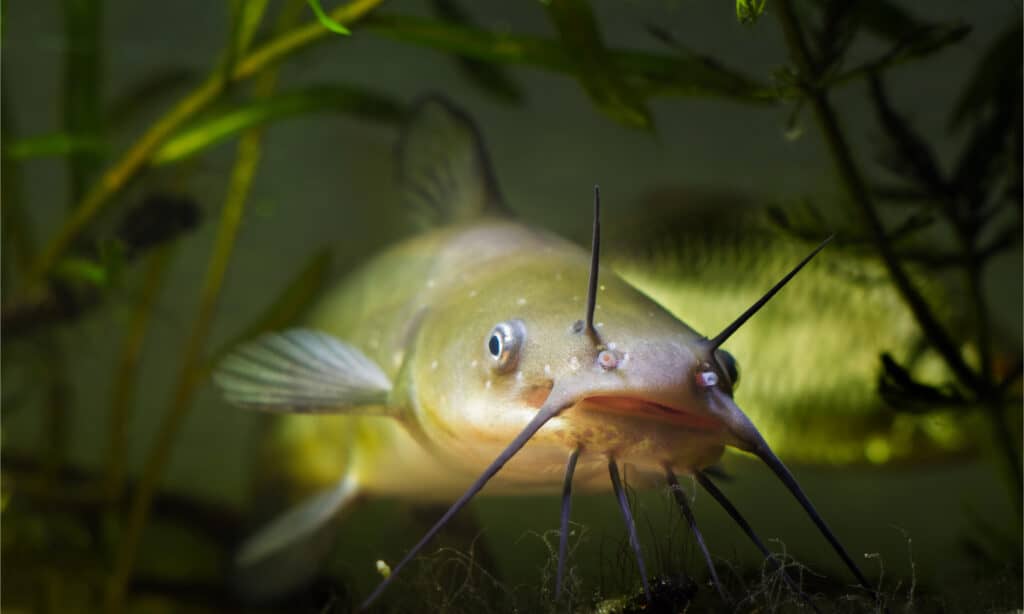
Channel Catfish (Ictalurus punctatus)
©Aleron Val/Shutterstock.com
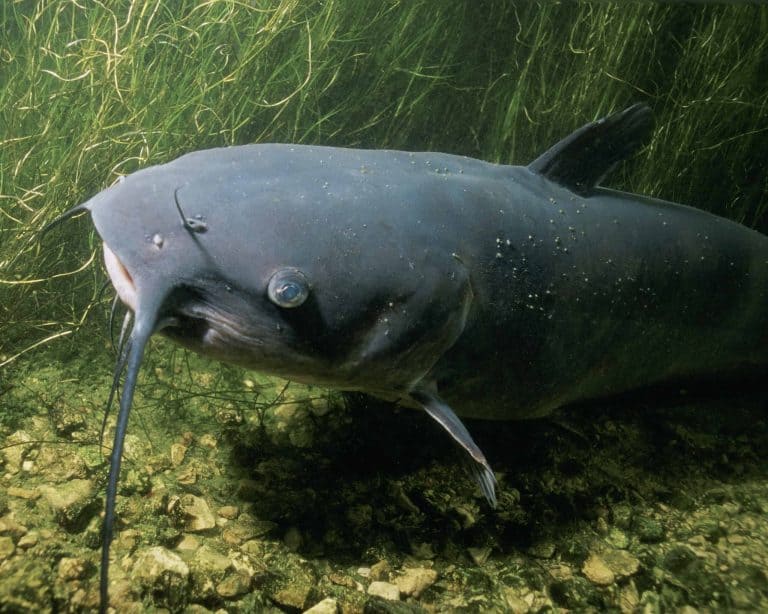
The Missouri River is prime territory for channel catfish, one of the most widespread and valuable species in the basin. They feed on aquatic insects, small fish, and plant debris along the bottom. Channel catfish commonly grow to 20 to 30 inches in length, with some reaching over 35 pounds. They’re vital to both the food web and local fishing. They particularly do well in muddy, slow-moving areas of the water.
Beaver (Castor canadensis)
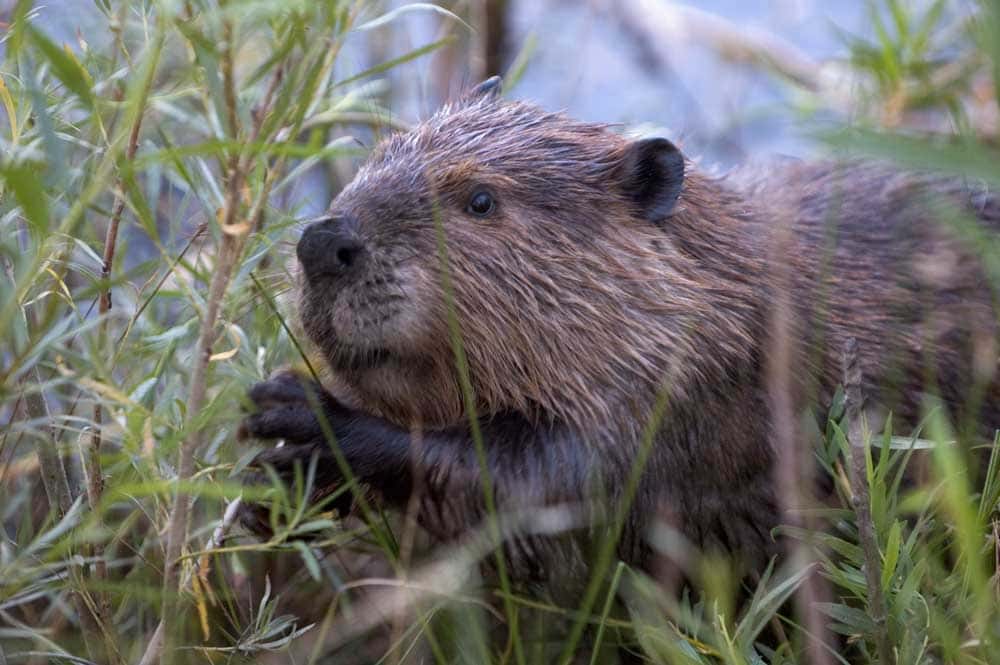
Beaver (Castor canadensis)
©No machine-readable author provided. Cszmurlo assumed (based on copyright claims), CC BY-SA 3.0, via Wikimedia Commons – Original / License
Along wooded banks, beavers build dams and lodges that reshape side channels into wetlands. These slow pools create breeding areas for fish, waterfowl, and amphibians. Adult beavers can weigh up to 60 pounds and live for more than a decade, feeding on willow, cottonwood, and aquatic plants. Their engineering transforms the floodplain, storing water and slowing erosion through the changing seasons. If beaver ponds remain in place long enough, they fill with silt and eventually turn into meadows that support a wide variety of land-based species.
Blue Catfish (Ictalurus furcatus)
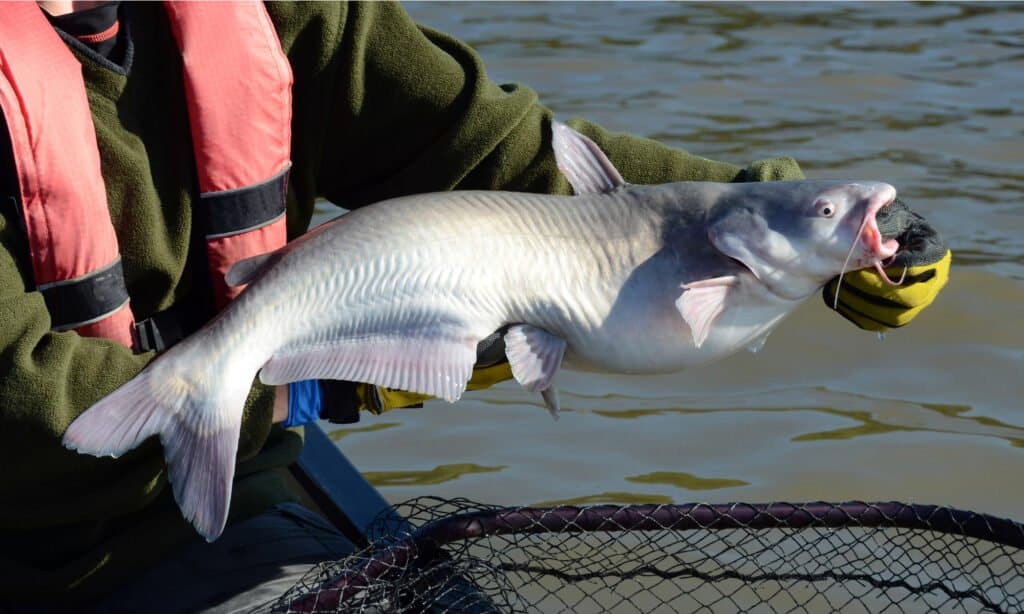
Blue Catfish (Ictalurus furcatus)
©M Huston/Shutterstock.com
Massive blue catfish prowl the deeper channels of the Missouri. They feed on shad, carp, and smaller fish, guided by sensitive whiskers that detect vibrations and scent. Adults can exceed 100 pounds, making them one of the largest freshwater fish in the region. Anglers value them for both their size and their strong fight.
Northern Pike (Esox lucius)
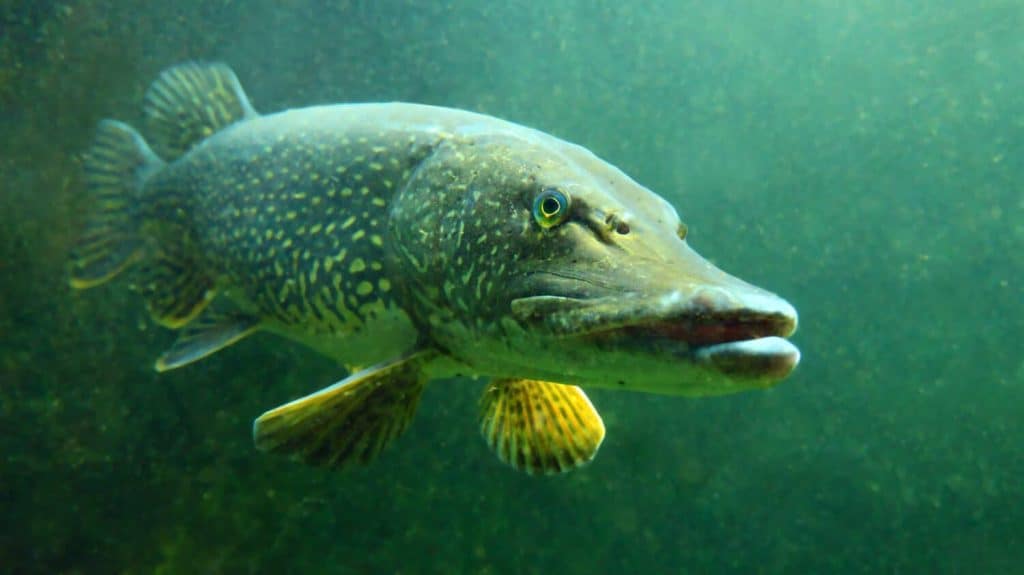
Northern Pike (Esox lucius)
©Kletr / Shutterstock.com
In the cooler northern stretches of the Missouri, northern pike lurk among underwater plants, waiting to ambush prey. Long and shaped like submarines, they feed on fish, frogs, and even small waterfowl. Adults commonly reach 30 to 40 inches in length. Their razor-sharp teeth and lightning-fast strikes make them the top predators in the river’s backwaters.
Bald Eagle (Haliaeetus leucocephalus)
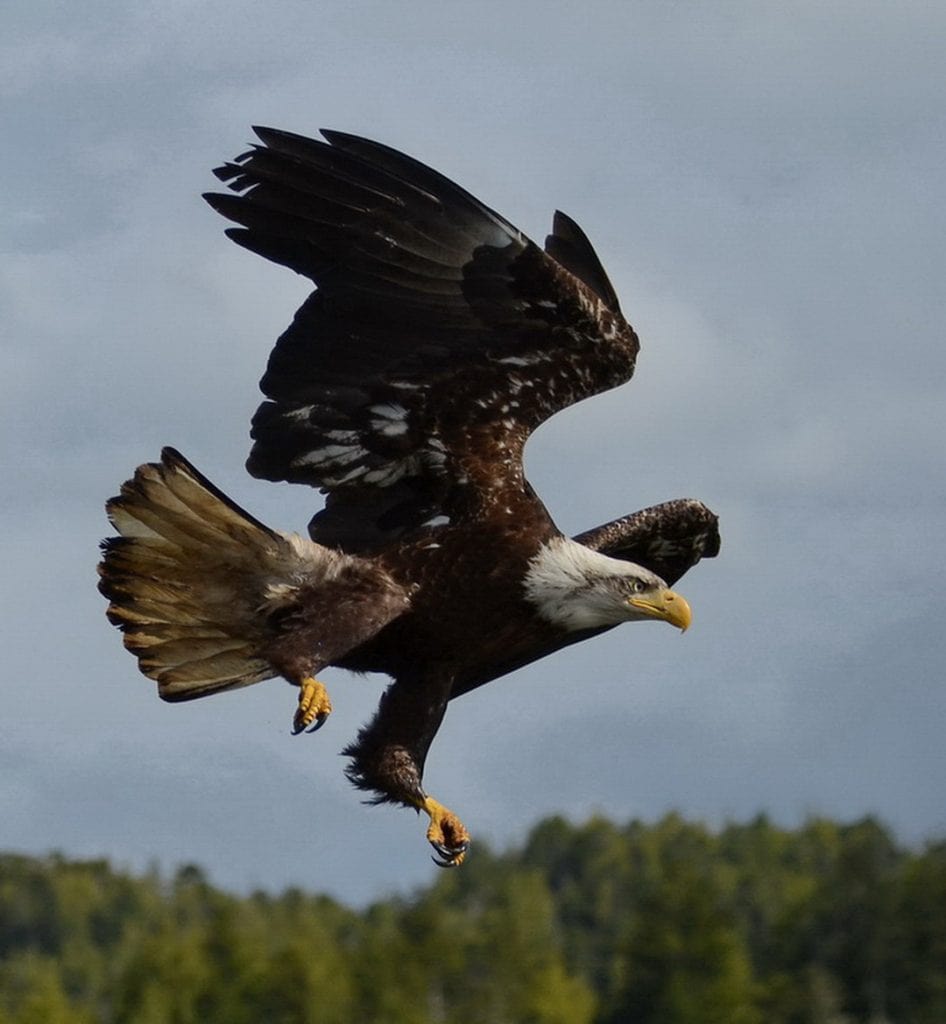
Bald Eagle (Haliaeetus leucocephalus)
©Tania Simpson
Nesting in tall cottonwoods along the Missouri’s bends and bluffs, bald eagles feed mainly on fish and waterfowl. With wingspans approaching seven feet, they dominate the skies of the Great Plains in winter, often gathering near open water below dams where they can find a lot of prey. Their recovery along the river stands as one of the nation’s great conservation successes.
Common Carp (Cyprinus carpio)
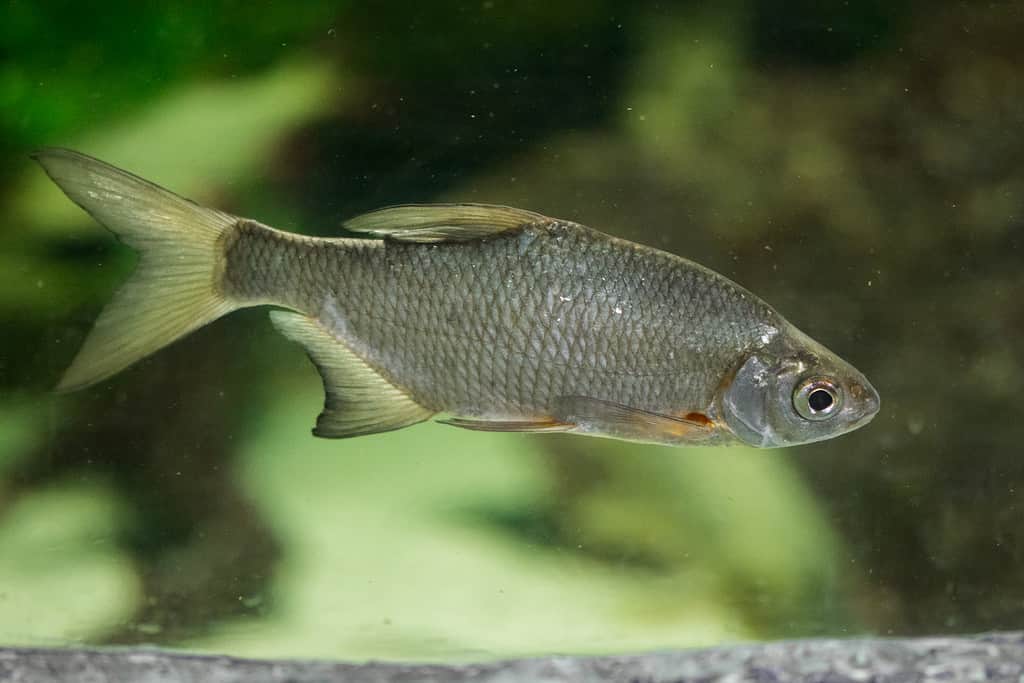
Common Carp (Cyprinus carpio)
©Andrej Jakubik/Shutterstock.com
Introduced in the 1800s, common carp have become permanent residents of the Missouri River. They thrive in turbid, nutrient-rich water, stirring up sediment while rooting for aquatic plants and insects. Carp can exceed 30 pounds. Unfortunately, they compete with native fish, but they also serve as food for eagles, otters, and pelicans.
River Otter (Lontra canadensis)
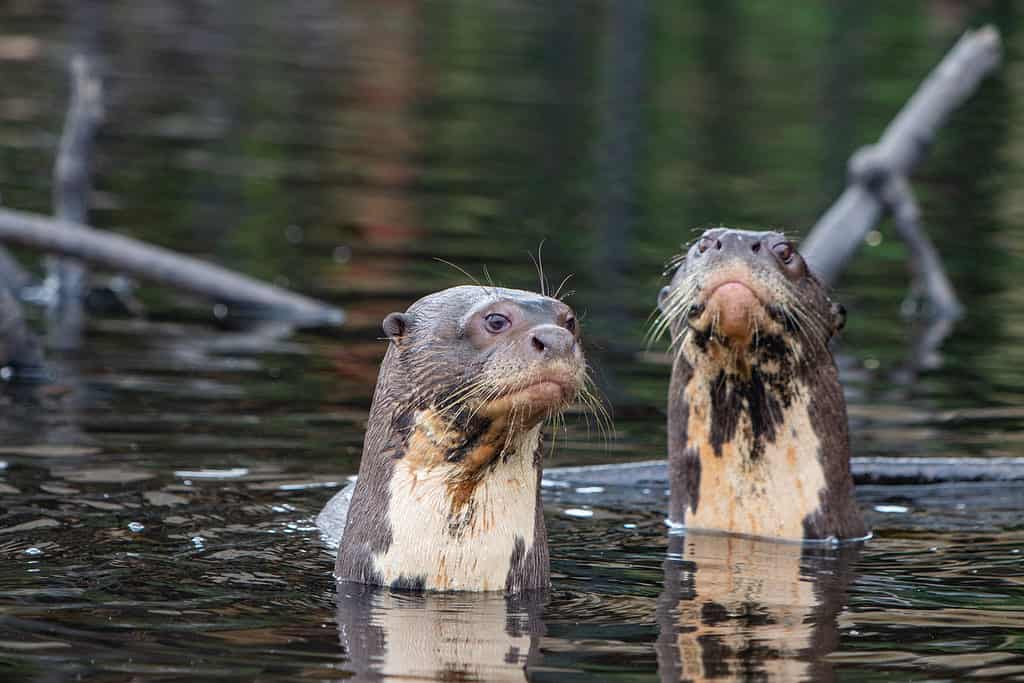
River Otter (Lontra canadensis)
©Johnny Giese/Shutterstock.com
Once nearly gone from the Missouri River, otters have been successfully reintroduced and now are multiplying again along its quieter reaches. They feed on fish, crayfish, and amphibians, sliding playfully across muddy banks between hunts. Adults can reach 4 feet in length, and family groups are often seen together at dawn or dusk.
Painted Turtle (Chrysemys picta)
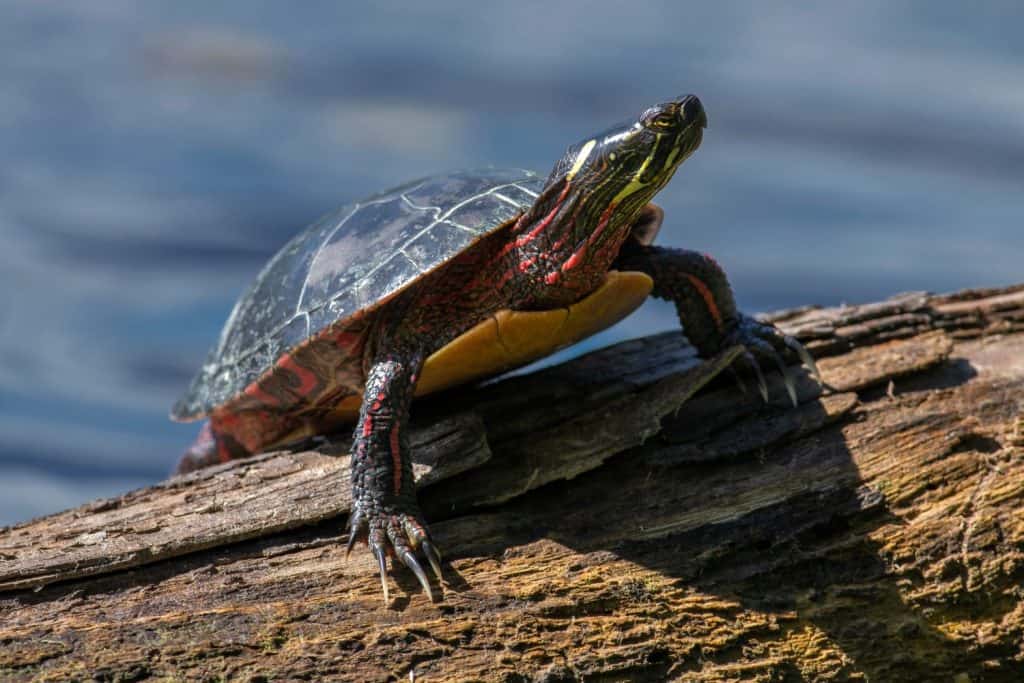
Painted Turtle (Chrysemys picta)
©William Levesque/Shutterstock.com
Basking on logs or river banks, painted turtles are common along the Missouri and its oxbow lakes. Their red and yellow colors stand out against the brown river water. These omnivores feed on aquatic plants, insects, and carrion, and grow to about 6–8 inches in length.
Great Blue Heron (Ardea herodias)
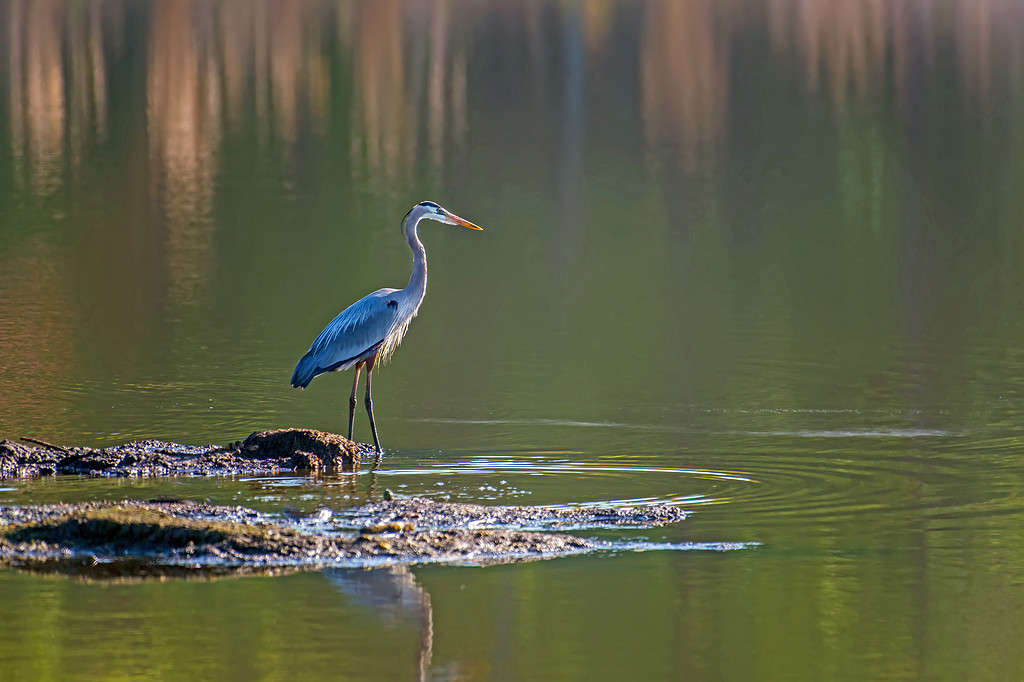
Great Blue Heron (Ardea herodias)
©flownaksala/iStock via Getty Images
The steady presence of great blue herons along the Missouri marks the river’s health and ability to support diverse species. Standing without moving n the shallows, they spear fish and frogs with sharp beaks. Adults stand over four feet tall and nest in colonies high in cottonwoods, returning to the same sites each year.
Mink (Neogale vison)
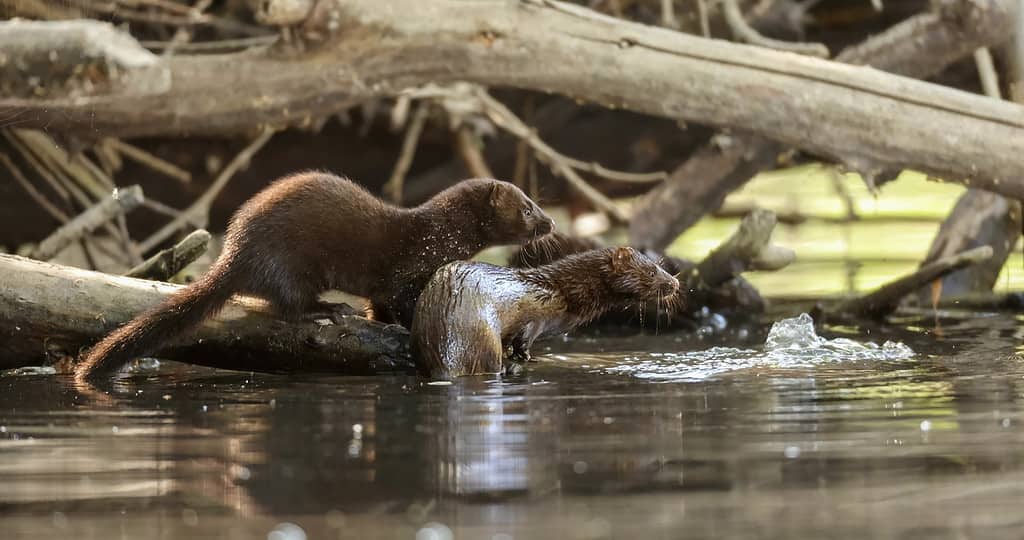
Mink (Neogale vison)
©Banu R/iStock via Getty Images
Minks are agile hunters that patrol the river’s edges in search of frogs, crayfish, and small fish. They’re about two feet long, with sleek, waterproof fur and a musky scent used to mark territory. Though often unseen, their tracks appear in the mud near side channels and wetlands throughout the basin.
Snow Goose (Anser caerulescens)
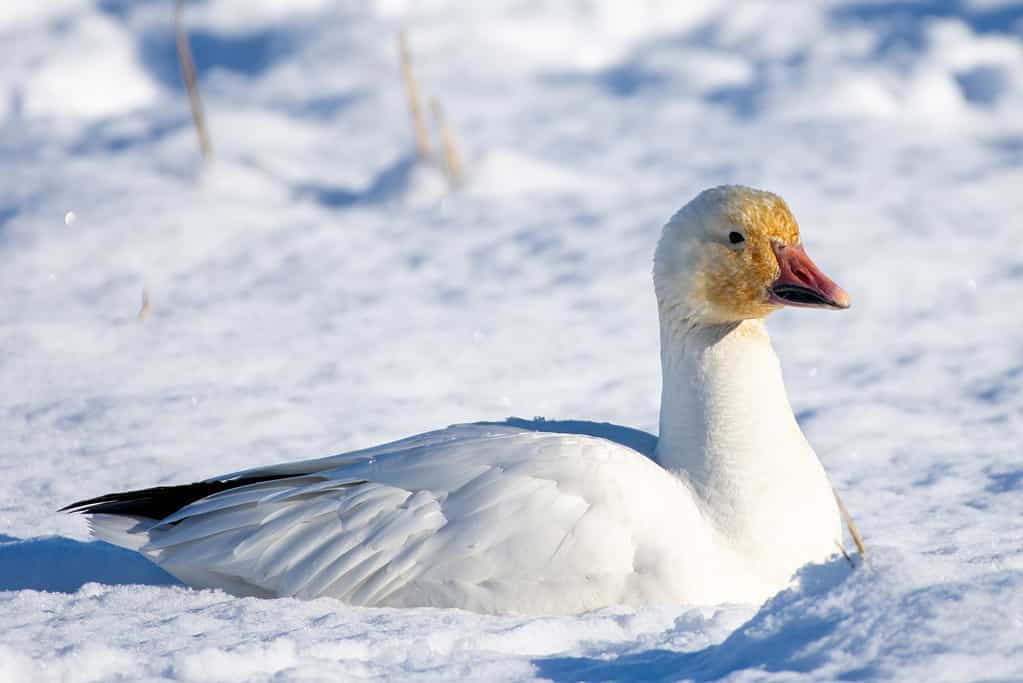
Snow Goose (Anser caerulescens)
©Jeff Kingma/iStock via Getty Images
During migration, the Missouri River hosts massive flocks of snow geese, their calls filling the sky. These birds stop to rest and feed on grain in nearby fields and water plants in swampy areas. Weighing around 5 pounds, they are among the most numerous waterfowl in North America, following the river’s corridor as a natural highway.
Common Snapping Turtle (Chelydra serpentina)
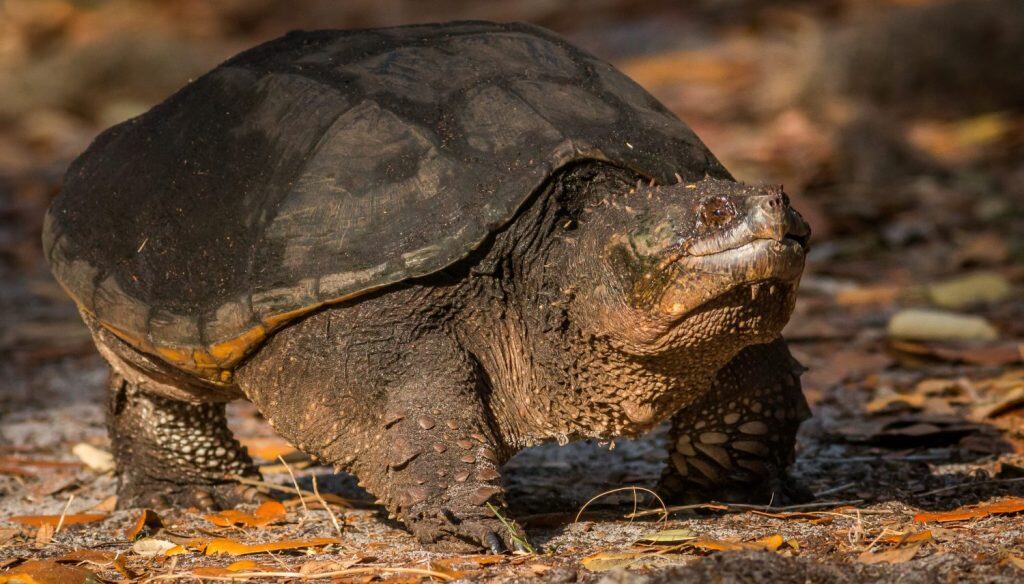
Common Snapping Turtle (Chelydra serpentina)
©Barry James Davis/Shutterstock.com
In the murky backwaters of the Missouri, snapping turtles lie half-buried in silt. Lurking there, they feed on fish, frogs, and carrion, sometimes reaching 40 pounds or more. Despite their prehistoric appearance, they play a vital role in recycling nutrients within the river’s ecosystem.
Dragonfly (Family Libellulidae)

Dragonfly (Family Libellulidae)
©Martin_Davis/Shutterstock.com
In summer, dragonflies dart above the Missouri’s calm backwaters, hunting mosquitoes and gnats. Virtually unseen, their nymphs live underwater, feeding on larvae and small fish before transforming into winged adults. These insects support an array of bird and fish species throughout the river’s wetlands.
White-tailed Deer (Odocoileus virginianus)
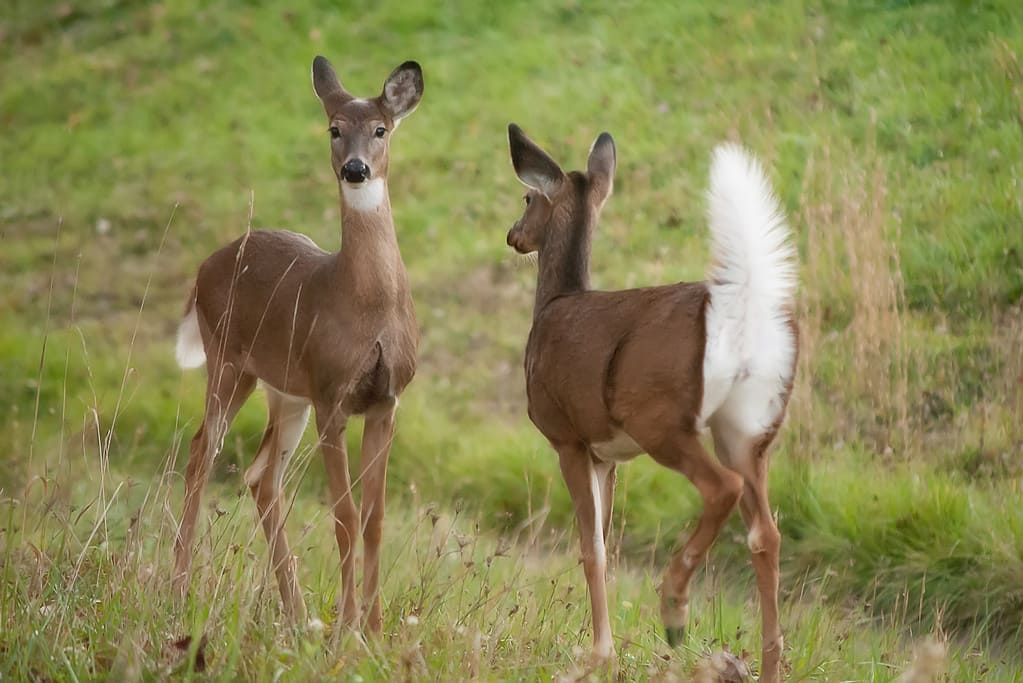
White-tailed Deer (Odocoileus virginianus)
©Christopher Roth/iStock via Getty Images
The floodplains along the Missouri provide vital habitat for deer, offering cover, water, and food. Adults weigh between 100 and 250 pounds and feed on leaves, crops, and acorns. As they forage for food, herds move between forest edges and river islands, particularly at dawn and dusk.
American Bullfrog (Lithobates catesbeianus)
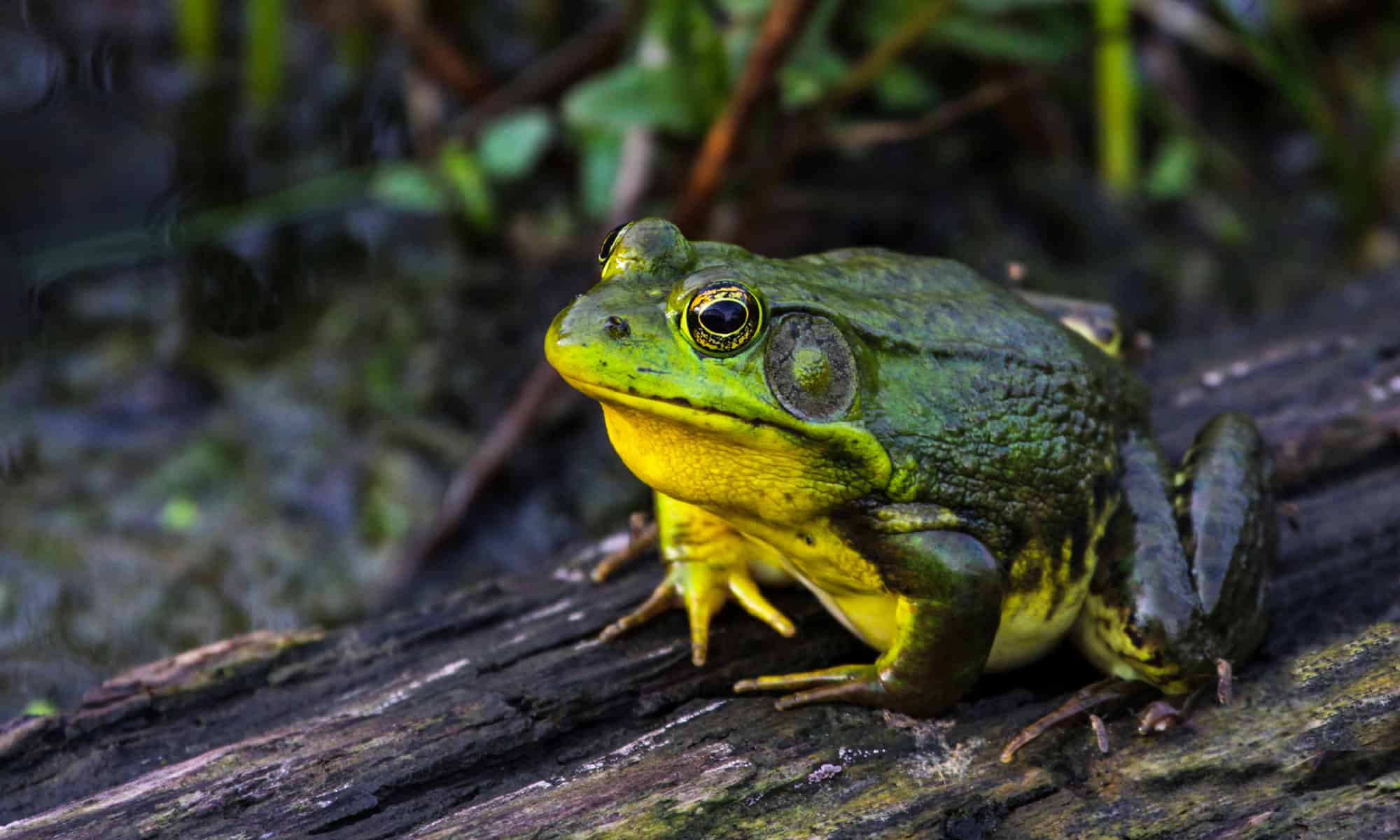
American Bullfrog (Lithobates catesbeianus)
©iStock.com/187715314
The deep bellow of the bullfrog is a signature sound of Missouri wetlands. Growing up to 8 inches long, these amphibians eat insects, crayfish, and even small birds. Later, in mating season, They breed in quiet backwaters and oxbow lakes, where their tadpoles spend over a year developing before undergoing metamorphosis.
Mayfly (Order Ephemeroptera)
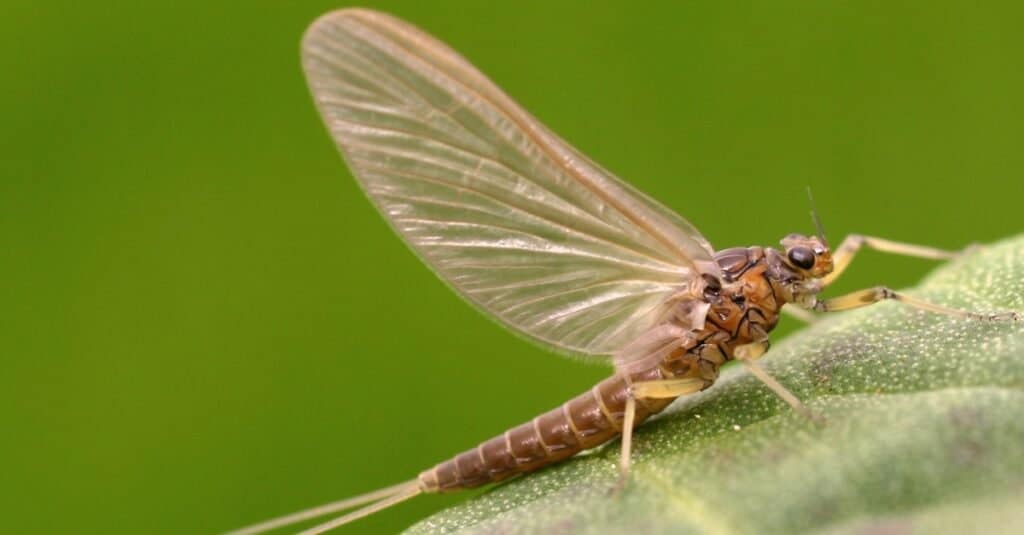
Mayfly (Order Ephemeroptera)
©iStock.com/englishriver
Mayflies emerge in dense swarms over the Missouri River each summer, their brief adult lives lasting only a day or two. Larvae spend months underwater feeding on algae and detritus, supporting fish populations that rely on them as a seasonal food source.
Eastern Kingbird (Tyrannus tyrannus)
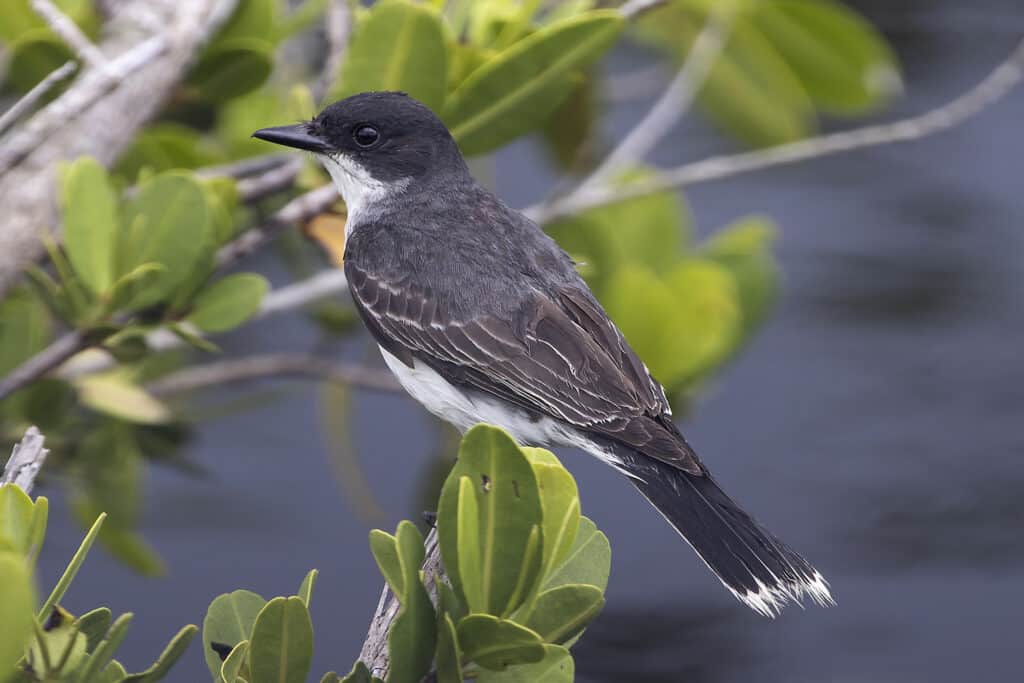
Eastern Kingbird (Tyrannus tyrannus)
©iStock.com/6381380
Perched on willow branches over the water, eastern kingbirds swoop to catch insects in midair. They’re small, about 8 inches long, with bold black-and-white plumage. In late summer, they feast on berries before migrating thousands of miles to South America for the winter.
American Toad (Anaxyrus americanus)
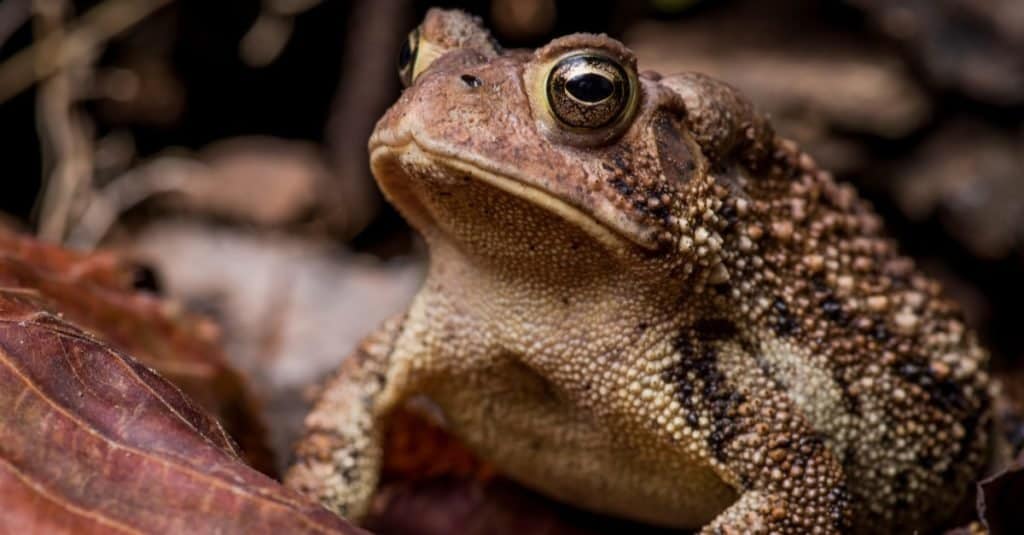
American Toad (Anaxyrus americanus)
©Fotoz by David G/Shutterstock.com
During spring nights along the Missouri, the high trills of American toads echo through the floodplain. They feed on ants, beetles, and worms, and grow up to 3 inches long. After breeding in temporary pools, they spend most of the year on land, burrowing into soil to escape the heat.
Double-crested Cormorant (Phalacrocorax auritus)
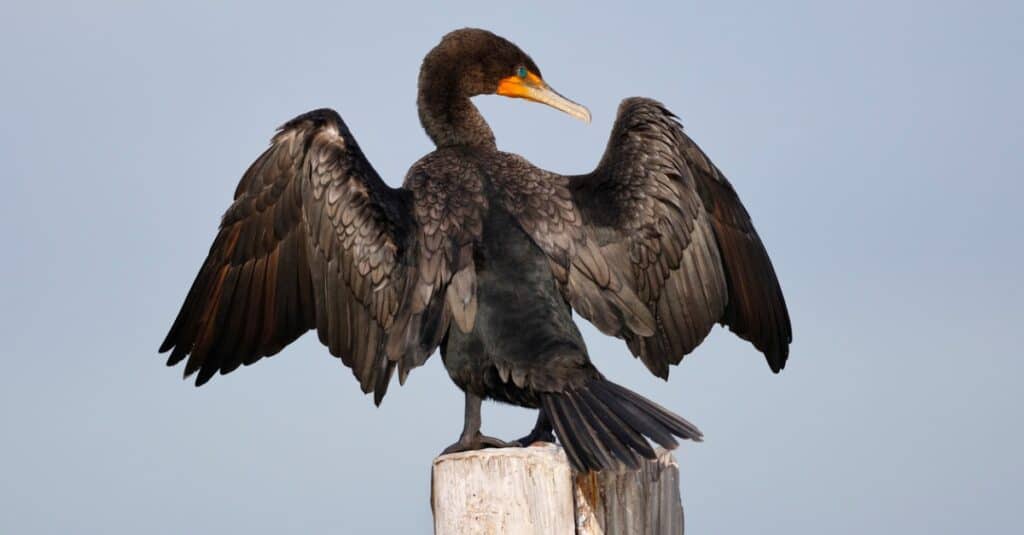
Double-crested Cormorant (Phalacrocorax auritus)
©iStock.com/BrianLasenby
These dark, long-necked diving birds are common along the Missouri River’s broad stretches. They chase fish underwater, propelled by their strong legs. About 30 inches long, they often perch with wings spread to dry in the sun after a dive.
Sustaining Life
The Missouri River remains one of the continent’s defining waterways—a dynamic force that links mountains to plains and wetlands to farmland. Its living network of fish, birds, reptiles, and mammals continues to adapt to a changing landscape. Though shaped by dams and time, the Missouri still sustains life wherever its waters reach.