
Quick Take
- Missouri shifted from damage management to elimination, banning wild pig hunting on land to curb the population.
- Full-time pig trappers organized into strike teams capture entire sounders, reducing duplication and cutting the hog population by at least 80% since 2016.
- Cross-agency collaboration, strong leadership, and sustained funding enabled experimentation with traps and personnel over a long-term plan.
Wild or feral pigs are a challenge in many parts of the US. Various states have taken different approaches to deal with them, and some have been more successful than others. The stakes are high because wild pigs are very destructive and can even present a risk to human health. One state, however, has had great success, and its approach has important lessons for policymakers and wildlife managers elsewhere. Here, we look at Missouri’s methods for controlling the relentless march of feral pigs and examine why it has been so effective.
About Wild Pigs

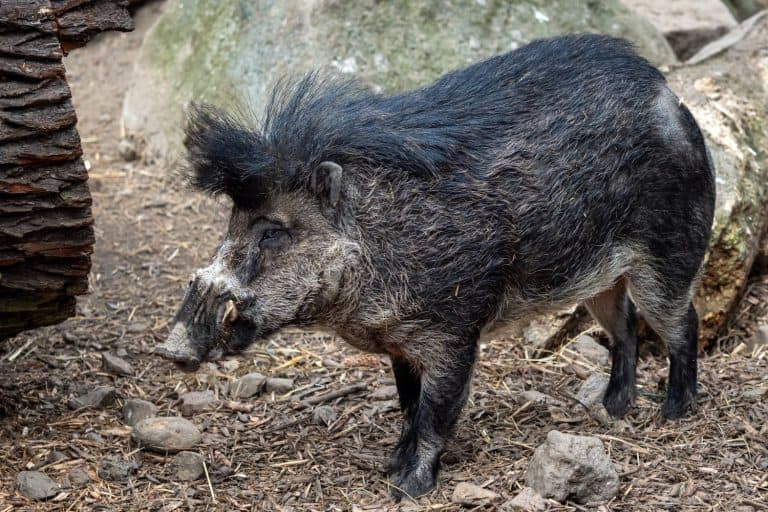
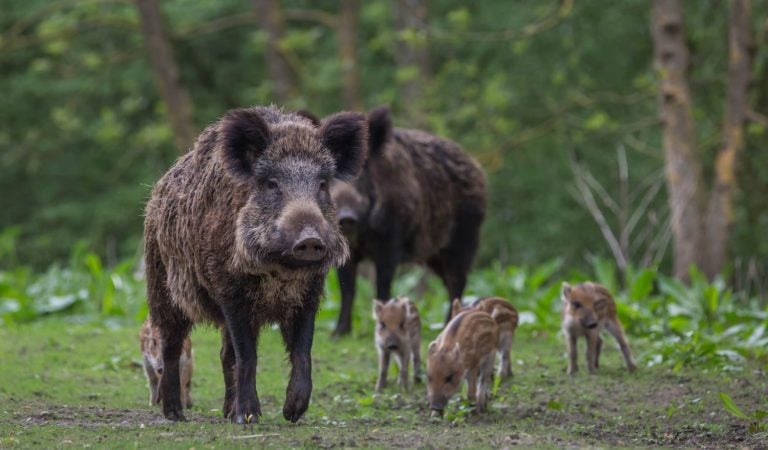
Wild pigs reproduce rapidly.
©Adrian Eugen Ciobaniuc/iStock via Getty Images
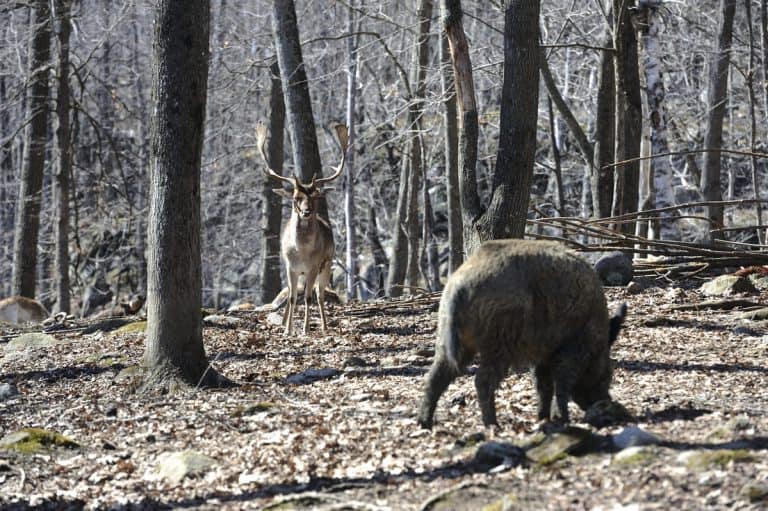
Wild pigs, also called wild boars, common wild pigs, and Eurasian wild pig (Sus scrofa), are a native species of Europe and Asia. They were brought to the US in the 1500s by early settlers, but soon set up feral populations. Then, even more of them were introduced during the 1900s for sport hunting. Over the last few centuries, they have interbred with escaped domestic pigs. This means that the current feral swine population is a combination of domestic pigs, wild boar, and hybrids of the two. There are an estimated six million wild pigs currently living in at least 35 states.
They can produce up to 12 offspring at any time of the year. The females are social and tend to live in groups called sounders. Their diets are made up of whatever is available, and these pigs are highly adaptable. As omnivores, they will feed on plants (including food crops), roots, nuts, birds’ eggs, and small carrion. They have reportedly preyed on small calves and lambs.
Why Are Wild Pigs a Problem?
All of the characteristics we have detailed above make them both a problem and difficult to remove! Overall, they hurt the ecosystems where they are found. When they feed and nest, they destroy the habitats of other animals. They uproot saplings, displace soil, and reduce soil quality, seed survival rates, and species diversity. These pigs also cause agricultural and property damage to the value of around $3 billion each year. The pigs carry diseases that can be transmitted both to other animals and humans. This makes them a threat to the health of wildlife, livestock, and people.
Their intelligence, ability to produce lots of offspring, and their social nature make them difficult to remove from an area once they are established. What’s more, their relationship with hunting activities further complicates the situation. There is evidence that wild pigs have been illegally translocated from one area to another for hunting purposes, though recent enforcement efforts have aimed to reduce this practice.
Various Approaches to Wild Pig Management
Several different approaches towards wild pig management have been tried in various US states. Trapping and removing the pigs while relying on hunters to remove what’s left has been largely unsuccessful. One reason is that this inadvertently encourages the spread of pigs by providing an economic incentive. Also, they reproduce so rapidly that hunters can’t kill enough of them to keep up.
Others have taken the opposite approach and prohibited wild pig hunting to try to prevent them from being translocated. This, however, can trigger a backlash from hunting enthusiasts.
Early Failures in Missouri
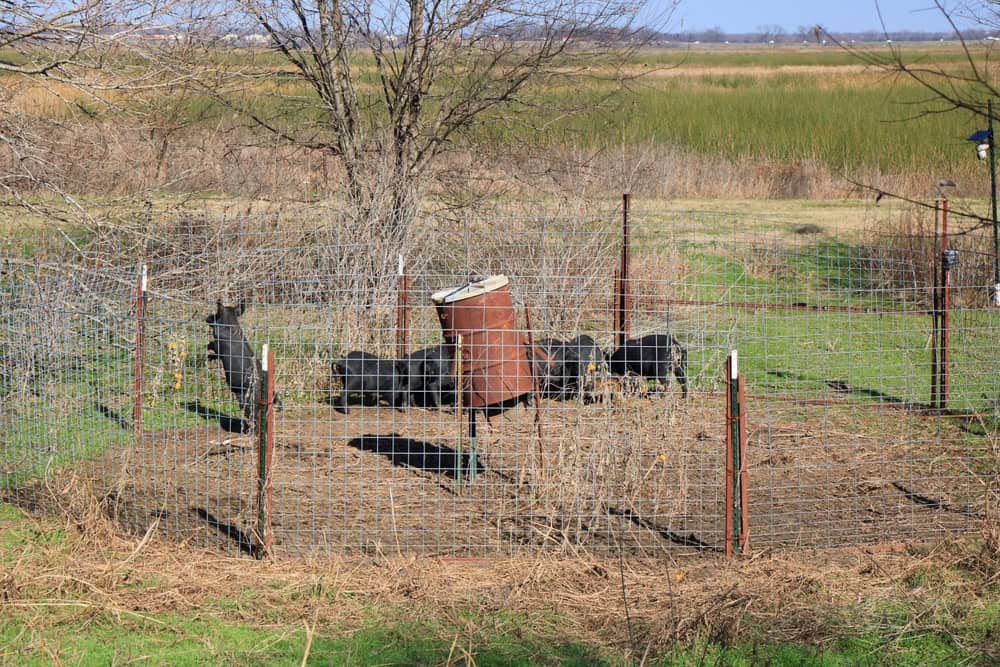
Feral hogs can be trapped.
©Daniel Koglin/Shutterstock.com
There were probably small numbers of feral pigs in Missouri for years, but it was not until the 1990s that they appeared in larger numbers. Landowners began to contact the Missouri Department of Conservation (MDC) with concerns, and it was recognized that there was a problem. An interagency Missouri Feral Hog Task Force was formed in 1998. Importantly, this allowed all of the agencies to forge connections that were to prove very useful in later years.
In the years leading up to 2007, the participants were both willing to look to other states for inspiration (they used trap designs from Texas) and to make improvements (they altered the trigger). At the same time, they encouraged wild pig hunting and even provided maps for hunters. Wild pig traps and bait were provided to private landowners. Both strategies failed to work, and the task force eventually disbanded.
A Deteriorating Situation
Between 2007 and 2014, the situation deteriorated. The state’s wild pig hunting culture grew, but so did the wild pig population. Hunters were releasing wild pigs onto public land such as the Mark Twain National Forest. Much of this public land bordered private land, which the pigs soon entered and damaged. During this time, there were reports of hunters vandalizing traps and harassing field staff engaged in wild pig control activities.
A second task force was formed, but this time it included broad stakeholder representation, including federal interests, agricultural industries, hunting-related interests, and the forest industry. Rather than being made up of field staff, this task force comprised senior decision-makers and managers working at the district or headquarters level. The laudable aims were to achieve a collective vision and unification. A database was developed to collect data on wild pig populations. There were strategies to encourage private landowners to engage in wild pig removal. At the same time, enforcement efforts were increased to clamp down on illegal releases of pigs.
All of this, together with trapping on both public and private land, was only achieving damage management, and the wild pig population continued to grow. However, some useful experiments in targeted wild pig elimination in geographically defined areas were carried out, which would prove useful in the future.
Renewed Collaboration
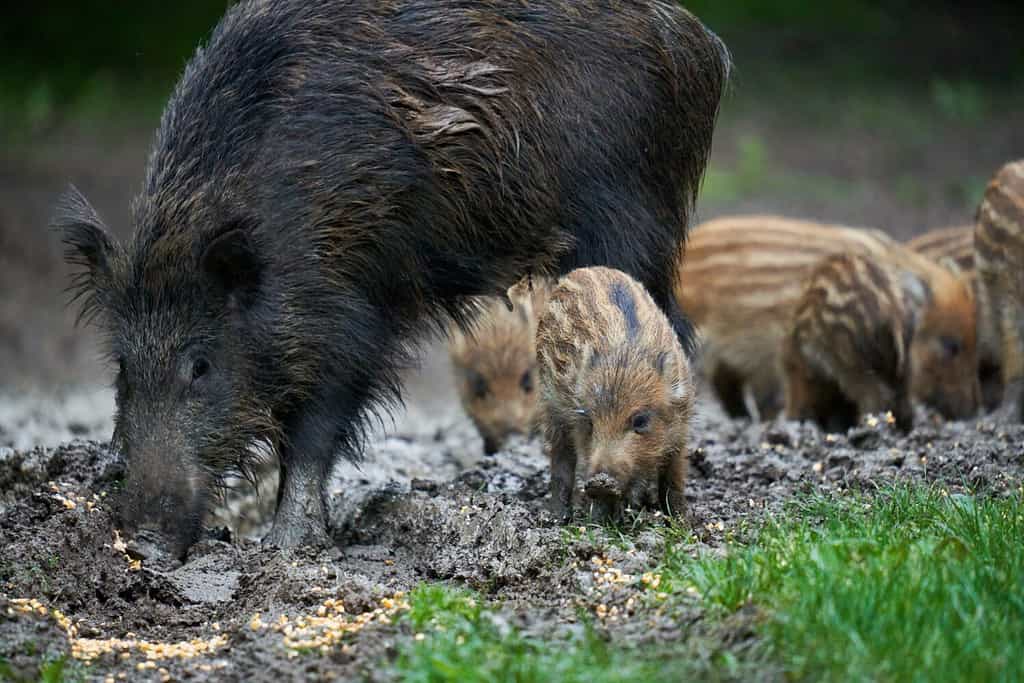
Banning wild pig hunting was successful.
©Slatan/Shutterstock.com
In 2014, a boost in federal funding for wild pig control efforts was made available. The success of the elimination in geographically defined areas was reviewed, and further areas were identified.
Crucially, the emphasis had shifted from damage management to elimination. By 2019, most of the members of the task force had banned wild pig hunting on their land. One of the most significant moves was the U.S. Forest Service stopping it in the Mark Twain National Forest. Hunting enthusiasts were not happy with these developments, putting huge pressure on the authorities to deliver results that demonstrated the effectiveness of their strategies.
All Hands on Deck
A research paper documenting Missouri’s success in tackling wild pigs describes this next phase as an “all-hands-on-deck approach.” Wild pig control became a top priority for the MDC. Many employees were deployed across the state to assist with trapping. After some initial success, it was decided that using full-time trapping professionals would be better. The field operations were comprised of strike teams. At the same time, duplication was eliminated and administrative burdens reduced. Clearly defined and specialized roles were a key element.
Trapping Success
Full-time pig trappers have the skills needed to capture entire sounders. This is essential because wild pigs are super smart! If any members of the sounder remain free, they will have noticed their companions getting stuck in traps and will have learned to avoid traps in the future.
Trappers were organized into strike teams and deployed to priority areas for elimination. This reduced overlaps and duplication. Trapping by landowners was no longer supported, as they likely lacked the expertise to capture the entire sounder in a single go. Missouri’s feral hog population has fallen by at least 80 percent since 2016.
Key Takeaways for Policymakers and Wildlife Managers
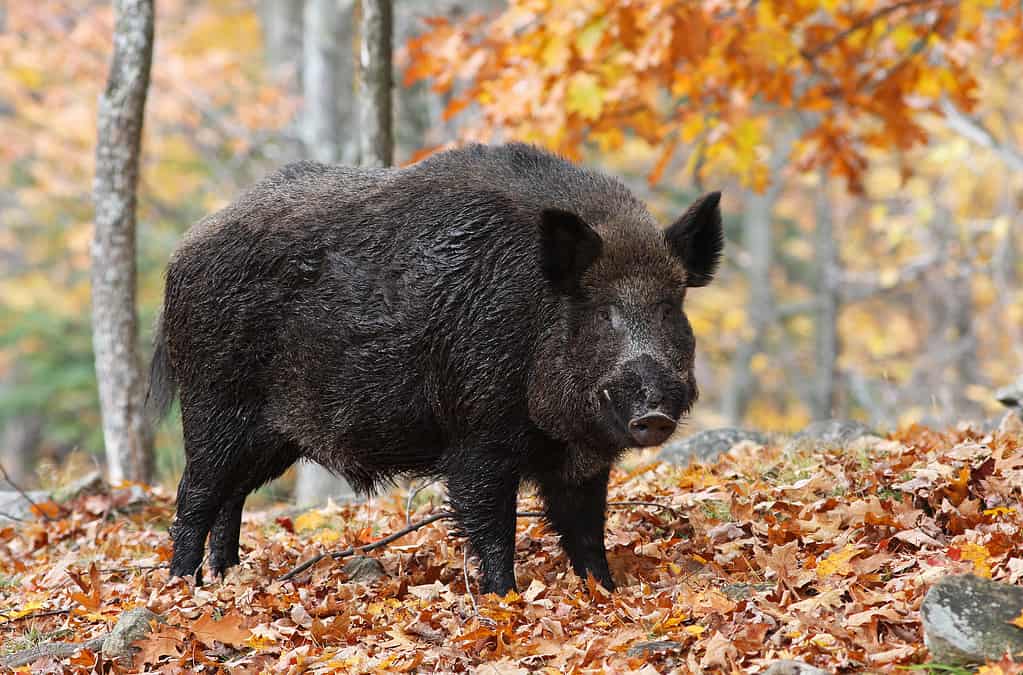
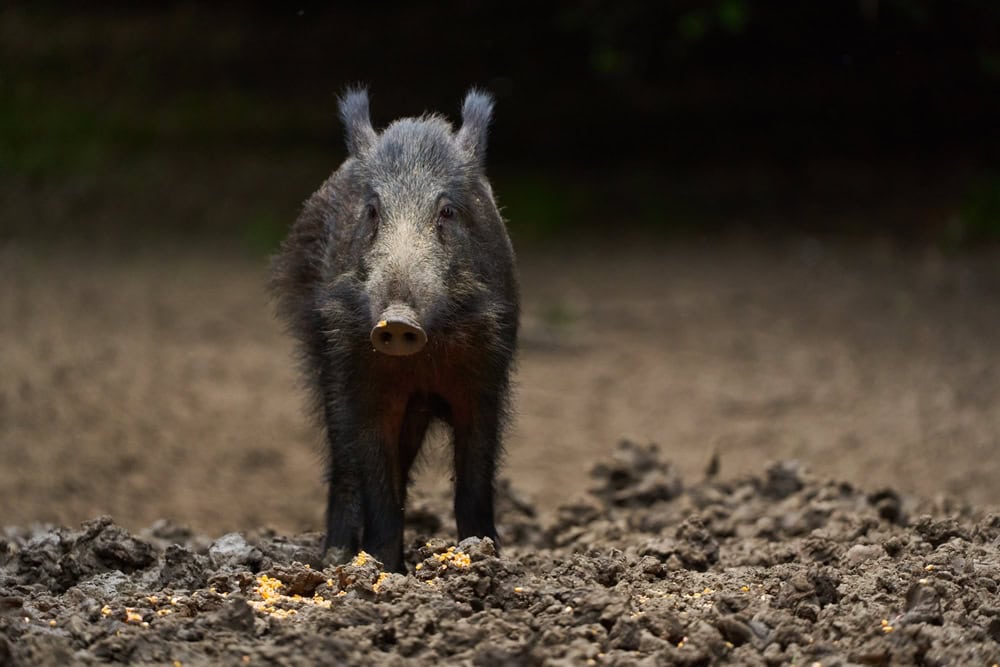
Missouri has had success in controlling wild pigs.
©Mircea Costina/Shutterstock.com
The Missouri experience offers both hope and key takeaways for other US states with a wild pig problem. Underpinning their success are collaboration, exploration, and adaptation.
A crucial factor was the involvement of policy makers and heads of organizations, as well as field operatives. No single agency could have achieved this success, and the local history of positive formal and informal coalitions was very useful. This leads to trust and improved working relationships.
A further important element was the willingness to experiment and learn from both successes and failures. Examples include testing various trap designs and employing different types of personnel, including landowners, to operate them. Related to this was the adoption of a long-term strategy that allowed time for experimentation and learning. Short-term setbacks are to be expected.
Determined and brave leadership is also key, especially when controversial policy decisions, such as banning hunting, are required. Finally, none of this can be achieved without sufficient funding. Hopefully, the lessons learned in Missouri will help other states identify strategies to tackle their own wild pig problems.