
Quick Take
- The legal weapon NhRP is deploying was built for humans, and that origin is precisely what makes using it for elephants a potential rewrite of U.S. animal law. See prior legal attempts →
- Hawaiian courts have ruled against these elephants twice, yet NhRP still considers the case's current status a victory. How can that be? Why NhRP calls it progress →
- The zoo director made a public promise about the elephants' future, but a county official quietly erased it. Read the zoo's retraction →
- A ruling here only affects two elephants, but the ripple effect on zoos nationwide could be far bigger than anyone involved is admitting. Explore the nationwide impact →
Mari and Vaigai have lived at the Honolulu Zoo in a 1.5-acre enclosure for more than 30 years. The two Indian elephants, both captured in the wild, are at the center of a legal battle that could change how courts across the United States view animal rights under the law.
Proponents of the lawsuit say the elephants are suffering in an enclosure that is too small. Zoo representatives say the elephants are content and well cared for.
Ultimately, it will be up to the court to decide who’s right.
The Current Situation
Mari (51) has been at the Zoo since 1982, in an enclosure that is about as big as a city block. Vaigai (41) joined her there ten years later. Together, they share two 55,000-gallon water pools within the 1.5-acre enclosure. According to Smithsonian National Zoo research, wild Asian elephants can have a total home range of 60 to 500 square miles, roaming up to 1 to 4 miles each day.
The group that filed the lawsuit on behalf of the pair is the Nonhuman Rights Project (NhRP), a U.S.-based civil rights organization dedicated to securing legal rights for non-human animals. Their goal is to change the status of animals with complex cognitive skills, like elephants, chimpanzees, whales, and dolphins.
NhRP filed the lawsuit using a legal concept known as “habeas corpus,” which is traditionally used by people who believe they are being unlawfully detained. NhRP’s goal is to convince the courts that the two elephants deserve the same protections against unlawful confinement as people are entitled to.
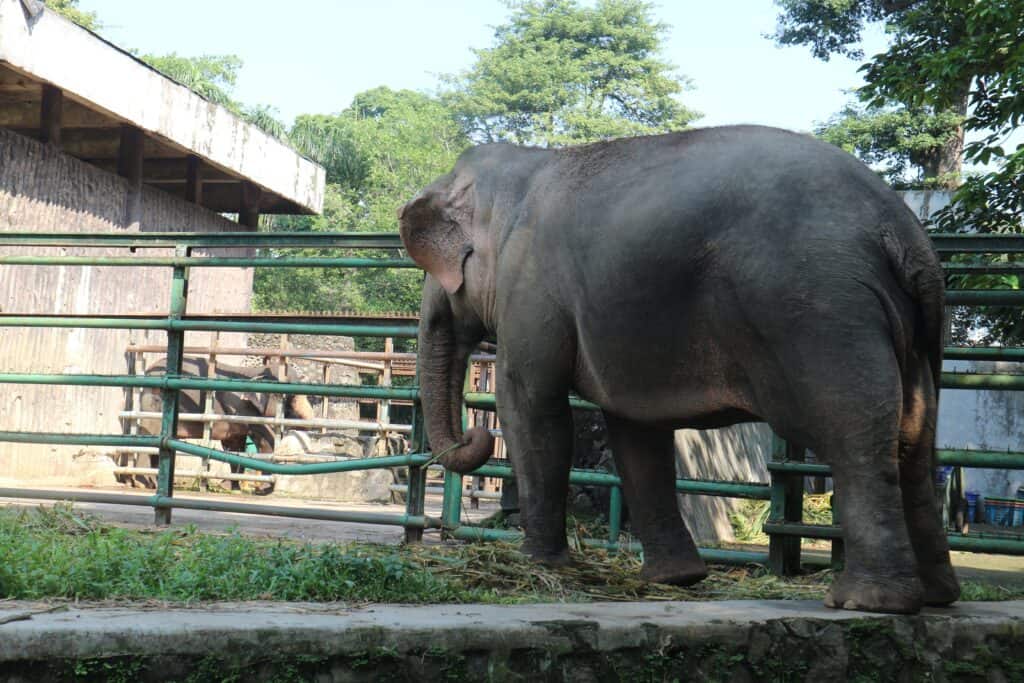
Allegations that elephants are kept in enclosures that are too small form one basis for the lawsuit.
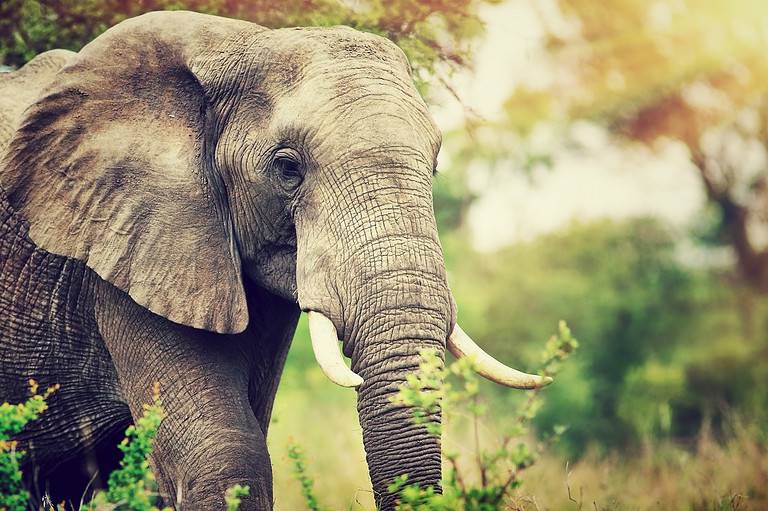
©Cindhyade/Shutterstock.com
So far, Hawaiian courts are not inclined to agree. The first court ruling against NhRP came from Circuit Court Judge Gary Chang. In his ruling, he recognized elephants as “magnificent, highly intelligent beings” but noted that they didn’t meet the statutory definition of “persons” under Hawaiian state law. The state legislature defines “persons” as being limited to humans.
NhRP then took its fight to the appellate court, which also sided against them, ruling that elephants are not “persons” under the state’s habeas corpus law. That court suggested that rather than pursue legal action, NhRP should lobby the state legislature for changes to the laws.
NhRP then filed an appeal to Hawai’i’s highest court, the Supreme Court. The court accepted the case in early June, a significant development that NhRP considers a victory, since the court could have declined to hear the case.
“This is a historic moment for Mari and Vaigai and for the broader effort to secure fundamental legal rights for animals,” said Jake Davis, a senior staff attorney for the group, in a press release. “By agreeing to hear this case, the Hawaii Supreme Court has recognized the significance of the legal questions presented. We look forward to presenting the case before Hawaii’s highest court and demonstrating why the common law should protect their fundamental interest in liberty.”
So far, no court date has been set.
What Animal Rights Groups Have to Say
The crux of the lawsuit is NhRP’s belief that the Honolulu Zoo cannot provide the elephants with the wild-like environment and large family group they need to thrive. Jake Davis, an attorney with NhRP, recently explained to the AP that the zoo enclosure is too small, the ground is too hard for their foot pads, the enclosure lacks shade, and it is too close to loud and busy city streets. He described the conditions at the Honolulu Zoo as “especially insidious.”
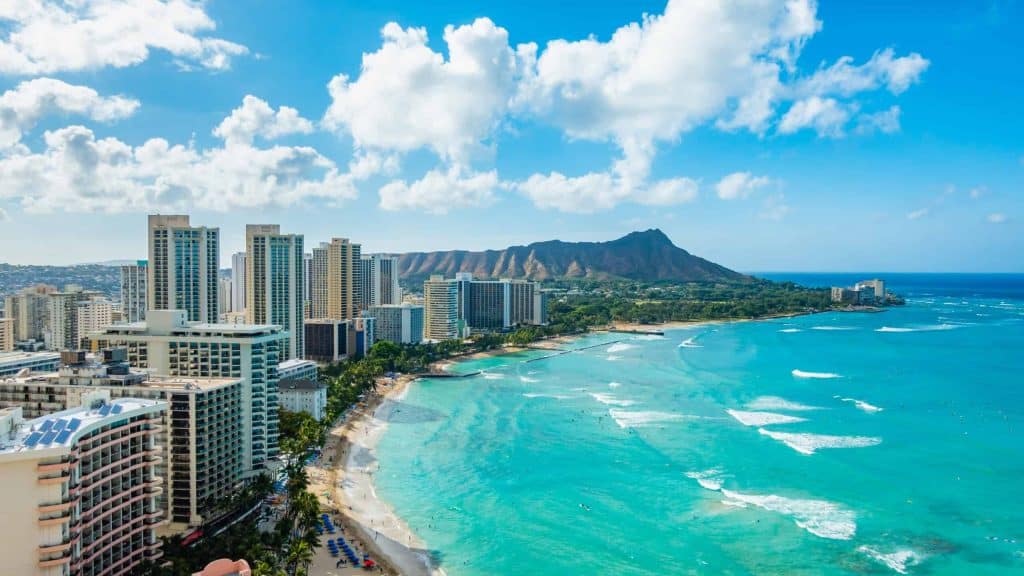
The Honolulu Zoo’s location close to busy city streets is also a concern to those fighting for elephant rights.
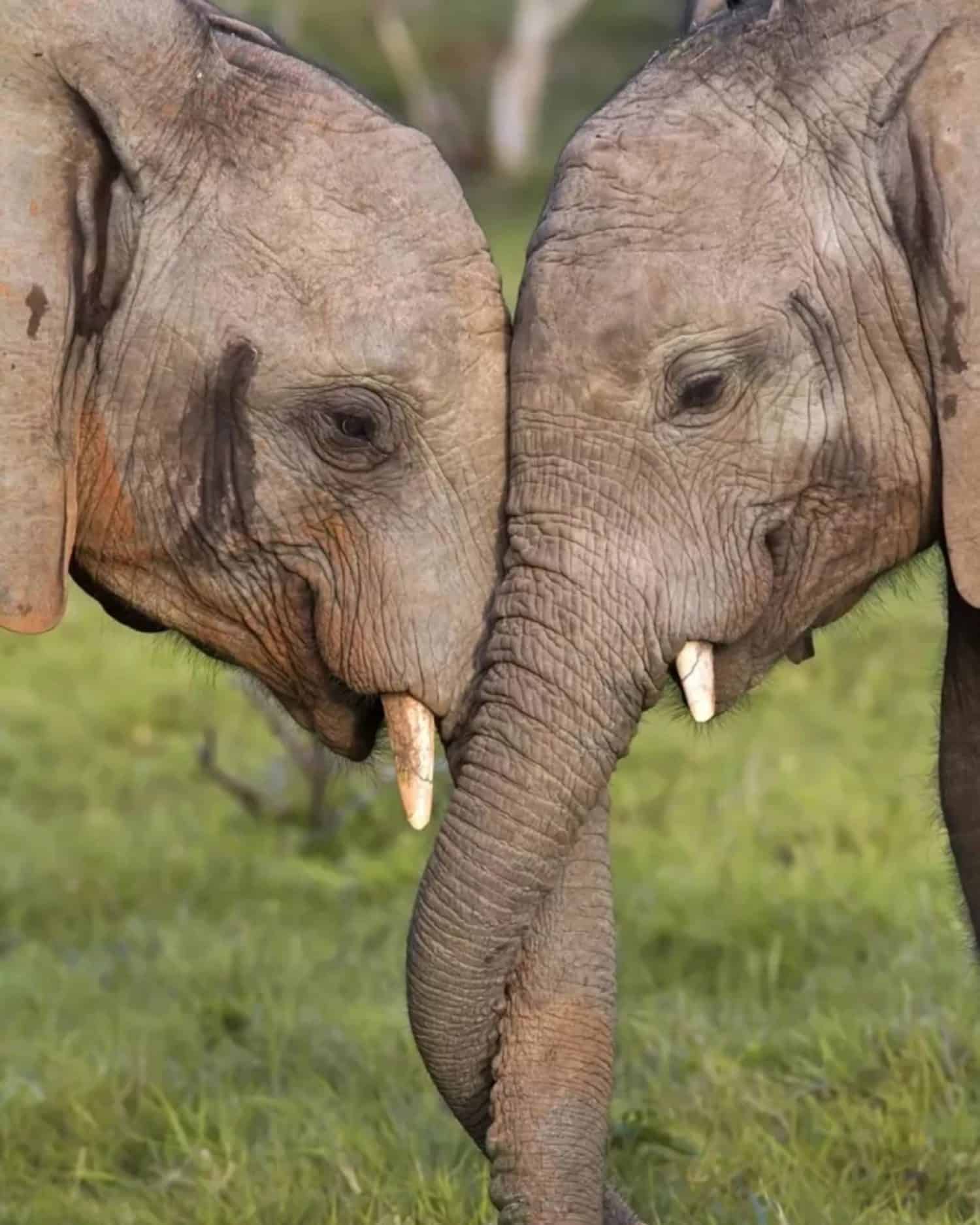
©okimo/Shutterstock.com
It’s not the first time the zoo has faced criticism over its elephant enclosure. Another animal rights group, In Defense of Animals, named the zoo among the 10 worst in the country, partly due to the living conditions of its elephants.
The Zoo also lost its accreditation with the Association of Zoos and Aquariums in 2016, but regained its good standing in 2020.
The Zoo’s Response
The Honolulu Zoo is owned by the city, which has so far refused to comment on the matter. However, Honolulu Zoo Director John Berry issued an emailed statement to the AP, promising that the zoo is committed to caring for the animals and supporting their well-being through meaningful enrichment opportunities.
“We are fully committed to ensuring they continue to receive exceptional care and support,” Berry said in the news story, “which includes our most recent project aimed at refreshing and expanding their exhibit.” However, an Oahu County representative later retracted any mention of plans to improve the exhibit space.
Efforts In Other States
This isn’t the first time NhRP has attempted to win animal rights in court. They’ve filed similar cases in Connecticut and New York. While neither case was successful, two New York judges wrote dissents that sided with NhRP. Judge Jenny Rivera called Happy’s, the elephant in that case, captivity “inherently unjust and inhumane.”
She wrote in her dissent, “It is an affront to a civilized society, and every day she remains a captive — a spectacle for humans — we, too, are diminished.”
Hawai’i is NhRP’s third attempt to seek habeas relief for elephants.
What a Victory Could Mean
While any victory in Hawai’i would only affect Mari and Vaigai, it could encourage other states to consider granting basic legal rights to nonhuman species.
Even without the court cases, though, more than 40 zoos nationwide have closed their elephant exhibits since 1991, citing welfare concerns. For animal rights activists, that’s a win.