
Quick Take
- Legal advocates have pursued non-human personhood status for select species in several countries, but widespread legal recognition remains limited and rare.
- Because animals are legally classified as property in most jurisdictions, the majority of animal cruelty cases do not advance to higher courts.
- Recent research and advocacy have led some countries to extend certain welfare protections to crustaceans, recognizing their capacity for pain.
- In recent years, several nations have amended their constitutions to include animal welfare provisions, reflecting growing legislative attention to animal rights.
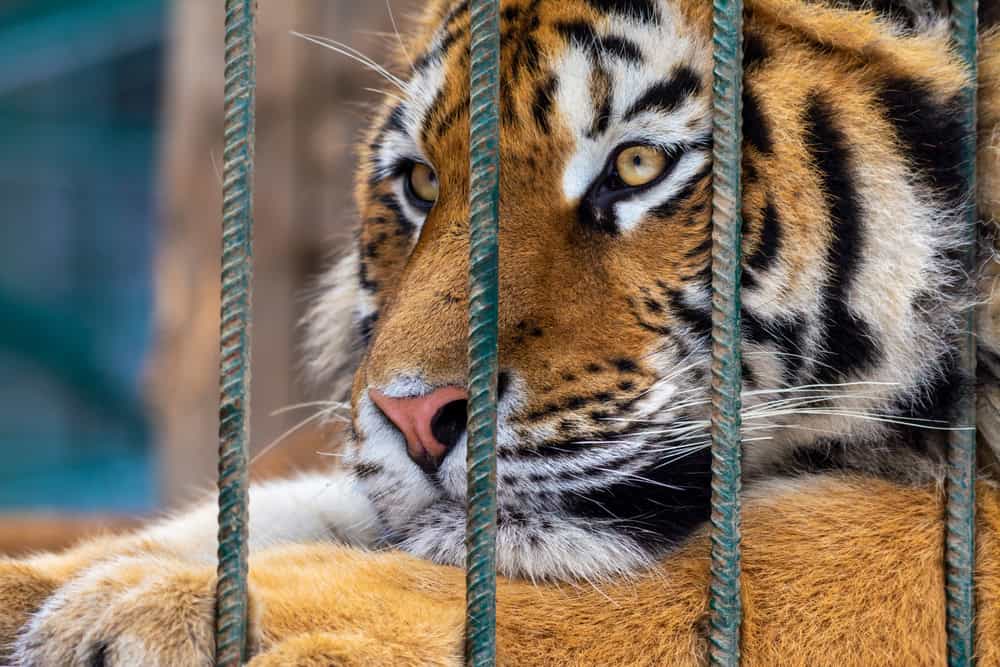
February 22-28, 2026 is National Justice for Animals Week. It’s an important time for people to reconsider how legal systems treat animals. In most countries, the law still views animals as property rather than as living beings with interests of their own. This classification shapes how animals are used in farming, research, entertainment, and trade. In response, a growing global movement is working to strengthen legal protections and expand the field of animal law. Lawyers, scientists, students, and everyday citizens are questioning long-standing assumptions and pushing courts and legislatures to take animal suffering seriously.
Why Animal Rights Law Developed
Animal rights law emerged because traditional cruelty statutes failed to address widespread, institutional harm. Early laws focused on extreme abuse by individuals but allowed routine suffering in industries such as agriculture, research, and entertainment. Because animals were classified as property, their interests were rarely prioritized over economic concerns. Public awareness shifted as investigations exposed severe neglect in puppy mills, industrial farms, and roadside zoos. These cases revealed that basic cruelty laws were insufficient to address systemic harm.
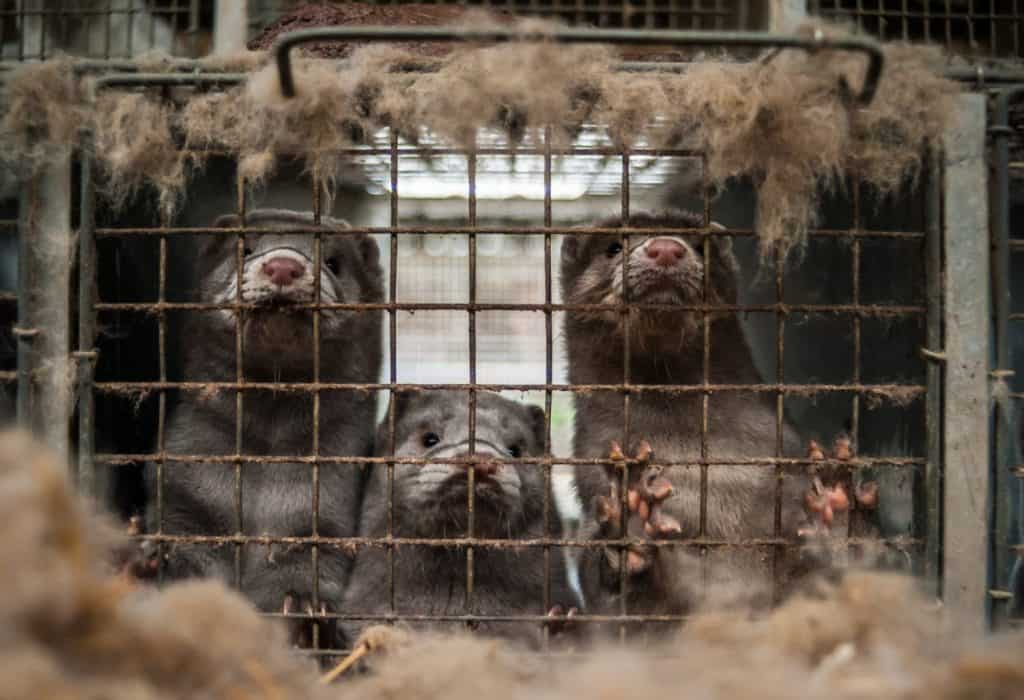
Weak cruelty laws allowed animals in commercial facilities to suffer for years before legal reforms began.
©Nicolai Dybdal/Shutterstock.com
In response, advocates began using other legal tools. Consumer protection laws challenged misleading claims about “humane” products. Environmental regulations targeted pollution and habitat damage linked to animal industries. Criminal law provided pathways for prosecuting serious abuse. Over time, these efforts developed into a recognized legal field. Today, animal law blends ethics, biology, and public policy. It considers whether legal systems should account for animals’ capacity to feel pain, form bonds, and experience stress.
National Justice for Animals Week and Its Purpose
National Justice for Animals Week exists to highlight how the legal system handles animal abuse and neglect. Organizers focus on real cases where animals gained protection through strong laws and persistent advocacy. The week also recognizes professionals who enforce those laws, such as investigators, veterinarians, and prosecutors. Their work often determines the outcome of cruelty cases.
The event emphasizes practical engagement rather than symbolism. Participants learn how to report suspected abuse, monitor pending legislation, and follow court cases. Recent observances have highlighted the plight of animals used in farming and laboratory research, groups that often receive less public attention. By focusing on legal accountability, the week reinforces the idea that justice should extend beyond humans and apply wherever animal suffering occurs.
Welfare Standards Versus Rights-Based Approaches
Most animal laws rely on welfare standards rather than rights. Welfare laws aim to reduce suffering while still allowing animals to be used for food, research, or labor. These standards might regulate cage size, handling methods, or slaughter practices, but they rarely question whether those uses should occur at all. As a result, animals may remain confined or be subjected to invasive procedures, as long as minimum standards are met.

Rights-based approaches argue that intelligent animals like elephants have interests that deserve legal recognition.
©Toshihiro Gamo / Flickr – Original
Rights-based approaches challenge this framework. Advocates argue that certain animals possess interests that should not be overridden by profit or convenience. This view introduces the idea of legal personhood, which does not require an entity to be human. Corporations, ships, and natural features such as rivers already hold legal status in some jurisdictions. Supporters of animal rights argue that highly sentient animals, including chimpanzees, elephants, and dolphins, should receive limited legal recognition, allowing their interests to be represented directly in court.
Personhood Cases Involving Chimpanzees and an Elephant
Efforts to establish animal personhood have centered on a small number of landmark cases. The Nonhuman Rights Project has led many of these efforts, filing habeas corpus petitions on behalf of captive animals. In New York, the group argued that chimpanzees named Tommy and Kiko were unlawfully confined, citing scientific evidence of chimpanzee cognition, social complexity, and self-awareness.
Courts rejected these claims, reasoning that legal rights require corresponding duties that animals cannot fulfill. A similar argument was made in the case of Happy, an Asian elephant housed at the Bronx Zoo. Advocates contended that her intelligence and social needs made solitary confinement unjust. In 2022, New York’s highest court acknowledged the ethical concerns but declined to grant personhood to the elephant Happy. These rulings demonstrate how reluctant courts are to depart from traditional legal categories, despite advances in animal cognition research.
Farm Animals and Gaps in Legal Protection
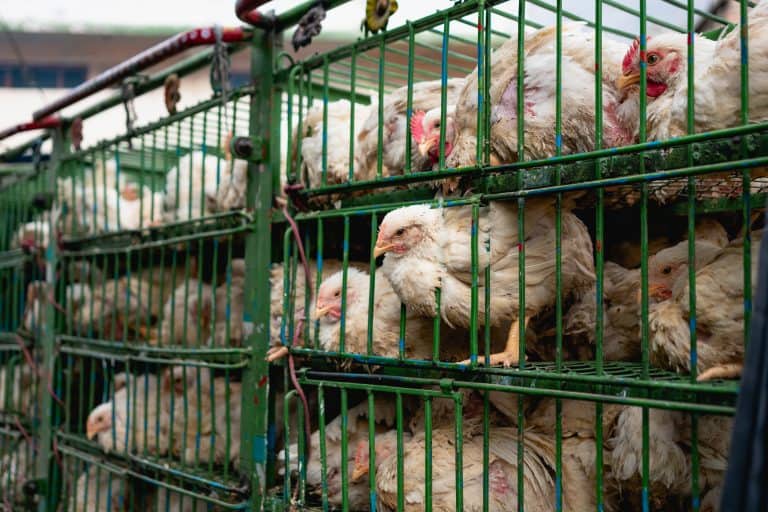
The greatest scale of animal suffering occurs in industrial agriculture. Billions of chickens, pigs, and cows are raised each year under conditions designed for efficiency rather than welfare. In many jurisdictions, cruelty statutes explicitly exempt “standard agricultural practices,” regardless of their impact on animals. This exemption allows for intense confinement, painful procedures without anesthesia, and environments that prevent natural behavior.
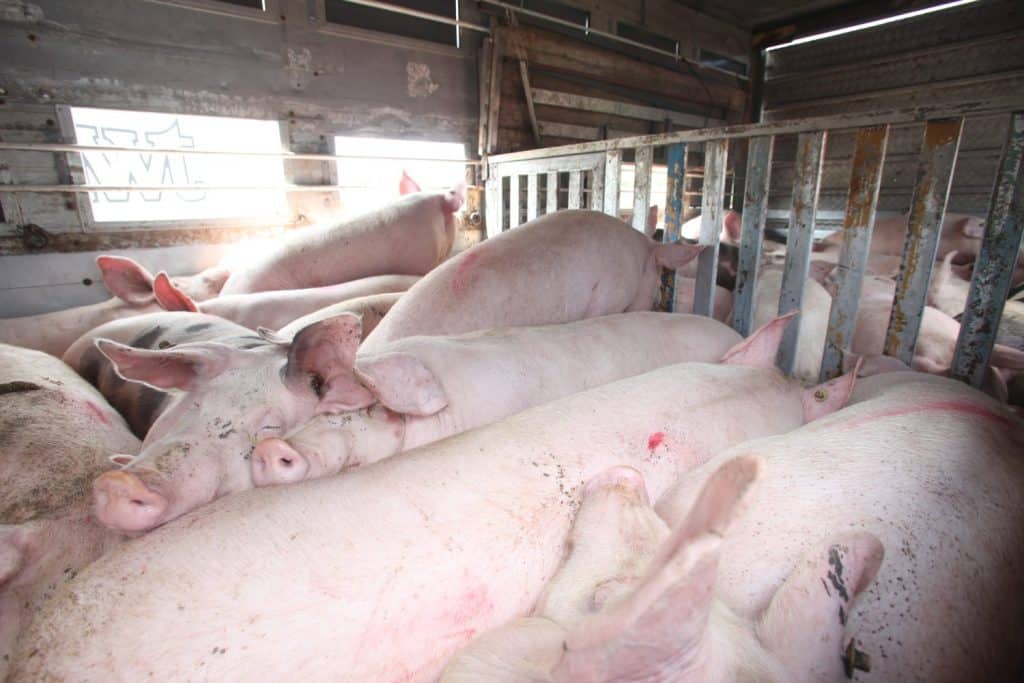
Gaps in animal protection laws permit large numbers of farm animals to live in restrictive environments.
©paul prescott/Shutterstock.com
Federal laws often focus on transport and slaughter, leaving daily living conditions for animals largely unregulated. Because of these gaps, reformers have pursued state-level changes. Ballot initiatives and legislation have set minimum space requirements and restricted certain confinement systems. California’s Proposition 12, passed in 2018, requires that egg-laying hens, breeding pigs, and veal calves have enough space to move and rest, though its implementation has faced ongoing legal challenges. When implemented across large populations, such reforms affect millions of animals.
Legal Oversight of Research Animals
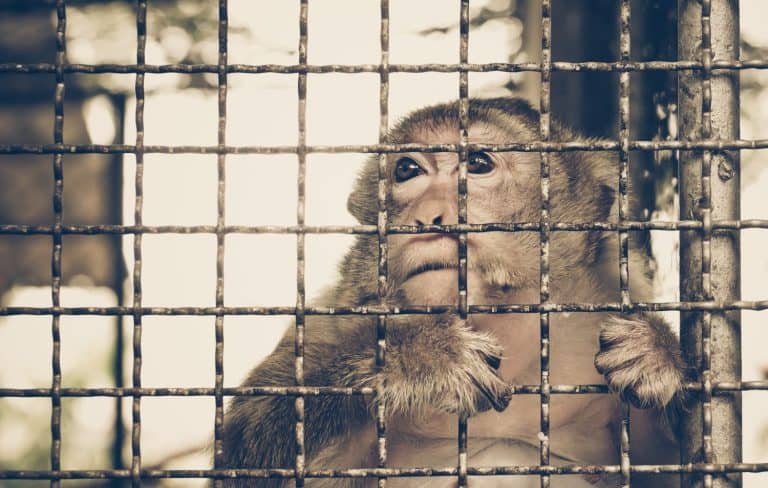
Animals used in scientific research face a separate regulatory system. In the United States, the Animal Welfare Act governs the care and housing of many research animals and is enforced by the Department of Agriculture. The law covers species such as dogs, cats, primates, and rabbits. However, rats, mice, and birds bred for research are excluded from key protections, despite making up the majority of laboratory animals.
Institutions receiving federal research funding must also comply with health and research regulations. Oversight committees review study protocols, assess housing conditions, and encourage methods that reduce pain or replace animals where possible. Critics have argued that inspections occur too infrequently and that penalties remain too low to deter violations, though some jurisdictions have recently increased oversight and penalties. Reform advocates push for expanded coverage, stronger enforcement, and investment in alternatives such as computer modeling and organ-on-a-chip systems.
Strategic Litigation and the Animal Legal Defense Fund
The Animal Legal Defense Fund plays a central role in advancing animal law through litigation. Founded in the late 1970s, the organization uses the legal system to challenge cruelty and neglect. Its attorneys file lawsuits against abusive puppy mills, deceptive marketing practices, and facilities that violate welfare standards. They also support prosecutors by providing legal research, expert witnesses, and case preparation assistance.

Among other things, the Animal Legal Defense Fund protects dogs from abuse in puppy mills.
©iStock.com/Corey O'Hara
Beyond individual cases, the organization tracks legislation across all states and drafts model laws to strengthen protections. Educational programs support law students and early-career attorneys through internships, resources, and campus chapters. By building legal expertise and public awareness, the group helps sustain long-term progress in animal protection laws.
Legislative Changes at State and Global Levels
Courts are not the only arena for reform. Legislatures increasingly recognize animals as sentient beings rather than mere property. Courts have struck down laws in several states, making it safer to document abuse, though some of these laws remain in effect or have been modified. Other states require that dogs and cats used in research be offered for adoption when studies conclude.
Internationally, some countries in Europe and Latin America have enacted constitutional or civil law reforms acknowledging animal sentience. These changes influence how courts interpret existing statutes and consider future claims. Some regions have also granted legal standing to ecosystems such as rivers and forests. While these measures stop short of animal personhood, they signal a broader shift toward recognizing nonhuman interests within legal systems.
Grassroots Activism and Public Pressure
Legal reform depends on public involvement. Many changes begin with students, community groups, and concerned citizens. Educational campaigns encourage schools to adopt cage-free food policies or reduce the use of animals in harmful classroom activities. Media coverage of abuse cases often prompts calls for stronger penalties. Personal stories from rescue organizations help the public understand how laws affect the lives of animals.
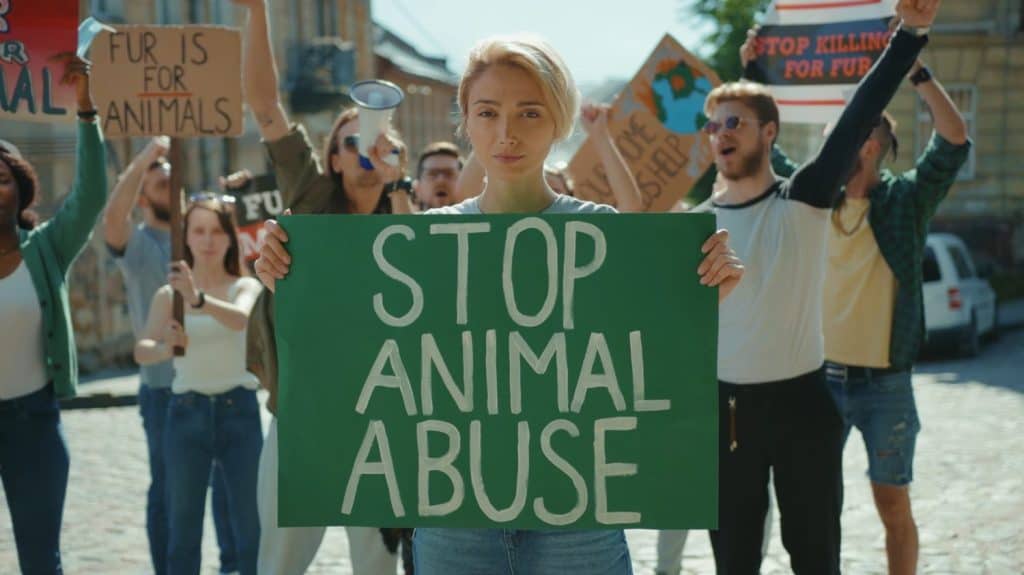
Public demonstrations like this show how everyday people push lawmakers to strengthen animal protection laws.
©Fractal Pictures/Shutterstock.com
Advocacy groups provide resources explaining how to read legislation, contact representatives, and testify at hearings. When public pressure grows, lawmakers respond. Practices once considered untouchable, such as extreme confinement systems, become subjects of serious debate. Grassroots action turns legal theory into political momentum.
Practical Steps for Supporting Legal Reform
Individuals can support animal protection without legal training. Learning local and national animal laws reveals where gaps remain. Contacting elected officials with clear, concise messages can influence policy decisions. Supporting organizations that monitor legislation helps people stay informed and act quickly when bills arise.
National Justice for Animals Week offers opportunities to engage through educational events, discussions, and social media outreach. Consumer choices also play a role. Purchasing products that meet higher welfare standards and supporting cruelty-free research signals public demand for change. Each action contributes to a broader culture that values animal well-being.
A Future Where Animals Have Legal Standing
The movement for animal rights continues to evolve. Scientific research increasingly documents animals’ emotional lives, social bonds, and cognitive abilities. As evidence grows, the disconnect between knowledge and law becomes harder to justify. While full legal personhood for animals remains rare, incremental reforms are reshaping how societies define responsibility.
National Justice for Animals Week underscores the importance of continued advocacy. Whether through litigation, legislation, or education, progress depends on sustained effort. Giving animals a voice in legal systems reflects a broader commitment to fairness and accountability for all beings. Laws that recognize animal interests mark a step toward a justice system grounded in compassion rather than convenience.