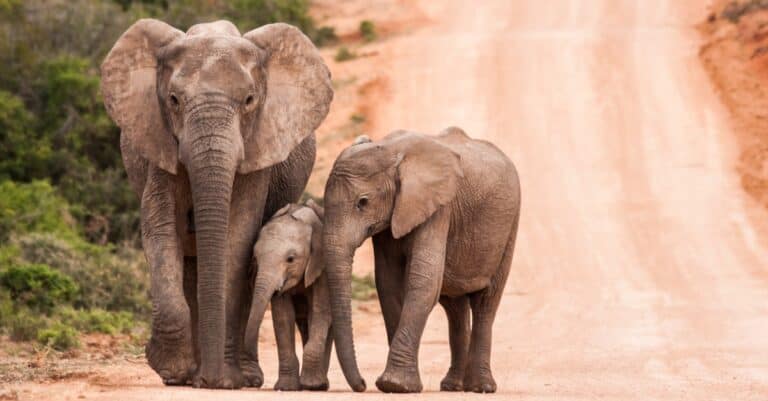
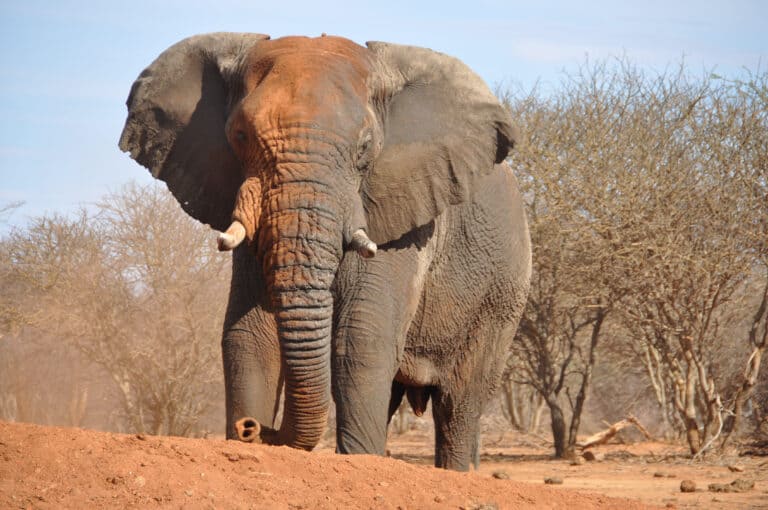
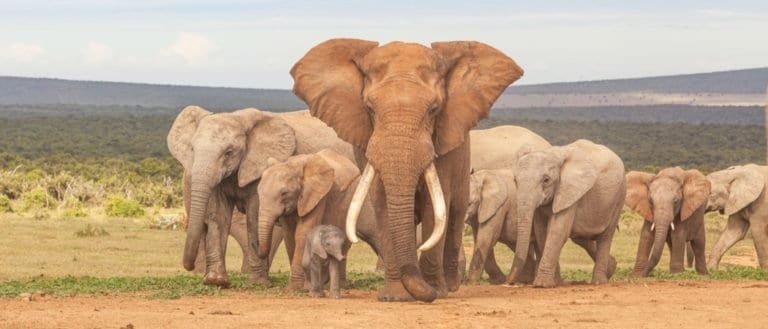
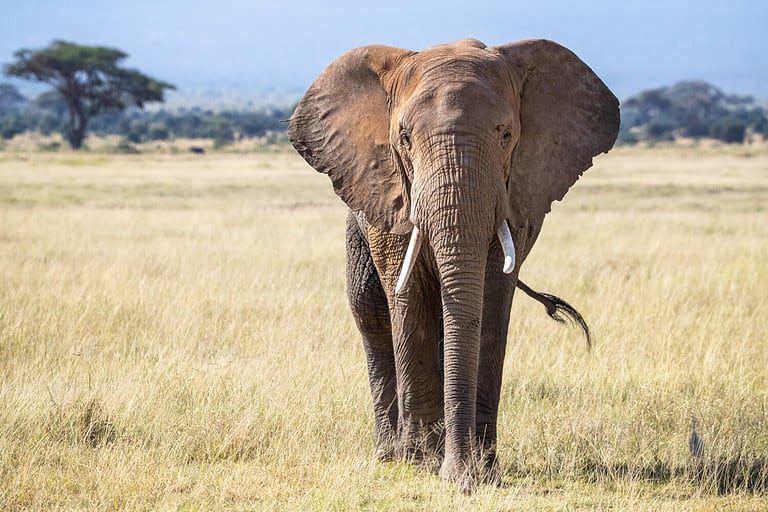
Outrage erupted among animal welfare activists after Colorado courts ruled that five captive elephants could not petition for release. An animal rights group presented the case in Colorado. Still, the state’s supreme court could not allow an elephant to file a habeas corpus claim because elephants are not considered human.
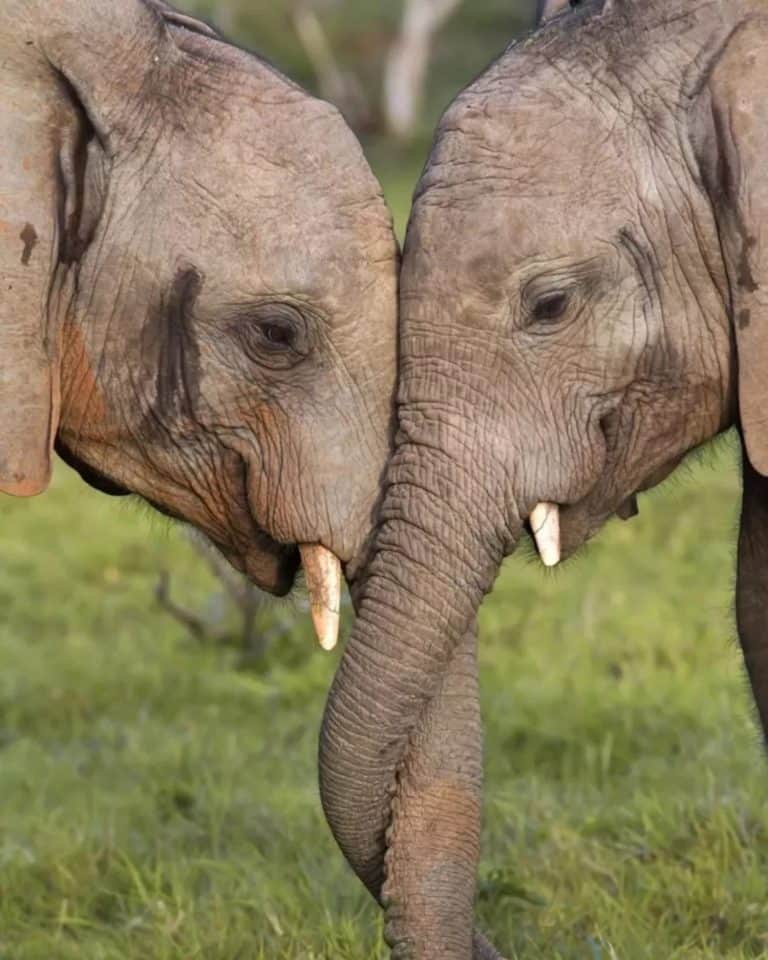
Some researchers contend that captivity at Cheyenne Mountain Zoo in Colorado Springs, among other zoos, has harmful emotional and neurological impacts on elephants. Elephants need larger spaces to thrive and socialize. The group requested the court transfer the five Colorado elephants to one of the state’s two animal sanctuaries, where they would have more room to roam. A similar situation arose in New York when Happy the Elephant sought release from the Bronx Zoo but was denied.
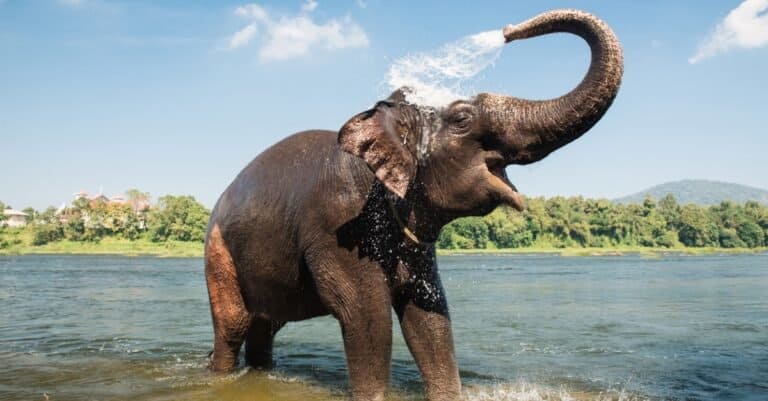
Why not release them into the wild? The elephants have grown up in captivity, meaning they are not accustomed to large herds and other aspects of their natural habitats. Consequently, experts concluded that animal sanctuaries are the best environment for these remarkable animals. Unfortunately, it seems Missy, Kimba, Lucky, LouLou, and Jambo will continue to reside at Cheyenne Mountain Zoo, unable to seek release due to their non-human status.