
Quick Take
- These animals carry a disease most people assume was eradicated centuries ago, and direct contact is not even required. See the disease risks →
- One expert watched armadillos take over an entire U.S. state in under a decade, and he is now watching North Carolina repeat the same pattern. Trace the northward migration →
- Armadillos don't just wreck lawns. They can silently compromise something far more permanent on your property. See the burrowing damage →
- North Carolina has a plan to slow the armadillo spread. Or does it? What officials actually recommend may surprise you. See what officials recommend →
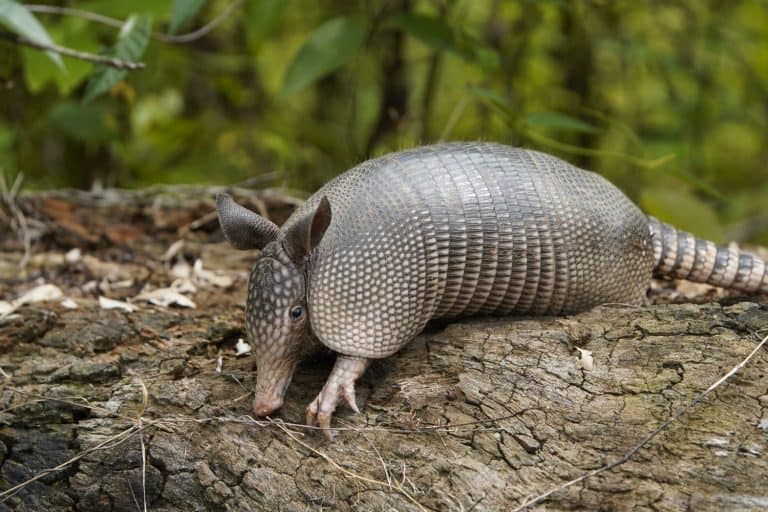
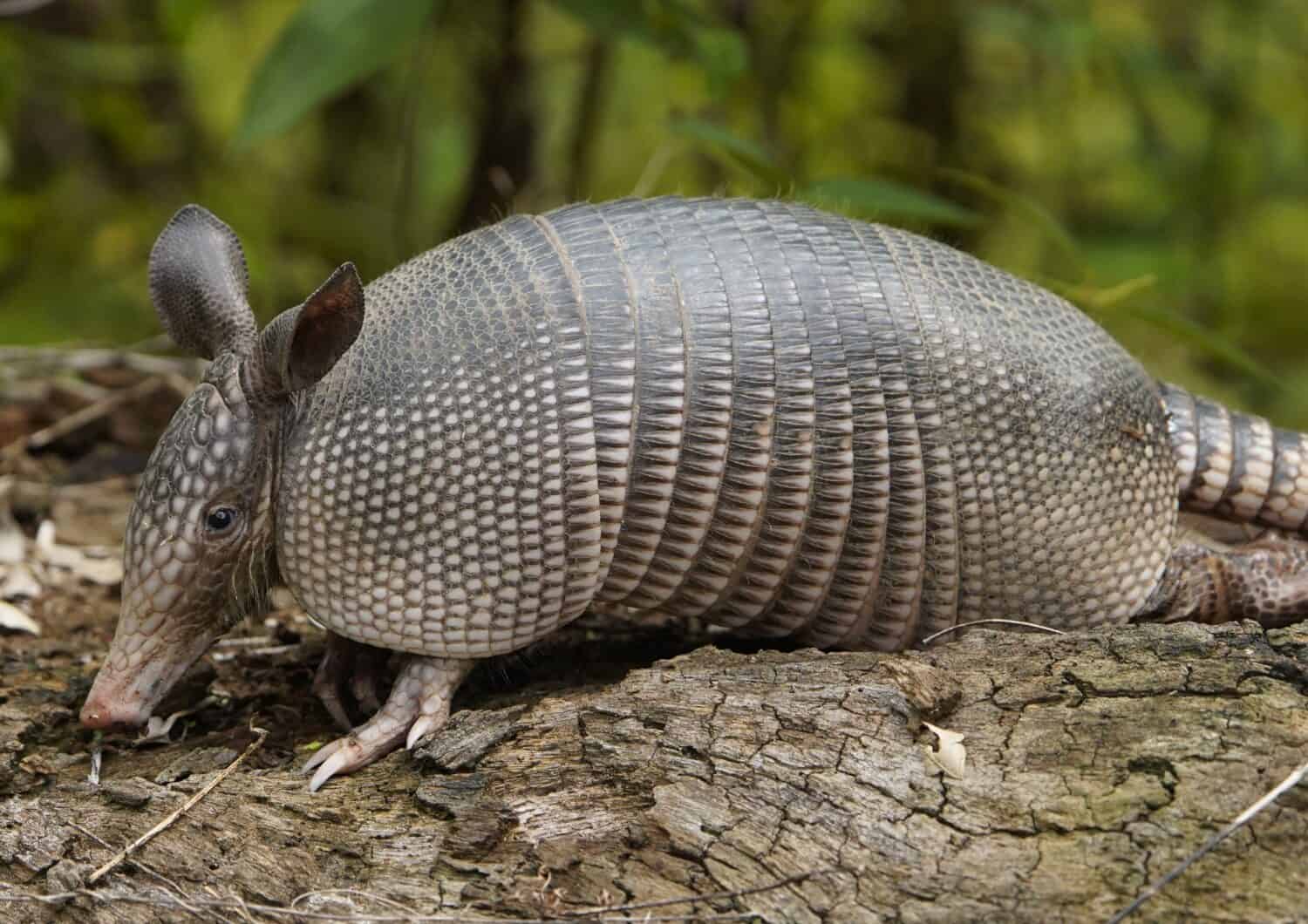
Although there are 20 known armadillo species, only one—the nine-banded armadillo—is causing an invasive problem in North Carolina. The nine-banded armadillo is the only species found in the United States, and its migration into North Carolina is threatening fragile ecosystems, prompting officials to issue a warning.
North Carolina Warns Armadillos Are Moving to the Mountains
Nine-banded armadillos are proving to be a problem across North Carolina. Now that they appear to be migrating towards the mountains, officials are sounding the alarm.
On June 16, the North Carolina Cooperative Extension in Henderson County warned residents that armadillos have been spotted near the mountains. The warning was issued both because armadillos can damage property and ecosystems as they burrow for insects and invertebrates, and because a small population has been known to spread leprosy.
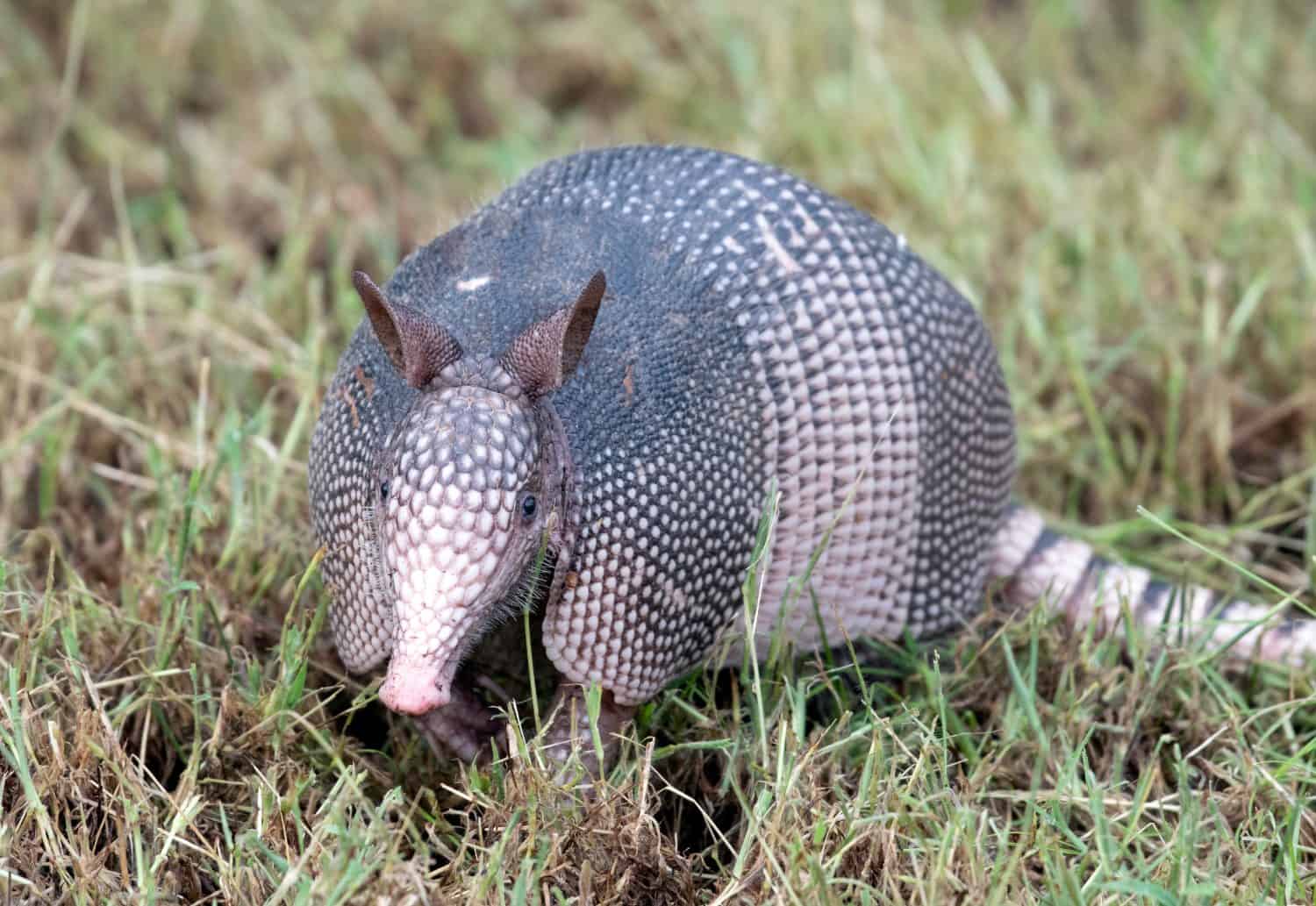
Nine-banded armadillos are making their way toward the mountains in Henderson County, North Carolina.
©Allen J.M. Smith/Shutterstock.com
“Watch out for your yard!” the statement read. “In their search for food, armadillos can dig up landscapes, damage forest ecosystems, and their deep burrows can even undermine building foundations.”
The statement also advised anyone who sees an armadillo in the wild to keep their distance and contact local wildlife authorities to report its location for monitoring.
How Armadillo Expansion Occurred
Nine-banded armadillos are native to South America. Over the last 150 years, these hardy creatures—relatives of anteaters and sloths—have demonstrated their ability to adapt to habitats outside their native range, including those in North Carolina.
Armadillos have been slowly making their way toward North Carolina over the years. The first recorded sighting of an armadillo in North America was in Texas in 1849. Since that time, the expansion has moved north and east, first with the crossing of the Mississippi River in the 1940s and then with the crossing of the border into Tennessee in the 1980s.
Additionally, according to Steve Pettis, a Henderson County Agent with the North Carolina Cooperative Extension, armadillos were accidentally introduced to Florida and gradually expanded their range northward, eventually merging with the population originating in Texas.
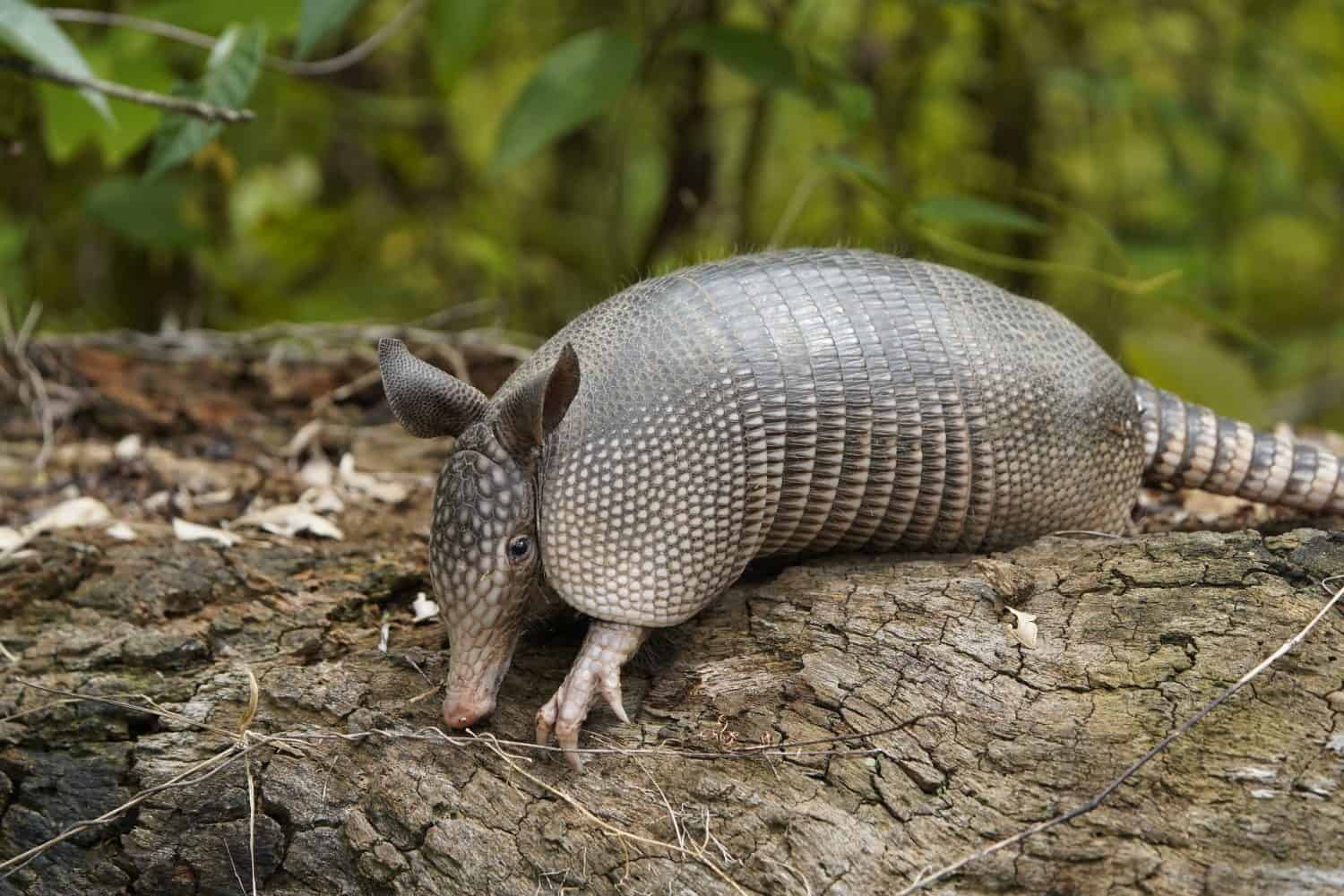
Nine-banded armadillos were first spotted in North Carolina in 2007.
©guentermanaus/Shutterstock.com
The first sighting of a nine-banded armadillo in North Carolina was in the late 2000s. Since 2007, the armadillos have been monitored. Currently, there are confirmed populations in 28 of North Carolina’s 100 counties, but nearly every county has reported at least one armadillo sighting.
In less than two decades, armadillos have spread across North Carolina—a development that does not surprise Pettis. Having grown up in Georgia, he watched how, in a short time, armadillos took over the state.
“I can tell you from personal experience that when I was a child in the eighties, there were no armadillos in middle Georgia,” Pettis explains to A-Z Animals. “When I moved to UGA in the nineties in northeast Georgia, they had moved to the area. Today, both of these places are overrun with armadillos. So, in the matter of 10 years, they can cover an entire state the size of Georgia.”
Why Are Armadillos Such a Problem?
Nine-banded armadillos dig in the ground in pursuit of grubs, ants, and invertebrates. This digging not only disrupts the soil but can also lead to foundation damage. Pettis witnessed this firsthand as an agent in Georgia before being employed as a Henderson County agent in North Carolina.
“Armadillos can cause major landscape disruption,” Pettis explains. “I have witnessed in my own yard and in many of my previous Georgia clients’ yards, armadillos destroying lawns and landscapes. Their burrowing can undermine driveways and building foundations. It happened to my own home in Georgia.”
Furthermore, Pettis states, “armadillos can cause ecological harm.” Whether by eating the eggs of ground-nesting birds or by turning over entire forest floors, high armadillo populations can quickly disrupt plants, wildflowers, and the ecosystems they invade.
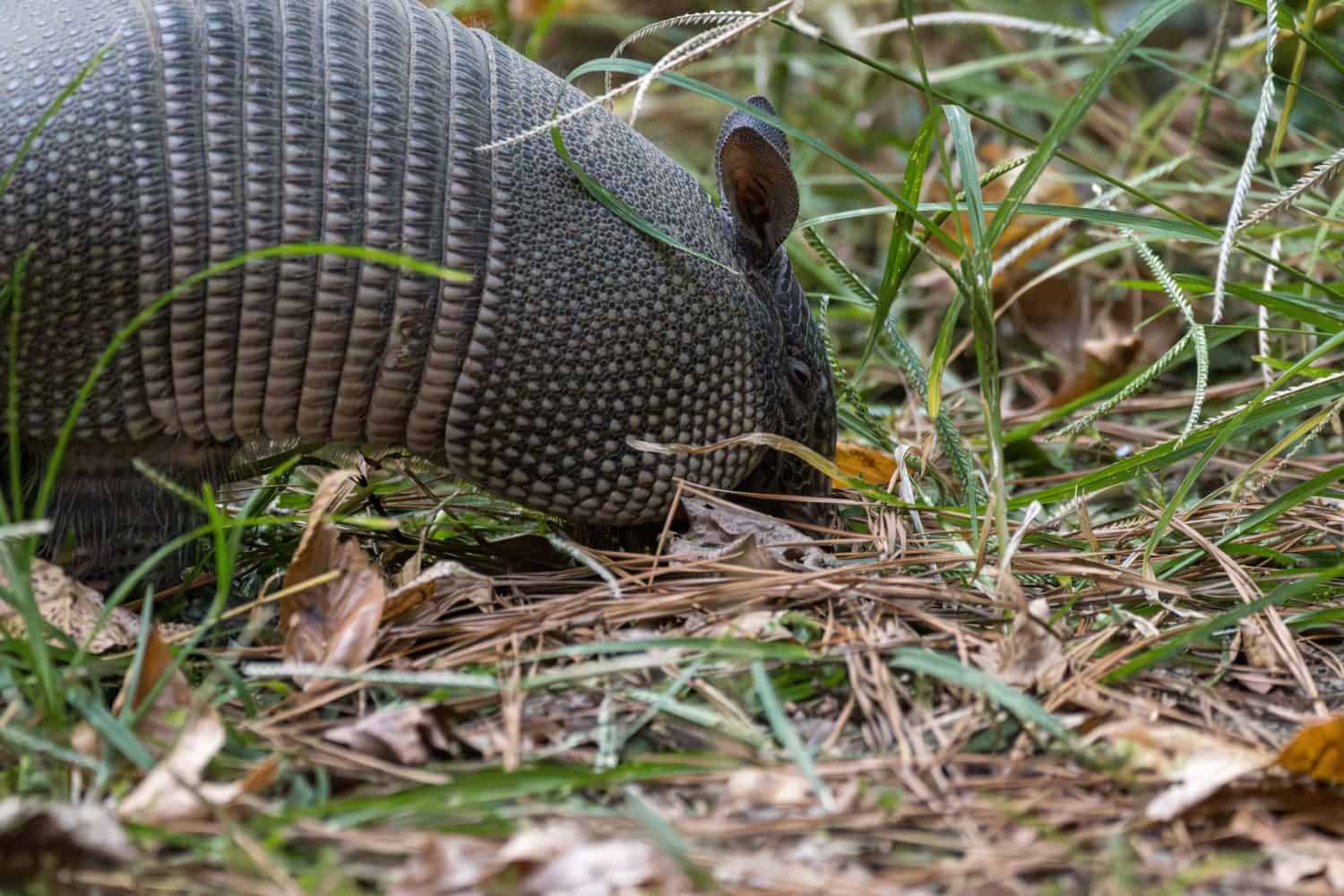
Nine-banded armadillos will destroy yards, foundations, and even fragile ecosystems.
©Focused Adventures/Shutterstock.com
In North Carolina, there is particular concern that the nine-banded armadillo will damage the cove forest ecosystem found in the western mountains. These forests are ecologically important because of their plant diversity and their role in supporting sensitive wildlife species.
The biggest problems the cove forests face are invasive species and development. Fortunately, according to Pettis, armadillos have yet to cause any damage to these ecosystems. This is because nine-banded armadillo populations are only now starting to increase noticeably. Whether they will become a problem in the future is something being monitored.
I can tell you from personal experience that when I was a child in the eighties, there were no armadillos in middle Georgia.
Steve Pettis, a Henderson County Agent with the North Carolina Cooperative Extension
How North Carolina Plans to Slow the Armadillo Spread
Despite warnings about nine-banded armadillos spreading into North Carolina’s mountains, there are currently no official plans to slow their spread. Instead, residents will be responsible for managing armadillos if they become a problem. Given their nocturnal nature, this can be easier said than done.
“As with most invasive creatures, there is no plan by any government to manage the creatures,” Pettis explains. “The only time governments will get involved is if the creature is deemed ‘noxious,’ which means it is critically bad for the environment.”
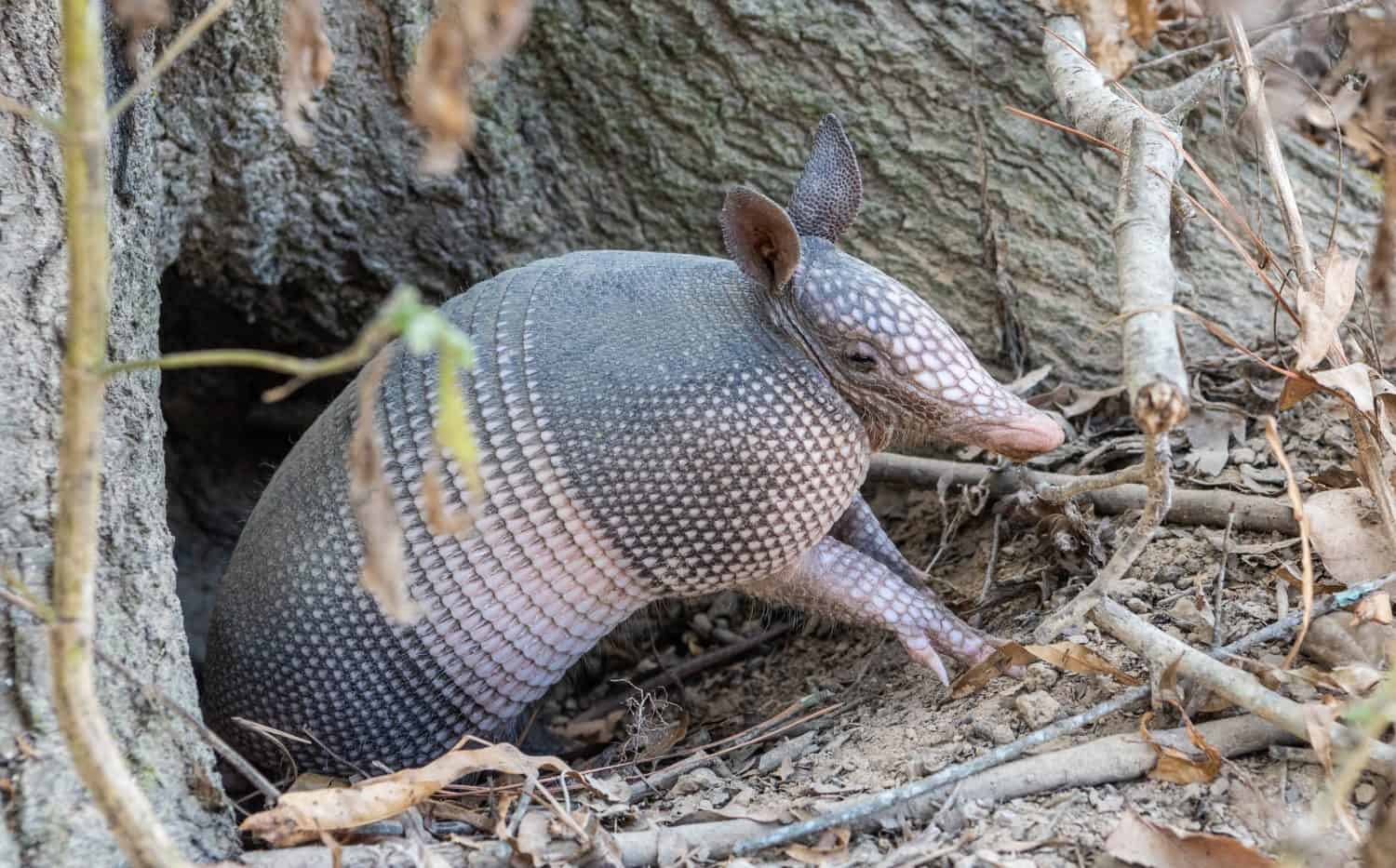
There is currently nothing being done by the state of North Carolina to stop the spread of armadillos.
©Alizada Studios/Shutterstock.com
To stop the advancement of nine-banded armadillos across the state, residents are advised to:
- Report sightings to the North Carolina Wildlife Resources Commission at [email protected]
- Keep yards in a condition that does not attract termites, ants, or other invertebrates, which will keep armadillos from burrowing
- Install barriers to keep armadillos from burrowing, and use things like capsaicin oil to deter digging
Additionally, between November 1 and the end of February, armadillos can be trapped. However, trapping has proven to be a relatively ineffective way to control armadillo populations. For those who do manage to capture an armadillo, they cannot be relocated. Instead, local wildlife officials need to be contacted.
Armadillos may also be euthanized if they are causing problems on private property. Anyone choosing this option should wear gloves when disposing of the animal to reduce the risk of disease exposure.