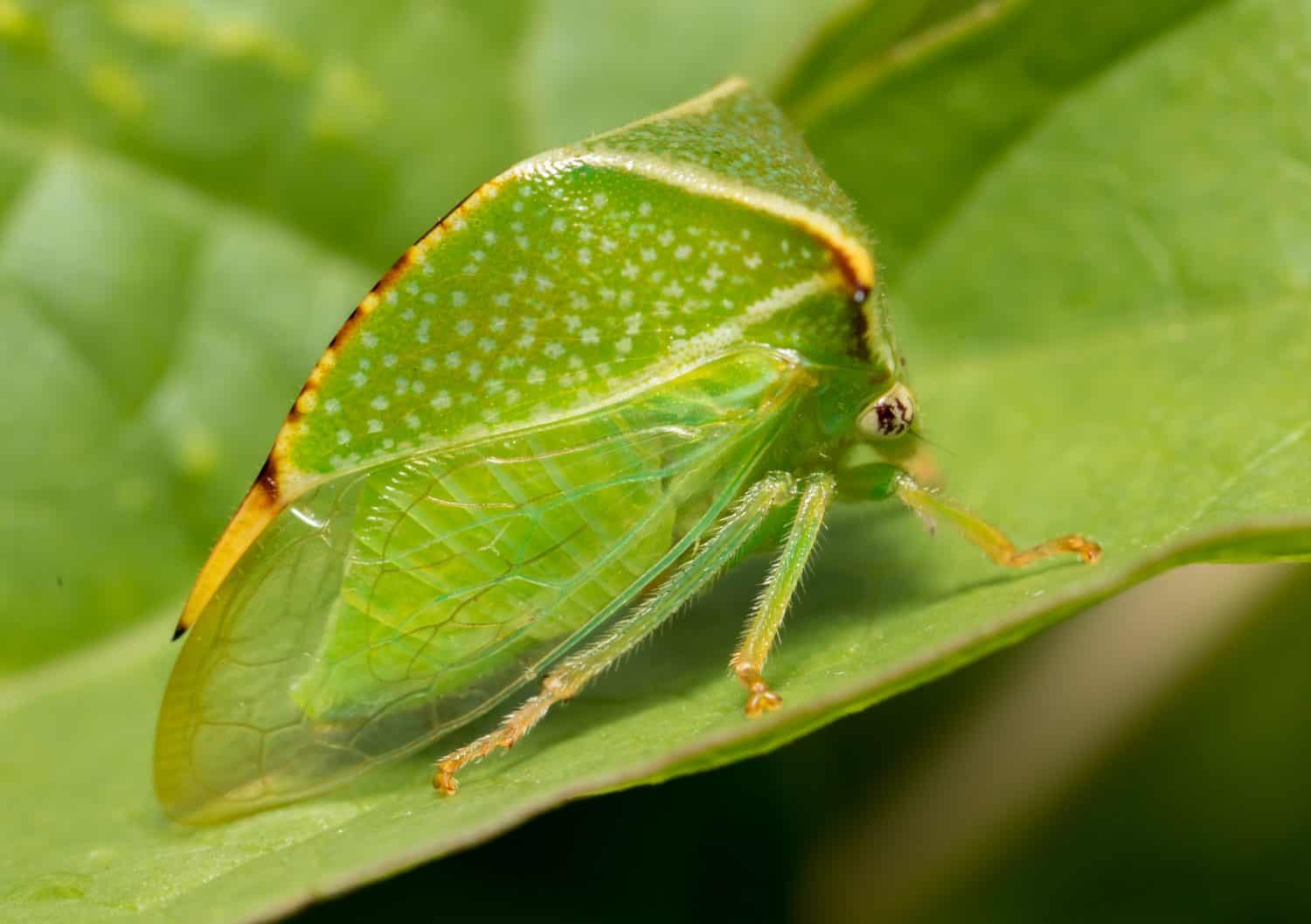

Many fascinating creatures reside in the Amazon rainforest. In a YouTube video from the BBC, we get a glimpse of two amazing insects that have learned to work together. In the clip from Planet Earth III, bees come to the rescue to ward off predators for a treehopper and her brood. What does the bee get out of protecting the treehoppers? Let’s find out.
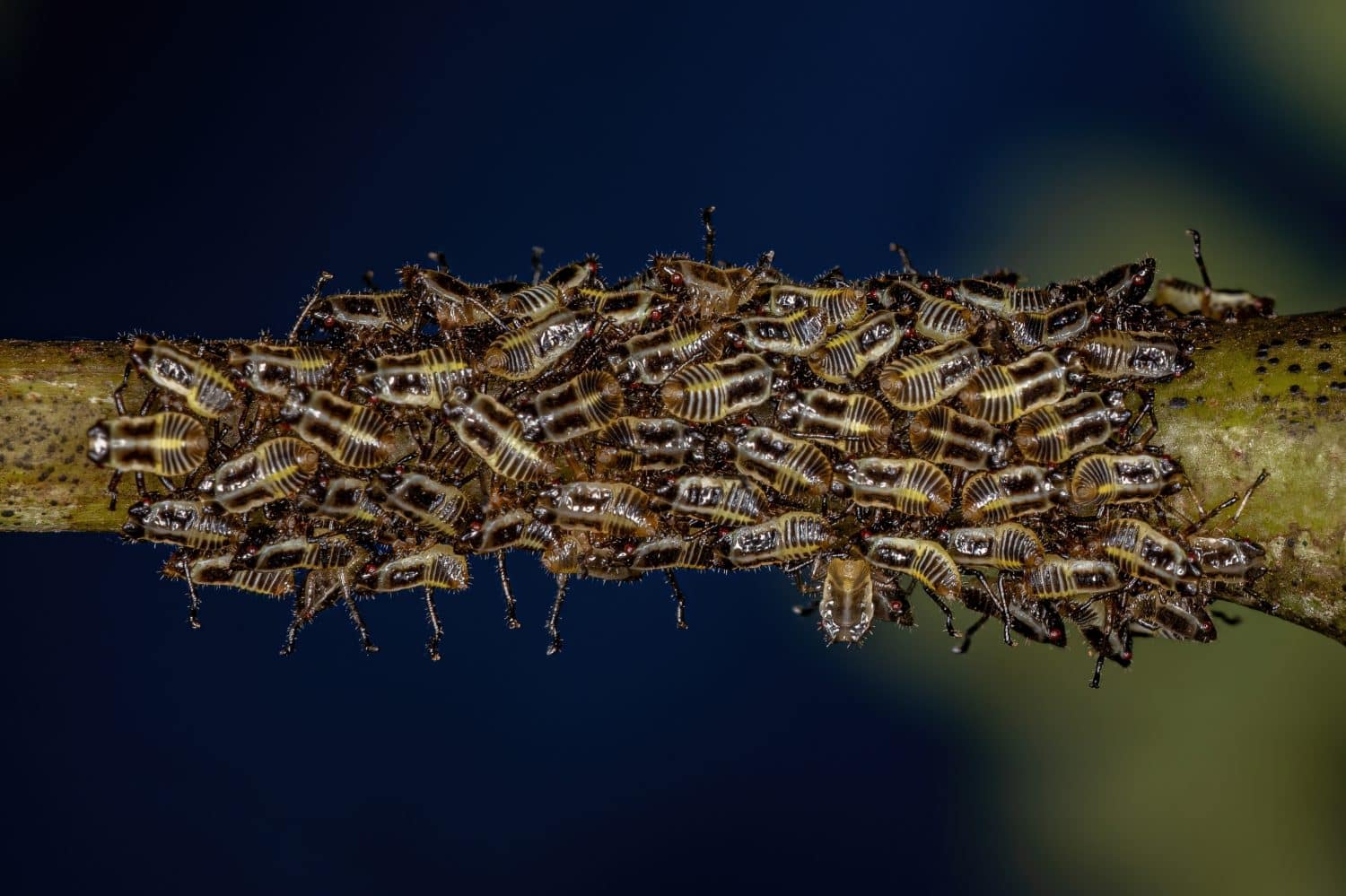
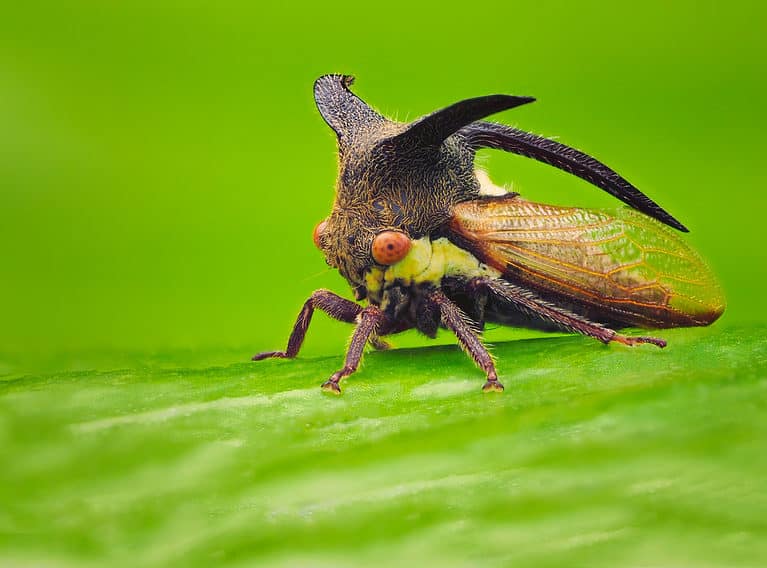
Treehopper mothers stay with their newly hatched nymphs to protect them from predators.
©Vinicius R. Souza/Shutterstock.com
Treehopper Characteristics and Behavior
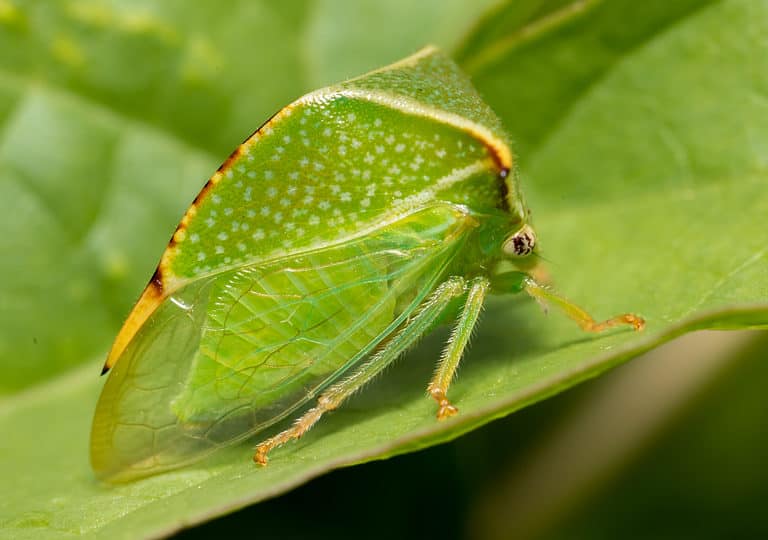
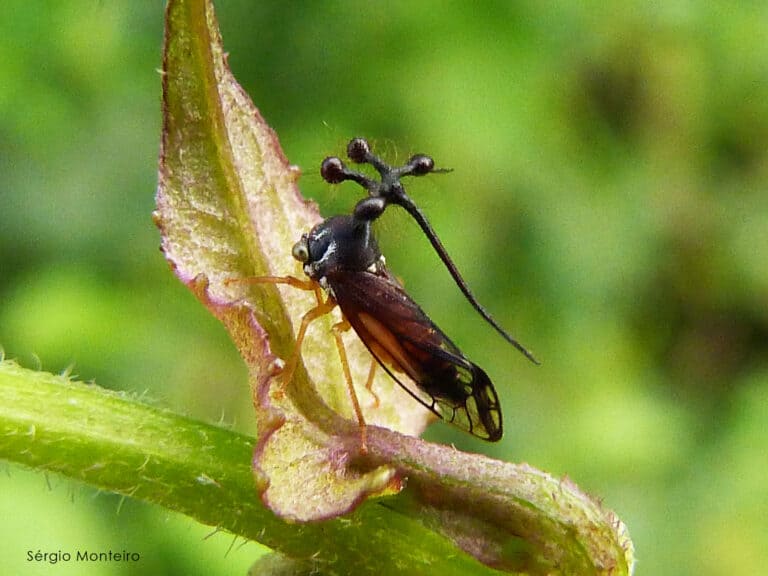
There are around 3,500 different species of treehoppers, with about 260 of them native to North America. The treehopper seen in the video lives in the Ecuadorian Amazon. Its scientific name is Aetalion reticulatum. Treehoppers are closely related to cicadas and leafhoppers.
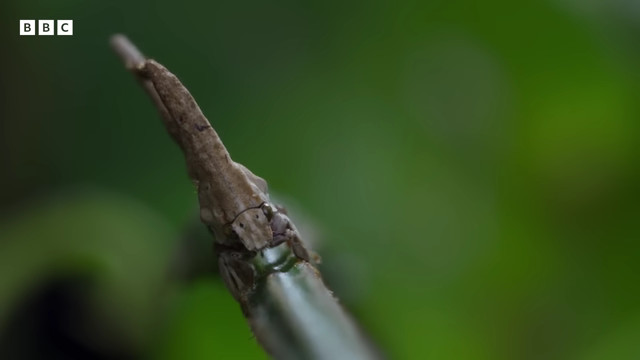
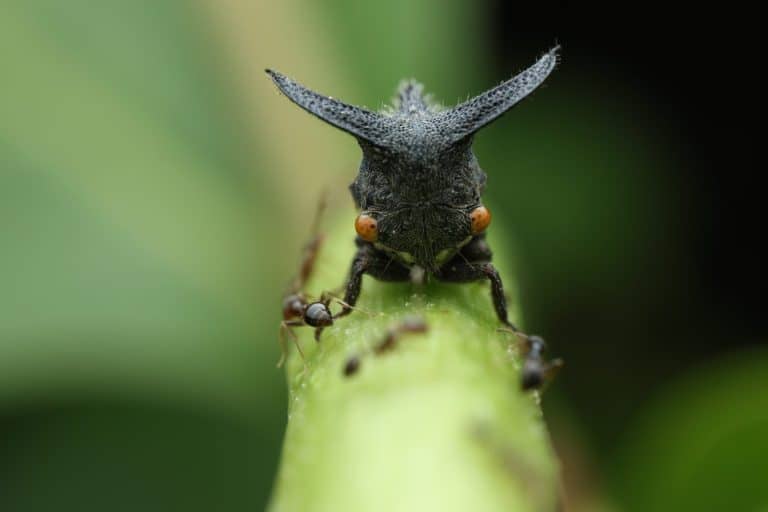
A treehopper can masterfully disguise itself to look like a bump on a twig.
©BBC / YouTube
Treehoppers use camouflage to protect themselves from predators as they feed on the sap of trees. They may look like small plant leaves, thorns, bark, or bumps on trees. However, treehopper eggs and nymphs don’t blend as easily into their environment.
Treehopper Maternal Care and Brood Protection
Unlike many insects, treehoppers are protective mothers. They keep a watchful eye on their eggs until they hatch. Once the nymphs emerge, treehopper mothers continue to protect their young as they feed. Planet Earth captured this behavior in action when it sent a team to investigate treehoppers in the Yasuní National Park in Ecuador.
Communicating Through Vibration
The scientists filming for Planet Earth brought in specialized equipment to pick up the tiny vibrations made by the treehoppers. Treehoppers communicate with each other by pressing their abdomens to the plant stems they are on and vibrating.
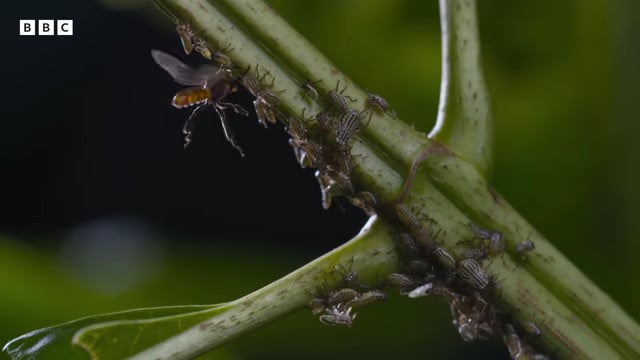
Treehoppers communicate with each other through vibrations.
©BBC / YouTube – Original
According to the narrator, “This treehopper mother communicates with her young, encouraging them to stay together so that she can protect them.” While the treehopper mother can scare away smaller insects, such as ants, she can’t do much to protect her young from assassin bugs.
Bees Drive Away the Assassin For Sugary Liquid as Payment
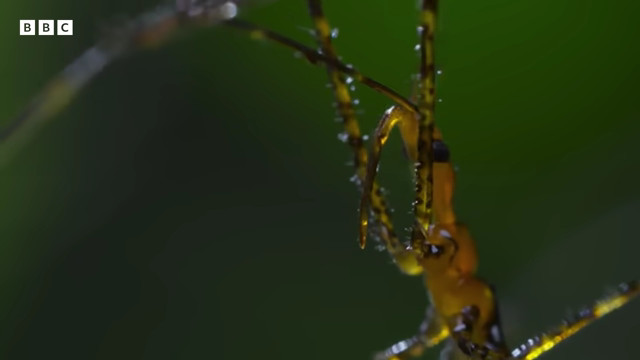
Assassin bugs are predators and will hunt other insects.
©BBC / YouTube – Original
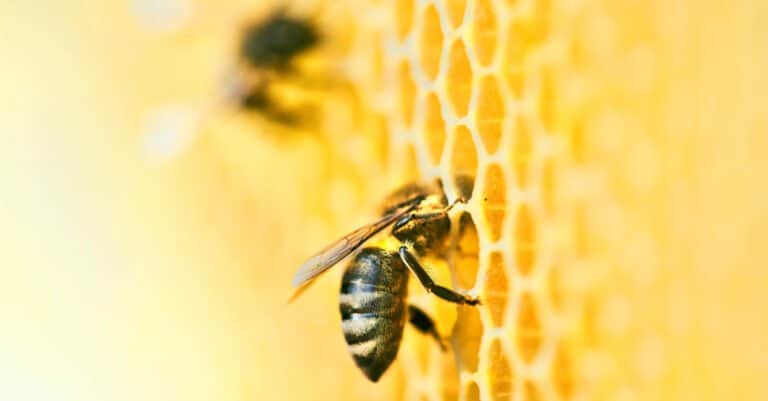
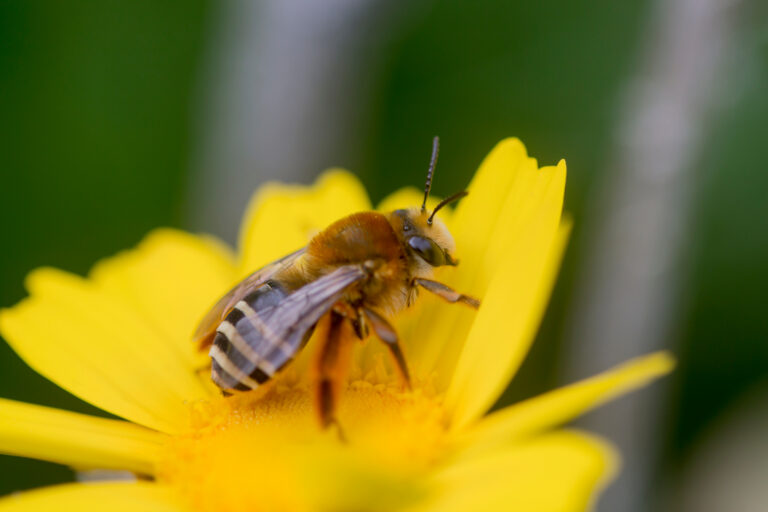
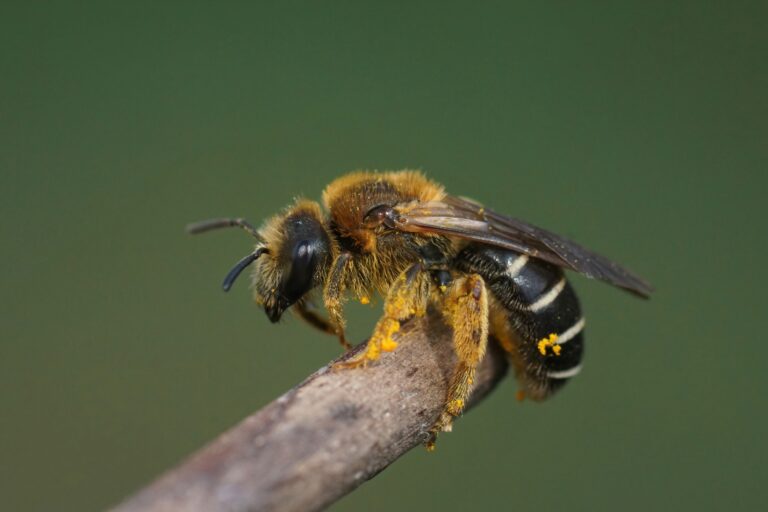
When the assassin bug threatens the treehopper’s children, she beckons for help from the bees. Bees come flying in and chase the assassin bug away. But bees don’t do this work without a payback. The narrator explains that when the bees tickle the treehopper nymph’s backs, they release honeydew, which is a sweet liquid loved by bees. This is an example of a mutual symbiotic relationship. Both species benefit from each other. The treehoppers are protected from predators, and the bees eat the honeydew that the treehoppers produce.