
Quick Take
- Honey bees are truly impressive insects, playing a major role in sustaining ecosystems.
- These remarkable insects build perfectly structured honeycombs.
- Honey bees are ectothermic and must regulate the temperature of the hive.
- Their antennae are equipped with mechanoreceptors that sense electric fields.
As tiny insects, honey bees are consistently underestimated. These little guys are far more complex than most people realize. While their buzz might send you ducking for cover, honey bees aren’t much interested in humans. They are focused on protecting their colony and carrying out the intricate work that keeps it thriving. Beyond producing honey, these remarkable insects play a crucial role in pollinating crops and sustaining ecosystems, quietly supporting much of the food supply we depend on every day.
Inside the hive, their world is extraordinarily organized, with communication a high priority. From the queen’s egg-laying duties to the coordinated efforts of worker bees and drones, every member has a purpose. They build perfectly structured honeycombs, perform elaborate dances to share information, regulate their hive’s temperature, and even make collective decisions. The more scientists study honey bees, the more we realize how impressive these creatures are.
1. Queen Honey Bees Are Multipliers
©iStock.com/Inventori
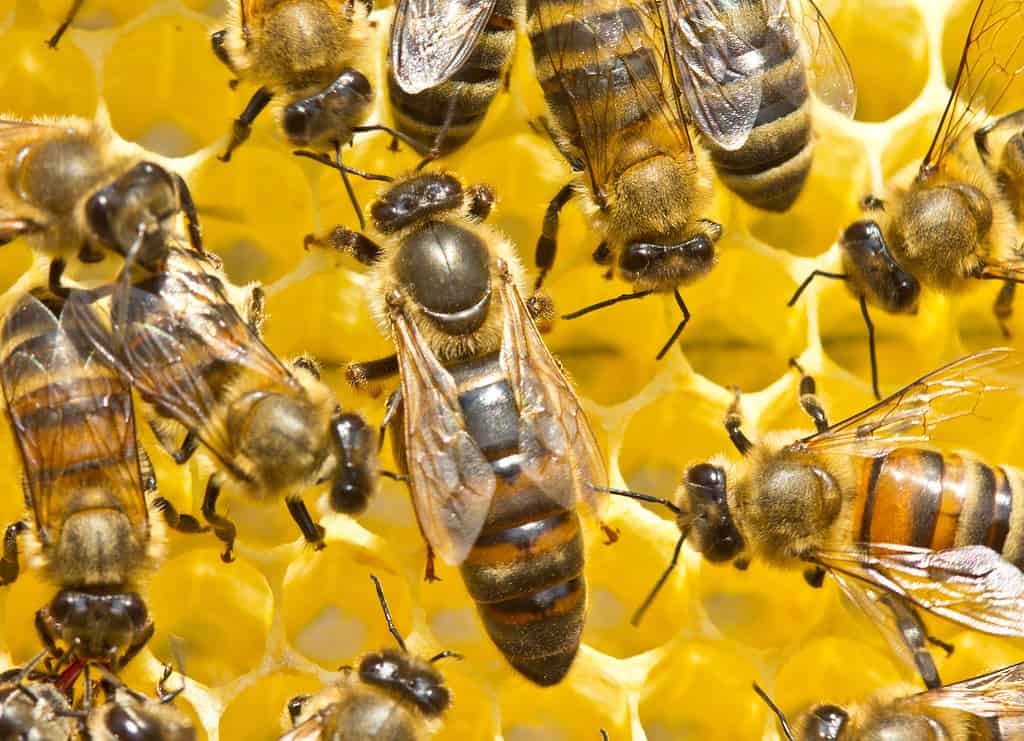
Penn State Extension confirms that they can lay thousands of eggs per day, so long as they’re in a good state of health and still fertile. Over a queen’s lifetime? Well over a million.
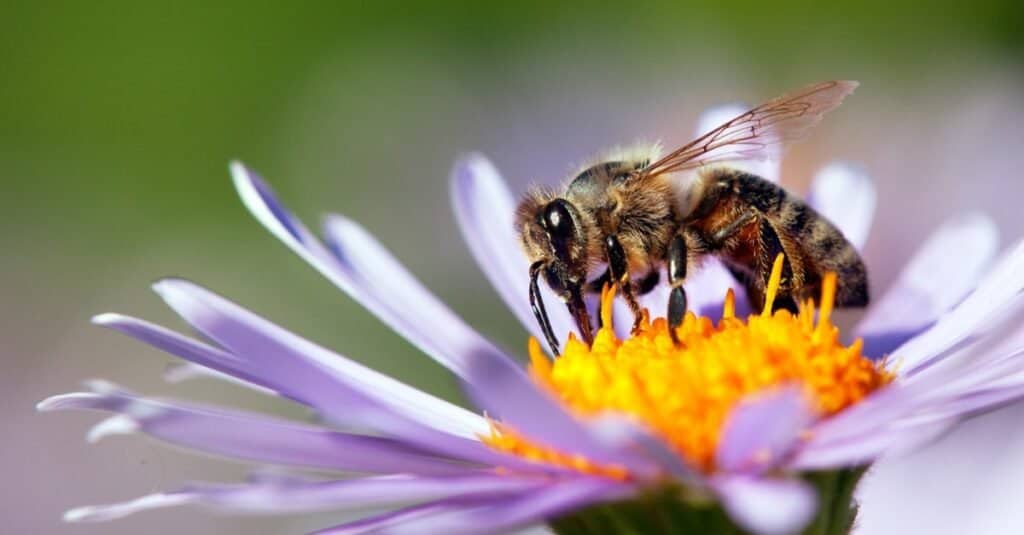
2. They Dance (It’s Called the Waggle)
©Daniel Prudek/Shutterstock.com
Seriously. The University of California explains the importance of social learning, and the “waggle” is part of it. Basically, this dance is vital to the colony’s well-being as it “signals the location of critical resources to nestmates through an intricate series of motions.”
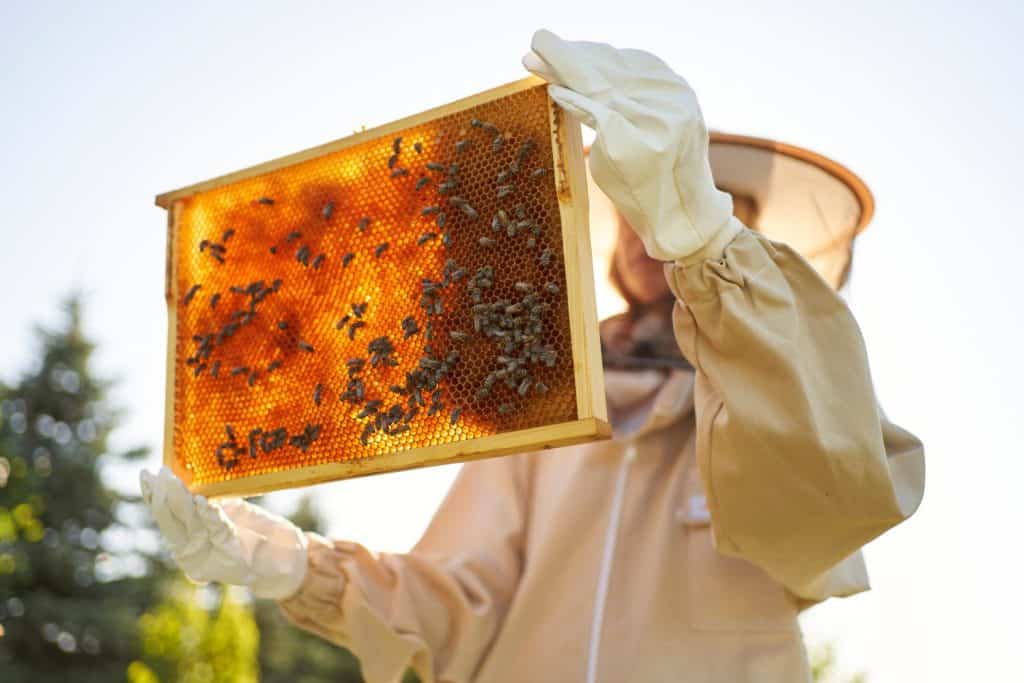
3. Your Face? They Could Memorize It
©Hakim Graphy/Shutterstock.com
NC State University confirms that honey bees can distinguish human faces in controlled experiments. They can also tell the difference between distinctive facial features.
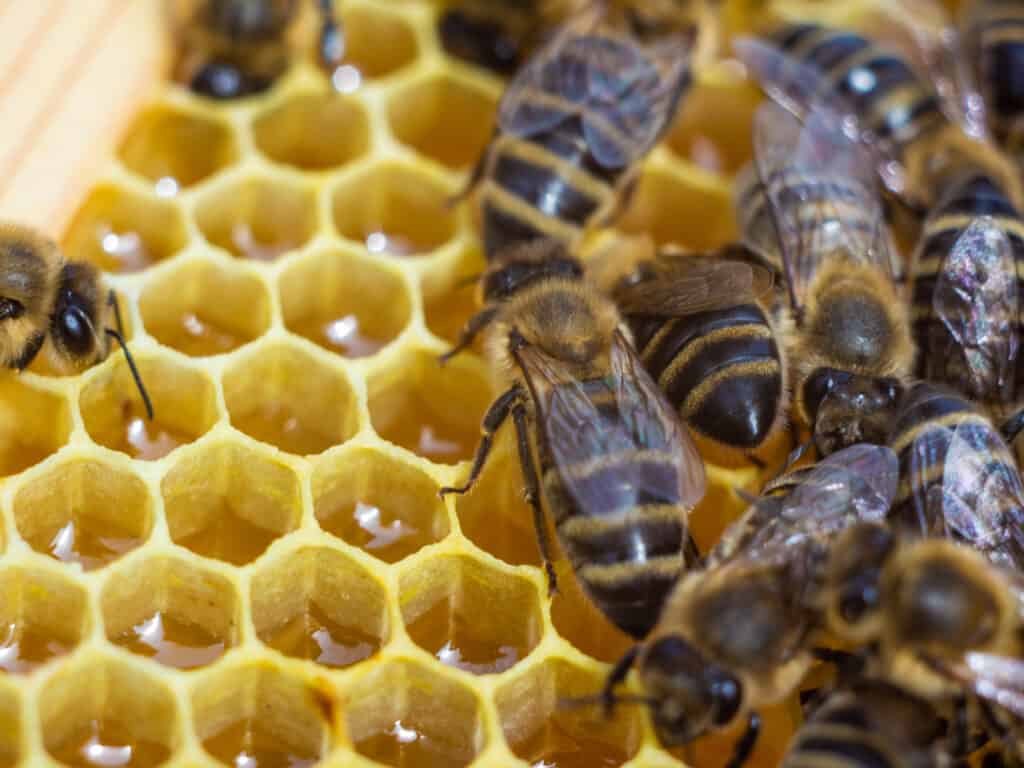
4. Honeycomb Shapes? Perfectly Hexagonal
©Goncharov Taras/Shutterstock.com
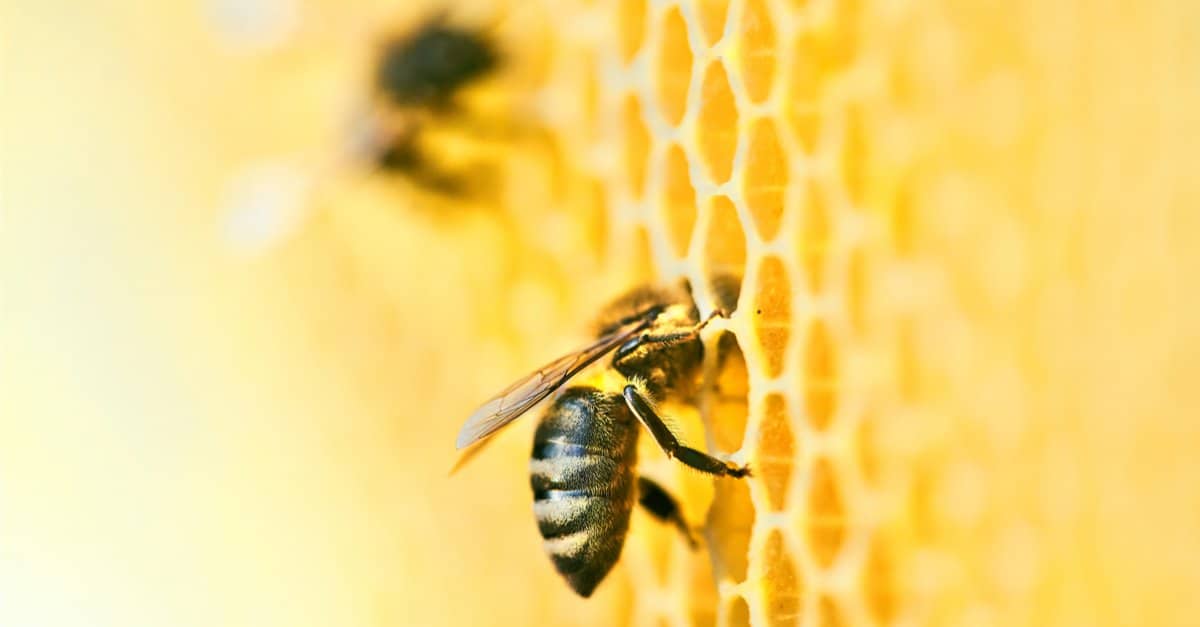
But why is it so uniform? Well, they work efficiently. This shape is ideal to conserve space and store honey, eggs, and pollen. Discover Magazine notes that it’s not just incredibly efficient, but the process of making it is impressive as well. Cells are initially circular, but the wax softens due to hive heat. Surface tension and bee manipulation create hexagons.
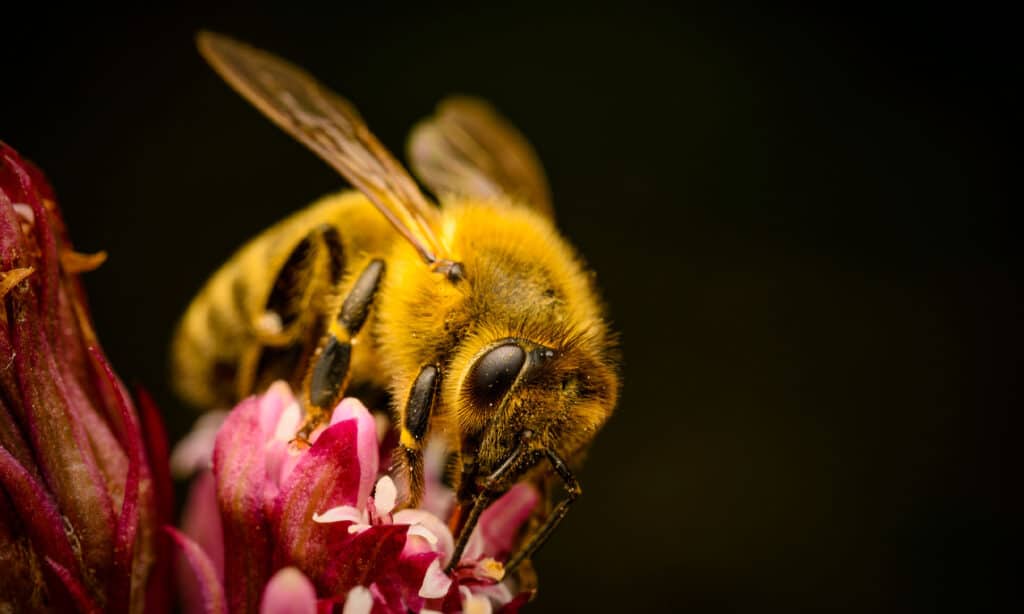
5. They’re Alarmingly Intelligent
©iStock.com/Jan Rozehnal
As in, they understand numbers. CNN reported that not only can they count small numbers up to 4 or 5, but they have also demonstrated simple addition/subtraction in lab settings.
6. The Queen Bee Plays a Vital Role
©Kuttelvaserova Stuchelova/Shutterstock.com
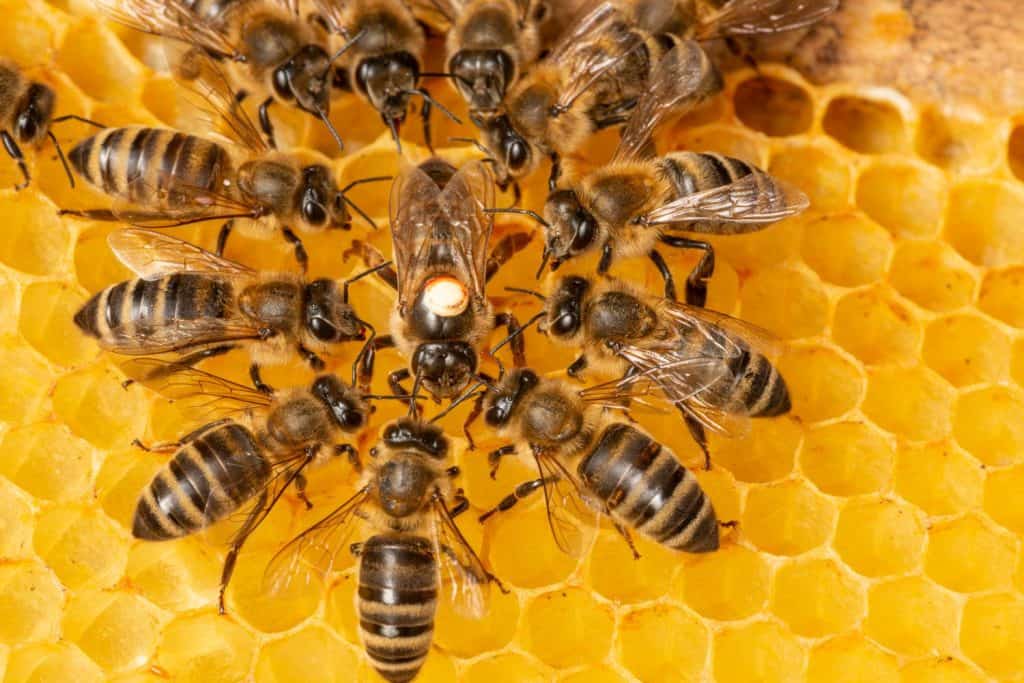
The queen bee is supremely important, as she is the only one who can usher new honey bee life forward. She is central to the operation, as confirmed by the Lubbock-Avalanche Journal. Her primary roles are reproduction and maintaining colony cohesion through pheromones.
7. Drones Live to Mate
©Kuttelvaserova Stuchelova/Shutterstock.com
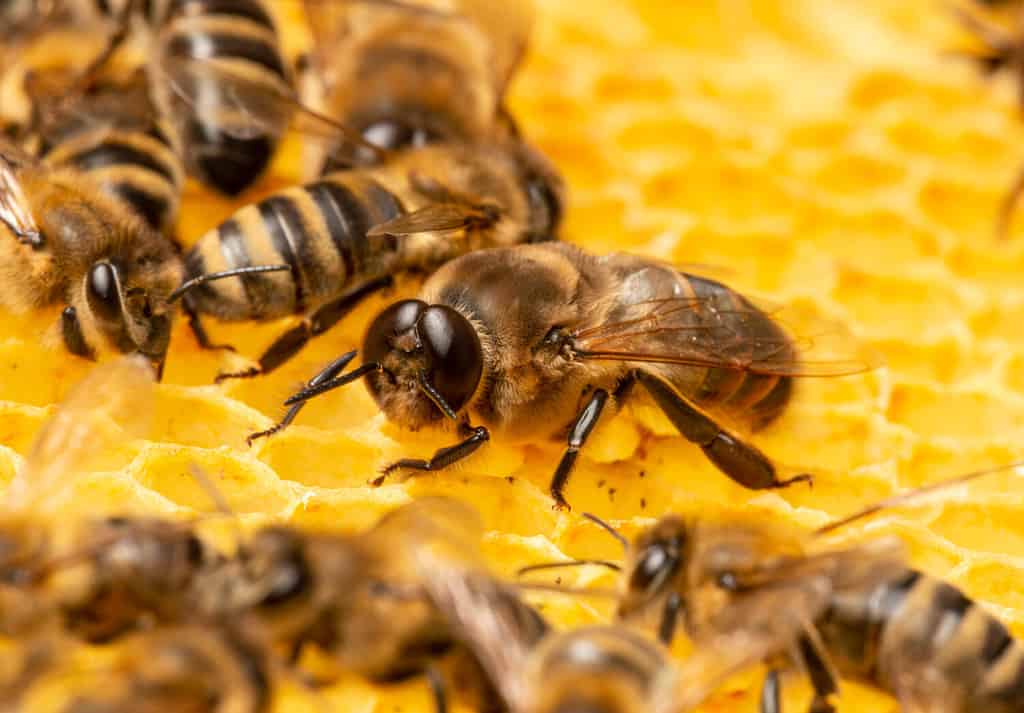
After they mate with a queen, their life purpose is complete. Smithsonian Magazine notes that if they’re “lucky enough” to mate with the queen bee, their death occurs immediately after.
8. They’re Related to Your Food
©Daniel Prudek/Shutterstock.com
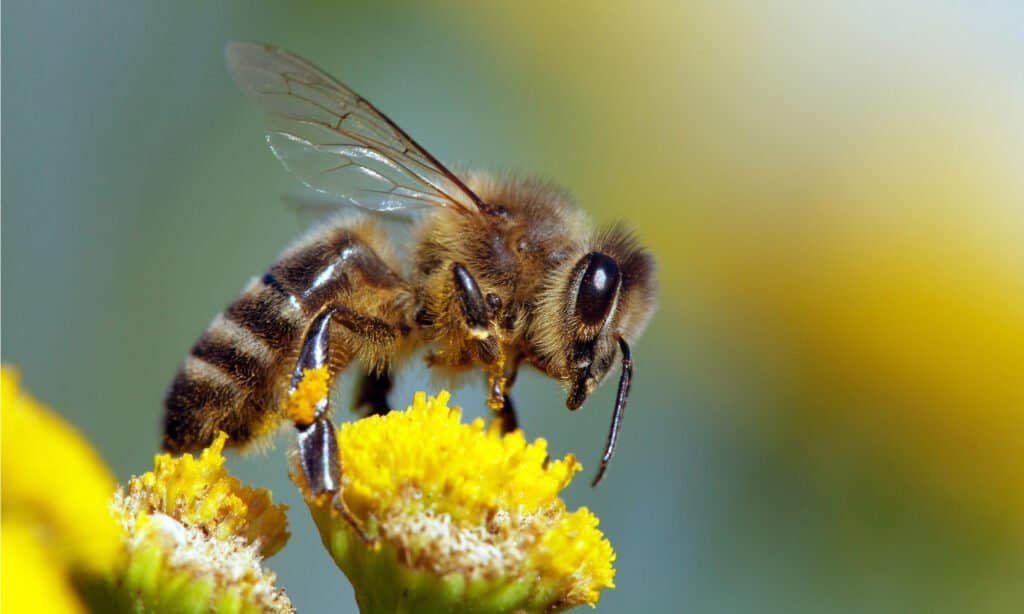
A third of global food production is thanks to pollinators like honey bees.
9. They Slip into Sleep
©nechaevkon/Shutterstock.com
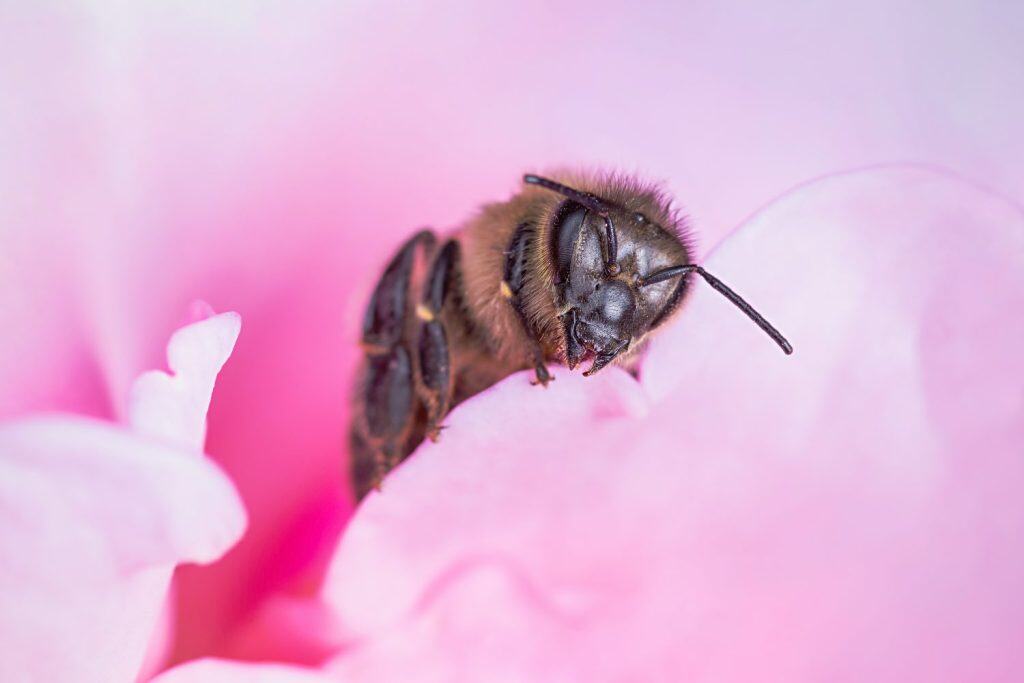
The British Beekeepers Association explains that yes, honeybees sleep. Typically, they sleep between five and eight hours each day. CBC also notes that scientists have discovered they move their antennae while sleeping, which indicates they may engage in memory processing during sleep, something akin to dreaming.
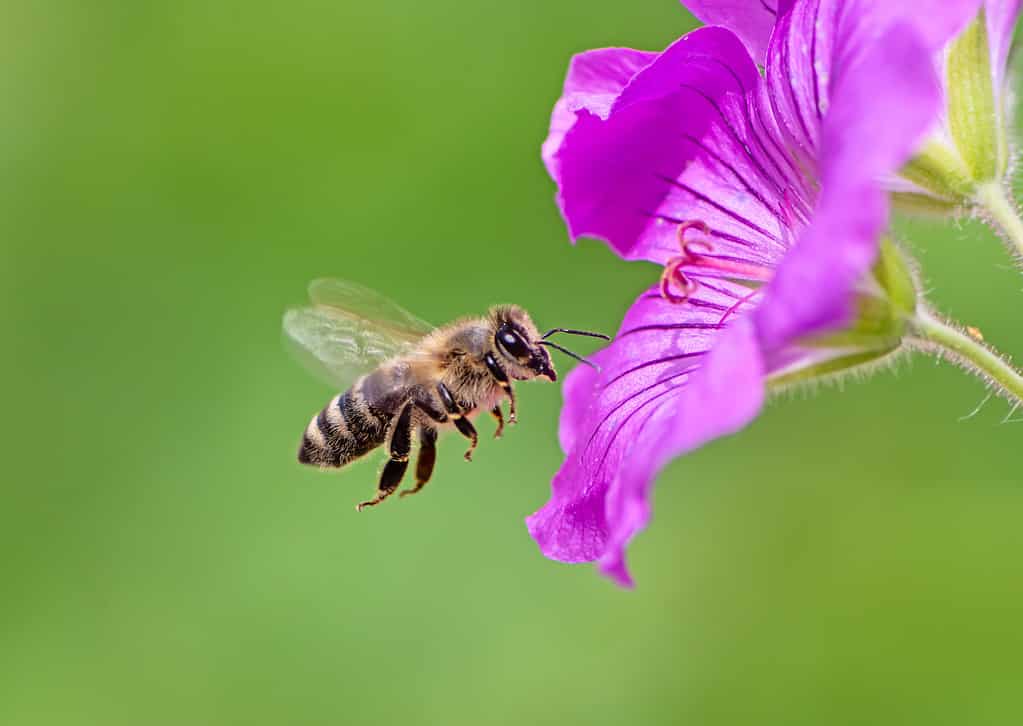
10. Their Sense of Smell? Unreal.
©iStock.com/manfredxy
They can detect faint floral scents from long distances. The US Forest Service explains that it’s the “concentration gradient of the chemical producing scent to the flower” that attracts them.
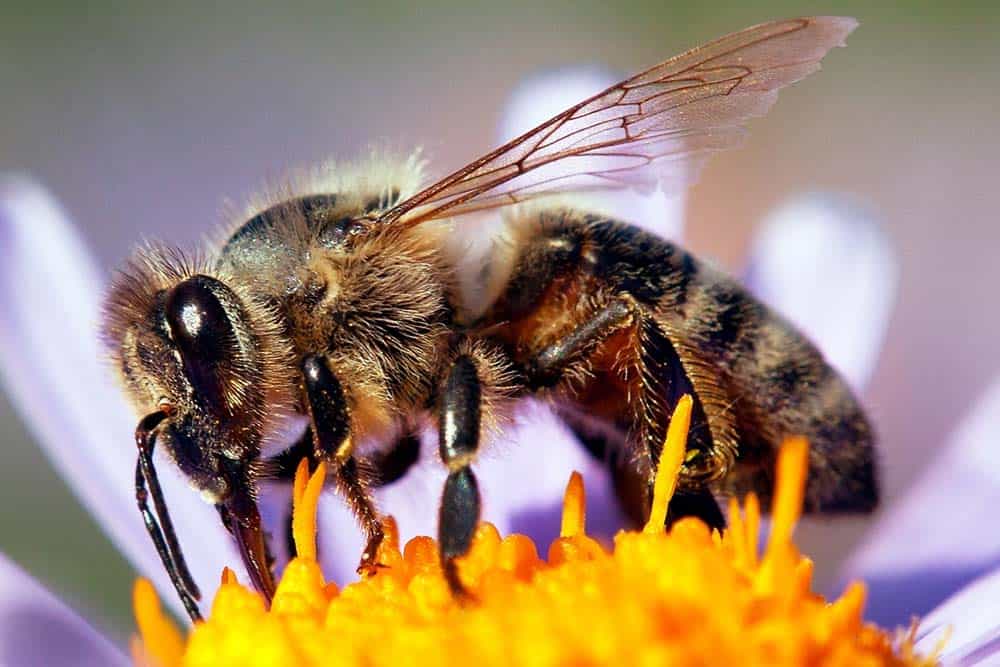
11. Their Wings Are Fast
©Daniel Prudek/Shutterstock.com
The British Beekeepers Association highlights the top speed of worker bees. They can reach up to 20 miles per hour (MPH).
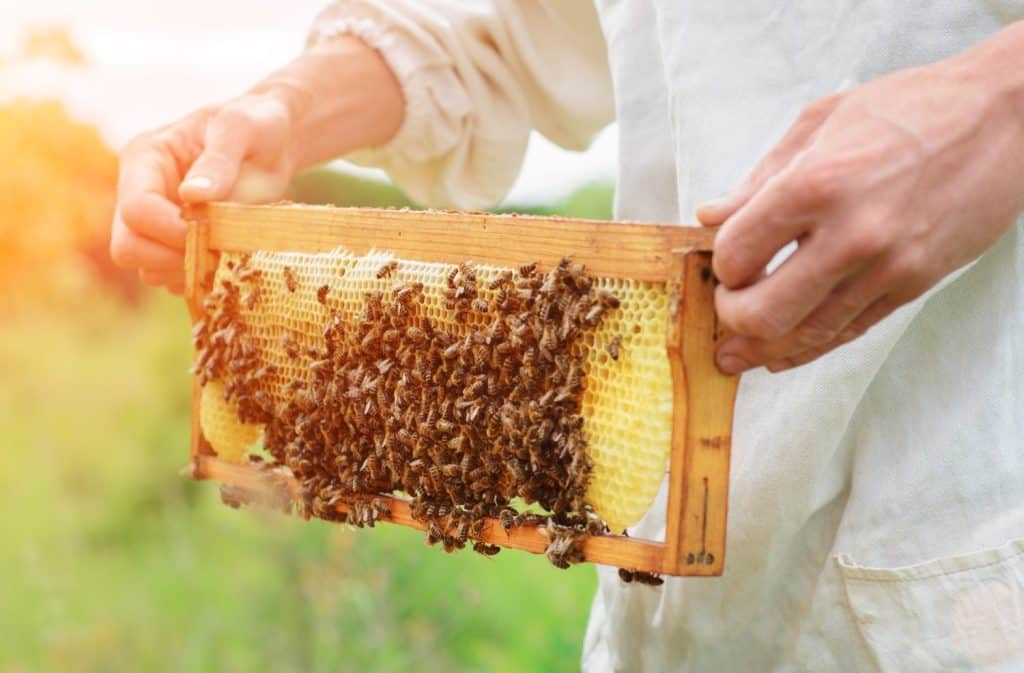
12. Worker Bees Are Adaptable
©kosolovskyy/Shutterstock.com
If there’s a need, they get to it. Planet Bee Foundation confirms they “demonstrate an extraordinary level of adaptability, cooperation, and dedication.”
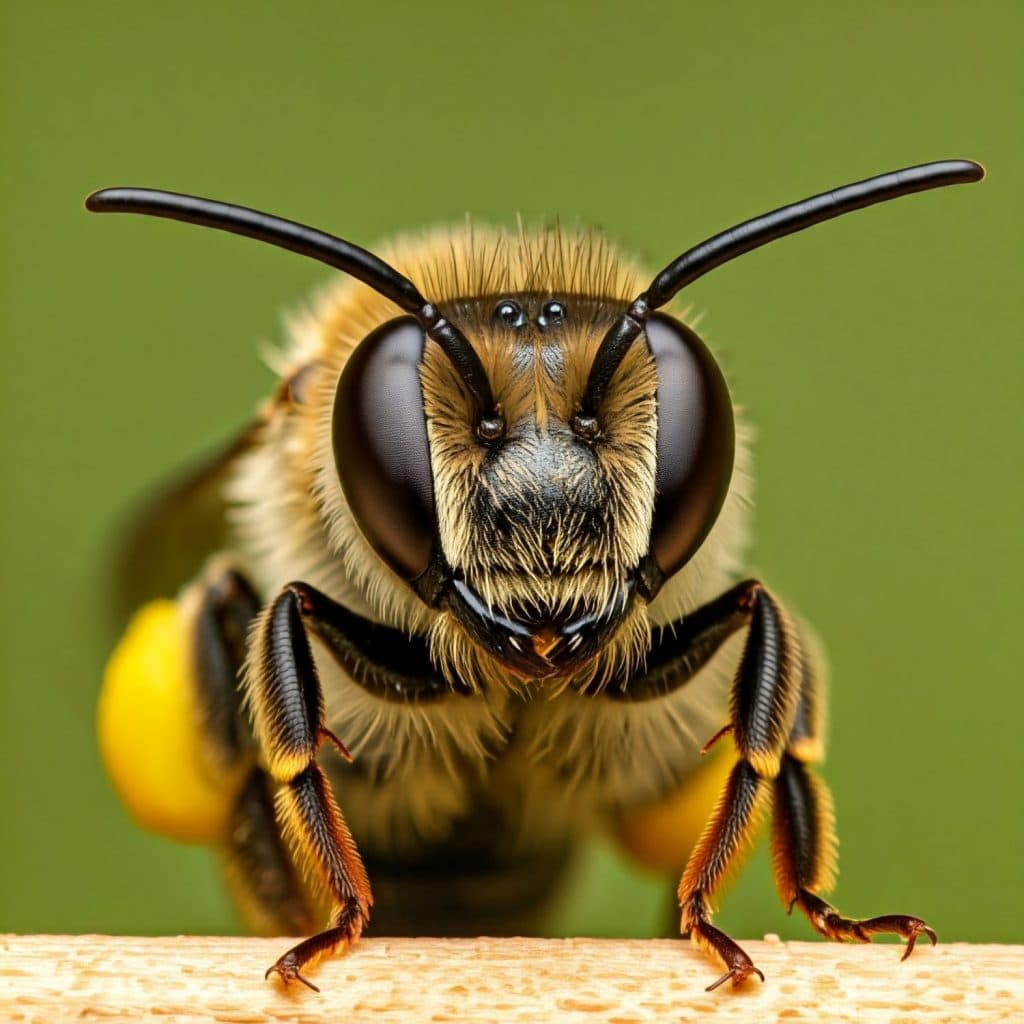
13. They Have Five Eyes
©Qowi Shoot/Shutterstock.com
You wouldn’t know unless you researched it, but honey bees are equipped with five eyes. The Honey Bee Research Centre explains they have “two compound eyes and three simple eyes.”
14. Their Honey Making Skills Require Lots of Flowers

©Milosz Maslanka/Shutterstock.com
When someone calls you a busy bee, it’s for good reason. The Canadian Honey Council states that in order to make a single pound of honey, honey bees must “tap about two million flowers.”
15. They’re Kind of Like a Superorganism

©iStock.com/McKinneMike
Sustainable Food Trust explains that they have interacting parts that create an intricate community, which is why they are referred to as a superorganism in science literature.
16. Swarming Ushers a New Queen Forward
©iStock.com/William Jones-Warner
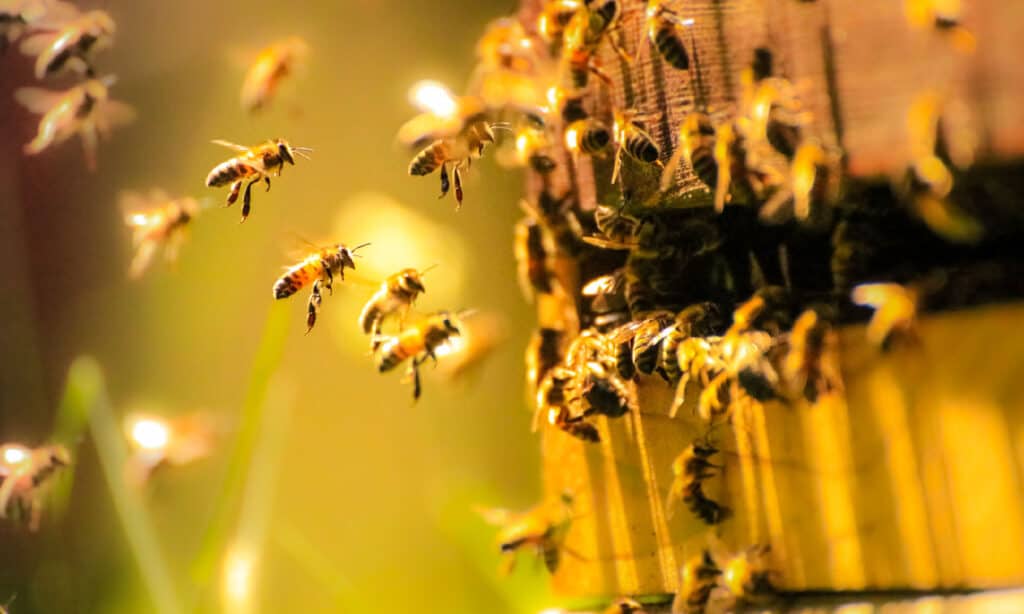
Swarming can occur at any time, explains Purdue University – College of Agriculture. “The new queen’s mother leaves the original colony [and] takes with her a large group of worker bees to find a new home.”
17. They Tune into Electric Fields

©Greg Kushmerek/Shutterstock.com
The National Institutes of Health (NIH) conducted studies that confirmed honey bee antennae are equipped with mechanoreceptors that sense electric fields.
18. They Operate Democratically

©Fevziie/Shutterstock.com
Although they have a hierarchy, they operate as a whole. The Museum of Australian Democracy At Old Parliament House explains that contrary to the belief that the queen bee rules all, “critical decisions are made collectively within the colony.”
19. They’re Regulators
©Frank Wagner/iStock via Getty Images
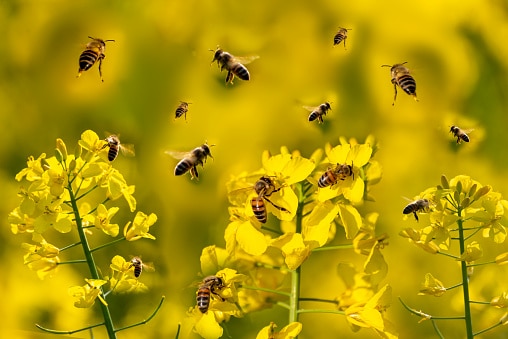
Individual bees are ectothermic; they generate heat by vibrating flight muscles. But colonies regulate hive temperature collectively. Bennington College confirms that “bees regulate their body temperature by means of behavior, morphology, and physiology.”
21. Stinging Is a Sacrifice
©IHOR SULYATYTSKYY/Shutterstock.com
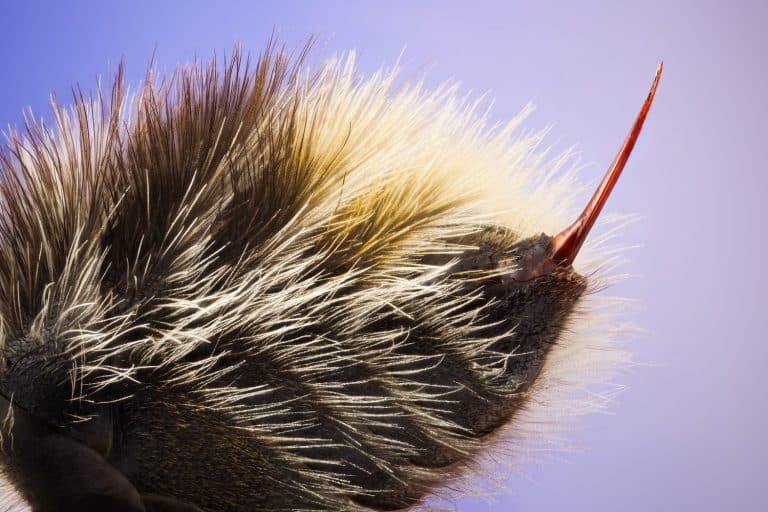
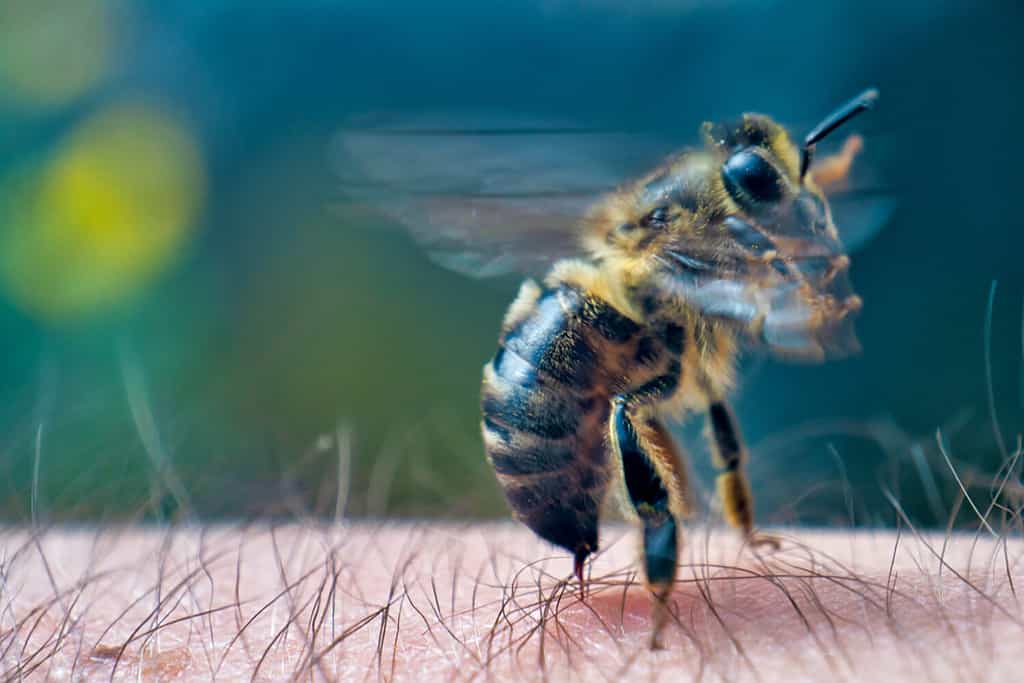
It’s not that they’re aware of what’s to come; it’s that they sting when protecting their colony. Once they do, their stinger gets stuck, and the bees succumb.
22. Their Wings Help with Temp Control
©iStock.com/D-Steinmeyer
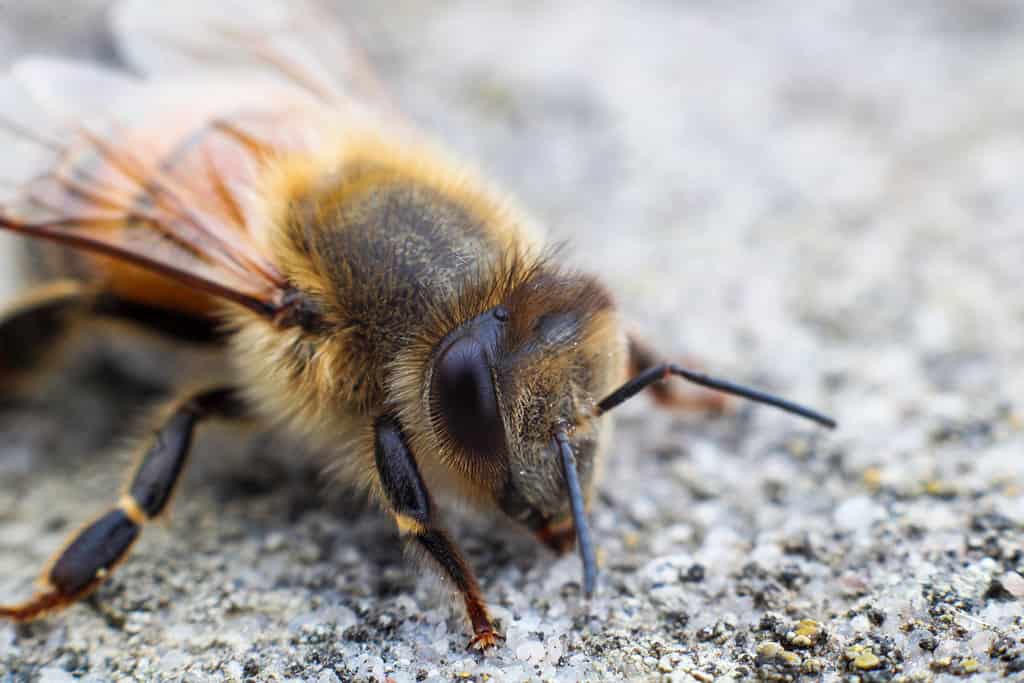
When temperatures rise, they use their wings in a fanning motion to help keep their hives cool.
23. Honey Bees Are Thriving
©Kuttelvaserova Stuchelova/Shutterstock.com
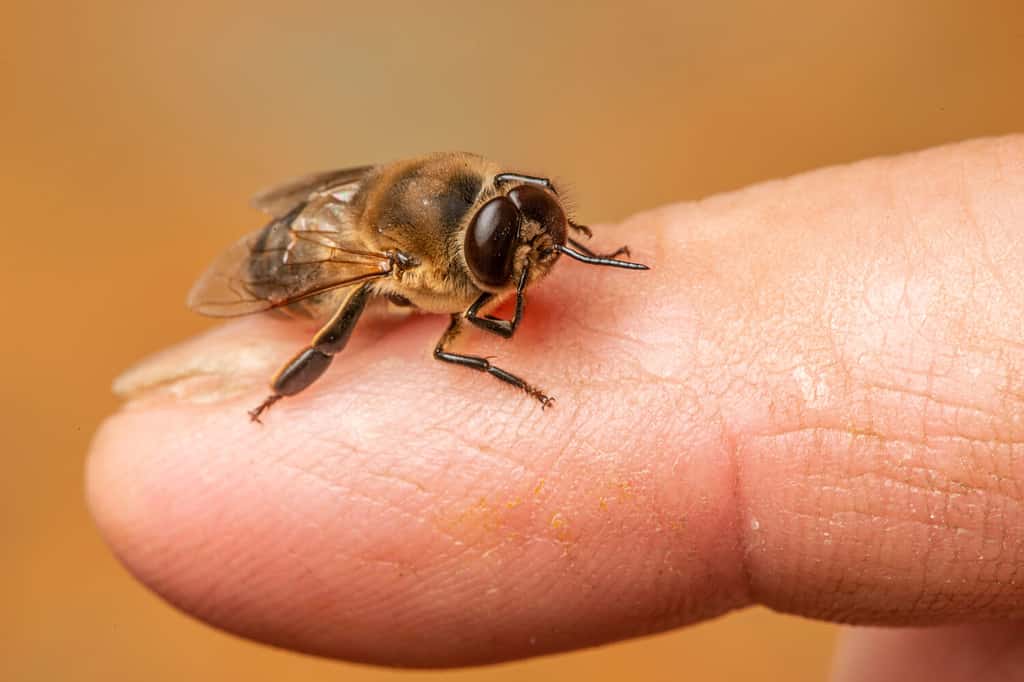
The World Wildlife Fund reported in 2014 that honey bee colonies “in the US dropped to their lowest in 50 years.” Managed honey bee populations have stabilized in recent years, though colony losses remain a concern.