
Quick Take
- Horse mortality insurance isn't just a death benefit. It actually serves as the foundation for a coverage structure most owners don't expect. See mortality coverage details →
- A horse can survive a medical crisis and still trigger a full insurance payout, but this outcome is possible only under one very specific condition. Explore the loss of use add-on →
- The vet bills most horse owners worry about are exactly what major medical insurance won't cover. See what major medical excludes →
- If your horse injures someone, your liability policy may not protect you as fully as you think, and how much coverage you actually have depends on one key distinction. Understand your liability limits →
Owning a horse can be profoundly rewarding; however, the privilege is tempered by the substantial financial realities of equine ownership. Ongoing costs include high-quality feed, stable boarding, regular shoeing, routine veterinary checkups, and insurance premiums. Although insurance can significantly increase your monthly horse budget, equine insurance policies are vital for protecting against catastrophic medical emergencies and liability. While the rewards of sharing your life with a horse are priceless, the commitment to managing the lifelong expenses required to ensure their health and well-being can be demanding. Continue reading as we unravel the mysteries of horse insurance, including what it covers and when to get it.
What Does Horse Insurance Cover?
There are many different types of policies and options for horse insurance. Horse owners can choose from several types of insurance policies designed to protect them from the financial risks of ownership. Most coverage begins with mortality policies, which are frequently paired with major medical and surgical coverage to handle unexpected health crises. Beyond the health of the horse, owners must also consider liability risks, choosing between personal liability policies for individual hobbyists and commercial liability policies for professional business operations.
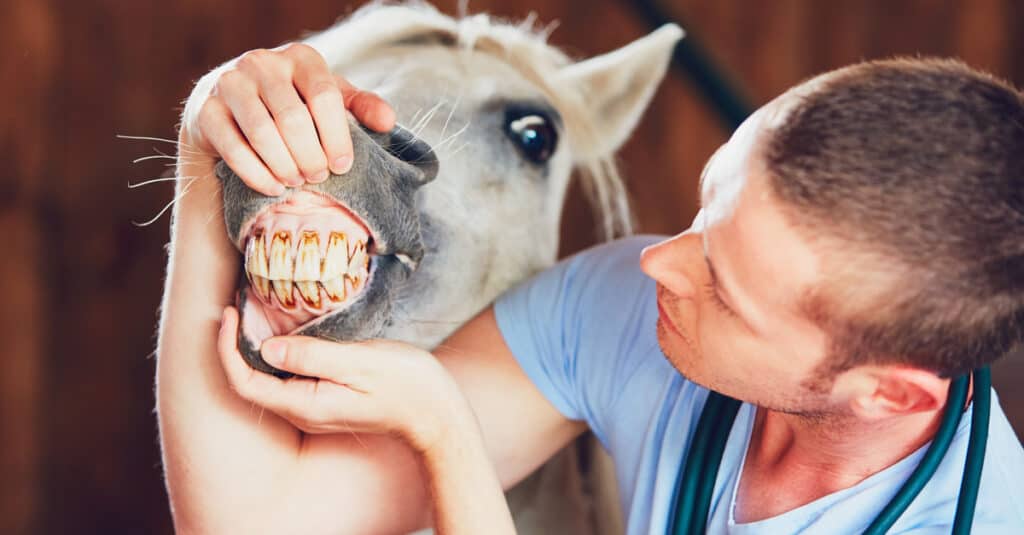
Dental treatment is typically not covered by equine insurance policies.
©Jaromir Chalabala/Shutterstock.com
What is Mortality Insurance?
Horse mortality insurance is similar to human life insurance. It compensates you if your horse dies as a result of a covered illness, accident, or injury. Mortality insurance is often a foundation for other forms of coverage.
This means you purchase a mortality insurance policy and then add other coverage, such as major medical insurance, to it. However, the process and options may vary by company. Companies provide both comprehensive and restricted mortality insurance coverage.
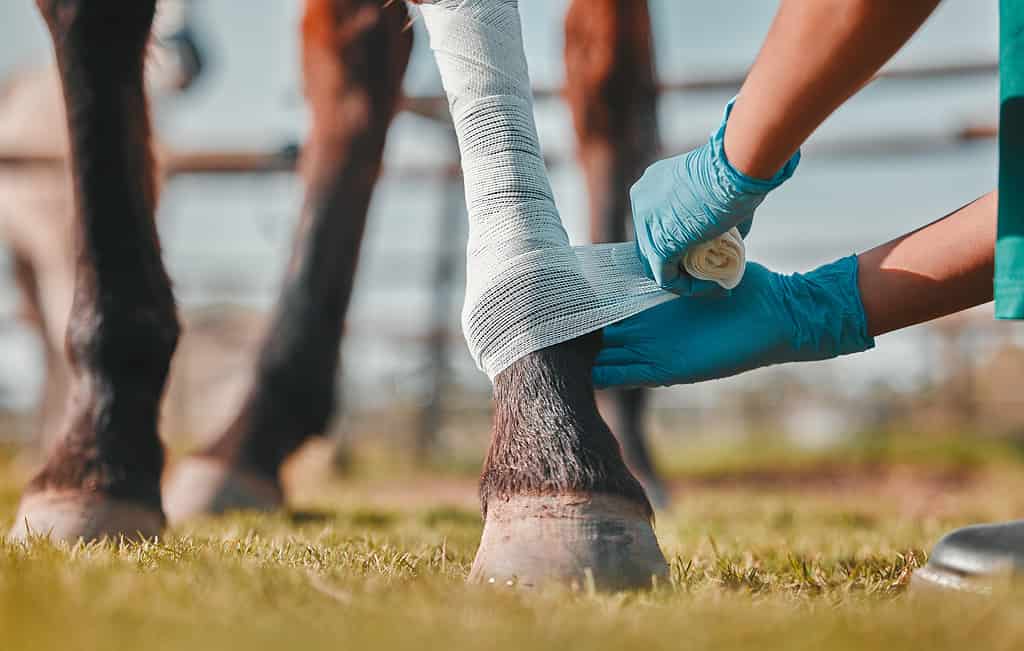
Horse insurance can help offset the costs of veterinary care.
©Jacob Wackerhausen/iStock via Getty Images
If you have a full mortality policy, your horse’s entire value is paid out. Limited mortality plans cover only a portion of your horse’s value. Mortality insurance becomes more expensive as your horse ages.
Loss of Use Addendum
An equine loss of use policy is typically added to a full mortality policy and protects owners of high-value performance horses, working commercial horses such as carriage horses, and those used in novelty entertainment like pony rides. If an injury or illness leaves the animal permanently unable to perform its specific insured duties, a loss of use policy is triggered when a horse survives a medical crisis but can no longer perform its job or sport.
What Does Major Medical Insurance Cover?
An equine major medical insurance policy is similar to human health insurance, reimbursing owners for non-routine veterinary expenses incurred due to unexpected accidents, illnesses, or sudden diseases. While coverage details vary by provider, major medical insurance typically includes veterinary diagnostics, surgical procedures, and hospitalization. These policies are designed for unforeseen medical crises and explicitly exclude routine preventive care.
What is Liability Insurance?
Equine liability insurance protects horse owners if their horse causes bodily injury or property damage. Because horses are large, unpredictable animals that can unwittingly cause major property damage, liability insurance can reduce or cover the cost of repairs. In the event that a horse injures a third party, liability insurance typically covers related medical expenses and legal defense costs if the owner is found liable, but may not cover all civil penalties or punitive damages.
Care, Custody, or Control (CCC) insurance is liability protection designed for equestrian businesses such as boarding facilities, trainers, breeders, and transporters. A dedicated CCC policy covers legal defense fees, medical treatments, or the replacement value of the horse(s) if the business is found negligent in the event of a horse’s injury, illness, theft, or death while in their care.
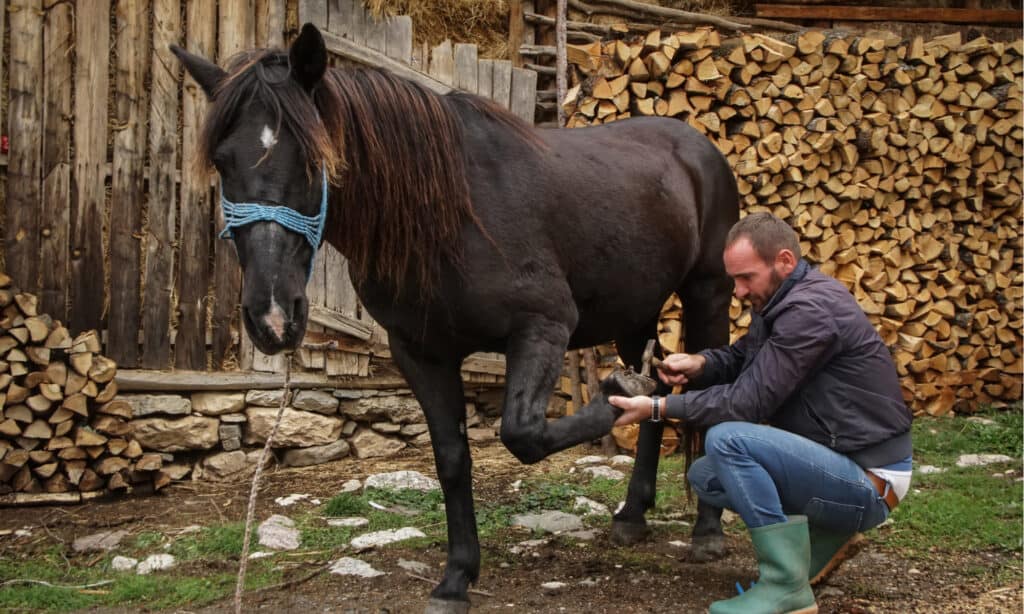
For businesses that board or work with horses, care, custody, or control coverage is a good idea.
©taurusphoto/Shutterstock.com