
Quick Take
- Texas has some of the most lax exotic animal ownership laws in the country.
- Texas bans the ownership of lions, tigers, jaguars, cougars, leopards, and cheetahs, following enactment of the federal Big Cat Public Safety Act in 2022.
- Texas permits most other exotic species, but you’ll need a permit.
- Be sure to check local ordinances, as those laws may be more strict than the statewide exotic animal ownership laws.
When it comes to owning an exotic animal as a household pet, few states are as lenient as Texas. In fact, the Lone Star State is downright generous when it comes to the freedom to choose even the most exotic animal as part of your family.
But that doesn’t mean there aren’t any rules at all. The state does impose some general regulations on exotic and wild animals it deems dangerous to public safety. Plus, individual counties throughout the state may impose stricter rules on the kind of wild animals a homeowner can claim as a pet.
Which Exotic Species Are Banned as Pets in Texas?
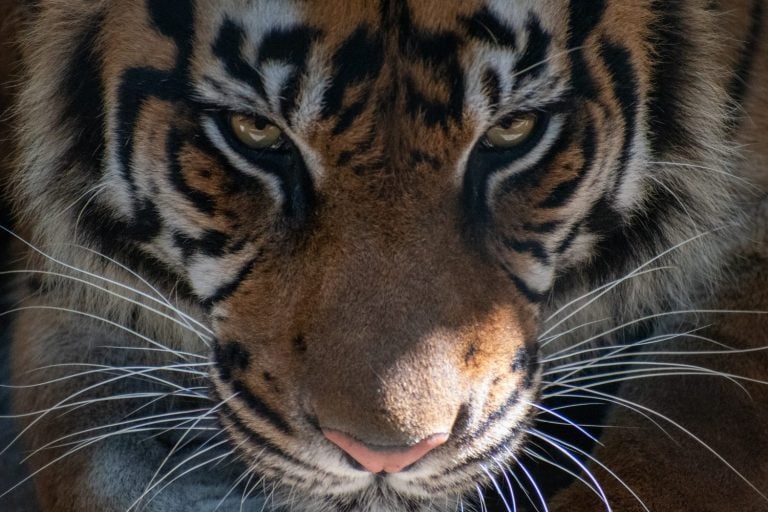
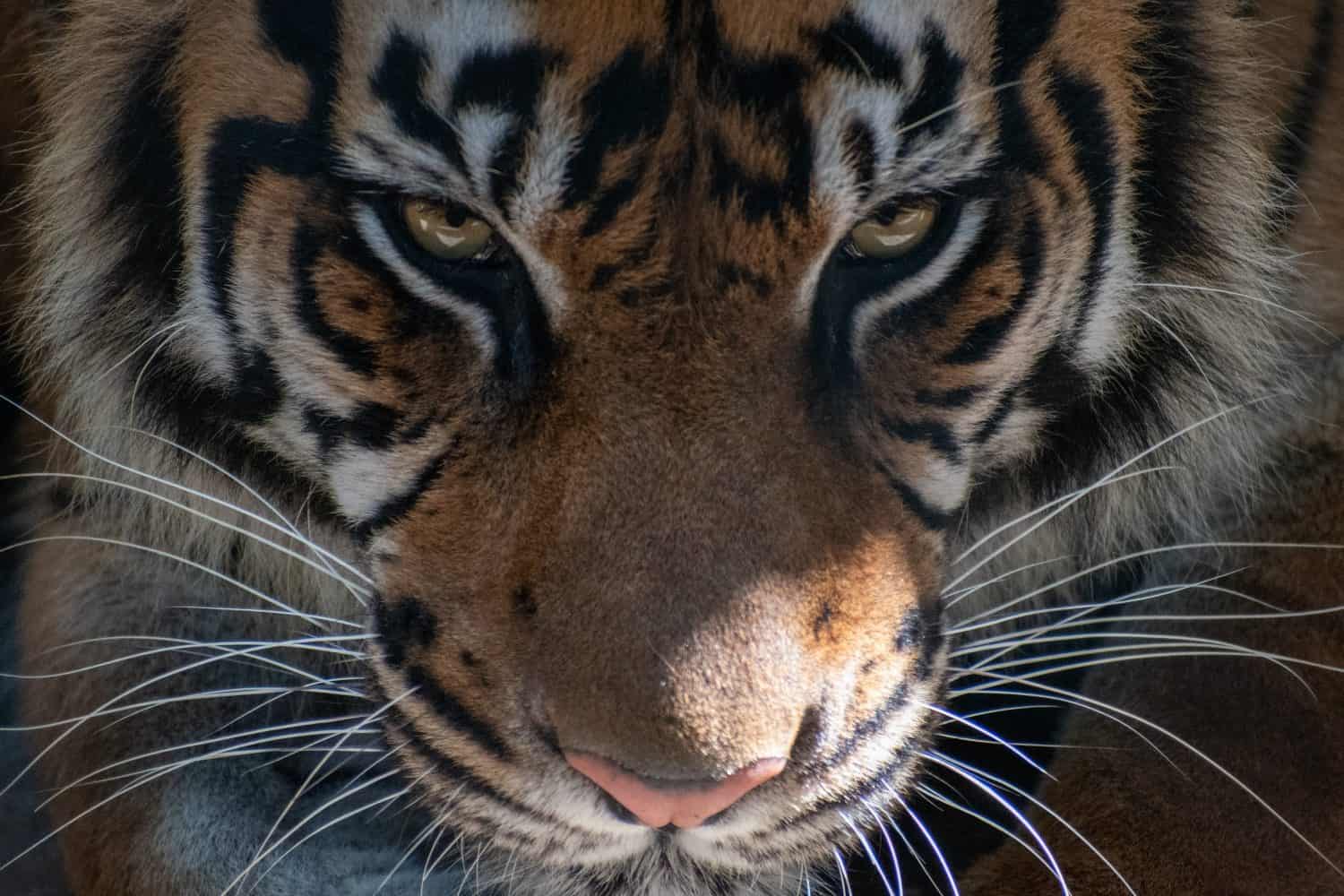
Despite its generous approach to exotic pet ownership, Texas now bans ownership of tigers and other big cats. The state made this decree when the Big Cat Public Safety Act was passed by the U.S. Congress in December 2022.
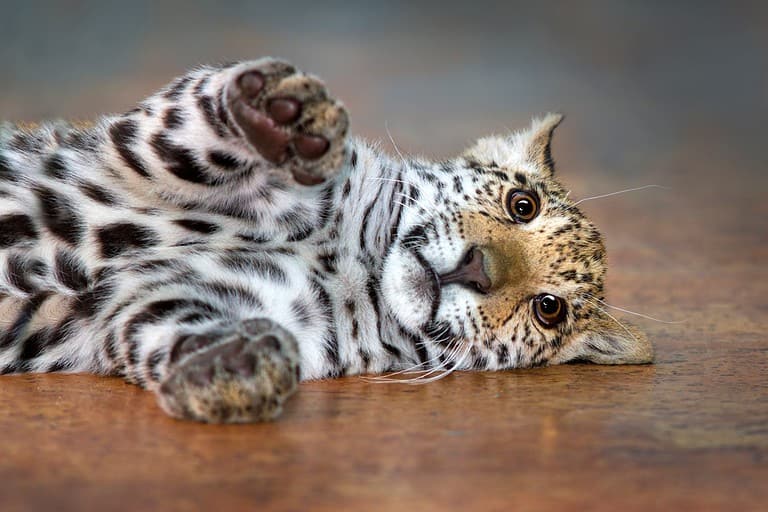
The Act effectively bans private ownership of big cats, including tigers, lions, leopards, jaguars, cougars, and cheetahs nationwide. Owners of these animals prior to the enactment of this new law, were permitted to keep them. However, they were also required to register the animals before June 2023. After the law passed, no new ownership was permitted.
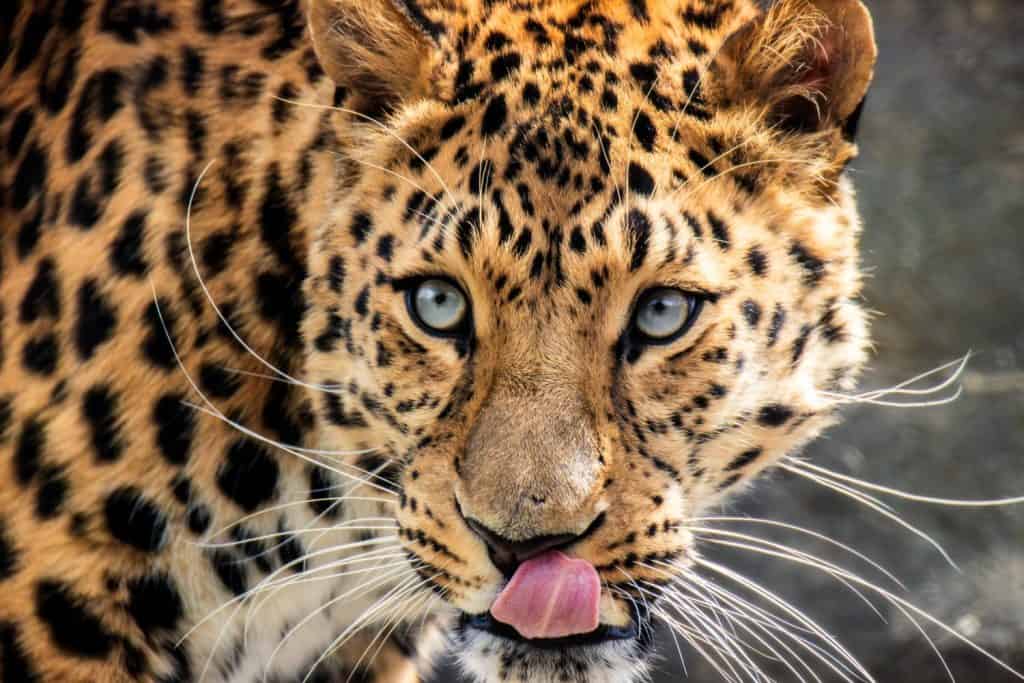
Sorry, no tigers, lions, leopards, jaguars, cougars, or cheetahs are permitted as pets in Texas.
©Earl Wilkerson/Shutterstock.com
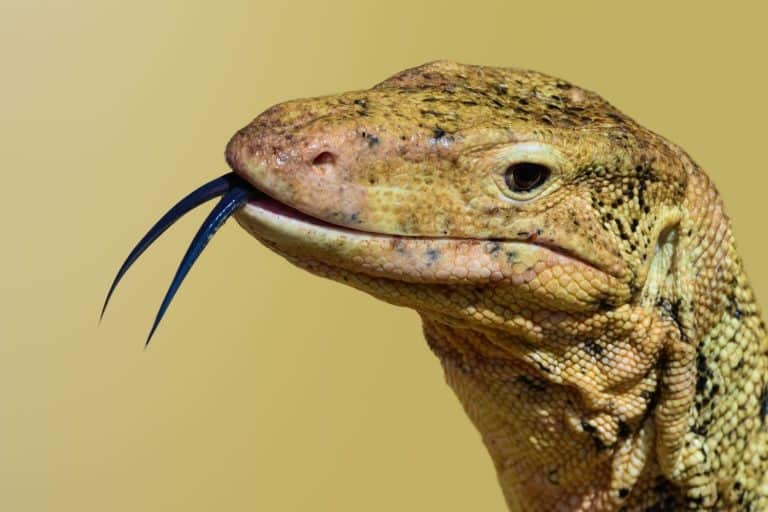
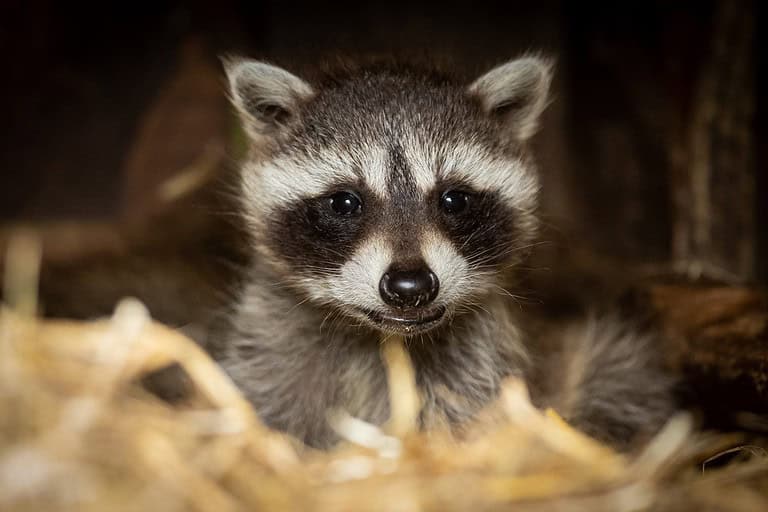
Texas also bans other exotic animals, including those that are endangered or pose a threat as invasive species. For example, the diamondback terrapin—a medium-sized turtle that may look harmless—is not allowed as a pet in the state because it can transmit salmonella and is considered a threat to public health. Other species banned as pets in Texas include wolves, native birds, bats, and raccoons. Some, like wolves, are banned due to their endangered status, while others, like raccoons, are considered a public health risk.
Which Exotic Species Can You Keep As a Pet In Texas?
If owning a big cat was your dream, you’re out of luck in the Lone Star State (and any other state in the U.S.). But the good news is that there’s a long list of other exotic animals you can keep as a pet in Texas—with one caveat. You’ll need to acquire a Certificate of Registration for your new family member. To qualify for this certificate, you need to pay a fee of $50 per animal, provide proof of at least $100,000 in liability insurance, and submit detailed information about the enclosure(s) where you’ll keep your new pet.
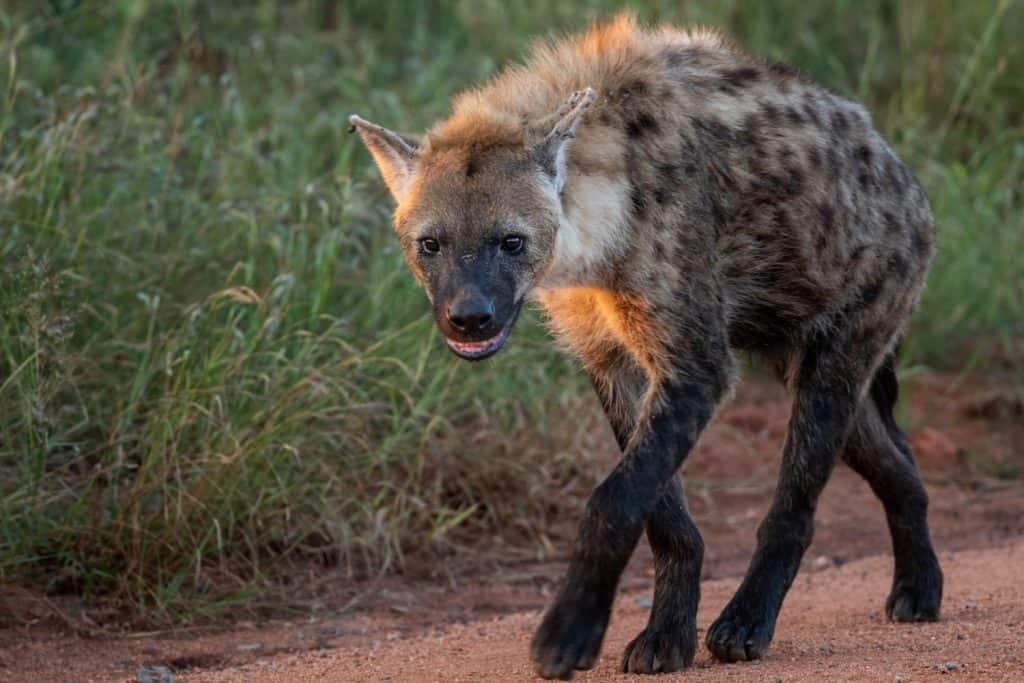
Yes, you can have a hyena as a pet in Texas, but you’ll need the right permit.
©Andrew Mohamed/Shutterstock.com
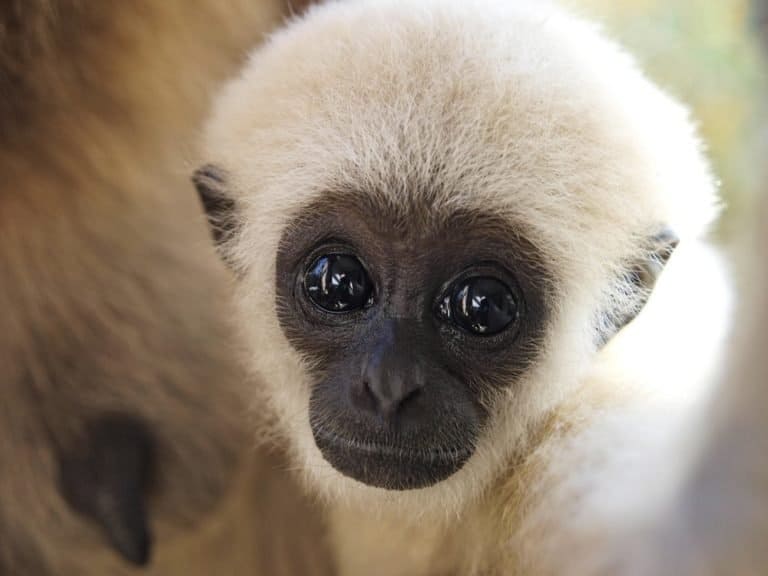
A non-exhaustive list of permitted species covered by this application includes ocelots, bobcats, lynx, servals, caracals, hyenas, bears, coyotes, jackals, baboons, chimpanzees, orangutans, gorillas, and any hybrid of these animals. If you have a different animal in mind, it is best to check with the Texas Parks and Wildlife Department (TPWD), which is responsible for managing exotic species in the state.
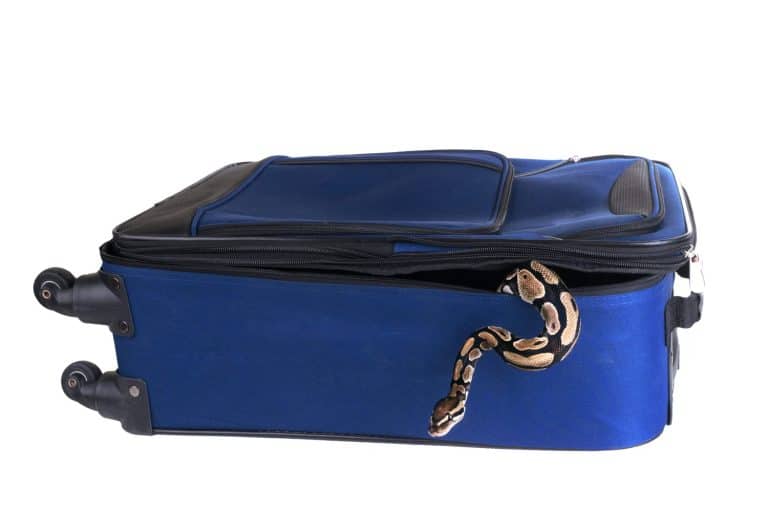
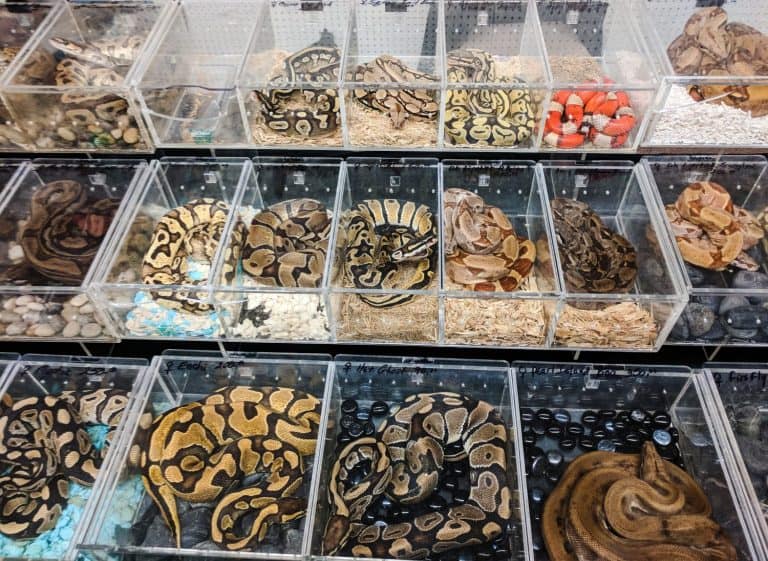
It is also legal to own snakes as pets in Texas. However, some snake species require the owner to get a Controlled Exotic Snake Permit. These species include all non-native venomous snakes, African rock pythons, Asiatic rock pythons, green anacondas, reticulated pythons, and Southern African pythons. Hybrids of any of these snakes are also covered by the permit requirement.
A recreational exotic snake permit costs $20 and allows you to possess and transport these snakes. You cannot, however, sell them. If you plan to breed these snakes for resale, you’ll need a commercial permit. Those permits cost $60. For both permit types, you can purchase the permit after obtaining the snake. However, until you have the permit, your ownership will be considered illegal by TPWD. That can expose you to fines and even criminal liability. To legally possess the snake, you need to have the approved permit in hand.
Be Sure to Check County and Local Ordinances
The statewide laws in Texas for personal exotic animal ownership are broad and some of the most lax in the entire country. However, that laid-back approach doesn’t extend to every city or county within the state. Many populous cities and counties are far more strict when it comes to having an exotic animal as a pet. For example, highly populated places like Austin, Houston, and San Antonio all have city-specific codes in place that are much stricter than statewide laws or the rules governing more rural counties.
The City of Houston, for example, has an outright ban on all animals considered wild—such as bears, monkeys, and coyotes—within city limits. This policy is understandable, as the risk to public safety is much greater if a gorilla escapes in Houston (population 2.3 million) compared to the rural fields of Loving County, Texas (population less than 100).
Before purchasing an exotic species as a pet or planning a move to a different part of Texas, the best course of action is to check the local rules and regulations to see what is allowed. Nothing feels less like a warm welcome than receiving a citation for bringing along an illegal exotic animal.
How to Legally Own an Exotic Animal as a Pet in Texas
Before pursuing exotic pet ownership in Texas, you must first determine if the animal you want is permitted. Big cats are prohibited, but most other exotic species are allowed with the appropriate permit. Determining which permit you need is usually straightforward.
Most exotic species are covered by the Certificate of Registration, and that is the form you should use. However, if you have (or plan to buy) certain snakes, you’ll need to obtain a Controlled Exotic Snake Permit. In both cases, the only path to legal ownership of any exotic species is to get the right permit.
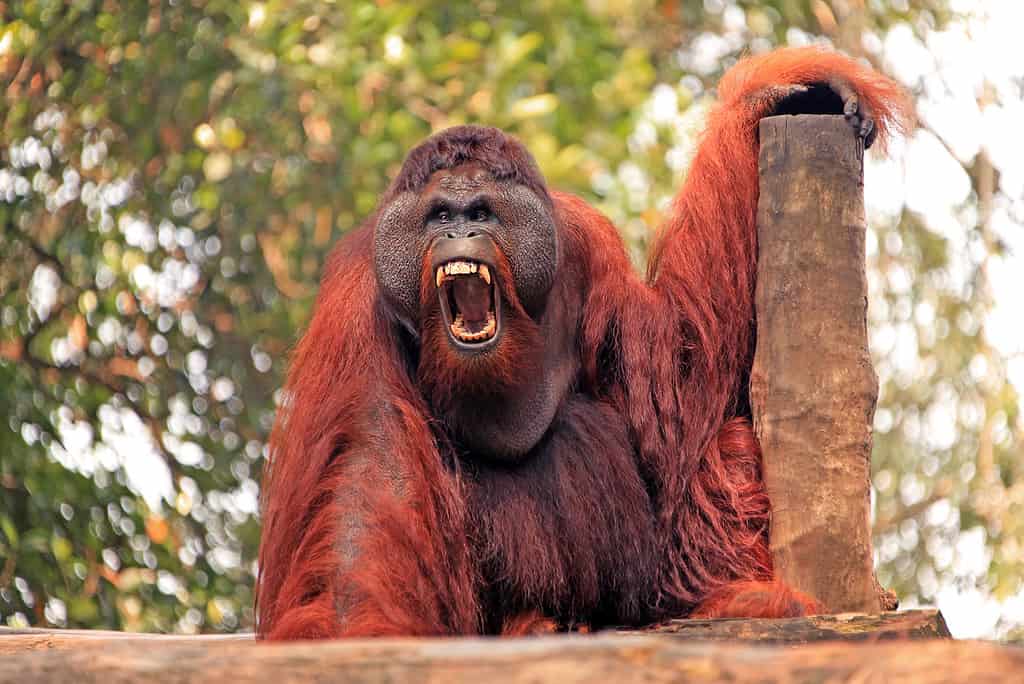
Be sure you get a permit to legally own your pet orangutan.
©Kiwisoul/Shutterstock.com
The Texas Parks and Wildlife Department (TPWD) is the entity responsible for issuing these permits. Their webpage is a great place to start in your journey to exotic animal ownership. TPWD is also an excellent resource for determining if the animal you have in mind is permitted or banned under statewide rules.
Beyond the legalities of owning an exotic species, there’s another big question you should ask yourself. Are you prepared for the lifetime responsibility of owning an exotic species? Owning an orangutan or hyena is a lot different from owning a domestic house cat or dog. Special, secure shelters are often required in order to get a permit. Additional liability insurance is also needed. Then there’s the practicality of life with a dangerous and unpredictable wild animal. Life changes and circumstances change, too. If things don’t work out, what is your plan B? It will be much harder to re-home a bear or orangutan than a family dog.
Texas animal shelters may not be equipped to take in an exotic pet. Sanctuaries and animal parks may not have room for another animal. The alternative of releasing your unwanted anaconda into the Texas wild to fend for itself can have devastating consequences. The animal itself may suffer in unfamiliar conditions. Your former pet can also have a negative impact on the State’s native animal population. It may even harm a human. As you can see, exotic pet ownership involves many responsibilities and considerations.