
Quick Take
- U.S. pet spending reached $158 billion in 2025, driven by both inflation and a growing emotional bond between people and their pets.
- Pet owners are prioritizing essential expenses like food and veterinary care, even as they cut back in other areas.
- Younger generations are fueling industry growth by treating pets as family members and investing more in their long-term health and care.
People may be tightening their purse strings when it comes to groceries, but they are still shelling out big bucks to keep their pets well fed. Indeed, Americans are spending more money on pets than ever. According to the latest State of the Industry report from the American Pet Products Association (APPA), U.S. pet spending reached an incredible $158 billion in 2025. That marks a 3.7% increase from the previous year, and the numbers are only expected to rise.
People may have less purchasing power with their dollar bills than, say, a decade ago, but the role of pets in family life has only strengthened since then. Now, people treat pets more like family members than property. This has created a unique economy in which the humanization of pets is driving real commerce. A-Z Animals had a chance to speak briefly with Pete Scott, the President & CEO of the American Pet Products Association, to learn more about this upward trend.
Meet the Expert

Peter Scott serves as President and CEO of the American Pet Products Association.
©Courtesy of APPA
Founded in 1958, the American Pet Products Association (APPA) has grown into a vital resource for the pet industry. Its primary objective is to promote responsible pet ownership and facilitate the growth of the pet industry. APPA does this through the production of key industry events, legislative advocacy, and market research. Indeed, their passion for all things pet has resulted in initiatives like the Human Animal Bond Research Institute and championing regulatory reforms like the PURR Act. The APPA Research & Insights Team releases industry statistics each year.
As President and CEO of the American Pet Products Association, Peter Scott focuses on the human-animal bond as it relates to commerce as well as advocacy, disaster response, and public policy. And with over two decades of executive leadership across national trade associations in healthcare and veterinary communities, Scott knows the industry well. He took the time to give A-Z Animals some insights regarding the current pet industry trends.
People don’t just own pets anymore; they consider them family members, and that emotional connection continues to shape spending behavior across the category.
Peter Scott, President and CEO of the American Pet Products Association
Data, Deconstructed
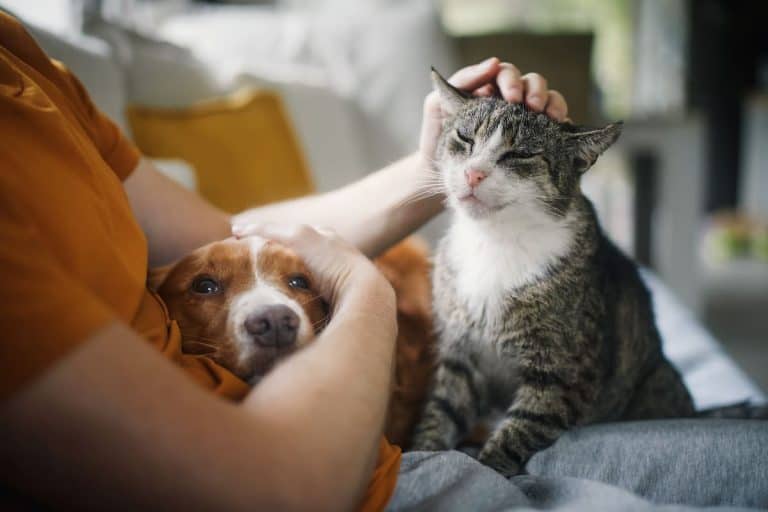
Even when factoring in inflation, American pet spending continues to rise each year.
©Krakenimages.com/Shutterstock.com
At first glance, the 3.7% increase in pet spending from 2024 to 2025 appears to be driven solely by product sales. However, a closer look at the data reveals a more nuanced picture. Projected growth may sit at 4.4% in 2026, but around 2% of that growth relates to inflation. “In 2025, U.S. pet industry expenditures reached $158 billion, reflecting 3.7% growth, with approximately 2% of that growth attributed to inflation,” Scott says.
Furthermore, the costs of veterinary services have risen considerably; these services saw an increase year-over-year in early 2026. So, while pet owners are definitely spending more money, a notable portion of that money is there to cover rising costs—a domino effect of more expensive labor, medicine, and even raw pet food ingredients. Nevertheless, overall spending remains strong because of a shift in how people perceive their pets. As Scott explains, people are prioritizing their pets highly. He says, “While much of the acceleration in 2025 can be linked to continued strength in online channels, the industry’s long-term growth ultimately rests on one clear driver: the deepening human-animal bond.”
Part of the Family
The numbers reflect several aspects of this growing human-animal bond. For one, senior pets live longer and therefore require more care, supplementation, and oversight. Plus, Millennials and Generation Z together make up 57% of pet owners. Since they consider pets to be family members, they spend more money on their care and food. This trend contributes to the humanization of pet healthcare, with owners seeking higher-quality medical care for their animals. With a noticeable surge in pet insurance adoption, people are increasing their spending on human-grade treatments, especially for physical therapy, dental work, and advanced medical diagnostics.
Pets used to be considered property. Contemporary generations, however, have begun treating pets with more humanity. This leads to greater investment in pets, longer lifespans, and higher overall spending. As Scott explains, “People don’t just own pets anymore; they consider them family members, and that emotional connection continues to shape spending behavior across the category.”
Economic Stability
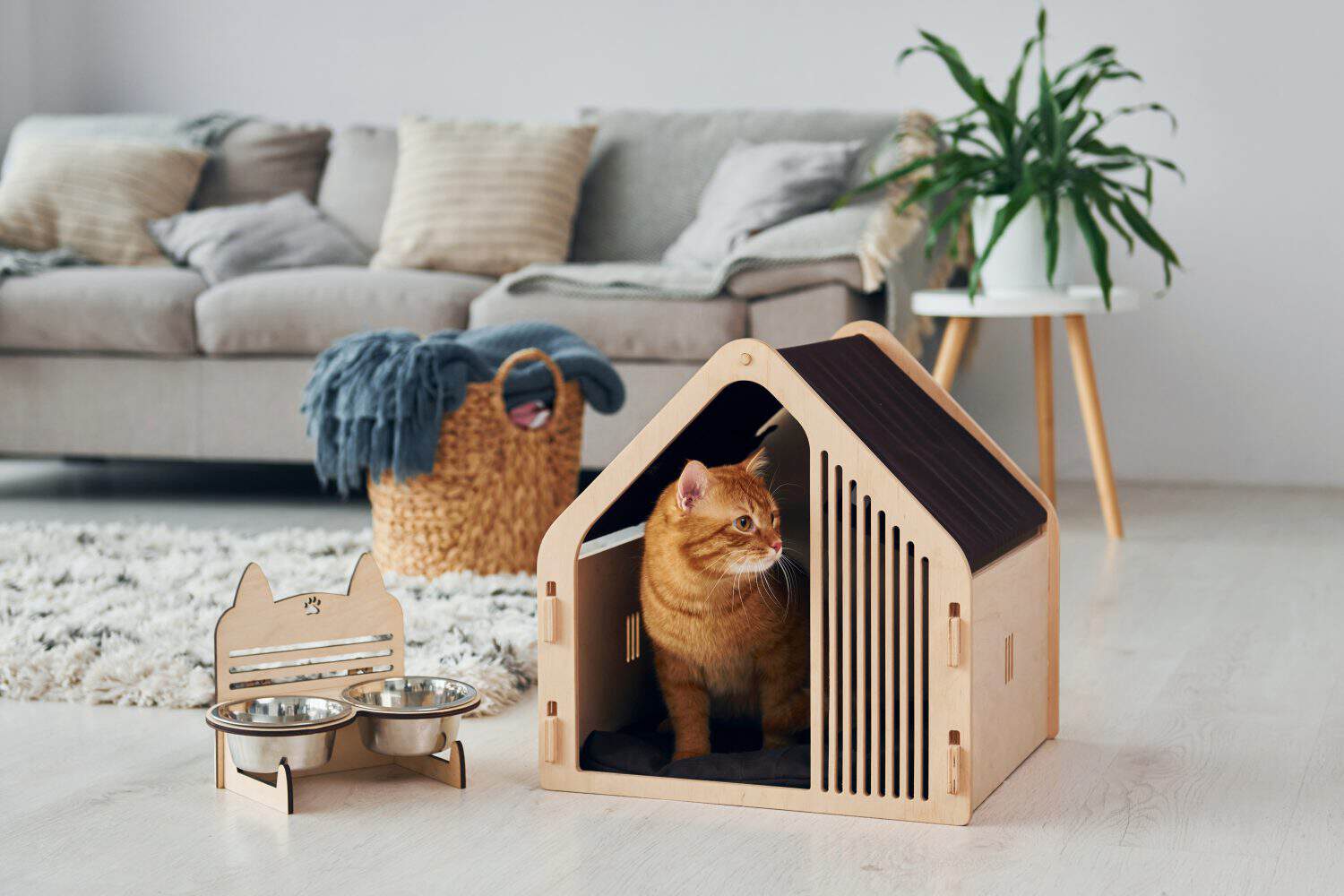
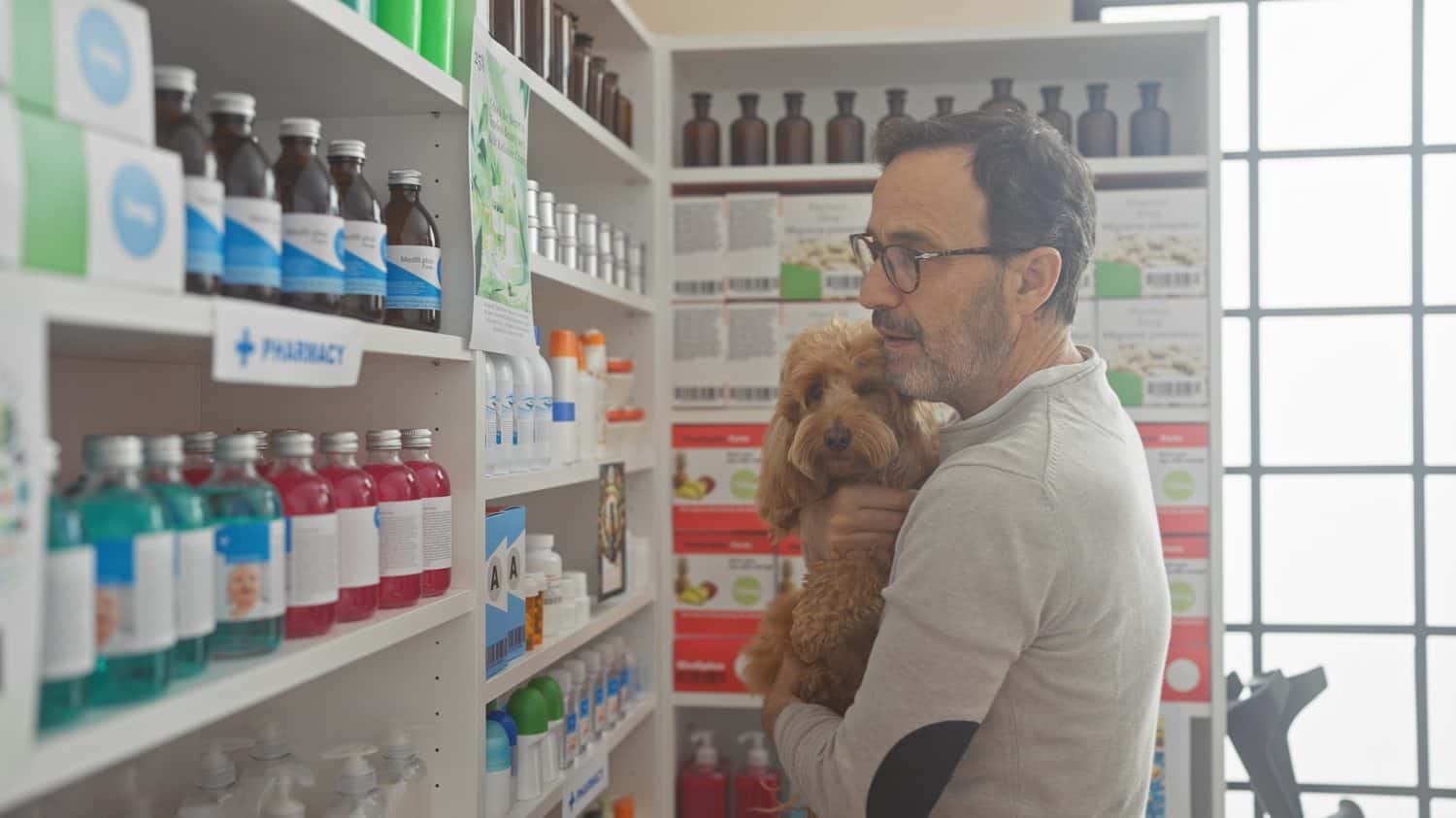
Pet spending has shifted from a luxury to a familial necessity.
©Standret/Shutterstock.com
The economy may not be great, and inflation may be high, but pets remain a priority for the majority of American pet owners. This makes the pet industry one of the more resilient economic sectors during market downturns. As Scott explains, it comes down to financial allocation. “Roughly half of pet owners report that their spending has held steady, while a growing share indicates they are pulling back overall,” he says, adding, “However, what we’re really seeing is a reallocation of spend rather than a retreat.”
While one-time or impulse purchases may have decreased, essential expenses such as food and veterinary care continue to rise. In the last few decades, that shift from property to family member has made Americans treat pet care costs as utilities instead of luxuries. As Scott explains, this is a transformation of values as it relates to the human-animal bond. “Pet parents are prioritizing core expenses such as food and veterinary care, while becoming more discerning about discretionary purchases,” he says. “This shift reflects a more intentional, value-driven market, one shaped by informed consumers rather than reduced demand.”