
Quick Take
- There's a veterinary framework specifically designed to catch early brain aging in dogs, though most owners have never heard of it. Meet the DISHAA framework →
- The symptoms that look most like cognitive decline are often something else entirely, and confusing the two has real consequences. See what mimics decline →
- Something you're already doing with your phone could give your vet information a clinic visit never can. Learn how videos help →
- One behavioral change in your dog means nothing on its own. The moment it becomes a pattern, though, the calculus shifts completely. See why patterns matter →
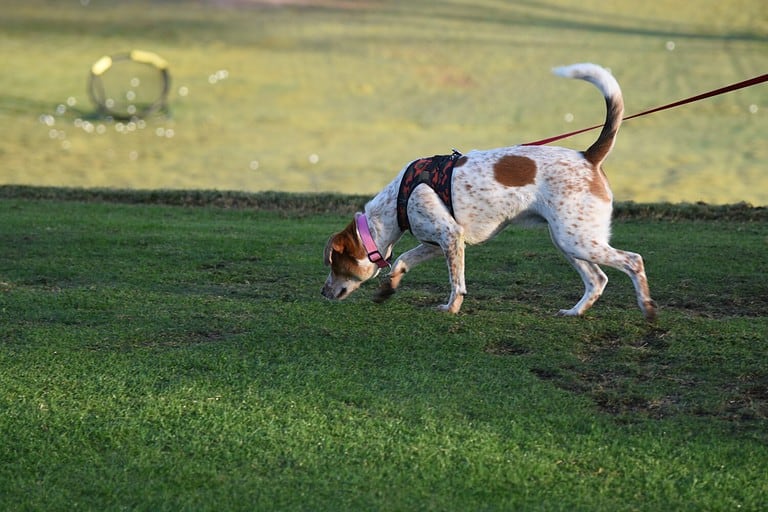
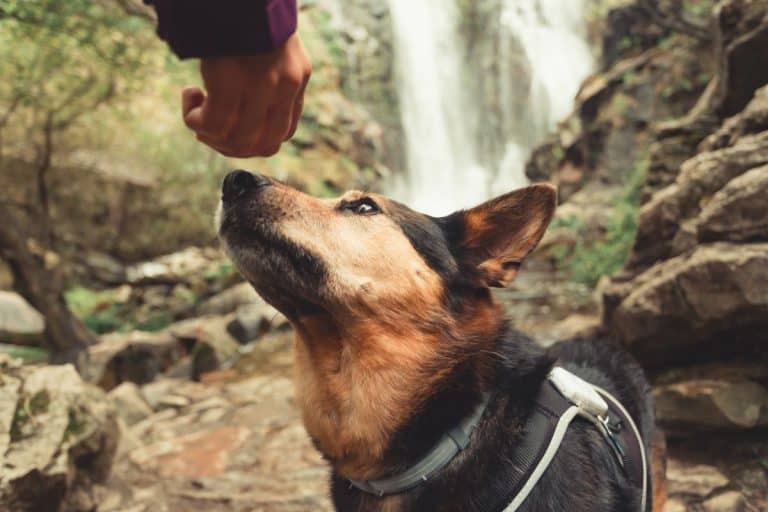
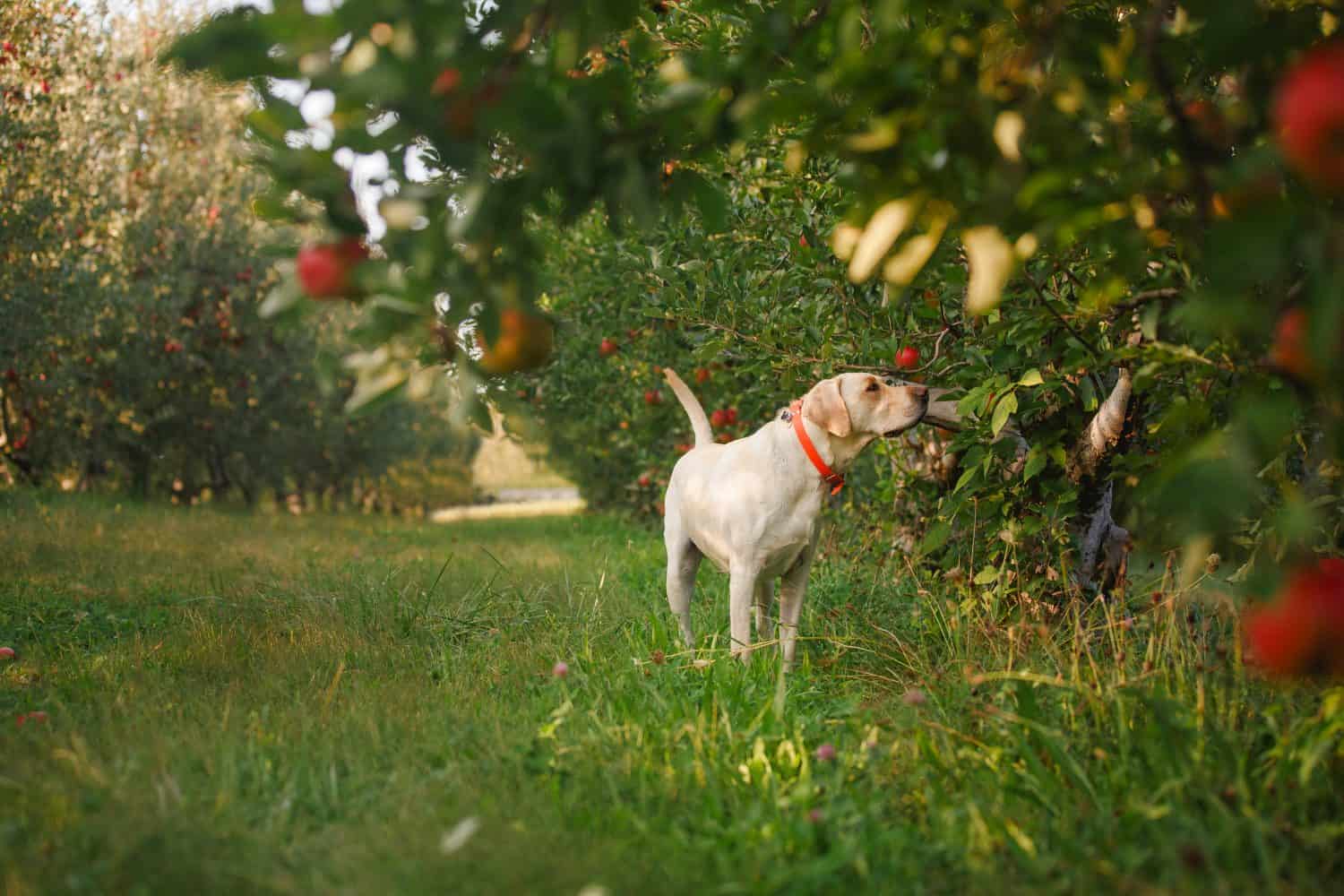
We saw this post on Reddit, and it got us thinking. The idea was simple but striking: a dog that suddenly stops sniffing on walks might be showing early signs of cognitive decline.
For most dogs, sniffing isn’t just a habit. It’s how they read the world. Every mailbox, fence post, and patch of grass is a story. So when a dog who once treated every walk like a detective novel suddenly loses interest, it’s fair to wonder what’s going on. Is it just aging? Or something worth a closer look?
We took the question to Dr. Victoria Carmella, veterinary advisor at Pet Honesty, to find out.
Continue reading
Living with a senior dog is not for the faint of heart.
©iStock.com/Tatyana Consaul
Is There Truth to It?
The short answer: yes, a change like this can matter. But context is everything.
“One of the most important things owners can do is watch for changes from what’s normal for their pet,” Dr. Carmella explained. “For example, if your dog has always loved sniffing every mailbox on a walk and suddenly stops, that’s worth noticing. The same is true if your pet suddenly becomes less social, or starts having accidents in the house. One isolated change doesn’t necessarily mean cognitive dysfunction, but new, persistent, or multiple changes definitely deserve a conversation with your veterinarian rather than simply being dismissed as old age.”
That last part is key. A single quiet walk isn’t a cause for panic. But a pattern of small shifts? That’s your dog possibly trying to tell you something.

Dr. Victoria Carmella offers a unique perspective and expert commentary on pet behavior and pet care.
©Dr. Victoria Carmella, a veterinarian advisor at Pet Honesty, – Original / License
Meet DISHAA
Here’s where a helpful tool comes in, and if you’ve never heard of it, you’re not alone. It’s called DISHAA, and veterinarians use it to spot subtle signs of brain aging.
“DISHAA is a tool veterinarians use to help identify behavioral changes that may signal cognitive decline in senior pets,” Dr. Carmella shared. “It stands for:
- Disorientation
- Changes in Social Interactions
- Changes in the Sleep-wake cycle
- House soiling or forgetting previously learned behaviors
- Changes in Activity
- Anxiety
DISHAA provides veterinarians and pet owners with a practical way to recognize signs of cognitive dysfunction syndrome (CDS). Because cognitive decline tends to happen gradually, early changes can be easy to chalk up to ‘just getting older.’ Looking at these behaviors together can help us recognize when several small changes may be telling us something more.”
Cognitive dysfunction syndrome, or CDS, is often compared to dementia in people. It’s not rare, either. Many senior dogs experience some degree of it. Yet plenty of loving owners have never heard the term, partly because the signs creep in so slowly. A little more napping here, a little restlessness there — it rarely feels like a red flag in the moment.
That’s exactly why a framework like DISHAA is so useful: it helps you connect the dots.
The Signs That Show Up First
So what should you actually watch for? According to Dr. Carmella, the earliest signs are often the easiest to miss.
“Some of the earliest signs can be surprisingly subtle,” she says. “Families may first notice their pet sleeping more during the day, becoming restless at night, seeming more anxious or clingy, interacting differently with family members, or losing interest in favorite activities. Disorientation may show up as staring into space, wandering or pacing, or seeming confused in familiar surroundings.”
Sound familiar? These are the kinds of changes we tend to wave off. But when a few of them appear together, or when they stick around, they’re worth a mention at your next vet visit.
Not Everything Is Cognitive
Here’s an important twist. Just because a behavior looks like brain aging doesn’t mean it is. Older dogs experience all kinds of health changes, and many of them can mimic cognitive decline.
“It can actually be very difficult for pet owners to tell the difference at home, because many common conditions in senior pets can be perceived as cognitive decline,” Dr. Carmella cautioned. “A dog who no longer wants to walk may be experiencing a cognitive change, but other clinical conditions, like osteoarthritis, could also be responsible. A pet who seems disoriented may have declining vision or hearing, while new accidents in the house could be related to a urinary problem or other issue.”
She added an important note about how CDS is diagnosed: “That’s why it’s important to work with your veterinarian rather than assuming a behavioral change is cognitive. CDS is generally a diagnosis of exclusion, meaning other medical conditions are ruled out before a CDS diagnosis is made. It’s also important to remember that senior pets can have cognitive dysfunction and other health conditions at the same time, making a thorough evaluation especially important.”
In other words, that dog who stopped sniffing might have sore joints, fading eyesight, a changing brain, or a mix of all three. Only a proper exam can sort it out.
“Some of the earliest signs can be surprisingly subtle,” she says. “Families may first notice their pet sleeping more during the day, becoming restless at night, seeming more anxious or clingy, interacting differently with family members, or losing interest in favorite activities. Disorientation may show up as staring into space, wandering or pacing, or seeming confused in familiar surroundings.”
Dr. Victoria Carmella, veterinary advisor at Pet Honesty
What Happens at the Vet
If you do bring your concerns in, what should you expect? A good conversation, for starters.
“Veterinarians usually start with a detailed conversation to better understand your pet’s history and the changes you’re noticing at home,” Dr. Carmella explains. “They may ask: What’s different? When did it start? Is it becoming more frequent? Have you noticed changes in sleep, appetite, activity, bathroom habits, mobility, or interactions with family members? From there, your veterinarian will perform a thorough physical examination and may recommend bloodwork, urinalysis, or other testing based on your pet’s age, symptoms, and overall health. Depending on the findings, a neurologic examination or additional diagnostics may also be appropriate.”
She offered one especially practical tip: “Videos from home can be incredibly helpful as a pet may not pace, stare, wander, or appear confused during a short veterinary visit, so seeing those behaviors in their normal environment can provide valuable information.”
So next time your dog paces at 2 a.m. or stares at the wall, grab your phone. That footage could help your vet more than you’d guess.
How to Help Your Aging Dog
The good news? A diagnosis isn’t the end of the story. There is plenty you can do to keep your dog comfortable and happy.
“Management of CDS really works best as a multimodal approach, with several strategies working together to support the aging pet,” Dr. Carmella says. “For example, this may include keeping a predictable daily routine, providing comfortable exercise like shorter walks, and keeping their brain engaged with simple games or other activities they enjoy. Nutrition and supplements can also be part of the solution. Certain nutrients, including antioxidants, omega-3 fatty acids, and B vitamins, can help support brain health as pets age. Pet Honesty Multivitamin 10-in-1 Senior chews, for example, can be considered part of an overall senior wellness plan, along with a complete and balanced diet. As with any supplement, it’s always a good idea to talk with your veterinarian about what is most appropriate for your pet.”
“While we can’t cure CDS, there are many ways we can support senior pets to help them stay comfortable and enjoy the best quality of life possible!”
The Takeaway
That Reddit post had a point. A dog who stops sniffing might just be tired, or they might be telling you something bigger. Either way, you know your dog best. When their normal starts to shift, trust that instinct and check in with your vet. A little attention now can mean many more good years, and plenty more happy sniffs, ahead.