
Quick Take
- In some states, these two job titles refer to the exact same position. In others, though, the differences could completely change your career trajectory. See how titles differ →
- One of these roles can put you on a boat, an ATV, or a snowmobile as your primary patrol vehicle, and which of those it is depends on the path you choose. Explore warden patrol duties →
- The training requirements between these two careers diverge in a way most applicants don't anticipate, and underestimating that gap could cost you a shot at the job. Compare training requirements →
- Salary ranges for these roles are wider than you'd expect, and where you live matters more than which title you hold. Check salary ranges →
If you love the outdoors and care about wildlife, jobs like conservation officer and game warden can sound almost identical at first glance. Both careers put you in a uniform, out in the field, protecting animals and the habitats they depend on. Yet when you look closer, you can see real differences in training, day‑to‑day duties, and long‑term career paths. Understanding those differences can help you decide which path better fits your interests.
Titles That Sound Alike, Jobs That Aren’t Identical
In the United States, agencies often use the titles “conservation officer,” “game warden,” and “wildlife officer” in overlapping ways. In some states, they even refer to the same position. A conservation officer may work for a state natural resources agency, a fish and wildlife department, or a parks system. They enforce hunting and fishing laws and also help manage land and water resources.
A game warden is usually a sworn peace officer whose main focus is enforcing wildlife, hunting, fishing, and boating regulations on both public and private lands. Depending on the agency, one person might patrol forests, lakes, and coastal waters. The same officer may also respond to emergencies and teach safety classes, all under a single job title.
Core Mission: Protect Wildlife and People
Despite the different labels, both professions share a core mission. They protect wildlife, natural resources, and the public’s right to enjoy them safely. Conservation officers may split their time between checking licenses in the field and monitoring habitat conditions. Many also work with biologists on projects like deer counts or water quality surveys.
Game wardens center more consistently on law enforcement. They patrol hunting seasons, investigate poaching, check boats for safety gear, and back up other officers during search‑and‑rescue missions. In both jobs, you might spend one day hiking into remote areas to check on illegal traps. The next day, you might give a wildlife talk to a high school or lead a hunter‑education class.
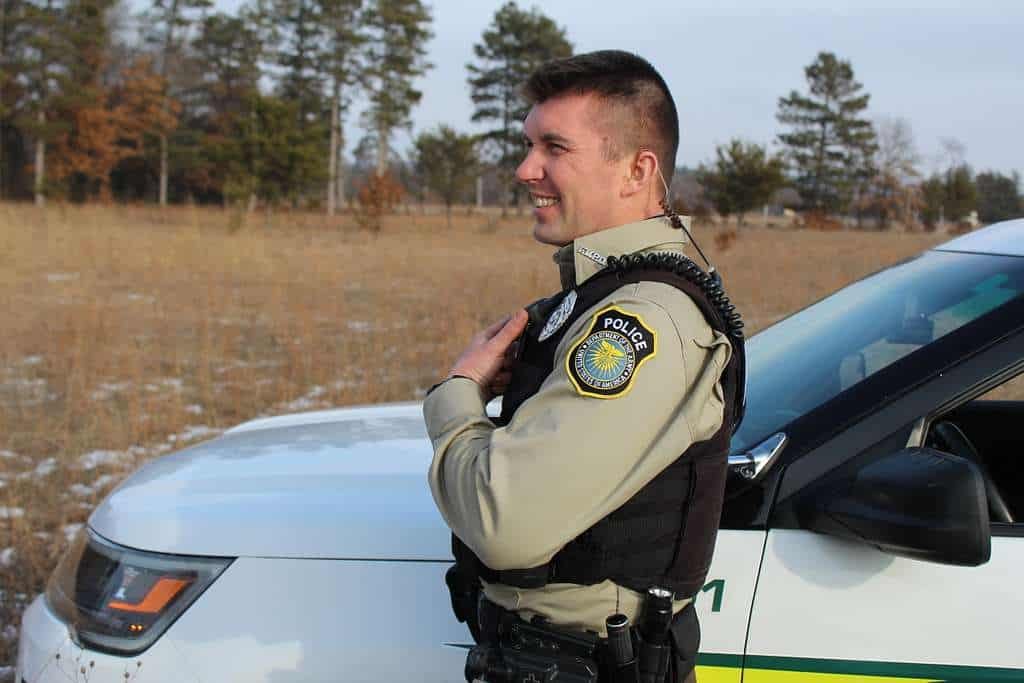
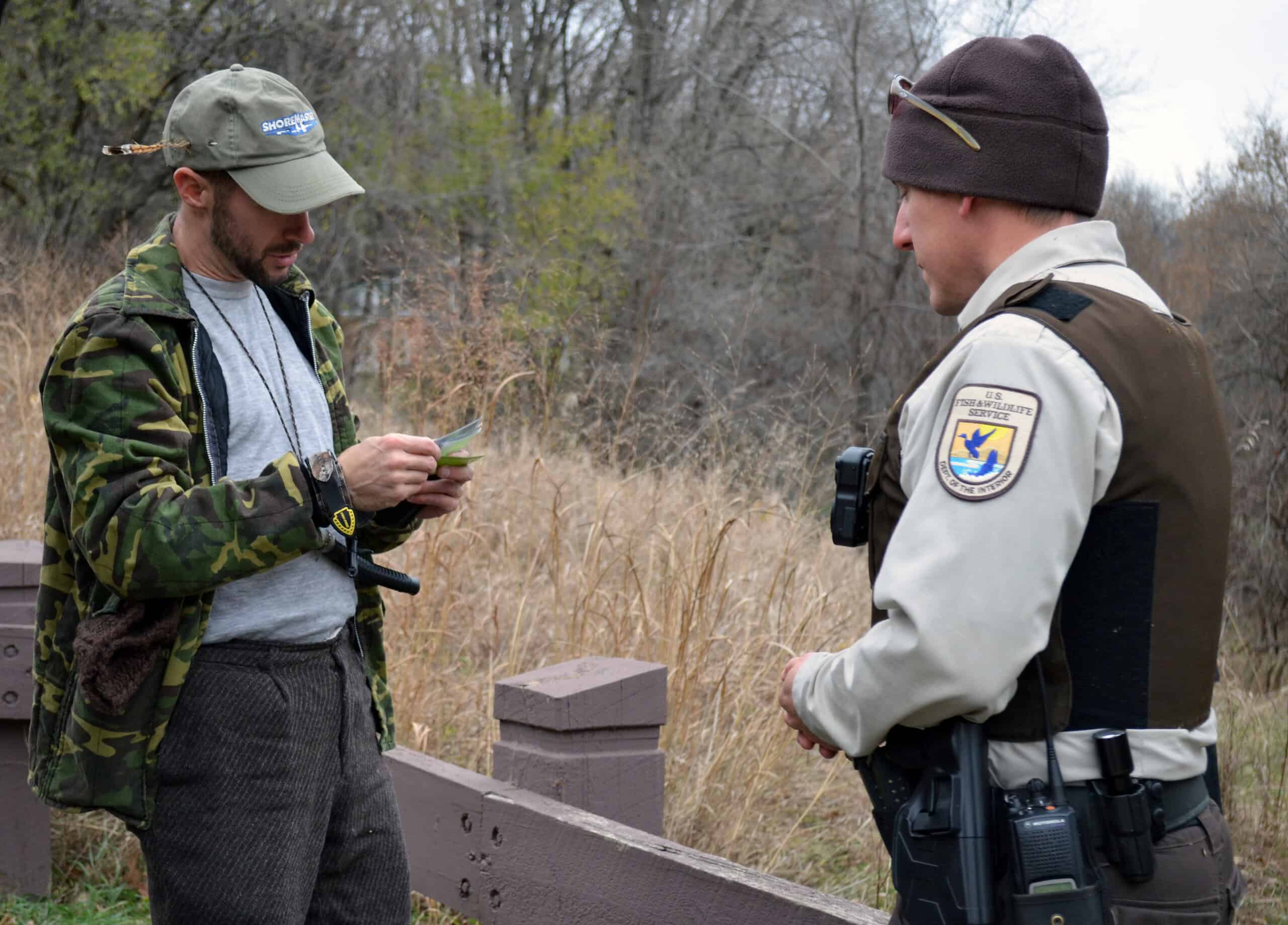
Game wardens focus more on enforcing laws related to wildlife.
©Scott T. Sturkol (U.S. Army photographer), Public domain, via Wikimedia Commons – Original / License
Education and Training: Classroom vs. Academy
To become a conservation officer, agencies commonly look for at least some college education. Many now prefer a bachelor’s degree in fields such as wildlife conservation, biology, environmental science, or criminal justice. Programs that mix ecology and law enforcement—like conservation law enforcement or natural resources management—can be especially helpful. They mirror the job’s blend of science and policing.
Some entry‑level conservation positions accept candidates with a high school diploma or an associate degree, and then provide significant on‑the‑job training. These roles are often less focused on law enforcement. For full law enforcement roles, candidates usually must qualify for a state academy and meet physical standards. They then complete firearms and defensive tactics training similar to that of other police officers.
Game warden requirements also vary by state, but many agencies now expect at least an associate’s or bachelor’s degree. Common majors include criminal justice, wildlife science, biology, or natural resources. After meeting education and basic eligibility standards, future game wardens typically attend a law enforcement or game warden academy, where they study wildlife law, search and seizure rules, report writing, and outdoor survival skills. Academy training can last around 20 weeks or more. It includes scenario‑based exercises in investigating poaching, conducting boat stops, and handling evidence. Graduates usually complete a field‑training period with an experienced officer before patrolling on their own.
Overlapping Requirements: Who Can Apply?
Both conservation officers and game wardens must meet baseline law enforcement standards. Most states require officers to be at least 21 years old, hold U.S. citizenship, have a valid driver’s license, pass background checks, and meet medical and fitness benchmarks. Agencies also look closely at an applicant’s judgment and communication skills.
Both careers require officers to work independently in remote settings, making decisions that can affect safety and legal outcomes. Because these positions are competitive, strong grades in science and criminal justice courses can help. Outdoor experiences like hunting, fishing, or volunteering with conservation groups also make a candidate stand out. Speaking more than one language is a bonus in states with diverse visitor populations, especially those near national parks, coasts, or large urban areas.
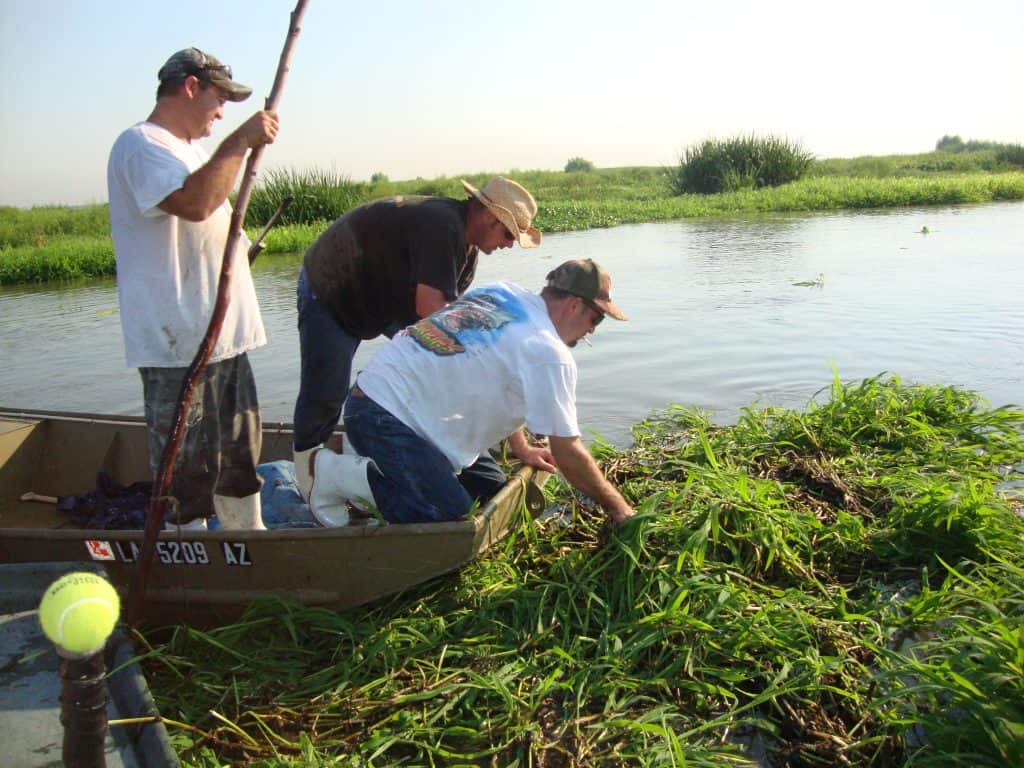
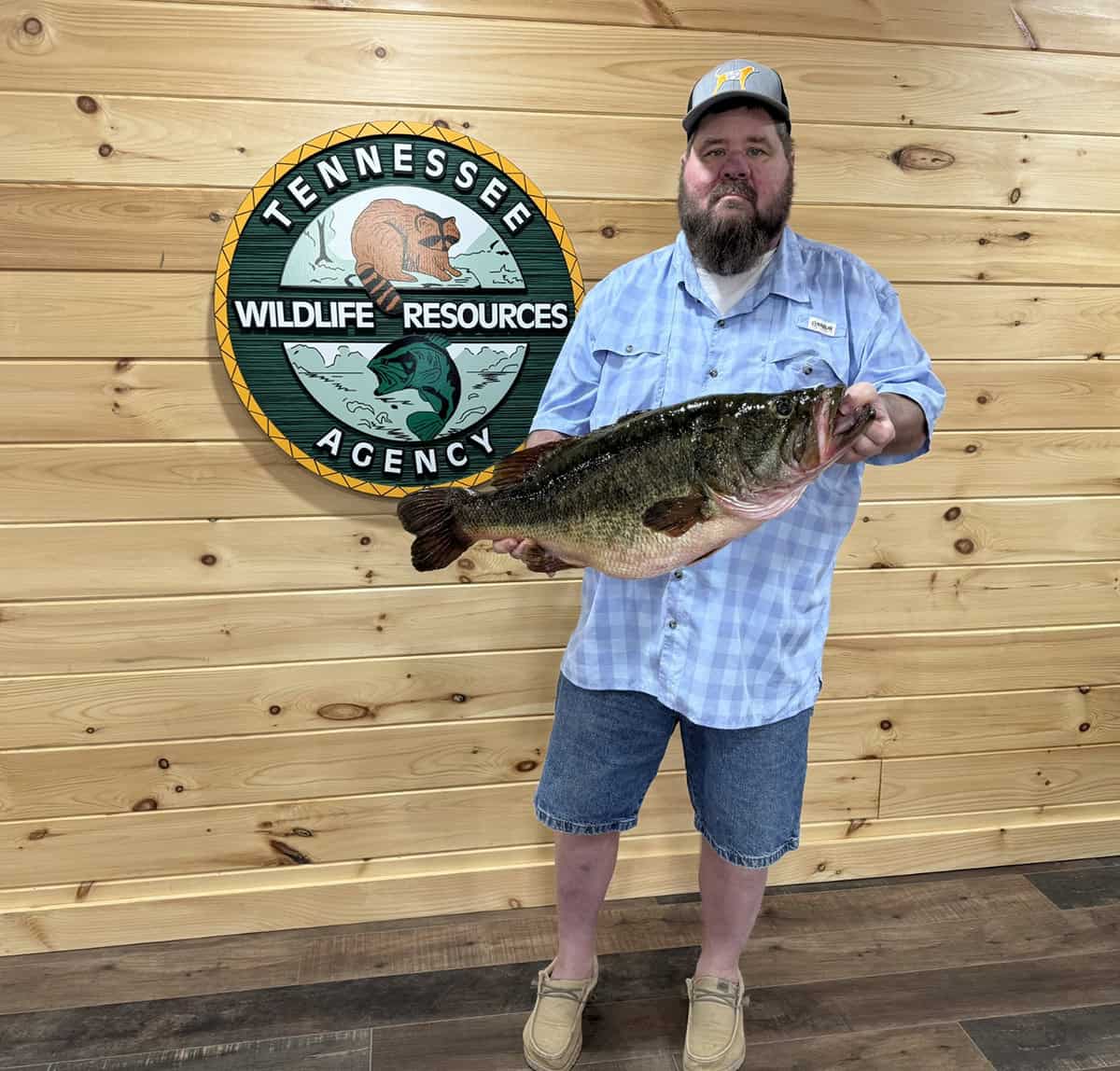
Prior experience hunting, fishing, or working with conservation groups can be helpful in getting a job as a conservation officer or a game warden.
©Mark Gstohl, CC BY 2.0 , via Wikimedia Commons – Original / License
What Conservation Officers Do Day to Day
A conservation officer’s workday can be surprisingly varied. It depends on whether they serve in a rural county, a coastal region, or a park system. Many start by reviewing recent tips or complaints, such as reports of illegal dumping, out‑of‑season hunting, or unsafe boating. They then plan patrols around those hotspots. Officers might check anglers at a busy lake for licenses and catch limits, then meet with landowners to discuss habitat restoration projects or conservation easements. Some officers assist biologists with wildlife surveys, prescribed burns, or habitat monitoring. This work blends field science with enforcement authority. They also spend time in the office writing reports, preparing case files for court, and answering questions from the public about regulations.
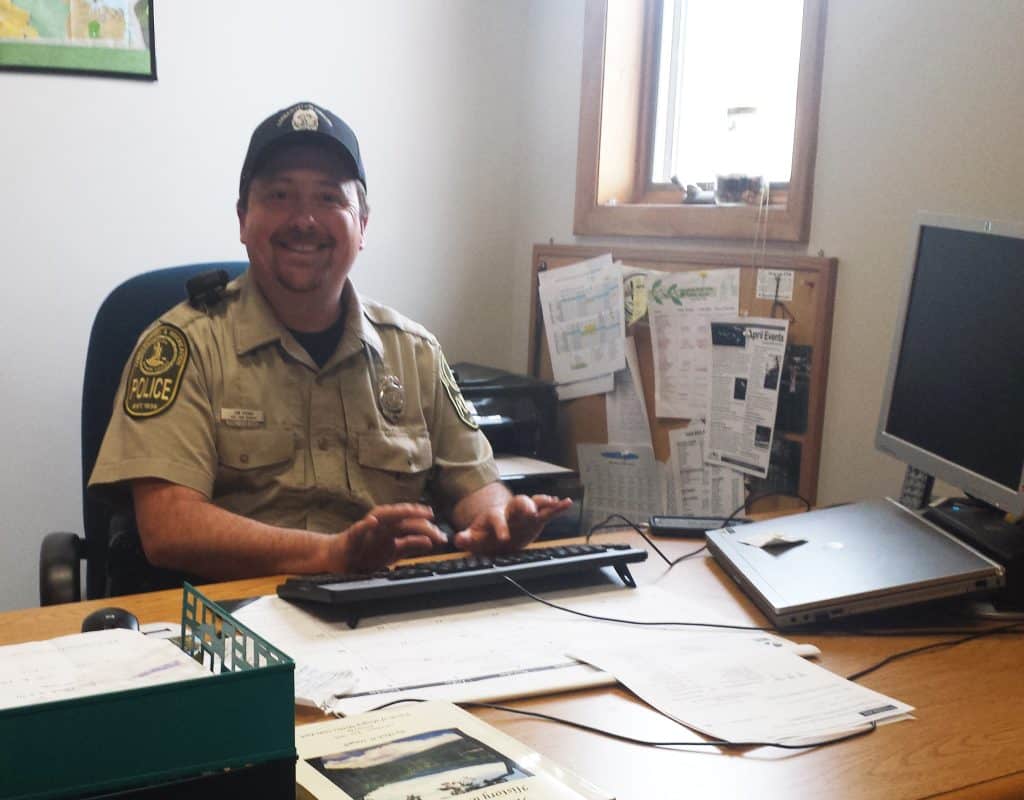
The jobs of conservation officers and game wardens can involve both field work and work in the office or a classroom.
©vastateparksstaff, CC BY 2.0 , via Wikimedia Commons – Original / License
What Game Wardens Do Day to Day
Game wardens spend more of their time directly enforcing laws that protect fish, game, and boaters. A typical day might involve patrolling remote forests and marshes by truck, ATV, or boat. They check hunters’ tags and investigate suspicious activities, such as shots heard after dark or social media posts showing illegal kills. They also respond to calls about injured or dangerous wildlife, such as bears near homes or illegally set snares. In many cases, they coordinate with local law enforcement on search‑and‑rescue missions or evidence collection. In addition, many game wardens teach hunter or boater education courses and speak at schools and community events. They often serve as the face of their agency in rural communities.
Law Enforcement Powers and Risks
Both careers involve real law enforcement authority and risk, but game wardens often stand on the front line of wildlife policing. They are sworn peace officers who carry firearms, make arrests, and issue citations. They can testify in court about everything from unsafe boating to felony poaching cases.
Conservation officers who serve as conservation police or wildlife officers hold similar powers. Some positions, however, emphasize education and resource management more heavily, with enforcement being just one part of the workload. Officers frequently work alone in remote areas where backup may be far away, so agencies train them extensively in officer safety, de‑escalation, and navigation through difficult terrain.
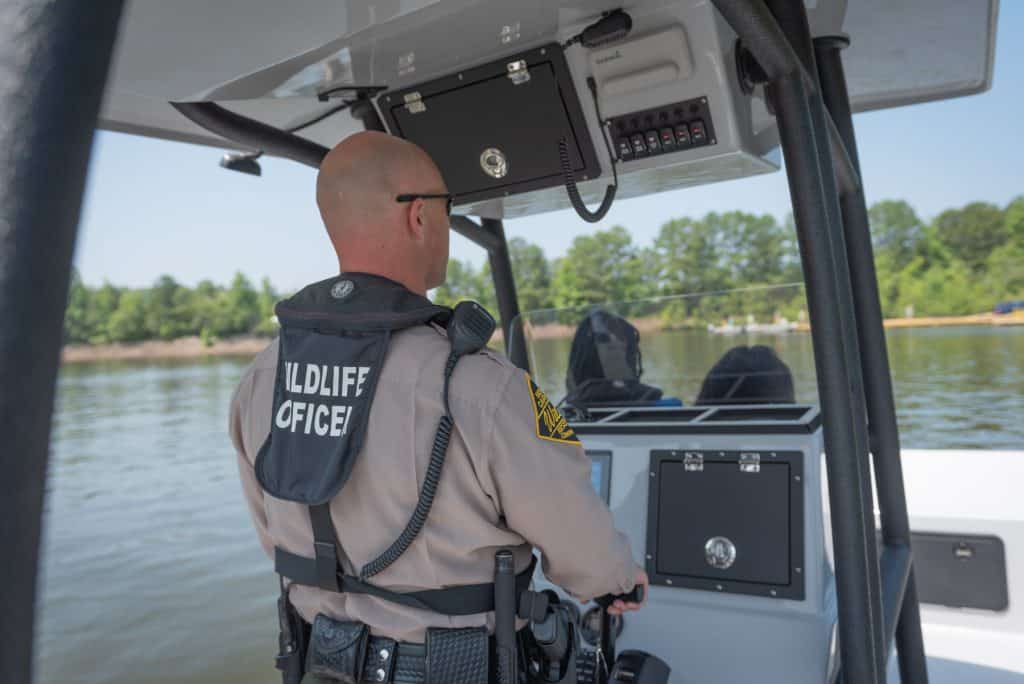
A North Carolina Fish & Wildlife officer patrols a lake to enforce boating rules.
©NCDOT Communications, CC BY 2.0 , via Wikimedia Commons – Original / License
Employment Outlook
Pay for both careers depends heavily on the state or agency, years of experience, and whether the job includes overtime or special pay. Federal and state data on fish and game wardens suggest that in recent years, median annual earnings are typically between $68,000 and $74,000, with some western and coastal states offering higher wages. Overall, salaries can range from the mid-$30,000s to over $90,000.
Conservation officers working in similar enforcement roles often earn comparable salaries. Recent averages for conservation officer salaries range from about $53,000 to $76,000, depending on the agency and job classification. Many agencies offer health and retirement benefits similar to those of other public‑safety jobs. Some positions also include extra pay for law enforcement availability or work in high‑cost regions.
To give you a general idea of where these jobs are most common, according to the May 2024 Bureau of Labor Statistics, the states with the most fish and game wardens were Florida (730), Texas (480), New York (370), Tennessee (360), and California (290). Generally speaking, these states have large wilderness areas and significant populations that require monitoring.
Where Conservation Officers and Game Wardens Overlap
On the ground, the two jobs can look almost the same, especially in states where agencies use the titles interchangeably. Both roles involve extensive fieldwork in all kinds of weather. In either job, they must understand wildlife biology and behavior well enough to recognize signs of poaching, improper baiting, or stressed animals. They also rely on strong people skills. A big part of the job is educating hunters, anglers, and campers about regulations to encourage voluntary compliance and build goodwill, rather than immediately writing tickets.
Choosing the Right Path for You
If you are drawn to police work and want your patrol vehicle to be a boat, an ATV, or a snowmobile as often as a truck, becoming a game warden might be the best fit. If you see yourself working closely with biologists, landowners, and community groups on habitat projects while still enforcing the law, a conservation officer position might be a better fit. In both cases, building outdoor skills and staying physically fit will give you a head start. High school and college classes in science and criminal justice also help. Talking with local officers, attending ride‑alongs where allowed, or volunteering with wildlife agencies can help you determine which uniform you can picture yourself wearing in a few years.