
At a Glance
- Herpetologists study cold-blooded reptiles and amphibians, often focusing on conservation, venom research, and wetland ecosystem health.
- Entomologists specialize in insects, playing vital roles in global agriculture, forensic investigations, and infectious disease control.
- Both fields require a biology degree and mastery of data mapping to track how species respond to climate change.
A career in the biological sciences can take you many places. You may find yourself in a cold, sterile laboratory testing gamete cells one minute. Next, you’re wading through muddy swamps looking for tadpole specimens. There are many careers in the biological and environmental sciences, but some appeal to those looking for the creepy-crawly side of life. That’s right, we are talking about two primary but separate fields: herpetology and entomology. Both of these fields fall under the umbrella of zoology but differ in key ways.
You may think you know enough about these fields to tell them apart. Sure, they both focus on animals that most people prefer to avoid, but they are ultimately distinct. One field focuses on slimy things and creatures with scales. The other focuses on insects, the most diverse group of organisms on Earth, even if they are painted with a broad brush.
The key differences between herpetology and entomology concern scientific focus and educational requirements. Plus, the day-to-day reality of both fields is worlds apart. If you are looking to learn more about these sciences before committing to a specific degree path, it’s important to understand the specialized skills required. Let’s explore the differences between herpetology and entomology.
Herpetology
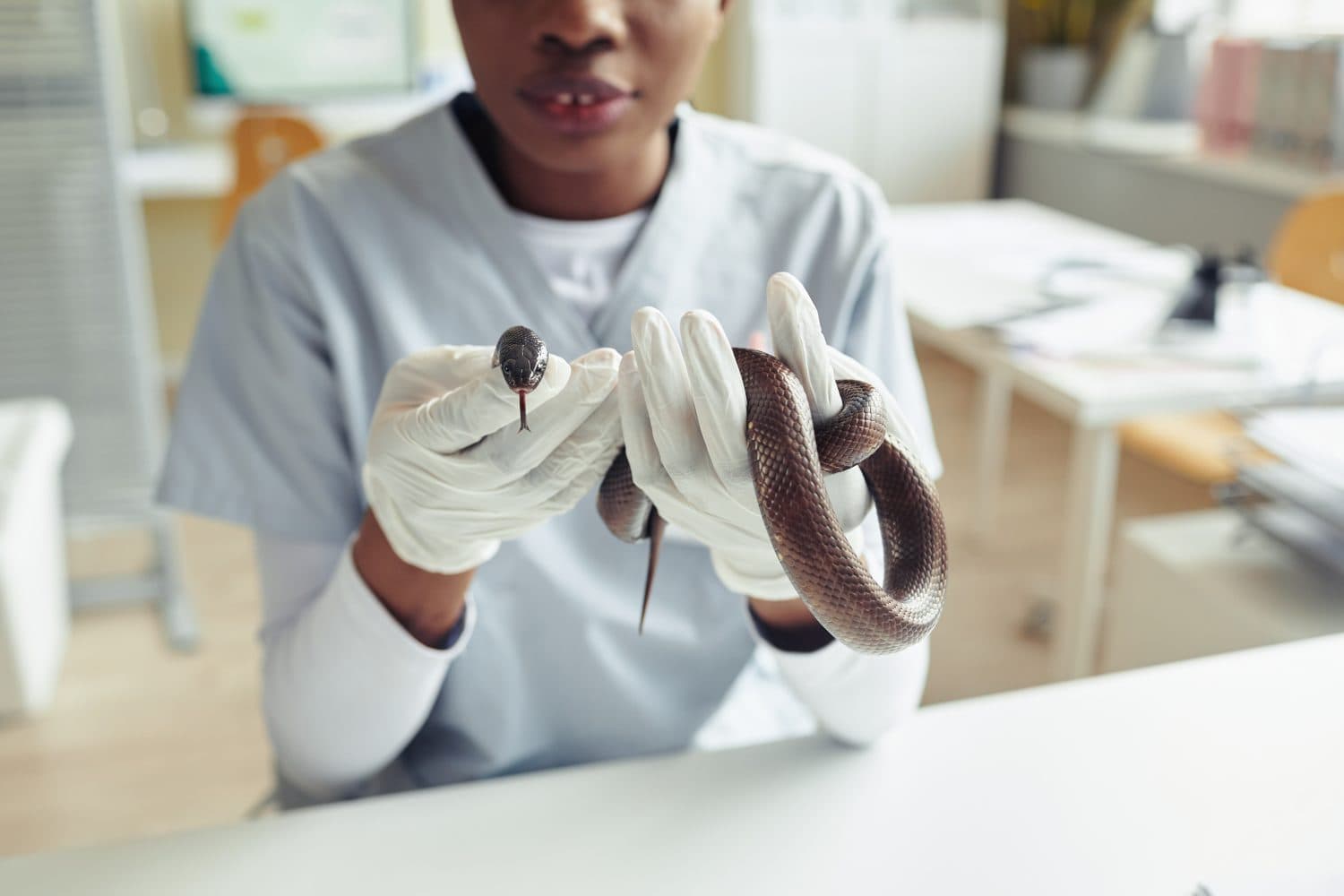
Most herpetologists receive a degree in zoology and take elective courses with a focus on herpetology.
©SeventyFour/Shutterstock.com
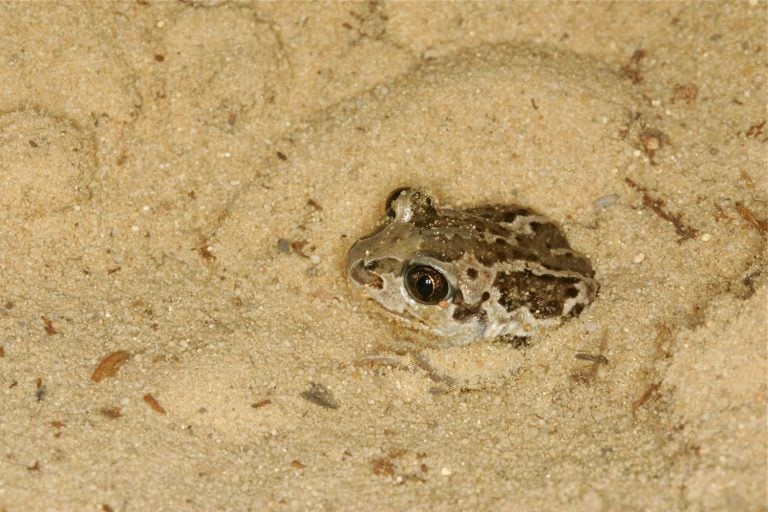
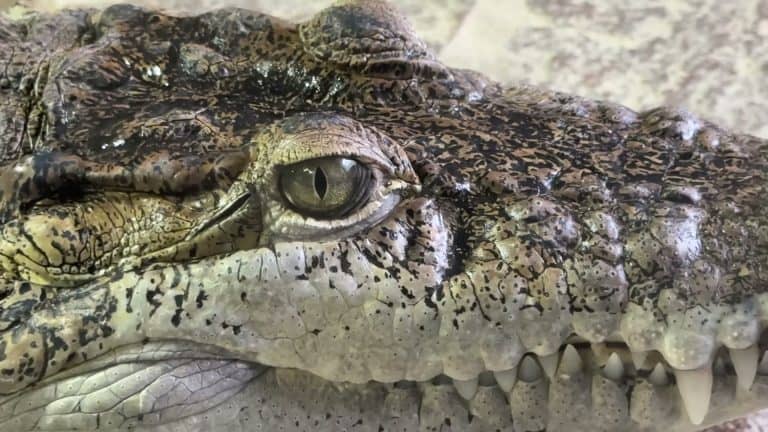
Although it isn’t a term commonly used by the public, “herps” refers to two classes of animals: reptiles, such as snakes, lizards, crocodiles, and turtles, and amphibians, such as frogs, toads, and salamanders. Herpetology is a branch of zoology that studies these animals. It groups them together under one academic banner because both are ectothermic: they rely on their environment for heat rather than producing it internally.
The number of species of reptiles and amphibians pales in comparison to insects. As such, herpetology is a more rarely offered degree; few students make it their standalone undergraduate major. More commonly, college students major in zoology and take specialized herpetology elective courses. Once a student matriculates into graduate or post-graduate programs, herpetology becomes more common. That said, advanced research in this field almost always requires a master’s or Ph.D. with a focus on specific physiology, such as endocrine systems.
Once a student graduates and becomes a bona fide herpetologist, their work often focuses on conservation and zoo management. A typical day of fieldwork might involve surveys of migrating frogs or using radio telemetry to track the movement of western diamondback rattlesnakes. A typical workday in a clinical setting for herpetologists, however, might involve studying the medicinal properties of snake venom or the impact of a devastating fungus on amphibian populations. While the salaries for entry-level positions in herpetology, such as field technicians, start around $41,000, senior herpetologist researchers and professors can earn between $85,000 and $105,000.
Entomology
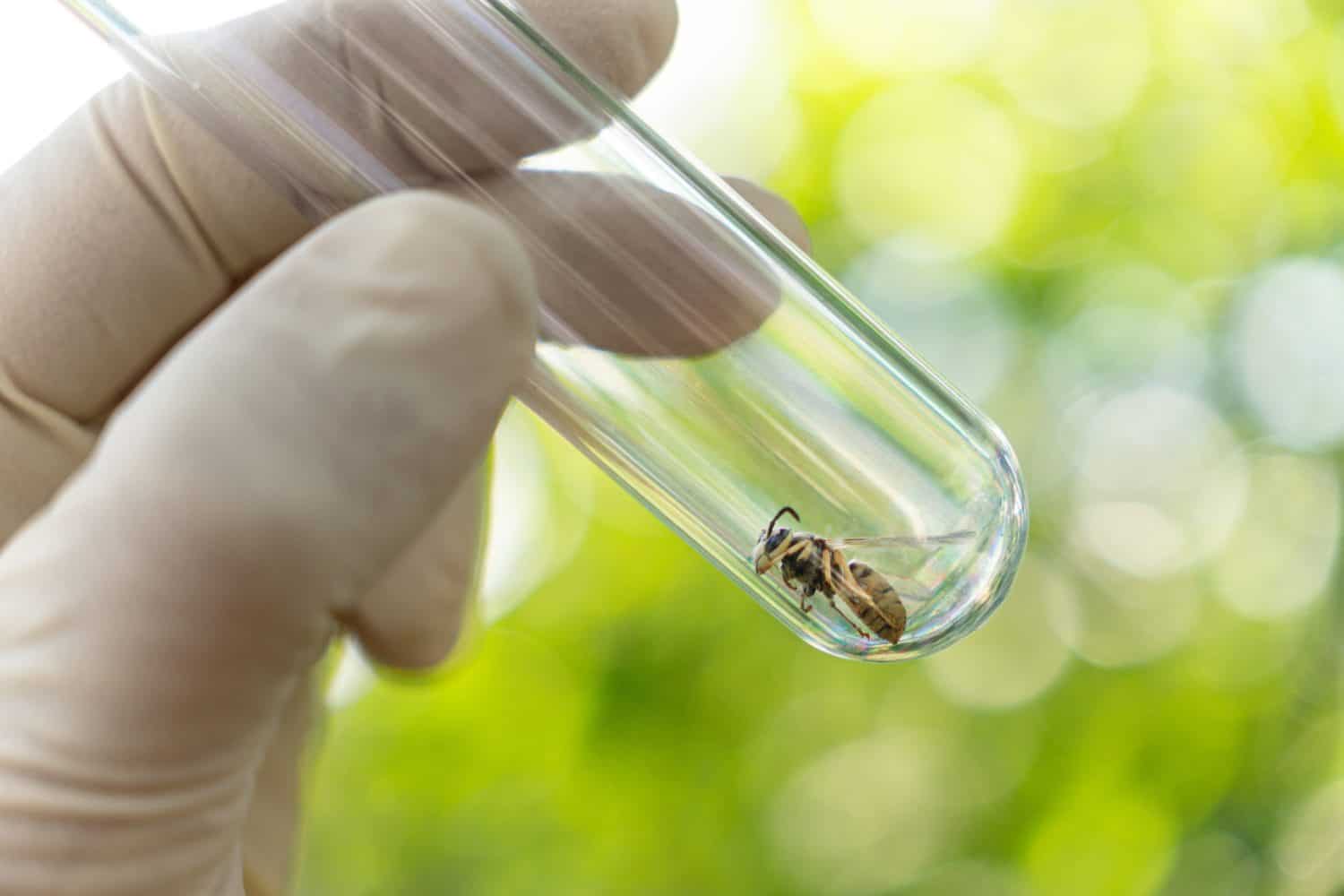
Due to the impact of insects on agriculture and human health, jobs with an entomology focus remain in high demand.
©Melnikov Dmitriy/Shutterstock.com
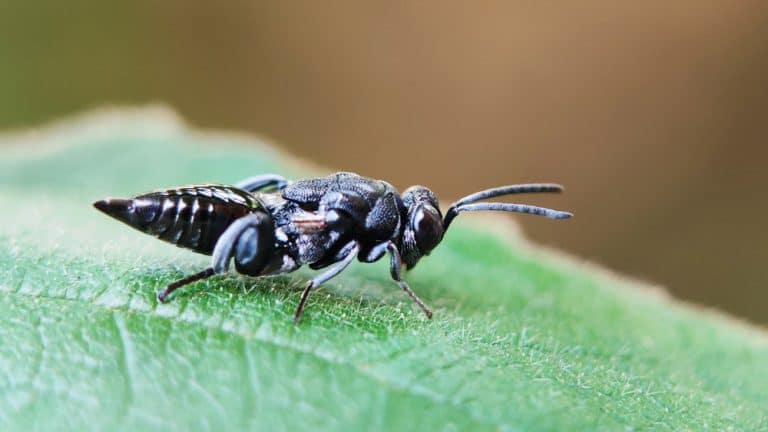
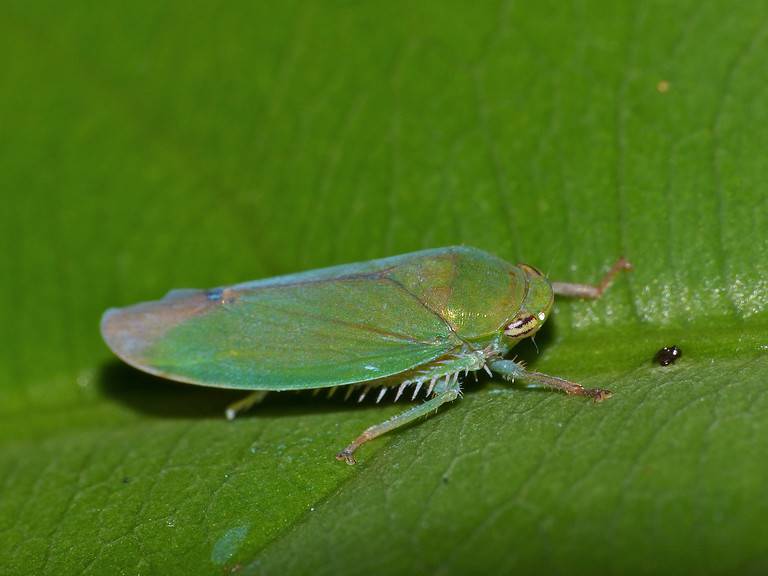
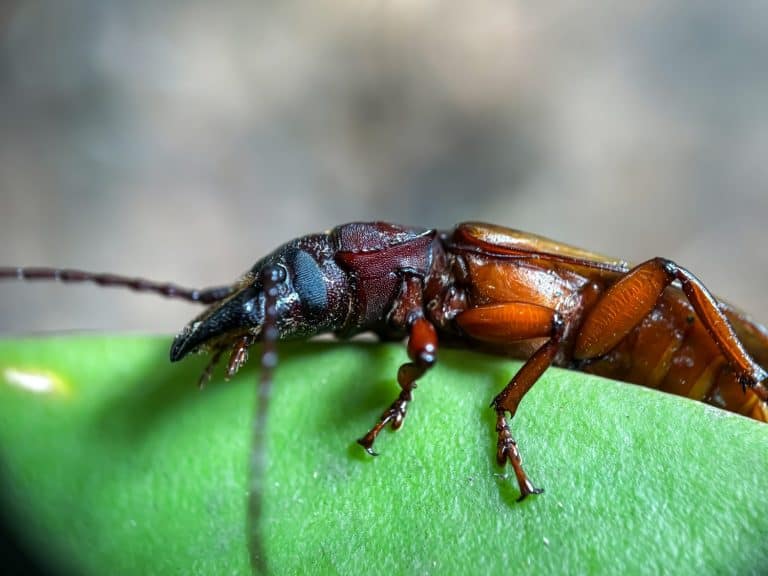
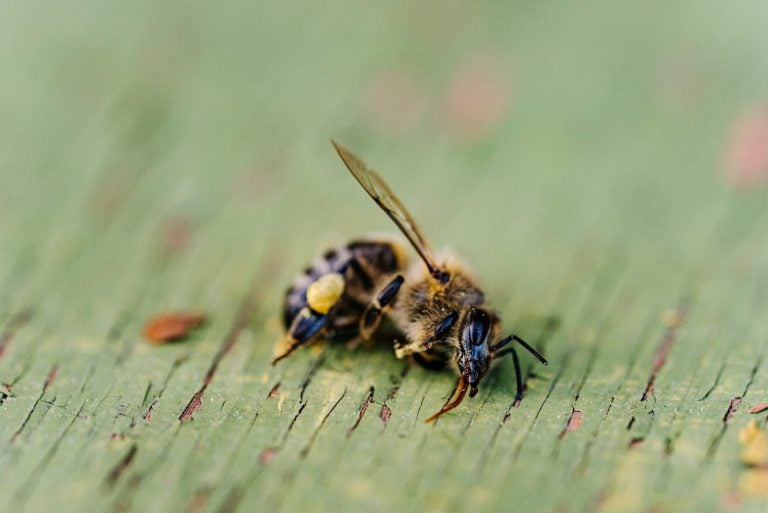
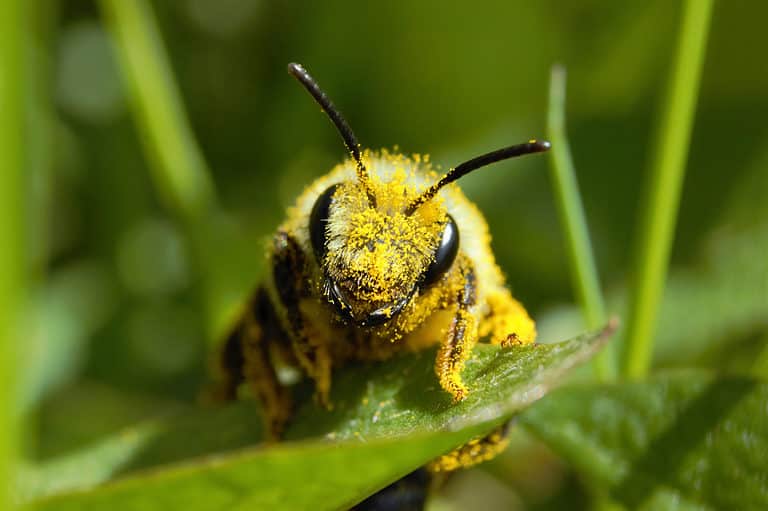
Whereas “herps” refer to just reptiles and amphibians, entomology studies the most numerous group of animals on Earth—insects. It doesn’t matter how different they seem at first glance; creatures like butterflies, mosquitoes, honeybees, and even beetles all fall under the purview of entomologists. These scientists focus on insects, to be sure, but they also examine arthropods like spiders and scorpions because they share ecosystems with insects.
High school students hoping to study insects once they reach college are in luck. That’s because most large universities have dedicated departments of entomology, since insects have a considerable impact on agriculture and human health. While college students can major in entomology specifically, they usually prepare for a more rigorous course load. The entomology curriculum often emphasizes chemistry and genetics, particularly for students hoping to work in pest management or forensics.
Once students graduate as entomologists, they can find plenty of outlets for their degree, especially if they are looking for applied roles. Entomologists are in demand in a variety of agricultural companies, as well as in forensics and pest control. They also work in public health, studying how to stop the spread of insect-borne diseases like malaria or the Zika virus. It’s a high-demand area of study, especially in certain industries. As such, entry-level entomology jobs start at $56,000 to $62,000, while senior or private sector roles reach between $85,000 and $112,000.
Mutual Cooperation
Despite being separate fields of study with different subject focuses, both entomology and herpetology share common ground. Both fields require a considerable mastery of evolutionary biology, statistics, and even geographic information systems.
On a more holistic level, the organization of ecosystems binds the study of both reptiles and insects together. Reptiles use insects as a primary food source, and both reptiles and insects play integral roles in the decomposition of organic matter. As the 21st century progresses, both fields of study are likely to find themselves working more closely, especially as entomology sits at the forefront of climate change research and herpetologists increasingly address climate-related impacts on reptiles and amphibians.