Quick Take
- A recent Instagram post shows a dolphin becoming intoxicated on pufferfish toxins.
- The neurotoxin tetrodotoxin in pufferfish causes slow movement and numbness.
- There is no definitive explanation for why dolphins do this, but it may be a social behavior.
When we think of creatures that engage in the use of mind-altering substances, dolphins aren’t typically the first thing that comes to mind. While humans are the more likely candidate for substance use, it seems that aquatic life has discovered its own vices as well. It may sound strange, but dolphins have been observed using pufferfish toxins to become intoxicated. This Instagram post by @cleoinstitute shows a group of dolphins handling a pufferfish for what appears to be this purpose — to become intoxicated. But why?

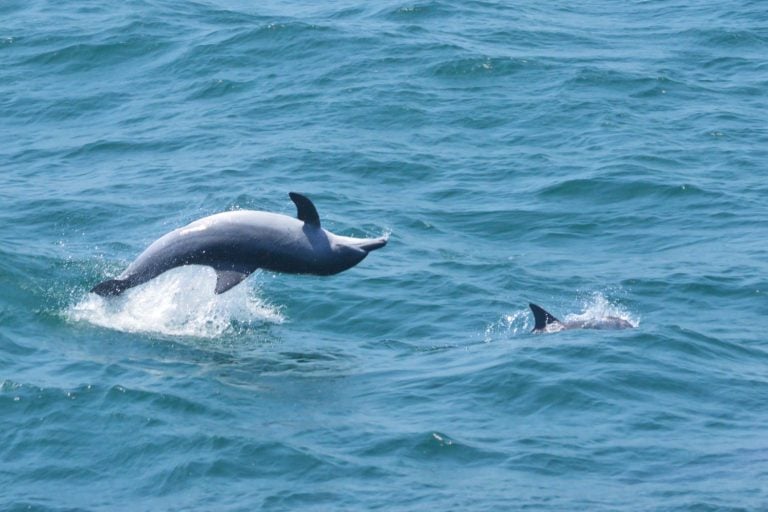
Dolphins are some of the smartest creatures in the animal kingdom, with complex social behaviors.
©Elena Larina/Shutterstock.com
How Dolphins Become Intoxicated
The Instagram post shows a very strange yet interesting behavior. Dolphins are swimming around a pufferfish and poking at it. While there is no single explanation for why they are doing this, it highlights the amazing intelligence that dolphins have. They may do this intentionally, as a form of play, or as part of social behavior. The effects are generally short, lasting about 30 minutes at most. Because dolphins take only small doses of the pufferfish toxin, the effects are temporary and do not cause significant harm. So what about the pufferfish is appealing to the dolphins?
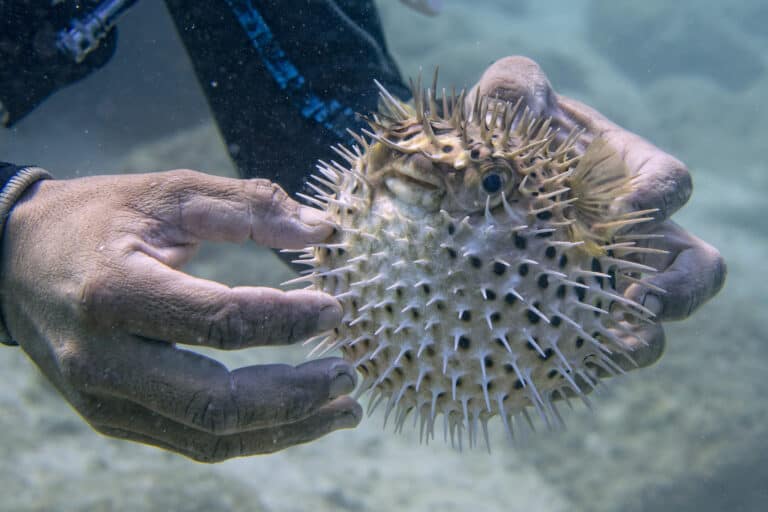
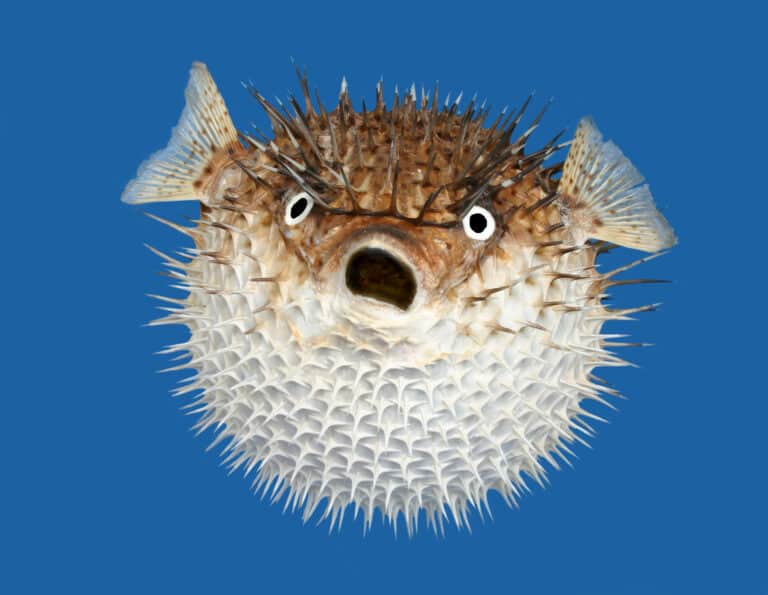
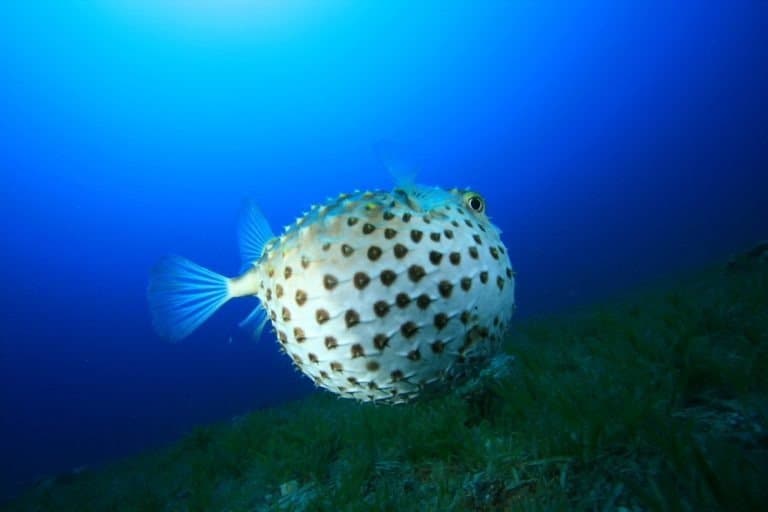
A substance called tetrodotoxin, or TTX for short, is a powerful neurotixin in pufferfish, and that is what causes the intoxication. The substance is present in the liver, organs, and, most importantly, the skin of the pufferfish. When disturbed, the pufferfish releases the toxin to deter predators. However, dolphins have learned to gently bite or nudge the pufferfish to release small amounts of the toxin. When ingested in small doses by the dolphins, the toxin causes numbness and sluggishness. Larger doses can lead to paralysis or even death, so dolphins must be careful. This is why they do not fully eat the pufferfish, which demonstrates their intelligence.
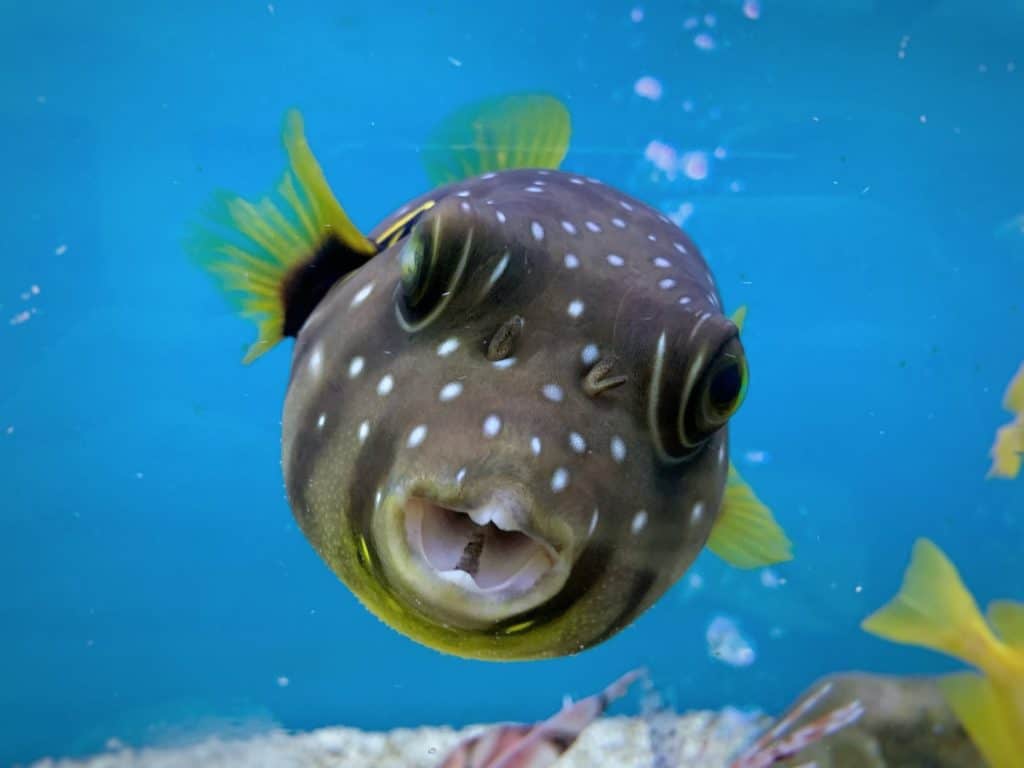
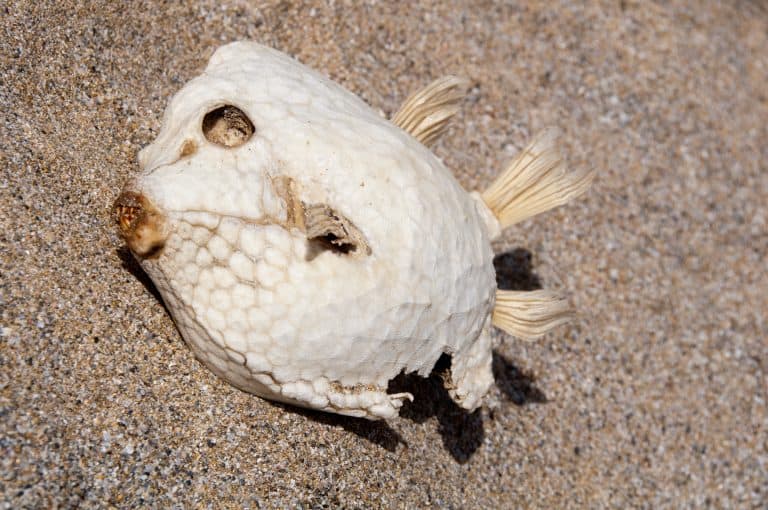
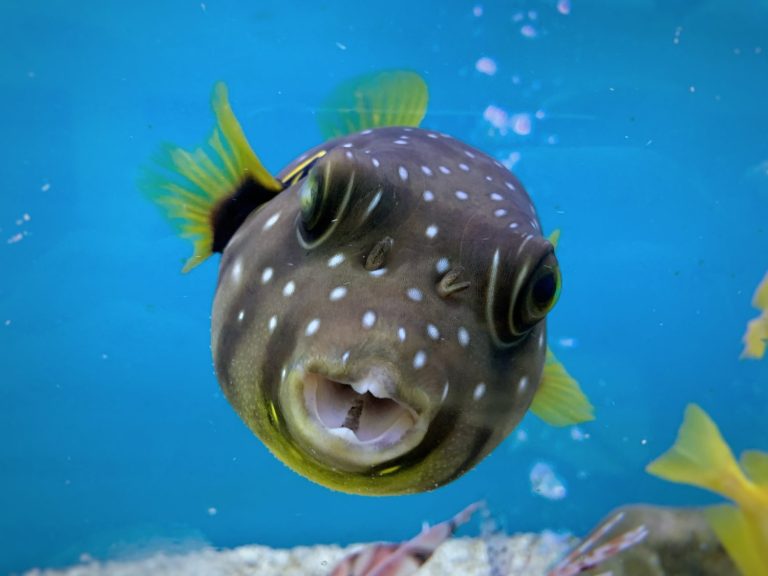
While not all pufferfish species have tetrodotoxin, over 100 species do have the potent neurotoxin.
©Sreadya.k/Shutterstock.com
How Does It Compare
Unlike common human substances, ingesting TTX affects the body differently. For humans, most mind-altering substances activate the brain’s reward system, making someone feel good when taken. In contrast, TTX primarily affects the body’s nerves rather than the brain, resulting in numbness and reduced responsiveness, making it more of a physical intoxication than a mental one. Because of this, it is unclear whether dolphins actually take pleasure in this behavior, making their motivation uncertain. While this behavior could be dangerous if overdone, dolphins appear to show great self-restraint.