
Quick Take
- One anti-poaching technology slashed African elephant deaths, but when applied to Asian elephants it actually made them easier targets for poachers. See anti-poaching tech →
- Elephants display a specific form of emotional intelligence once thought exclusive to humans, and this reshapes what their deaths actually mean for a herd. Explore elephant emotions →
- African savannah and forest elephants share the same predators, but their population collapses tell two wildly different stories.
- One tourist activity marketed as elephant-friendly causes the same psychological damage as outright poaching, yet most travelers never question it. See exploitative tourism risks →
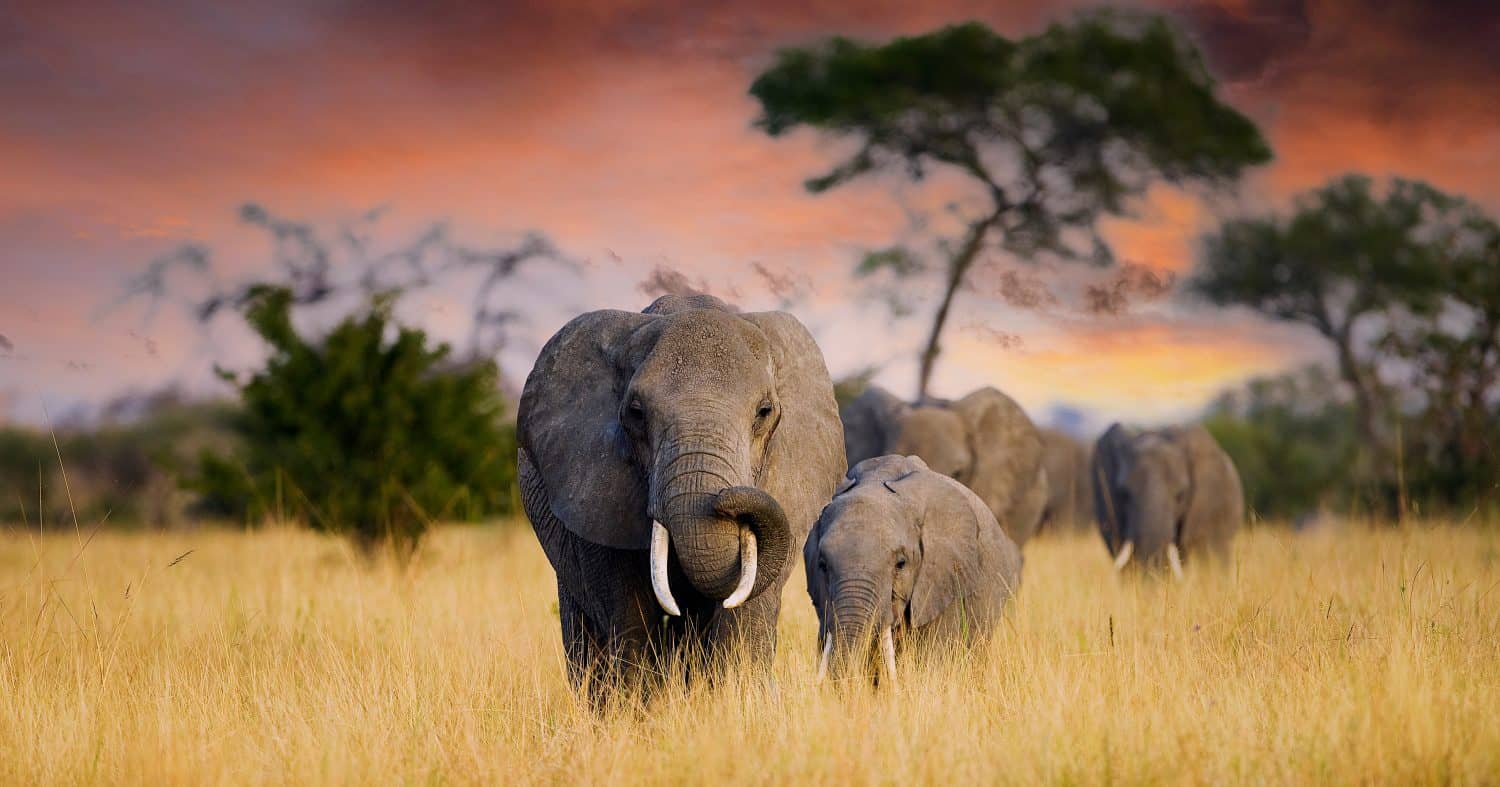
Elephants have been targeted for financial gain for decades. Both Asian and African elephants have continued to experience significant population declines, even though their plight was brought to light in 2012 with the creation of World Elephant Day.
World Elephant Day, celebrated each August 12th, aims not only to inform the general public about the pressures elephants face globally but also about what can be done to assist their survival. Even with multiple conservation groups working to save these magnificent creatures, it may not be enough. These intelligent giants are on the brink, as elephants continue to face unprecedented threats of extinction.
Elephants’ Emotional Intelligence Rivals That of Humans
Elephants’ emotional intelligence has been the focus of global studies for decades. Researchers have discovered that their emotional intelligence is both complex and similar to that of humans. Studies suggest elephants experience the deaths of herd members deeply.
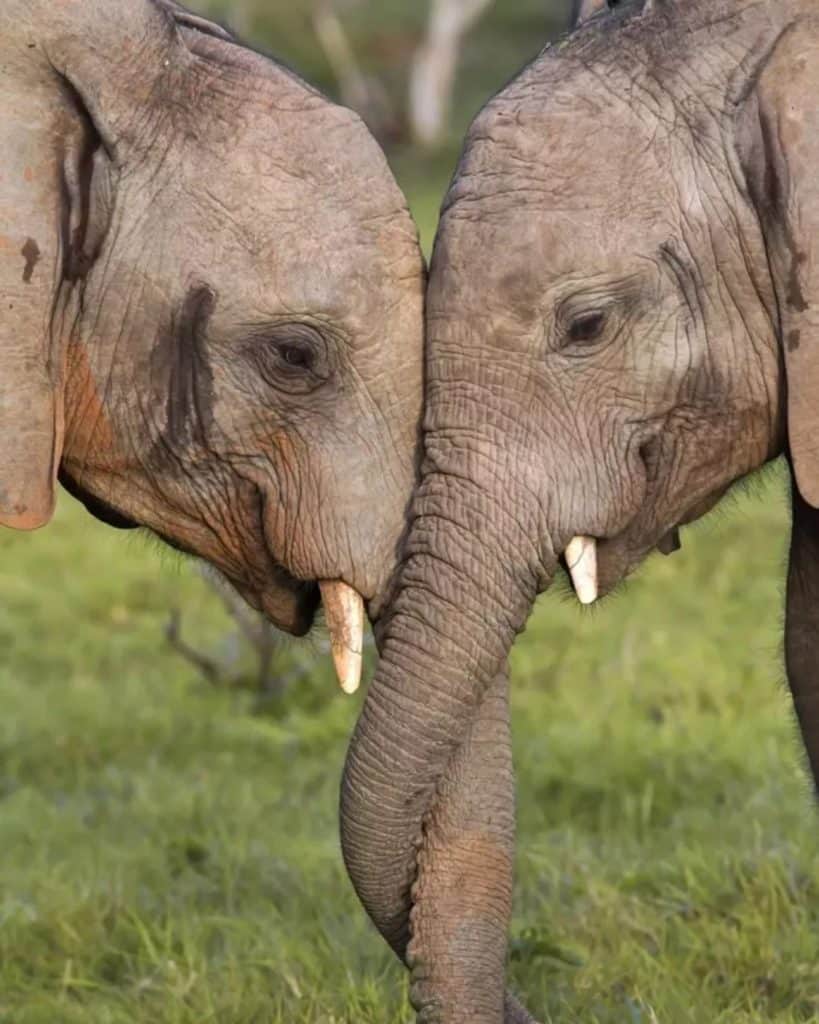
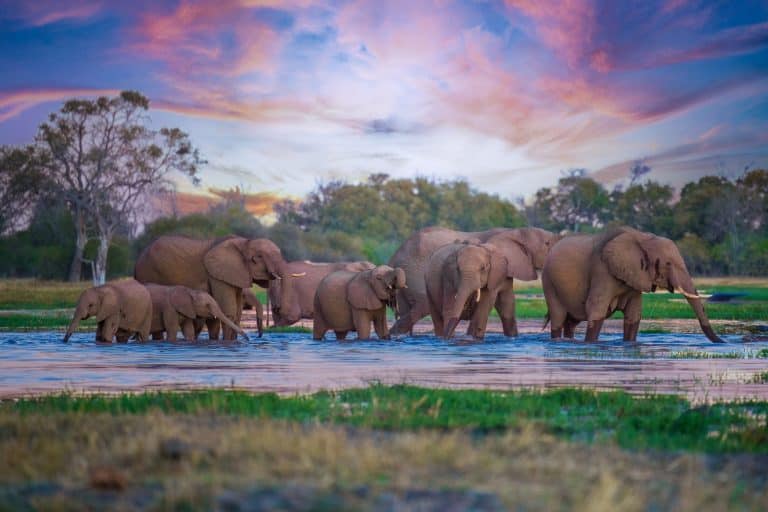
Elephants have emotional intelligence far beyond that of most other animals.
©BellFrost/Shutterstock.com
There are a variety of ways that elephants exhibit emotional intelligence. Some of the most common include:
- Ability to visually distinguish themselves from others and recognize their own emotional state compared to other elephants
- Elephants give one another empathy and comfort through touch and small vocalizations after the death of a member of the herd
- Female elephants have been observed helping baby elephants out of mud and water holes
- Older female elephants pass down social and environmental knowledge to younger generations, helping group survival
- Elephants solve problems by adapting to environmental changes and emotional cues from the herd
Elephants are incredibly intelligent, both intellectually and emotionally. Their inner complexity has become an important argument for stronger conservation efforts.
Elephants Continue to Be Poached for Ivory, Meat, and Skin
While there have been tremendous efforts made to stop poaching, the fact of the matter is that both African and Asian elephants continue to be targeted. This is because a single elephant can bring poachers up to $50,000. In total, the illegal ivory trade brings in between $15 billion and $23 billion annually.
The last decade has seen both victories and losses in elephant conservation. African elephants have seen a population decline from 472,000 elephants in 2012 to 332,000 in 2022. In total, savannah elephants have lost 50% of their population, while forest elephants have lost 86%.
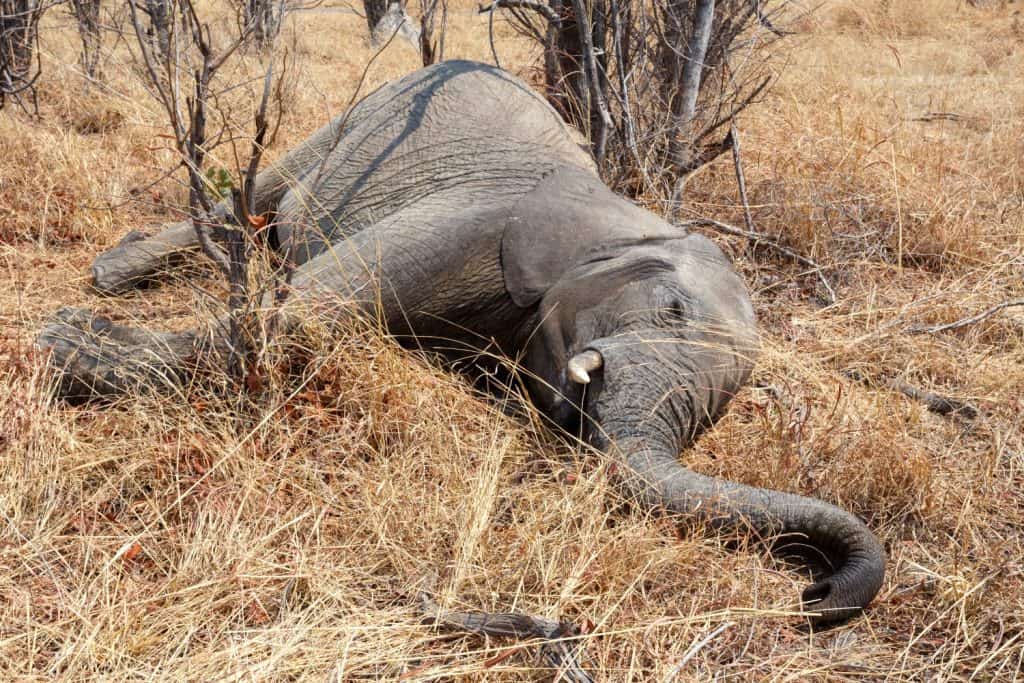
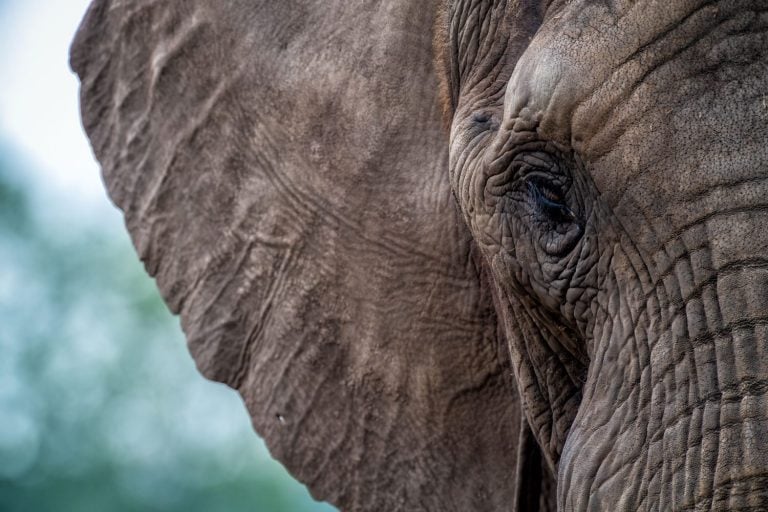
Elephants continue to be targeted and killed for a variety of reasons, leading to an 86% population decrease in some instances.
©Artush/Shutterstock.com
These numbers are undeniably staggering. To combat this, drones, community patrols, and GPS trackers have been used with varying degrees of success. The success rates, according to World Metrics, of each are as follows:
- Drones: Decreased poaching in 12 different countries by up to 50% since 2018
- Community patrols: Decreased poaching by 45% in regions where patrols exist since 2018
- GPS tracking: Collaring elephants has decreased poaching by 60% since 2018
Asian elephants face poaching pressures that differ from those of African elephants. Instead of ivory being the number one reason for poaching, Asian elephants are targeted for their skin and meat. This means that, instead of targeting only large males, poachers now target all elephants, regardless of sex or age. Consequently, over the last decade, the population of Asian elephants has decreased by an estimated 30,000 to 50,000 individuals. This represents a loss of 15% to 50%, depending on the region.
While GPS tracking has decreased the number of African elephants poached, the same cannot be said for Asian elephants. In one year, of the 19 elephants fitted with collars, seven were killed by poachers, some within a short time of being collared.
Threats Elephants Face Today
While some elephant populations are stabilizing or even increasing, there are still very real problems threatening their survival. If these issues are not addressed and properly managed, some local elephant populations could disappear without continued conservation.
The biggest issue that threatens the existence of elephants is the illegal ivory trade. Despite global bans implemented by CITES in 1989 and the majority of countries having national bans that stop the sale and trade of ivory, black markets continue to flourish due to how profitable ivory remains.
There are stiff penalties for those caught trying to buy or sell ivory. With everything from prison time to high fines and the ivory being confiscated, it is a risky business to be a part of. However, with varying degrees of enforcement in each country, the reward of poaching and selling the ivory often far outweighs the risk of being caught.
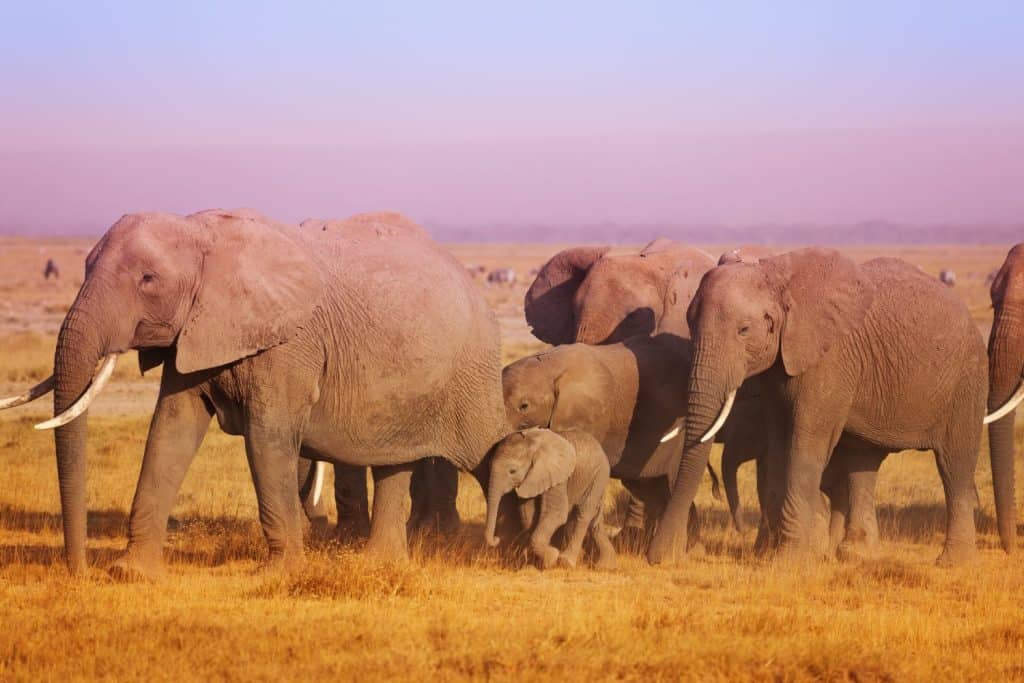
Between poaching, habitat loss and fragmentation, human-elephant interactions, and lack of eco-friendly tourism, elephants still face an uphill battle for survival.
©Sergey Novikov/Shutterstock.com
Another major issue for elephants is habitat fragmentation and loss. Both have created a situation in which elephants can no longer access their traditional migration routes. The land that was once suitable for sustaining multiple herds of elephants has been reduced to a fraction of its former size.
As vegetation and water become scarcer—exacerbated by climate change and urbanization—elephant-human interactions have increased. Elephants will go where there is food and water, often to the detriment of farmers. Consequently, retaliatory killings occur.
While there has been a shift toward more eco-friendly elephant tours, some operations still exploit elephants. This exploitation causes both physical and psychological harm to the elephants, eventually leading to their demise.
Finally, killing elephants for their skin and meat in Asia has become a very prominent problem. Poachers no longer target specific elephants; now, elephants of any size, age, or sex are at risk. Their meat is sold for food and their skin for beads, making them a hot commodity on the black market.
Even with these challenges, elephants remain. This is partly a testament to their resilience, but also a result of unwavering efforts to save elephants, no matter how daunting the task may be.
Conservation Efforts Aimed at Saving Elephants
Saving elephants is no easy task, especially with the odds stacked against them. However, this has not stopped multiple organizations from working to save elephants over the last several decades, and these efforts have benefited both African and Asian elephants globally.
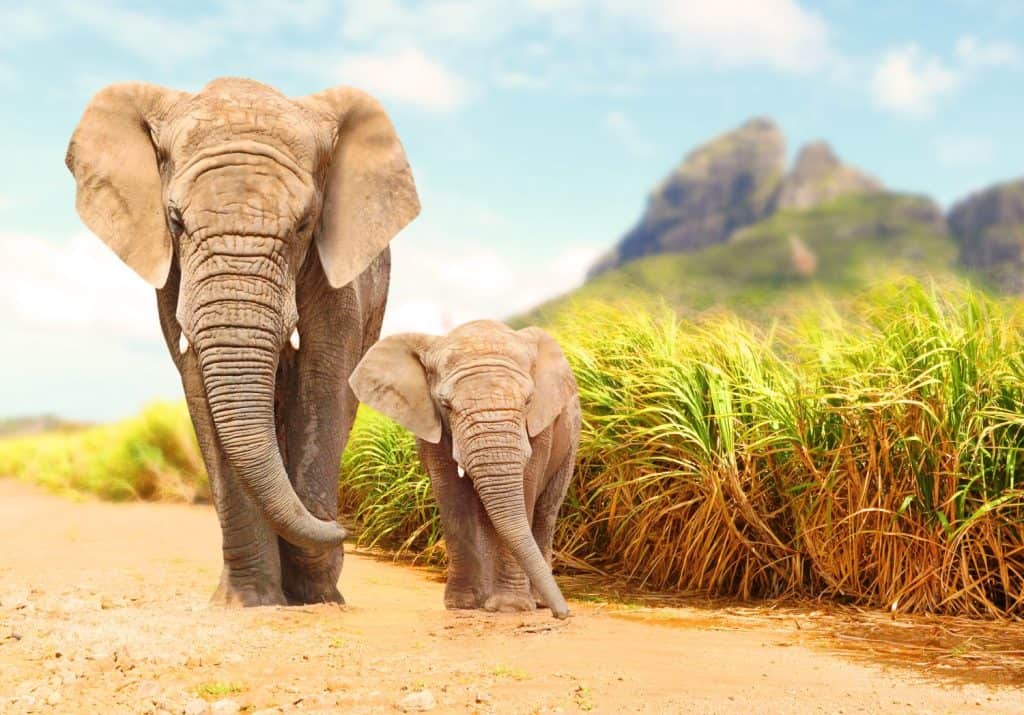
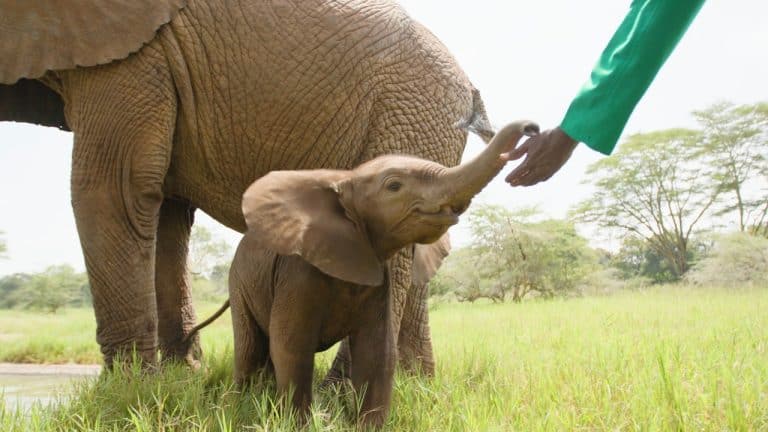
Conservation efforts such as GPS tracking, educating local communities, patrolling and stopping poachers, and more have been undertaken to save elephants from extinction.
©Kletr/Shutterstock.com
Organizations such as WCS, Save the Elephants, and the International Elephant Foundation have implemented ways to stop the senseless killing of elephants. Some of the ways elephants have been protected include:
- Implementation of GPS tracking
- Education of local communities about how to live in harmony with the elephants
- Patrolling and arresting poachers before elephants can be harmed
- Rehabilitating injured and sick elephants
- Increasing the size of protected areas for elephants
Through these efforts, elephant deaths have decreased markedly. However, elephants remain a targeted species, so ongoing vigilance is necessary to bring them back from the brink of extinction.
What Can Be Done Locally to Save Elephants From Extinction?
It may feel like there is nothing that can be done on a local level to save elephants from extinction. However, nothing could be further from the truth. There are several ways people can contribute to saving elephants, even if they are thousands of miles away from the massive mammals’ natural habitat.
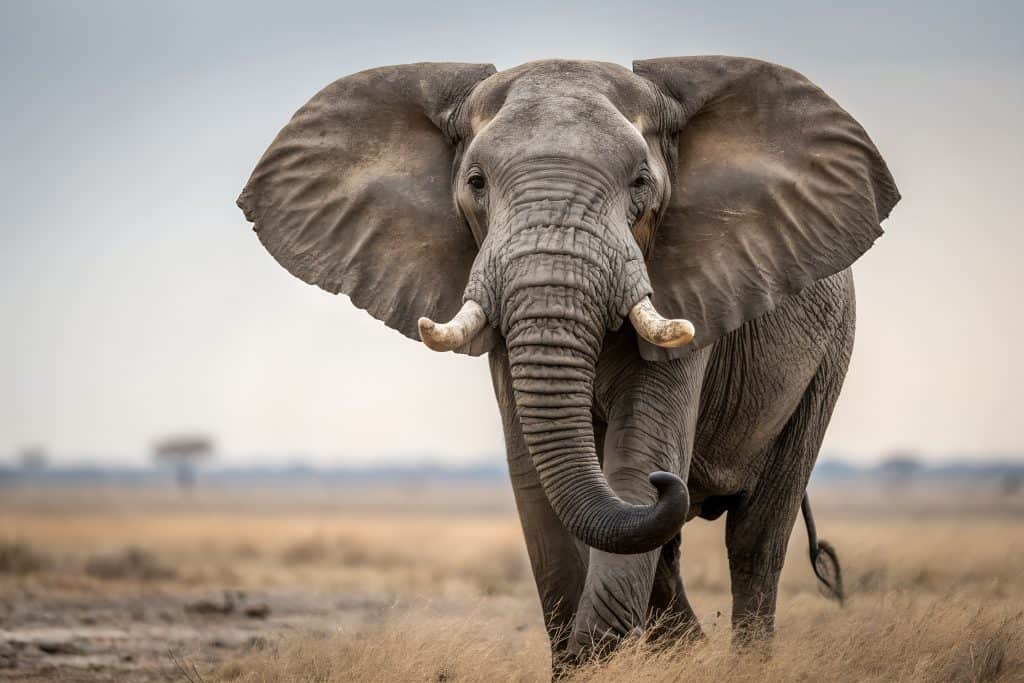
There are a variety of things that can be done locally to save elephants from extinction, such as not purchasing ivory products, raising awareness on social media, and supporting organizations that tirelessly work toward elephant conservation.
©DreamStudiopro/Shutterstock.com
Ways to help save elephants from extinction include:
- Support organizations through donations that are working to conserve elephants
- Do not purchase ivory products
- When traveling, opt for eco-friendly tours rather than those that exploit elephants
- Raise awareness through social media and other platforms
- Reduce carbon emissions that lead to climate change, which affects the migration patterns of elephants
Taking action, no matter how small it may seem, is always better than doing nothing. If everyone participated in elephant conservation efforts at the local level, it could have a positive global impact—perhaps even changing elephants’ future from extinction to survival.