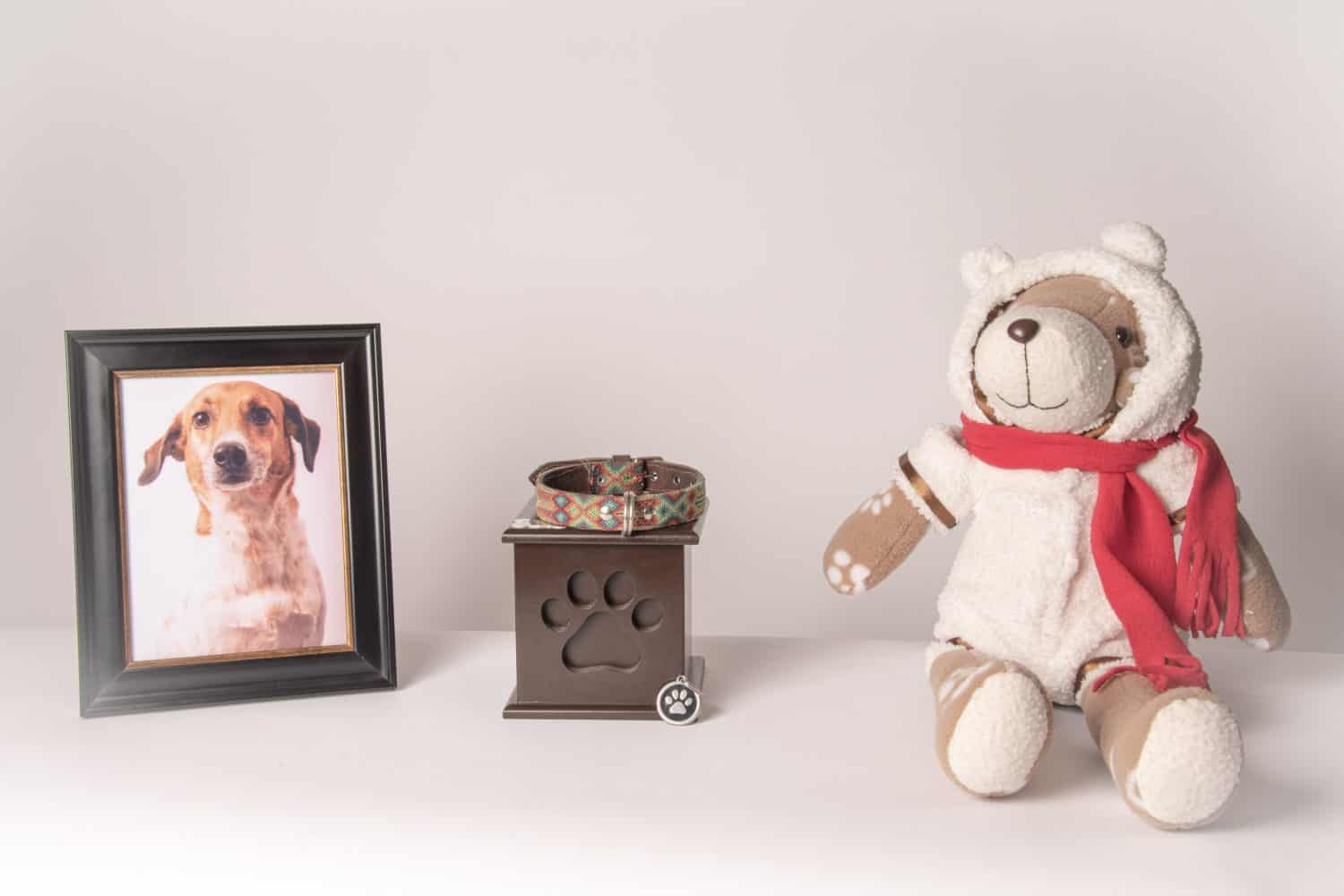

When a dog is adopted, the furthest thing from a pet parent’s mind is cremation. As dogs provide companionship and a lifetime of memories, there will be a time when cremation will have to be discussed. It is a difficult topic to speak about, given that for most, that conversation happens after a furry friend has passed and when in the throes of grief. This is why, if possible, getting educated on everything from the costs to the process of cremation and all the steps after cremation has occurred before a dog passes will allow dog parents to choose the best options to memorialize their dog, versus making choices when in pain.
What Dog Cremation Is

Dog cremation is the process of taking a dog’s remains and transforming them into ash.
©Lightspruch/Shutterstock.com
After a dog passes away, one of the most common procedures that veterinarians will suggest is cremation. This allows grieving pet parents not to have to focus on what to do with their beloved dog when the four-legged friend has passed. In some cases, it is the only thing to do, given that there is no space to bury man’s best friend. While most people understand what the concept of cremation is, the focus is generally on what to do with the remains once the process is complete. The actual steps of the cremation process include:
- Removing all items, such as collars, tags, etc., from the dog
- Placing the dog into a specialized chamber that can withstand temperatures of 1,400°F to 1,800°F, where the remains are turned to ash
- The process can take 30 minutes to two hours, depending on the size of the dog
- Ashes are then cooled before collecting
- Ashes are collected and returned to the pet parent in one of a variety of containers that range from boxes to urns
Depending on how busy the crematorium is, it can take several days to a few weeks for the remains to be returned. If a veterinary office is involved in the cremation scheduling process, the remains will be returned to the office. The office will then contact pet parents once the remains arrive and are ready for pickup.
Treating Deceased Dogs with Dignity
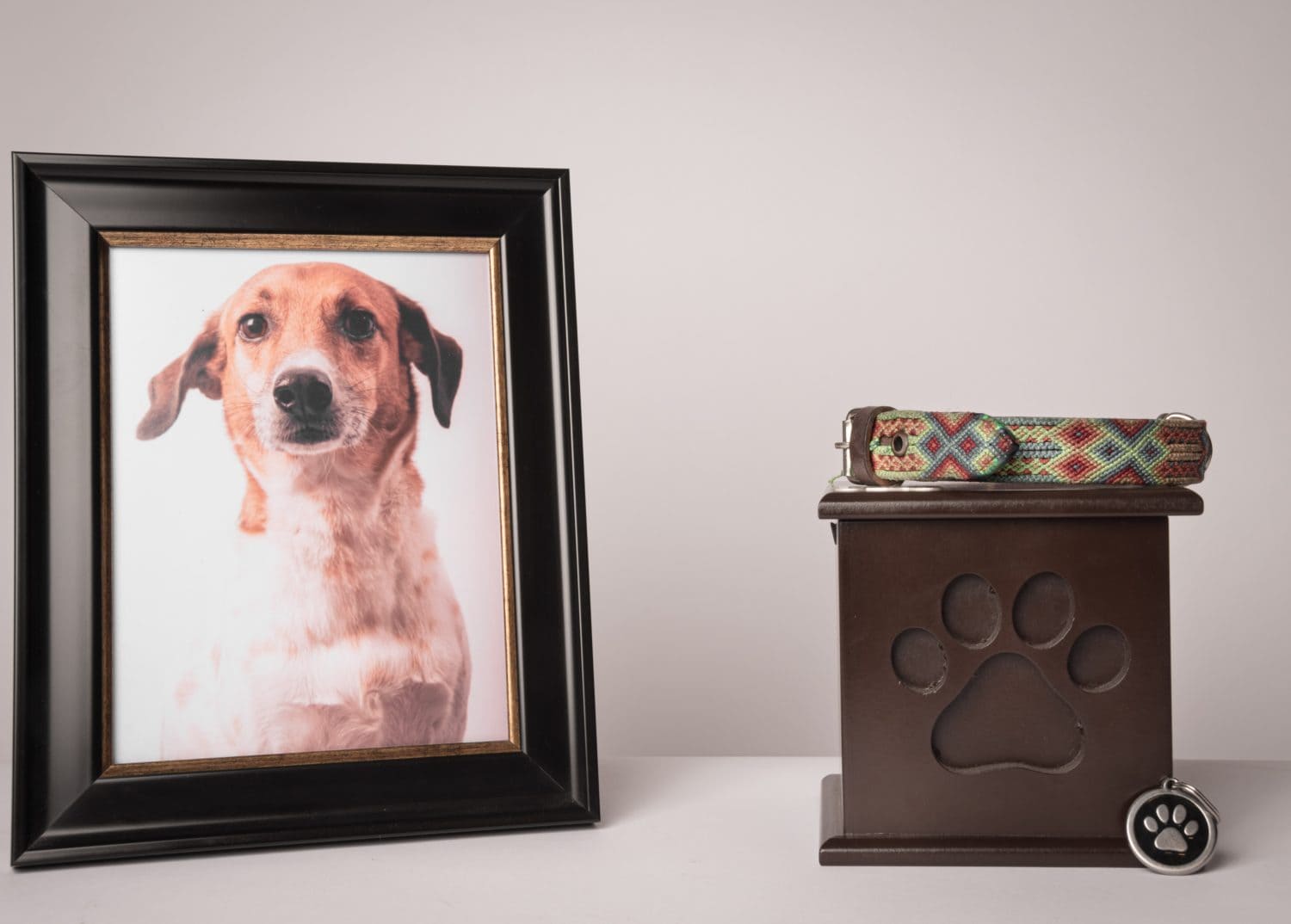
Dogs are treated with nothing but dignity as they go through the cremation process.
©Claudia Luna Mtz/Shutterstock.com
There is always the concern that once dogs have departed, they will not be treated with kindness and respect by strangers at crematoriums. However, reputable crematoriums pride themselves on ensuring dogs are treated with the care they deserve during each step of the cremation process.
To ensure that dog parents know their beloved pets are being taken care of after they have passed, crematoriums will welcome any insights on what those who have recently lost their dogs would like done during the cremation process, as well as after. In some instances, people are allowed to watch as their dog is placed into the cremation chamber. This can help with closure that some dog parents are missing after their dog has died.
Other crematoriums offer options for what to do with the ashes after cremation. This can be anything from customized keepsakes to intricate urns. There are many options provided so that the memory of the furry family member can always be remembered and cherished in passing, as the dog was when alive.
Different Types of Cremation

There are different options for cremation based on what dog parents want for their dogs and need for closure.
©umaruchan4678/Shutterstock.com
After a dog passes away, either a veterinary clinic or a pet crematorium will ask what type of cremation process is being requested. Given the available options, it is recommended to do some research before making a decision, ensuring the best choice for the beloved dog and its family.
The different types of cremation include:
| Type Of Cremation | Explanation Of Cremation |
| Private Cremation | Private cremation ensures that only one dog is in the cremation chamber at one time. This reduces the chances of comingling remains. It is also the most expensive of all cremation options. |
| Partitioned Cremation | More than one dog is cremated at a time, but this is done with partitions up. This ensures that the majority of the ashes returned to the owners will belong to their dog, but there may be some mixed remains. |
| Communal Cremation | For dog parents who do not want to receive their dog’s remains, multiple dogs will be cremated in one chamber at a time. The remains are mixed and cannot be separated. This is the least expensive option for cremation. |
| Witnessed Cremation | Not available at all crematoriums, witnessed cremation allows dog parents to witness the cremation for those interested in doing so. |
Each of these cremation methods varies in price. Therefore, before choosing an option, know the associated costs so that there are no surprises during the process of grieving.
Cost of Cremation

The costs associated with cremation are based on the dog’s weight and the type of cremation dog parents prefer.
©Igor Sokolov (breeze)/Shutterstock.com
Given that there are different types of cremation, there are also different costs associated with the process. The type of cremation, size, and weight of the dog will determine the cost of the process.
The prices for dog cremation are as follows:
| Dog’s Weight | Private Cremation | Partitioned Cremation | Communal Cremation |
| 15 pounds or less | Up to $200 | $125 to $200 | Up to $70 |
| 16 to 30 pounds | $130 to $250 | $150 to $225 | $45 to $80 |
| 31 to 50 pounds | $150 to $275 | $150 to $225 | $50 to $100 |
| 51 to 80 pounds | $200 to $300 | $225 to 275 | $75 to $125 |
| 81 to 100 pounds | $220 to $350 | $225 to $275 | $85 to $150 |
| Over 100 pounds | $250 to $450 | Not an option | $95 to $200 |
It should be noted that the costs for cremation do not include what it costs to store the remains, transportation to the cremation location, or any of the euthanasia costs. Additionally, pet insurance does not generally cover cremation costs. This is why there are options when it comes to choosing the method of cremation, none of which is better than the other.
How to Honor a Dog After Cremation
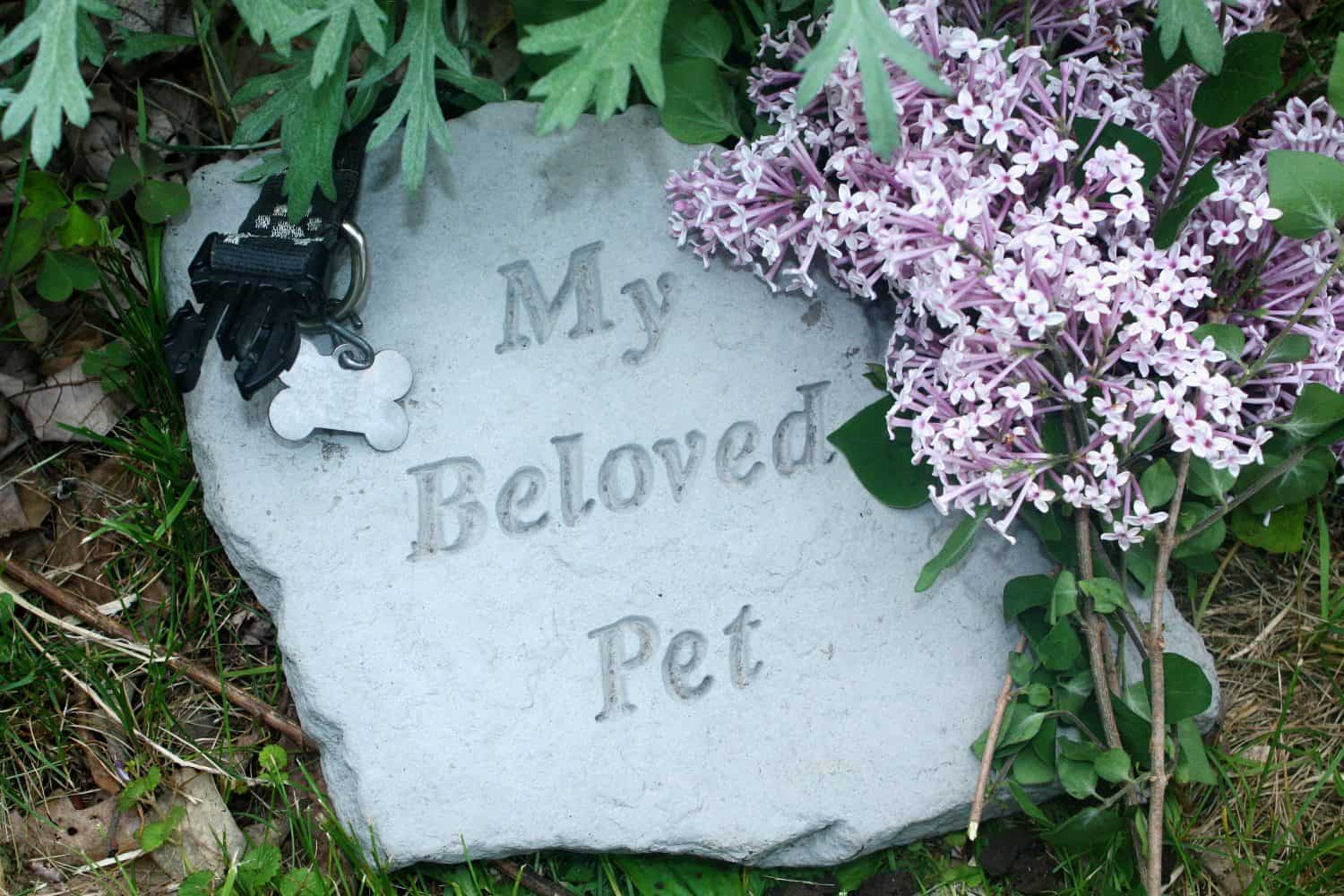
There are many different ways to memorialize dogs after they have passed.
©cpreiser000/Shutterstock.com
After retrieving a dog’s remains, there are several options for what can be done with them. First and foremost, it is recommended to take some time to look through all the possibilities and not become overwhelmed by the number of options. Simply knowing what is available in the weeks or months after a dog’s passing may be enough for some people, allowing them to marinate on the ideas for a time.
Given that many pet parents want to honor their dogs after a dog’s lifetime with them, artisans and others have come up with ideas to lay a pet to rest in a way that is both creative and reflects the lifestyle or personality the dog had while alive. Some of those options include:
- Decorative urn
- Customized jewelry
- An art piece or a sculpture that represents the dog
- Living memorial
- Scattering ashes in the dog’s favorite place
Any one of these ideas is a wonderful tribute to man’s best friend that has recently departed. Therefore, whichever option is chosen, there is no wrong way to honor a dog after its passing.
Aquamation Could Be the Future of Cremation

Aquamation is a process that reduces the remains, like cremation, but is better for the environment.
©New Africa/Shutterstock.com
In some areas, a process called aquamation is being offered to dog parents who have lost their four-legged friends, and it may just be the future of cremation. Aquamation is a process that uses water and a solution such as potassium hydroxide to break down the body. After the process is completed, bone fragments remain, which are then processed into a powder similar to cremated ashes. Any metal implants or microchips are removed and disposed of separately.
The entire process of placing the dog in the 200°F to 300°F water solution takes six to 20 hours, depending on how small or large the dog is. While this does take longer, the reason it may become a more popular option to cremation has to do with it being more environmentally friendly, given that there is no smoke released into the environment or any harsh chemicals used in the process. The cost is not substantially more either. While the weight and size of the dog will need to be taken into consideration, most costs range between $100 and $300 for aquamation. Additionally, like cremation, the remains will be given to pet parents so that their beloved pet can be honored after death.