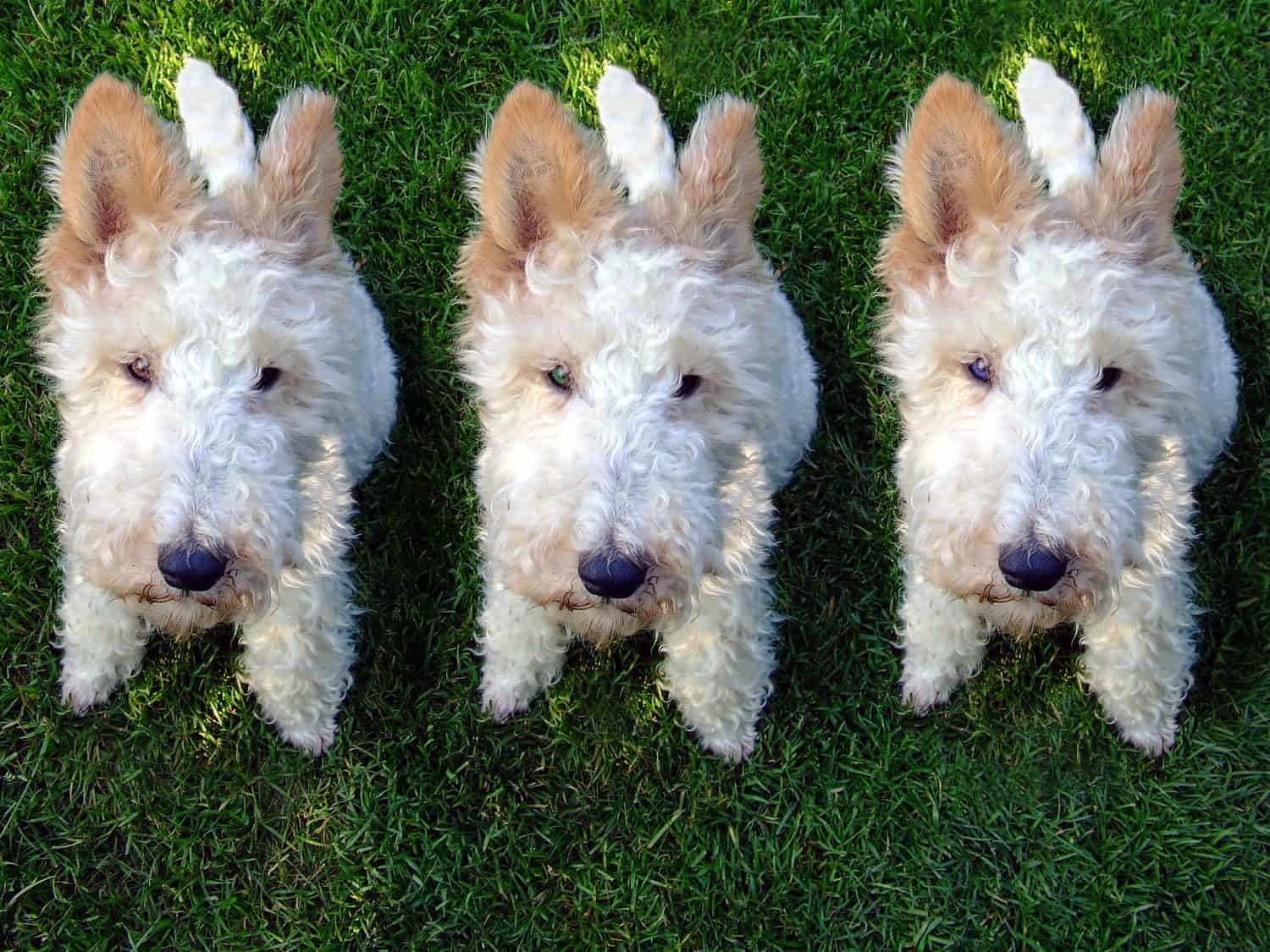

Quick Take
- Pet cloning is available for $50,000 to create an identical genetic replication of your dog.
- Despite what grieving owners may hope, the cloned puppy is not guaranteed to share the same personality traits or appearance as the original dog.
- Animal welfare groups have called for an end to the practice of commercialized animal cloning.
Losing a beloved furry family member is the hardest part of being a pet owner. Inevitably, man’s best friend doesn’t live as long as his or her human owners, and we are left mourning our daily companion when it’s time for them to cross the rainbow bridge. This heartbreaking scenario is why some grieving pet owners consider cloning their dog to bring back a version of their beloved companion. It sounds like something out of a science fiction novel — or a Twilight Zone episode — but it’s real, it’s happening, and many organizations are raising ethical concerns about the entire process.
How Does Pet Cloning Work?
Billed as the top cloning company in the world, ViaGen Pets & Equine is the only company in the U.S. that offers commercial cloning services for dogs, cats, and horses. According to their website, this animal biotechnology organization is led by a team of world-class scientists who study genetic replication. The cloned dogs will often have similar intelligence, temperament, and appearance as the original dog. Although cloned pets share identical DNA, they are not the same pet, just as identical human twins are not exactly the same.
“Cats and dogs delivered by cloning have the same genes as their donor pets and will be the closest match possible to the donor,” the company explained on its website. “This is best described as identical twins born at a later date. … [They] may have slight phenotypic differences, such as different markings due to natural epigenetic factors. The environment does interact with genetics to impact many traits such as personality and behavior.”
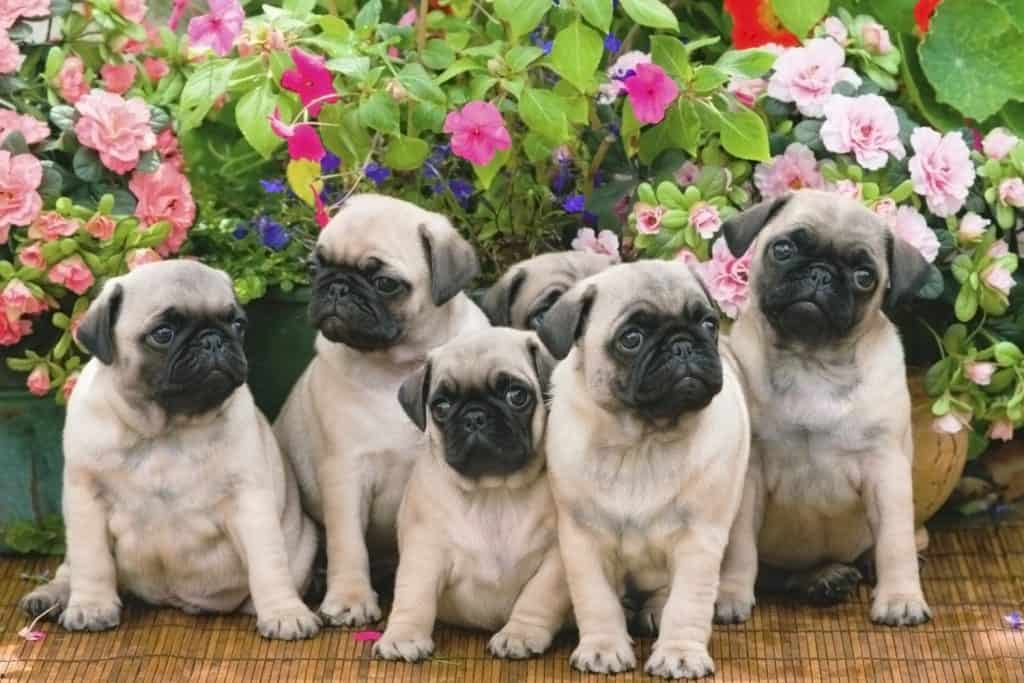
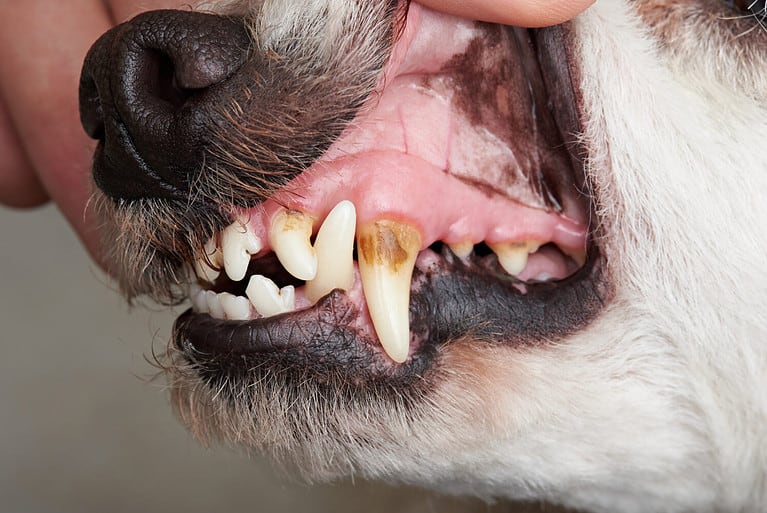
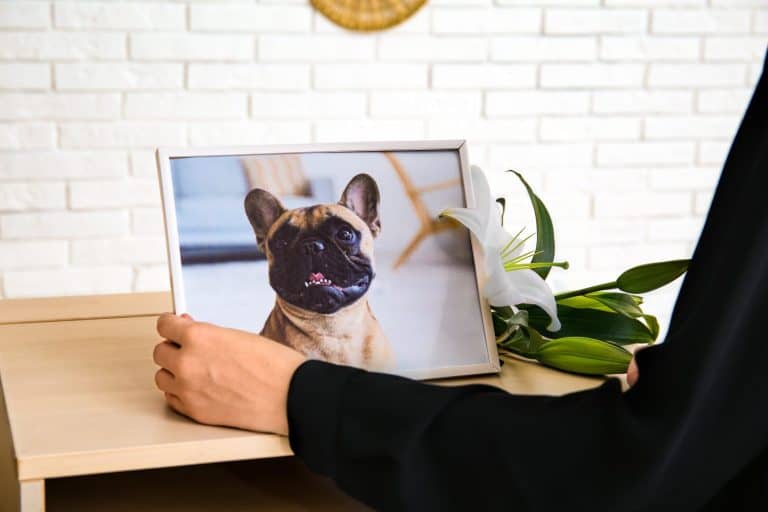
Cloned dogs have the same genetic material as identical twins.
©Dancestrokes/Shutterstock.com
Here’s how it works: Your dog’s veterinarian collects a small tissue sample from your dog and sends it to ViaGen. Scientists then culture new cells with your dog’s exact genetic code, which are frozen and stored until you decide to use them. When you are ready for a cloned dog, a scientist takes one of the preserved cells and fuses it with the egg from a donor female dog, after the egg’s DNA has been removed. The altered eggs are then transferred to a surrogate mother. The surrogate dog will go through a normal pregnancy and delivery, resulting in a puppy with the same DNA as your original dog. As of 2026, the entire process costs about $50,000.
Cloned Pets Aren’t Exactly the Same
Popular Mechanics interviewed a pet owner named Meesha Kaufman in December 2020, who had four two-year-old Chihuahua clones of her older dog at the time. She said that their personalities are very different.
“I have an angry one, a funny one, a really sweet one, and one that’s really independent,” Kaufman told the outlet. And they aren’t weird or robotic-like or however else you might expect a clone to act. Kaufman explained, “I think people want or expect them to be different. But clones are just regular dogs.”
However, if you go into it expecting to have the exact same relationship with your cloned dog that you had with your original dog, you may be setting yourself up for disappointment. The cloned puppy may look like your original dog, but it will have its own personality and possibly some distinct features, without any of the shared history that you had with your previous pet. This can be distressing for grieving pet parents who hoped cloning would bring their lost pet back.
Animal Welfare Groups Have Concerns
Cloning has come a long way since Dolly the cloned sheep was born in 1996, and animal welfare groups have raised ethical concerns about the process. This is especially concerning given that celebrities like Barbra Streisand have had their pets cloned, which seems to normalize the process.
The American Society for the Prevention of Cruelty to Animals (ASPCA) believes more research needs to be done into the ethical and safety concerns of animal cloning before the public is allowed access. “The ASPCA calls for a moratorium on the research, promotion and sale of cloned and bioengineered pets,” the organization stated on its website. “During the moratorium, a multidisciplinary commission should be established to evaluate the manner in which the work has proceeded, the regulations and oversight required to protect the safety of human and nonhuman animals, and the ethical consequences of continuing this work.”
They went on to say that this commission should include representatives from the industry, academic scientists, animal welfare professionals, veterinarians, and bioethicists, who can work together to study the data and give recommendations to develop guidelines, regulations, and restrictions regarding animal cloning.
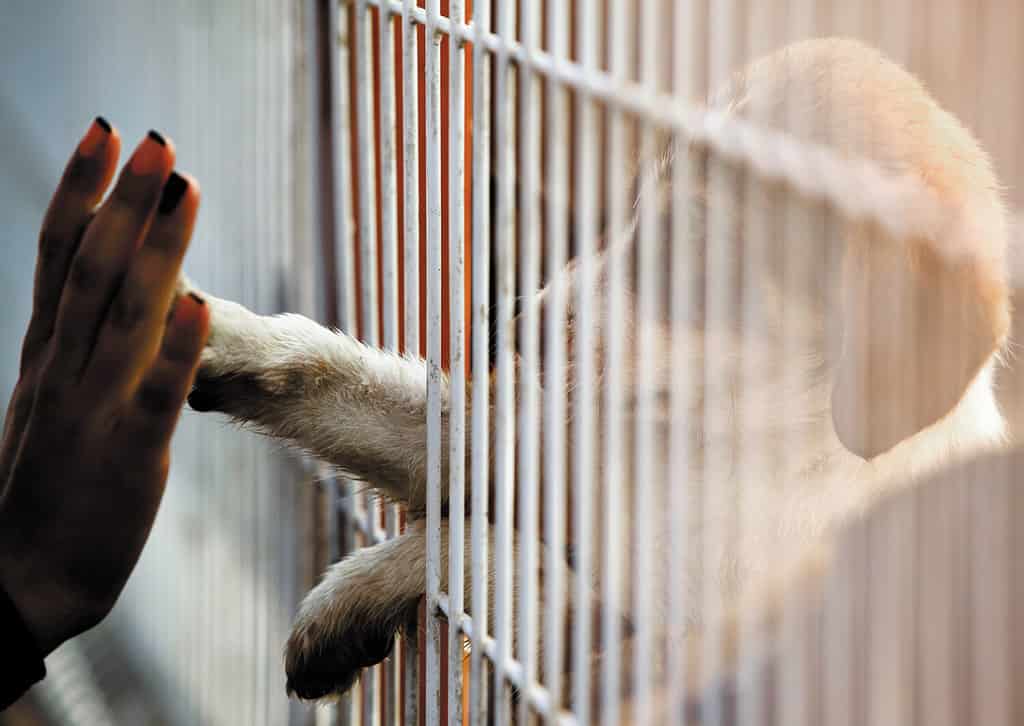
Animal welfare groups encourage adopting dogs from shelters instead of cloning.
©VILevi/Shutterstock.com
PETA has also spoken out against animal cloning, urging an end to the practice. “Cloning is a horror show: a waste of lives, time and money,” they said on their website, adding, “There is no good excuse for it, and it should be ended now.”
“When you consider that millions of equally personable dogs are euthanized in animal shelters every year for lack of a home, cloning is all the more indefensible,” they went on. “Not only does it result in even more births, it also involves the suffering of animals in laboratories.”
In a February 2018 interview with National Geographic, Vicki Katrinak, animal research issues program manager at the Humane Society of the United States, released a statement condemning pet cloning as well. “The Humane Society of the United States opposes cloning of any animals for commercial purposes due to major animal welfare concerns,” she told the outlet. “Companies that offer to clone pets profit off of distraught pet lovers by falsely promising a replica of a beloved pet. With millions of deserving dogs and cats in need of a home, pet cloning is completely unnecessary.”
Cloning Can Help Endangered Animals’ Conservation
Cloning does have its benefits — even more so than the emotional advantages for pet owners. A March 2025 study in Animals examined the research on the 56 species and subspecies that have been successfully cloned to date, including 33 mammals, 14 amphibians, eight fish, and one insect. They found that the overwhelming majority of the cloned animal species did not suffer from shortened lifespan or infertility, suggesting that animal cloning can be an effective tool for conservation.
“The history of cloning is surprisingly diverse and truly impressive,” Ben Novak, the paper’s lead author and Lead Scientist at Revive & Restore, said in a statement. “For years reviewers have looked at only a piece of the picture and decided that cloning isn’t ready for meaningful conservation, but the whole picture tells a different story – cloning is already being used for impactful conservation and could be explored for many more species.”

Maybe it’s time we leave the science of cloning to wildlife conservationists.
©Stock-Asso/Shutterstock.com
Additionally, many zoos offer biobanking services to promote wildlife conservation. The Frozen Zoo is the largest and most diverse biological sample repository in the world, storing living skin cells, gametes, and reproductive tissues in liquid nitrogen freezers to help animals now and in the future.
“Living skin cells can be used for chromosome studies, genome sequencing, and bringing species back from the brink of extinction through population management to minimize harmful consequences of inbreeding and genetic rescue techniques, such as cloning, to restore the genetic diversity of wildlife populations,” Oliver Ryder, Ph.D., Director of Conservation Genetics at the San Diego Zoo Wildlife Alliance, previously told A-Z Animals.
However, just because cloning can be used for conservation doesn’t mean it should be readily available to wealthy individuals who want to recreate lost or aging pets. Perhaps it’s best to leave cloning to conservationists and focus on cherishing the time you have with your pet while they are on this earth, then consider adopting a new companion from an animal rescue shelter when the time comes.