Grief is a strange thing. It hits us when we least expect it, and when it does, it manifests in unexpected ways. Grief does not follow a one-size-fits-all pattern. Instead, it can manifest in subtle or dramatic ways, depending on the individual. Grief over lost loved ones and mourning the dead are considered hallmarks of evolved consciousness. This behavior suggests an understanding of life’s finiteness and an appreciation for the distinction between oneself and others. However, animals seem to show glimpses of this awareness when it comes to their dead. In this YouTube video, a female tiger appears to mourn the sudden loss of her partner.
Tigers are not the only animals that exhibit a basic but notable understanding of death and the loss of loved ones. Everyone grieves in their own way, and animals are no exception. Mother gorillas are known to carry dead infants for days or even weeks, refusing to accept their passing. Wolves will become despondent when a member of the pack dies: they howl and search, and even refuse food. Even birds like crows will hold simple funerals for their dead by silently gathering around the body. Most famously, elephants will also stage memorials. They will touch the bodies of their dead relatives and stay by their side for long periods. They may even revisit the site of death years later. In this YouTube video, a tiger appears to be undergoing her own grieving process. Let’s learn more about this video and the animal’s possible idea of grief.
A Missing Partner

A tiger named Baghani calls and calls for her missing mate.
©YouTube/bbcearth
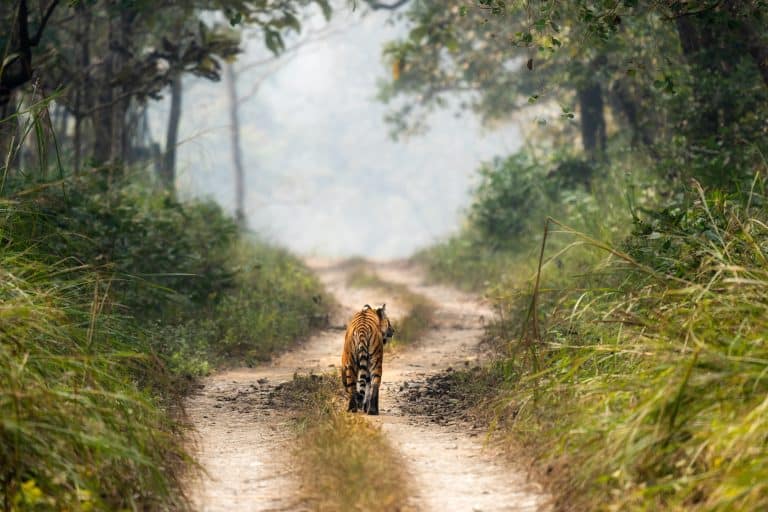
In this YouTube video, a female tiger named Baghani sits in a shallow pond somewhere within Sariska National Park in Northern India. As the narrator explains, she is ready to mate again, so she calls for her partner, Rajore. Baghani spends all morning calling for Rajore, but she receives no response. Determined to find her mate, she moves farther into the bush and continues calling.
Because Baghani and Rajore were featured in a film that won a prize sponsored by the BBC, the tiger couple was followed by cameras all day, every day, for two years. Since there are scientists on the scene, they treat Rajore’s silence with alarm and head out into the trees to look for clues.
The Heartbreaking Discovery

Researchers find her partner dead, having been poisoned by locals to protect their cattle.
©YouTube/bbcearth
After searching through the trees and trails for a while, the team of researchers (and filmmakers) finds the first signs of Rajore: several pawprints in the soft, clay-colored dirt. Using tracking software, they inch closer to his location, only to find him dead in the bushes. After running some tests on his body, the researchers figure out the cause of death. It seems that Rajore was poisoned by a villager attempting to protect his or her cattle. Meanwhile, Baghani wanders Sariska National Park, calling for her mate with increasingly desperate cries.
Love and Loss

It’s hard to say if the tiger in the video is mourning her partner, but she is definitely missing him.
©YouTube/bbcearth
It seems, at the very least, that Baghani does not know that her mating partner, Rajore, is dead. She continues to search for him, calling out with increasingly emotional cries and bellows. At one point, Baghani catches his scent on a small tree next to a trail. She jumps up on her hind legs to investigate the scent more closely. Confused and concerned, Baghani continues to search, but there is still no sign of Rajore. She even uses the most powerful sense at her disposal: Jacobson’s organ. This is a special sensory organ that cats have inside their mouths that allows them to smell and taste things even more deeply. Baghani continues to cry for three days after the death of her mate Rajore.
This YouTube video is titled “Tiger Grieves Her Dead Mate,” but is that really happening? The actual video suggests the tiger doesn’t know her mate is dead and may never know unless she happens to stumble upon his body. Let’s learn more about the accuracy of the word ‘grief’ when it comes to this female tiger.
Mammal Mourning
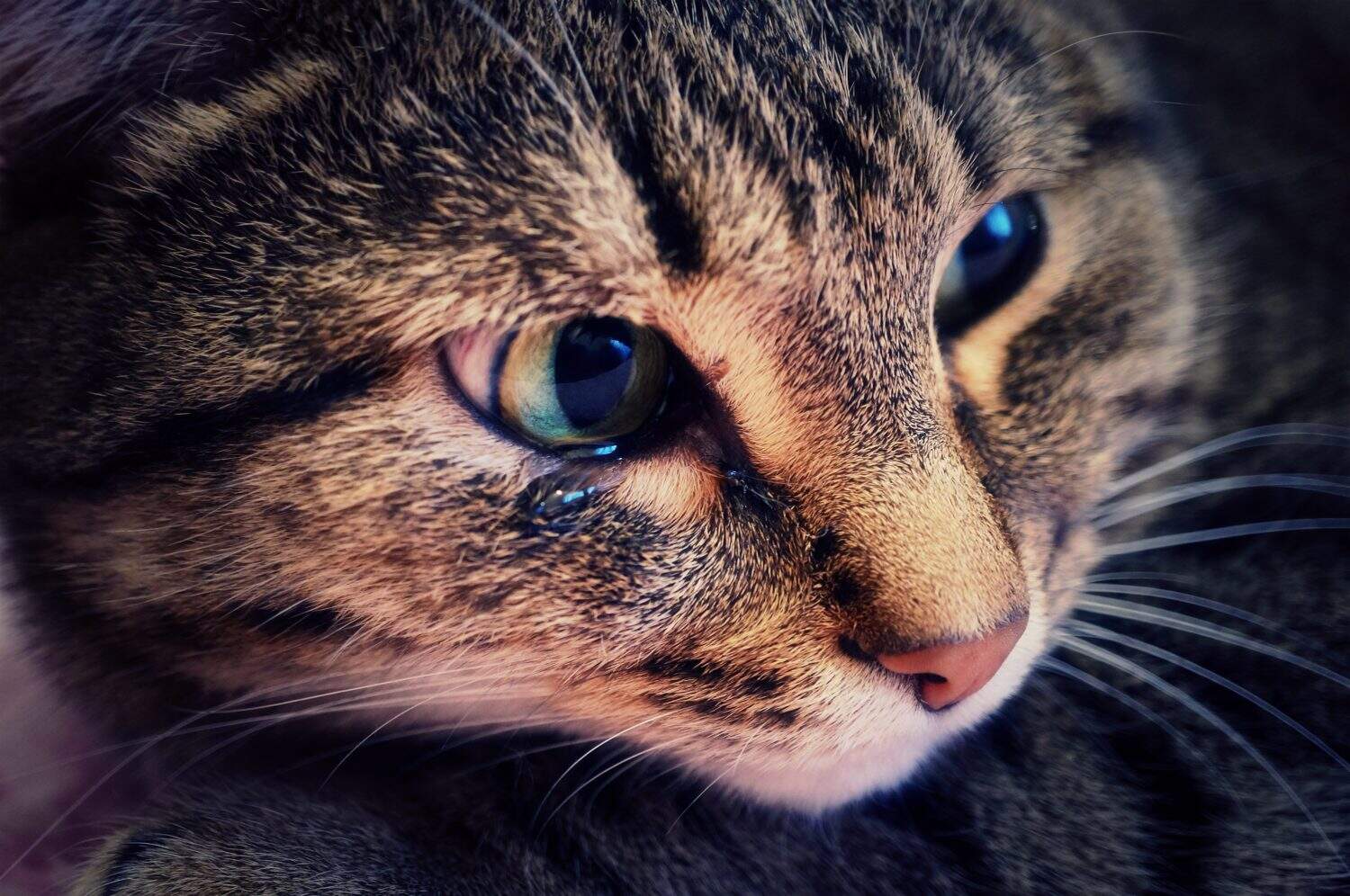
New evidence suggests that cats form strong enough emotional attachments to mourn the loss of loved ones.
©Scifier/Shutterstock.com
While no one can say for sure if animals grieve or not, strong evidence suggests they do. When it comes to cats, many people claim, at least anecdotally, that their pet cats exhibited strong signs of grief when members of the family or fellow pets died. Only some animals, such as humans and elephants, show evidence of symbolic mourning. Wildcats, like tigers, however, meet the criteria for recognizing death and experiencing emotional separation.
They will search for their lost loved ones, and once they find a body, they will stay with it or protect it for extended periods. New evidence suggests that cats may exhibit behaviors associated with grief, such as eating and playing less, after the loss of a companion. While it is difficult to say for certain if the tiger in this video is mourning the loss of her partner, it is clear that she misses him.