
Sharks steal the spotlight as the ultimate villains of the sea. Hollywood has painted them as lurking monsters, waiting for the next swimmer to wander out too far, all to the tune of suspenseful background music. In reality, sharks rarely kill humans; the real danger comes from much more ordinary animals. These animals live in our neighborhoods, buzz through our summer barbecues, graze quietly in fields, or roll around on our living room floors. The creatures most likely to cause human deaths are often the ones people never worry about—and sometimes, that complacency proves deadly.
How Many People Do Sharks Kill?
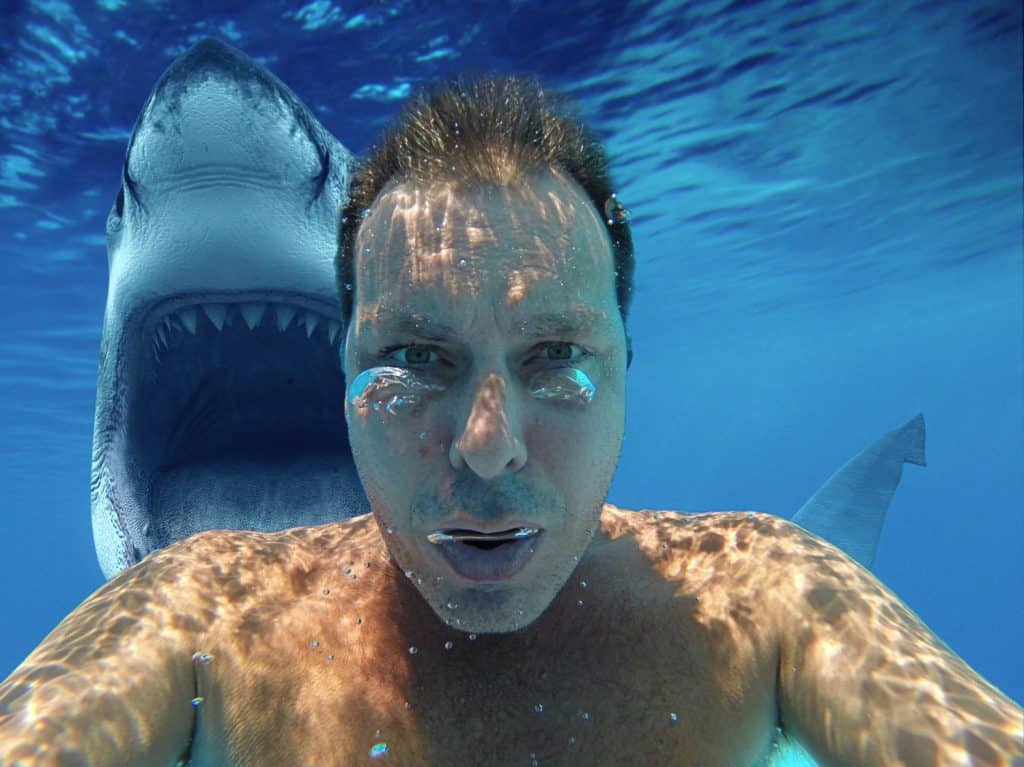
On average, vending machines kill more people than sharks do.
©Mickes Photos/Shutterstock.com
In the United States, fatal shark attacks average one or fewer per year, and across the entire globe, sharks kill 5-15 people annually. To put that into perspective, you are statistically more likely to be killed by something as mundane as a vending machine—around two people a year die when one tips over onto them. That surprising comparison opens the door to looking at how many deaths each year are actually caused by animals, many of which turn out to be far more dangerous to humans than sharks ever are.
The Seven Deadliest Animals in the U.S.
Availability of medical care in the U.S. is one of the main reasons the fatalities for animal attacks are low.
©F Armstrong Photography/Shutterstock.com
The leading causes of death by animals are different in the United States than in the world as a whole, for a variety of reasons. Factors such as infrastructure, access to health care, and overall standard of living play a major role in determining which threats are most deadly. In wealthier countries, dangerous species have often been heavily controlled or exterminated, and effective medical treatment is usually close at hand, which changes the risks people face. Nevertheless, deadly animal encounters claim hundreds of lives in the United States every year. Here are the top killers.
1. Deer
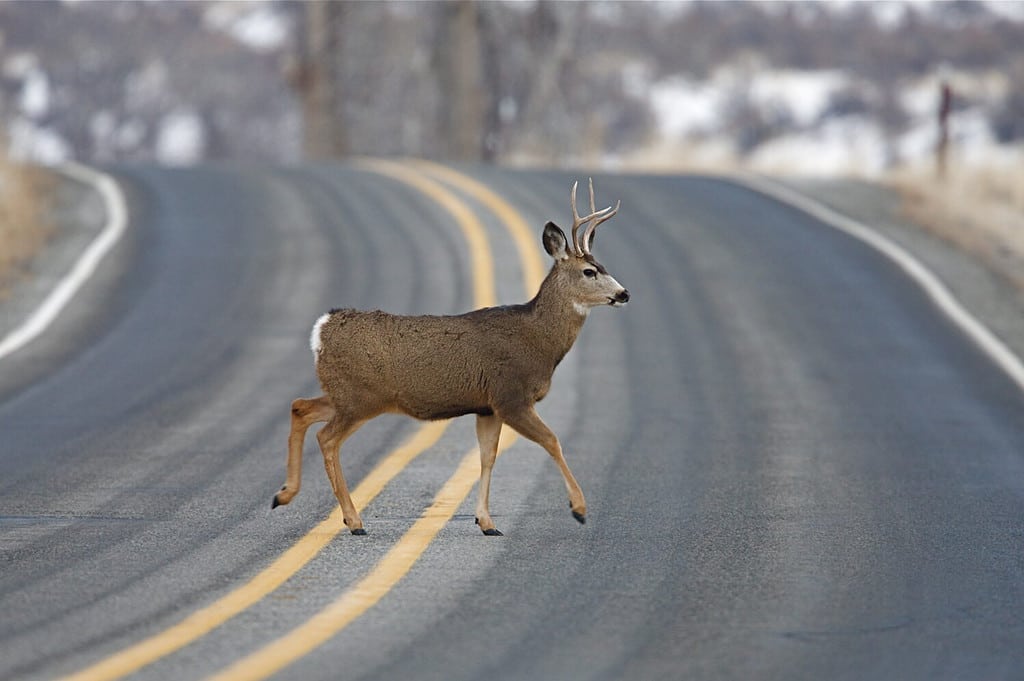
Collisions with deer most often happen at dawn or dusk.
©Tom Reichner/Shutterstock.com
In the United States, deer lead the list of deadly animals. Every year, 150-200 Americans lose their lives in crashes with deer. The danger peaks at dawn and dusk, when deer are most active, and during the fall breeding season. Drivers in areas with high deer populations are advised to slow down, use high beam headlights, and, if a crash is unavoidable, avoid swerving. Instead, they should try to maintain control and keep the car on the road, even if it means colliding with the animal.
2. Mosquitoes
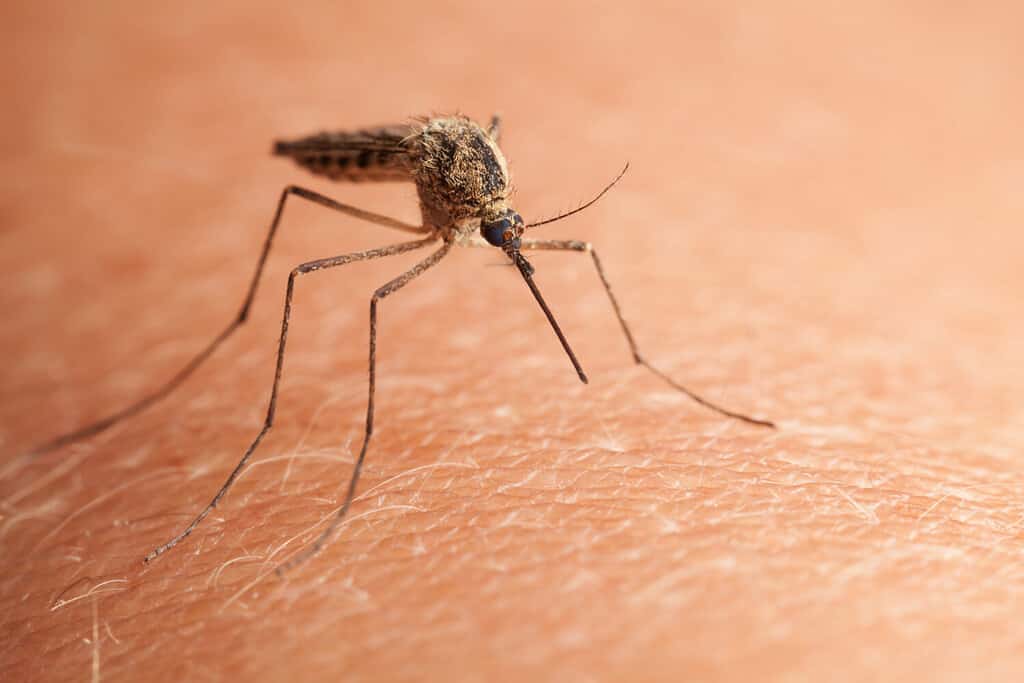
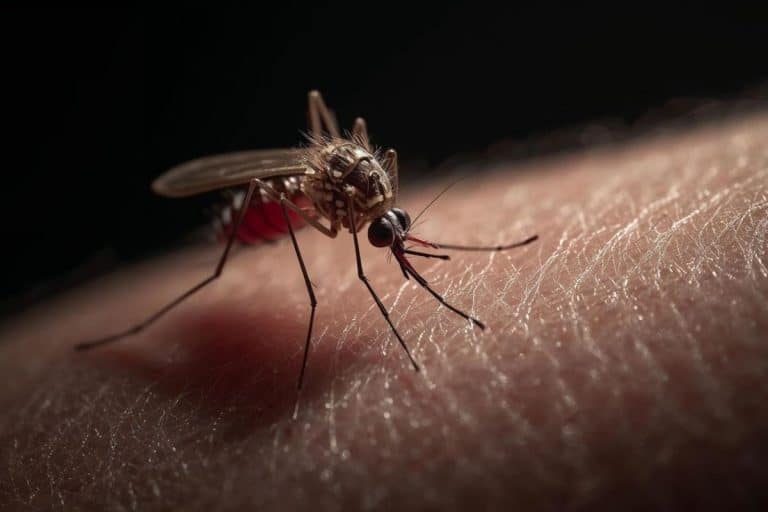
There are over 3,500 mosquito species across the world.
©Anest/Shutterstock.com
In the U.S., mosquitoes do not spread diseases on the same scale as they do in the tropics, but they are far from harmless. West Nile virus is the leading mosquito-borne disease in the United States, typically causing up to 70 deaths a year. The best defenses remain repellents, window screens, and removing stagnant water where mosquitoes breed. A simple birdbath or clogged gutter can become a breeding ground for thousands of insects in just a few days. The threat may be quiet, but ignoring it can prove deadly.
3. Bees, Wasps, and Hornets
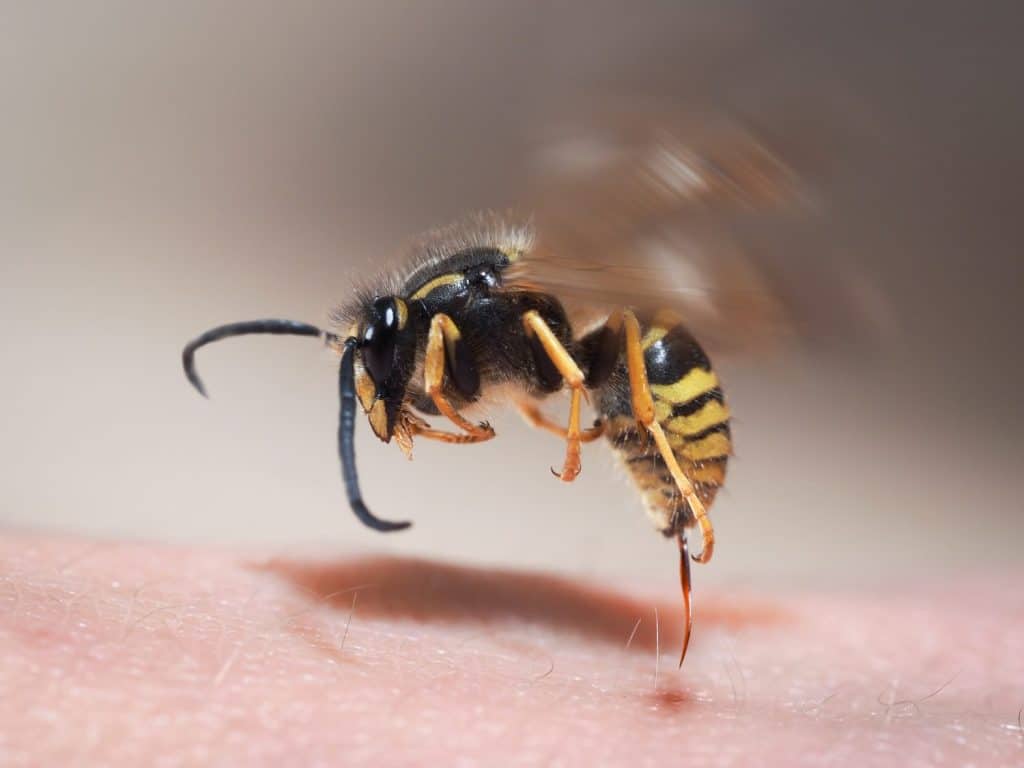
For people with severe allergies, a bee sting can be life-threatening.
©Irina Kozorog/Shutterstock.com
Bee stings send more Americans to the hospital than most predators combined. Roughly 60 people die each year in the U.S. because of allergic reactions to stings. For those with severe allergies, carrying an epinephrine injector is a life-saving precaution. Avoiding perfume, brightly colored clothing, and hives hidden in the yard also reduces the chance of being stung.
4. Dogs

Unfortunately, man’s best friend is not always man’s best friend.
©cynoclub/ via Getty Images
Dogs are woven deeply into American life as companions and protectors. Yet fatal attacks do happen. Between 30 and 50 people in the U.S. die each year from dog bites, most often involving children, the elderly, or those caught off guard by large breeds. These tragedies are preventable in many cases. Responsible ownership, supervision around children, and training reduce the risks.
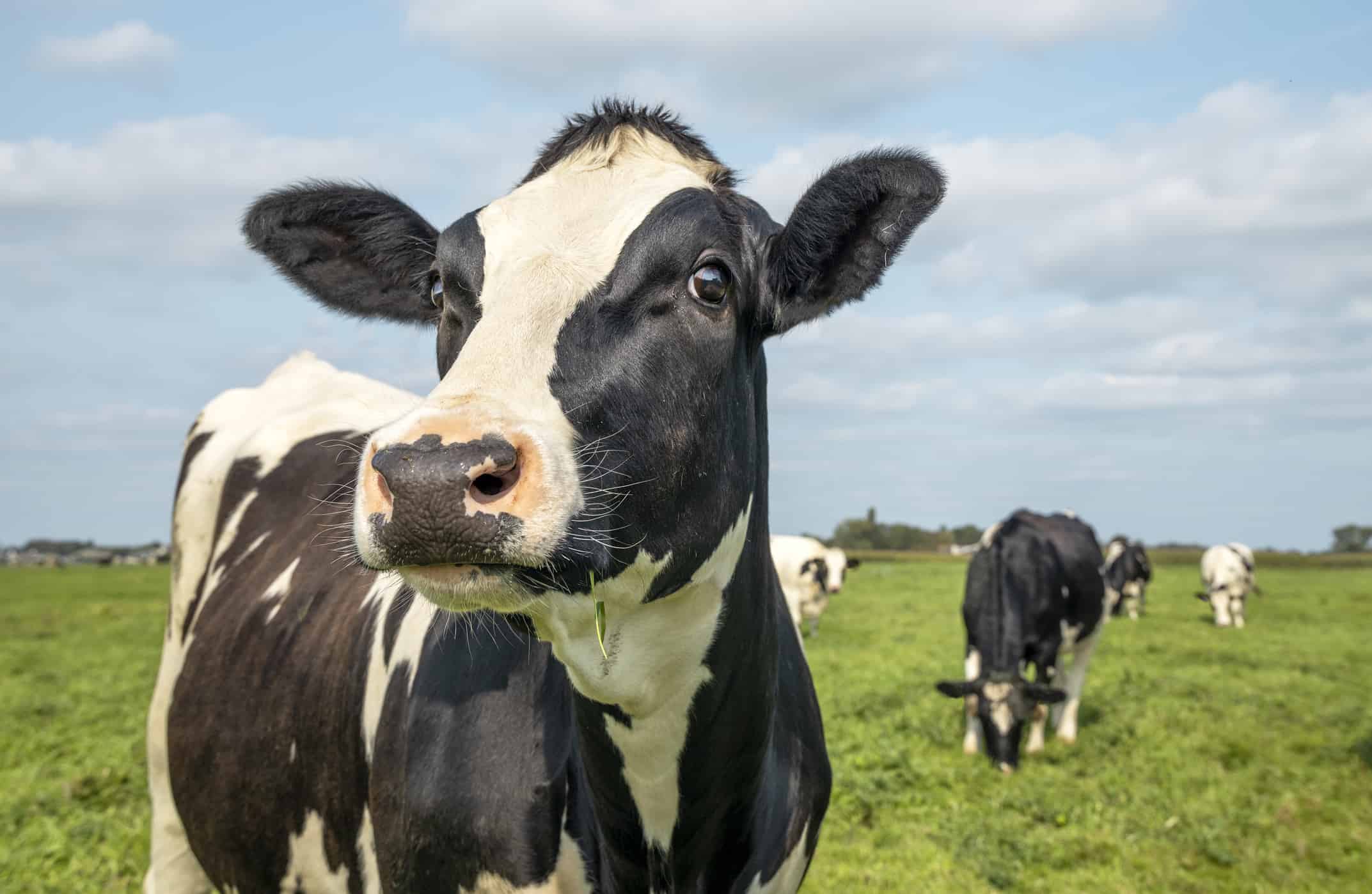
5. Cows
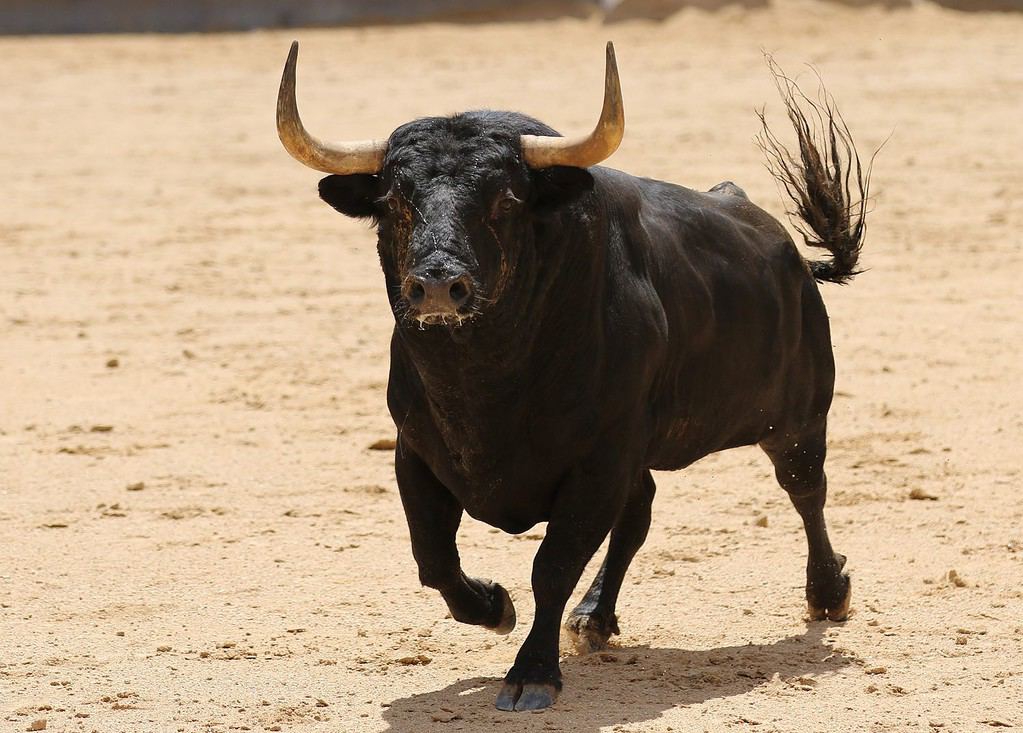
You don’t have to be in a bull ring to be trampled by a bovine.
©De La Torre Antonio/Shutterstock.com
Cows may seem placid, but working around livestock carries serious risks. Around 22 Americans die each year from encounters with cattle. Most of these deaths happen when animals trample or crush people, sometimes during feeding or when protecting calves. Bulls, in particular, pose a major danger, but even mother cows can turn aggressive if they sense a threat. Farmers and ranch workers know that you never turn your back on a herd animal and always keep an escape path in sight.
6. Horses
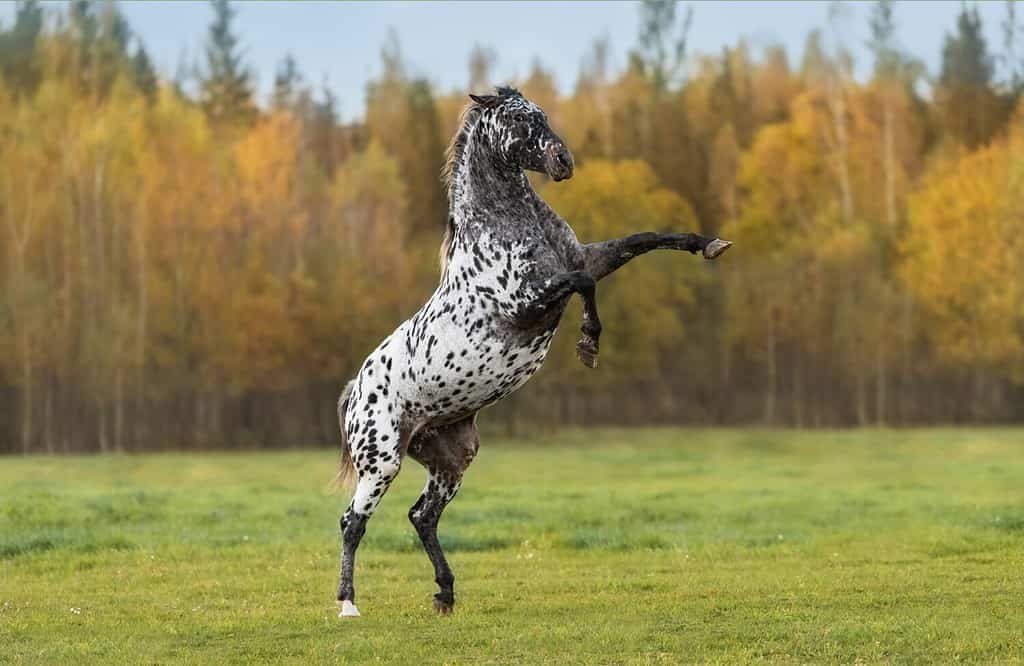
A horse’s kick can easily inflict serious injury and even cause death sometimes.
©Rita_Kochmarjova/Shutterstock.com
Horses account for about 20 deaths a year in the U.S., most from falls or kicks. A horse spooked by sudden noise or movement can rear, bolt, or kick with enormous force. It’s important to be situationally aware around a horse and particularly cautious when walking behind one. Wearing proper riding gear, including a helmet, can help prevent accidents from resulting in fatalities.
7. Venomous Snakes

Rattlesnakes are a particularly fearsome venomous snake species in the United States.
©Wirestock Creators/Shutterstock.com
Even though 7,000-8,000 Americans a year get bitten by venomous snakes, there are only 5-10 annual fatalities thanks to good medical care and antivenom supplies. The victims are often hikers, gardeners, or workers who unknowingly disturb rattlesnakes, copperheads, or cottonmouths. Prevention is straightforward: wear boots, stay on trails, and avoid reaching blindly into tall grass or woodpiles. Quick medical attention can mean the difference between survival and tragedy.
The Seven Deadliest Animals in the World

In many parts of the world large numbers of people and wildlife coexist in close proximity.
©Gecko Studio/Shutterstock.com
Globally, the picture looks very different due to gaps in infrastructure, limited access to health care, and uneven standards of living. In many regions, people live and work in close proximity to animals that carry serious diseases, and effective treatment may be hours or even days away. In many regions, dangerous species have not been systematically reduced as they have in wealthier nations, and preventive measures such as pest control and widespread vaccinations are not always available. As a result, hundreds of thousands of people die each year around the world from a wider variety of animals than in the United States.
1. Mosquitoes
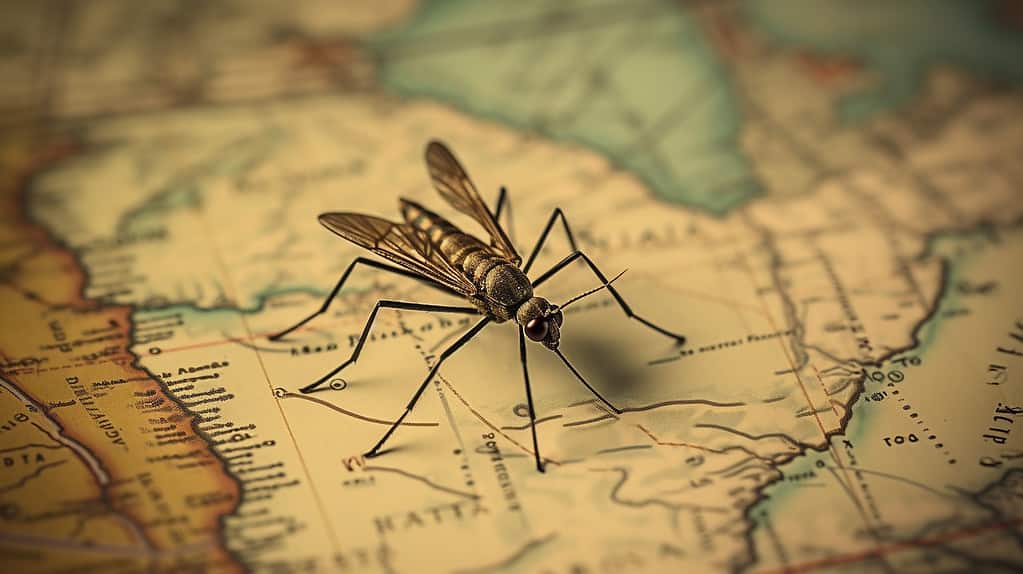
Mosquito-borne diseases remain one of the deadliest threats on the planet, with around 600,000 people dying each year from illnesses such as malaria, dengue, and yellow fever. These deaths occur mostly in regions where warm climates, limited access to medical care, and a lack of preventive infrastructure allow mosquitoes to thrive unchecked. Avoiding infection depends on a mix of strategies: reducing standing water where mosquitoes breed, using bed nets treated with insecticide, wearing protective clothing, and applying repellents. On a broader scale, vaccination campaigns, improved sanitation, and stronger public health systems are critical to lowering the global toll of these tiny but lethal insects.
2. Snakes
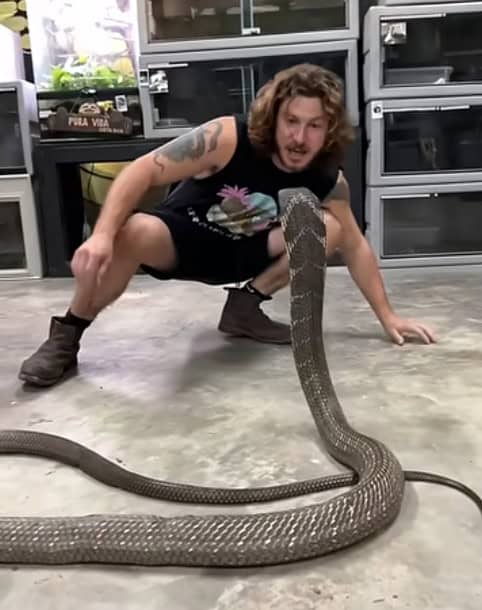
King cobras are the largest venomous snakes in the world.
©Chandler'sWildLife / YouTube – Original
An estimated 81,000 to 138,000 people die each year from venomous snakebites worldwide. In the U.S., venomous species like rattlesnakes, copperheads, and cottonmouths rarely kill thanks to quick access to hospitals and effective antivenom, but in many parts of Africa, Asia, and Australia, snakes such as cobras, kraits, mambas, and taipans deliver far deadlier venom. Their toxins can paralyze breathing, disrupt the nervous system, or cause massive internal bleeding. Without timely treatment, the outcome is often fatal. Education about local species, protective clothing, and especially community-level access to antivenom remain the most effective defenses against this serious threat.
3. Dogs
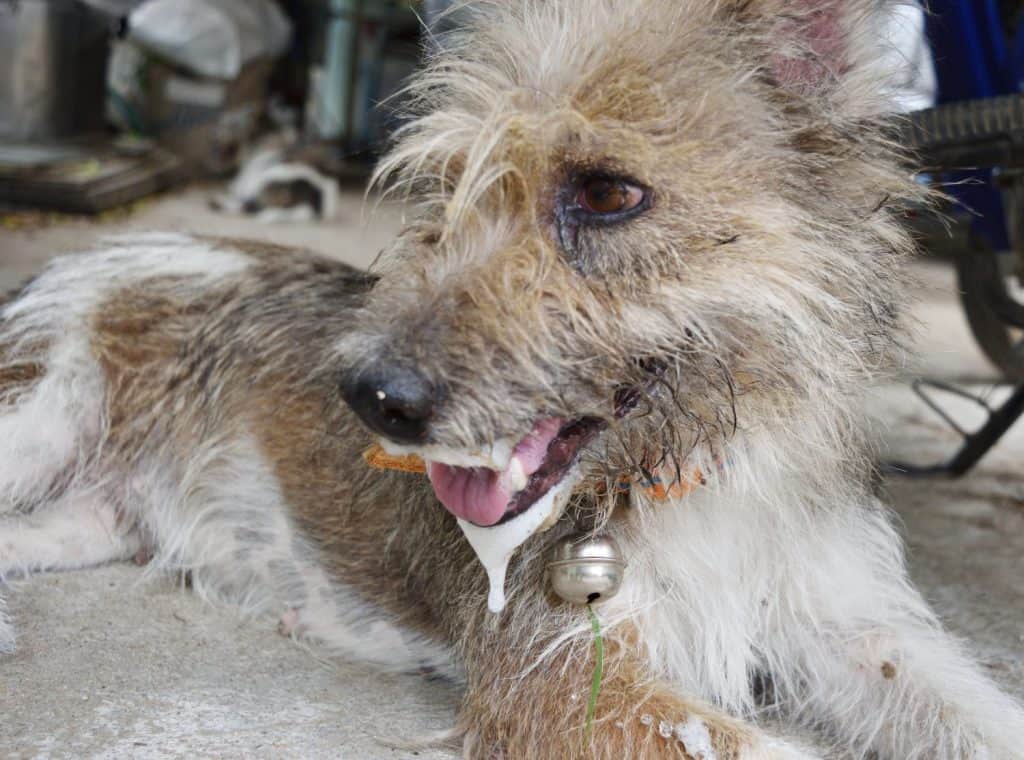
Outside the United States, rabies is by far the leading cause of human fatalities from dog bites.
©Anant Kasetsinsombut/Shutterstock.com
About 59,000 people die each year from rabies, and dog bites are responsible for the vast majority of those cases, especially in Asia and Africa. In regions without rabies vaccination, dog bites remain a major killer. Many victims are children. Awareness campaigns and wide vaccine coverage are the clearest solutions. These deaths are particularly tragic because they are so preventable, and they highlight the importance of global access to vaccines and medical care.
4. Bees, Wasps, and Hornets
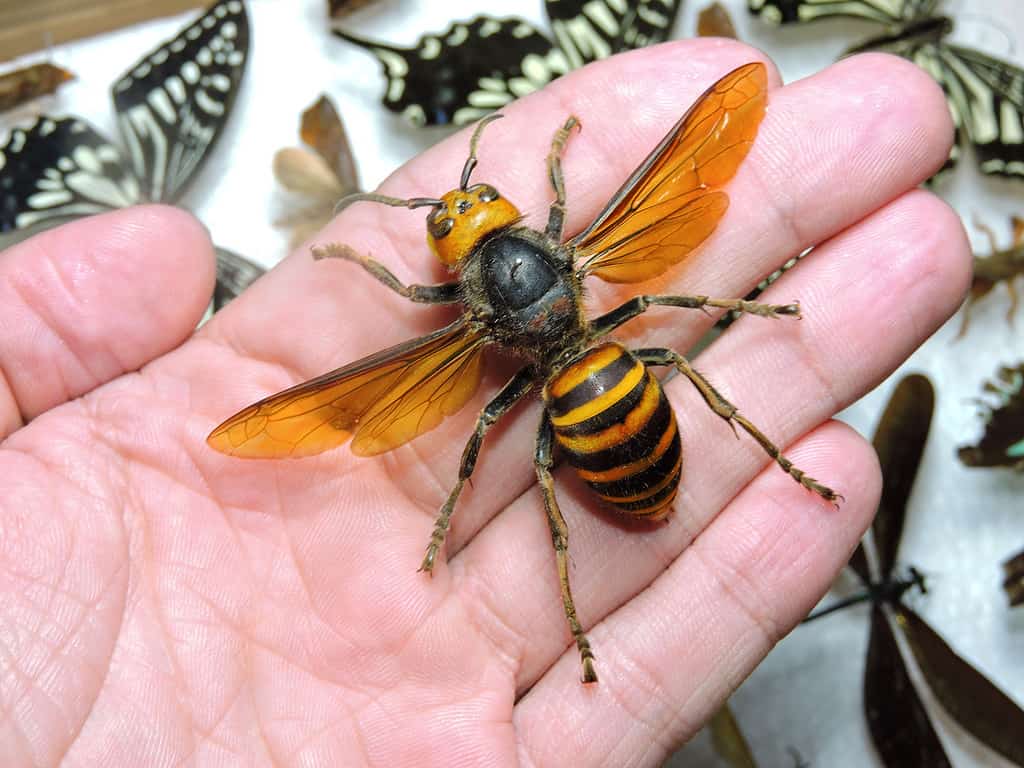
This is an Asian giant hornet (Vespa mandarinia) also known as the “murder hornet.”
©iStock.com/Bruno Uehara
Globally, hundreds die from stings of bees, wasps, and hornets each year. Most fatalities are the result of allergic reactions rather than swarm attacks. Preparedness and allergy awareness remain the best defenses against these insects. In many regions, these insects are not feared predators but still rank among the most consistent killers.
5. Crocodiles
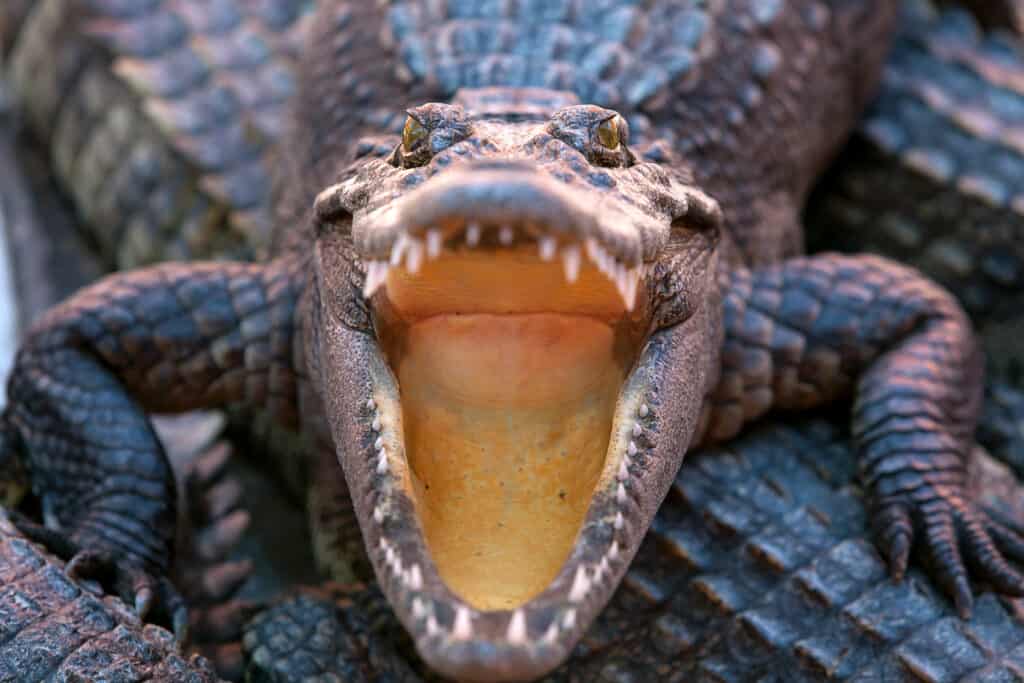
Crocodiles are ambush predators.
©nattanan726/Shutterstock.com
Unlike many other dangerous species, crocodiles are known to deliberately target humans in the water, in boats, or on riversides where they go to fetch water, bathe, or wash clothes. A single animal can terrorize an entire village, altering how people approach the shoreline for months or even years. Their silent patience makes them among the most unnerving killers humans encounter.
6. Hippopotamuses
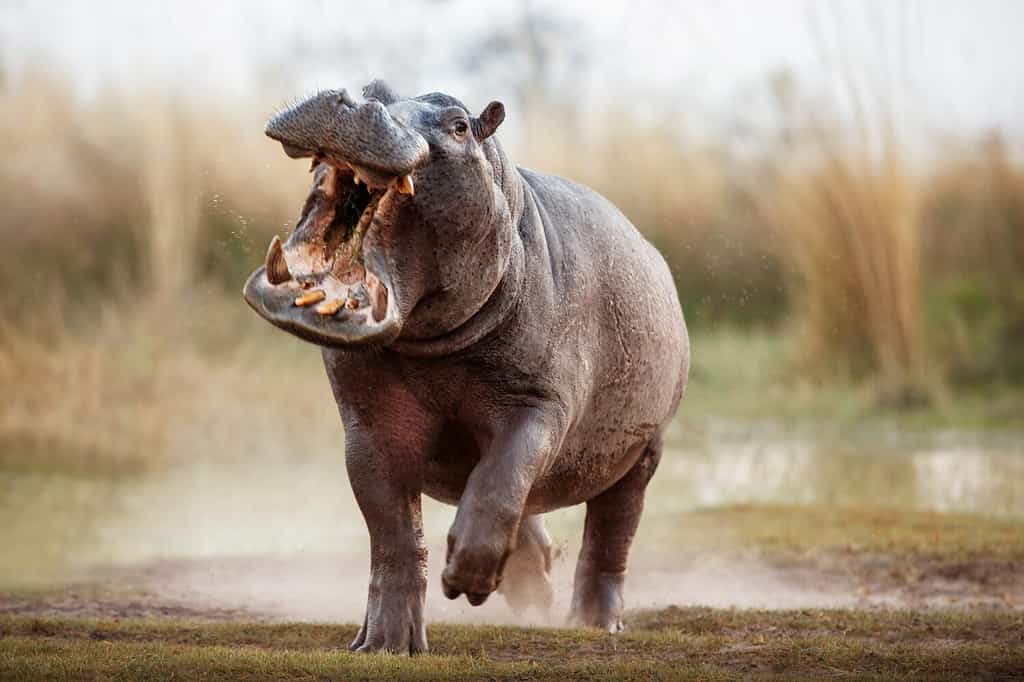
These massive animals are dangerous both on land and underwater.
©PhotocechCZ/Shutterstock.com
Hippos kill about 500 people per year in Africa. Villagers and tourists who misjudge their speed and power pay the price. Highly territorial and unpredictable, hippos kill by overturning boats, biting people, or running them down on land and trampling them. To locals, a hippo is not a curiosity but a daily concern when going anywhere near a river. Its reputation keeps entire communities cautious around water.
7. Elephants
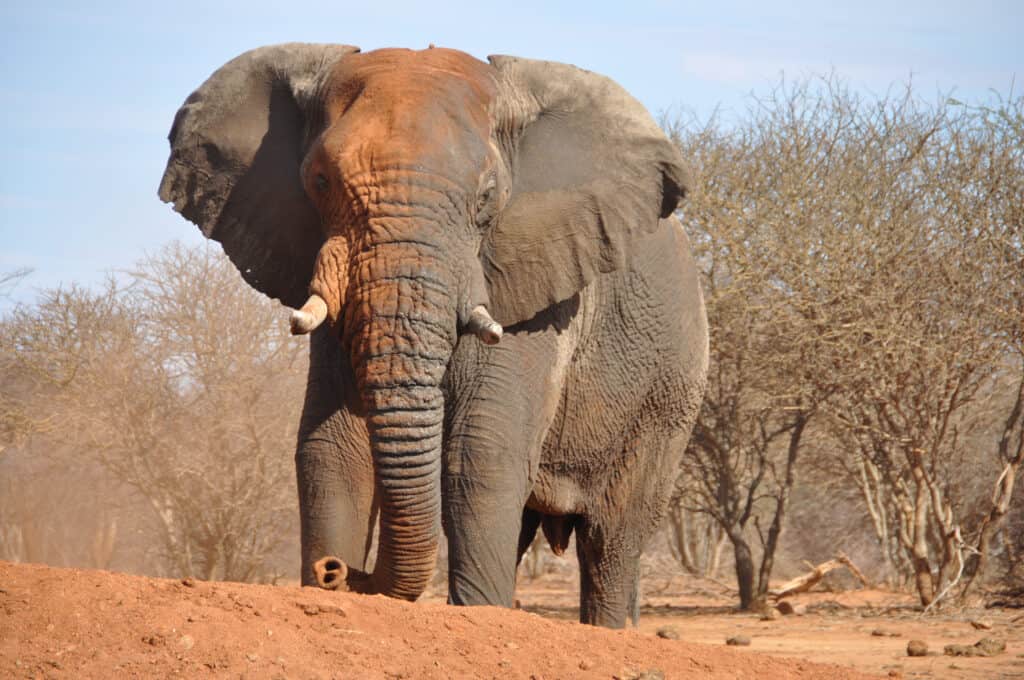
Elephants make destructive neighbors.
©JohnEGoodwin/Shutterstock.com
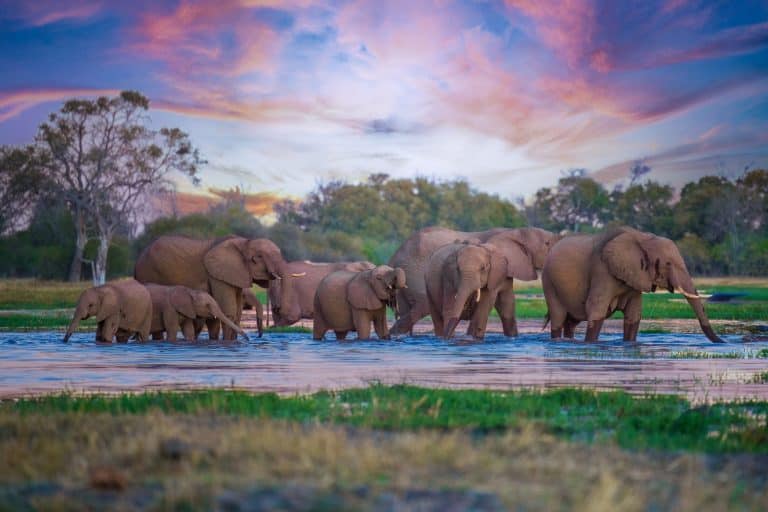
In Africa and Asia, elephants kill up to 500 people a year, mostly when farmland overlaps with migration routes. Crop raids can escalate into deadly confrontations. While elephants are admired worldwide, in some farming villages, they are feared as much as they are respected. For many, the same animal that draws awe from tourists represents the risk of ruined crops, destroyed homes, and lost lives.
The Biggest Killer of Sharks… and Humans

Humans are the deadliest apex predators on Earth.
©New Africa/Shutterstock.com
Each year, humans kill an estimated 70 to 100 million sharks, a staggering figure compared to the 5-15 people sharks kill worldwide annually. The primary driver is the demand for shark fins, which are cut off to make shark fin soup, a status dish in some cultures, often leaving the rest of the shark discarded back into the sea. Beyond that, millions more die unintentionally as bycatch, trapped in nets meant for other fish, while others are deliberately hunted out of exaggerated fear or to protect beaches.
Humans are also the biggest killers of other humans. Every year, about 500,000 people are killed in homicides or acts of war. If fatal accidents are included—car crashes, workplace disasters, and countless other human-caused deaths—the number climbs far higher, easily surpassing a million deaths annually.
Frighteningly, humans are also the only species capable of ending all life on Earth through war or environmental destruction. Looking at the numbers strips away the myths and forces a sobering realization: the species we most need to fear is not swimming in the ocean or stalking us in the woods. It’s the one staring back at us in the mirror.