
Quick Take
- Purposely coating yourself in hydrogen cyanide sounds suicidal, yet banded mongooses do it for reasons that go beyond simple survival. See the toxic ritual →
- Deliberately provoking a venomous creature suggests something about mongoose cognition that researchers find hard to dismiss. Discover the mongoose's intent →
- Lemurs, civets, and capuchin monkeys all do versions of the same thing, yet one species takes it further by turning it into a communal ritual with a suspiciously blissful side effect. Meet the other species →
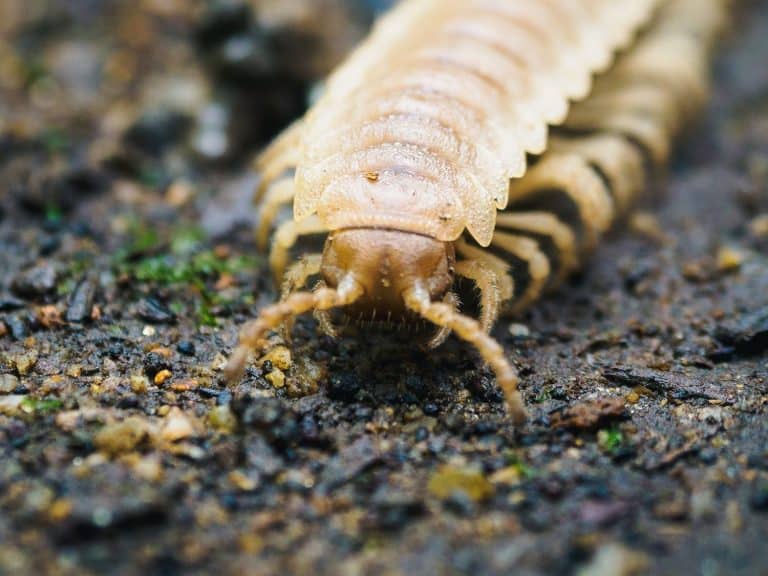
Don’t let the cuteness of the banded mongoose fool you. These creatures are effective hunters that have adapted to survive in the relentless environment of Sub-Saharan Africa. This region puts banded mongooses under constant pressure from predators, parasites, and family social dynamics. To cope, banded mongooses employ a range of hunting and pest repellent tactics. One such strategy involves finding giant millipedes, bashing them against rocks, and spreading their toxic secretions across their bodies to deter parasites.
Banded mongooses are social creatures. They live in communities ranging from 10 to 40 individuals. These social structures come with rigid hierarchies to maintain unity. While individual banded mongooses hunt on their own, they are known to employ collaborative tactics to stalk larger, more dangerous game like snakes. Banded mongooses also have some strange survival strategies. One such strategy involves something akin to eating dangerously spicy food (in that it involves willingly subjecting oneself to an unpleasant chemical experience); they forcefully coax toxic secretions out of millipedes and smear them across their bodies. They aren’t the only species to engage in such dangerous tasks, either. Let’s learn more about this strange survival strategy and its parallels across the animal kingdom.
Toxic Anointing
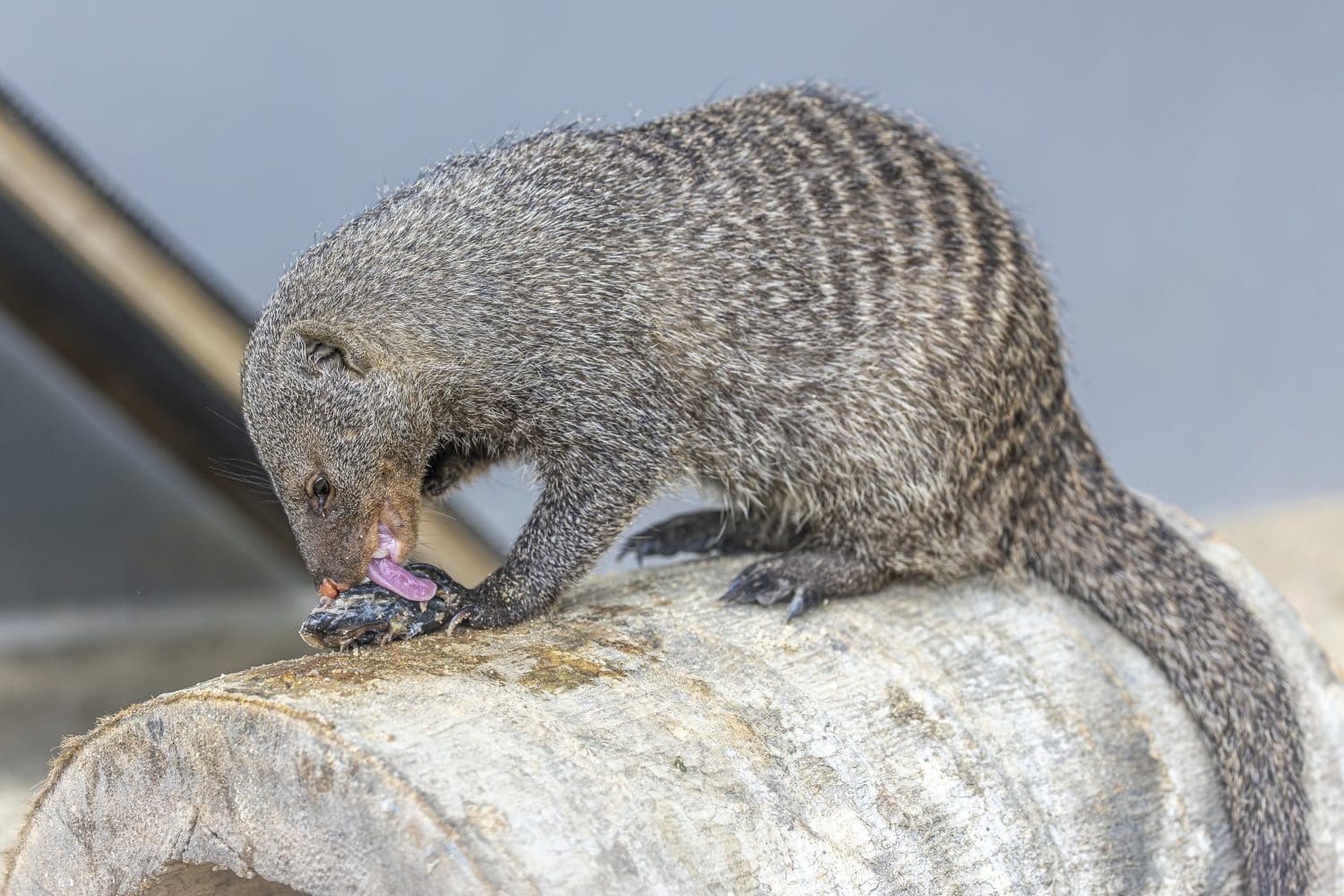
Banded mongooses incite millipedes to release toxic secretions, which they spread on their fur to deter pests and signal to rivals.
©Danny Ye/Shutterstock.com
If a banded mongoose comes across a millipede, it often engages in a strange, toxic strategy. First, the mongoose attacks the millipede, throwing it in the air and rolling over it repeatedly. This prompts the millipede to release toxic secretions consisting of benzoquinones, organic acids, and hydrogen cyanide. Once the fluid is released, the mongoose will rub the secretions across its belly, neck, and chest.
This may seem like a strange practice, but it actually serves several important purposes. Banded mongooses live in areas with large numbers of fleas and ticks. These millipede secretions act as an organic pest and parasite repellent. Remarkably, these chemical baths also function as forms of communication. Not only do they broadcast activity to troop members, but the combination of mongoose gland secretions and noxious chemicals gives these creatures an extra boost when it comes to signaling fitness and dominance to rivals.
This dangerous behavior is a trade-off, to be sure, but it also suggests that banded mongooses have an understanding of delayed gratification and tool usage. It is as if these creatures understand that a temporary, if uncomfortable, chemical bath is worth the long-term survival benefits.
Parallels in the Animal Kingdom
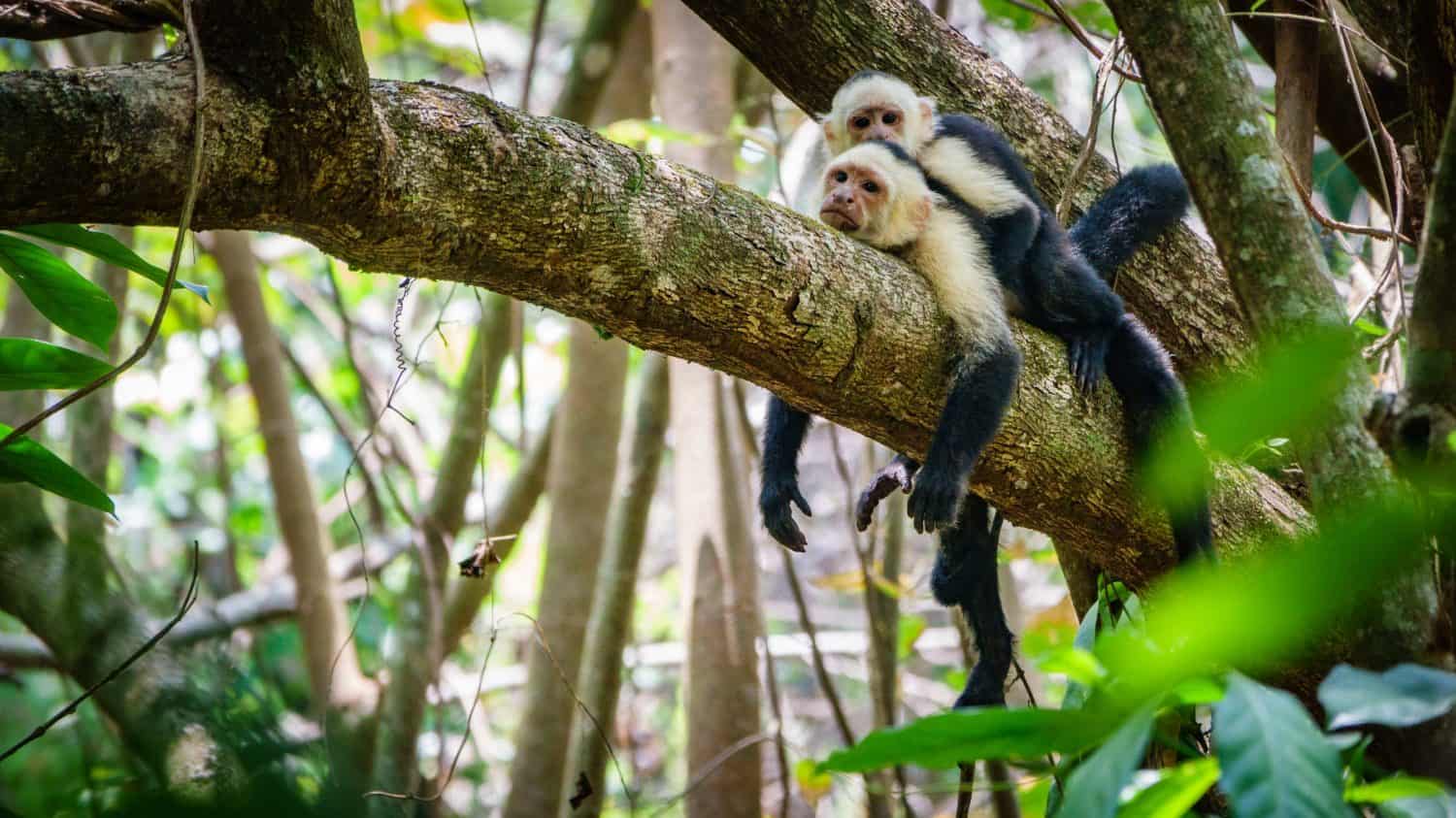
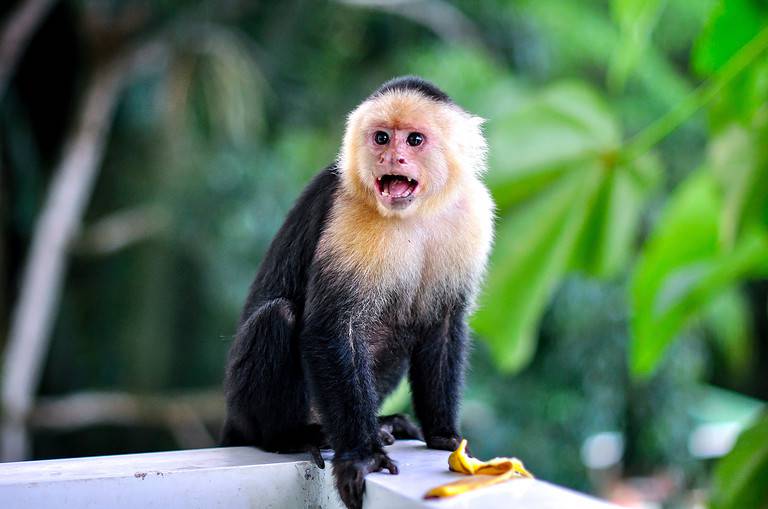
Capuchin monkeys also self-anoint with toxic millipede secretions, but they tend to share and help each other in the process.
©FCG/Shutterstock.com
Similar strategies are found across the animal kingdom. South African civets are known to engage in similar behaviors, as are red-fronted brown and black lemurs. The latter have been documented rubbing millipede secretions across their fur. This seems to produce almost an intoxicating effect, as researchers have noted the lemurs display an expression of satisfaction or bliss during the process.
Perhaps the most well-known example of similar behavior involves Capuchin monkeys. They, too, self-anoint with the secretions of toxic millipedes. They do this mostly to repel irritating parasites and pests like mosquitoes. Whereas banded mongooses use their toxic insect repellent to broadcast their dominance to rivals, capuchins are more equitable. Several monkeys often share the secretions of a single millipede. They even rub it into each other’s fur.