
Quick Take
- The same forest intervention that boosts wildlife populations can quietly devastate one group of species, and the reason has everything to do with light. How light shapes spider diversity →
- More spiders in a forest patch doesn't mean the forest is healthier, and that distinction matters more than you'd think. Abundance vs. diversity explained →
- Spiders do something to forest ecosystems that goes far beyond catching flies, and losing the right species could unravel more than just the web. Spiders' broader ecological role →
- A forest that looks 'messy' is winning by design, though there is one biodiversity metric where messy forests fall surprisingly short. Where messy forests fall short →
In Germany, conservationists, land managers, and scientists are engaging in a bold experiment to protect biodiversity. Instead of growing timberland in a uniform carpet of trees alike in age, they’ve begun cutting patches from the forest and leaving deadwood behind, hoping to allow more sunlight to reach the surface and create novel habitats for diverse species. It’s a bright spot in conservation science–research has shown this method is effective. But a new study has discovered one group of species that suffer from these disturbances: spiders.
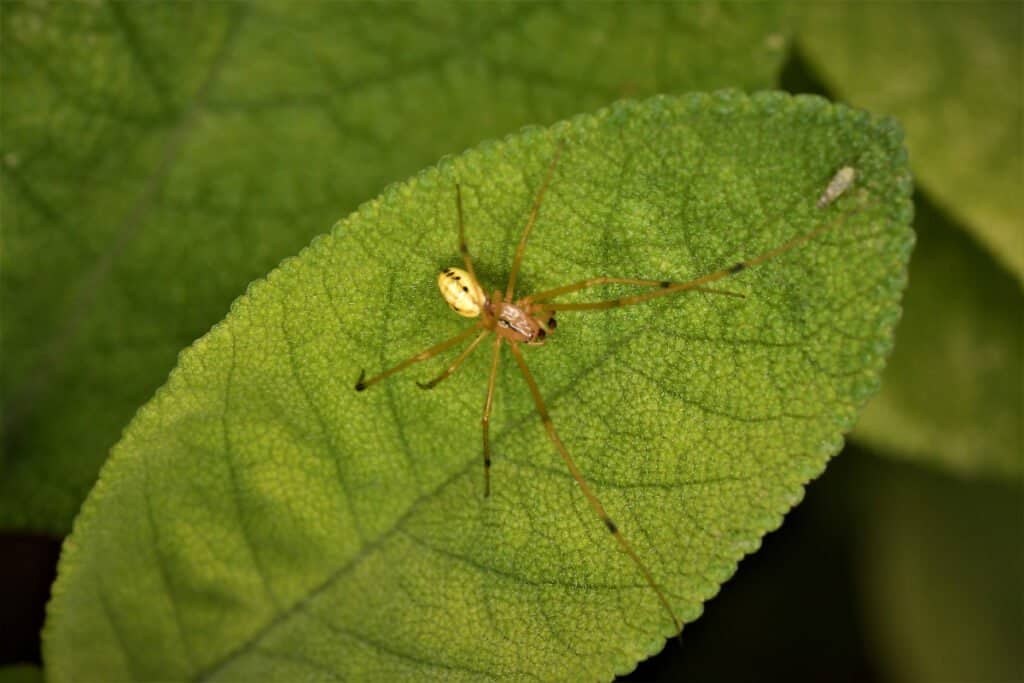
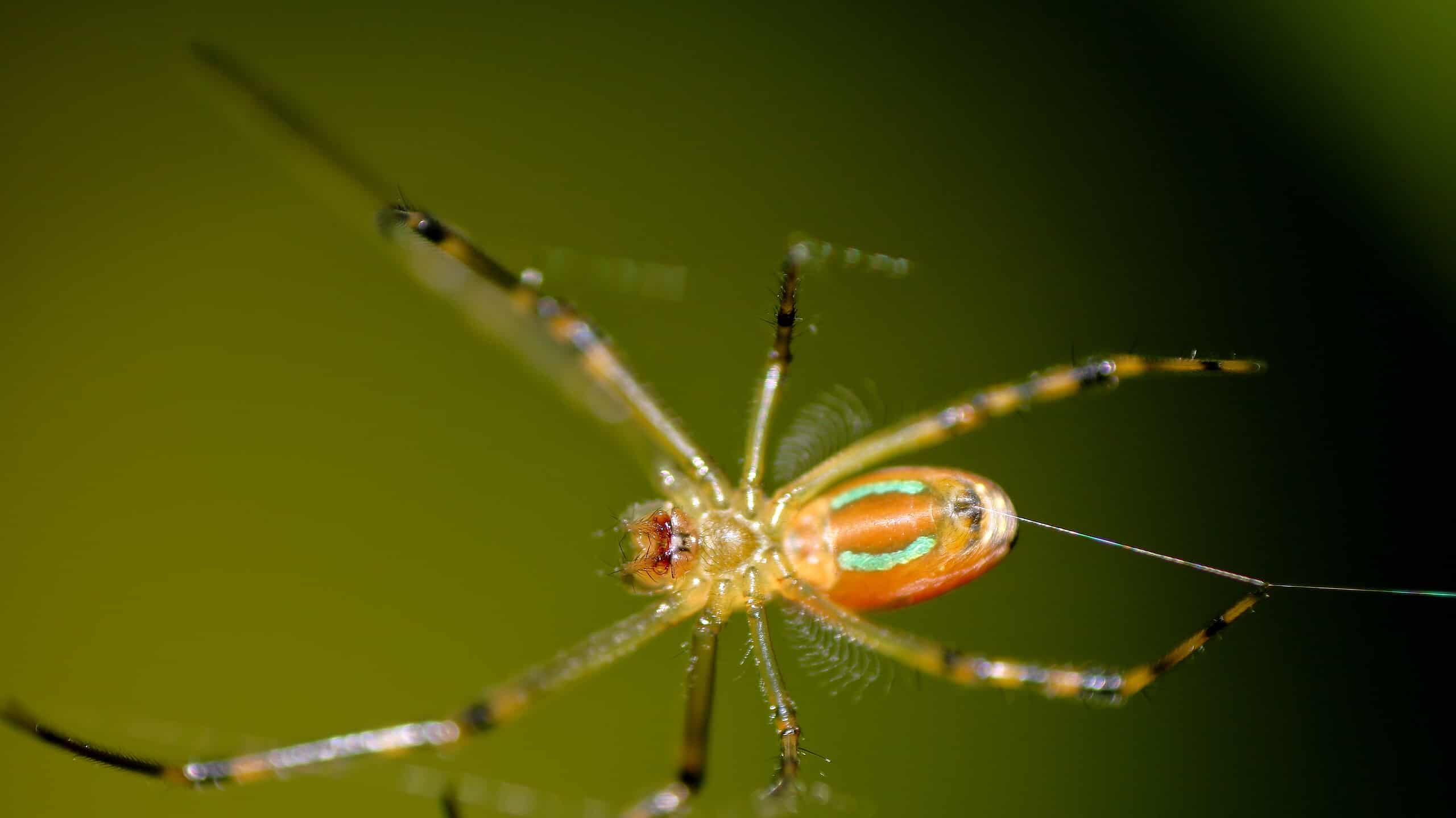
The common candy-striped spider can be found in European forests.
©iStock.com/Ines Carrara
Why A Dark Forest Promotes Spider Diversity
For spiders, a closed-canopy forest offers abundant ecological niches and hunting opportunities. Wolf spiders and jumping spiders run and chase their prey through the forest floor; ground sac spiders build web-lined tunnels in the soil and amidst the leaf litter. Orb-weaving spiders build silky, sticky webs to catch flying insects in the understory and between tree limbs. Canopy hunting spiders, like certain species of crab spider, disguise themselves among the leaves to ambush prey. In this way, dense, uninterrupted forest can host a dense diversity of spider species.
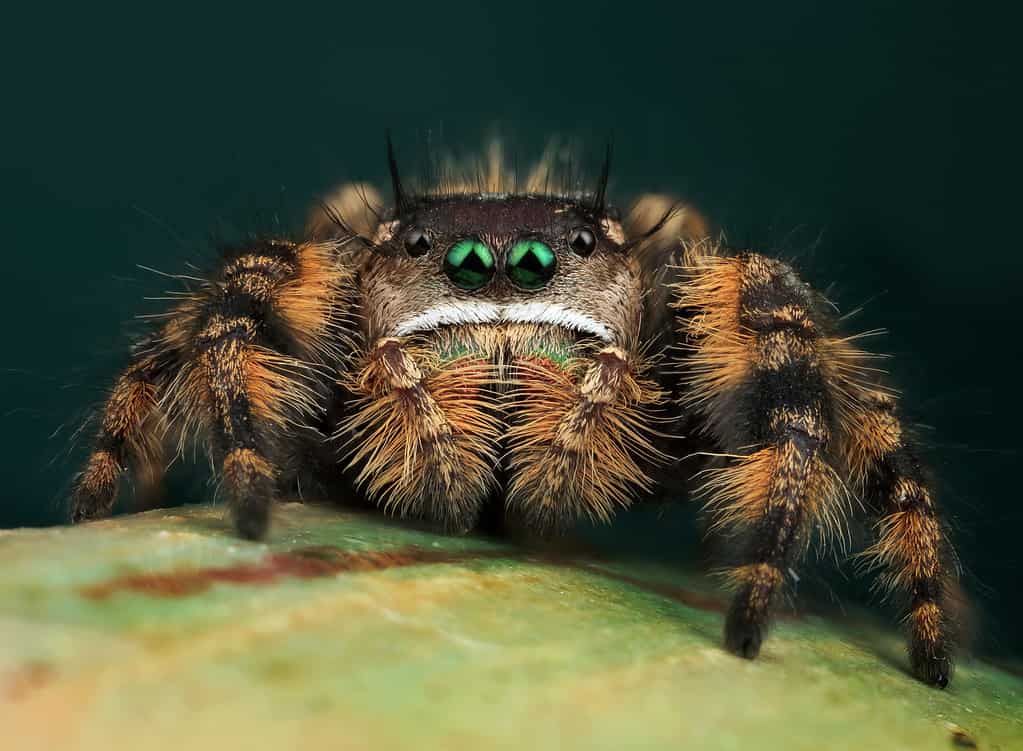
Canopy jumping spiders (Phidippus otiosus) like this one are specialized for hunting near the tops of trees.
The study, led by Jean-Léonard Stör and Julia Rothacher at the University of Würzburg, looked at 11 sites in German forests. Researchers compared treatment sites, which had been altered by various combinations of stumps, logs, or standing dead trees, to control sites, which featured dense woodland. A total of 234 pitfall traps were deployed across the sites, and when the survey was complete, 18,000 individual spiders had been collected across 206 different species, representing 1/5th of Germany’s spider diversity.
Spiders help maintain forest health by regulating the population of insects, especially planthoppers and moths, which pose a particular threat to trees. Spiders can even affect the rate at which leaf litter decomposes into soil by preying on decomposers (or by preying on the predators of those decomposers). By hunting insects like mosquitoes or ticks that have the potential to spread pathogens, a healthy spider population can slow the spread of disease. Spiders are important prey for birds, bats, reptiles, amphibians, and other animals. Their webs are even used by some birds in nestbuilding.
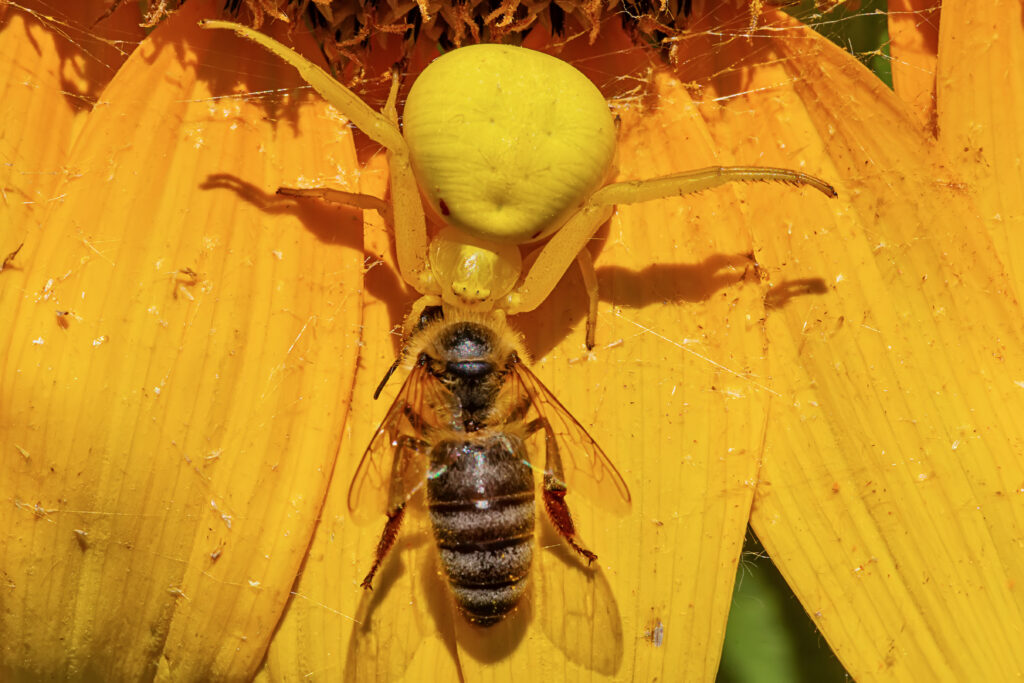
Flower crab spiders (genus Misumena) benefit from openings in the canopy because they hunt on flowering plants that thrive in direct sunlight.
©Nenad Nedomacki/Shutterstock.com
The study found that untreated patches, which were used as controls in the experiment, had the highest spider biodiversity because of the great number of ecological niches available to spiders in dense forest. Interestingly, the patches with more tree clearance had the highest spider populations, but less species diversity. Sunlight propagating to the forest floor promotes the growth of grasses and flowering plants, which attract butterflies and pollinators. This gives spiders that hunt by ambush or by chasing, such as crab spiders or wolf spiders, an advantage. On the other hand, spiders that use webs to catch prey may be at a disadvantage.
The Benefits of Making Forests “Messy”
Over half of the forests in the Northern Hemisphere are actively managed, for reasons such as fire control, erosion prevention, and of course, timber production. Though growing only a few species of tree in close proximity to one another across the landscape might make for an easy-to-harvest crop of trees, it doesn’t promote biodiversity. By leaving stumps and dead wood on the forest floor, leaving standing trees, and cutting patches instead of clearcutting, land managers can build a heterogeneous landscape that creates niches for a wide variety of species.

About 75% of Europe’s forests are even-aged stands available for timber harvest.
©ronstik/Shutterstock.com
Messy patches of forest allow more understory plant species to grow and have been shown to promote bird, bee, and hoverfly diversity. As we learn more about how interventions affect biodiversity in forests, land managers and communities are better able to make the kinds of plans that promote healthy forests: after all, a more biodiverse forest is a more resilient and productive one.
For spider biodiversity in particular, these findings might be good news. Though interventions that promote a variety of niches in managed forests are popular and have helped protect rare and endangered species, dense growth with closed canopy is a classic characteristic of forests in Europe and beyond.