
Quick Take
- Capuchin monkeys visibly get intoxicated during the process, and that is not even the strangest part of what is happening. See the intoxication signs →
- The chemical these monkeys seek out is both toxic and carcinogenic, yet they actively pursue it anyway. Explore the toxic chemicals →
- Pest control may not be the only reason capuchins do this, as the behavior also reveals an unexpected social dimension. Discover the social dimension →
- Up to four monkeys may frantically compete over a single crushed millipede, and the reason why tells you a lot about how animal medicine works. Watch the millipede sharing →
Several species of monkeys have found a medicinal use for millipedes! These clever jungle pharmacists use them to deter parasites. The monkeys have discovered that certain millipedes produce powerful toxins that deter invertebrate pests. We explain how capuchin monkey self-medication works.
Capuchin Anointing Behavior
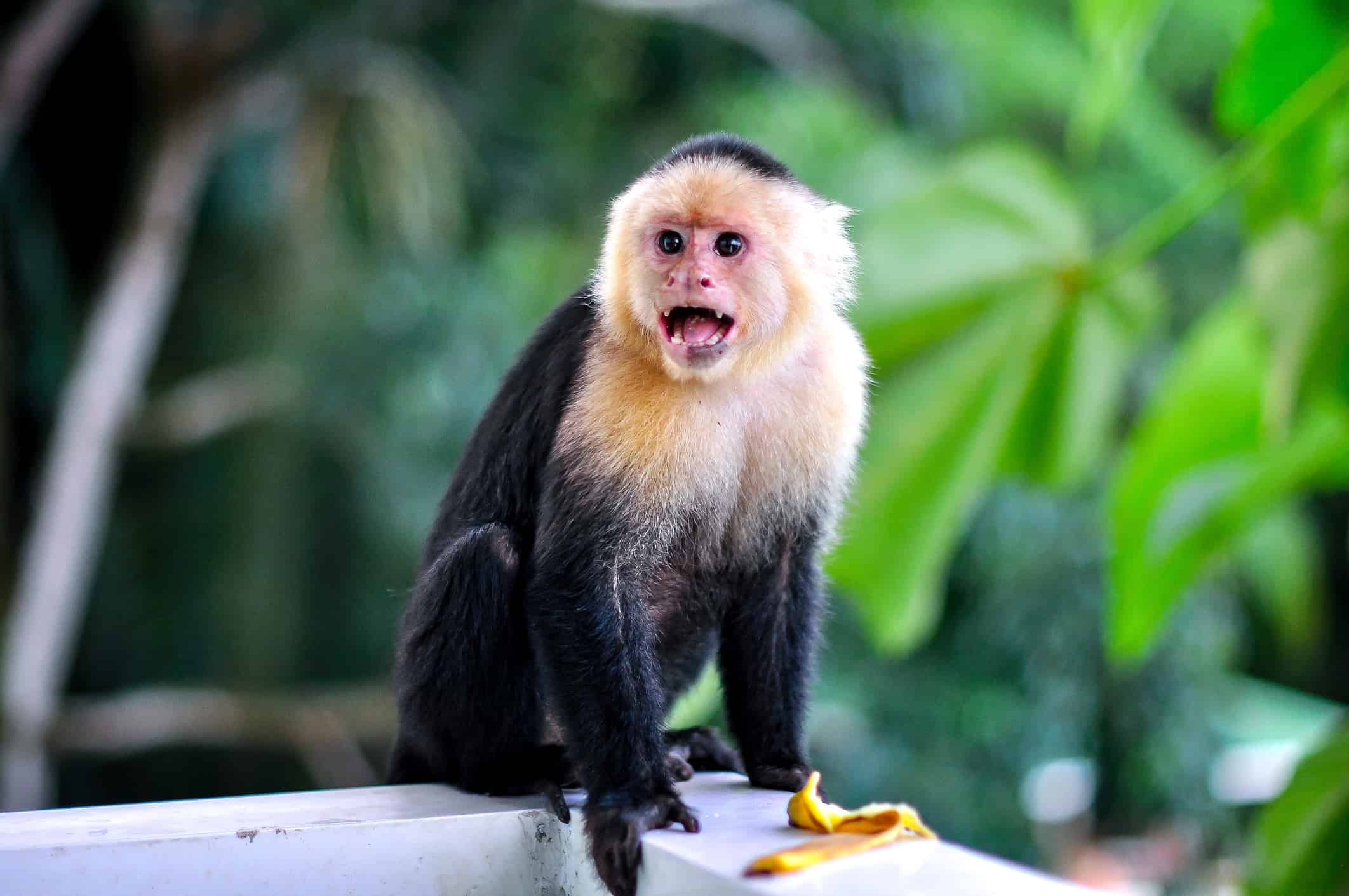
Anointing is a type of animal behavior in which animals obtain a substance and apply it to their bodies. Lots of animals do it, including fish, reptiles, birds, and mammals. Some animals use plants; others use mud, but capuchin monkeys use millipedes!
Experts have three theories for why animals anoint. It may be chemical defense against ectoparasites. It could be a method of communication, or it could strengthen social bonds. In some species, it likely fulfills more than one function.
Tearing Apart Millipedes
Capuchins may tear apart, decapitate, roll over, or bite into the millipedes. Some millipedes even survive the experience! The monkeys also ‘mouth’ the millipede; at the same time, they drool copiously, and their eyes appear to glaze over, likely indicating intoxication from the millipede’s secretions. This likely indicates that they are becoming intoxicated on the substances given off by the millipedes.
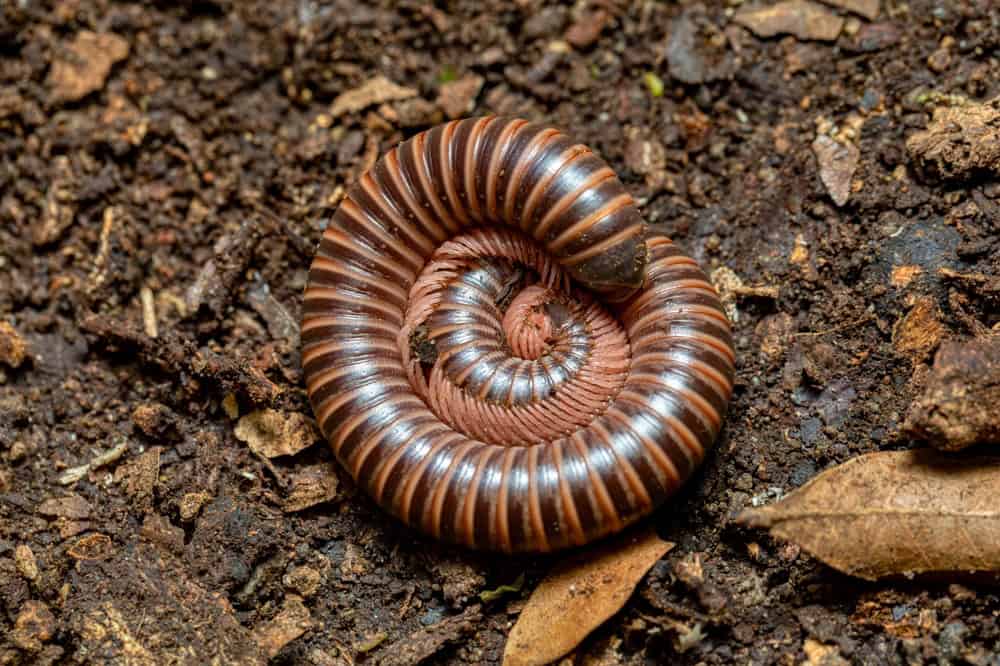
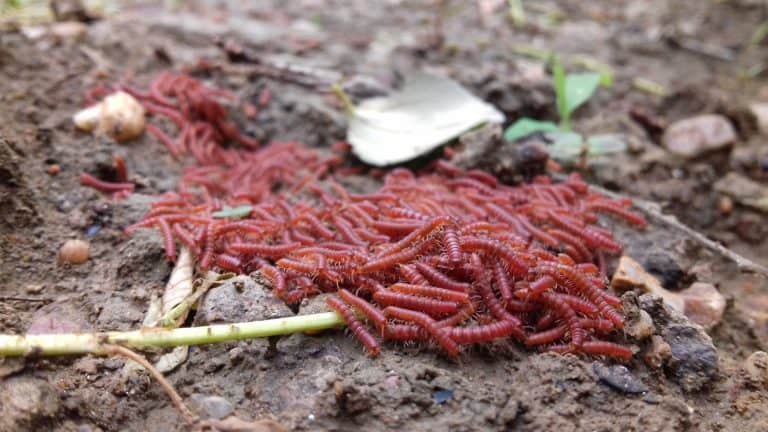
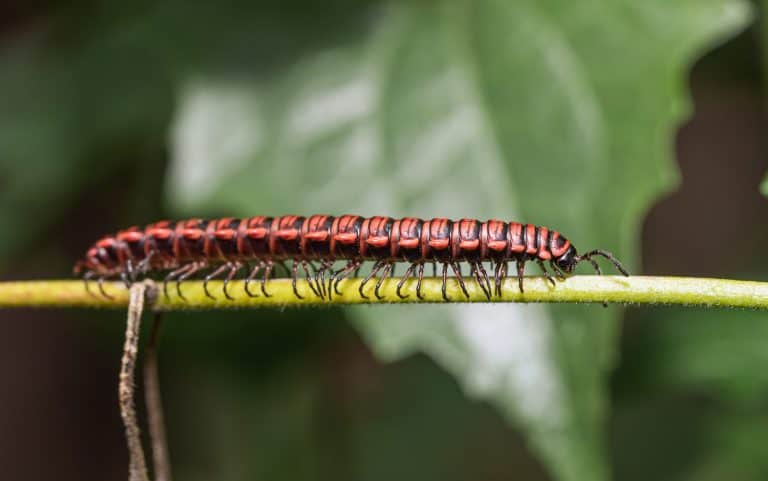
Spirobolida millipedes produce toxic substances.
©Artush/Shutterstock.com
In observational studies of capuchins, the monkeys selected Spirobolida and Spirostreptida millipedes, which are both known to secrete defensive chemical substances. The anointing process was carried out by both adults and juveniles. An anointing session lasts a few minutes but can occur several times a day. Several monkeys may share the same millipede. Capuchins that fail to secure a millipede may even rub their bodies against another monkey that has obtained one. This can result in a writhing cluster of up to four monkeys.
What Do Millipede Secretions Contain?
Millipedes produce secretions as a defense mechanism. The secretions are primarily composed of a mixture of benzoquinones and hydroquinones. These secretions are believed to deter mosquitoes and other ectoparasites. Because this behavior is seen most often during the rainy season, when mosquitoes are a threat to the monkeys, it is likely carried out to deter these insects.
However, researchers observed a sex difference in this behavior: adult males were more actively engaged in anointing bouts. This suggests that the behavior may also serve a social function. Interestingly, the behavior is not without risks. Benzoquinones are toxic and carcinogenic. However, the immediate benefits of anointment must outweigh the long-range costs for the capuchins.