
Quick Take
- Parrots experience emotional anguish on par with that of primates and toddlers.
- Parrots can live up to 50 years, which can create a risk of traumatic displacement when caregivers pass away.
- It can take days, weeks, or even months for parrots to process their grief.
- Executing a will that includes parrots will ensure they receive the care they need after a caregiver passes away.
Humans are not the only creatures that experience grief. Elephants, orcas, primates, dogs, and cats have all shown the capacity to feel emotions that come with grief. Each of these animals handles these big emotions on their own terms and timeline, just as people do, thanks to the emotional intelligence they possess.
One animal capable of grieving is the parrot. These big, beautiful birds can display grief in a range of ways, from simply being quiet to self-mutilation. Just like with humans, parrots dealing with such emotional anguish need assistance to cope with their grief.
Devastating Symptom of Parrots Grieving
A parrot plucking its feathers indicates the bird is experiencing some type of distress. Be it boredom, stress, anxiety, or even a skin allergy, there are a multitude of reasons this painful behavior begins.
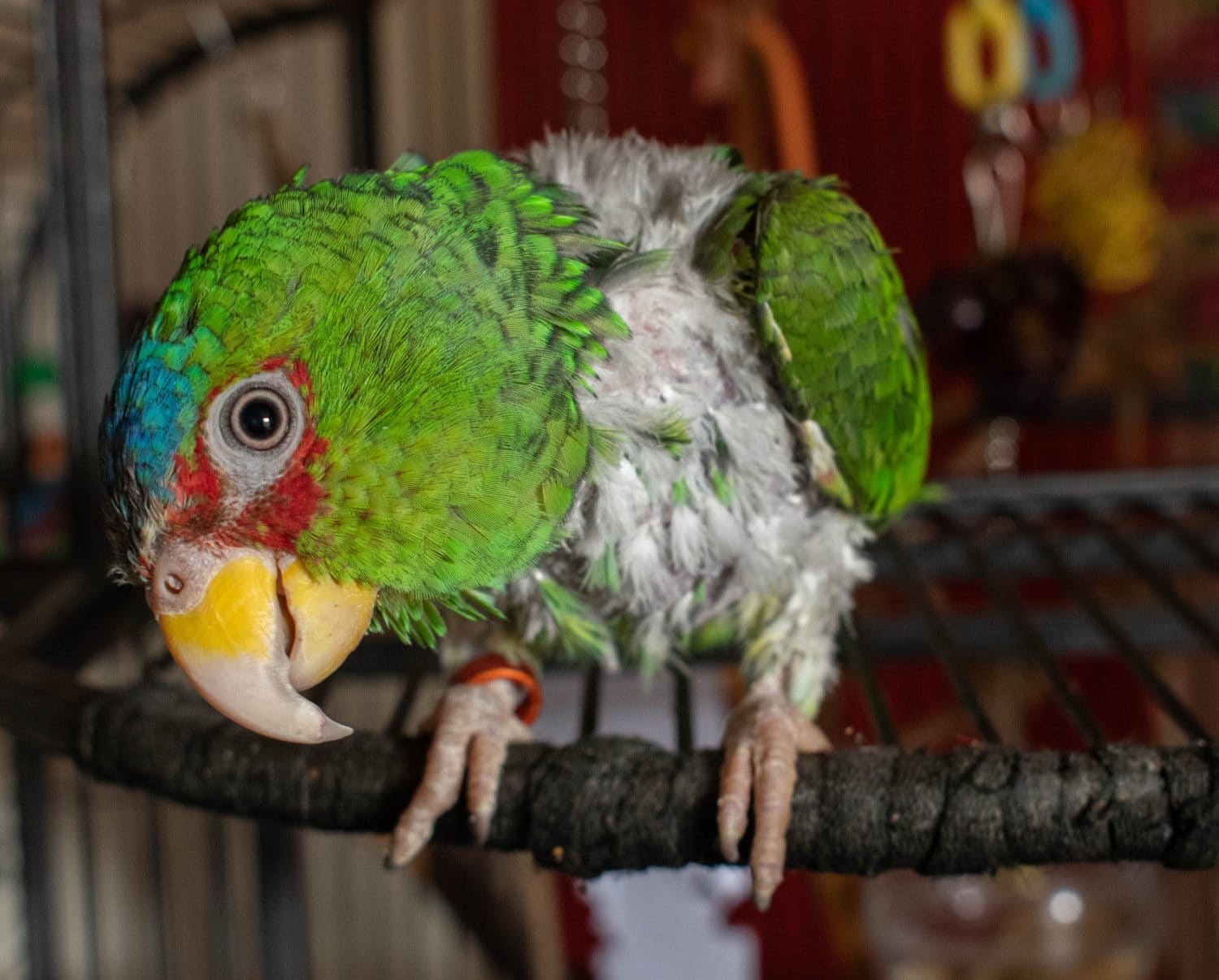
Parrots will pluck their feathers as a way to deal with grieving.
©Penelope Webb/Shutterstock.com
And one such reason is grief. As seen in a sad Instagram post, one parrot completely plucked itself bald after a caregiver passed away. If done for too long, feather plucking or picking can turn into self-mutilation. This is why, when parrots are grieving, they need comfort, care, time, and stability to process the loss of a caregiver. After all, this person not only provided basic needs for the parrot but was also a trusted member of the flock for that bird.
Are There Other Ways Parrots Express Grieving?
Parrots are emotionally intelligent animals. Because of the wide range of emotions they can understand and display, from joy to fear to jealousy to distrust, their emotional capacity is on par with that of a toddler. But unlike most toddlers, parrots do not have the ability to express their feelings verbally. Consequently, it is necessary to look for changes in behavior to understand the level of bereavement parrots are experiencing.
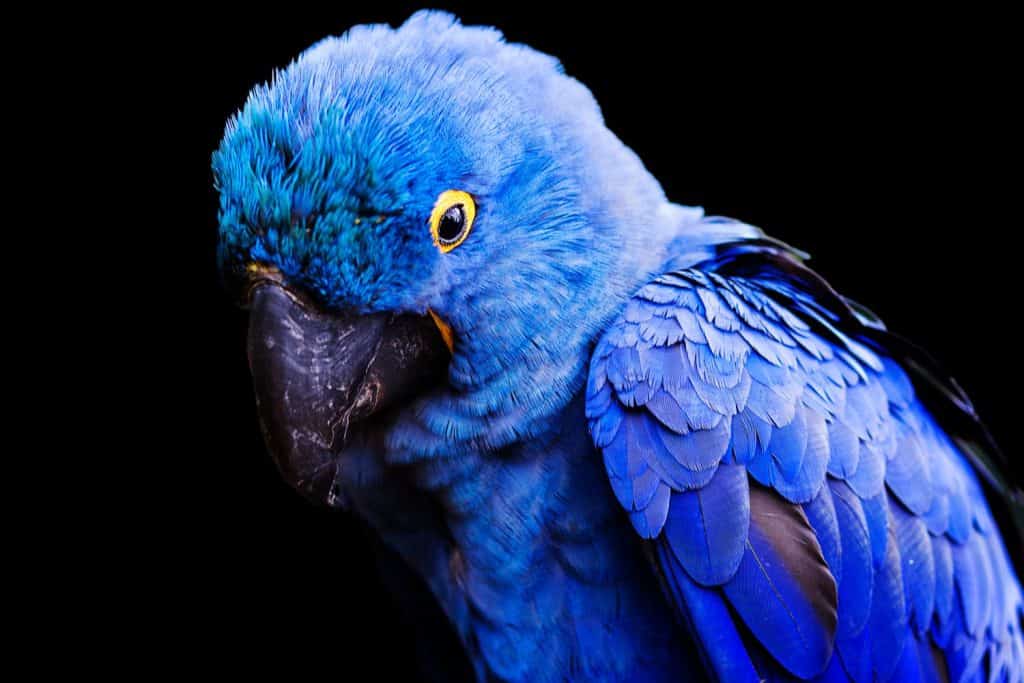
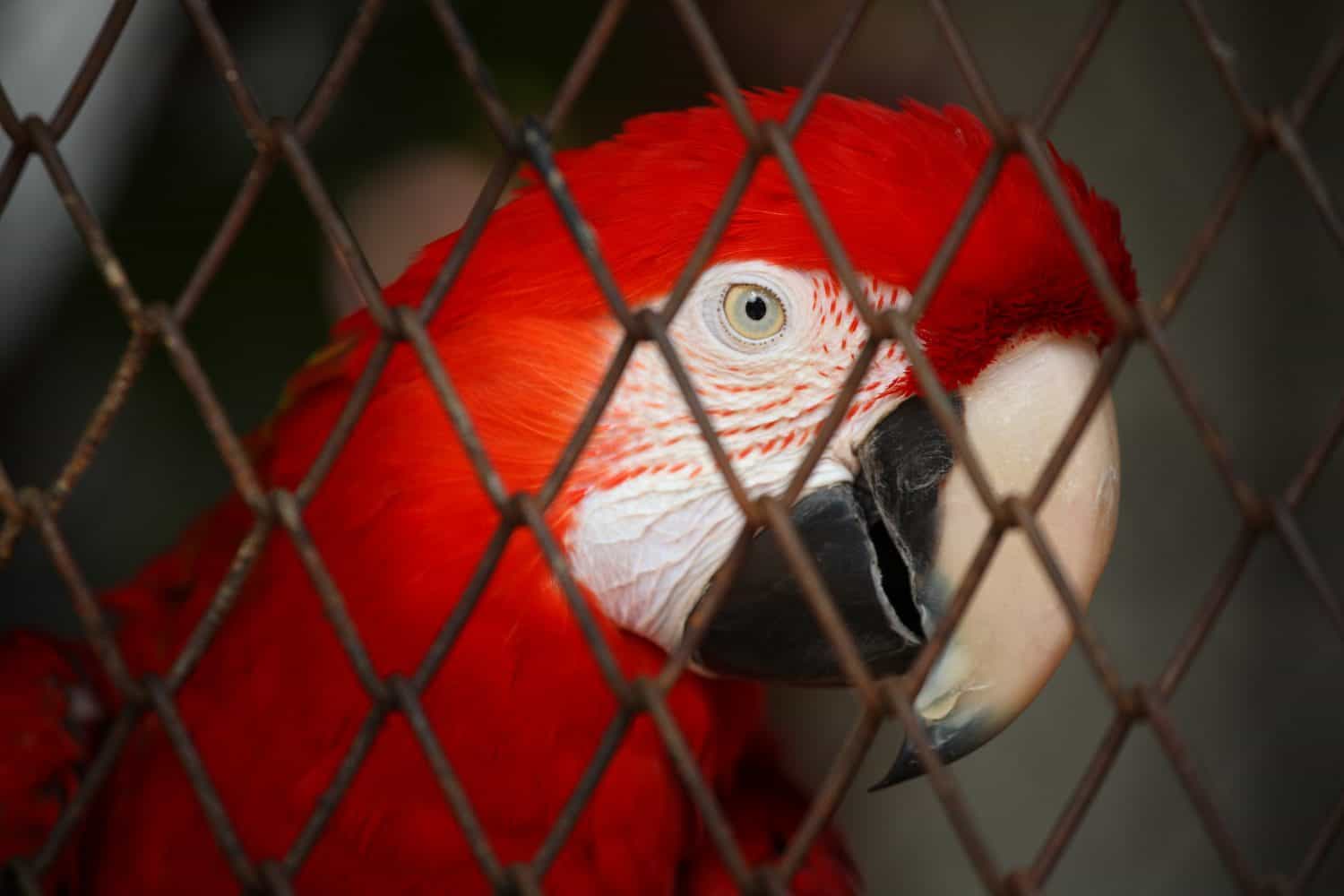
Parrots may stop eating, talking, or want to isolate when they are grieving.
©vyasphoto/Shutterstock.com
In addition to feather plucking, signs that parrots are experiencing grief include:
- Lack of singing and/or talking
- Long periods of sitting on a perch or other signs of lethargy
- Isolation from others
- Changes in preening behavior
- Lack of appetite
The bond that parrots form with their caregivers should not be underestimated. Not only do parrot parents provide food and shelter, but also social and emotional interactions. While it will take time for parrots to come to terms with their loss, most parrots have the potential to form strong bonds with new caregivers in the future.
Parrots’ Intelligence Helps Them Bond with Their Owners
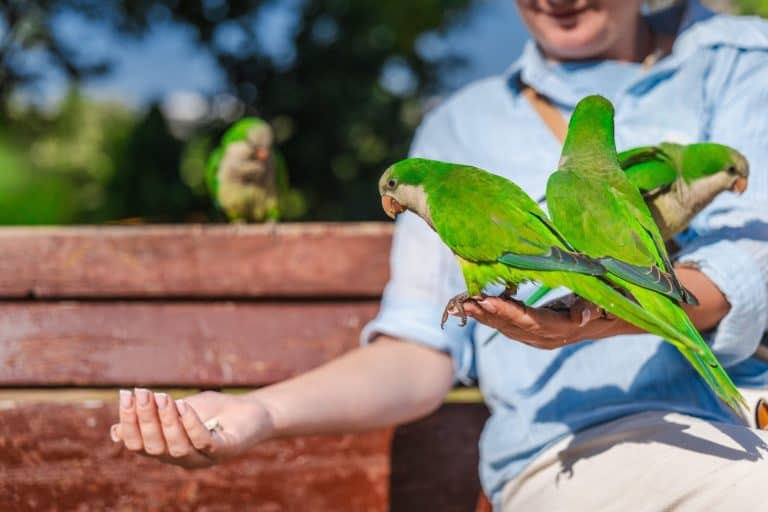
Parrots are social animals. In the wild, they seek mates as well as a social group to interact and play with. When they are pets, these social needs do not disappear. Instead, they are transferred to their caregivers, with whom they will form a strong bond if cared for properly.
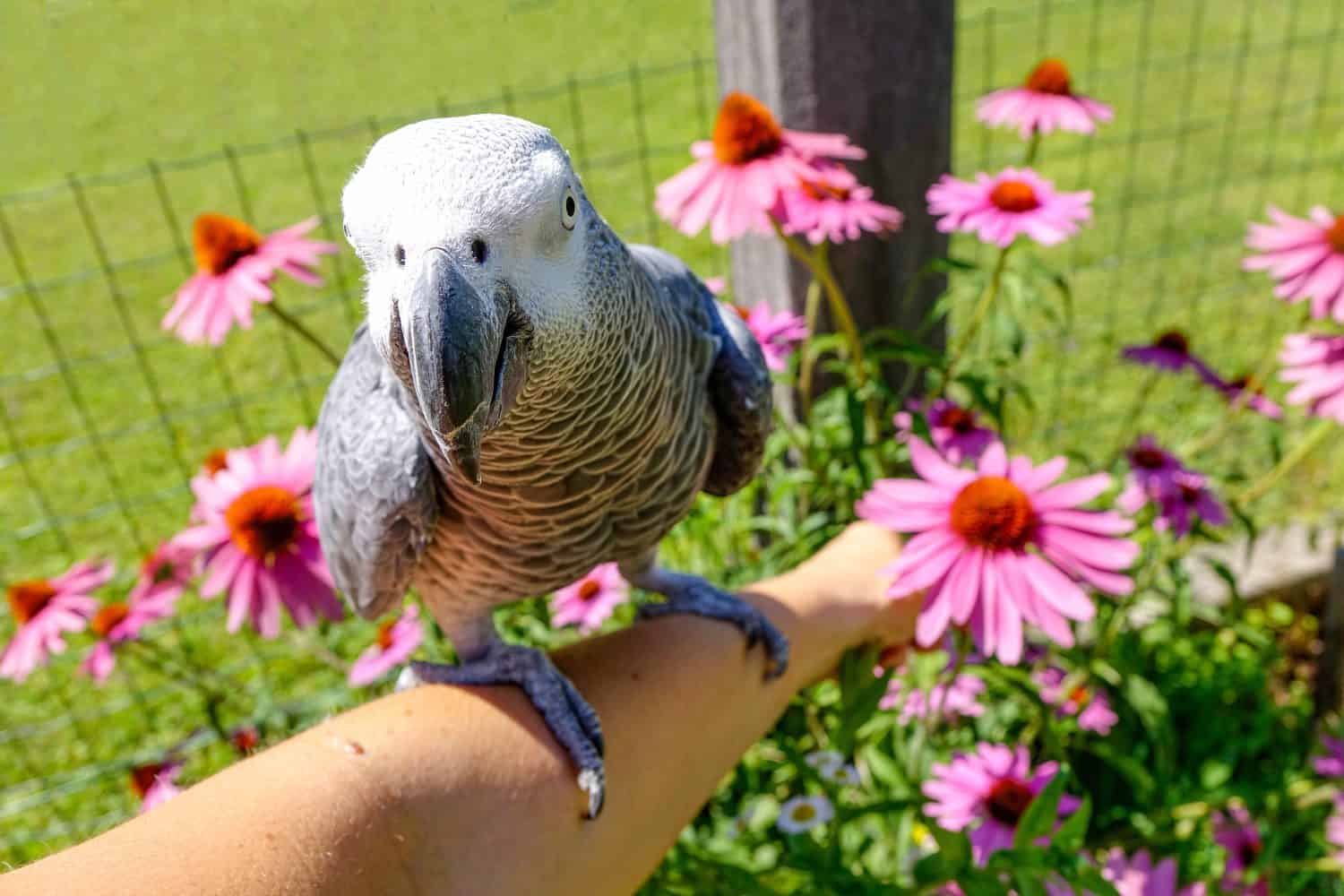
Parrots have emotional intelligence on par with that of primates and toddlers.
©Flystock/Shutterstock.com
While beautiful to look at, parrots are more than just aesthetically pleasing pets. These birds have significant mental and emotional intelligence, on par with that of primates and toddlers. This high intelligence helps parrots to:
- Learn language
- Have a long-term memory
- Understand spatial awareness
- Develop mimicry
This same mental and emotional intelligence helps parrots bond with humans. Parrots can read their caregivers’ emotions, understand body language, and even detect changes in tone of voice. They can even exhibit selfless behavior toward their owners.
When parrot parents lean into this intelligence, spend time with their parrots, build trust, and make them a part of the family, parrots thrive. Their lives are more enriched, they are healthier, and they are overall more fulfilled, even if they lack the companionship of another bird.
How Long Do Parrots Grieve?
Just as with people, the period of time that parrots will grieve depends on the bird. Multiple factors come into play, such as how long they lived with their owner before the owner passed away, how bonded they were to that person, and whether the person’s passing was a traumatic event for the parrot. Like with people, there is no way to force a parrot to snap out of its grieving. It is something they have to process at their own pace.
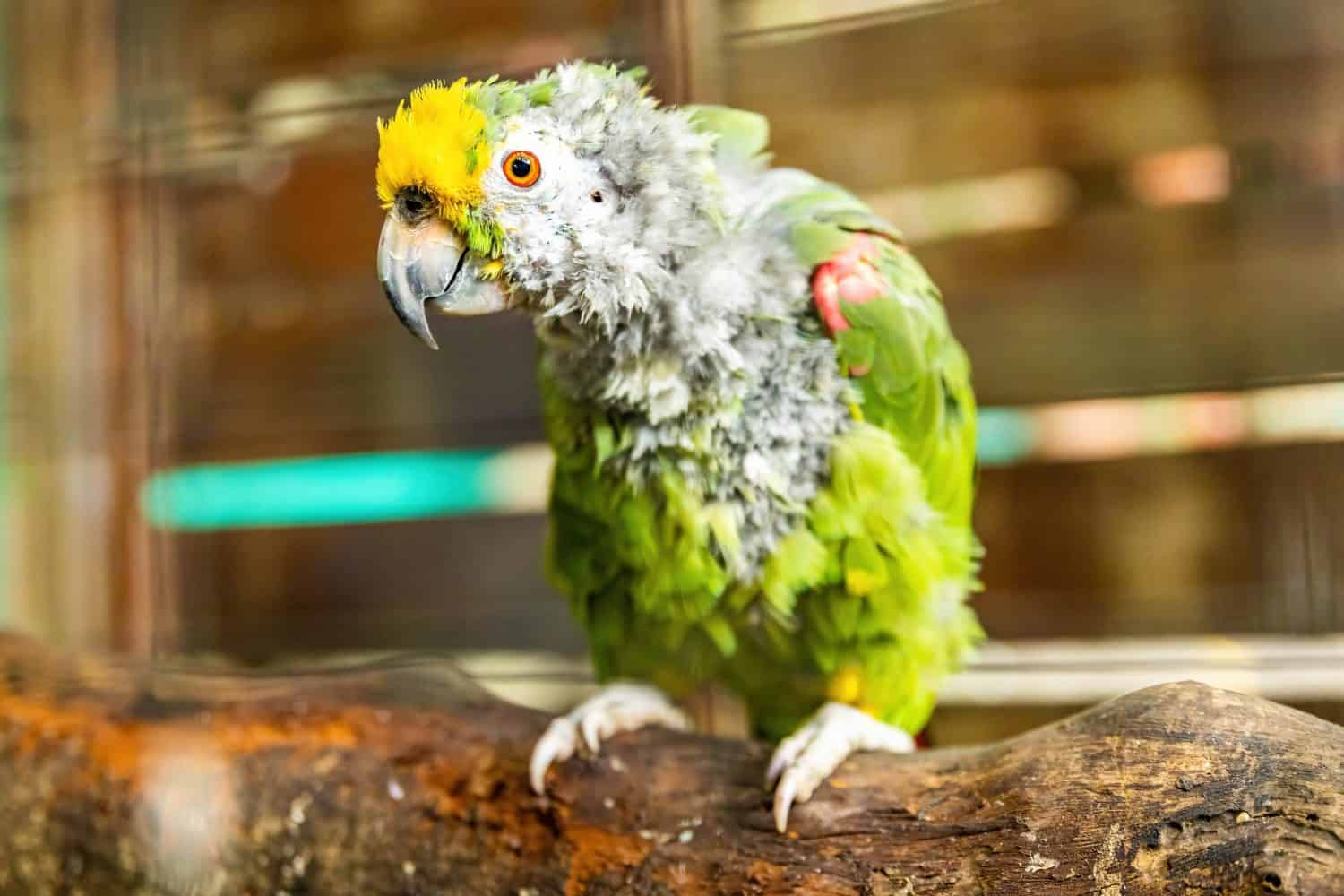
Parrots may grieve for days, weeks, or even months after the loss of a caregiver.
©Photo Spirit/Shutterstock.com
Parrots can take several days, a few weeks, or even months to come to terms with losing a loved one. Not all parrots will show grief in the same way during this time, either. New guardians should ensure the parrot is getting plenty of attention at a pace that is comfortable for the parrot. If a grieving parrot has stopped eating, it is best to consult a vet.
How To Support a Grieving Parrot
During the window of grief, parrots will need emotional support so they can process in a healthy way, rather than engaging in destructive behaviors like feather plucking.
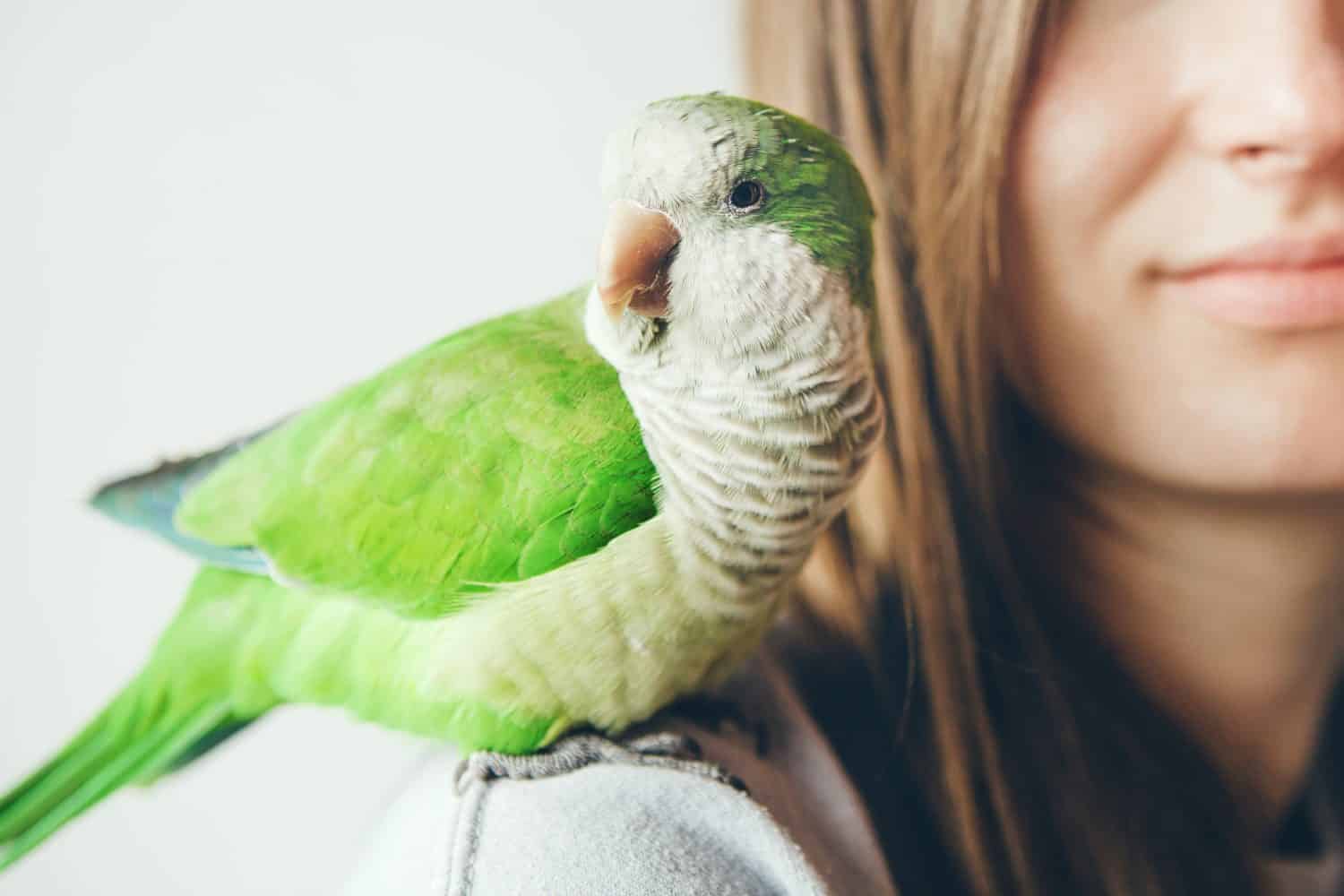
Parrots will need extra attention and low-stress environments after the loss of a caregiver.
©Veera/Shutterstock.com
Some ways that new parrot guardians can support a grieving parrot include:
- Making a routine and sticking to it so that parrots know what to expect daily
- Spend extra time with the parrot
- Keep loud noises and other stressors to a minimum
- Ensure the parrot is getting a balanced diet
- Create an environment geared towards play and exploration
- Encourage parrots to talk and make noise if they have gone silent
It should be noted that some parrots may act out while grieving. If this is the case, the behavior should not be encouraged, but the parrot should not be punished either.
Why Should Parrots Be Put in a Will?
It may sound strange to include a parrot in a will. But given the number of parrots that wind up at rescues after their beloved owner dies, having a plan is a must for those who know they will outlive their parrots.
Owning a parrot is a lifetime commitment. With well-cared for, captive parrots easily living 40 to 50 years, young birds adopted by middle-aged people could very likely outlive their caregivers. Because parrots can experience intense bonds with their owners, it is smart and compassionate to ensure pet parrots will end up in a loving, supportive home after owner death.
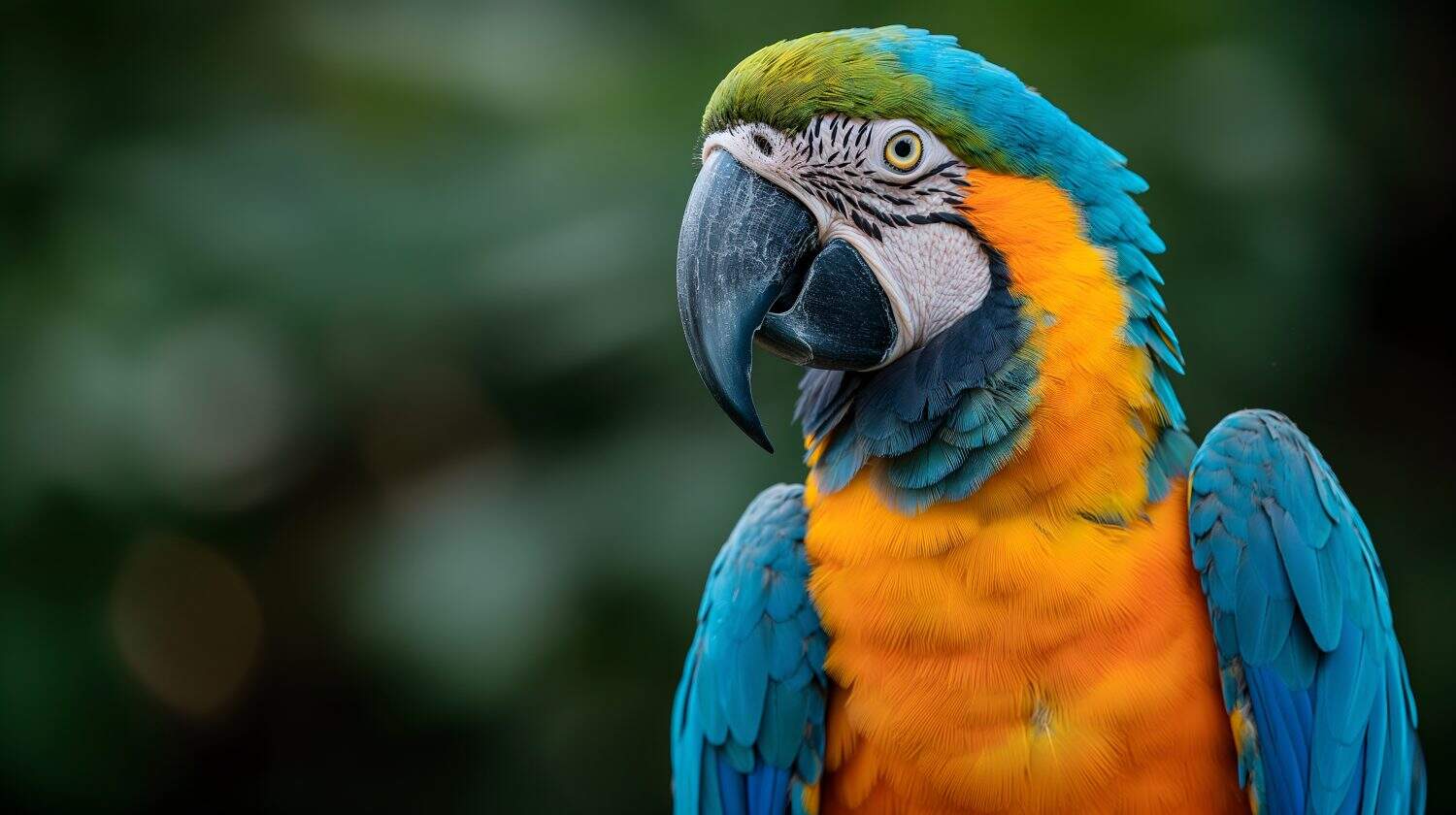
Those who know their parrots will outlive them should include their exotic birds in a will, outlining who will care for them after the original caregiver passes away.
©Bokor Marketing/Shutterstock.com
The easiest way to ensure a parrot is cared for after an owner dies is to include it in a will. This way, family members of the deceased are not placed in the position of having to rehome their loved one’s bird. If an established home and caregiver are named in the will, the transition process for the parrot will be a lot smoother. The goal is to choose a new owner who is young enough to outlive the parrot, so the bird does not have to grieve more than one owner in its lifetime.
Ensuring a parrot is cared for after death is a must for parrot parents. While there is no way to stop the parrot from grieving, if they are moved into a stable environment where they are loved and cared for, it can reduce the period of sadness. Additionally, physical signs of grieving, such as feather plucking, may be mitigated as the parrot builds new bonds and understands that it will be safe and cared for, even with its favorite person no longer around.