
Quick Take
- While many of the healthiest cat breeds can live into their late teens or early twenties, they still require proactive care like weight management and regular veterinary screenings.
- Naturally evolved breeds, such as the Siberian forest cat and Russian Blue, generally have greater genetic resilience and fewer hereditary health issues.
- A cat’s longevity is often influenced by its environment and emotional well-being, particularly in breeds prone to stress-induced problems like the Siamese and Havana Brown.
While all cats are said to have nine lives, some breeds are naturally hardier than others. Breeds shaped by natural evolution rather than human intervention often have a greater genetic resilience. However, longevity isn’t just about birthright; it also depends on proactive care, weight management, and regular veterinary check-ups.
From ancient legends to resilient natural hunters, these are the cat breeds that have stood the test of time.
1. Siamese
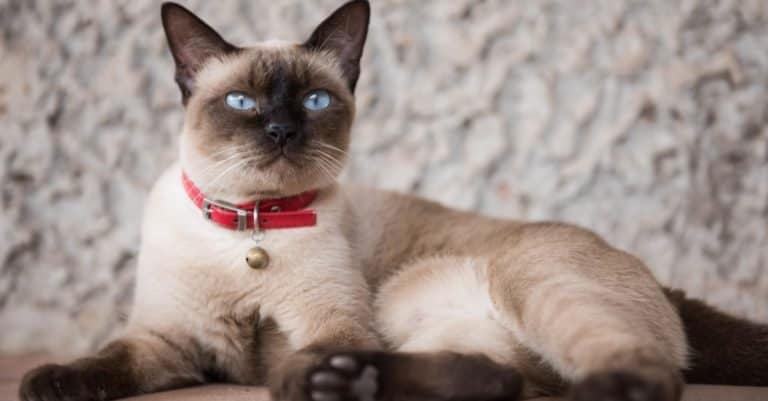
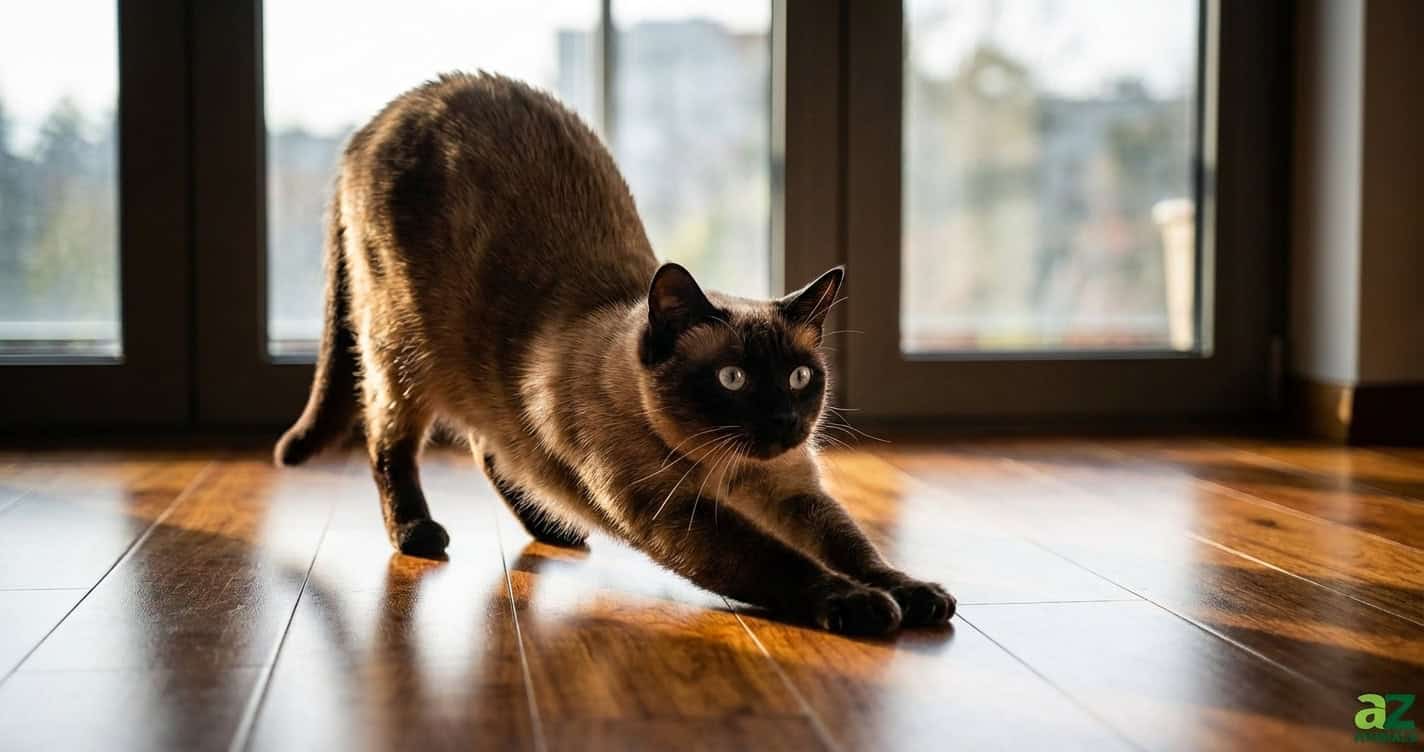
An ancient and iconic breed, the Siamese is much more than just a pretty face; these felines are exceptionally social, vocal, and deeply connected to their humans. Known for their active nature, they often enjoy interactive games like fetch or even walking on a leash. They are remarkably long-lived — often reaching their 20s — and are one of the healthiest cat breeds in the world.
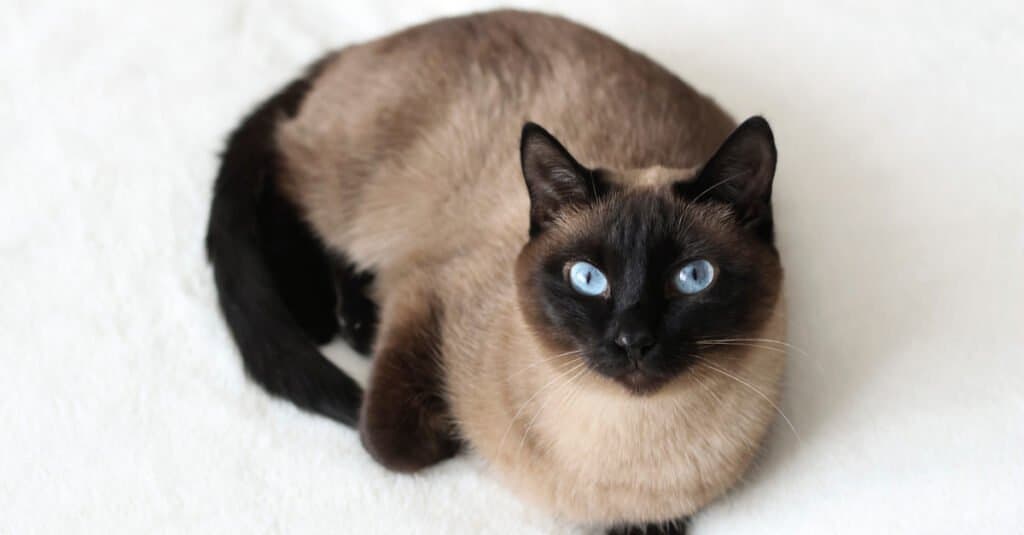
Siamese cats are active and playful cats.
©Linalyan/Shutterstock.com
However, their long history of pedigree breeding also makes them prone to dental disease, feline asthma, and pica (the consumption of non-food items). To keep a Siamese healthy, caregivers should provide a clean, dust-free home and stay consistent with dental hygiene.
2. Balinese
Often described as a long-haired Siamese, the Balinese was officially established in the 1940s. While they share the Siamese’s talkative nature, their voices are generally softer and more melodic. Balinese cats are known for their impressive longevity, often living between 15 and 20 years.
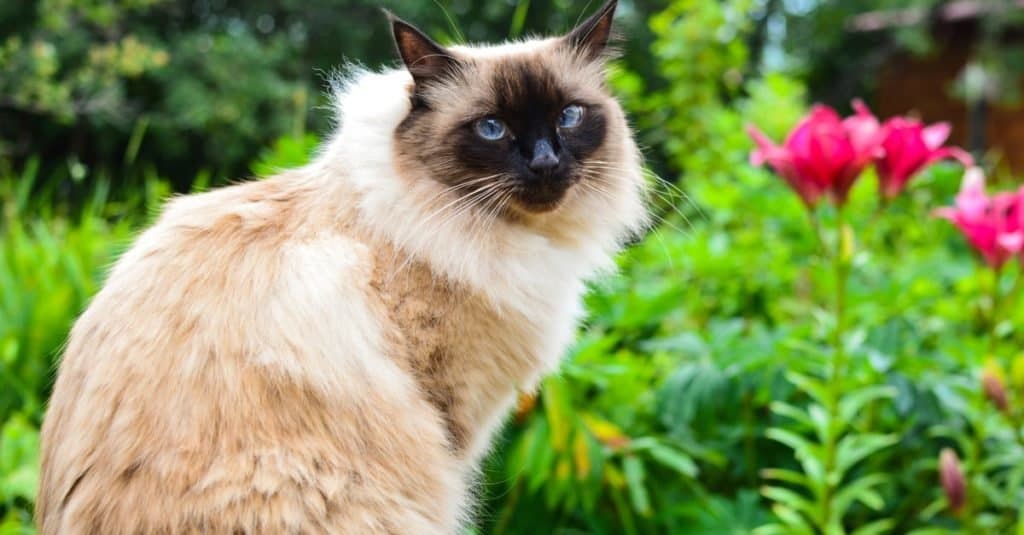
Balinese cats are named for their graceful movements, which mirror those of traditional Balinese dancers.
©Fazlyeva Kamilla/Shutterstock.com
While the breed is generally robust and healthy, progressive retinal atrophy (PRA) can affect their eyesight over time. The breed is also predisposed to heart issues and the liver condition, amyloidosis. Regular medical screenings can help manage these genetic predispositions.
3. LaPerm
The LaPerm stands out for its distinctively curly coat, which first appeared as a natural genetic mutation on an Oregon farm in the 1980s. Descended from hardy barn cats, these felines enjoy excellent genetic health and a bold, inquisitive personality. They are remarkably long-lived, with most living 12 to 15 years and some reaching their late teens.
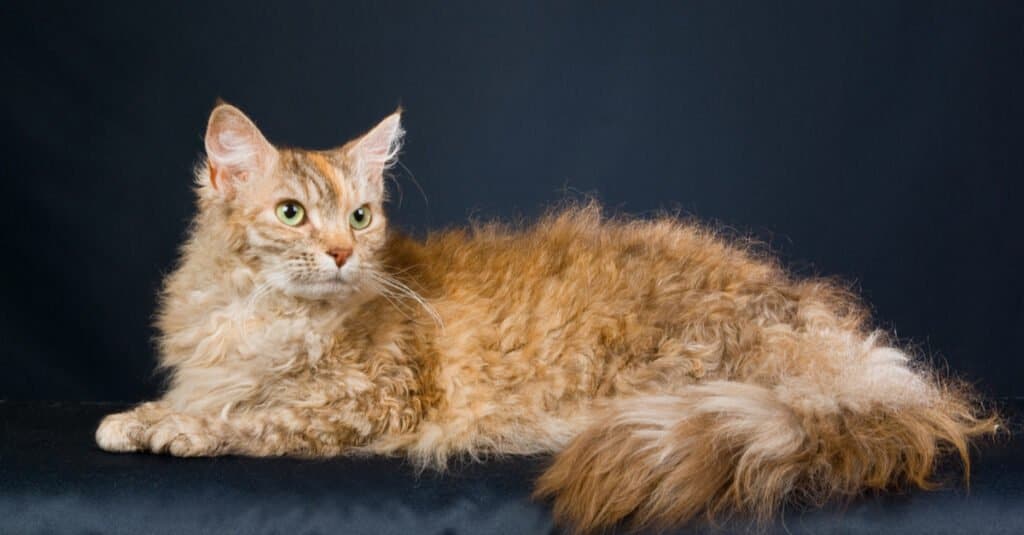
The LaPerm is affectionate and patient, but generally prefers exploring over sitting quietly in a lap.
©Linn Currie/Shutterstock.com
LaPerms are free from major hereditary diseases but lack a heavy undercoat, which makes them sensitive to cold. Kittens may also go through “molting” periods and need protection from sunburn if they spend much time in direct sunlight.
4. Bombay
Commonly called the “parlor panther,” the Bombay is a muscular hybrid of the Burmese and American Shorthair. These cats are sleek, high-energy, and hardy. Bombays can live up to 20 years, though their “cobby” body type makes them especially prone to obesity.
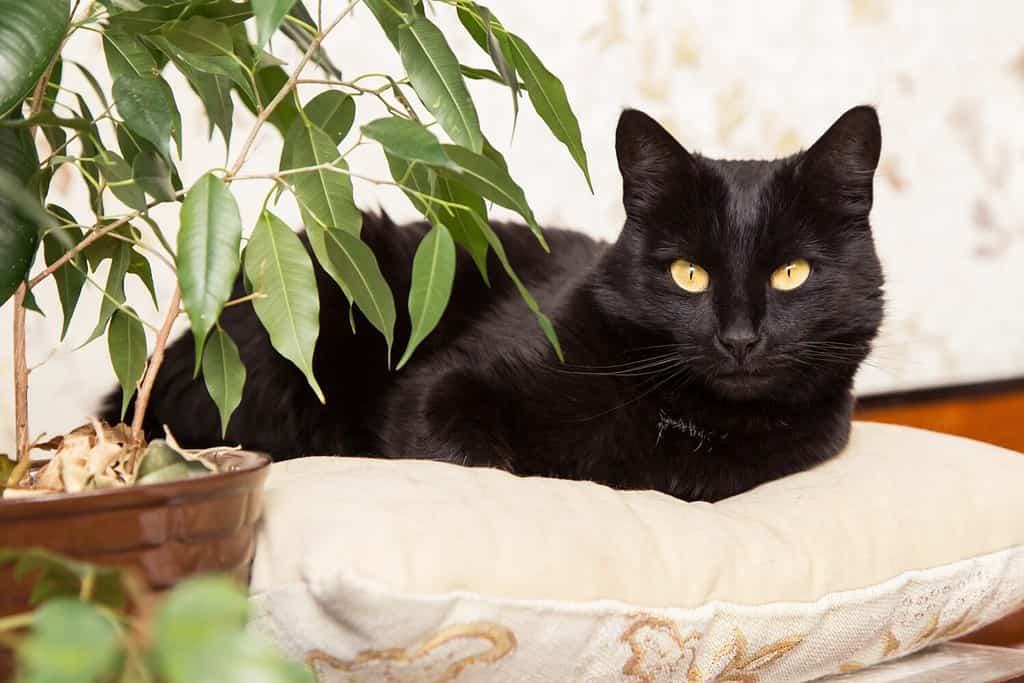
Extra weight can lead to joint strain or feline diabetes in a Bombay.
©Viktor Sergeevich/Shutterstock.com
Due to their Burmese ancestry, Bombays should be monitored for hypertrophic cardiomyopathy (HCM). Additionally, their flatter facial structure can occasionally lead to respiratory problems and tear duct issues.
5. American Shorthair
With a storied history as “working cats” on colonial ships, American Shorthairs possess rugged constitutions and adaptable natures. They are notoriously stoic and good at hiding health concerns, often living for 15 to 20 years. However, this means caregivers must be especially vigilant for signs of pain or illness.
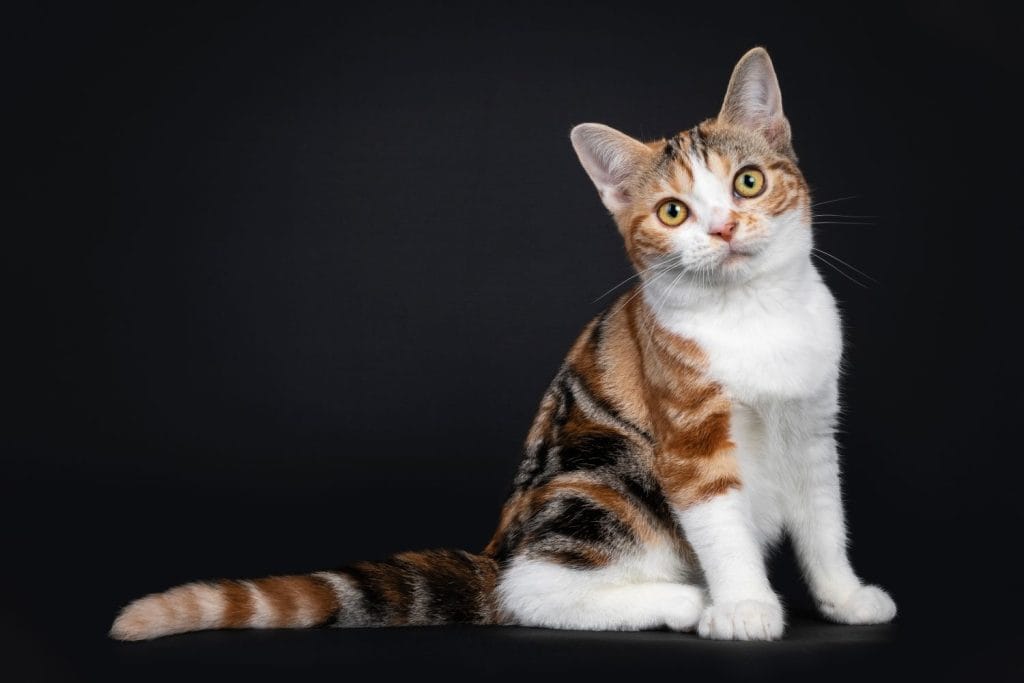
American Shorthair cats typically have strong immune systems.
©Nynke van Holten/Shutterstock.com
American Shorthair cats are at risk for hip dysplasia and joint strain due to their heavy-boned, compact build, especially if they are overweight. Regular heart screenings for HCM are also important for these cats.
6. Russian Blue
A “natural” breed that evolved through environmental selection in Russia, the Russian Blue is one of the healthiest purebred cats and is currently free of known breed-specific genetic disorders. These elegant, gentle cats typically live 15 to 20 years and form deep, devoted bonds with their owners.
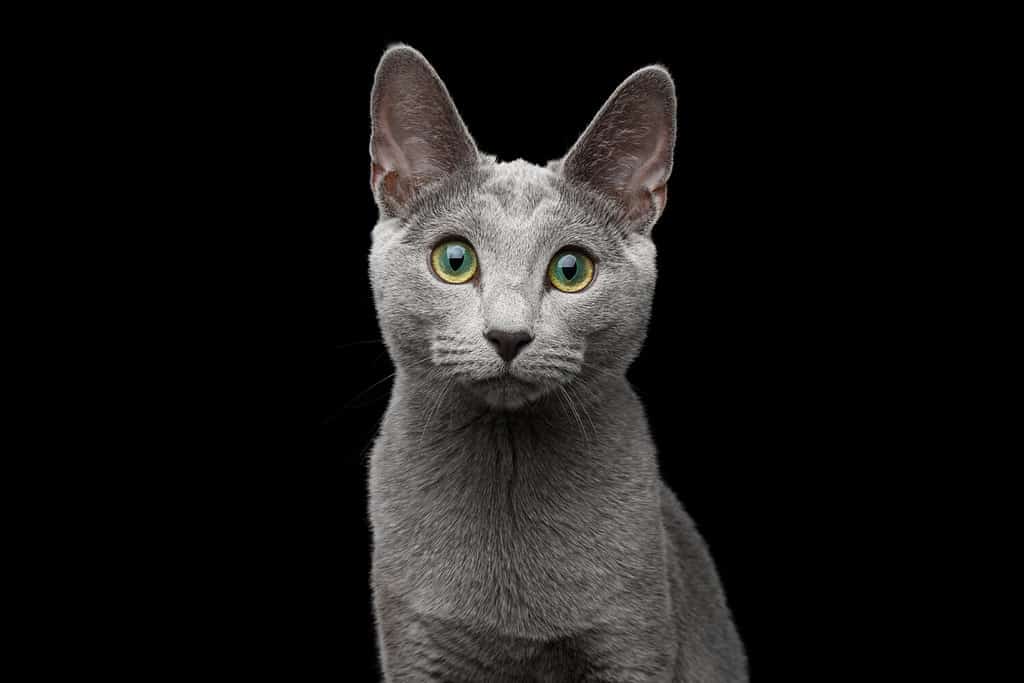
Their strong immune system and robust constitution make Russian Blues an excellent choice for a long-term feline companion.
©Seregraff/Shutterstock.com
However, Russian Blues are notably prone to bladder stones and obesity. They need a high-quality diet, consistent hydration, and a stable, quiet environment, as their emotional state is often linked to their physical health.
7. Nebelung
A long-haired relative of the Russian Blue, the Nebelung is a rare and ethereal breed that was developed in the 1980s. As a relatively young breed, it has avoided the many common pedigree health issues, often living well past age 16.
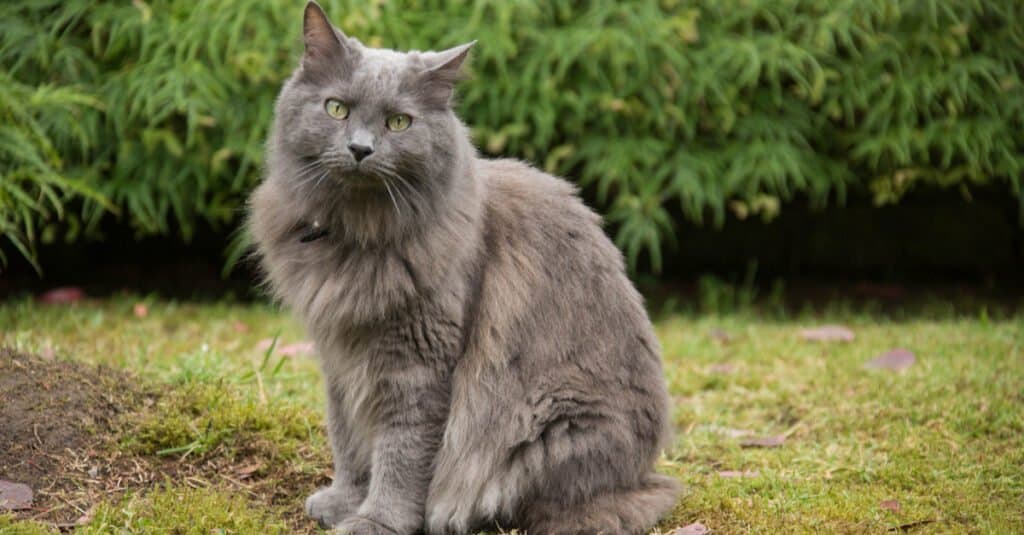
Nebelung means “creature of the mist.”
©Therese Elaine/Shutterstock.com
However, their thick double coats can easily conceal weight gain. Like their Russian Blue cousins, they are also prone to urinary tract issues and are sensitive to environmental changes, which can trigger obsessive over-grooming.
8. Havana Brown
The Havana Brown is a rare and intelligent breed with a carefully managed gene pool. This breed’s genetic diversity has led to a clean health record and no breed-specific diseases. Havana Browns typically live 10 to 15 years, though some may reach their late teens.
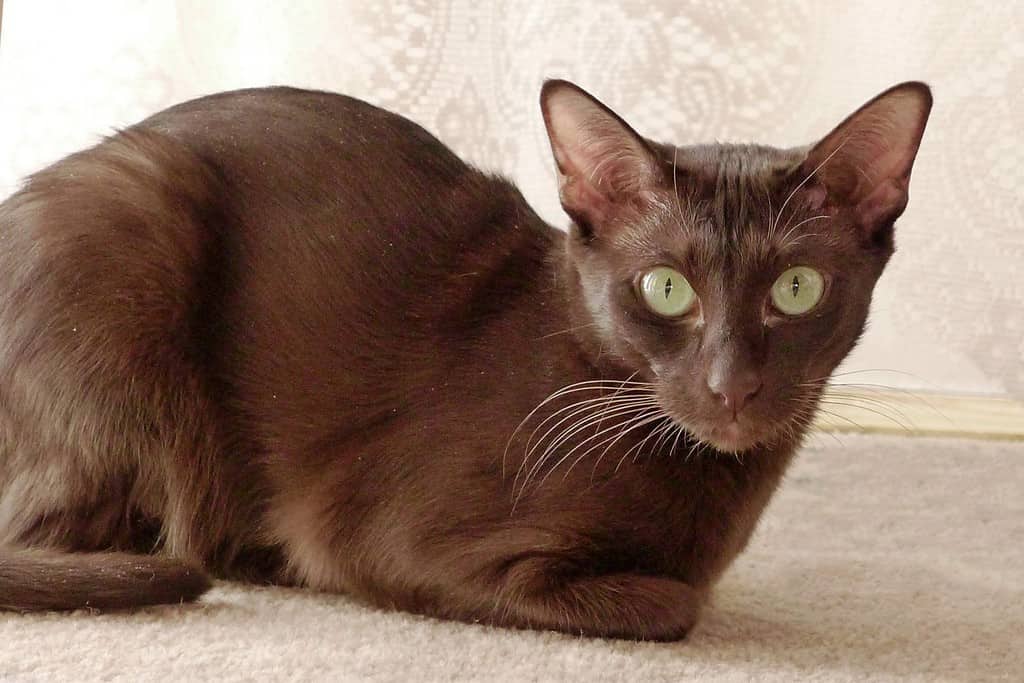
People often call the Havana Brown the “chocolate delight” due to its richly colored coat.
©Joan Wozniak/Shutterstock.com
Because they are highly social, their health is closely tied to their emotional state, making them prone to separation anxiety. They also require consistent oral care to prevent dental sensitivities that are common in their Siamese ancestors.
9. Egyptian Mau
Experts believe the Egyptian Mau is descended from ancient African wild cats. Its traits have evolved naturally over thousands of years, resulting in an athletic and robust cat with an average lifespan of 12 to 15 years.
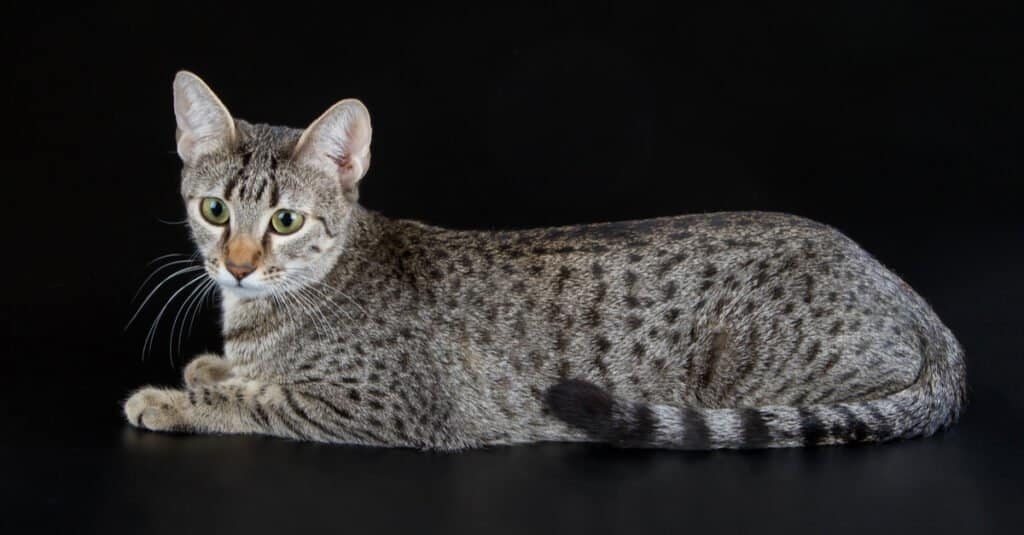
The Egyptian Mau is the only domestic breed to feature a naturally occurring spotted coat.
©ARTSILENSE/Shutterstock.com
They are statistically more prone to developing bladder stones and gastrointestinal issues. To keep them in peak condition, provide a consistent, high-quality diet and ample hydration.
10. Siberian Forest Cat
The Siberian is a “natural” breed shaped by centuries of survival in Russia’s subarctic climate. This structurally robust cat has a thick, water-resistant coat and, thanks to its diverse gene pool, typically lives between 10 and 18 years.
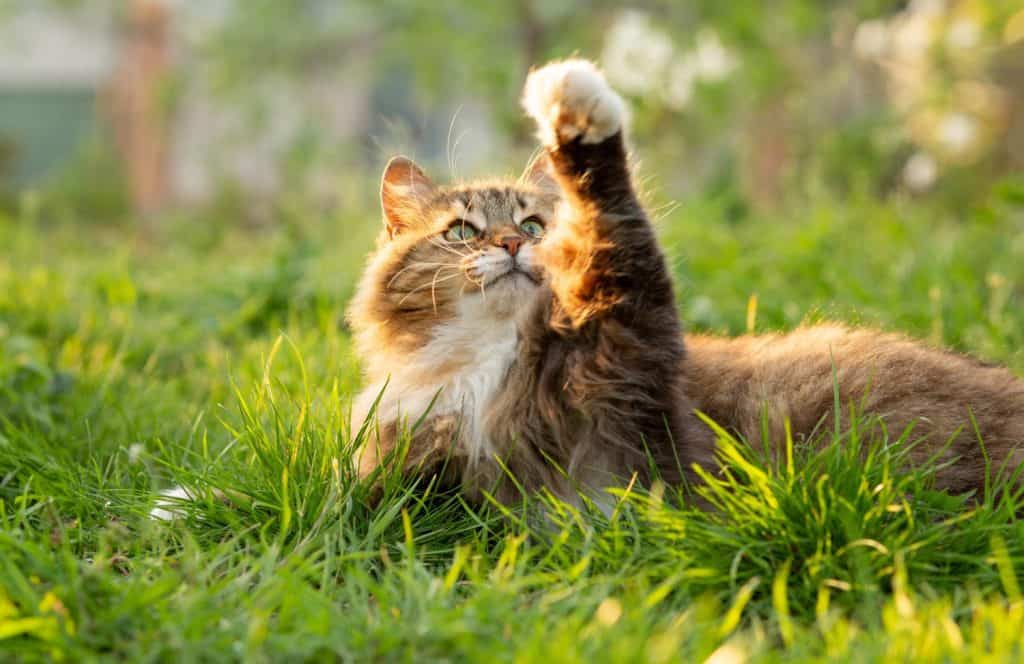
Siberians are playful and adventurous cats.
©fantom_rd/Shutterstock.com
However, their large size and high-energy leaps require joint protection and weight management. They are also predisposed to HCM and should be screened regularly.
11. Norwegian Forest Cat
Native to Scandinavia, the Norwegian Forest Cat was shaped by harsh winters and evolved through natural selection. They are heavy-boned athletes with a low rate of hereditary health issues, although they share the typical risks associated with large-framed cats.
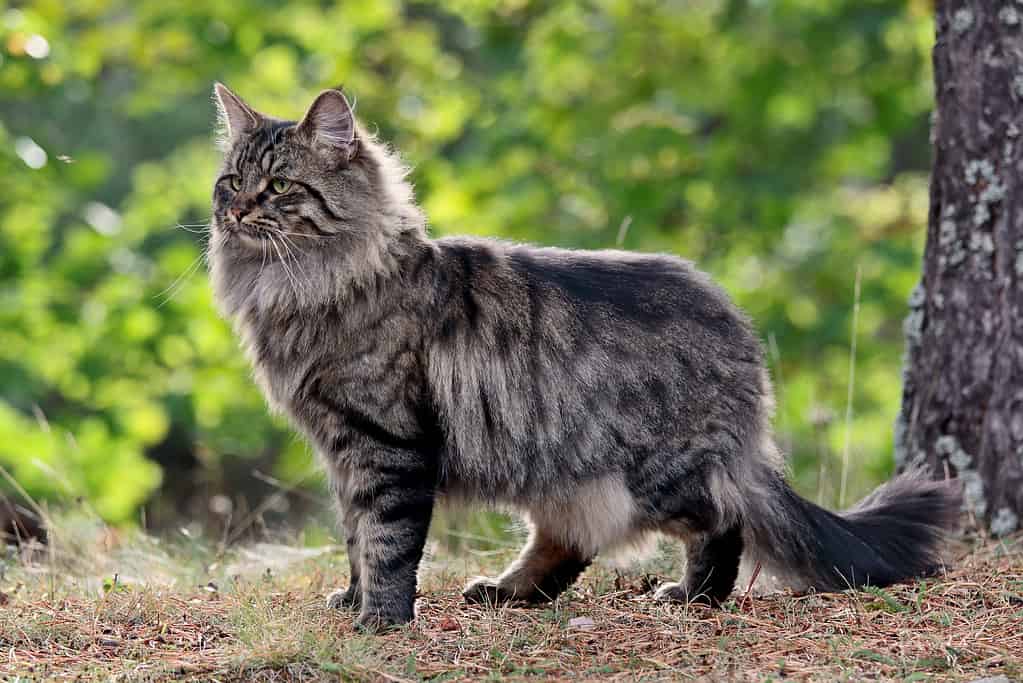
Norwegian forest cats have been affectionately nicknamed “Wedgies.”
©undefined undefined/iStock via Getty Images
To preserve their natural agility, these cats must be kept at a lean weight to avoid joint problems such as dysplasia. Regular heart ultrasounds are also recommended to monitor for HCM.
12. Maine Coon
As one of the largest domesticated cat breeds, the Maine Coon has a heavy-boned structure. Typically living 12 to 15 years, these cats mature slowly and have a friendly, hardy nature. Although hardy, their massive frame requires careful maintenance to ensure a high quality of life.
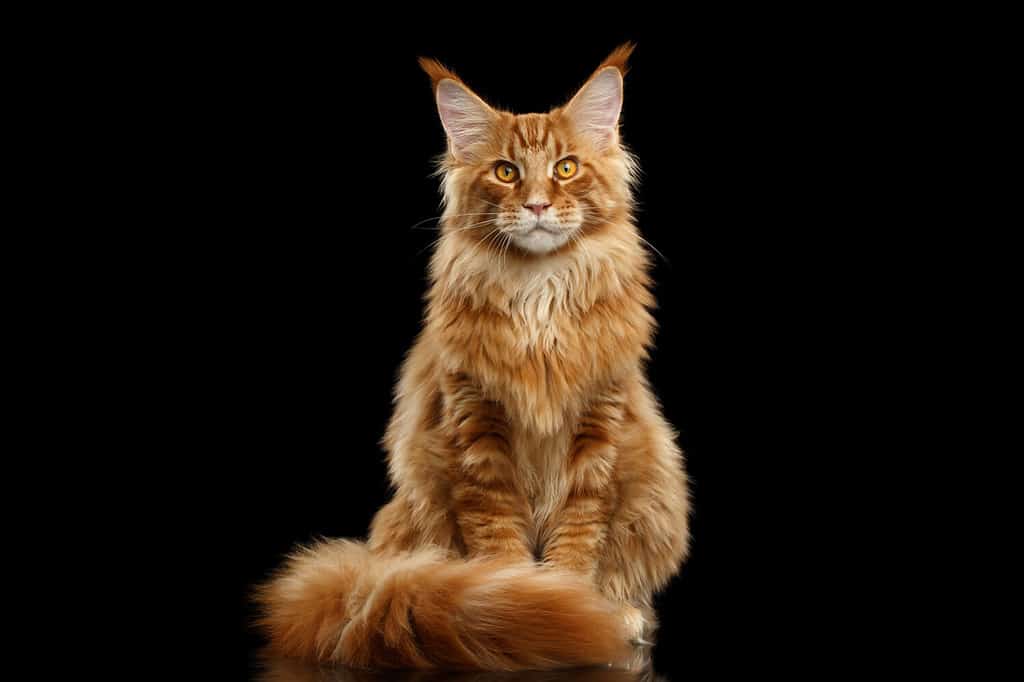
Maine Coons originated in New England.
©Seregraff/Shutterstock.com
Maine Coons are statistically more prone to HCM and chronic feline gingivostomatitis. Routine dental checkups, cardiac screenings, and maintaining a healthy body weight will help these cats enjoy long and healthy lives.
13. European Shorthair
While the European Shorthair is rare globally, it is a popular pet throughout Europe. Likely originating in Rome, the breed evolved naturally with very little human interference. These cats possess a diverse gene pool and a strong constitution, making them one of the healthiest breeds in the world. They have a lifespan of 15 to 20 years.
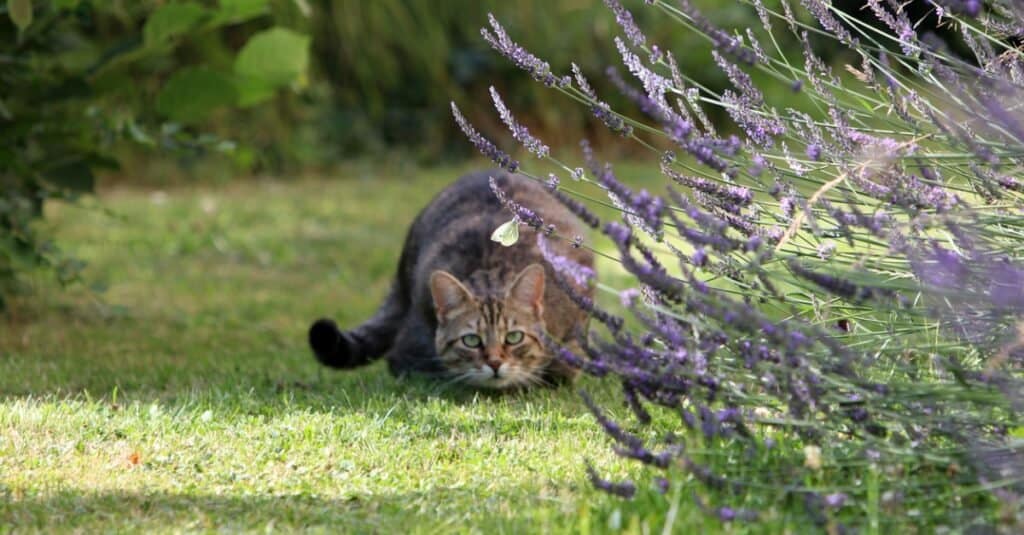
European Shorthairs are also known as Celtic Shorthairs.
©helfei/Shutterstock.com
Their adaptable nature and lack of specific genetic flaws make European Shorthairs low-maintenance companions. However, like any cat breed, they need standard preventive care to avoid common feline illnesses such as obesity and dental disease.