
Quick Take
- Corvids treat grooming as a form of currency, with strict and unspoken rules governing who owes whom. See grooming as currency →
- Crows deliberately let hundreds of live ants crawl across their feathers, yet this behavior still isn't enough to keep them healthy. Learn about anting limits →
- Mid-fight, a corvid can flip the entire dynamic with a single gesture that also doubles as an 'I love you.' See conflict-defusing gestures →
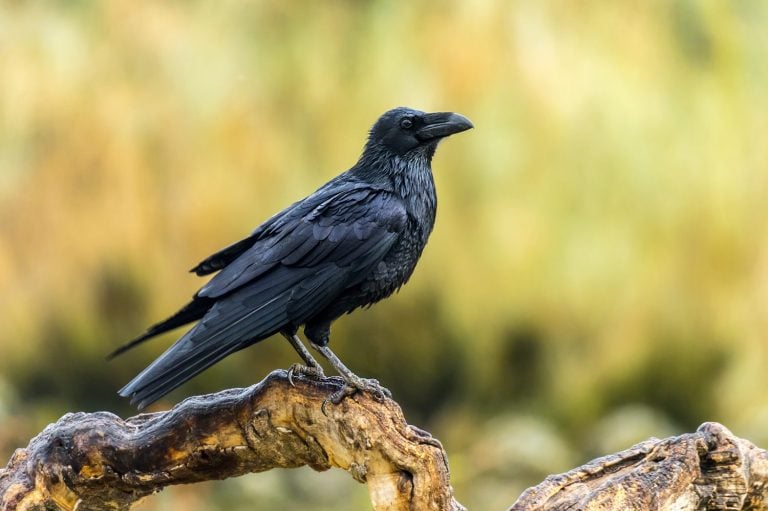
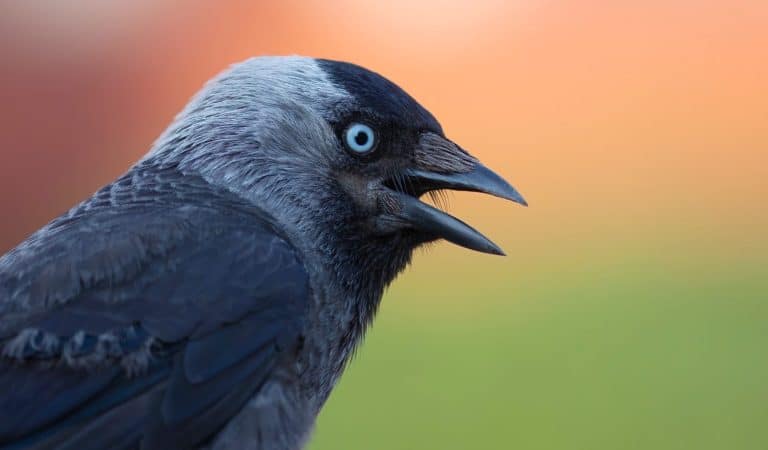
Corvids are one of the smartest birds in the world, and their grooming habits reflect that. Studies show that their intelligence is on par with that of a 5- to 7-year-old human. And their cognitive function is so similar to ours that it’s no surprise they use preening as currency. After all, what is a good spa session if it can’t be used for leverage or to express affection?
But birds such as jackdaws and crows know that preening can also be deeply sentimental. Whether they’re grooming their mates or using preening as a form of currency, corvids are skilled at negotiating social bonds.
What Is Allopreening?
Some people describe allopreening as grooming, nuzzling, or pest-picking. To us, it looks as though the birds are pecking at or caressing the neck and head area of another bird. But this behavior, while still being studied, has many different meanings for corvids. Allopreening is an expression of affection, but it’s also done for health reasons. Rather than just being a nice gesture, it’s a necessary hygienic act that birds perform to help one another.
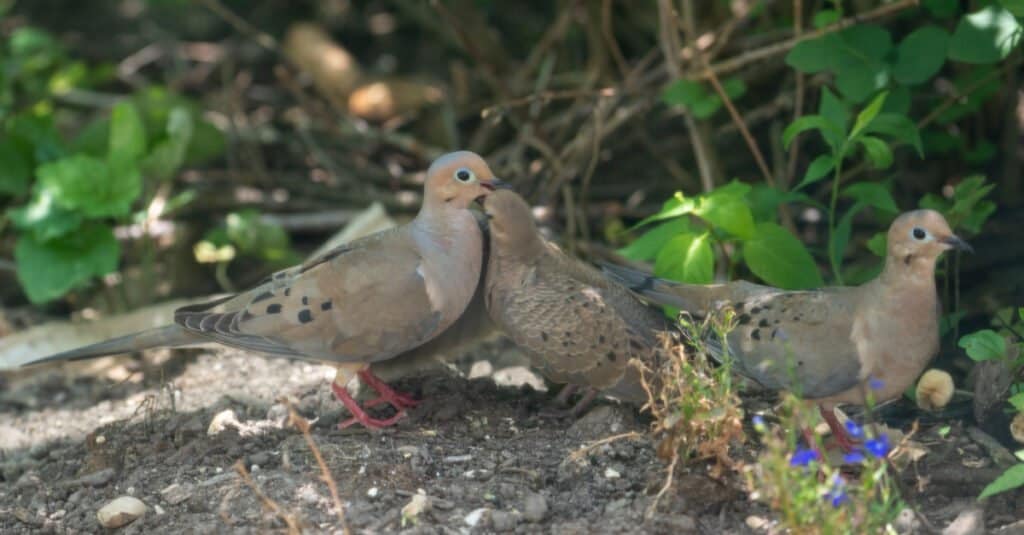
Doves are famous for preening one another, an act of affection within families and between mates.
©Brooke Bowdren/Shutterstock.com
This is also seen in other highly evolved species, such as primates and marsupials. While these behaviors resemble those seen in humans, the grooming methods are similar across different animal groups. Even birds outside of the corvid family, such as parrots, doves, and even vultures, partake in some form of allopreening. If pests, dirt, or parasites are present, so is grooming. But in a corvid hierarchy, allopreening often takes on multiple purposes.
General Hygiene and “Back-Scratching”
Hygiene is crucial for keeping bird feathers clean, waterproof, and in working order. As scavengers, corvids come into contact with a slew of nasty bacteria and parasites. Without the help of their fellow birds to literally pick the pests off, they would eventually fall victim to pathogens or infection. This foraging lifestyle also exposes them to dust and dirt, which can diminish the oily sheen that keeps their wings waterproof. Without it, their feathers lose their waterproof quality, restricting their movements in the rain and near bodies of water.
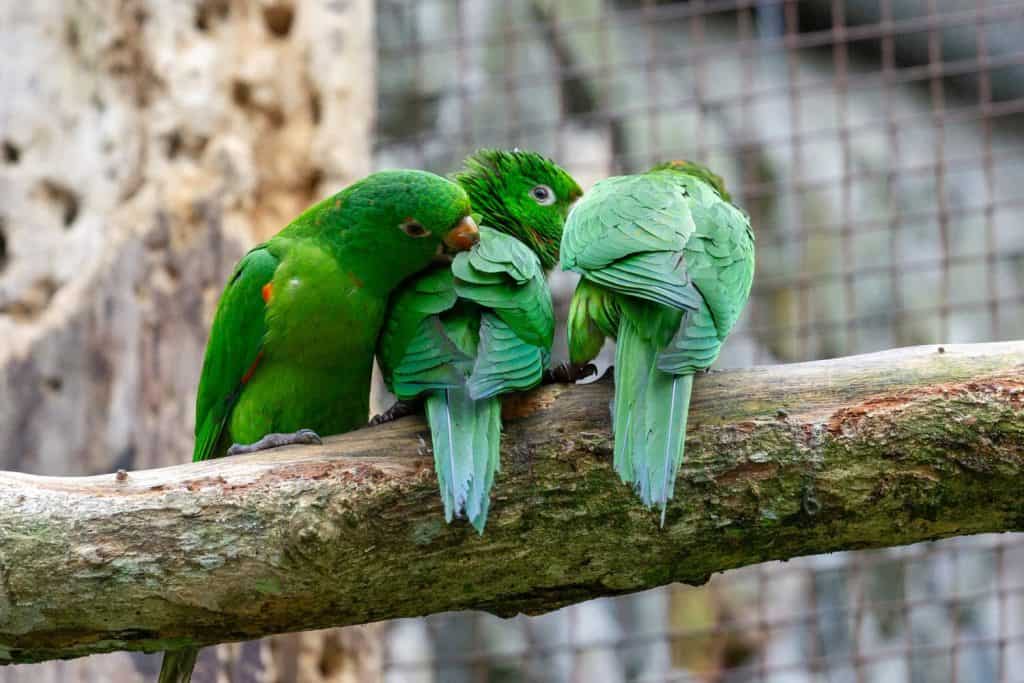
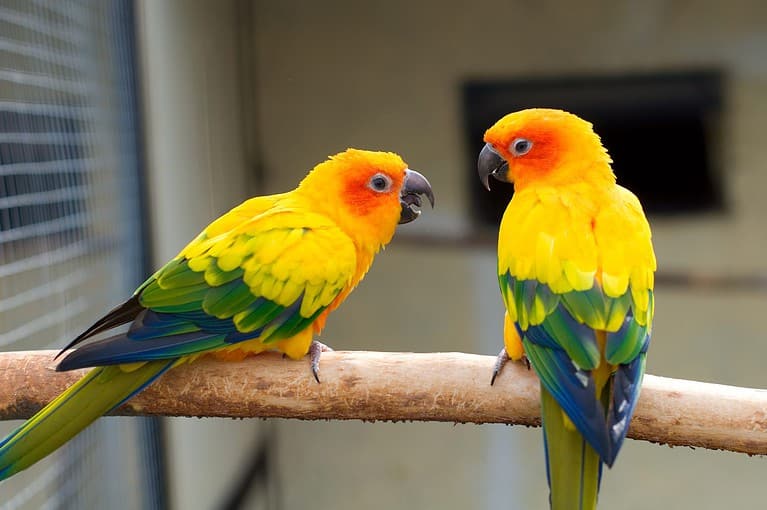
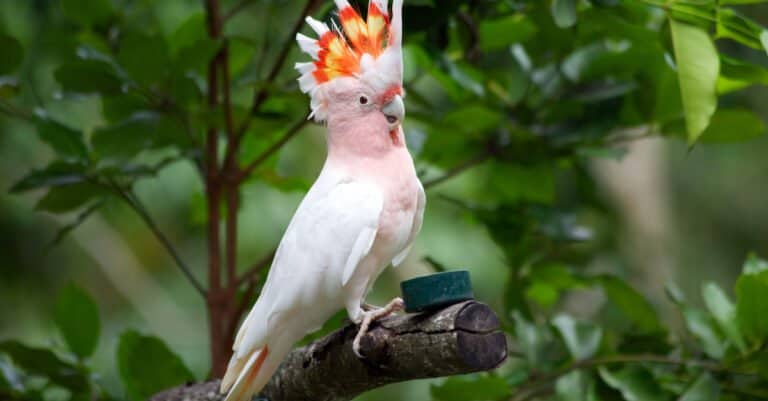
Parrots often preen as a means of social communication.
©NILTON E. MAIA/Shutterstock.com
Corvids like crows are also famous for a process called “anting.” To do this, crows allow hundreds of ants to crawl along their feathers. As the ants move along their feathers, they consume debris and parasites that could harm the bird. However, this is not a long-term solution for hygiene. To do that, corvids still require the help of their fellow birds. And when they receive this help, it sometimes comes with a cost.
Emotional Currency Between Birds
The act of allopreening is so important to corvid hierarchies that it’s often bartered for, as if it were money or a trade. What one bird does for the other becomes a “favor” that can be exchanged for something further down the line. This might be a meal, a preening session, or even a mating opportunity. Research suggests that corvids, such as crows and ravens, can even remember individual birds and past social interactions.
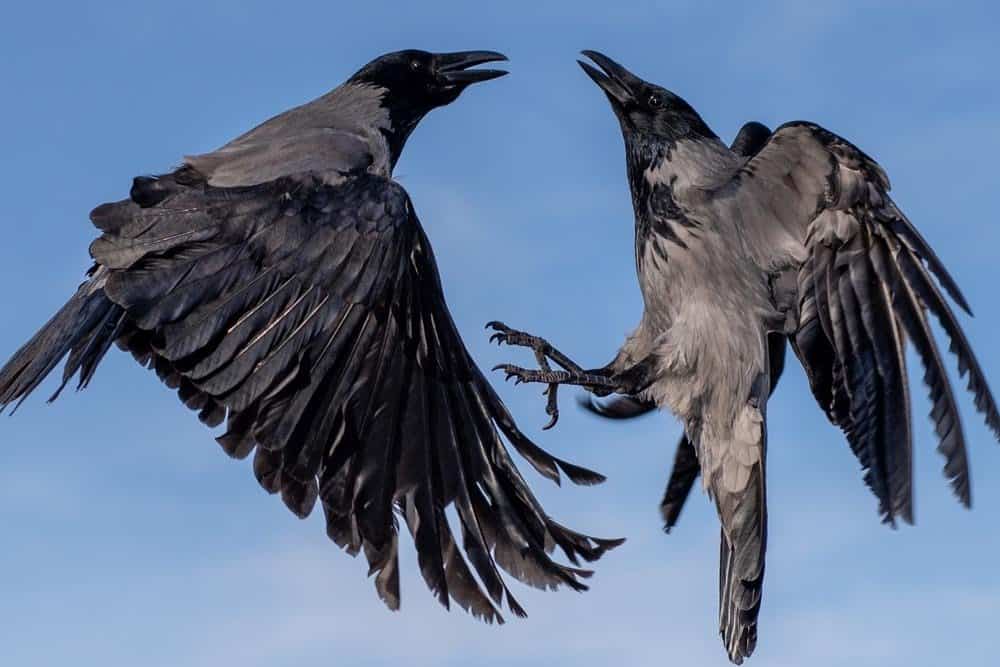
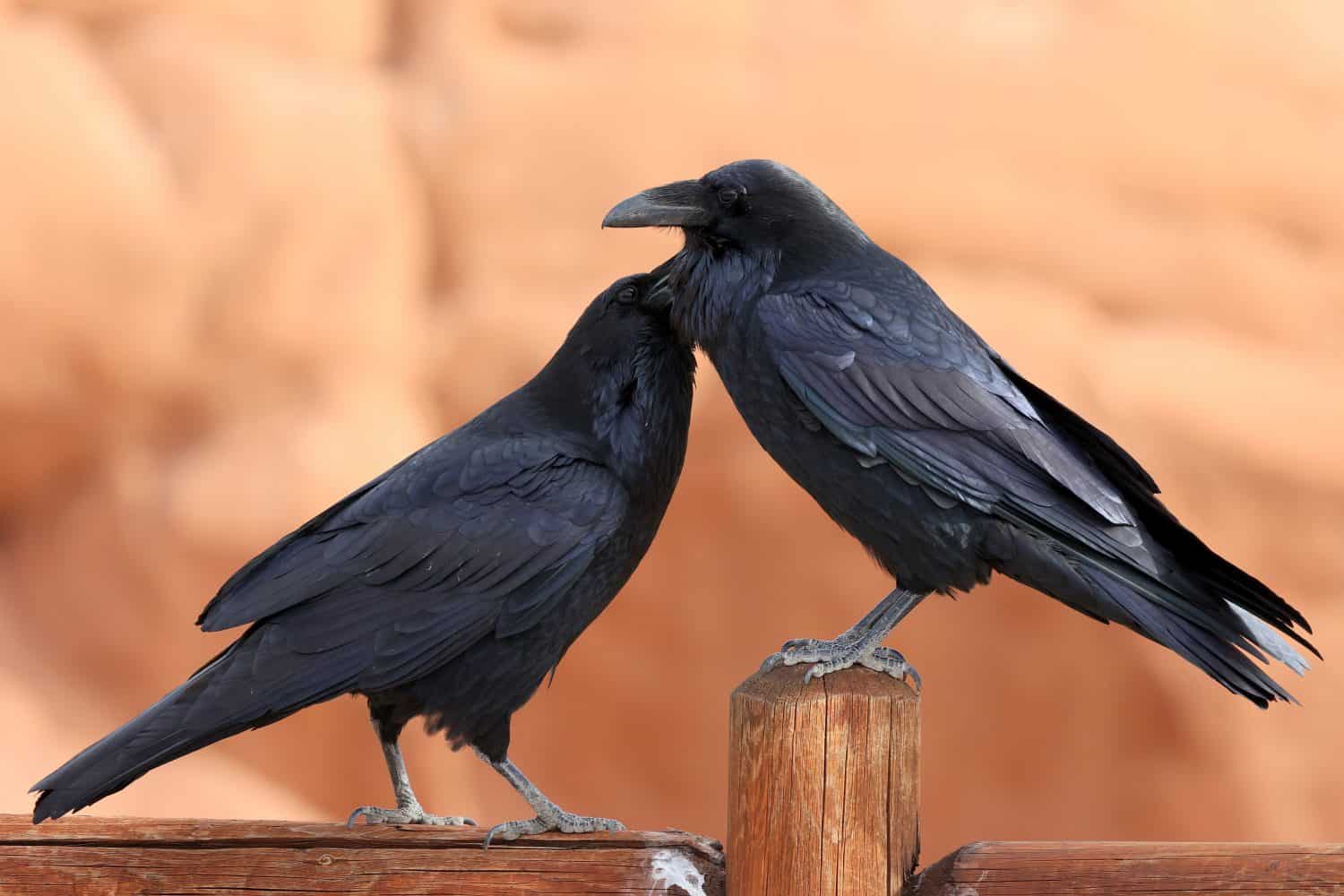
Allopreening helps crows solve conflicts in a reassuring way.
©Vladimir Turkenich/Shutterstock.com
There is also an unspoken rule in corvid hierarchies: the head and neck areas are reserved for the highest-ranking birds in a group or colony. It’s common to see birds preening or grooming one another’s wings, but rare to see them grooming each other’s heads and necks. These vulnerable places are accessible only to mates and family members. However, it’s primarily done by mates, since most corvids mate for life.
Reassurance and Conflict Resolution
Lastly, corvids participate in allopreening as a means of communication. While they have their own language, grooming is more intimate. During fights, birds might start allopreening to de-escalate the situation. Following a significant conflict, a bird’s mate may allopreen them to provide comfort and reassurance. In this way, allopreening goes beyond hygiene and becomes a way to say “I’m sorry” or even “I love you” in bird language.
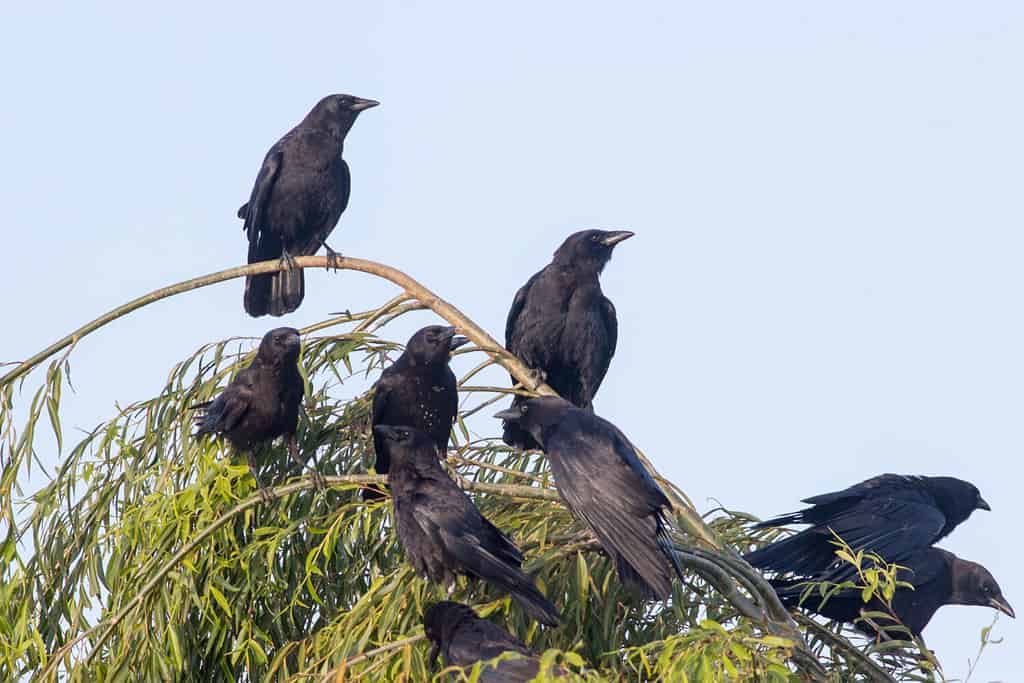
While typically performed between mates, allopreening also occurs within families.
©Elliotte Rusty Harold/Shutterstock.com
For mated pairs, allopreening helps strengthen their bond. Long-term mates groom one another to establish trust. The more allopreening they do, the deeper their bond goes. This is typically one of the only times another bird can access its mate’s head and neck, and it also signals to others that they are in a committed partnership. Within families, allopreening serves a similar purpose. When a parent preens its hatchlings, the care and attention help strengthen their bond. As the cycle repeats, those hatchlings will eventually do the same for their mates and their own offspring.