
Quick Take
- One animal on this list goes beyond just playing pranks. Researchers have recorded it producing something eerily close to laughter. Hear about rat laughter →
- Scientists think one species isn't being aggressive when it attacks boats, and the real motive behind the behavior is closer to humor. Orca boat behavior explained →
- The prankster most likely to steal your keys and never give them back isn't who you'd expect. Meet the kea parrot →
- Some chimps deliberately antagonize individuals who could seriously hurt them, and researchers think they know exactly why. Why chimps antagonize rivals →
Life in the wild is serious business. Survival often comes down to enhanced senses and sharp instincts; after all, one wrong move could be the difference between life or death. But some animals seem to prioritize having fun. They play games, entertain themselves, and act silly. And while Scientists are cautious about attributing human emotions to animals, if we didn’t know any better, we’d say they have a well-developed sense of humor. Researchers have even observed certain animals engaging in playful behaviors that resemble jokes or pranks. These ten animals have repeatedly displayed actions that seem downright funny.
1. Dolphins

©Willyam Bradberry/Shutterstock.com
Dolphins are among the most playful animals on Earth. They create underwater bubble rings before swimming through them and ride the waves better than any human surfer ever could. They also seem to play innocent pranks on other pod members by stealing objects. Researchers have even seen dolphins sneaking up behind seabirds resting on the water and startling them into flight. These behaviors serve no real purpose other than amusement. Their intelligence and frequent play make them strong candidates for possessing a sense of humor.
2. Ravens
©iStock.com/Piotr Krzeslak
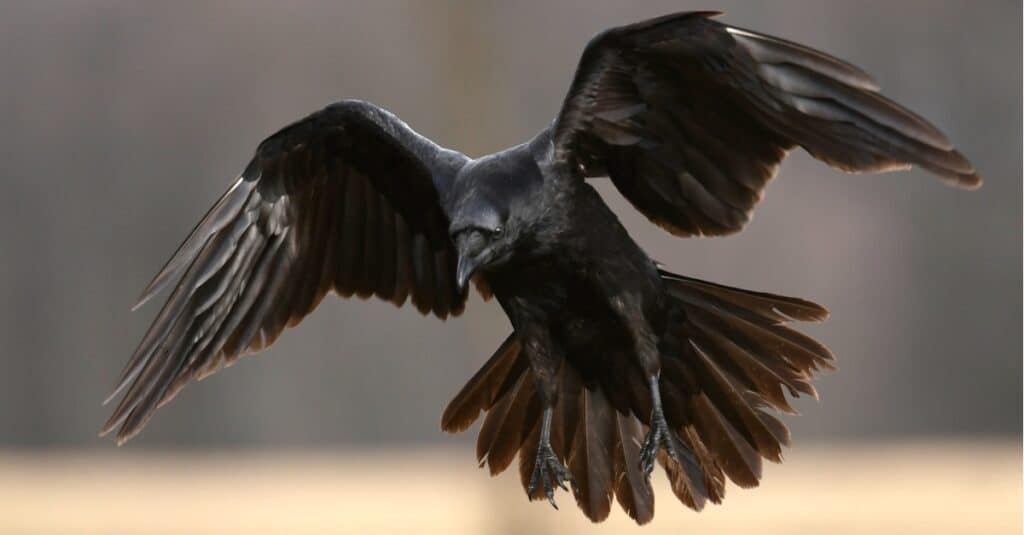
In the bird world, ravens are famous for their clever ways, and this includes mischievous behavior. Like children sledding down hillsides, they have been seen sliding down snowy rooftops. One of their boldest forms of play is teasing animals much larger than themselves. Some ravens have been observed swooping close to wolves, before flitting away, almost like they are mocking the predators. They also steal shiny objects from humans or trash cans and stash them in odd places. It’s easy to imagine these birds cackling to themselves as they cleverly fool a much larger creature.
3. Chimpanzees
©Wirestock Creators/Shutterstock.com
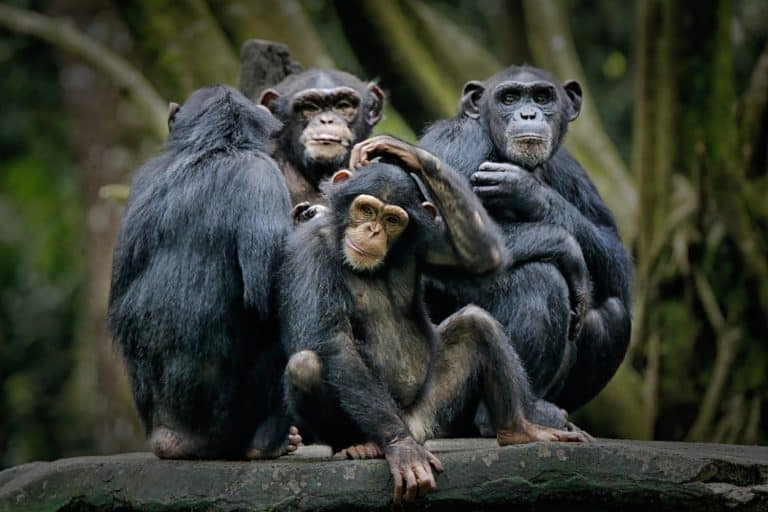
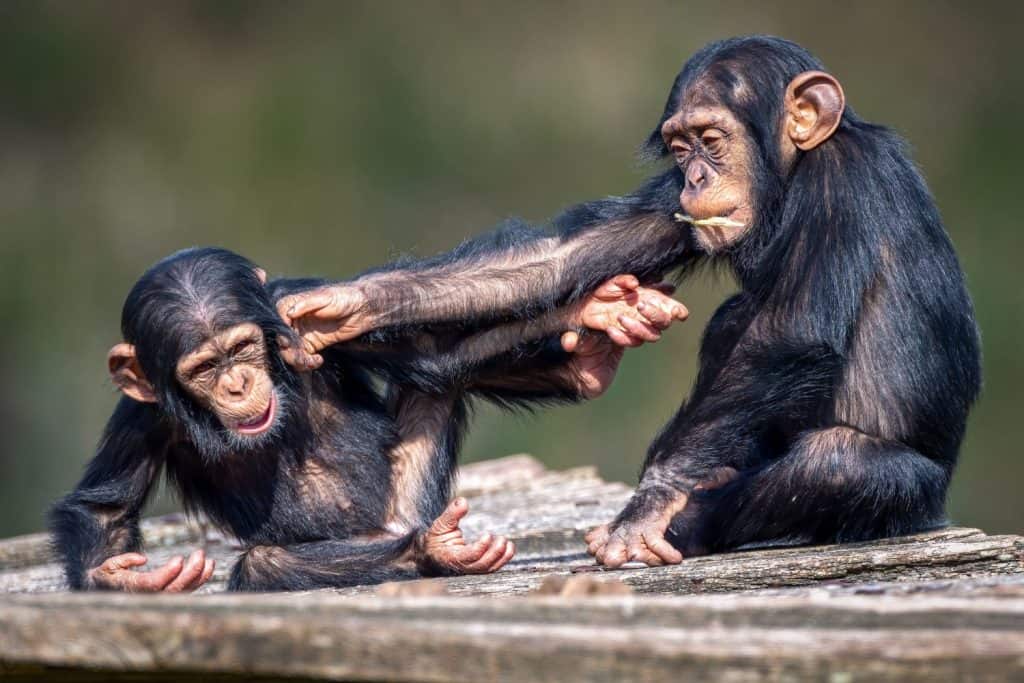
Chimpanzees are highly social and frequently engage in games. They’ll find a hiding spot in vegetation and lay in wait before leaping out to surprise others. Young chimps play fight and wrestle, chase one another, and come up with silly games. Some researchers have seen chimps deliberately annoy higher-ranking chimps before running away. These interactions, combined with their close genetic relationship to humans, suggest they might just have a wicked sense of humor.
4. Kea Parrots
©Immer Weiter/Shutterstock.com
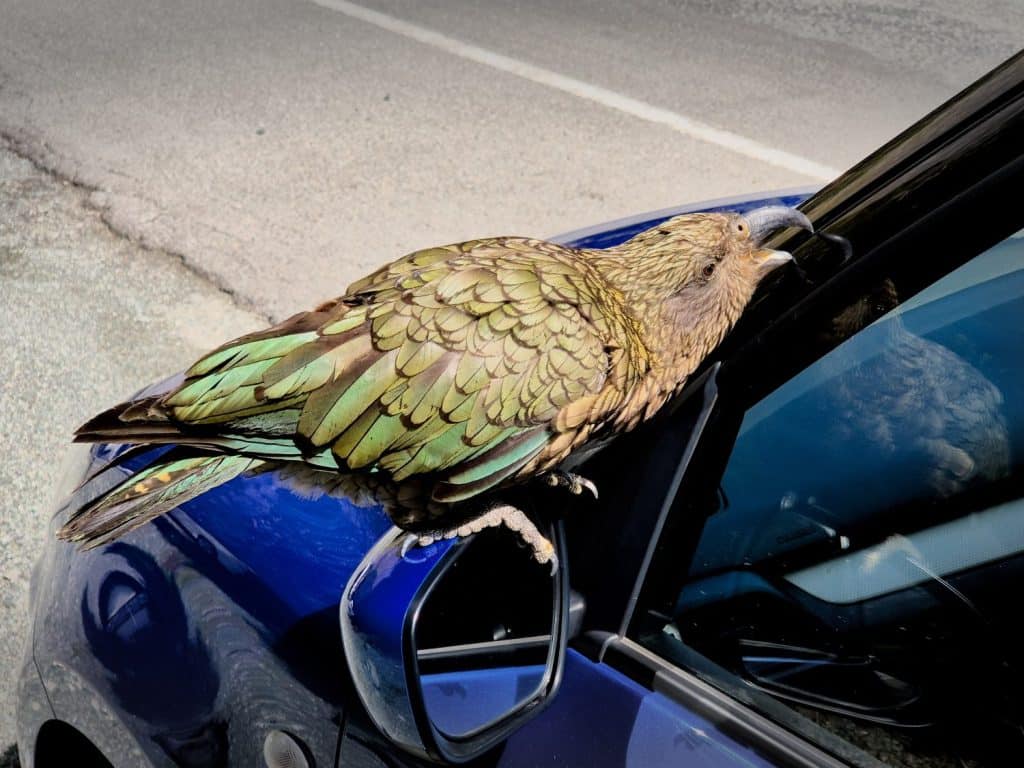
The kea, a mountain parrot from New Zealand, is notorious for its trouble-making personality. Keas are endlessly curious, so they often investigate backpacks, cars, and camping gear with enthusiasm. During these inspections, they have been known to steal items from tourists. They’ll take objects like hats, sunglasses, or keys. And they are not just temporary borrows either; the birds carry them away, never to be seen again. We can almost imagine them looking back with a smug grin as they make off with someone’s prized possession.
5. Sea Otters
©nvphoto/Shutterstock.com
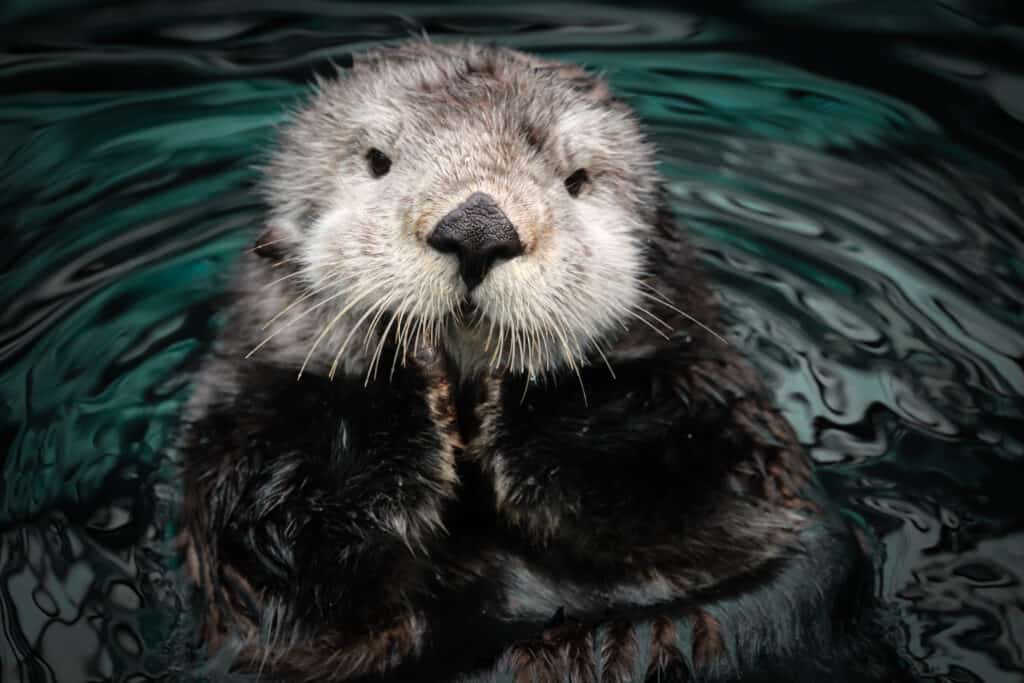
Sea otters seem to be perpetually laid-back mammals, often spending much of their time floating, grooming, and entertaining themselves. They toss rocks, throw shells, and manipulate other objects while lounging in the water. Young otters are especially playful, chasing each other and starting waterside wrestling matches. Their carefree behavior gives the impression that they enjoy having fun simply for fun’s sake.
6. Elephants
©Johan W. Elzenga/Shutterstock.com
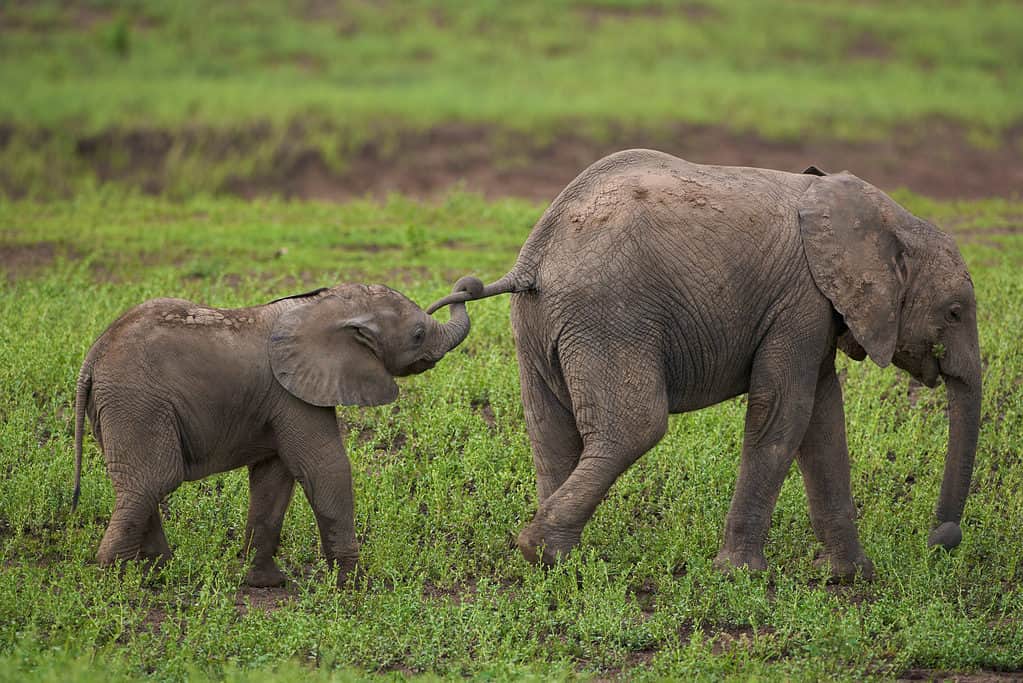
Elephants are intelligent creatures that live in large family units. As highly social animals, they interact with each other constantly. They have been observed engaging in behaviors that can only be described as play, like tossing sticks and kicking balls. But they also seem to enjoy more comical acts, such as spraying unsuspecting herd members with water. Sounds like a pool party to us! Some elephants tease other herd members by taking objects and refusing to return them for a period of time. They may also block each other’s path, almost in an obnoxious “not touching; can’t get mad” sort of way. Young elephants are especially fond of chase and mock battles. Their funny antics have been documented both in the wild and in captivity.
7. Dogs
©Master1305/Shutterstock.com
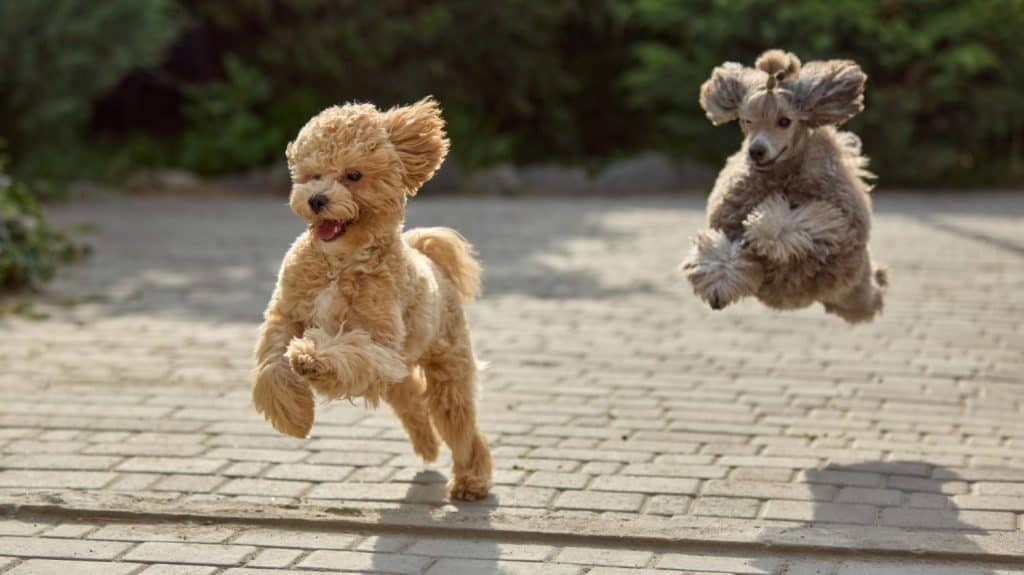
As anyone who’s ever had a pup knows, domestic dogs can be downright hilarious. They regularly engage in behaviors that seem designed just to make their owners laugh. They may pounce on owners, flip chew sticks in the air, or initiate games of chase. They are definitely culpable when it comes to harassing other pets. Many dogs purposely steal socks or shoes and then dash around just out of reach. They are quite goofy when they want to be and almost seem to be laughing when they display that dopey smile with their tongue hanging out. Due to their close relationship with people, perhaps they have absorbed a bit of our sense of humor.
8. Orcas

©iStock.com/cullenphotos
Orcas are complex animals and some of the smartest creatures on earth. With members of their pod, they have been seen tossing seaweed and fish back and forth, almost like a game of catch. Young orcas do mock hunting exercises together to practice survival skills. These behaviors have no obvious survival benefit, leading researchers to believe they are simply having a good time. In recent years, orcas in certain parts of the world seem especially fond of damaging boats. They nudge, bump, or even break rudders. While these behaviors seem aggressive, scientists suspect they are simply messing with humans. These behaviors suggest a strong capacity for lighthearted experimentation.
9. Rats
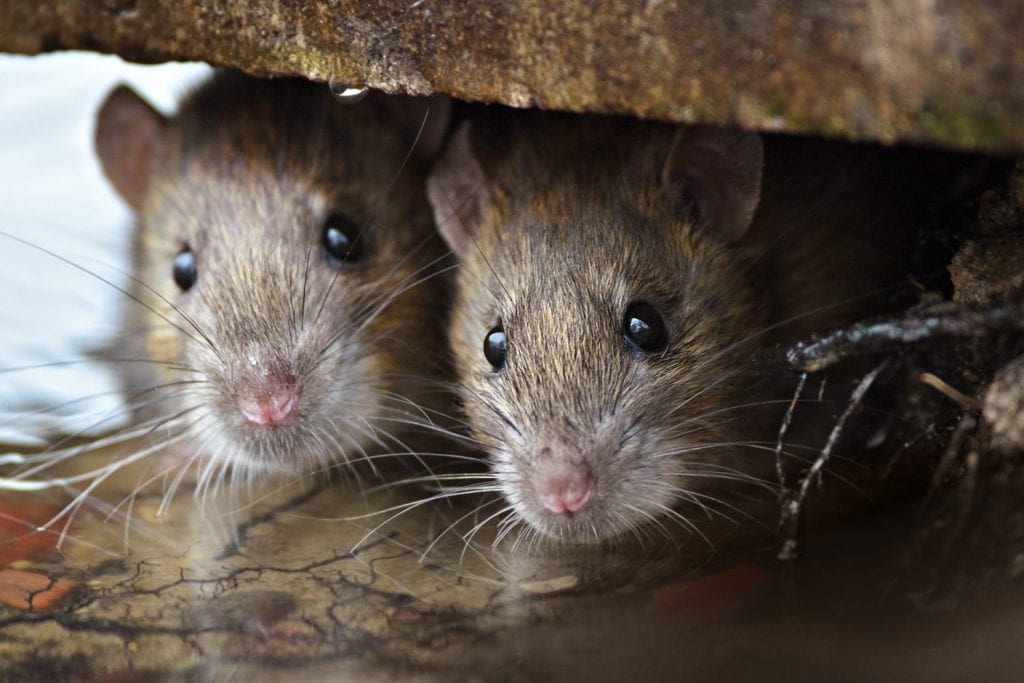
©Gallinago_media/Shutterstock.com
Studies reveal that rats have a surprisingly playful side. They are extremely smart and like to chase fellow cage mates, reversing roles in the middle of the game. They seek out unique forms of play when opportunities present themselves. Most remarkably, when tickled by researchers, rats produce high-frequency vocalizations, almost like laughter! Their behavior suggests they might be the comedians of the rodent world.
10. Bears

©Susan Kehoe/Shutterstock.com
We’ve all likely seen videos of black bears invading backyards. They have been filmed jumping on swings, taking dips in pools, lounging on hammocks, and bouncing on trampolines. They hit these activities with so much enthusiasm that their sense of delight is obvious. For an animal capable of weighing hundreds of pounds, bears often behave like oversized toddlers released on a playground for the first time.