
Razor fish, more commonly known as razor clams, are highly sought-after sea creatures used in a variety of cuisines. Although they are delicious, razor clams can be challenging to catch. This YouTube Short by @earthwizard2665 shows a woman hunting for razor clams by poking a stick in the sand. Keep reading here to learn more about the razor clam!
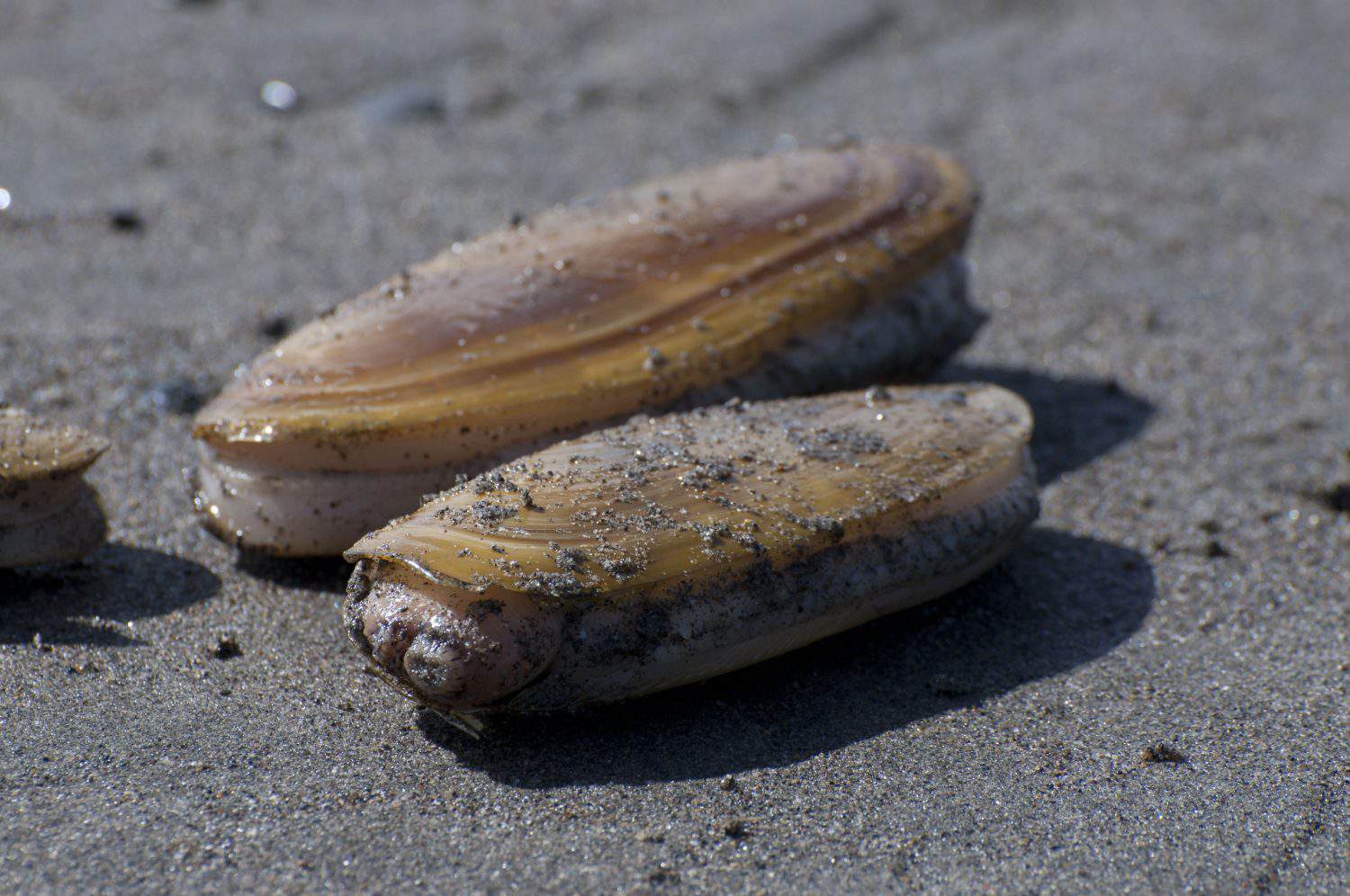
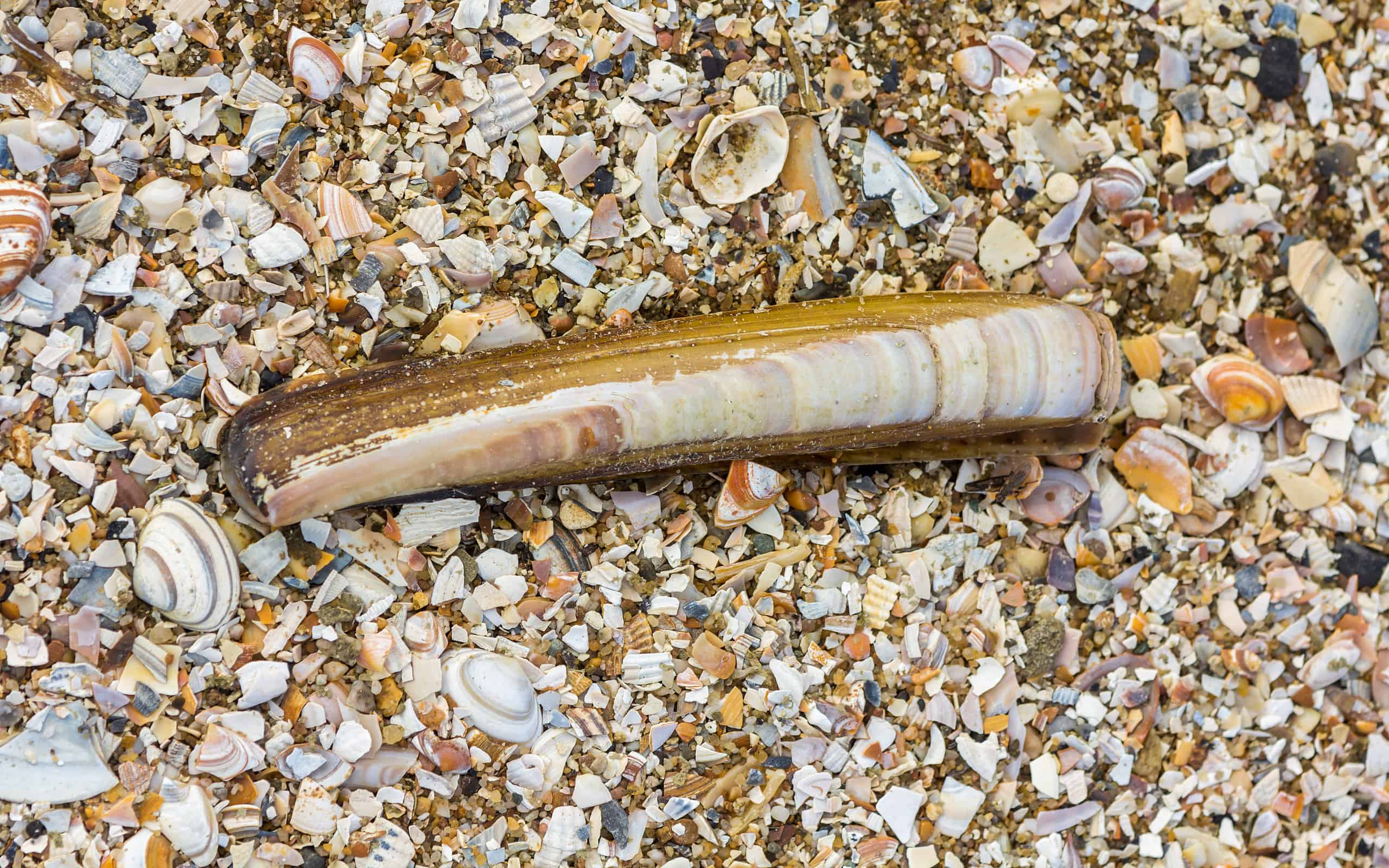
Razor clams are used in a variety of different cuisines, making them a delicacy throughout the world.
©SNC Art and More/Shutterstock.com
About the Razor Clam
Razor clams are bivalve mollusks, similar to oysters and scallops. While their name may imply a sharp shell, their name comes from the shell’s resemblance to a straight razor. They inhabit different sandy beaches throughout the world, commonly found along the sandy coasts of North America, Europe, and Asia. Their coastal habitats make them a prized seafood in many cuisines, where they are often served fried, in stir-fries, or in pasta dishes. They are a delicacy thanks to their sweet, slightly briny taste and their tender yet slightly chewy texture. For this reason, people often seek them out for use in their own cooking, as demonstrated in the video above.
How to Catch Razor Clams
There are a few ways to catch razor clams. One of the most common and easiest methods is simply digging them up with a shovel. The best way to dig them out is to pay attention to any holes in the sand. A round divot or dimple in the sand indicates that a clam is present, and you need to be quick to dig it up. Another method is to use a “clam gun”—a hollow tube that can be pushed into the sand where the clam has burrowed, making it easier to extract the clam.
The method shown in the video likely combines poking the clam and using salt to encourage it to emerge. (However, the legality of using salt varies by location, so always check local regulations before attempting this method.) By covering the end of a stick with salt and poking the clam, you irritate it. The salt increases the salinity, which further irritates the clam and forces it out of its hole. After that, all you have to do is quickly grab the clam before it burrows again. You’re sure to harvest multiple clams this way, making any dish you prepare with them even more delicious.