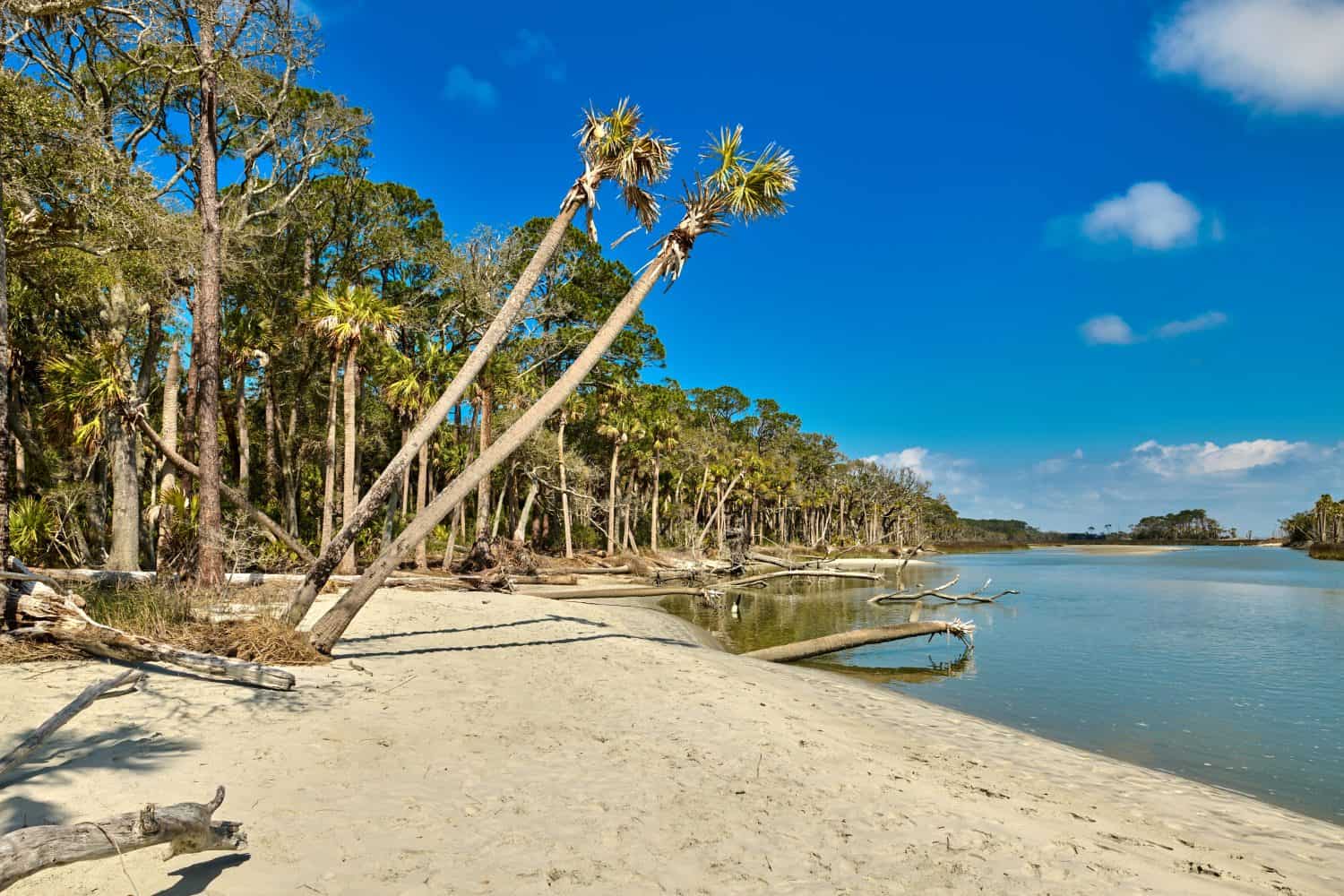

Hunting Island State Park is a 5,000-acre secluded barrier island in Beaufort, South Carolina. The entire island has been designated as a state park. As the most visited state park in South Carolina, Hunting Island receives over one million visitors per year. People enjoy hiking, camping, fishing, kayaking, birdwatching, swimming, collecting seashells, relaxing on the pristine beaches, and many other outdoor activities. Hunting Island is also home to a diverse array of wildlife.
There are eight different ecosystems on the island, each of which contains its own unique habitats and wildlife. The ecosystems include the ocean, the beach, the dunes, the lagoon, the marsh islands, the salt marsh, the maritime forest, and the freshwater wetlands. We’ve selected some of the most interesting creatures you may encounter on land or swimming in the ocean around the island.
Sea Turtle
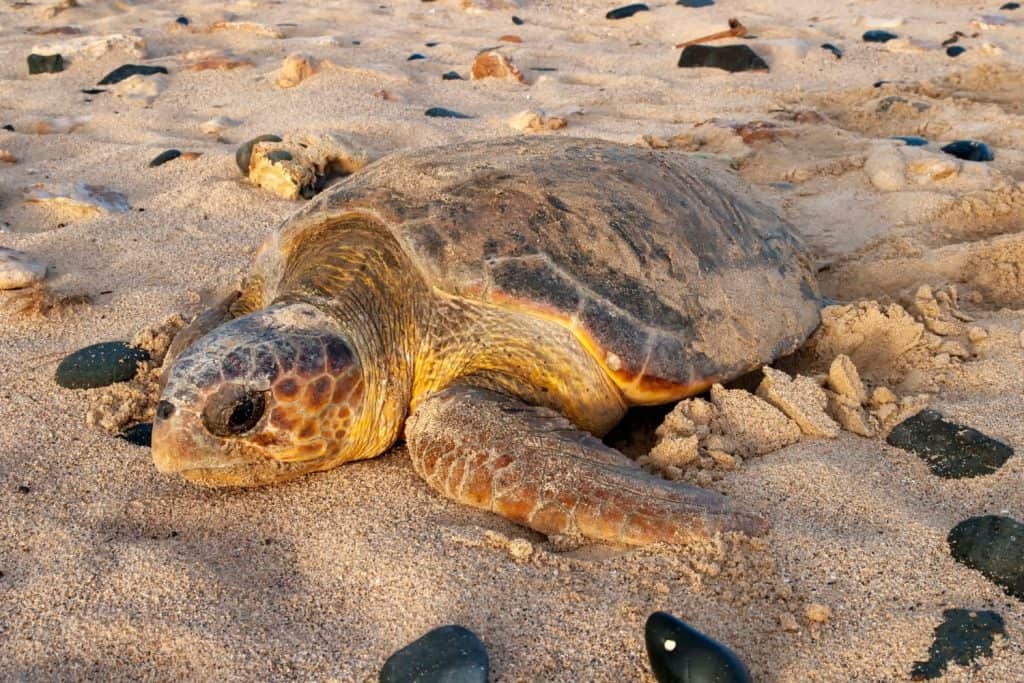
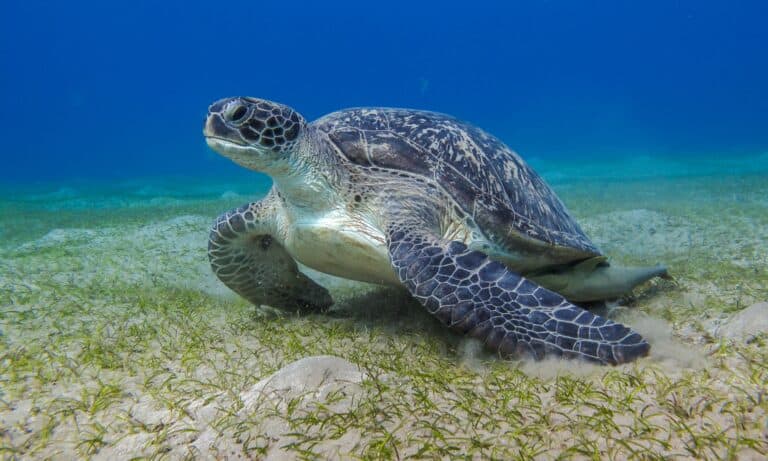
Loggerhead turtles nest on South Carolina beaches from May through October.
©Manuel Ocen/Shutterstock.com
Seven species of sea turtles exist in the world, and four of them live on Hunting Island:
- Loggerhead (Caretta caretta)
- Kemp’s ridley (Lepidochelys kempii)
- Green (Chelonia mydas)
- Leatherback (Dermochelys coriacea)
Sea turtles swim in South Carolina waters from April through November. From May through October, females crawl on the beach, dig nests with their flippers, and lay their eggs. Once the hatchlings emerge, they crawl back into the sea. This is a perilous time for the young turtles, who are vulnerable to predators and in danger of disorientation due to artificial lights. South Carolina residents in the area are asked to keep all lights off at night from May through October.
Blue Crab
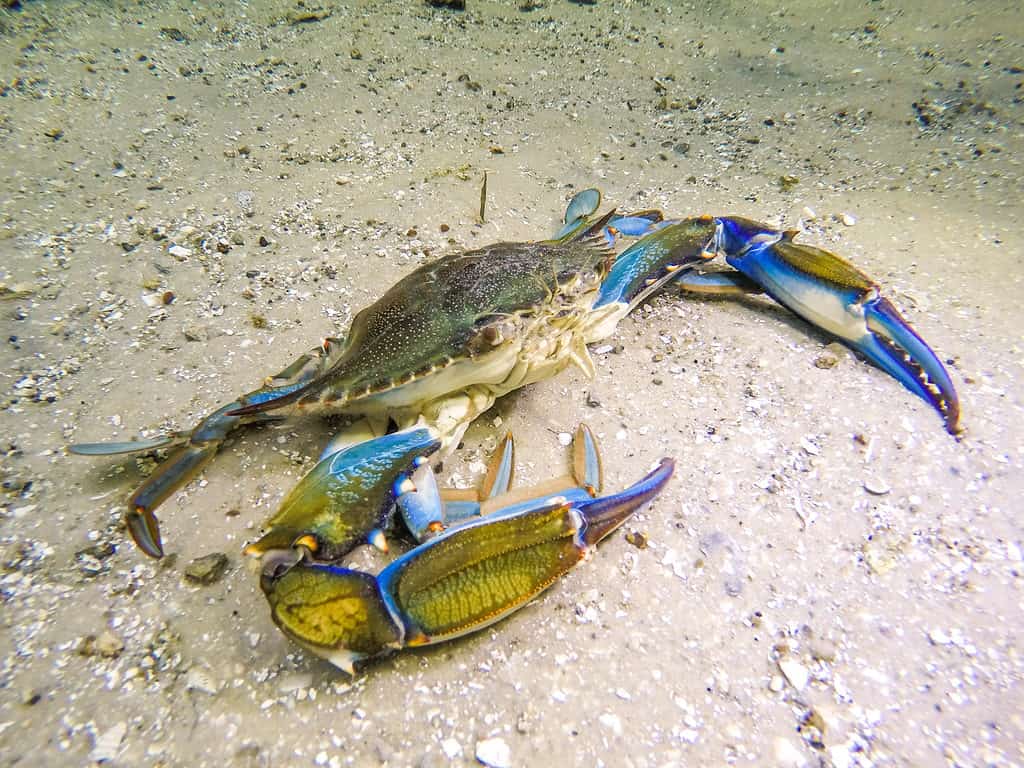
People in South Carolina catch blue crabs year-round, though it’s harder in winter when the crabs become less active.
©Jen Helton/Shutterstock.com
Hunting blue crabs (Callinectes sapidus) in the tidal creeks and saltwater marshes is a popular pastime in South Carolina. Hunting Island State Park even offers classes on how to catch the marine delicacy. Also called the Atlantic or Chesapeake blue crab, this animal is easy to recognize by its bright blue claws and greenish shell. Females have a bright red tip on the end of their claws.
Atlantic Ghost Crab
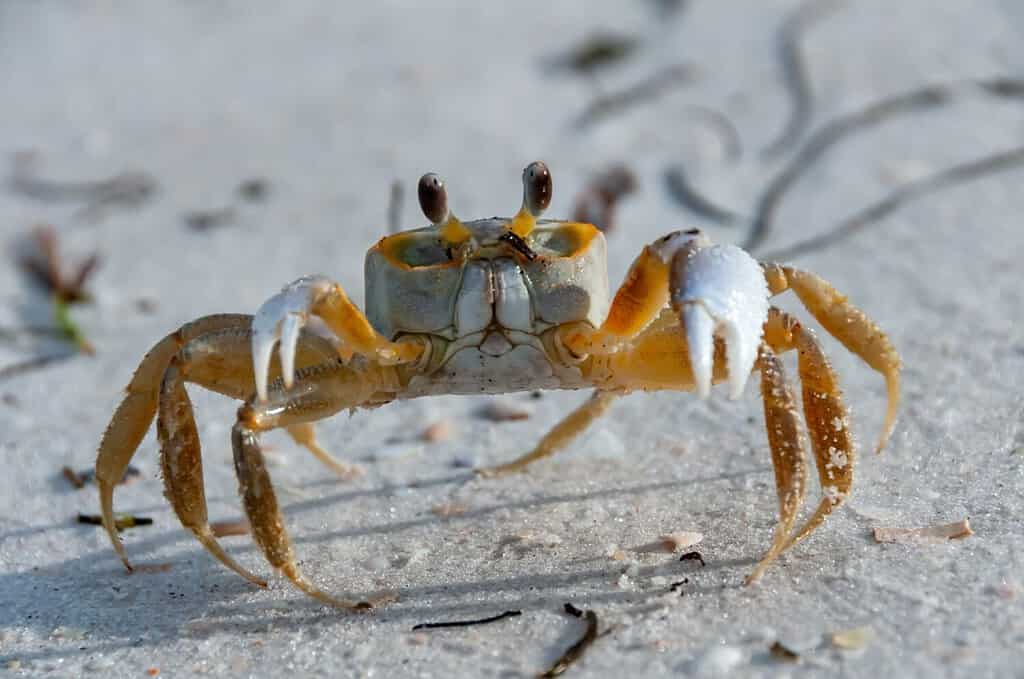
A fun pastime at the beach is to search for ghost crabs that begin to appear at dusk.
©Oleg Kovtun Hydrobio/Shutterstock.com
Arm yourself with flashlights and head out to the beach after dark during summer if you’d like to catch a glimpse of the elusive Atlantic ghost crab (Ocypode quadrata). Also known as sand crabs, these cream-colored crabs blend into their surroundings, but can be spotted scuttling in and out of tiny holes in the sand. Look for their black eyes that sit on top of their heads on two stalks. The crabs are only a few inches long with semi-translucent shells.
American Alligator
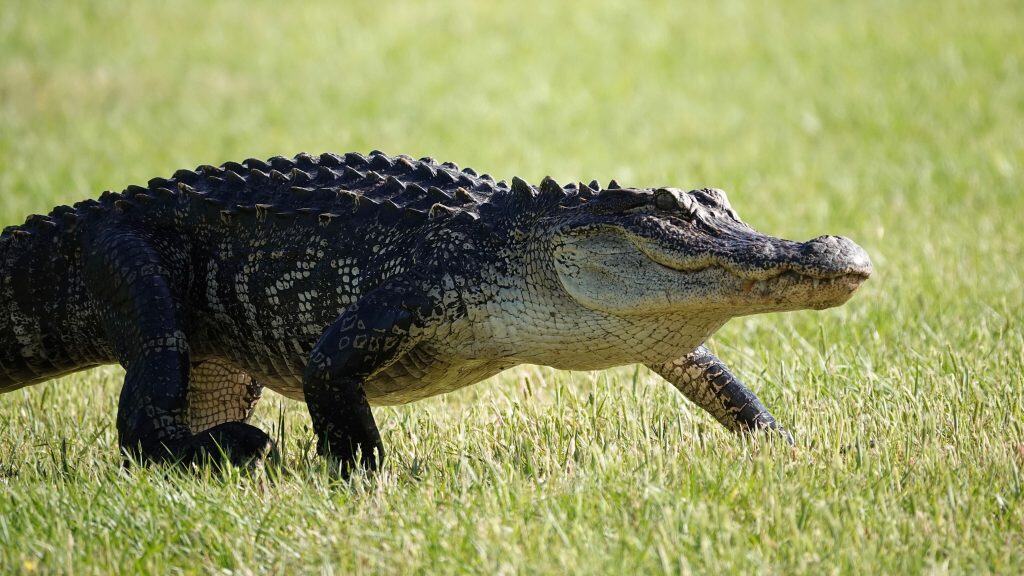
Although alligators live in freshwater, they can tolerate saltwater for a few hours, and you may even spot them riding the waves at the beach.
©Chris Klonowski/Shutterstock.com
You may spot the American alligator (Alligator mississippiensis) roaming around on dry land or in freshwater ponds on the island. According to South Carolina State Parks, a common viewing spot is Mullet Pond, where they may be sunning, swimming, or hunting for food. Alligators eat a varied diet of fish, turtles, birds, and other mammals.
Hunting Island White-Tailed Deer
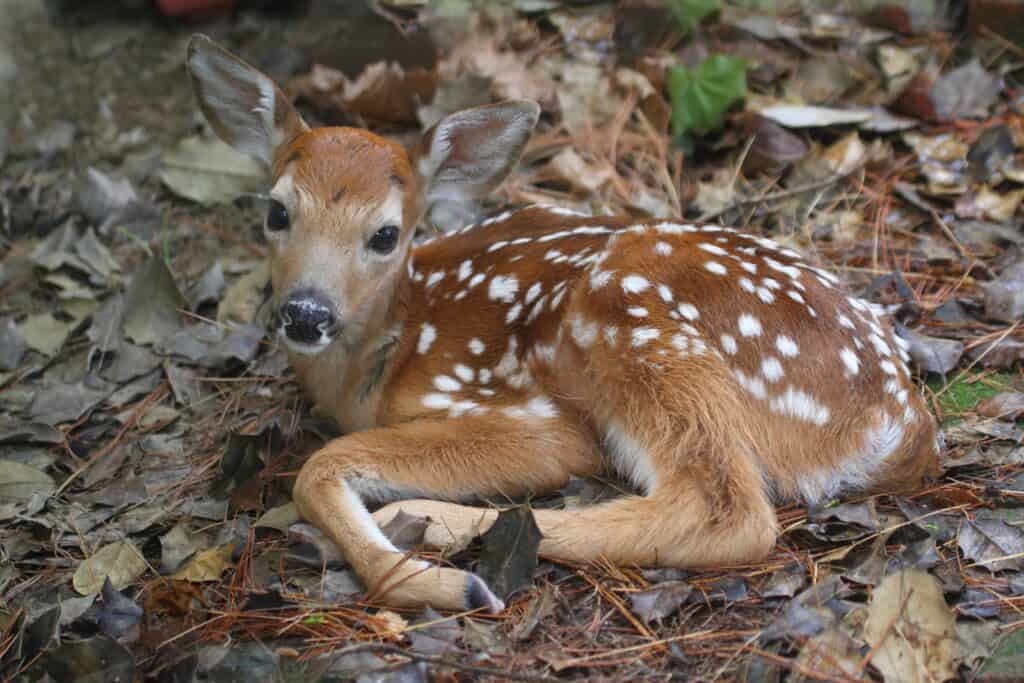
Hunting Island white-tailed deer are a subspecies of the white-tailed deer that are common across the country.
©Steve Byland/Shutterstock.com
The deer on Hunting Island are Hunting Island deer (Odocoileus virginianus venatoria), a subspecies of white-tailed deer. They are somewhat smaller than the white-tailed deer found throughout most of the country. You can find them in the maritime forest and around freshwater ponds.
Lettered Olive
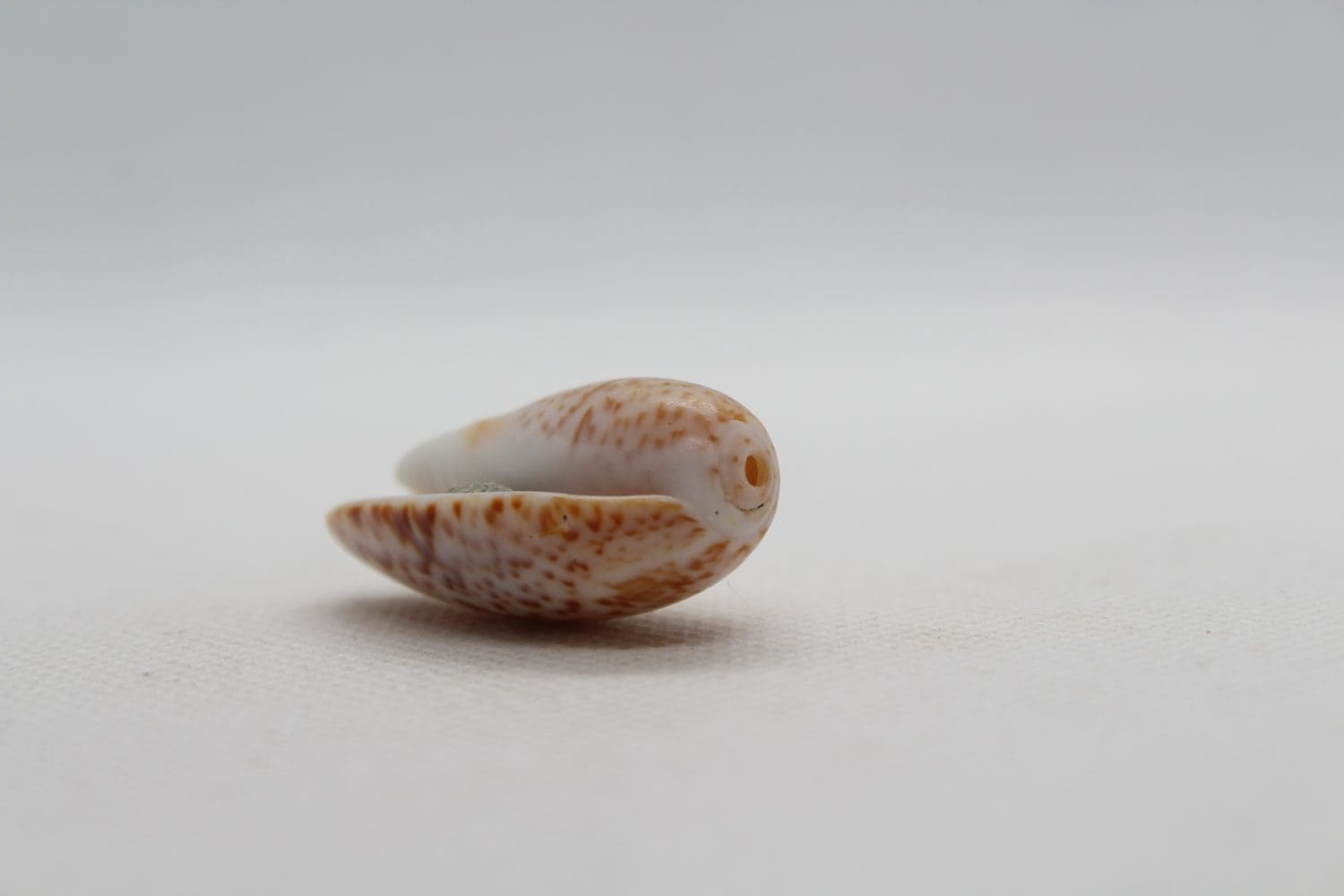
The lettered olive is a predatory sea snail with a beautifully patterned shell that feeds on marine worms and small crustaceans.
©Tom Korcak/Shutterstock.com
South Carolina’s state shell is the lettered olive, home to the lettered olive (Oliva sayana) sea snail, a predatory marine snail. You can find the shiny shells with zigzag markings washed up on the beaches around Hunting Island. These snails live in the intertidal zone down to about 20 feet and may appear during low tide.
American Horseshoe Crab
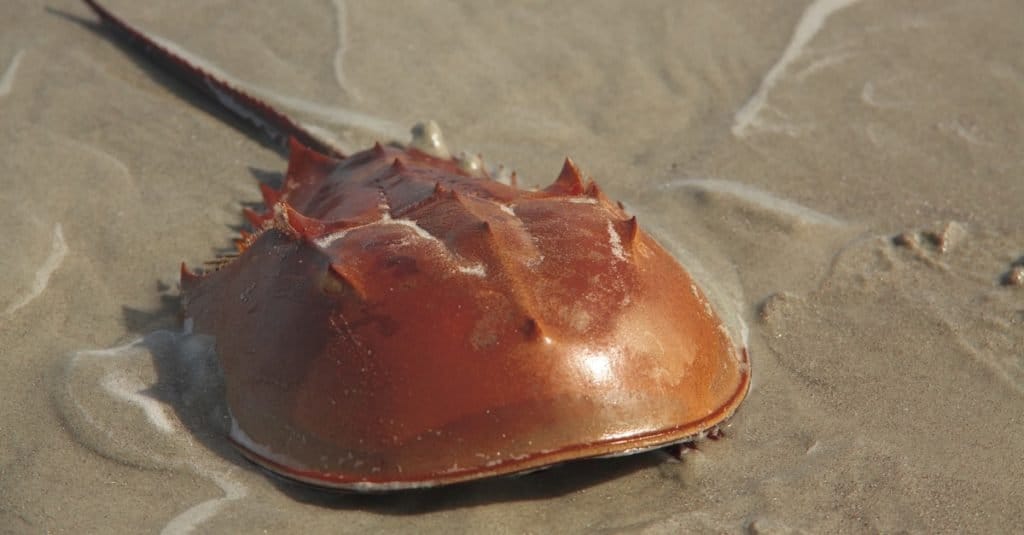
Close-up of Horseshoe Crab on the sand.
©SandraG/Shutterstock.com
You may spot molts from the American horseshoe crab (Limulus polyphemus) scattered on the beach at Hunting Island. Though they are called crabs, they are actually marine arthropods. Genetically, horseshoe crabs are more closely related to spiders than they are to crabs.
Common Bottlenose Dolphin
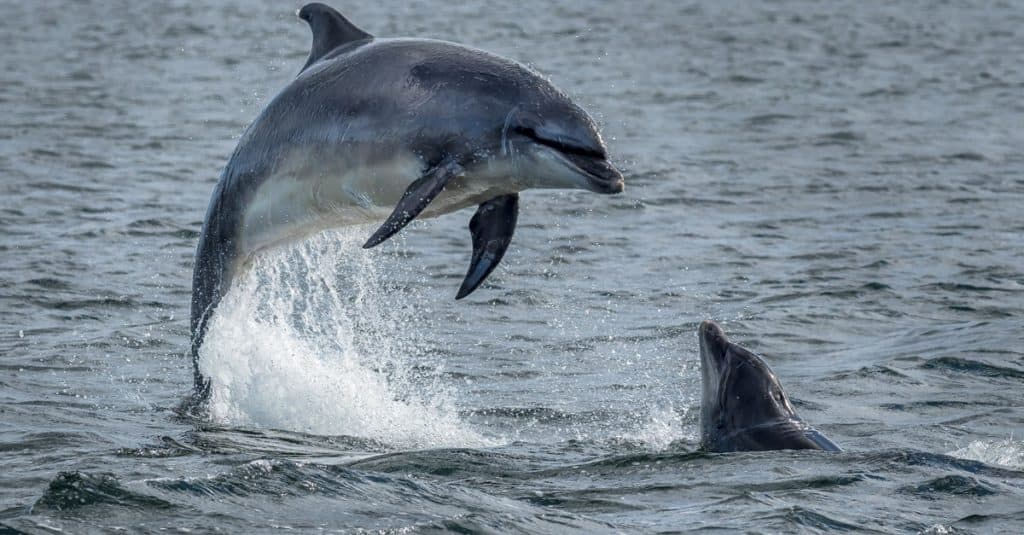
You are likely to spot bottlenose dolphins jumping out of the water around Hunting Island State Park.
©grafxart/Shutterstock.com
Multiple wildlife and dolphin tours around the island offer visitors a fun activity. The common bottlenose dolphin (Tursiops truncatus) is found in abundance in the waters around the park. The curious and friendly sea mammals can be spotted along the coast in open waters and in the marshes and coastal rivers around Hunting Island.
Raccoon
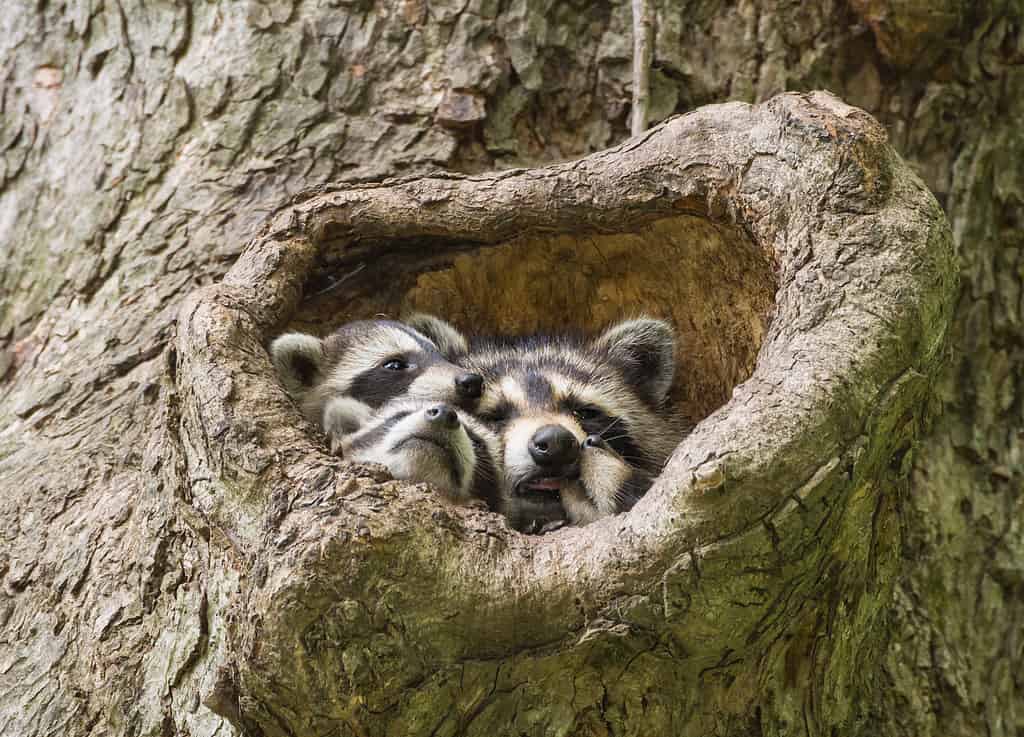
Raccoons like to nest in the hollows of large trees or in abandoned burrows dug by other animals.
©Georgi Baird/Shutterstock.com
A common animal you may encounter around Hunting Island is the raccoon (Procyon lotor). Raccoons find plenty to eat in the island’s dense, maritime forests. They are opportunistic feeders and eat a variety of acorns, berries, insects, snails, crabs, and other small critters.
Great Egret
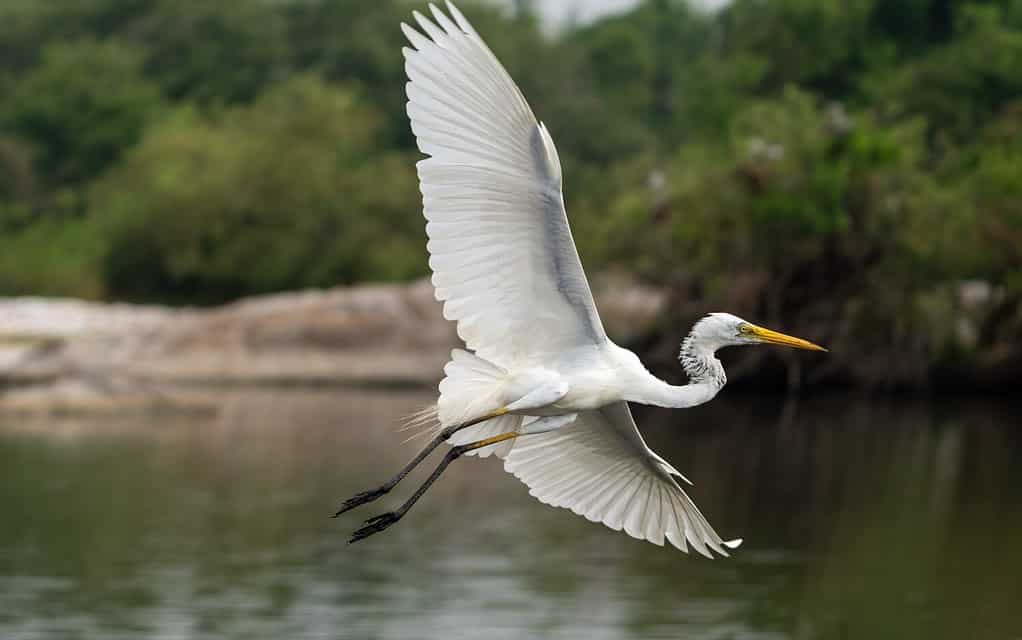
Great egrets live near the swamps and wetlands on Hunting Island State Park.
©Banu R/Shutterstock.com
Hunting Island State Park is a prime spot for birdwatching. According to the Carolina Bird Club, the best spot to find egrets is along the Marsh Boardwalk Trail. The great egret (Ardea alba) is a large wading bird and one of the largest egrets in the world. Other subspecies on the island include the snowy egret and the cattle egret.
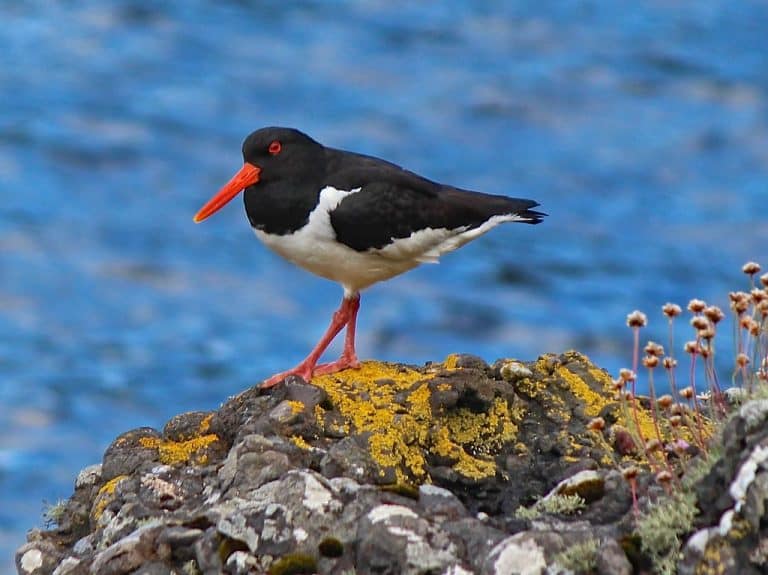
American Oystercatcher
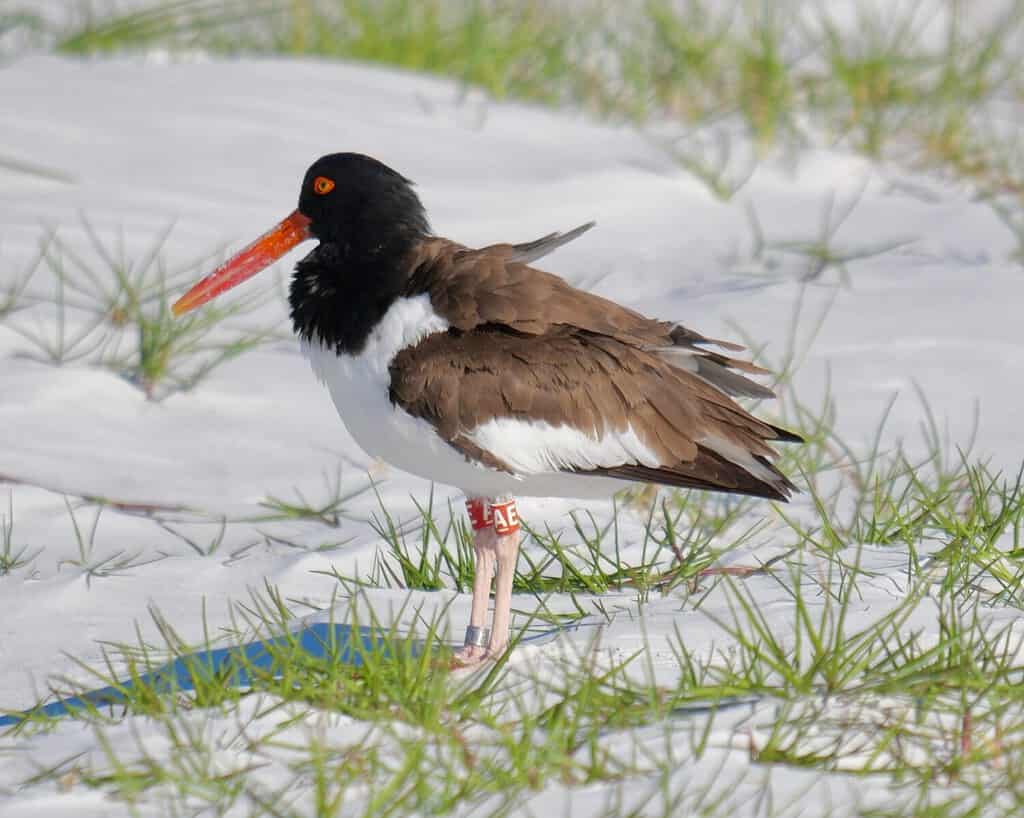
American oystercatchers have long, orange bills that they use to pry open clams, oysters, and mussels.
©Archaeopteryx Tours/Shutterstock.com
The American oystercatcher (Haematopus palliatus) is a large wading bird that lives on beaches and along salt marshes. If you’d like to spot an oystercatcher on Hunting Island, the Carolina Bird Club suggests heading to Johnson Creek Inlet during winter. They sometimes gather there by the hundreds during the colder seasons. If you don’t see oystercatchers at Johnson Creek, you may spot other shorebirds, including gulls, sandpipers, and plovers.
Wood Stork
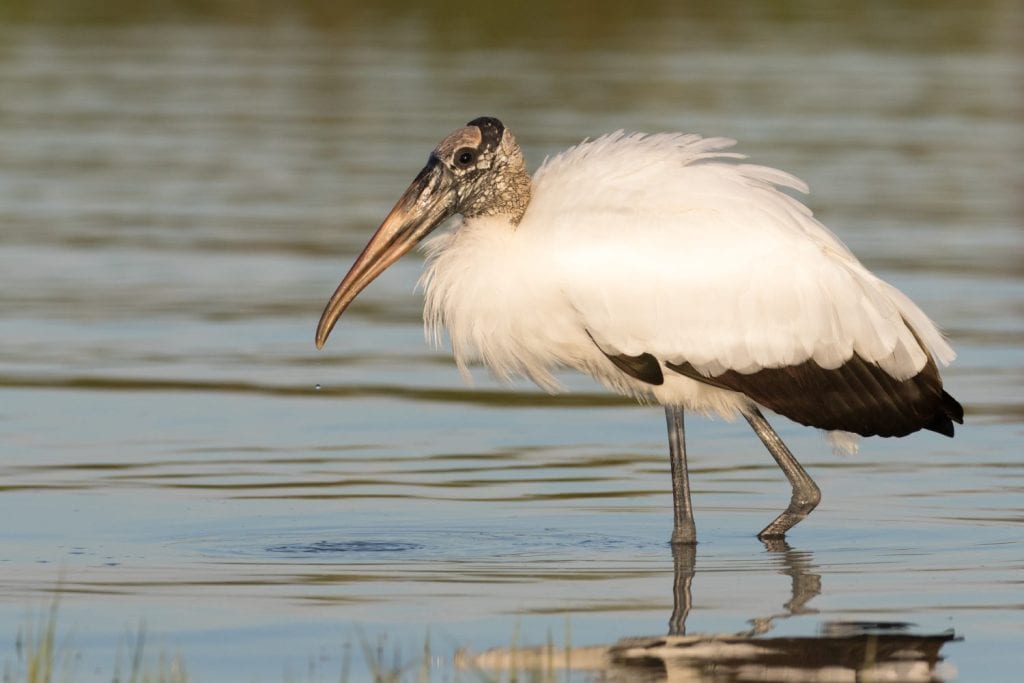
Wood storks are the only species of stork that breeds in the U.S.
©Kristin Howell/Shutterstock.com
This large wading bird is the only stork species native to North America. You can spot the wood stork (Mycteria americana) on Hunting Island in the marshes. Wood storks grow 33 to 45 inches tall with wingspans of 55 to 71 inches.
Painted Bunting
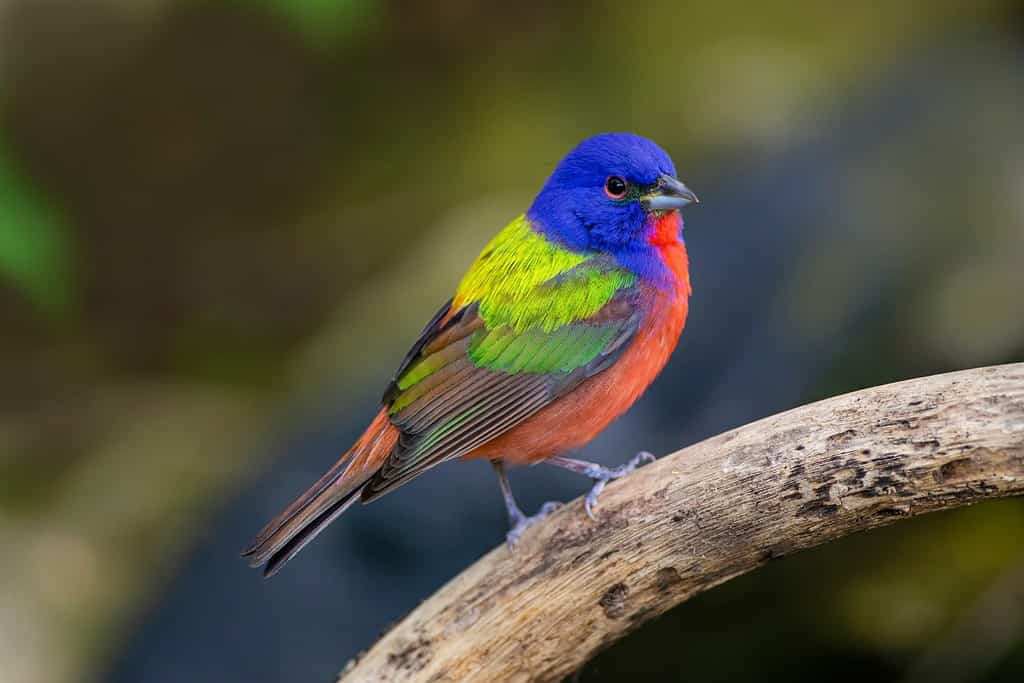
The male painted buntings are brightly colored, but the females are bright green to yellow-green.
©Danita Delimont/Shutterstock.com
The unmistakable, brightly colored painted bunting (Passerina ciris) is a small bird that nests along the Atlantic Coast. The male is a beautiful combination of bright blue, red, and green. According to the Friends of Hunting Island, if you want to spot one of these spectacular birds, venture into the brush inland from the dunes. They may also be seen eating at the feeders around the Nature Center.
Eastern Diamondback Rattlesnake
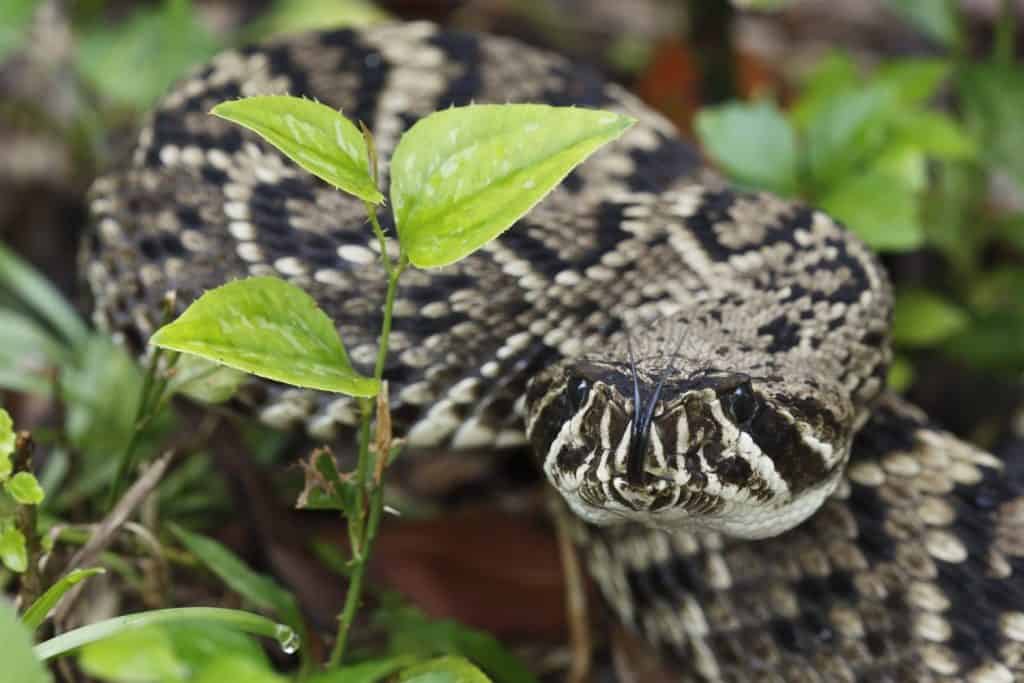
The Eastern diamondback rattlesnake averages in size from 3 to 6 feet long, but can be over 8 feet.
©Kevin Barry Photography/Shutterstock.com
Among the three types of rattlesnakes that live in South Carolina, the Eastern diamondback rattlesnake (Crotalus adamanteus) lives on Hunting Island. It’s the largest venomous snake in North America, and its venom is extremely potent. However, these snakes are shy and will do their best to steer clear of humans. If you are unlucky enough to be bitten by one, be sure to get medical treatment as soon as possible, as there are antivenoms available to treat the bite.
Carolina Anole
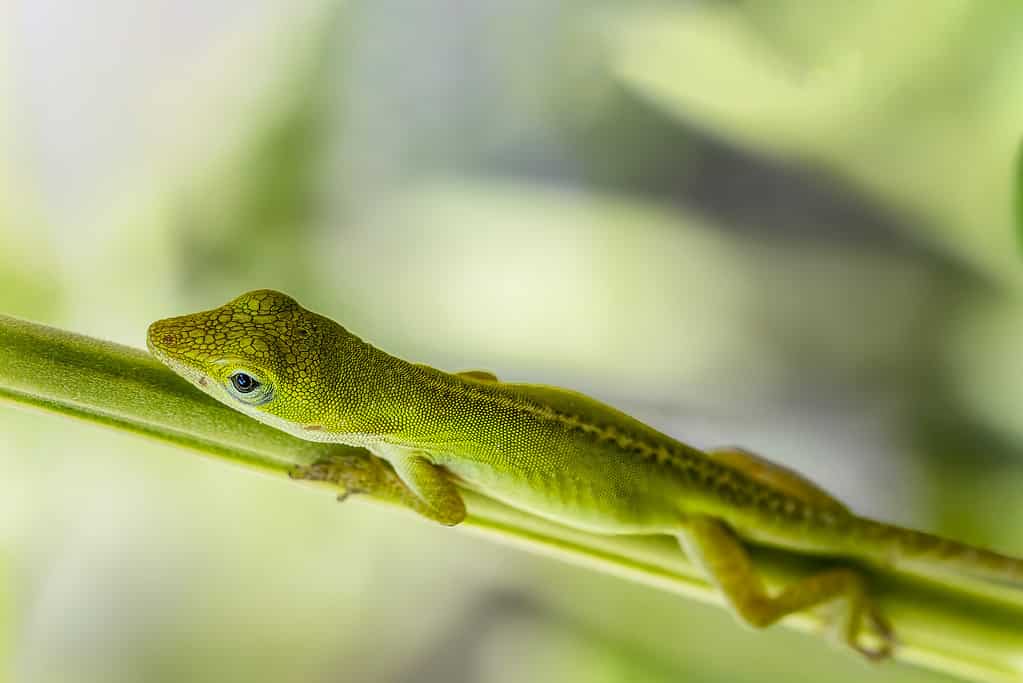
Carolina anoles reach about 5 to 8 inches in length and prefer to live among the trees.
©DjMiko/iStock / Getty Images Plus via Getty Images
The Carolina anole, or green anole (Anolis carolinensis), is a small green lizard that is commonly found throughout the island. They live in forested areas and can be spotted hiding under logs and plants. On cooler days, their color changes to more of a brownish tint. You may see them basking in the sun on a warm day.
American Green Tree Frog
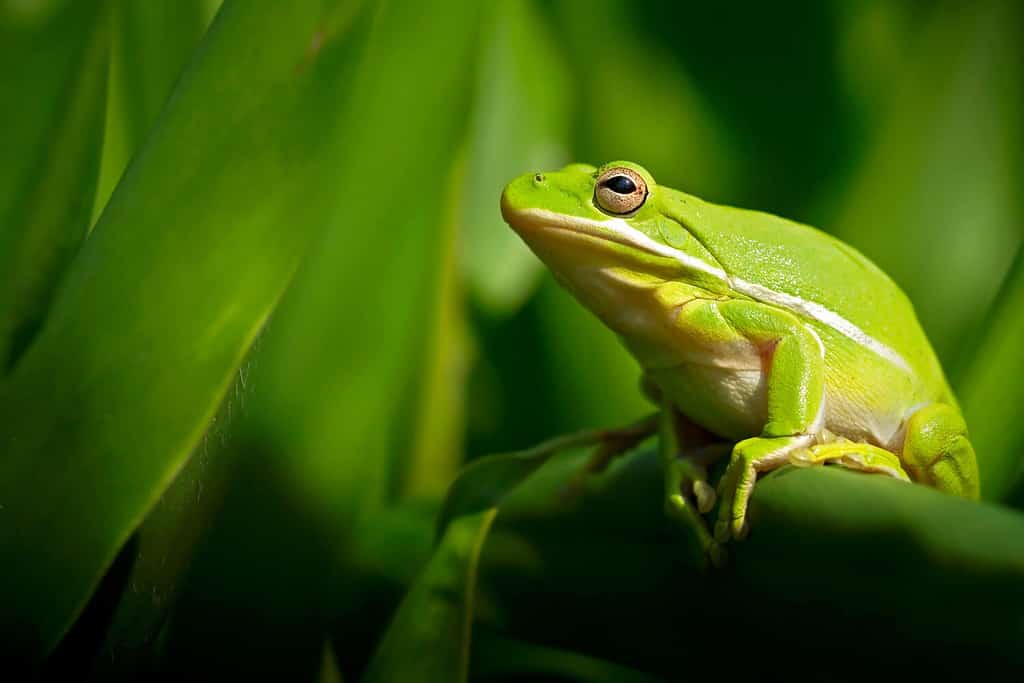
American green tree frogs are nocturnal and wait for the sun to set to begin hunting insects.
©LorraineHudgins/Shutterstock.com
The American green tree frog (Hyla cinerea) is a small species of frog (only reaching up to 2.5 inches long). They live near ponds, streams, and freshwater marshes throughout the island. You can identify them by the solid white stripe along the side of their bodies and their bright green color. Although they are called tree frogs, they don’t live in trees; instead, they can be found among the grasses, reeds, and cattails. However, you will likely only spot them at night, when they are most active.
Great White Shark
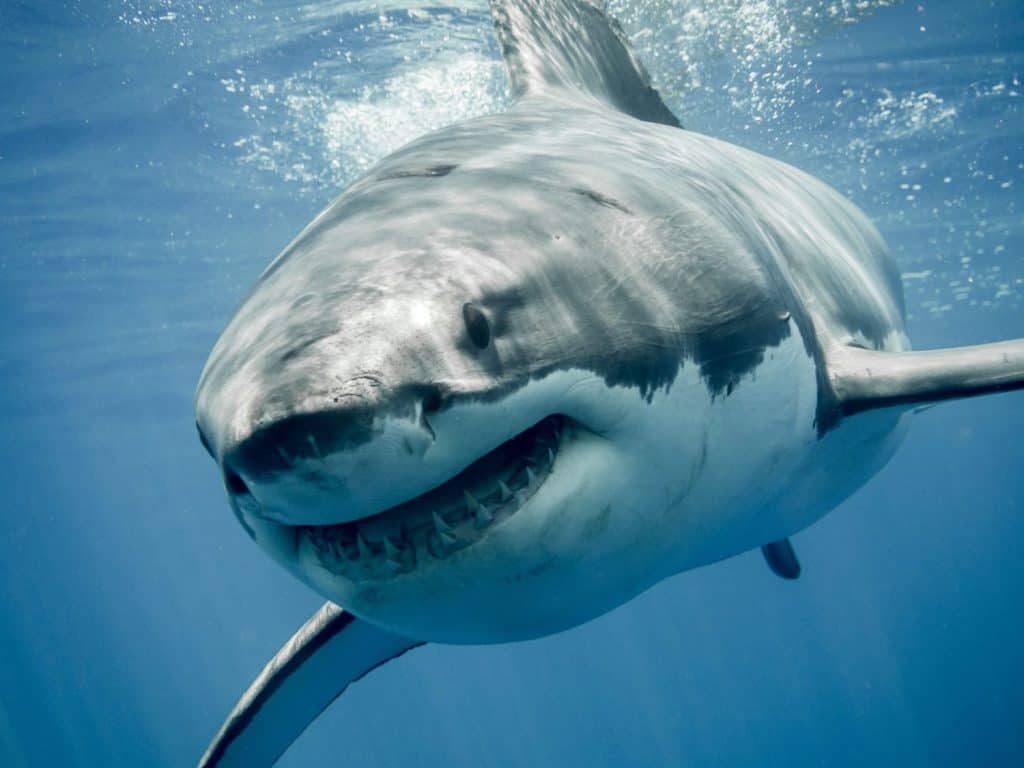
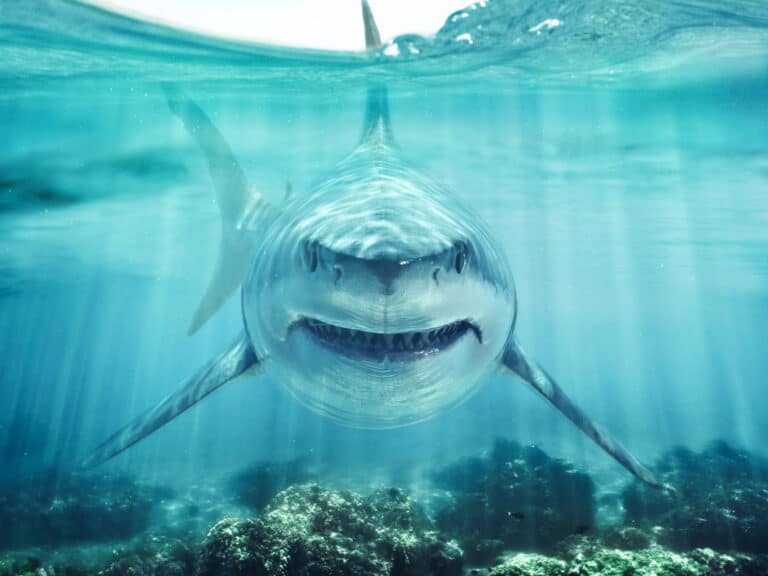
Although there have been reports of shark attacks off the coast of Hunting Island, they were likely not done by a great white shark.
©Ramon Carretero/Shutterstock.com
They are out there, but you probably won’t see them. Many sharks swim off the coast of Hunting Island, including the iconic and infamous great white shark (Carcharodon carcharias). However, your odds of encountering a great white shark are extremely rare. A possible breeding ground for great whites was discovered in nearby Port Royal Sound. Despite this, there are no known records of great white shark attacks around the island. According to the Florida Museum International Shark Attack File, there have only been 30 unprovoked shark attacks on Beaufort County beaches since records began being kept in 1837, and these were from other species of sharks (not great whites).
Manatee
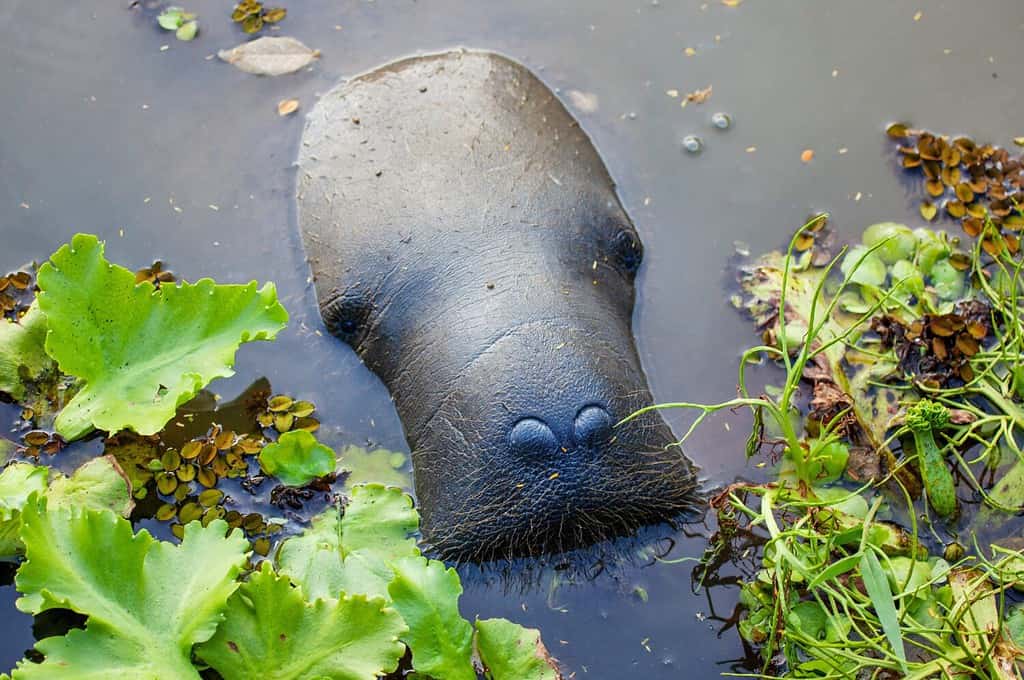
The West Indian manatee travels to South Carolina during the summer when the waters are warm.
©Victor1153/Shutterstock.com
If you are lucky, you may encounter the gentle, large manatee, also known as a sea cow, swimming through Hunting Island’s shallow and slow-moving waters. Sightings of manatees aren’t common but are sometimes reported around Beaufort County waters. The West Indian manatee (Trichechus manatus), a subspecies of manatee, migrates to the area from Florida beginning in May and stays until the weather turns cold. Manatees can live in freshwater and saltwater and may weigh as much as one ton and reach 13 feet in length.
Seahorse
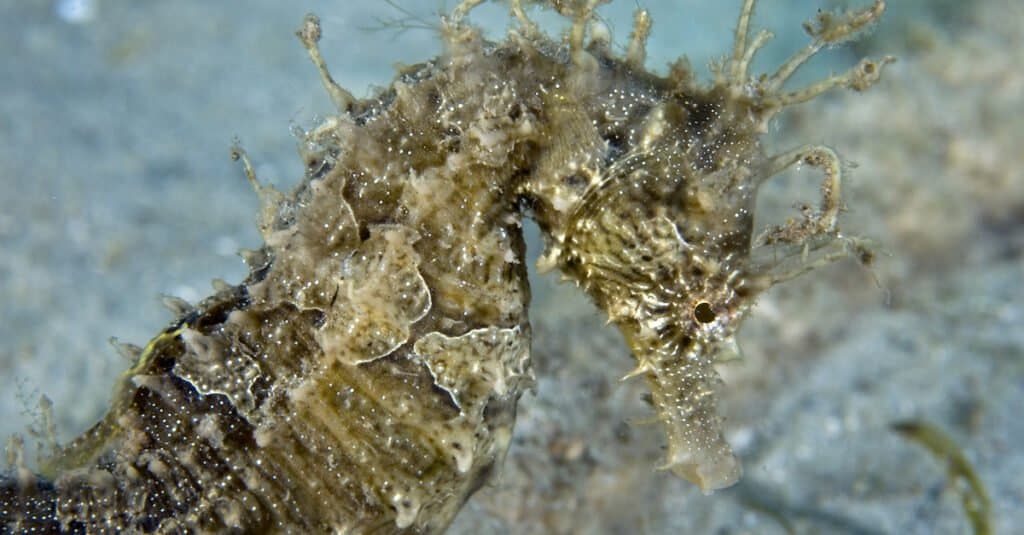
The male lined seahorse, like other seahorses, carries its eggs in a special pouch on its stomach and incubates them.
©Peter Leahy/Shutterstock.com
Hunting Island is home to a large manmade lagoon created by sand dredging in the 1960s. In the lagoon, you may encounter the lined seahorse (Hippocampus erectus). Unfortunately, the World Conservation Union (IUCN) Red List classifies the lined seahorse as vulnerable due to declining numbers.