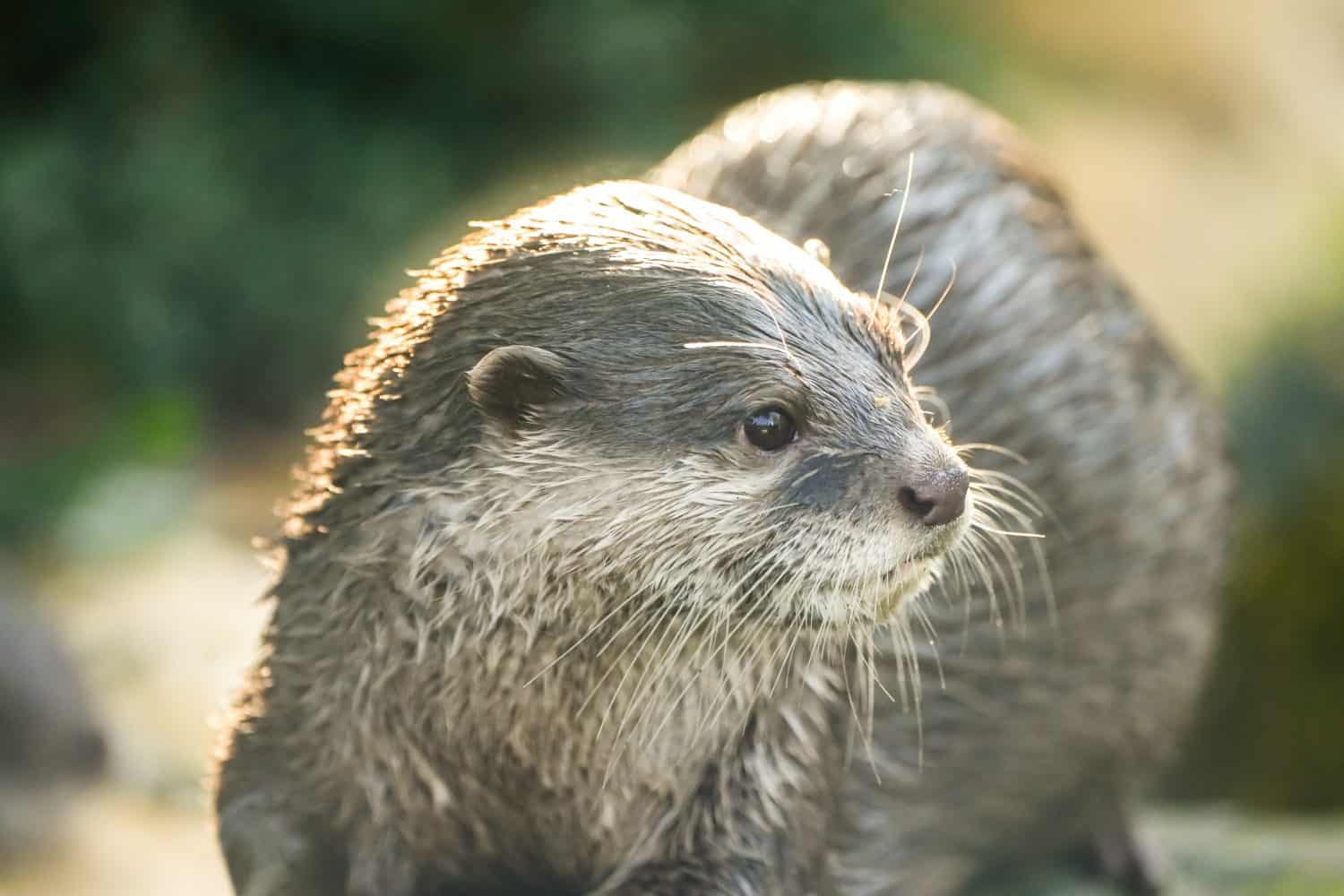

When you think of a search and rescue animal, most people’s thoughts turn to dogs. Dogs have proven themselves to be highly trainable and effective at locating human scents, helping rescue teams recover people from dangerous situations. But dogs can’t track a scent underwater. That’s where otters come in. The world’s first search and rescue otter has already had success in his short time on the job.
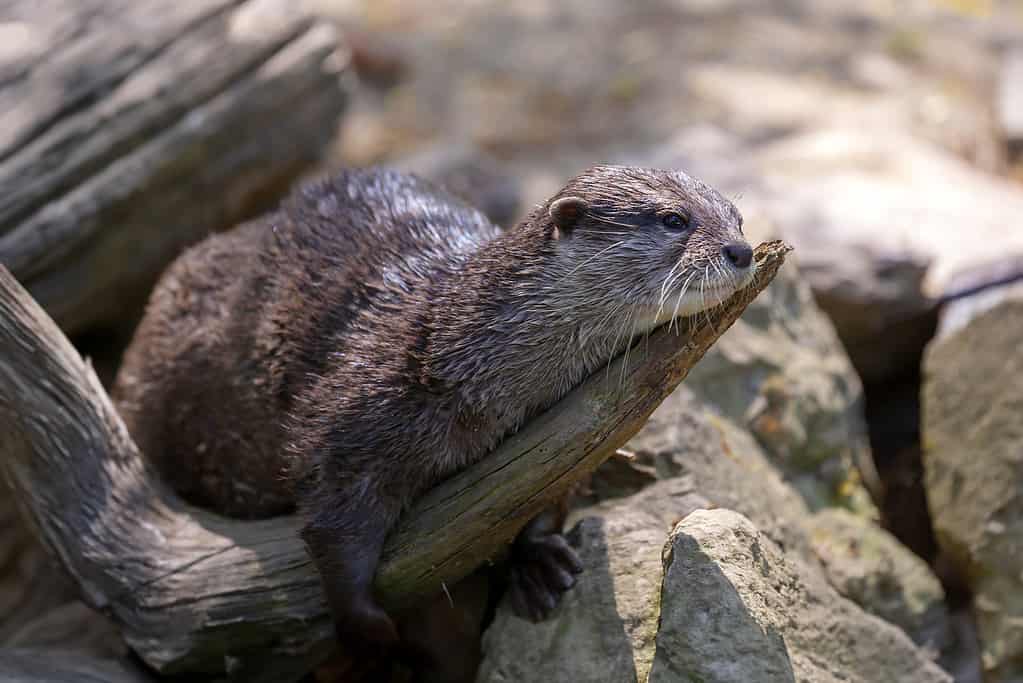
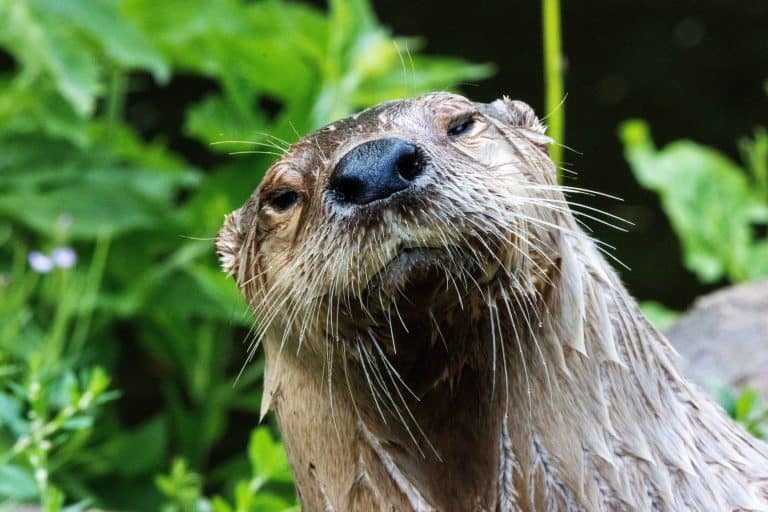
Asian small-clawed otters have an excellent sense of smell.
©Jana Krizova/iStock via Getty Images
Splash, the Search and Rescue Otter
A Southwest Florida-based search and rescue nonprofit organization had the idea to find an animal that can track scents underwater. Local Tampa news outlet, WTSP, tells the story of how an otter became a search and rescue animal.
Mike Hadsell, President of Peace River K9 Search and Rescue, has decades of experience in finding missing humans with the help of dogs. But one day, Hadsell had a different idea. “The saying was that the investigation ends at the water’s edge,” Hadsell told a local Tampa news station, WTSP. “Our dogs are trained to work off anything from paddle boards to kayaks to boats.” Hadsell continued, “I thought, why can’t we train an otter to do this kind of work. If they’ll work with us.”

Asian small-clawed otters are highly social and live in family groups of 15 to 20.
©Jane Rix/Shutterstock.com
That’s where Splash, the Asian small-clawed otter (Aonyx cinereus), comes in. Splash was given to Hadsell by an Arizona zoo in 2024. Since then, Splash has been getting specialized training to identify and locate the scent of human remains underwater.
How Do You Train an Otter for Search and Rescue Operations?
Hadsell told WTSP that Splash’s job is to find the cadaver underwater in low-visibility conditions. Hadsell explains, “Humans emit somewhere over 500 volatile organic compounds, and it’s unique to humans.”
To train Splash, Hadsell filled three kiddie pools with water in his backyard. Splash’s job is to find the scent Hadsell placed of human remains in the water. “You’ll see all these bubbles coming out, and he’s sucking some of those bubbles back in and tasting them. The odor attaches itself to the bubbles, and when he inhales them, he can detect the scent. That’s how he does it. When he finds something, he comes back and he grabs my mask,” Hadsell said.
Why Are Asian Small-Clawed Otters Uniquely Suited to Search and Rescue?
There are 13 different species of otters, and out of all of them, Asian small-clawed otters (Aonyx cinereus) are the smallest. They weigh under 10 pounds and are only about 2 feet long. These little otters are native to Asia, living in small streams, wetlands, and coastal swamps. They are known to be intelligent and social animals. This intelligence and affinity for social behavior are likely a big part of the reason why humans have had such success in training Splash.
Asian small-clawed otters mate for life, and both parents care for their offspring. They live in family groups of around 15 to 20 individuals. The otters have an excellent sense of smell, which they use for communication. They use scent markings to share information with each other about territory, mating availability, and other details. They also communicate through vocalizations, which scientists believe they have about 12 different calls.
Dangers Lurk in the Florida Waters
Florida waters are home to many dangerous predators, such as alligators, which pose a threat to small mammals like Splash. To protect him, his handlers keep him tethered to a line. Hadsell told WTSP they use sonar and spotters to keep an eye out for alligators.
Is Splash the First of Many Search and Rescue Otters?
Splash has completed three successful search missions. His success, Hadsell believes, will lead to other otters being trained for search and rescue. Currently, the FBI and the Florida Department of Law Enforcement are interested in following Splash’s work. Hadsell said, “I expect to see a lot of otters out there. I think they’ll be standard issue probably in 10 years from now.”
Conservation Status of Asian Small-Clawed Otters
The Asian small-clawed otter is classified as Vulnerable on the IUCN Red List of Threatened Species. Unfortunately, its existence is threatened by the pet trade. Small-clawed otters have become popular pets in Indonesia, Thailand, and other countries in Southeast Asia. Experts believe that poachers are illegally capturing them in the wild to sell them to pet owners. In part due to their popularity on social media, people are willing to pay thousands of dollars for the otters. Although many Asian countries ban the capture and sale of these otters, officials have difficulty stopping the illegal online trade.